
Search the Site with

|
Search the Site with
|
 General Characteristics Crew List Memorabilia Cruise Books About the Ship's Name About the Ship's Coat of Arms Accident aboard the Ship Patch Gallery Image Gallery to end of page
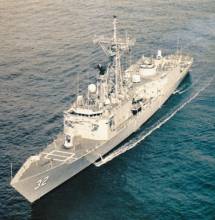 |  | 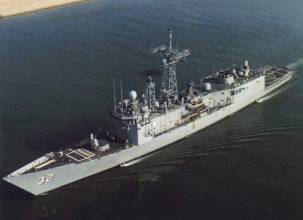 |
USS JOHN L. HALL was one of the OLIVER HAZARD PERRY class guided missile frigates and the first ship in the Navy named after Admiral John L. Hall, Jr. On March 9, 2012, the JOHN L. HALL was decommissioned at her homeport Mayport, Fla. Subsequently laid up at Philadelphia, Penn., the ship was later sold for scrapping to International Shipbreaking Ltd. in Brownsville, Tx. JOHN L. HALL arrived at Brownsville under tow on December 19, 2022, and has since been scrapped.
| General Characteristics: | Awarded: January 23, 1978 |
| Keel laid: January 5, 1981 | |
| Launched: July 24, 1981 | |
| Commissioned: June 26, 1982 | |
| Decommissioned: March 9, 2012 | |
| Builder: Bath Iron Works, Bath, Maine | |
| Propulsion system: two General Electric LM 2500 gas turbines, two 350 Horsepower Electric Drive Auxiliary Propulsion Units | |
| Propellers: one | |
| Blades on each Propeller: five | |
| Length: 453 feet (138 meters) | |
| Beam: 47 feet (14.32 meters) | |
| Draft: 24,6 feet (7.5 meters) | |
| Displacement: 4,100 tons | |
| Speed: 28+ knots | |
| Aircraft: | |
| Armament: one | |
| Crew: 17 Officers and 198 Enlisted |
 back to top go to the end of the pageback to top go to the end of the page
Crew List:
This section contains the names of sailors who served aboard USS JOHN L. HALL. It is no official listing but contains the names of sailors who submitted their information.
back to top go to the end of the pageback to top go to the end of the pageUSS JOHN L. HALL Cruise Books:
back to top go to the end of the page
About the Ship's Name:
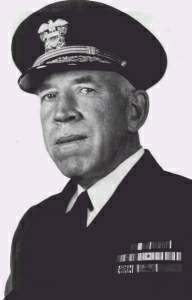 General Dwight D. Eisenhower gave him the nickname "Viking of Assault". General George Patton, tough critic of fellow military leaders, heaped high praise on him. He was one of the toughest and best athletes of the U.S. Naval Academy.
These descriptions of Admiral John L. Hall, Jr., for whom the ship is named, were befitting of his huge frame, his daring military exploits and his prowess as an athlete.
However, to Dr. Susan Hall Godson, his niece and biographer, he was a "gentle giant," with more than a fair share of humility.
Admiral Hall was a brilliant attack force commander of World War II and former Commander Amphibious Force, U.S. Pacific Fleet. He was the Chief of Staff of the Western Naval Task Force during the North African landings in 1942 and received the Distinguished Service Medal for opening ports and preventing sabotage while Commander Northwest African Sea Frontier.
In February 1943, he became Commander Amphibious Force, North African Waters (Eighth Fleet), expertly cross-training Army artilleryman and Navy gunners so that his ship call-fire missions could be conducted in direct support of troop advance rather than at "targets of opportunity." His concept proved devastating to enemy forces and tank divisions as he led one of the major assault forces engaged in the Sicilian Occupation (9-12 July 1943) and the bitterly contested landings at Salerno (9-21 September 1943).
These bold achievements brought him two awards of the Legion of Merit. In November 1943, he took command of the ELEVENTH Amphibious Force in England, earning the Army's Distinguished Service Medal for his superb leadership of this amphibious Force "O" which landed and so effectively supported the Army V Corps on the "Omaha" beach sector off the coast of Normandy in June 1944. he received a second Navy Distinguished Service Medal for command of the Southern Attack Force (TF 55) during the invasion throughout the Okinawa campaign. In October 1945, he became Commander Amphibious Force, U.S. Pacific Fleet.
He later was Commandant of the Fourteenth Naval District and Commander of the Armed Forces Staff College at Norfolk, Virginia. From August 1951 until his retirement in May 1953, he was Commander Western Sea Frontier with additional duty as Commander Pacific Reserve Fleet.
Admiral Hall was a native of Williamsburg, Virginia, and attended the college of William and Mary for three years before transferring to the U.S. naval Academy where he graduated in 1913. He starred in football for three seasons at William and Mary and for years at the Naval Academy. As a matter of fact, he excelled in three sports at the Academy and was awarded the coveted "Academy Sword" for athletic excellence. Admiral Hall passed away in 1978 at the age of 87.
back to top go to the end of the page
About the Ship's Coat of Arms:
The Shield:
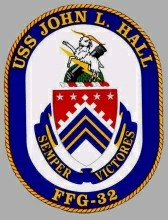
The colors of the chevron in the center of the lower portion of the shield are blue and gold. The three blue chevrons symbolize the three assault landing invasions in which Admiral Hall's outstanding leadership abilities contributed toward a successful conclusion. The top blue chevron is pointing in the direction of the embattled area which is red. This represents the penetration of fortified land areas from the sea. The stars denote the Admiral's rank.
The Crest:
The colors blue and gold are traditional to the U.S. Navy and further allude to two awards of the Navy Distinguished Service Medal to Admiral Hall; red and white refer to two awards of the Legion of Merit. The rampart heraldic goat refers to the Naval Academy where Admiral Hall's career began. The Naval cannon, along with a lightning bolt symbolizing electronic communications, allude to Admiral Hall's concept of cross-training Navy gunners and Army artilleryman so that his ship call-fire missions could be conducted in direct support of troop advance on the land. The heraldic mount in base represents the land areas upon which Admiral Hall's assault landing concepts proved so successful in the Mediterranean, Atlantic and Pacific battle areas.
back to top go to the end of the pageAccidents aboard USS JOHN L. HALL:
| Date | Where | Events |
|---|---|---|
| April 16, 2010 | Batumi, Georgia | USS JOHN L. HALL collides with a pier at the port of Batumi, Georgia, in the Black Sea. The impact causes approx. $160,000 of damage to the ship. On June 22, JOHN L. HALL's Commanding Officer - CDR Herman Pfaeffle - was relieved following an investigation into the collision. |
back to top go to the end of the page
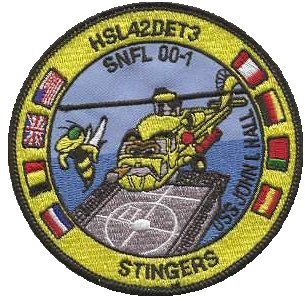
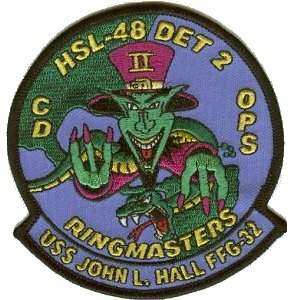
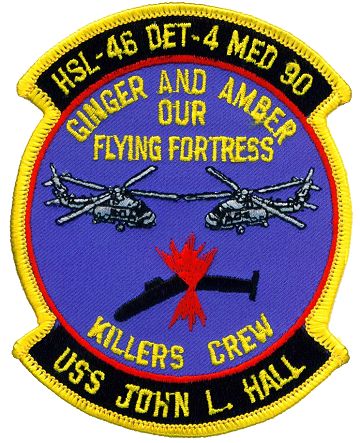
USS JOHN L. HALL Patch Gallery:
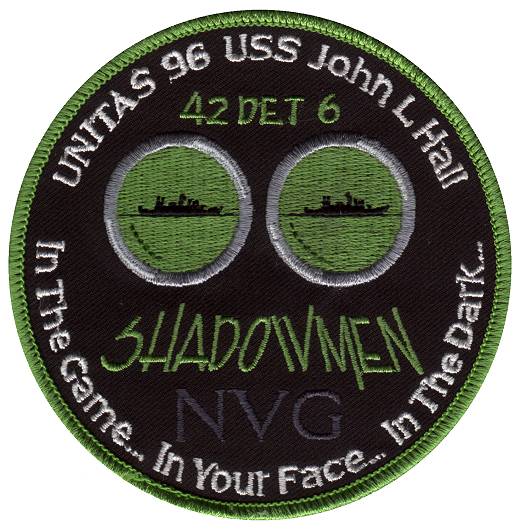 |  |  |  | 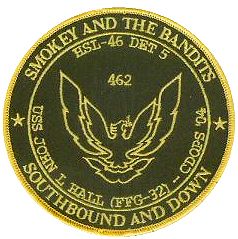 |
Background information to the first patch (HSL-42 Det. 6 - UNITAS '96):
The Shadowmen of HSL-42 Det. 6, embarked aboard USS JOHN L. HALL for the UNITAS cruise in 1996, were the East coast's first prototype Night Vision Goggle (NVG) capable SH-60B detachment. Because of the high success of this deployment, the use of NVGs on SH-60B aircraft spread rapidly and today all deploying SH-60B aircraft use NVGs.
back to top go to the end of the pageUSS JOHN L. HALL Image Gallery:
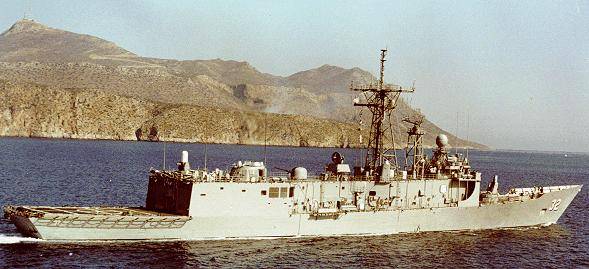 | 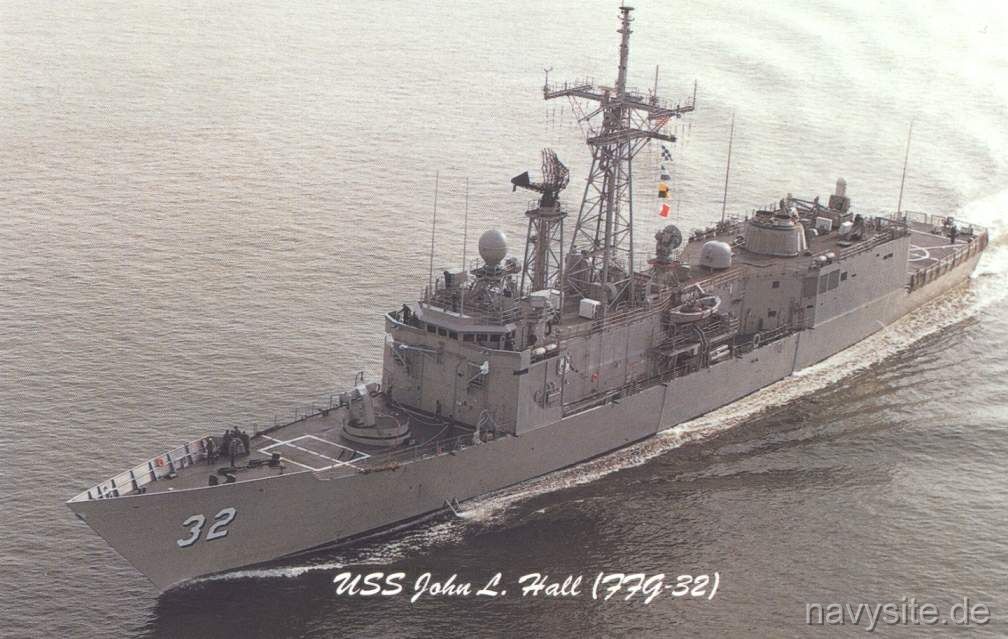 |
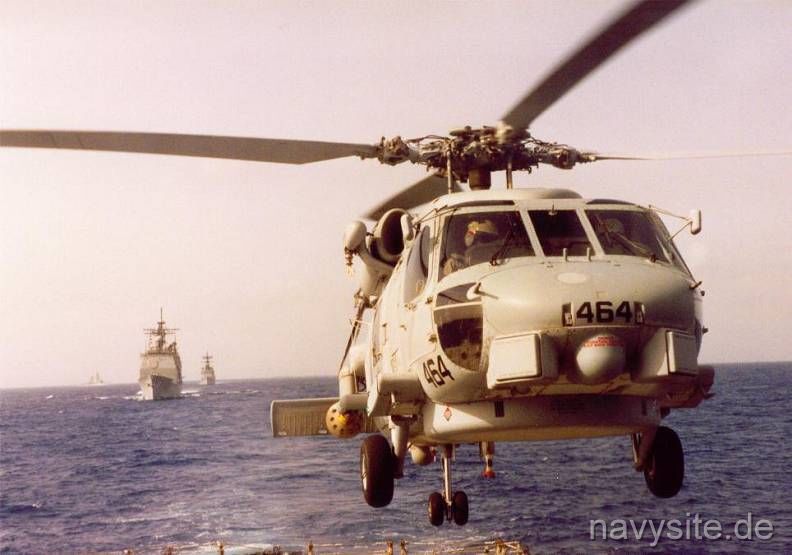
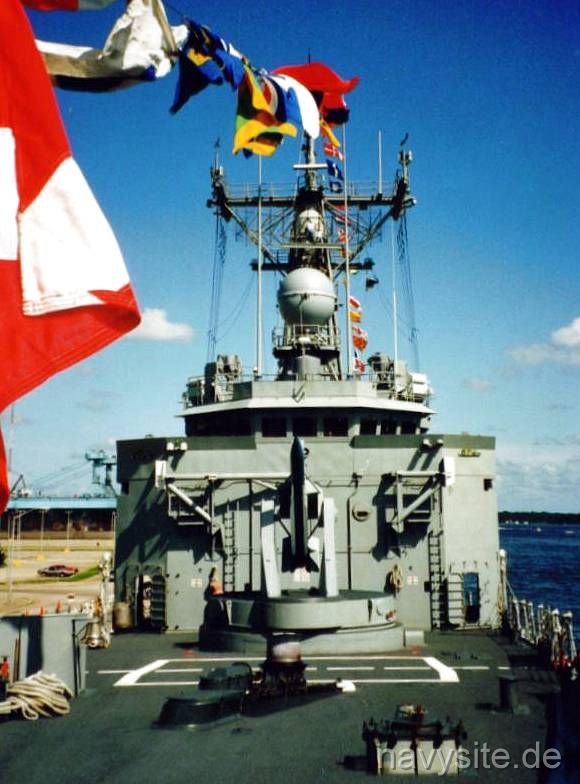
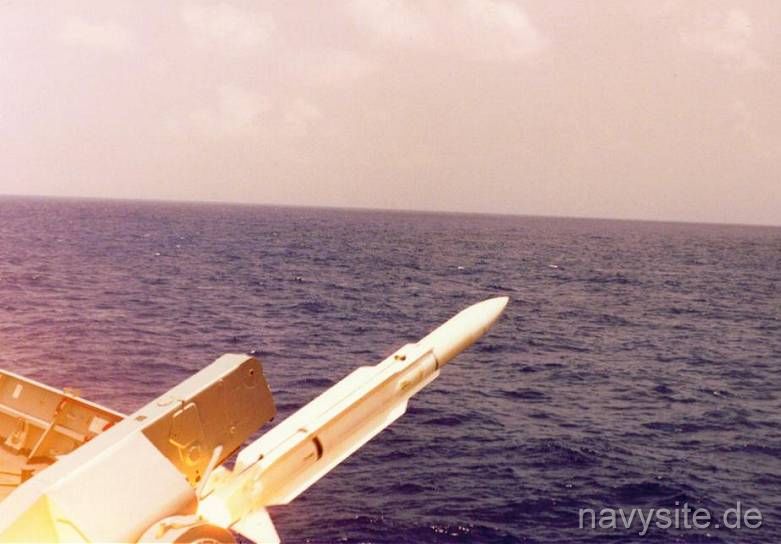
The photos below were taken by Sean Hainer (FFG 32 Disbursing Officer May 89 - April 92). The photos were taken at Jacksonville Landing near the ship's old home port of Mayport, FL, and during the Mediteranean cruise in 1990.
 | 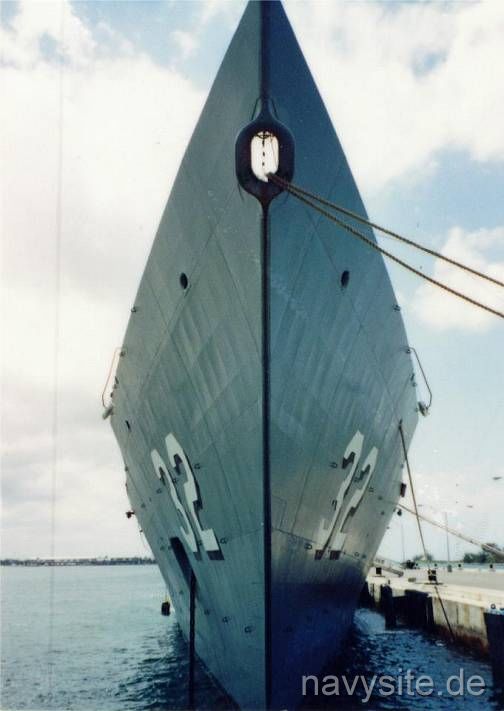 |  |  |  |
 |  |
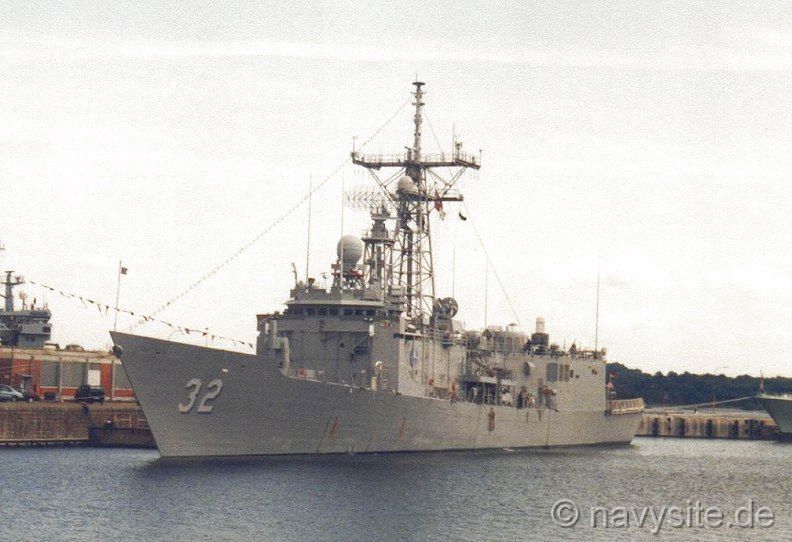
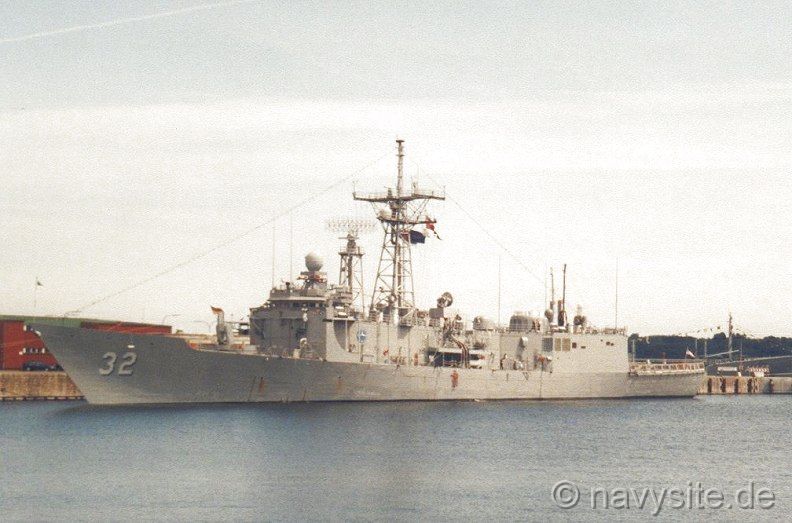
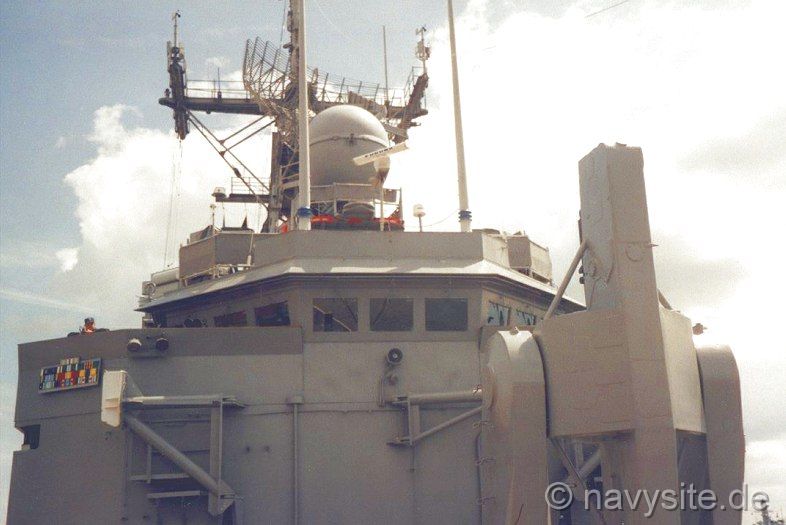
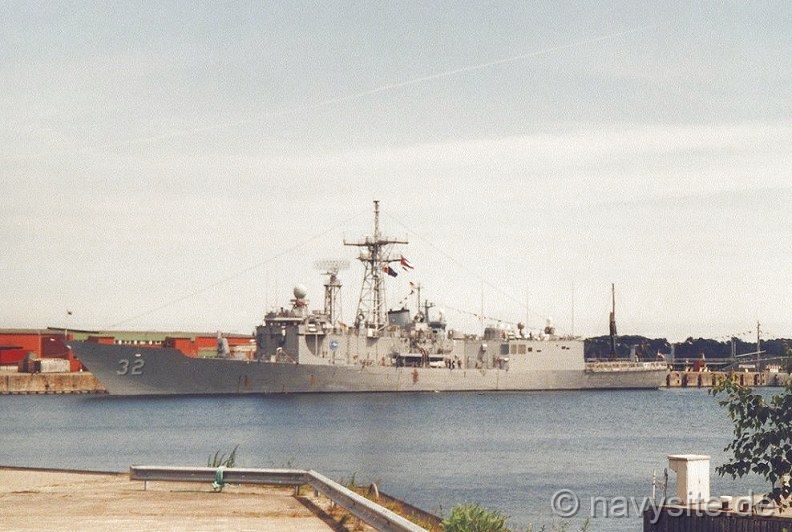
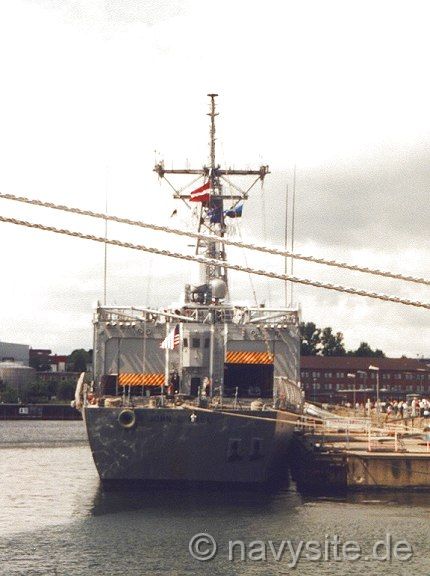
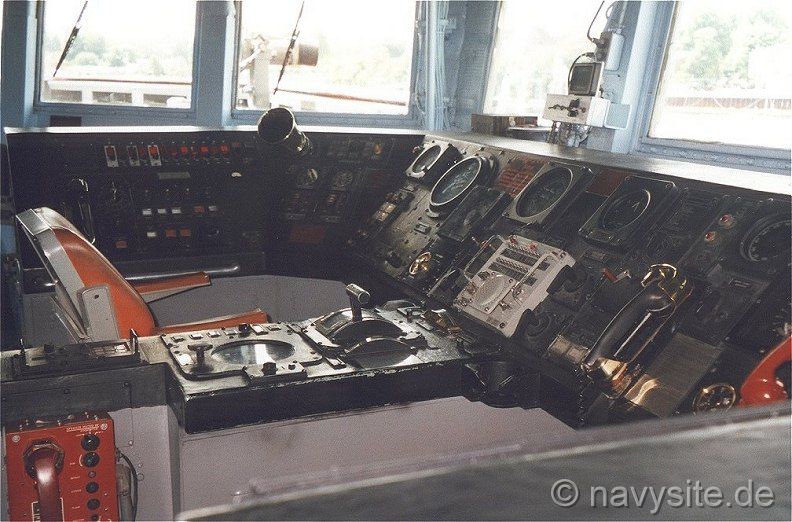
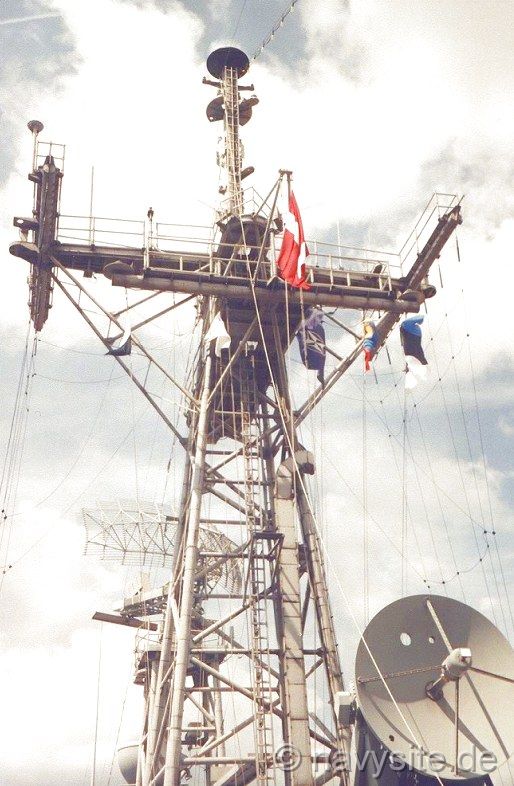
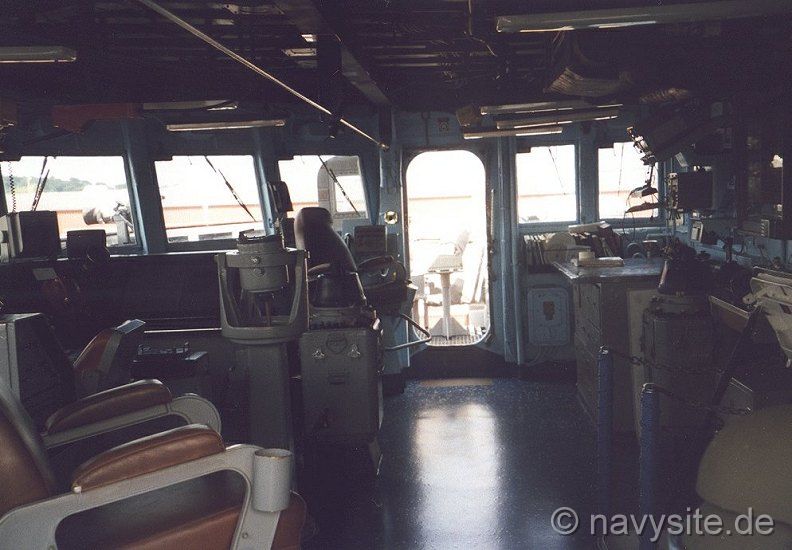
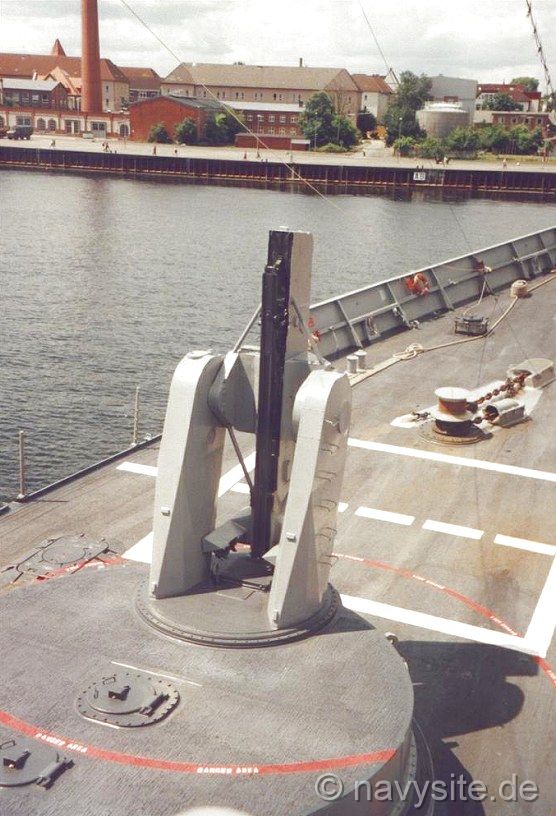
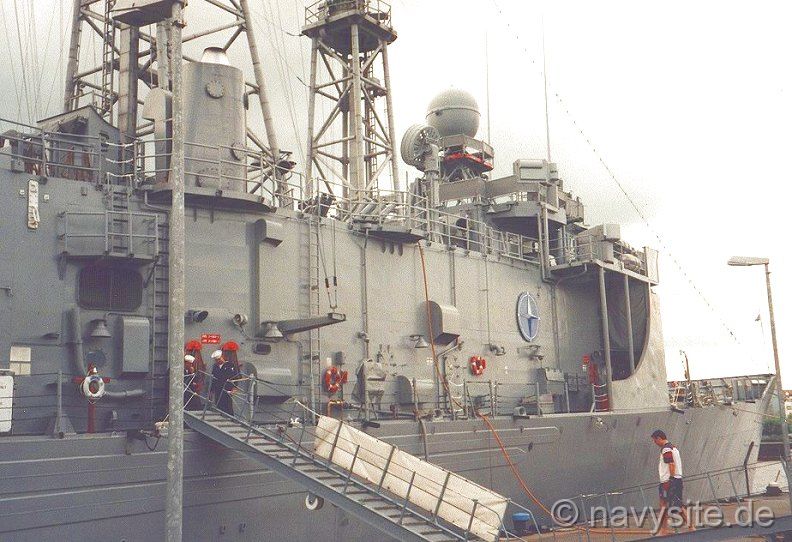
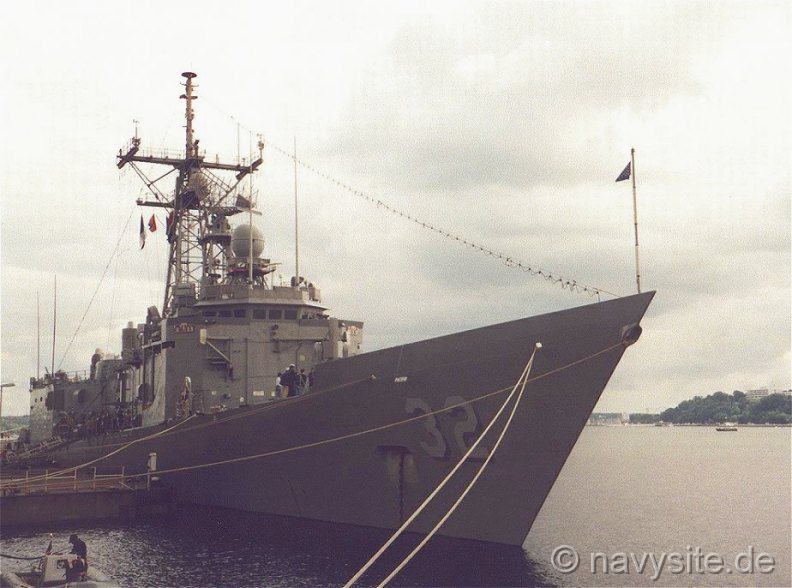
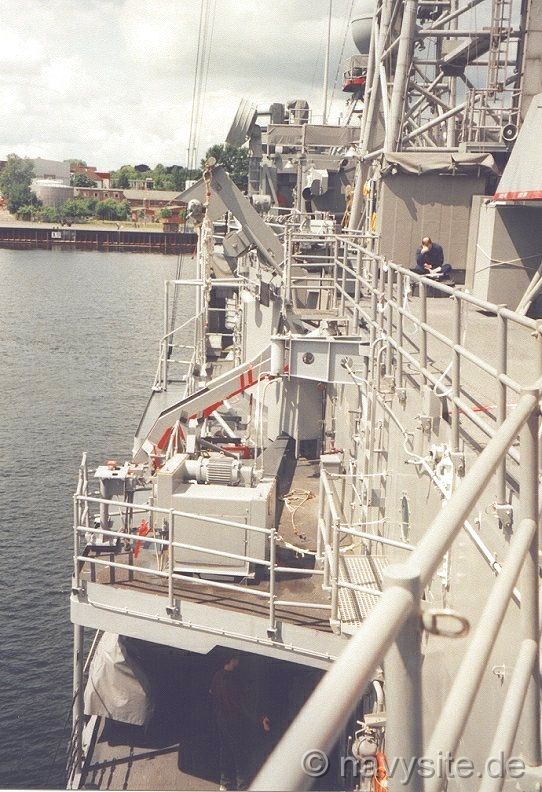
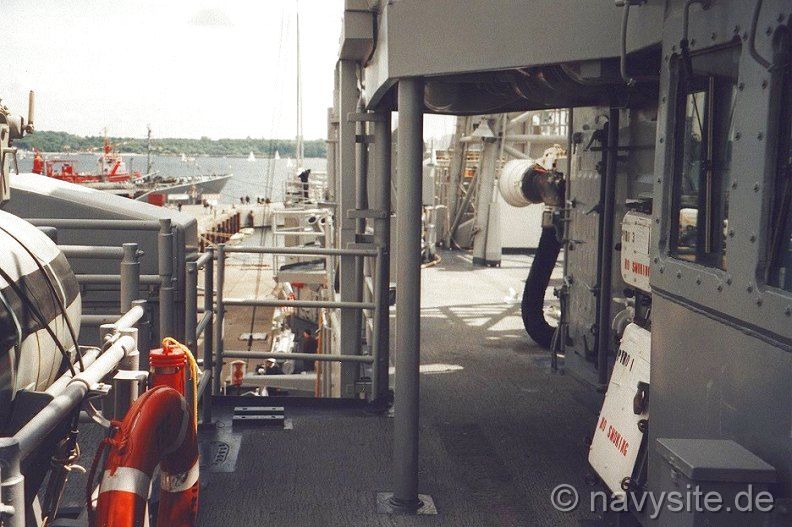
The photos below were taken by me and show the JOHN L. HALL during a port visit of the STANAVFORLANT (Standing Naval Force Atlantic) to Kiel, Germany, on June 23, 2001.
 |  |  |  |  |
 |  |  |  |  |
 |  |  |  |  |
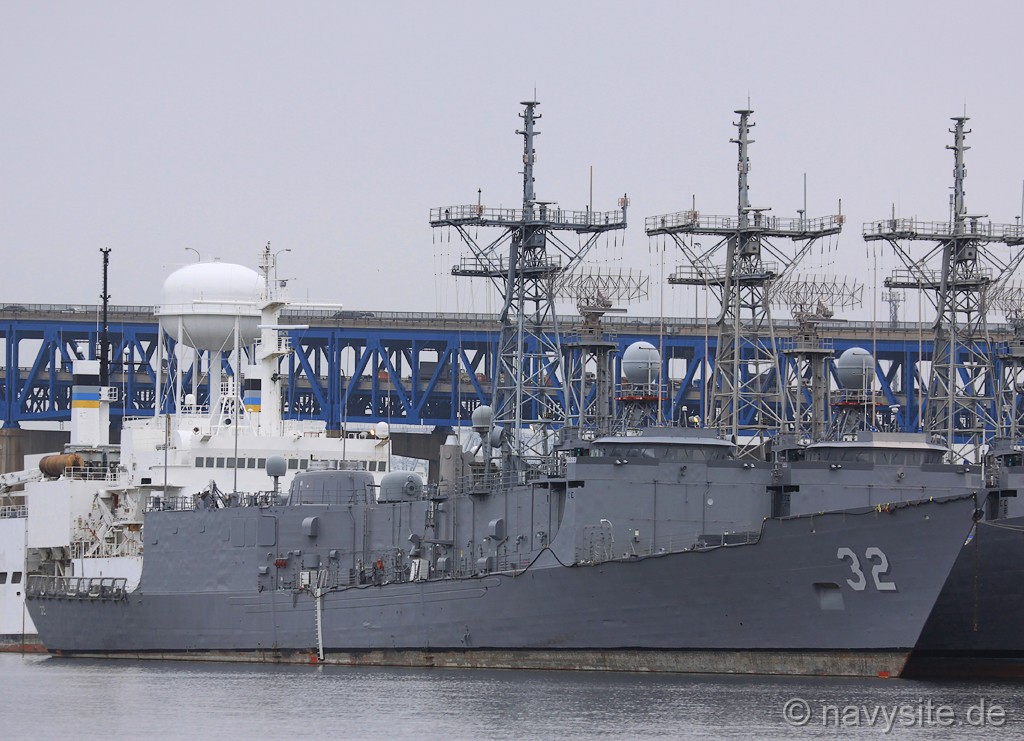
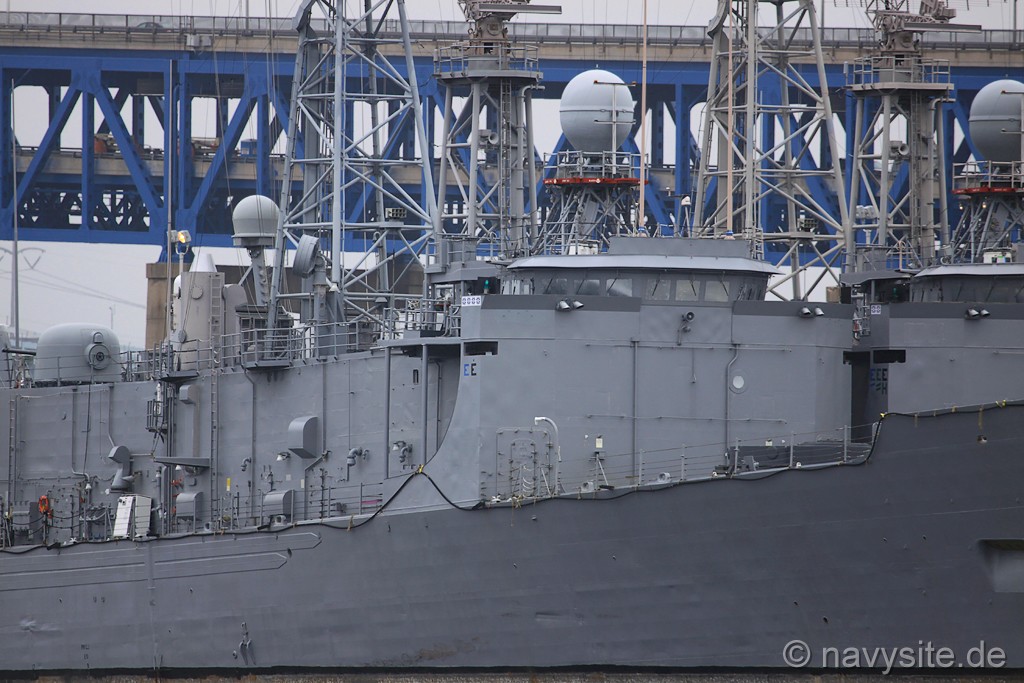
The photos below were taken by me and show the JOHN L. HALL laid up at the former Philadelphia Naval Shipyard, Penn., on May 4, 2012.
 |  |  |  |
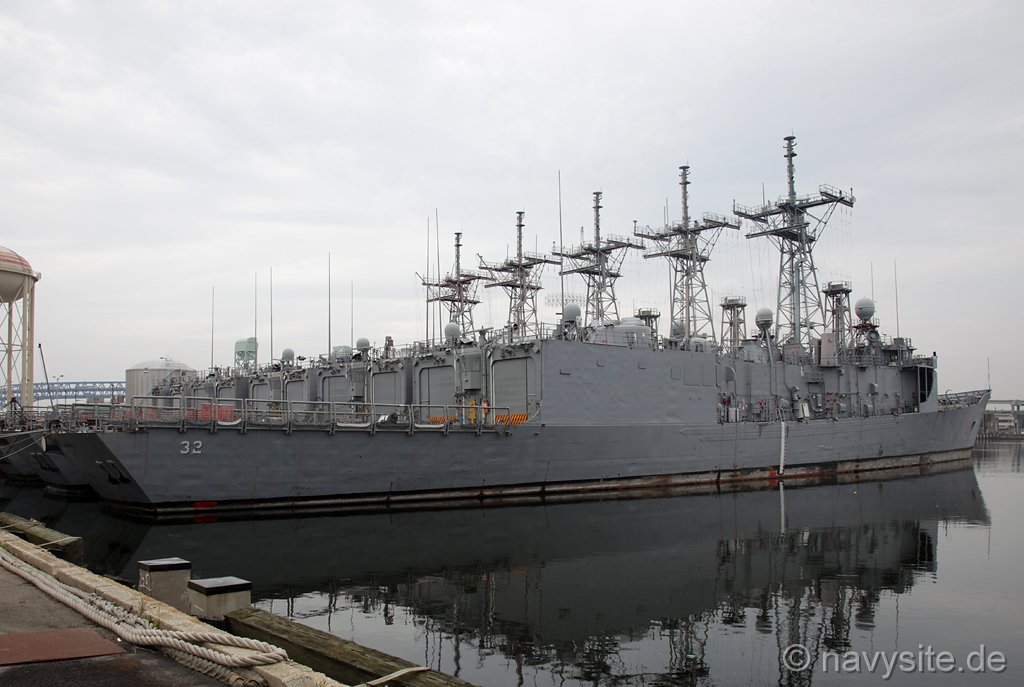
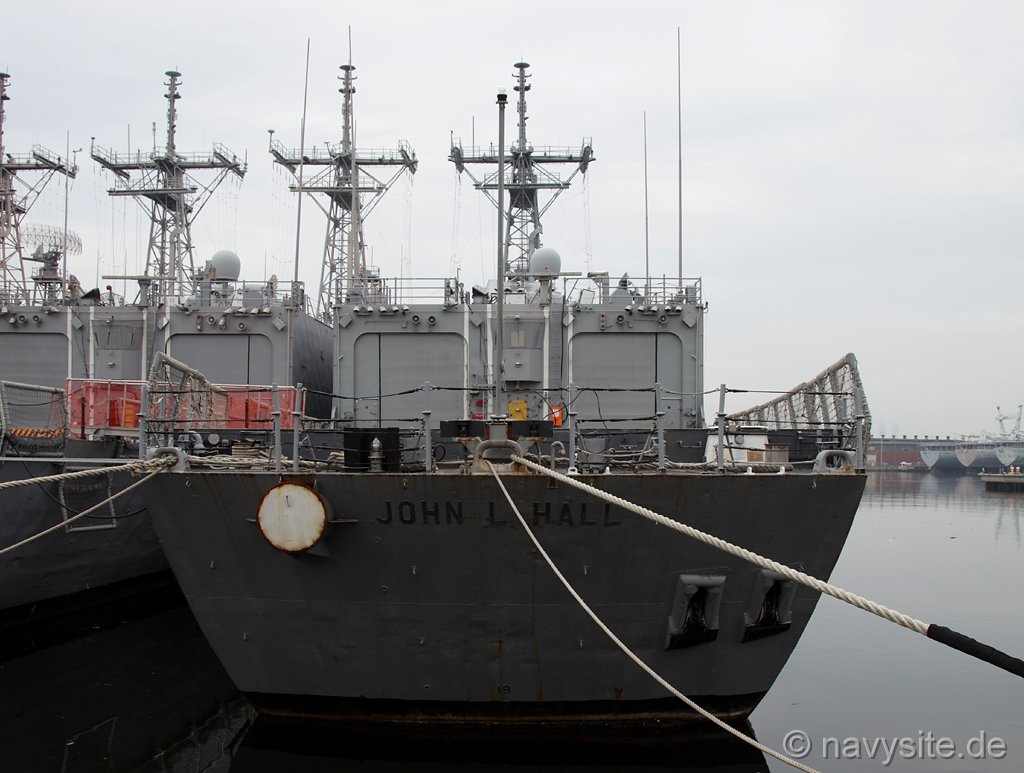
The photos below were taken by Michael Jenning and show the JOHN L. HALL laid up at the former Philadelphia Naval Shipyard, Penn., on October 3, 2012.
 |  |
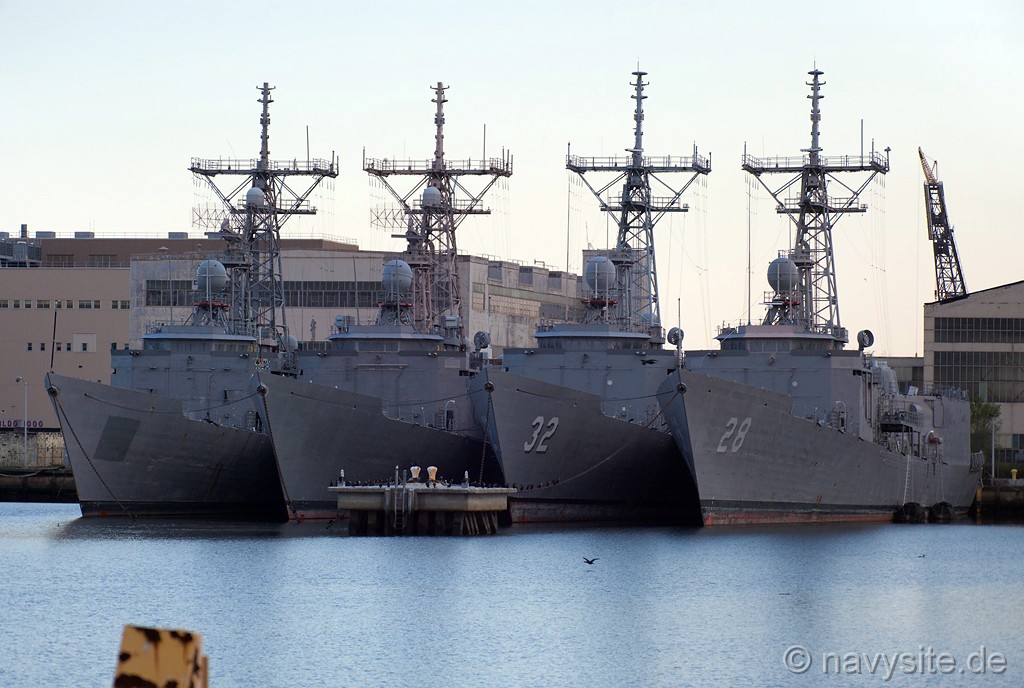
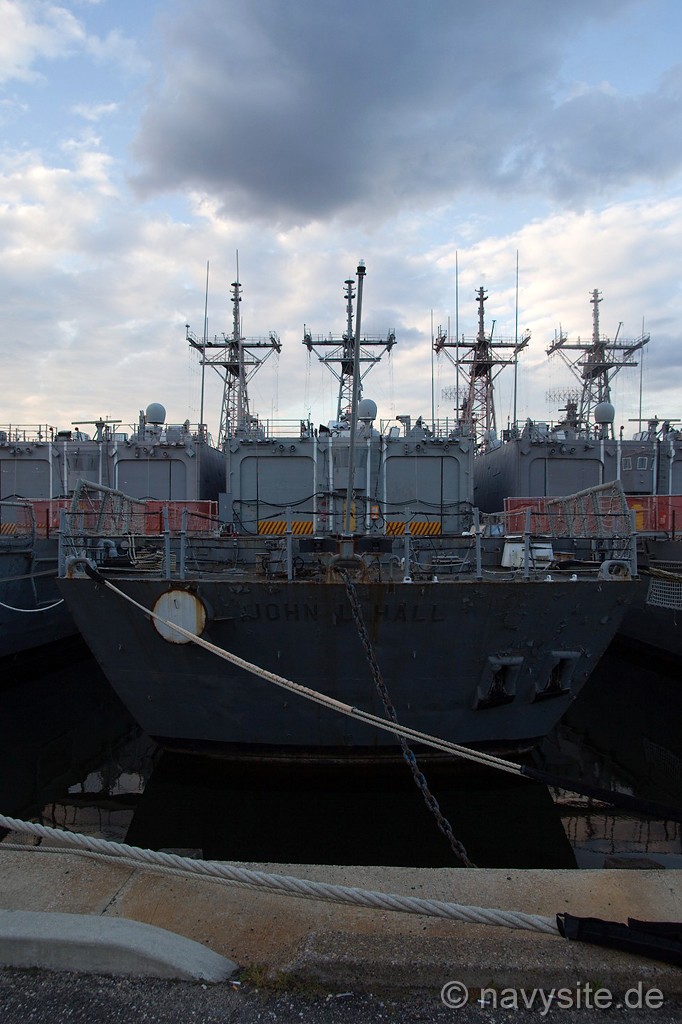
The photos below were taken by Michael Jenning and show the JOHN L. HALL laid up among her sisterships at the former Philadelphia Naval Shipyard on October 21, 2014.
 |  |
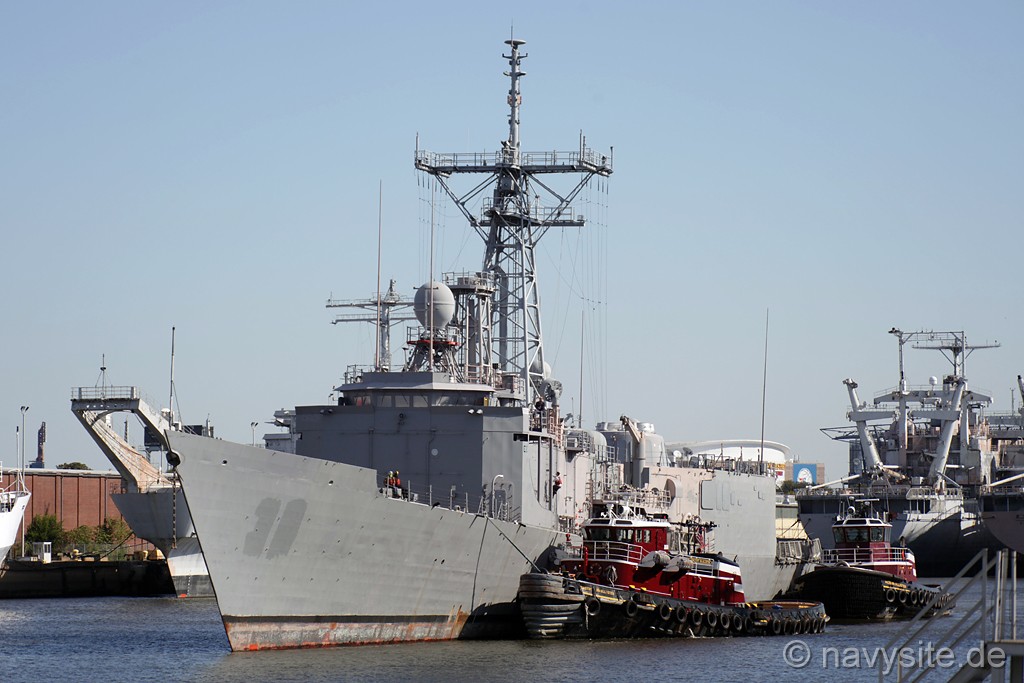
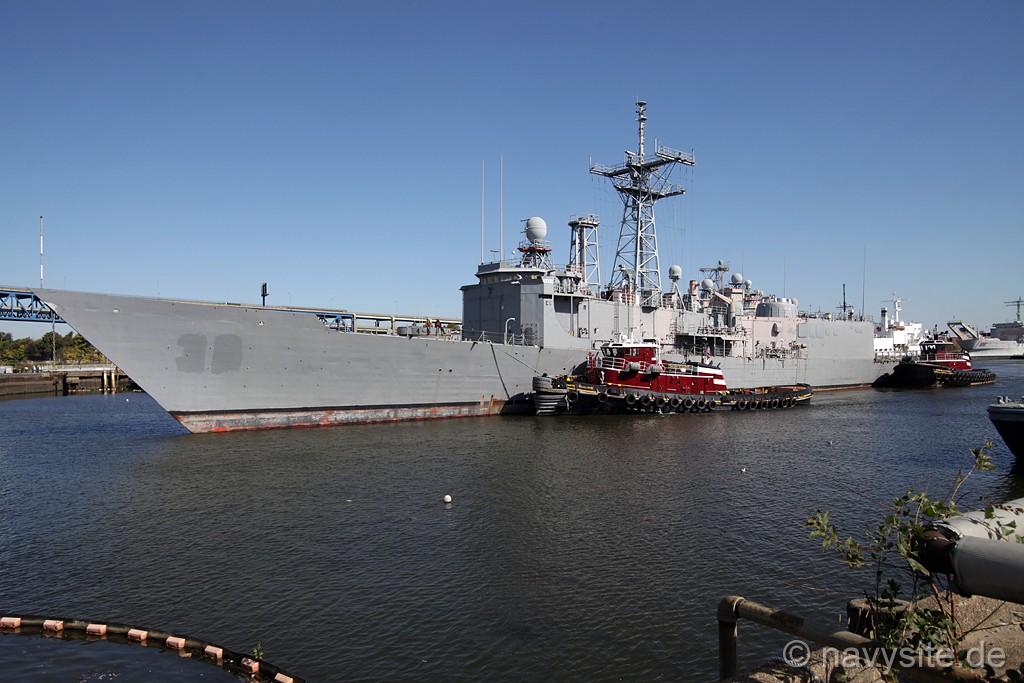
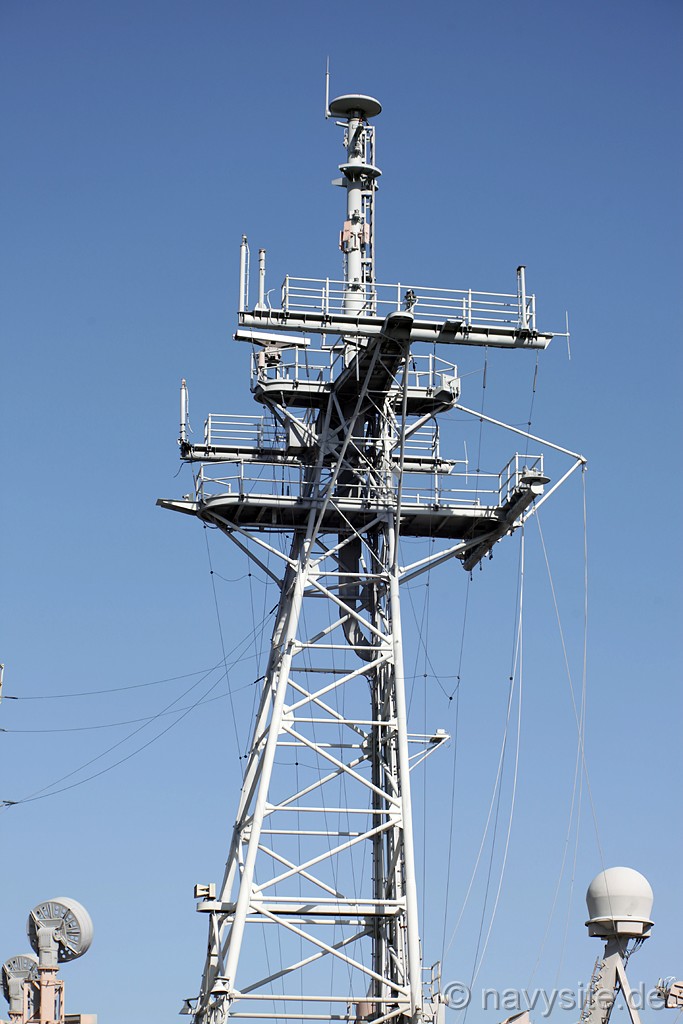
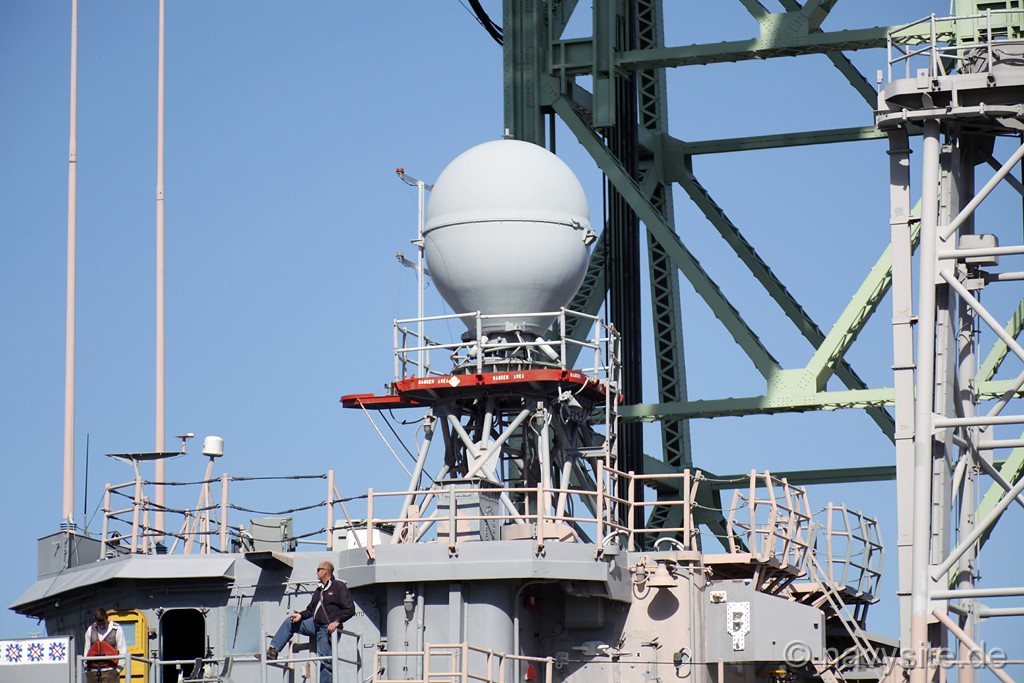
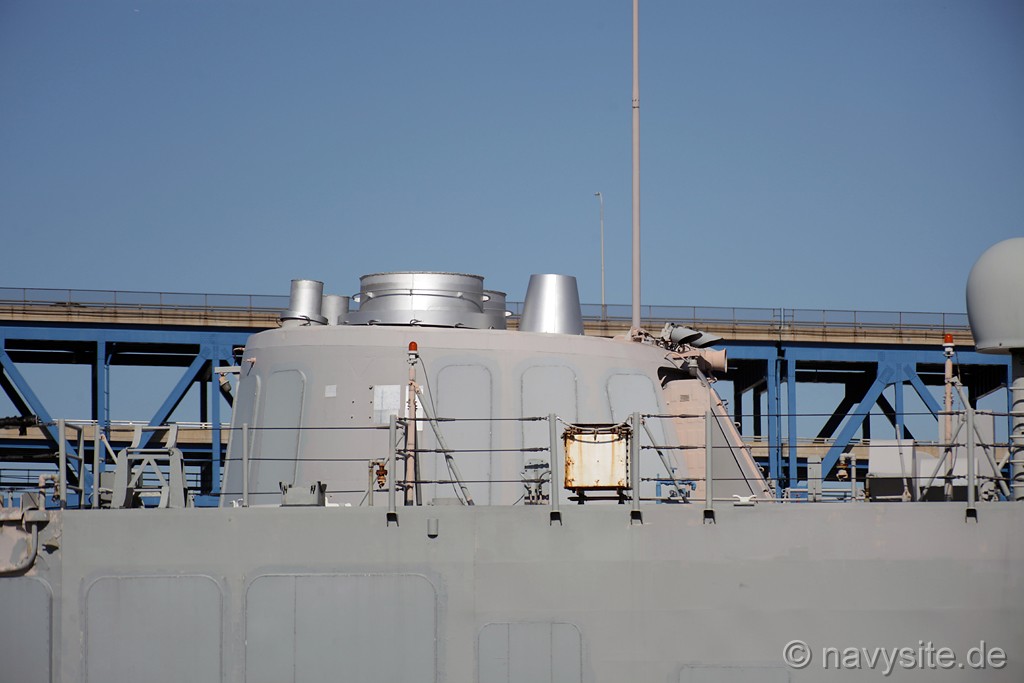
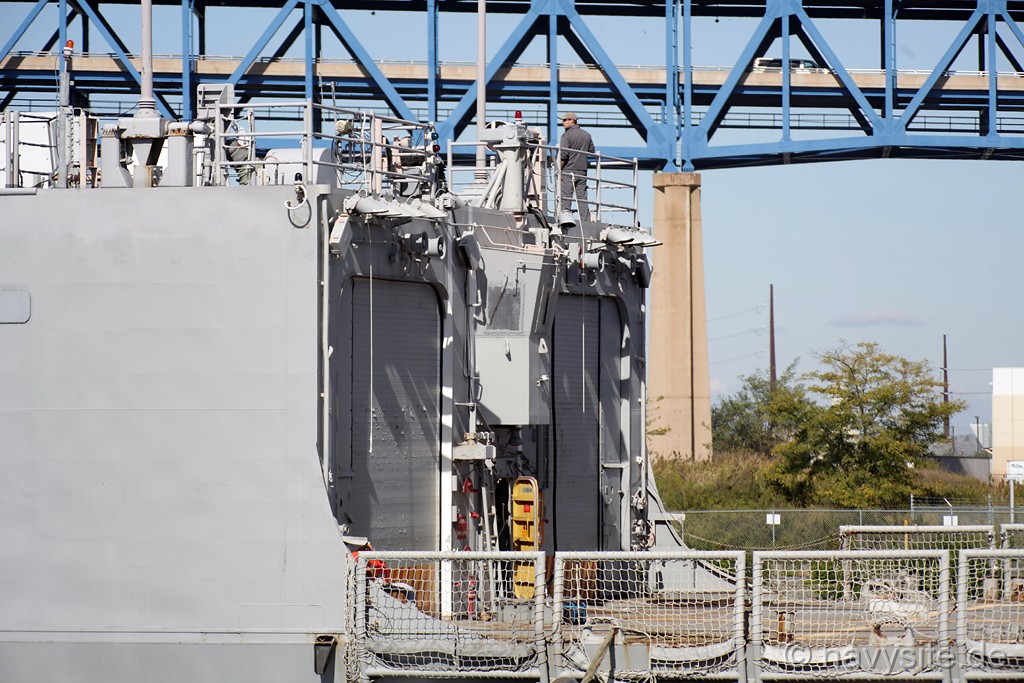
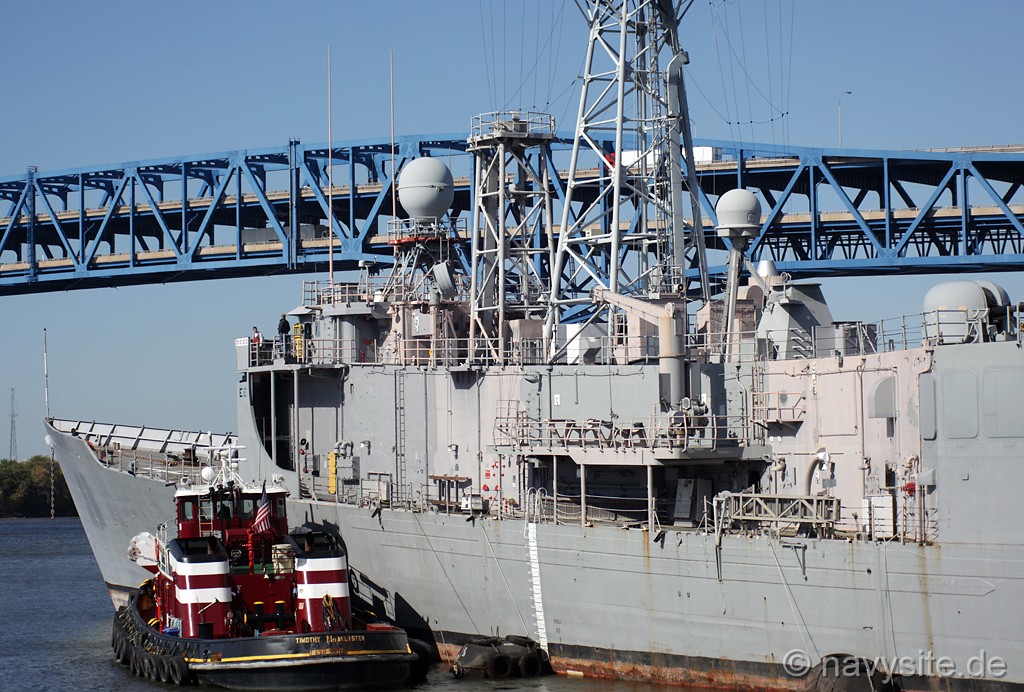
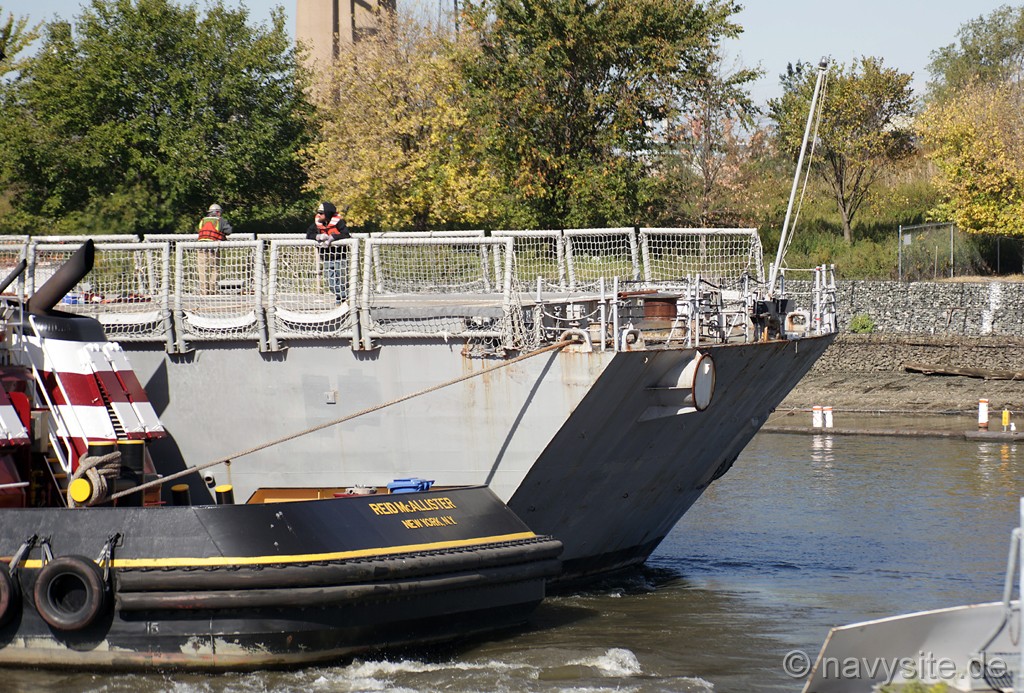
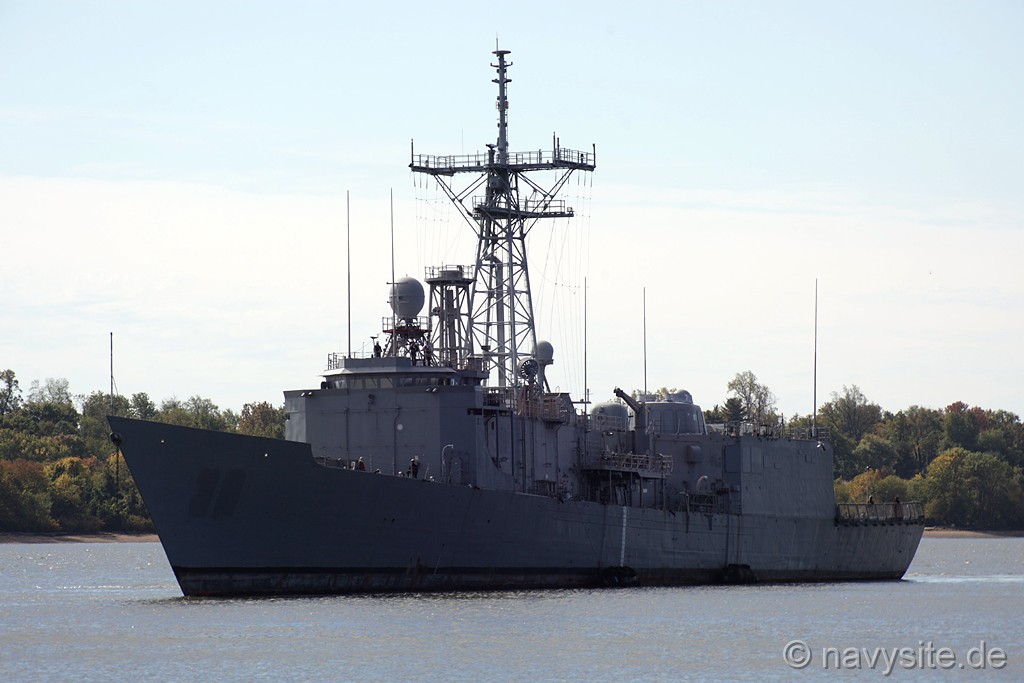
The photos below were taken by Michael Jenning and show the JOHN L. HALL being towed at the former Philadelphia Naval Shipyard, Penn., on October 16, 2015. The ship was moved from the inner basin to a pier in the Delaware River.
 |  |  |  |  |
 |  |  |  |  |
 |  |
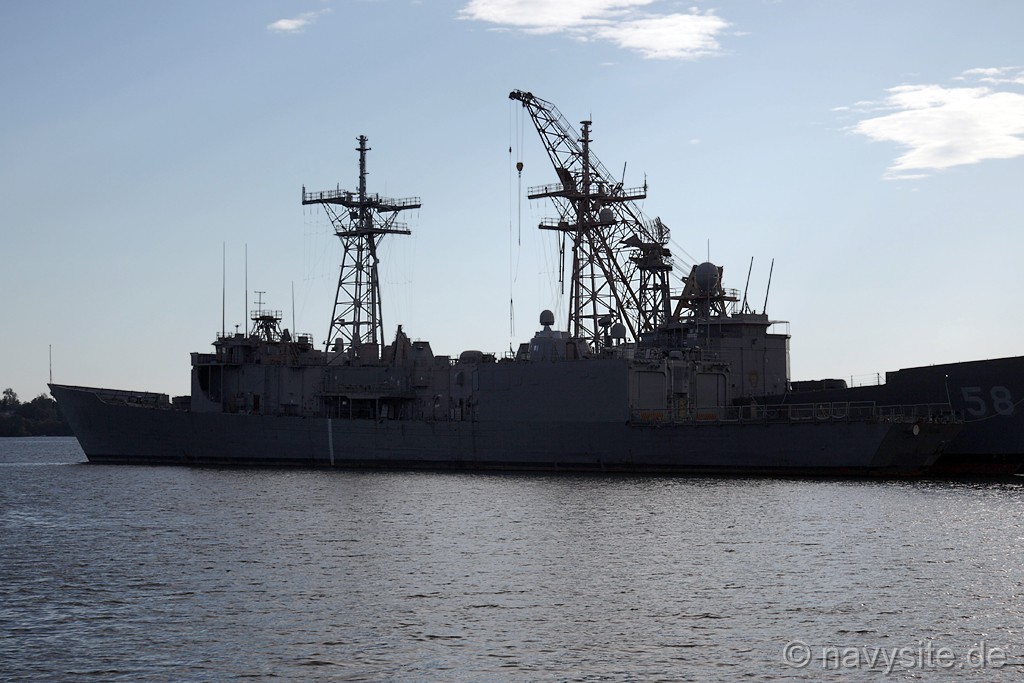
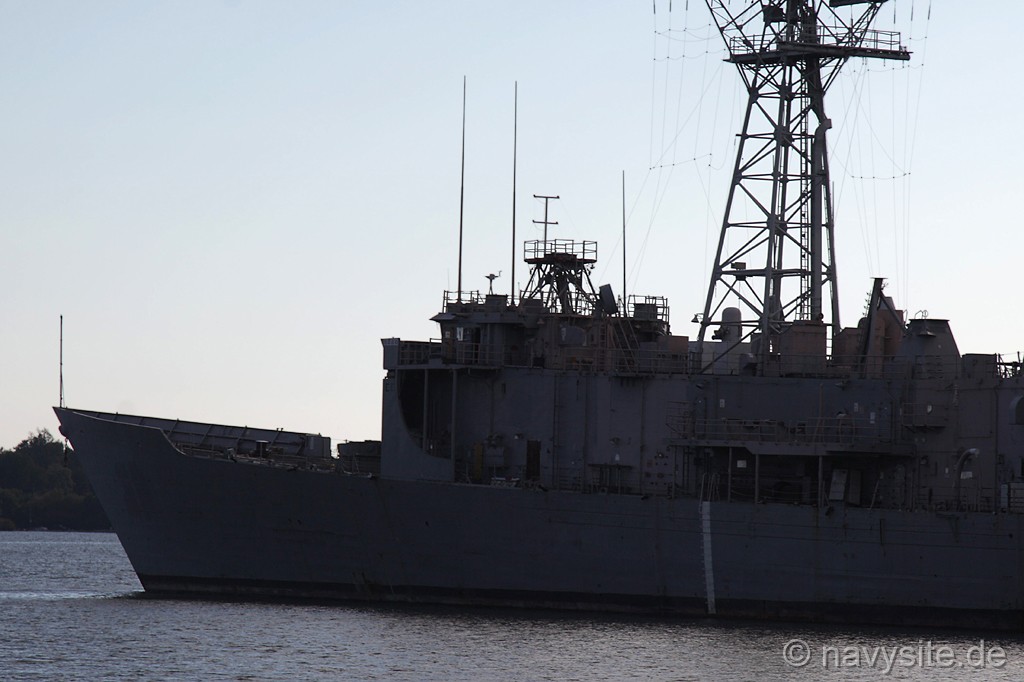
The photos below were taken by Michael Jenning and show the JOHN L. HALL laid up at the former Philadelphia Naval Shipyard on October 17, 2016.
 |  |
back to top Back to Frigates list. Back to ships list. Back to selection page. Back to 1st page.