Search the Site with

|
Search the Site with
|
 General Characteristics Crew List Memorabilia About the Name "Harpers Ferry" History Homeports of USS Harpers Ferry Image Gallery end of page
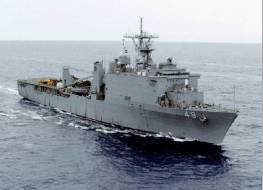 |  | 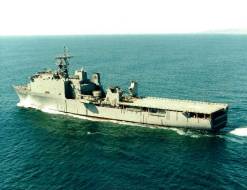 |
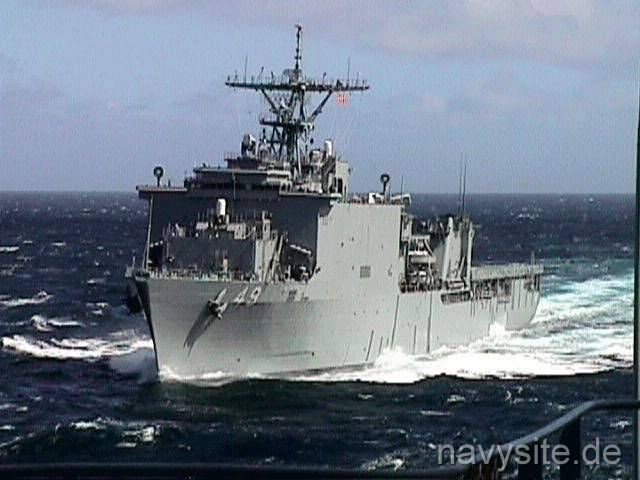
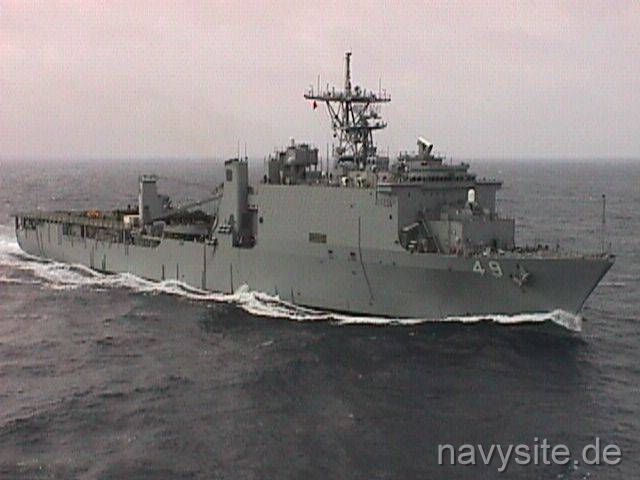
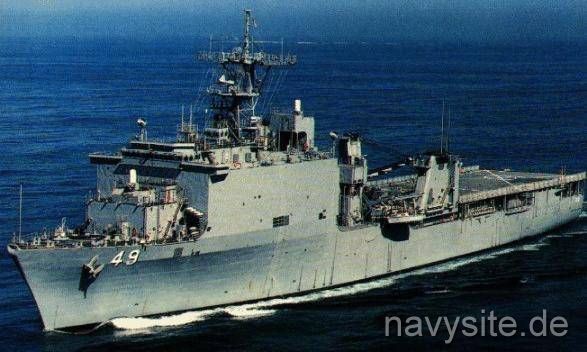
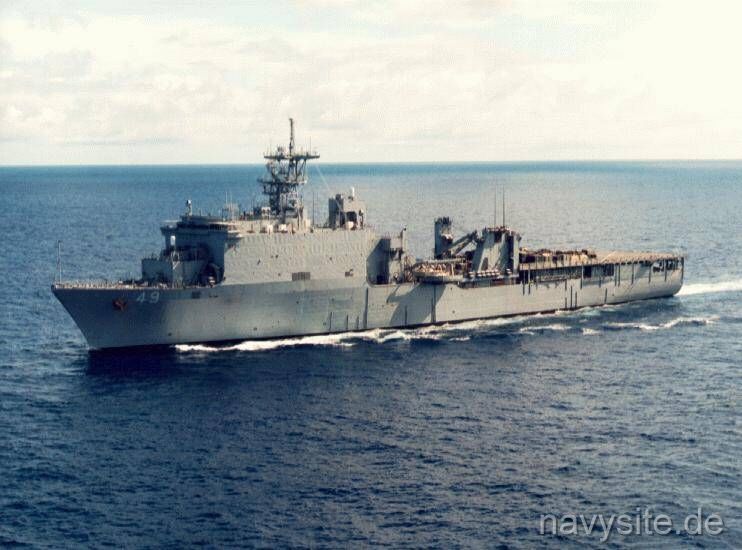
USS HARPERS FERRY is the first of four new cargo variants to the WHIDBEY ISLAND class of dock landing ships. The HARPERS FERRY class is also called LSD 41(CV) class.
On September 1, 2002, HARPERS FERRY relieved USS GERMANTOWN (LSD 42) as a forward deployed naval unit in Sasebo, Japan. After nine years in Japan, HARPERS FERRY was again relieved by GERMANTOWN in mid-2011 and returned to her new old homeport of San Diego, Calif.
| General Characteristics: | Keel laid: April 15, 1991 |
| Launched: January 16, 1993 | |
| Commissioned: January 7, 1995 | |
| Builder: Avondale Industries, New Orleans, Louisiana | |
| Propulsion system: four 16 cylinder Colt-Pielstick Diesel Engines | |
| Propellers: two | |
| Length: 610 feet (186 meters) | |
| Beam: 84 feet (25.6 meters) | |
| Draft: 20 feet (6 meters) | |
| Displacement: approx. 16,500 tons full load | |
| Speed: 22 knots | |
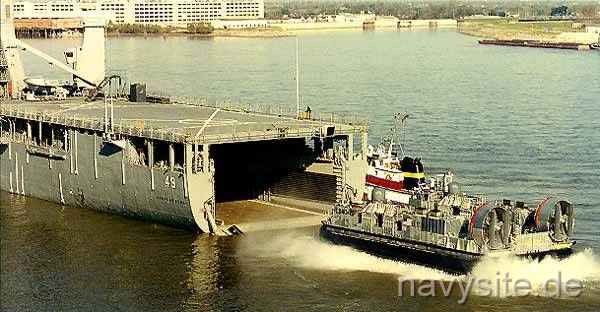
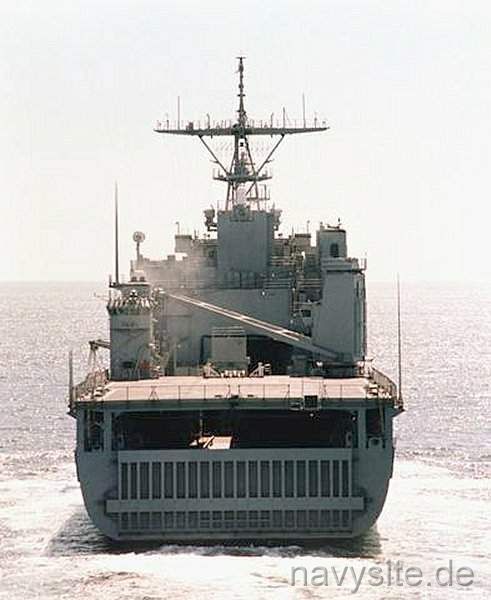
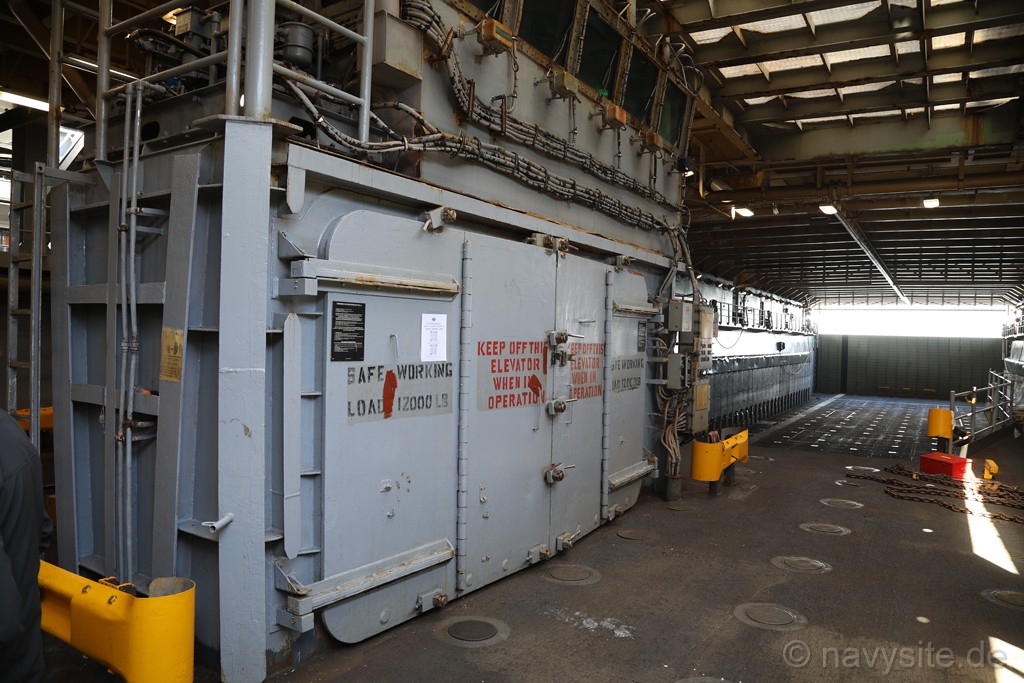
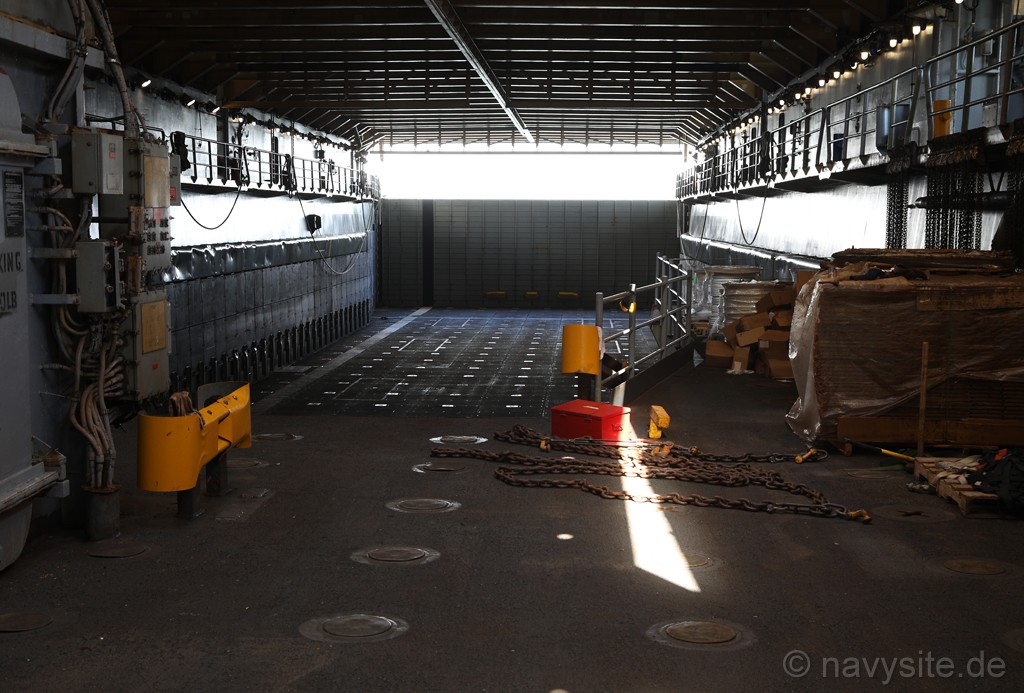
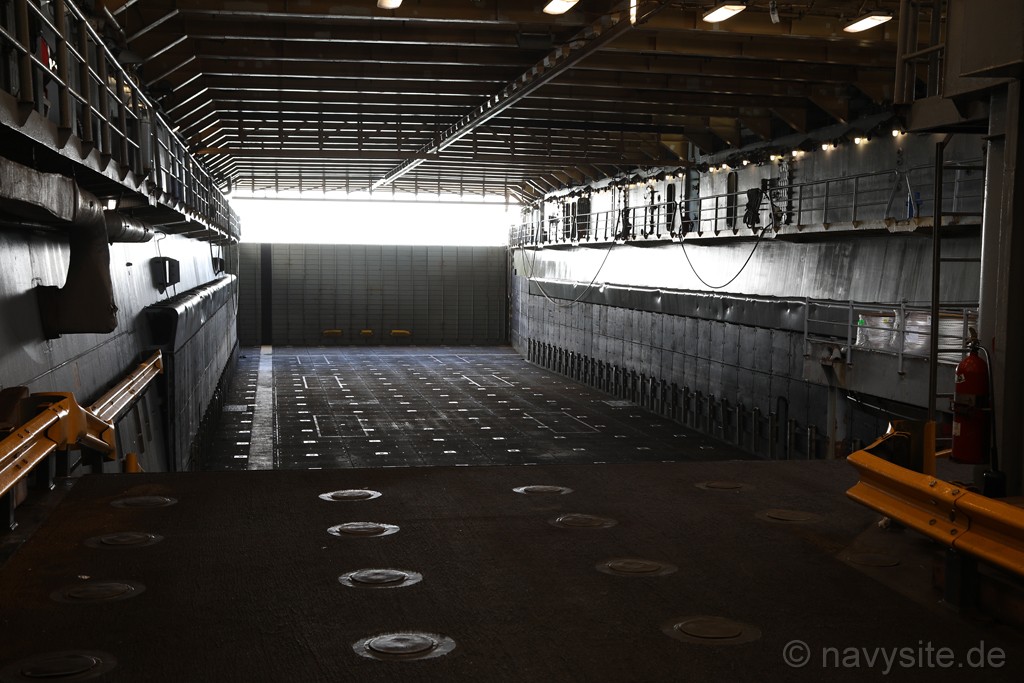
| Well deck capacity: two LCAC or one LCU or four LCM-8 or nine LCM-6 or 15 amphibious assault vehicles (AAV) | |
| Aircraft: none, but two landing spots allow for operation of aircraft as large as the | |
| Crew: Ship: 24 officers, 328 enlisted Marine Detachment: 504 Marines | |
| Armament: two | |
| Cost: about $157 million | |
| Homeport: San Diego, Calif. |
 back to top go to the end of the pageback to top go to the end of the page
Crew List:
This section contains the names of sailors who served aboard USS HARPERS FERRY. It is no official listing but contains the names of sailors who submitted their information.
back to top go to the end of the pageback to top go to the end of the page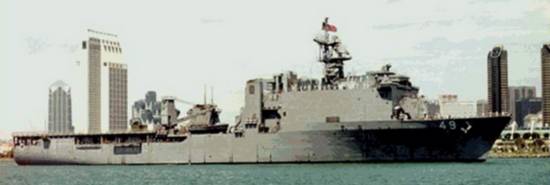 back to top go to the end of the page
About the Ship's Name, about the City of Harpers Ferry:
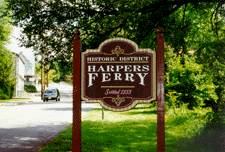 Harpers Ferry is a small, residential town (population 423) and tourist center in the northeastern corner of West Virginia. Nestled in the Blue Ridge Mountains at the confluence of the Potomac and Shenandoah Rivers, Harpers Ferry is known for its scenic beauty and historic significance. Harpers Ferry has forever entrenched itself in the "American Story" as a place where brave men and women lived, fought, and died for their ideals.
Settled in 1732, Harpers Ferry is named for Robert Harper, who in 1747 began to operate a ferry across the Potomac River there. In 1796 President George Washington selected Harpers Ferry as the site for a new United States Arsenal and Armory. Many of the rifles used in the War of 1812 and American Civil War were manufactured at this armory. The armory also made the town of Harpers Ferry a logistically strategic location during the Civil War; coveted by the North and South.
During the Civil War, Harpers Ferry changed hands between the Union and Confederacy several times, spilling much American blood on its rocky soil. In September 1862, Harpers Ferry's capture by the South provided General Robert E. Lee with a launching point for the Confederate invasion of Maryland, which ended in the bloody battle of Antietam.
What the town is probably most famous for though, is John Brown's failed raid on the Harpers Ferry Armory. John Brown, called Old Brown of Osawatomie (1800-1859), was one of America's most famed abolitionists. Brown's attempts to end slavery by force greatly increased tension between North and South in the period before the American Civil War.
Brown was born on May 9, 1800, in Torrington, Connecticut. His family moved to Ohio when he was five-years-old. John Brown acquired a hatred of slavery that marked his subsequent career, with his father having been actively hostile to the institution. John Brown initiated a project among sympathetic abolitionists to educate young blacks in Pennsylvania, where he was then living. The next 20 years of his life were largely dedicated to this and similar abolitionist ventures.
Aided by increased financial support from abolitionists in the northeastern states, Brown began in 1857 to formulate a plan, which he had long entertained, to free the slaves by armed force. He secretly recruited a small band of supporters for this project, which included the establishment of a refuge for fugitive slaves in the mountains of Virginia. After several setbacks, he finally launched the venture on October 16, 1859, with a force of 18 men (including several of his sons), seizing the U.S. Arsenal at Harpers Ferry, and winning control of the town.
After his initial success he made no attempt at offensive action, but instead occupied defensive positions within the arsenal. His force was soon surrounded by the local militia, which was reinforced on October 17 by a company of U.S. Marines under the command of Colonel Robert E. Lee. Ten of Brown's men, including two of his sons, were killed in the ensuing battle, and he was wounded and forced to capitulate. He was arrested and charged with various crimes, including treason and murder. Convicted, he was hanged on December 2, 1859 at Charlestown, West Virginia.
Today Harpers Ferry is hardly the torrid site of bloodshed and struggle it was in the 19th century. Harpers Ferry is now a National Historical Park, visited by thousands of tourists every year. The town includes many old structures restored as museums and shops. Harpers Ferry is also home to several buildings of Storer College, a Freedman's Bureau School opened in 1867 to educate former slaves.
back to top go to the end of the pageUSS HARPERS FERRY History:
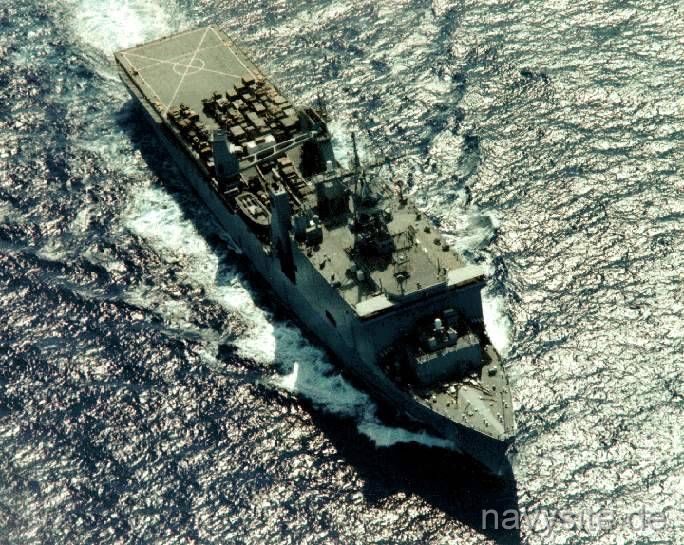
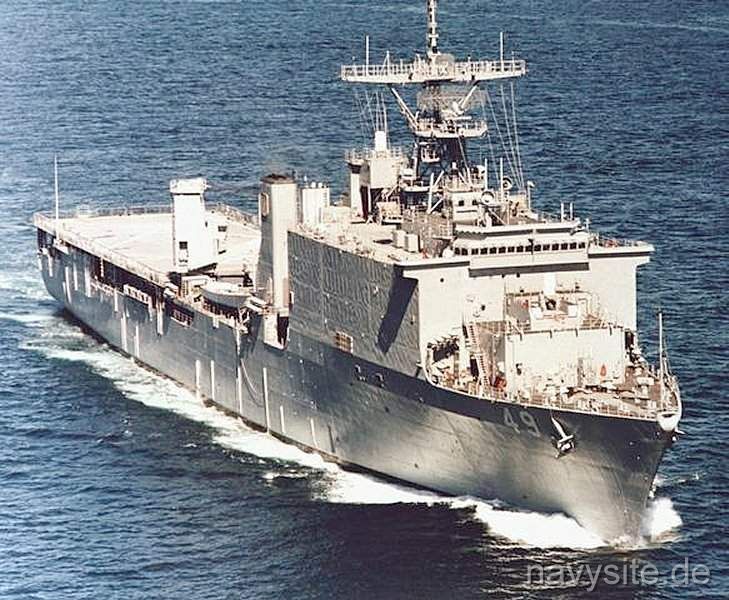
USS HARPERS FERRY was laid down at Avondale Shipyards in New Orleans on April 15, 1991, launched on January 16, 1993, and commissioned at the Navy Landing at Woldenburg Park, New Orleans, on January 7, 1995. Following fitting-out and transiting to the Pacific, she settled into her initial San Diego routine: post-commissioning shakedown, trials and basic-phase certifications through the spring of 1995. A Navy photo records her underway off San Diego on May 15, 1995, closing a compressed work-up that established well-deck, flight-deck and amphibious embarkation proficiency for the years to come.
By late 1996, HARPERS FERRY was integrated with the 11th Marine Expeditionary Unit in an ESSEX (LHD 2) Amphibious Ready Group built around USS ESSEX and USS CLEVELAND (LPD 7). She departed on a Western Pacific/Indian Ocean deployment in the final months of 1996 and operated across Seventh Fleet waters into early 1997, conducting multinational training, strait transits and routine Sixth-Fifth Fleet presence before returning to California in the spring. After an inter-deployment training cycle, she re-deployed with the BOXER (LHD 4) ARG on December 5, 1998, in company with USS BOXER and USS CLEVELAND and the 13th MEU. That cruise, running into mid-1999, combined security cooperation in the Western Pacific with maritime security tasks in the Middle East and a slate of partner exercises. In 2000, she shifted to large-force training at Rim of the Pacific (RIMPAC) from late May into early July, embarking Marines and allied contingents and executing repeated well-deck evolutions and amphibious handling drills around Hawaii.
On March 13-14, 2001, HARPERS FERRY sailed again from San Diego with the BOXER ARG and 11th MEU for a six-month Western Pacific deployment that included the Arabian Gulf/Northern Arabian Sea during a period of heightened maritime security. After September 11, 2001, the Pacific amphibious force adopted tighter force-protection and maritime interception postures as the cruise wound down.
From the fall of 2002, USS HARPERS FERRY's story became that of a permanently forward-deployed amphibious workhorse in the Western Pacific. After chopping to U.S. Seventh Fleet on September 4, 2002, the ship completed her homeport shift and arrived in Sasebo, Japan, on September 10, 2002, joining Amphibious Squadron 11 and the 31st Marine Expeditionary Unit for near-continuous patrols across the region. Within weeks, she was committed to humanitarian assistance around newly independent Timor-Leste: in late October 2002, HARPERS FERRY shifted from Darwin toward Dili with a reinforced aviation detachment embarked to support relief and logistics ashore, then resumed routine Far East presence that included a Hong Kong port visit on November 9. Through early 2003, she settled into the forward-deployed rhythm - well-deck operations with LCACs, formation sailing with ESSEX-group amphibs, and a pattern of bilateral training, community-relations events and logistics calls across Southeast Asia - while U.S. forces rebalanced global tasking in the opening year of the Iraq war.
By late summer 2004, that strategic pull reached the forward amphibious force directly. In September 2004, the 31st MEU embarked in ESSEX, JUNEAU (LPD 10) and HARPERS FERRY, departed Okinawa and moved to Kuwait, from which the Marines entered Iraq as a battalion-sized force element. HARPERS FERRY and her consorts supported embarkation, heavy-lift movements and sustainment from Fifth Fleet waters through the fall. The ships remained in and around the Persian Gulf through the winter as the MEU operated in Al Anbar Province. By March 2005, the amphibious group was turning for home after a long Middle East commitment, with the MEU's redeployment marking the end of that phase.
Back on the Seventh Fleet beat, HARPERS FERRY immediately pivoted to theater security cooperation, becoming a frequent flagship and connector for the Cooperation Afloat Readiness and Training series. She operated in the Java Sea en route to Surabaya for CARAT Indonesia beginning July 25, 2005, then shifted to Brunei for CARAT Brunei in early August, where she hosted bilateral helicopter deck-landing qualifications and senior-leader events and served as the task group's afloat headquarters. The Brunei and Philippines phases closed out the 2005 sequence as the crew continued small-boat, visit-board-search-and-seizure, and amphibious handling drills with regional partners while maintaining the short-notice crisis posture that is routine for a forward-based LSD.
In February 2006, HARPERS FERRY's flexibility was tested when a catastrophic landslide struck Southern Leyte in the Philippines. The ESSEX Expeditionary Strike Group, already in country for the annual BALIKATAN exercise, broke off to deliver humanitarian assistance and disaster relief. HARPERS FERRY, ESSEX and CURTIS WILBUR (DDG 54) arrived off the affected area on February 19-20, ferrying supplies and responders ashore by helicopter and landing craft while coordinating with Philippine authorities and U.S. interagency teams. With immediate relief complete, the ship resumed the exercise calendar.
In March-April 2006, she supported RSOI/FOAL EAGLE events with the Republic of Korea Armed Forces, conducting combined ship-to-shore movements on the peninsula. In May-June 2006, she turned south again for COBRA GOLD in the Gulf of Thailand, where rigid-hull inflatable boat operations, flight-deck evolutions, and well-deck cycles with embarked Marines validated interoperability with Thai and coalition forces. Between major events, HARPERS FERRY's patrols continued to stitch together port logistics at White Beach, Okinawa, and other regional hubs with at-sea training periods that kept well-deck crews and flight-deck teams current.
The 2007 patrol year opened with amphibious specialty training off Okinawa on January 29, a reminder of the routine qualifications that underwrite the larger exercises. In the spring and summer, HARPERS FERRY served as flagship for CARAT 2007 with Commander, Destroyer Squadron 1 embarked. She arrived in Thailand for the CARAT Thailand phase on June 18 and then operated across the South China Sea and Gulf of Thailand into July, executing boarding drills, maritime interdiction rehearsals, gunnery, and small-boat handling with partner navies. Imagery from July 9 captured her underway as the task group hub while U.S. and regional ships cycled through serials. Throughout the season she alternated in-port maintenance and liberty with sea periods that included formation maneuvering, replenishment, and repeated opening and closing of the well deck for assault amphibian vehicle and LCAC sorties - work meant to make the big exercises look easy.
In 2008, the ship again balanced scheduled exercises with emergent tasking. As the 31st MEU dispersed for regional events in May, part of the force moved into Thailand for COBRA GOLD while HARPERS FERRY, ESSEX and JUNEAU remained at sea off Myanmar in the wake of Cyclone Nargis, fully loaded with relief stores and helicopters. On May 12, 2008, U.S. airlift began landing relief supplies in Yangon, and the three-ship group maintained station offshore, ready to conduct ship-to-shore delivery if permission were granted. After nearly three weeks without access, standing policy and diplomatic reality required the expeditionary group to depart on June 5, and HARPERS FERRY returned to the wider Seventh Fleet itinerary.
In May-July 2009, she was heavily engaged in Cooperation Afloat Readiness and Training (CARAT) events across Southeast Asia and later moved north to assist in flood relief in the Philippines after Typhoon Parma struck Luzon in October, shuttling people and supplies from ship to shore with the embarked Navy/Marine team. In March-April 2010, she shifted rapidly to the Yellow Sea after ROKS CHEONAN sank near Baengnyeong Island. HARPERS FERRY served as a local command and support platform while USNS SALVOR (T-ARS 52) and U.S./ROK divers and EOD teams supported Republic of Korea salvage and investigation efforts, leading up to the recovery of the corvette's stern in mid-April. In March-April 2011, she joined ESSEX and GERMANTOWN (LSD 42) off the northeast coast of Honshu during Operation Tomodachi after the Tohoku earthquake and tsunami, flying relief stores ashore and supporting port assessments near Hachinohe before a planned Sasebo LSD swap that spring. Following an exchange of crews and ships with USS GERMANTOWN, HARPERS FERRY returned to San Diego in June 2011, ending her forward-deployed tour.
From January 2012 through the summer of 2013, USS HARPERS FERRY moved from a major yard period back to full expeditionary stride with the BOXER (LHD 4) Amphibious Ready Group. Coming off an Extended Docking Phased Maintenance Availability awarded in mid-2011 to General Dynamics NASSCO in San Diego, the ship spent early 2012 in deep overhaul - hull, mechanical and electrical work, inspections and testing - before the package wrapped in the mid-to-late summer window specified in contracting notices. Contemporary photography from March 15, 2012, shows HARPERS FERRY still in overhaul at Naval Base San Diego, underscoring how much of that year was consumed by depot-level work rather than blue-water operations. As the ship undocked and systems were buttoned up, the crew shifted into post-availability pier checks, light-off assessments, and crew certifications that would feed straight into the 2013 work-up path.
By late spring 2013, HARPERS FERRY rejoined her ARG mates - USS BOXER and USS NEW ORLEANS (LPD 18) - and the embarked 13TH MARINE EXPEDITIONARY UNIT for the standard East Pacific training ladder. On June 11, 2013, the BOXER ARG sortied for a 17-day PHIBRON/MEU Integration Training (PMINT) phase to knit together ship, aviation, and landing forces after the long maintenance layoff. Through July the team continued into the integrated phase, refining well-deck sequencing, small-boat defense, and flight-deck handling in company.
Deployment followed almost immediately. On August 23, 2013, the BOXER ARG departed San Diego, paused at Hawaii for sustainment training - Marines fought a three-day "Tropic Thunder" force-on-force at Marine Corps Base Kaneohe Bay - and then entered the U.S. 7th Fleet area of responsibility on September 5. Within two weeks the group was alongside in Subic Bay, Philippines, for logistics and engagement events before resuming theater activity. These early waypoints set the pattern: a rapid WestPac transit, quick integration with allies, and onward movement to the Middle East.
As the deployment matured, HARPERS FERRY shifted from 7th Fleet into 5th Fleet. While still embarked with the 13TH MEU, she supported amphibious training serials and maritime security tasking, and by mid-October 2013, the ARG had transited the Strait of Hormuz to posture inside the Arabian Gulf. Visual records from October 17 capture AAV platoons preparing to debark from HARPERS FERRY's well deck during theater operations. Through the late fall, the ship executed presence, partner training, and sustainment port calls across the Gulf region. The 13TH MEU's official deployment summary lists a broad slate of ports for the BOXER ARG - Philippines, Singapore, Oman, Kuwait, Djibouti, India, United Arab Emirates, Bahrain, Israel, and South Korea - reflecting how the ship's 2013 itinerary bridged Indo-Pacific and Middle East commitments.
HARPERS FERRY conducted a logistics stop at Singapore's Changi Naval Base in March which prefaced Exercise Ssang Yong off the Korean Peninsula in late March-early April 2014, where the ship's well deck sequenced LCACs and amphibious vehicles during large-scale landings. The ARG completed an eight-month deployment with a San Diego homecoming on April 25, 2014. Midshipmen embarked for summer training in late May-June, and the ship entered a Continuous/Chief of Naval Operations availability in July that ran into 2015, including network modernization and material readiness work.
Through the latter half of 2015, HARPERS FERRY returned to sea for trials and the Basic Phase, then re-integrated with BOXER and NEW ORLEANS for the integrated work-up. She executed Composite Training Unit Exercise (COMPTUEX) events off Southern California in September-October and completed the Certification Exercise (CERTEX) at sea in December, with deck logs, imagery and Navy reporting documenting well-deck cycles with AAVs and LCUs, small-arms training and ARG formation events that closed the readiness gate for deployment.
In early 2016, the ship crossed into Seventh Fleet and participated in Ssang Yong 2016 before entering U.S. Fifth Fleet for maritime security while attached to the BOXER ARG. A port call at Hong Kong concluded on March 25. Fifth Fleet operations followed with a visit to Port Victoria, Seychelles, and an in-port period at Aqaba, Jordan, supporting the ARG/MEU posture around the Red Sea and Arabian Gulf. A non-combat death aboard occurred on May 26 while transiting the Gulf of Aqaba. The ARG subsequently wrapped up Fifth Fleet, as recorded by a July 26 release, and HARPERS FERRY took fuel and stores from USNS ARCTIC (T-AOE 8) in mid-July before beginning the return transit that included a Pearl Harbor stop on August 29 and a San Diego homecoming on September 12, 2016.
Much of 2017 was devoted to a funded, depot-level maintenance period in San Diego - a phased maintenance availability with General Dynamics NASSCO - returning the hull, mechanical and electrical plant and C4I systems to full readiness. Coming out of the yard, the crew rebuilt certifications and rejoined fleet training. By mid-2018, HARPERS FERRY was back in large-force events at RIMPAC 2018 (June 27-August 2), embarked allied boarding teams and EOD detachments, and conducted multinational small-boat operations off Hawaii and Southern California. Imagery from July 6-24 captures repeated well-deck and stern-gate evolutions and senior-leader engagements during the exercise. She returned to San Diego on July 26, 2018, after the RIMPAC phase.
HARPERS FERRY next deployed in 2019 with the BOXER ARG and the 11th MEU to U.S. Fifth Fleet, where she executed maritime security and presence missions across the Gulf of Aden, Red Sea and Arabian Sea during a period of regional friction and harassment of merchant shipping. Visual records show replenishments at sea with USNS ARCTIC in mid-July and additional sustainment in early September. The ship concluded the deployment with a late-November 2019 San Diego homecoming.
In January 2020, the Navy awarded a docking phased maintenance availability to NASSCO San Diego for HARPERS FERRY, covering modernization and sustainment under a fiscal 2020 package that carried into late 2020. Routine training and crew transitions followed in 2021, including a public change of command in August at Naval Base San Diego. On November 29, 2022, while transiting San Diego Bay, HARPERS FERRY and the destroyer USS MOMSEN (DDG 92) executed last-minute maneuvers to avoid collision. Subsequent investigations detailed watchstanding and communications lapses and emphasized corrective shiphandling and risk-management measures fleet-wide.
In May 2023, the ship shifted north for Northern Edge 23-1 in the Gulf of Alaska, including a port call at Kodiak on May 4 before returning to sea for the remainder of the joint exercise. In 2024, she again operated in the western Pacific as part of the BOXER ARG/15th MEU work-up and deployment cycle. During Exercise Balikatan 24 in the Philippines, HARPERS FERRY and USS SOMERSET (LPD 25) supported the first overseas operational employment of the Marine Corps' Amphibious Combat Vehicle, including a live-fire waterborne gunnery at Oyster Bay on May 4, and took part in a multilateral maritime exercise alongside BRP RAMON ALCARAZ, BRP DAVAO DEL SUR and FS VENDEMIAIRE. On June 24, ACVs conducted ship-to-shore operations at White Beach, Okinawa, during a HARPERS FERRY port visit. The deployment closed with a San Diego return on October 18, 2024.
In 2025, HARPERS FERRY remained active in fleet events and community outreach, appearing on the Los Angeles Fleet Week ship list in May while Navy contracting actions set up a fiscal-year-2025 selected restricted availability at NASSCO to maintain and modernize the ship for continued service.
back to top go to the end of the pageHomeports of USS HARPERS FERRY:
| Period | Homeport |
|---|---|
| commissioned at New Orleans, La. | |
| 1995 - 2002 | San Diego, Calif. |
| 2002 - 2011 | Sasebo, Japan |
| 2011 - present | San Diego, Calif. |
back to top go to the end of the page
USS HARPERS FERRY Image Gallery:
 |  |  |  |  |
 |  |  |  |  |
 |  |  |  | |
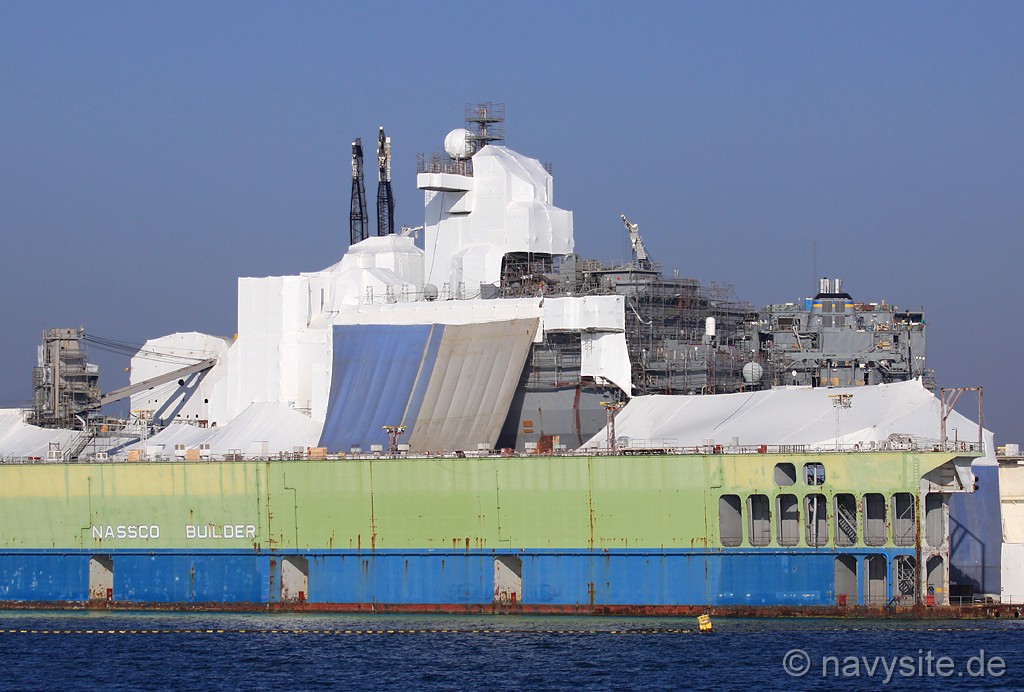
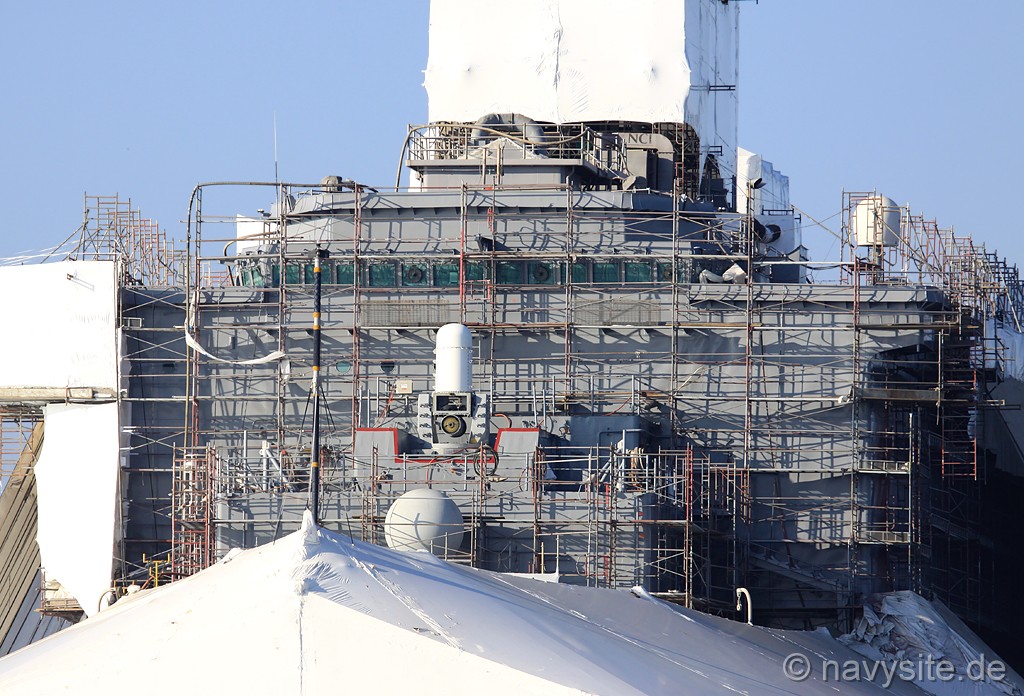
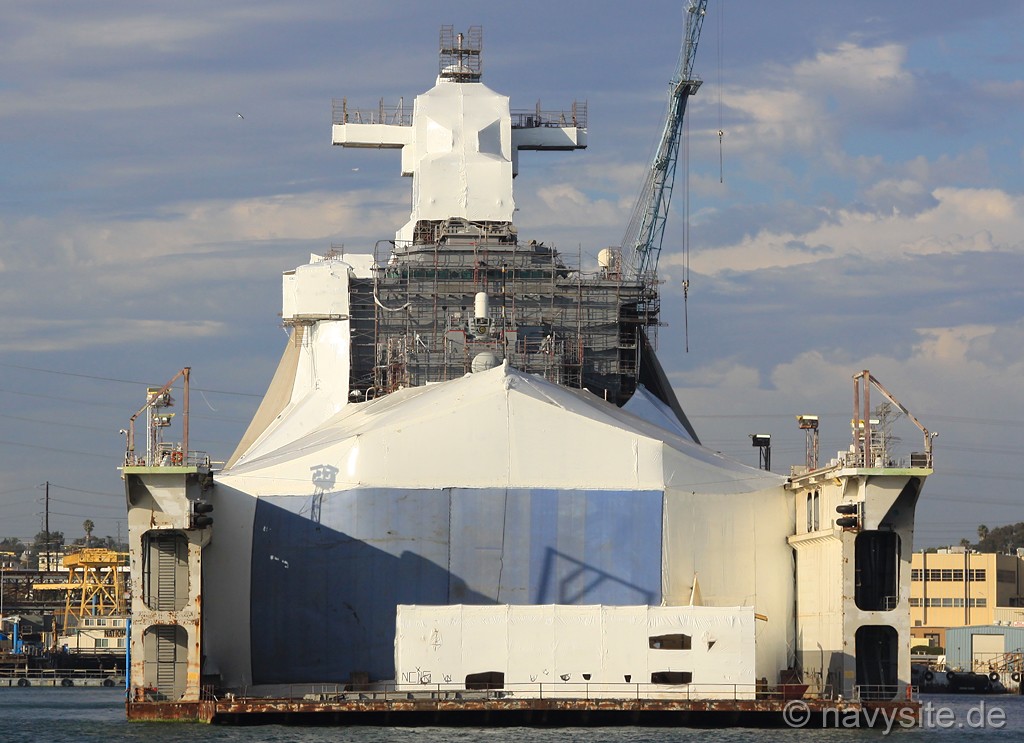
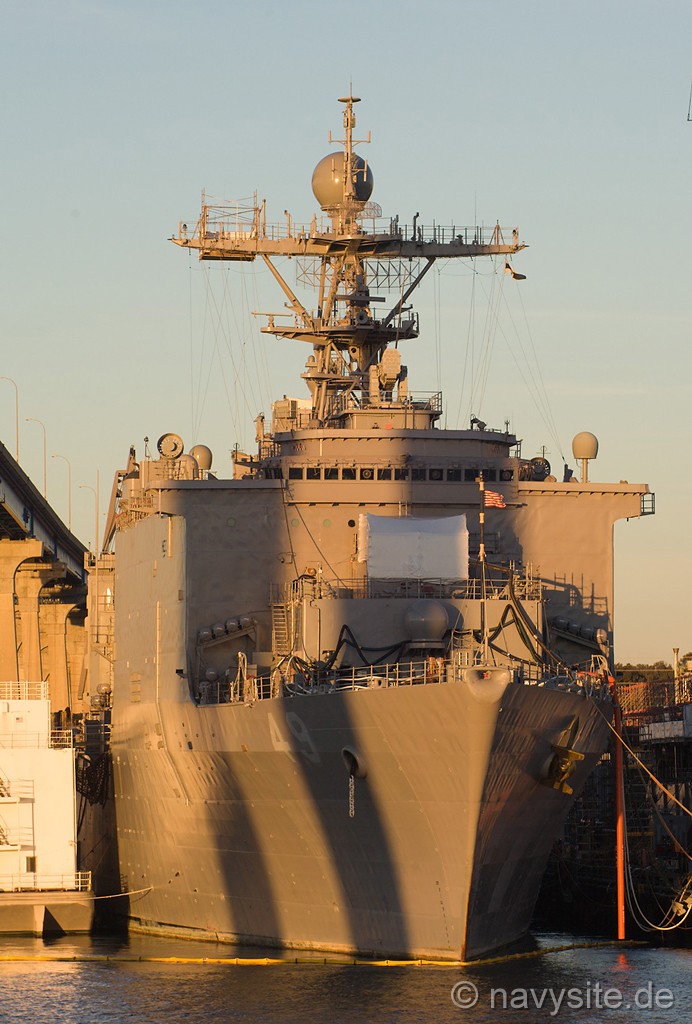
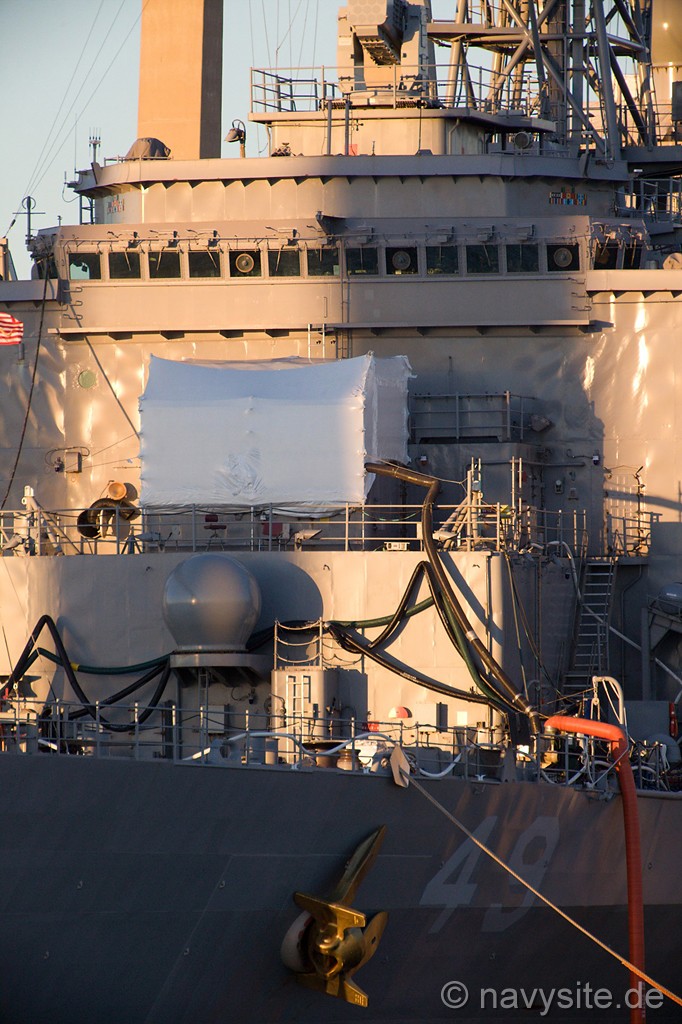
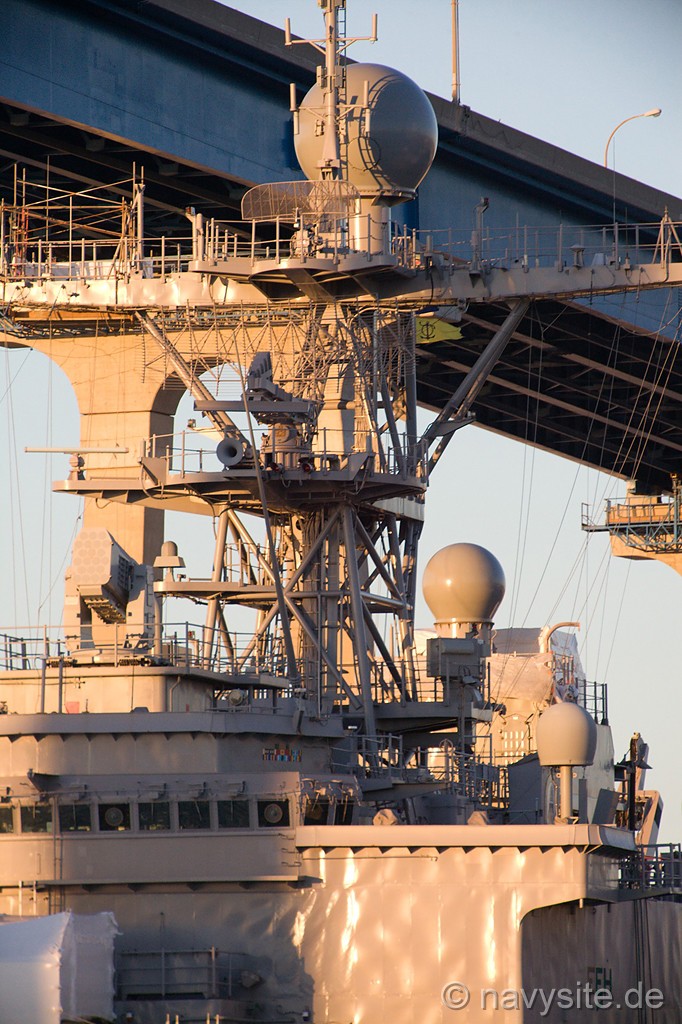
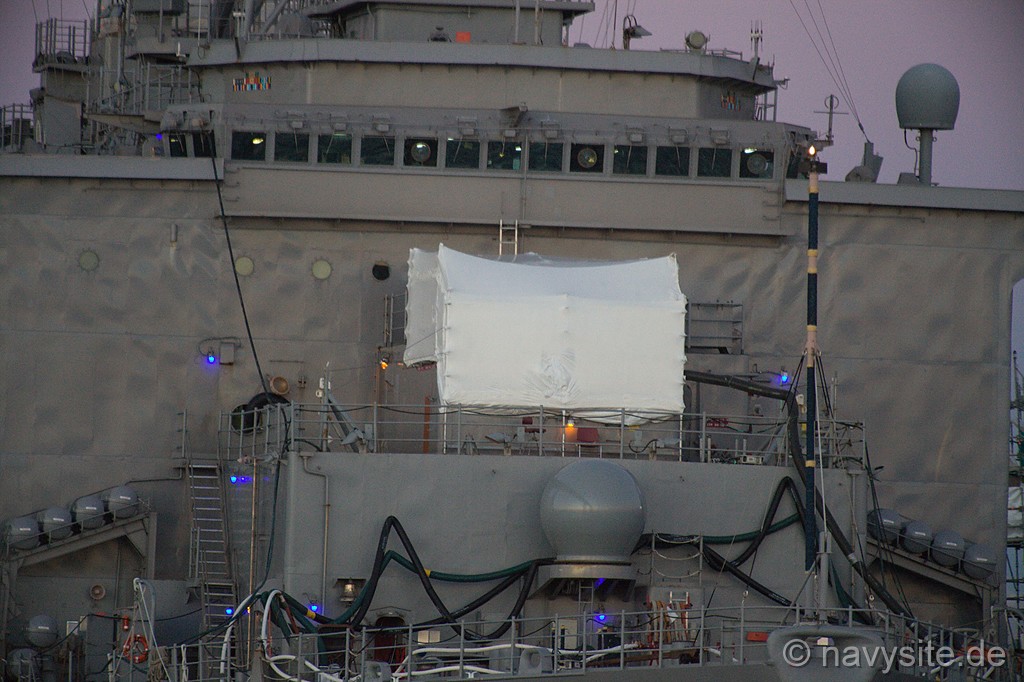
The photos below were taken by me on September 29, 2011, and show the HARPERS FERRY well-packed in drydock at NASSCO in San Diego, Calif., undergoing a $104 million overhaul after being forward-deployed to Japan for nine years.
 |  |  |
The photos below were taken by me on March 15, 2012, and show the HARPERS FERRY still undergoing overhaul in San Diego, Calif.
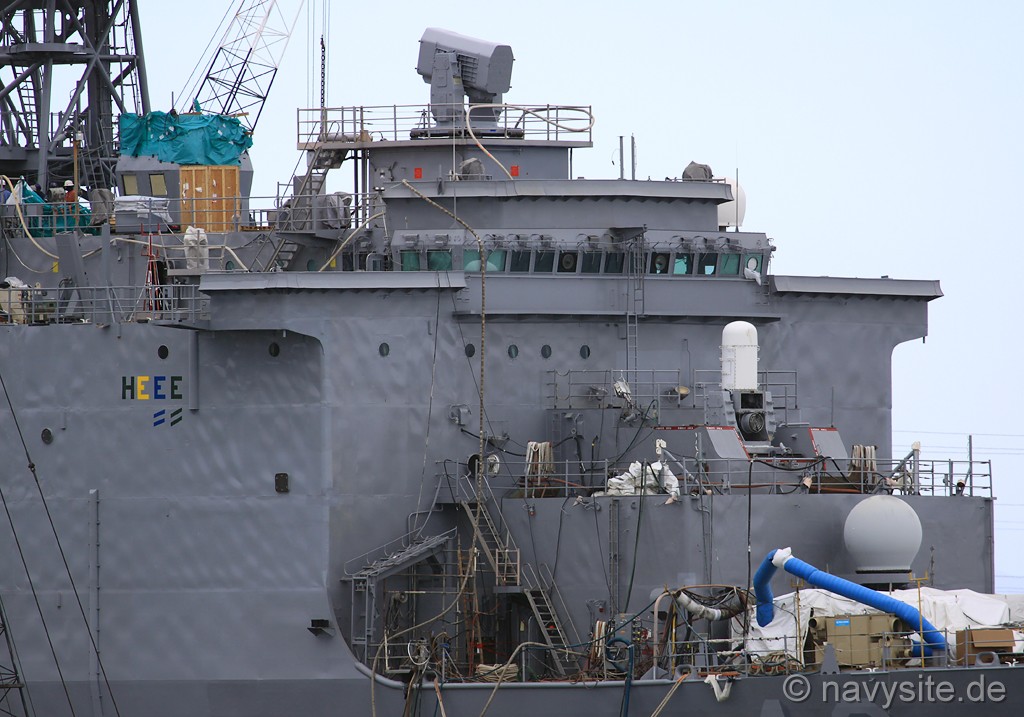 | 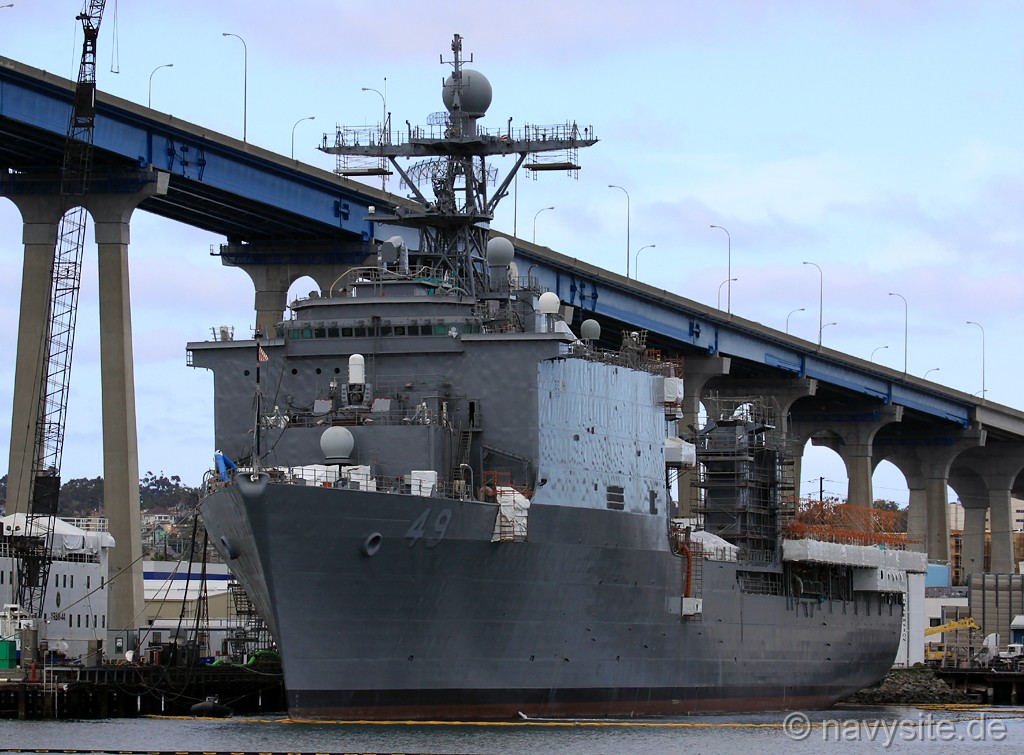 | 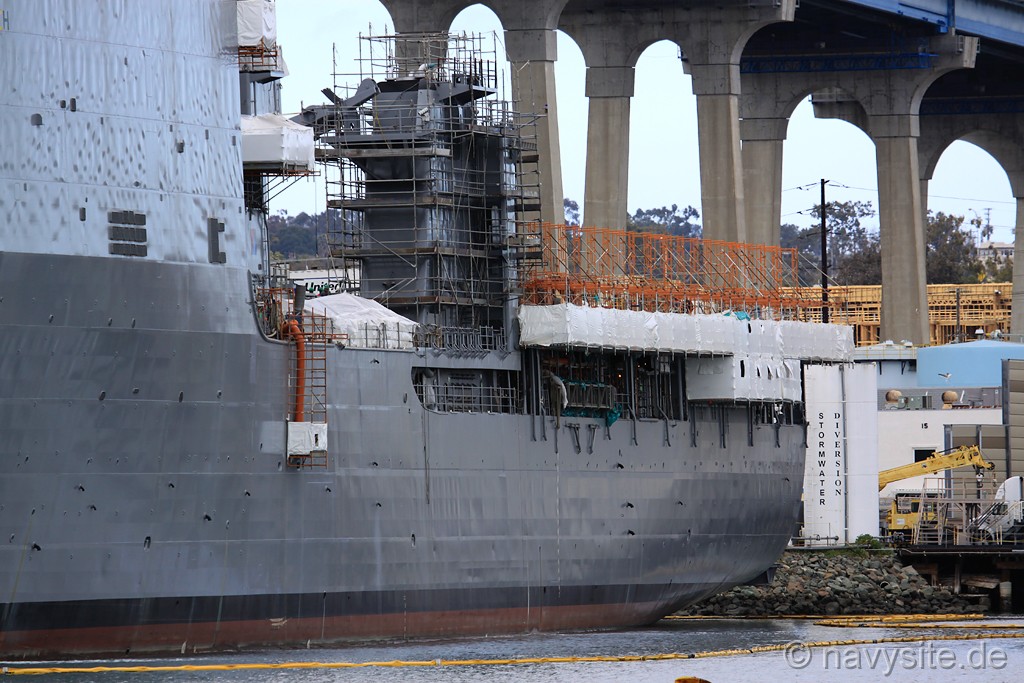 | 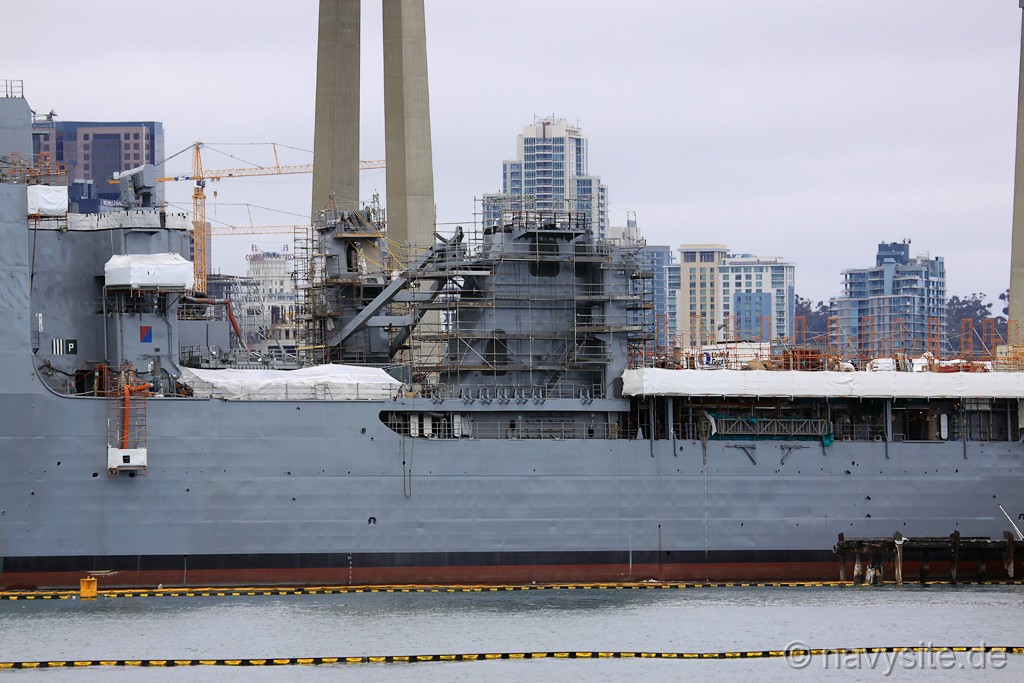 |  |
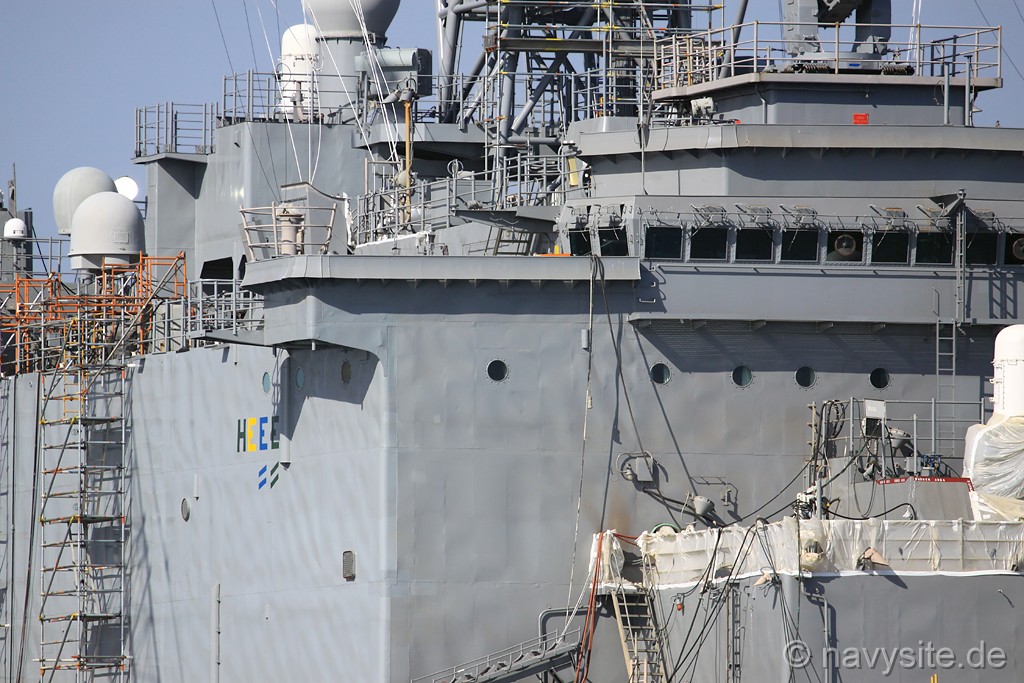
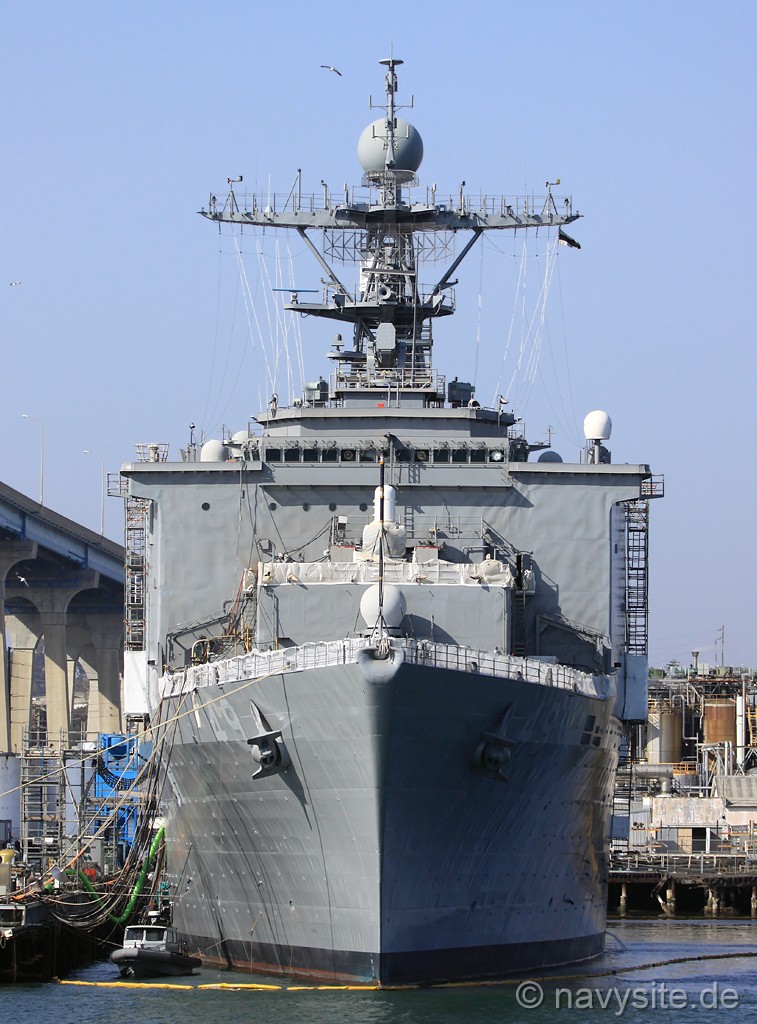
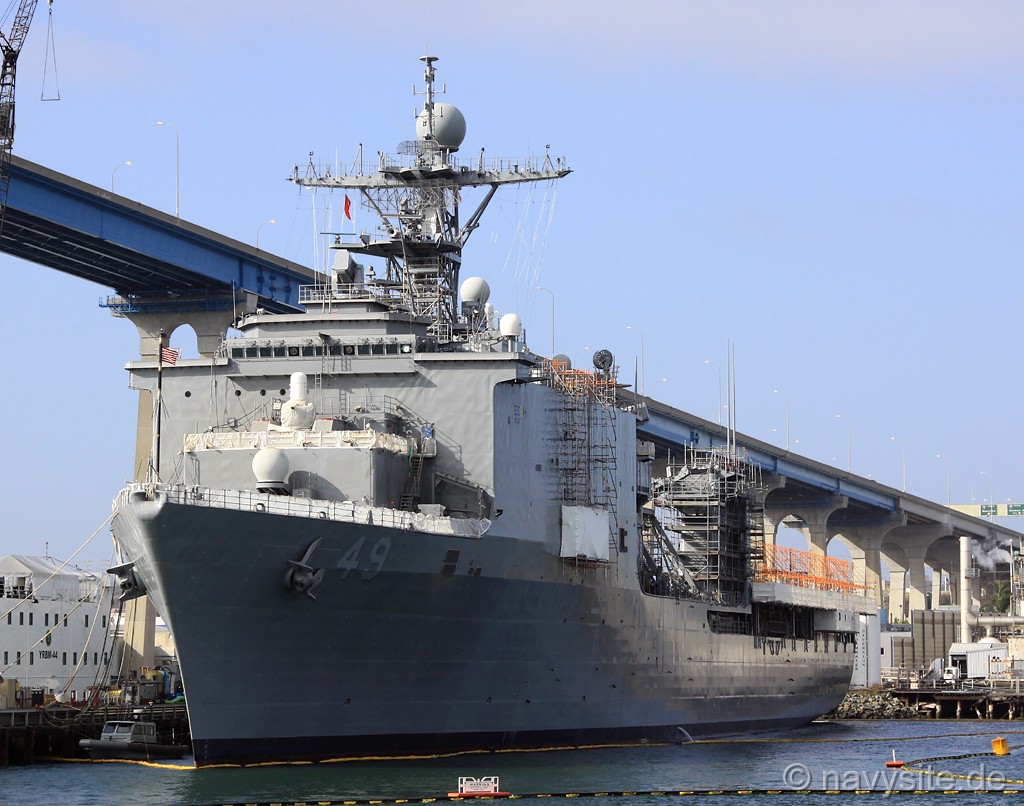
The photos below were taken by me on May 10, 2012, and show the HARPERS FERRY undergoing overhaul at Huntington Ingalls Industries Continental Maritime of San Diego shipyard.
 |  |  |  |
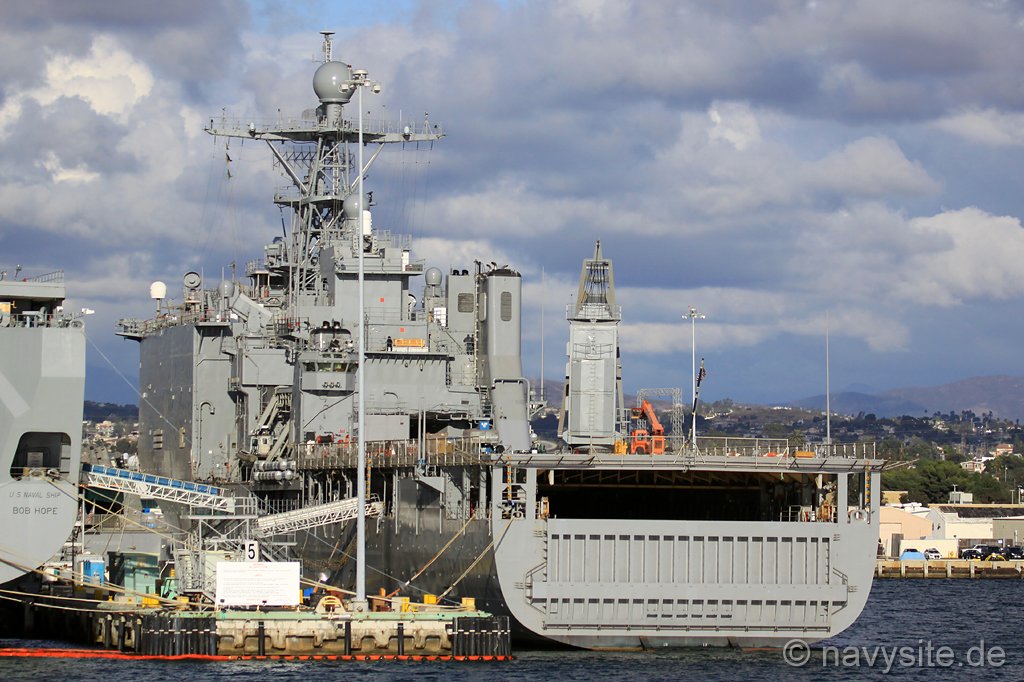
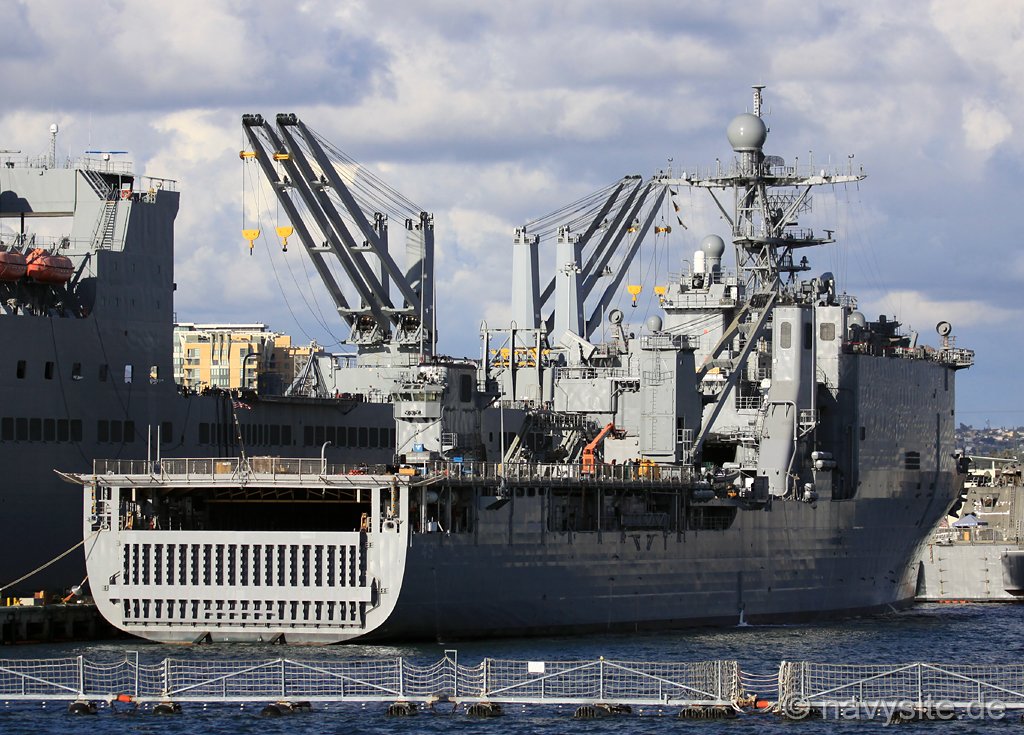
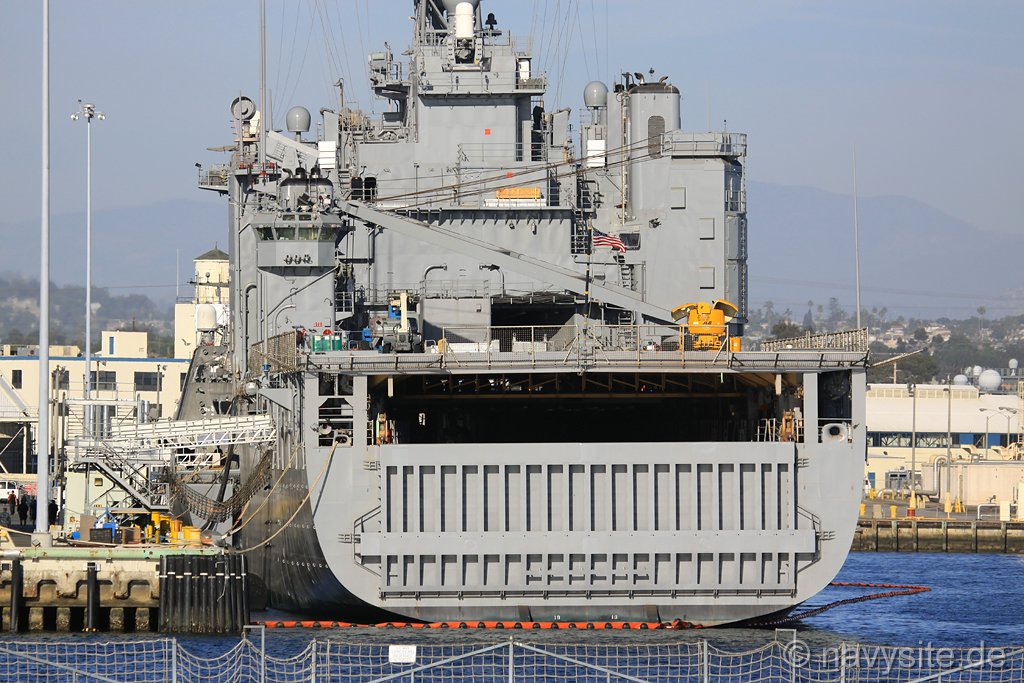
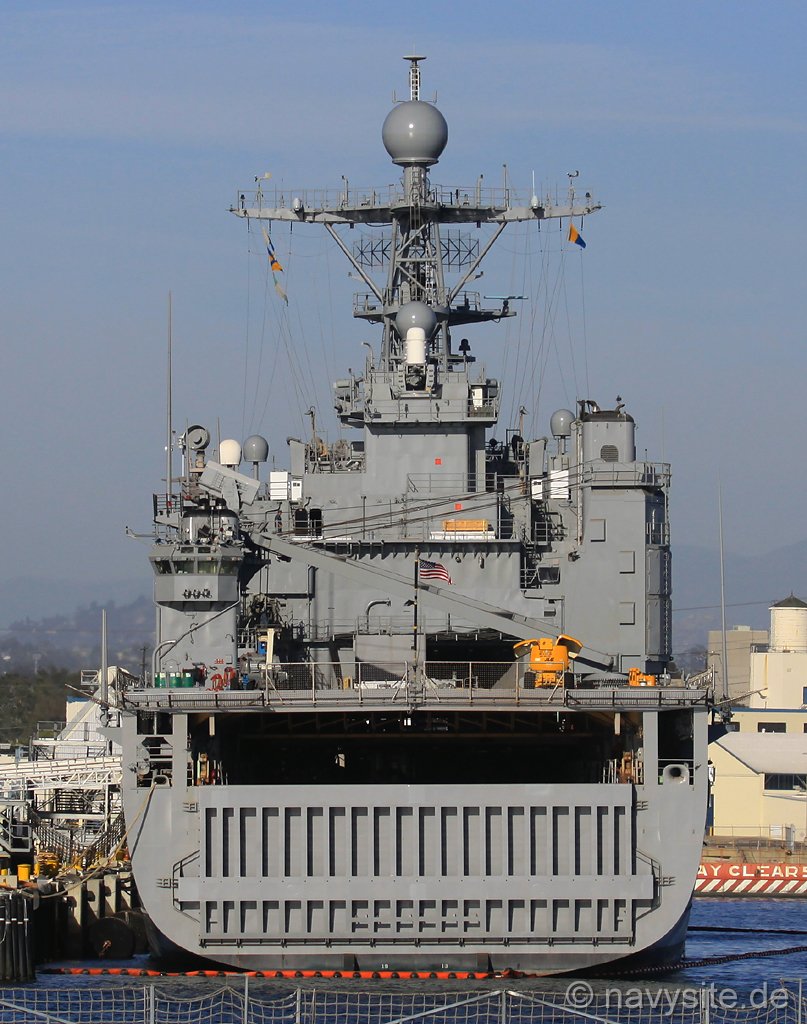
The photos below were taken by me on October 3 and 11, 2012, and show the HARPERS FERRY at Naval Base San Diego, Calif.
 |  |  |  |
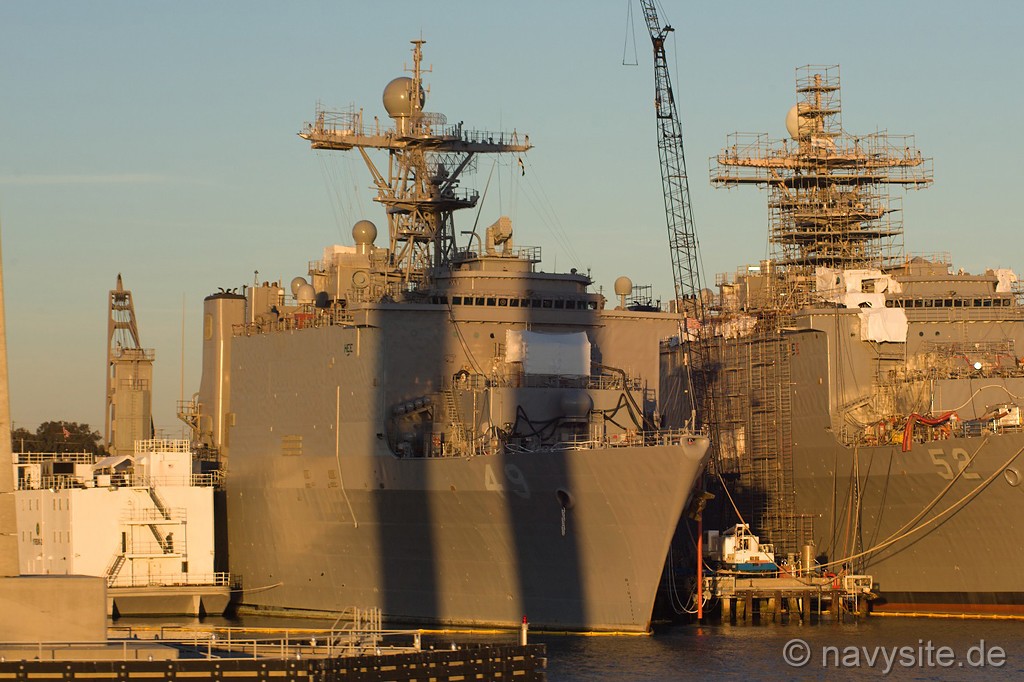
The photos below were taken by Michael Jenning and show the HARPERS FERRY at Huntington Ingalls Industries Continental Maritime of San Diego shipyard on December 27, 2014.
 |  |  |  |  |
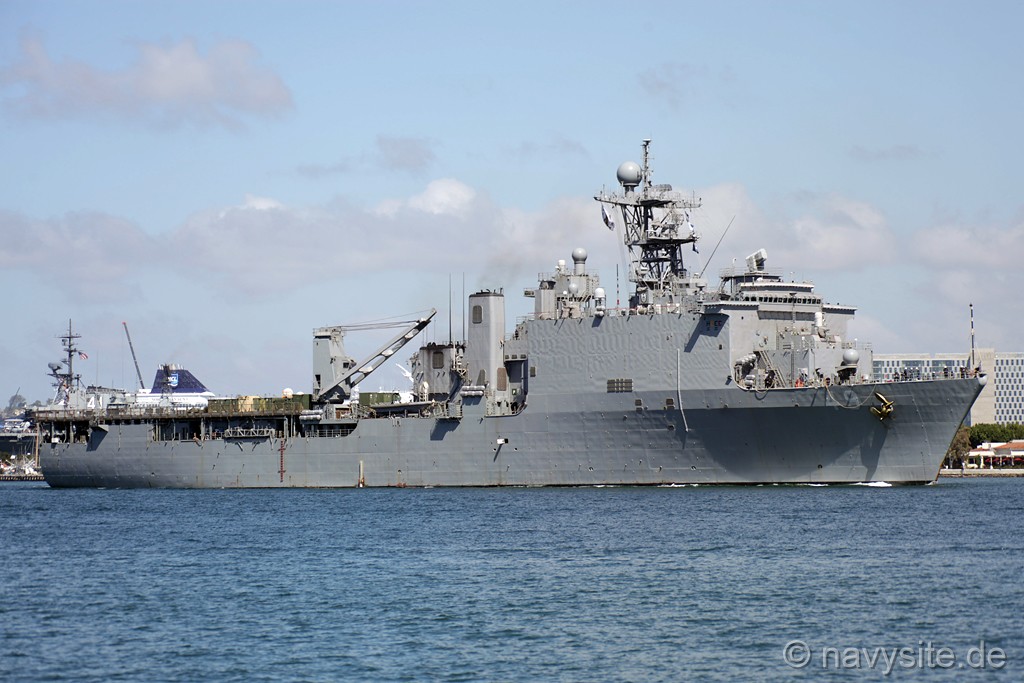
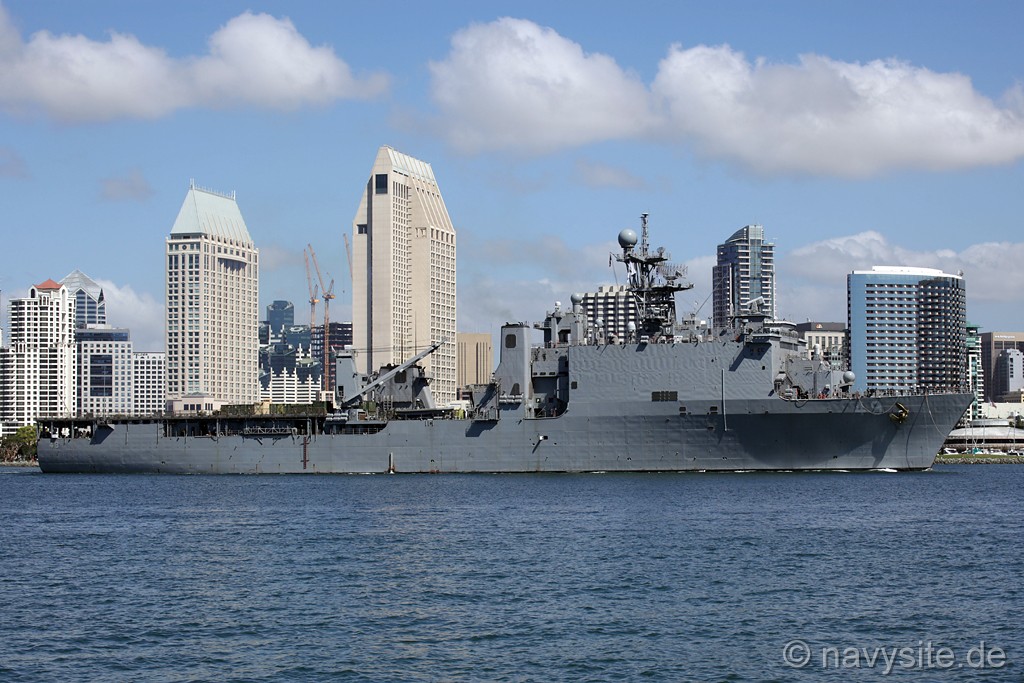
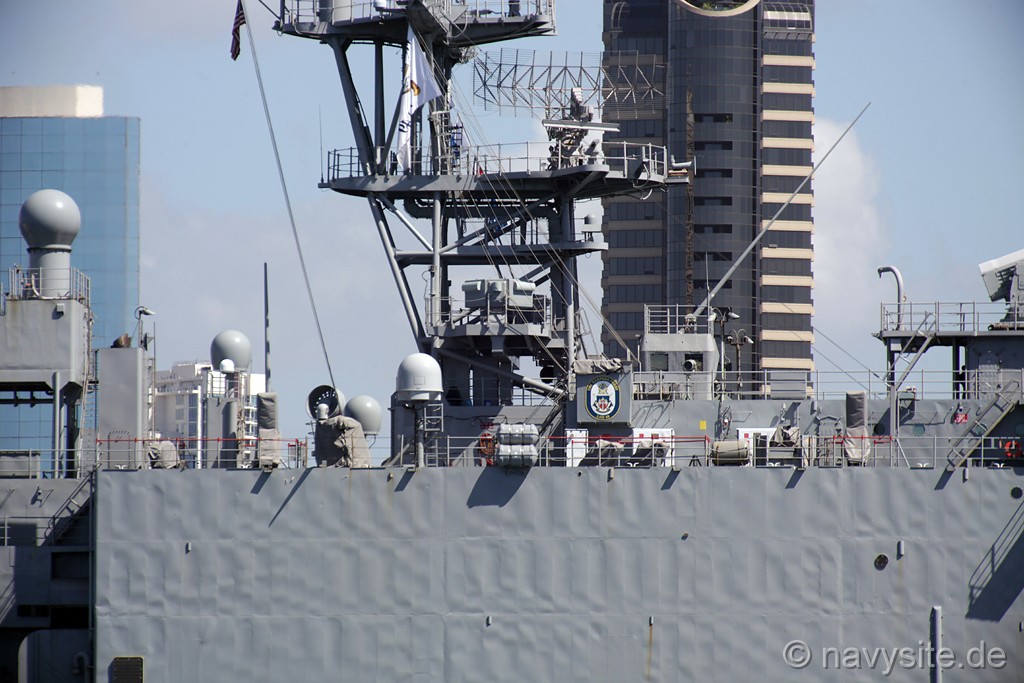
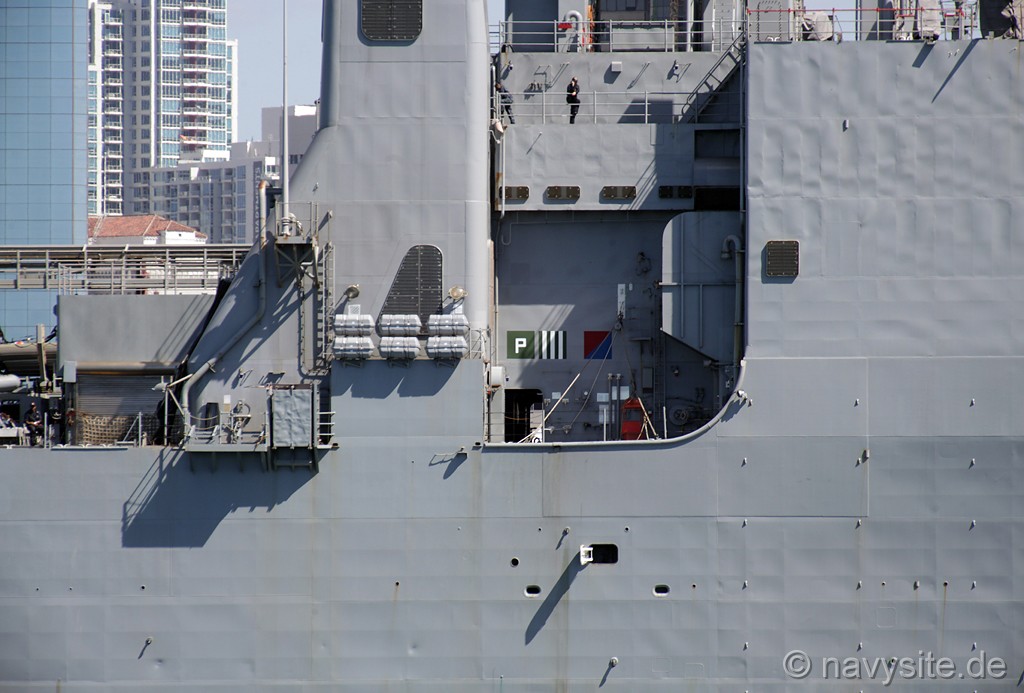
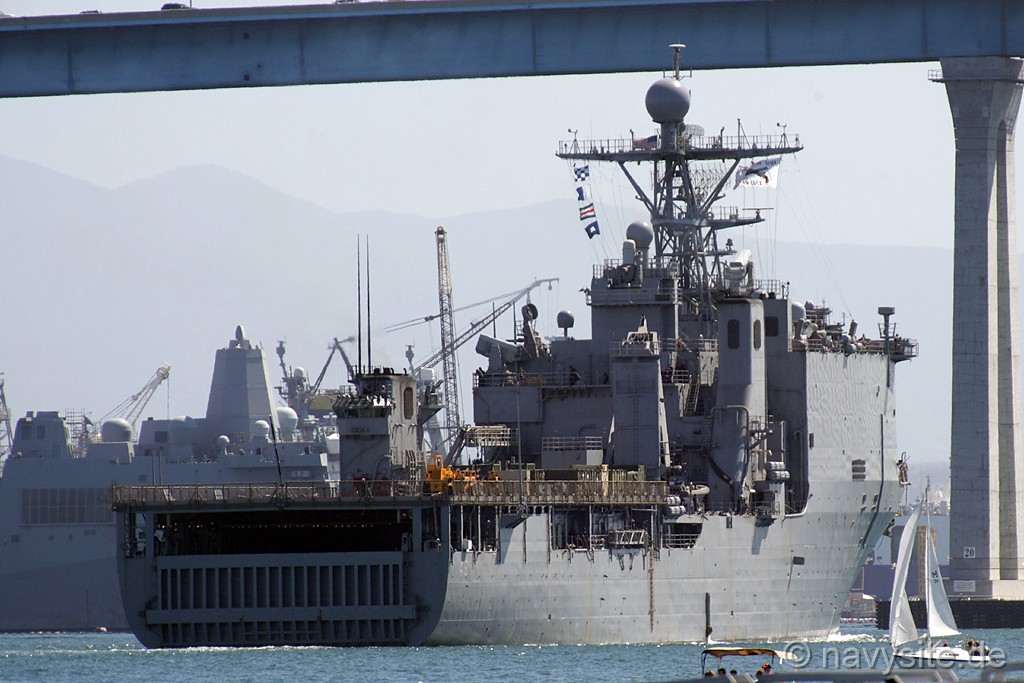
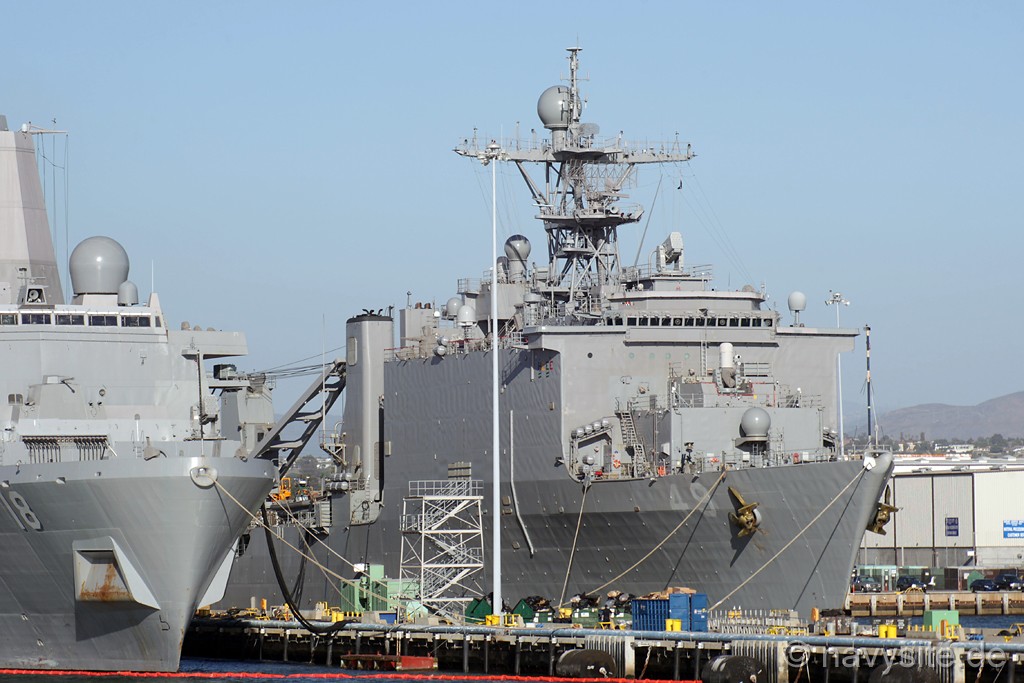
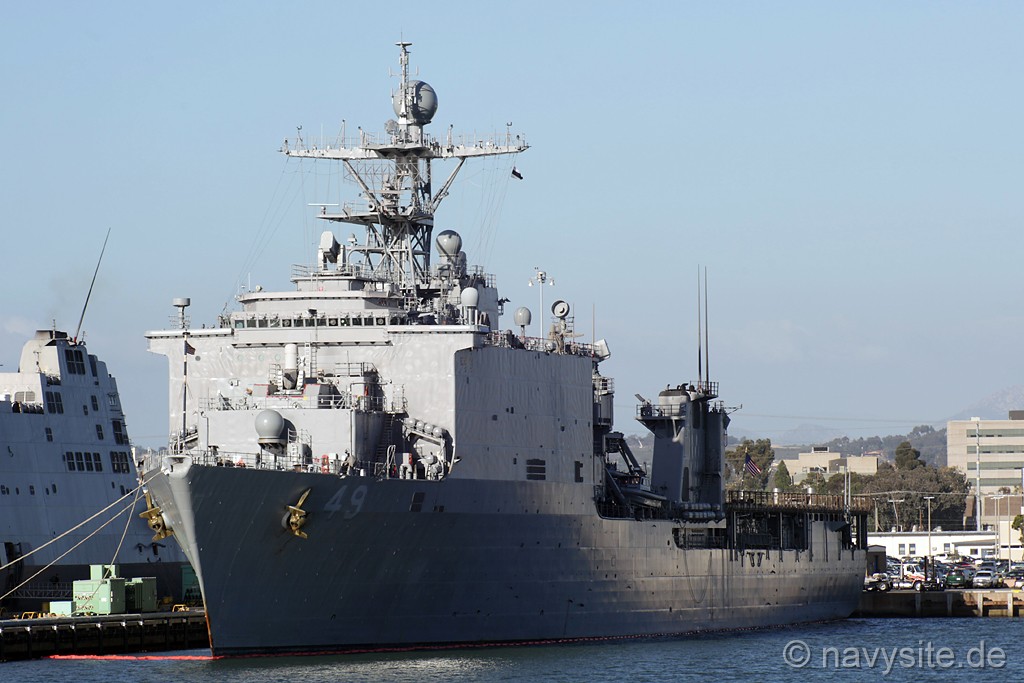
The photos below were taken by Michael Jenning and show the HARPERS FERRY arriving at Naval Base San Diego, Calif., respectively at the Naval Base a few hours later. The photos were taken on October 2, 2015.
 |  |  |  |  |
 |  |  |  |  |
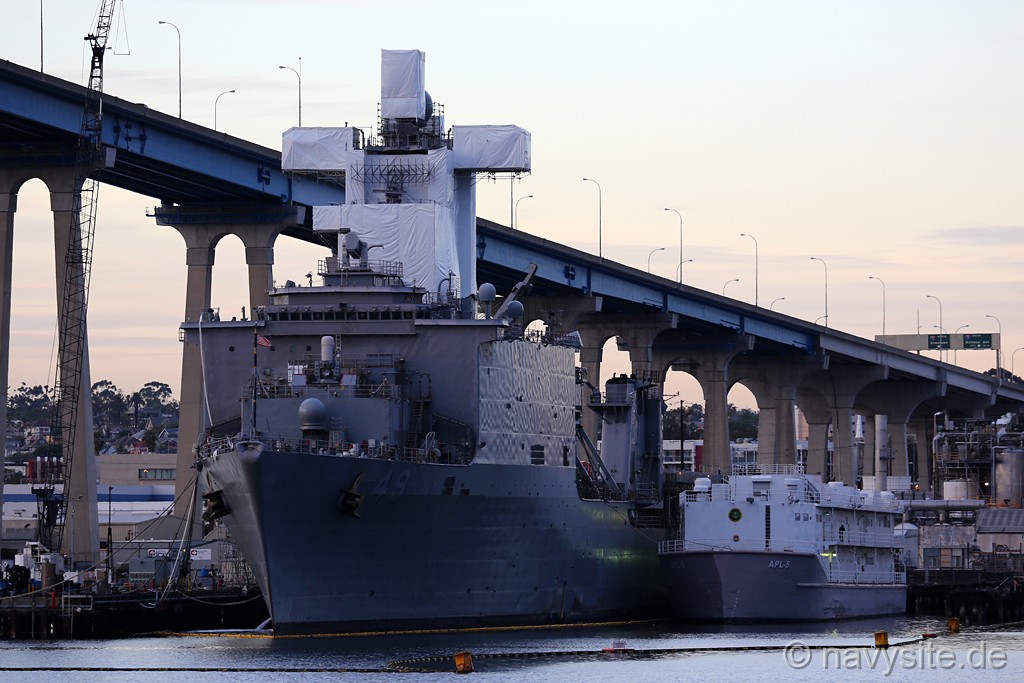
The photo below was taken by Sebastian Thoma and shows the HARPERS FERRY at Huntington Ingalls Industries Continental Maritime of San Diego shipyard on December 20, 2016.
 |
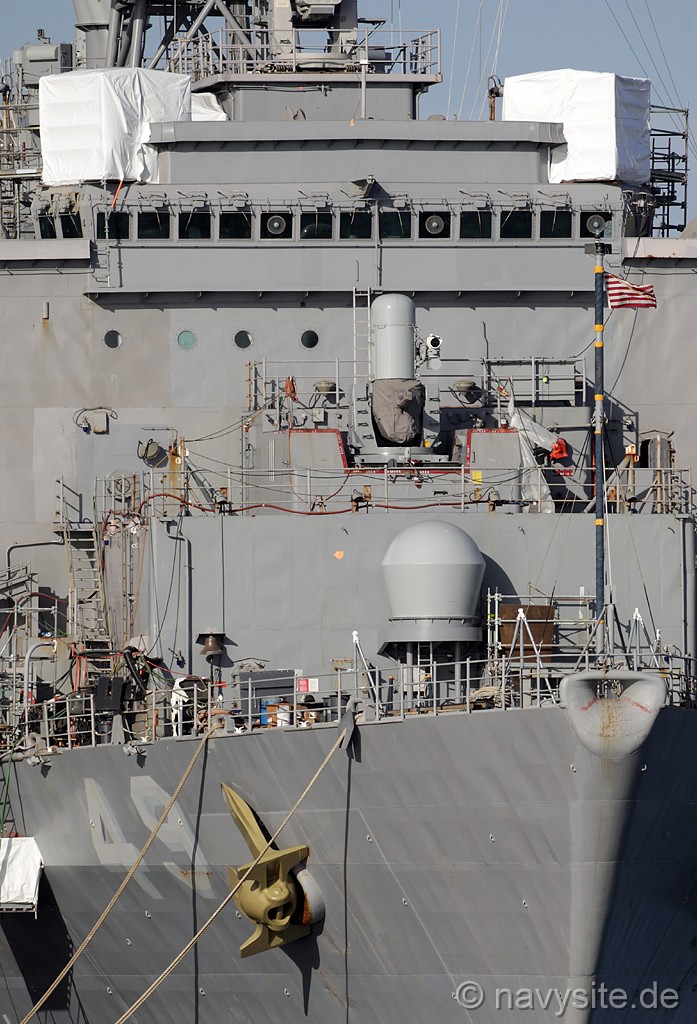
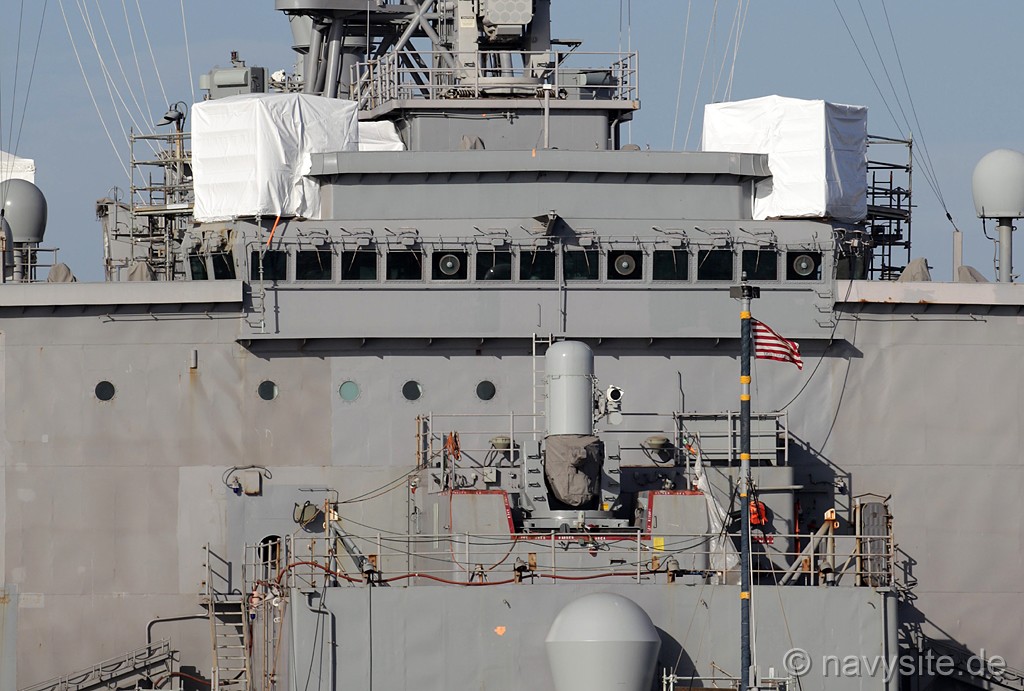
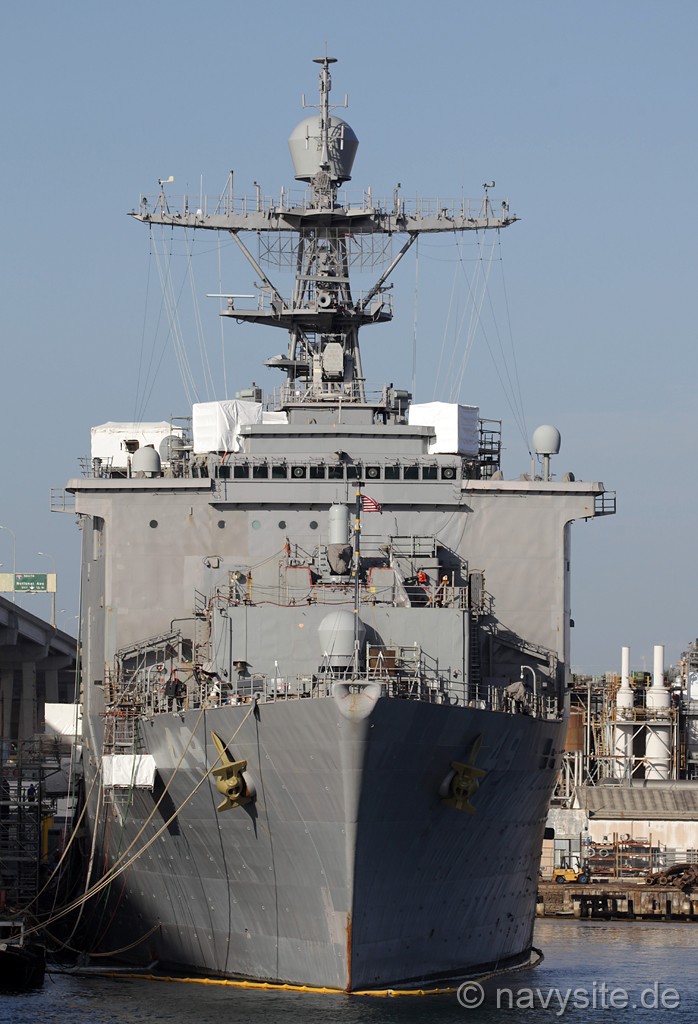
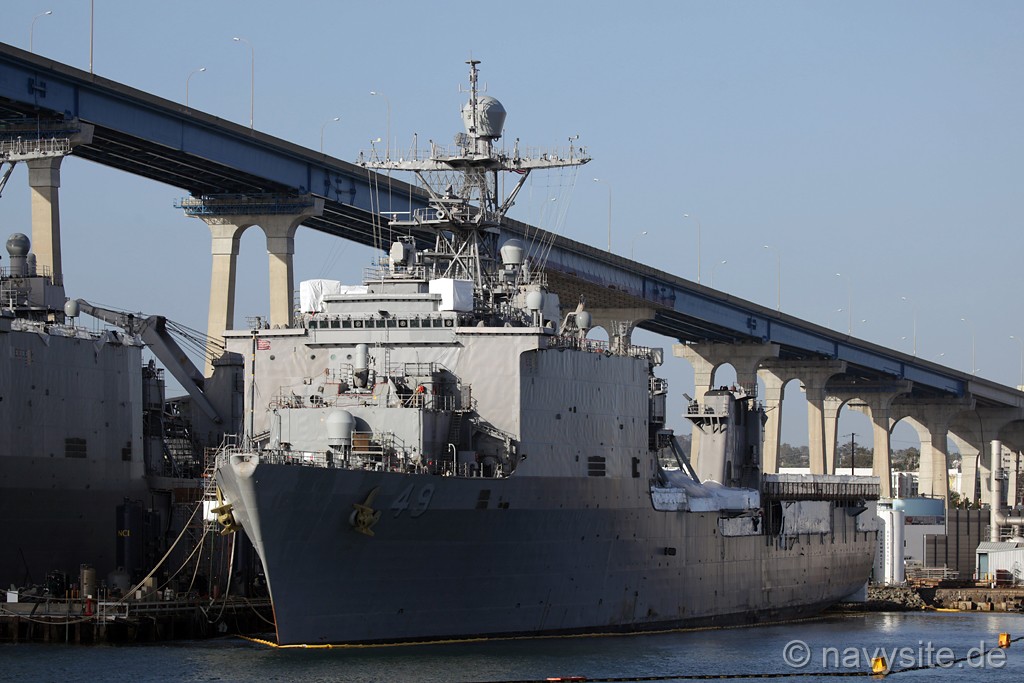
The photos below were taken by Michael Jenning and show the HARPERS FERRY at Huntington Ingalls Industries Continental Maritime of San Diego shipyard on October 11, 2017.
 |  |  |  |
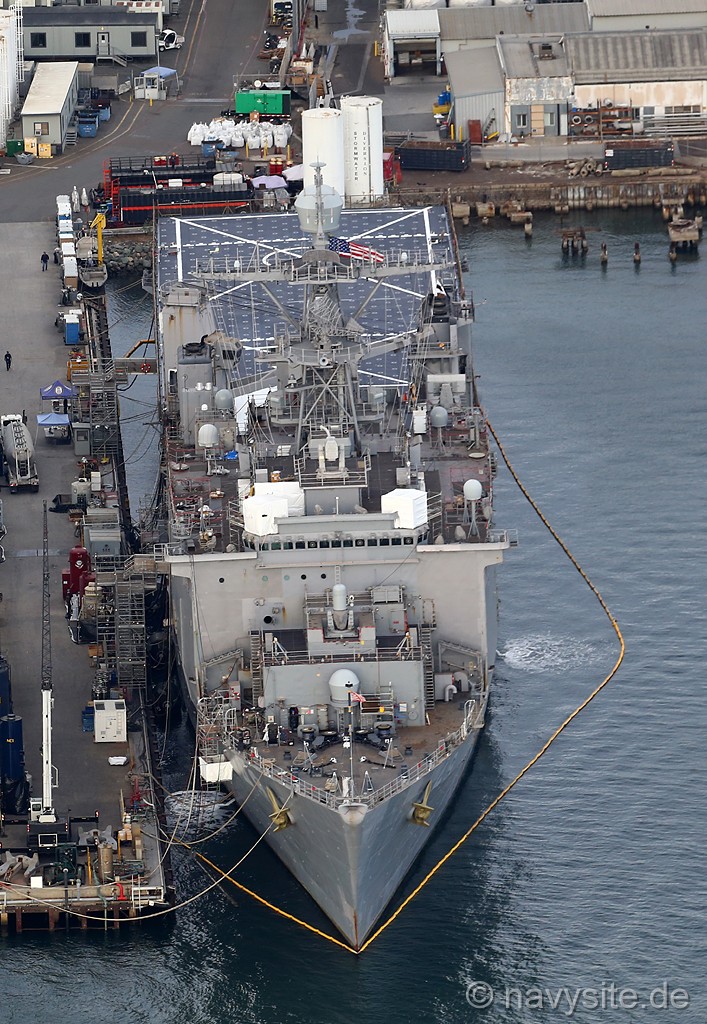
The photo below was taken by Sebastian Thoma and shows the HARPERS FERRY at Huntington Ingalls Industries Continental Maritime of San Diego shipyard on November 10, 2017.
 |
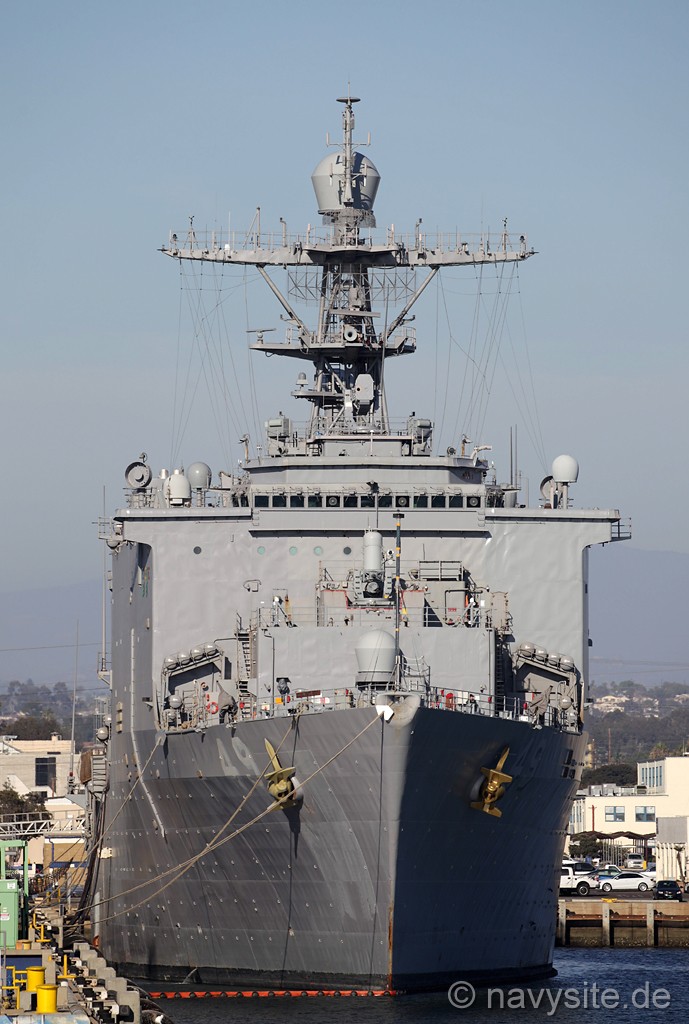
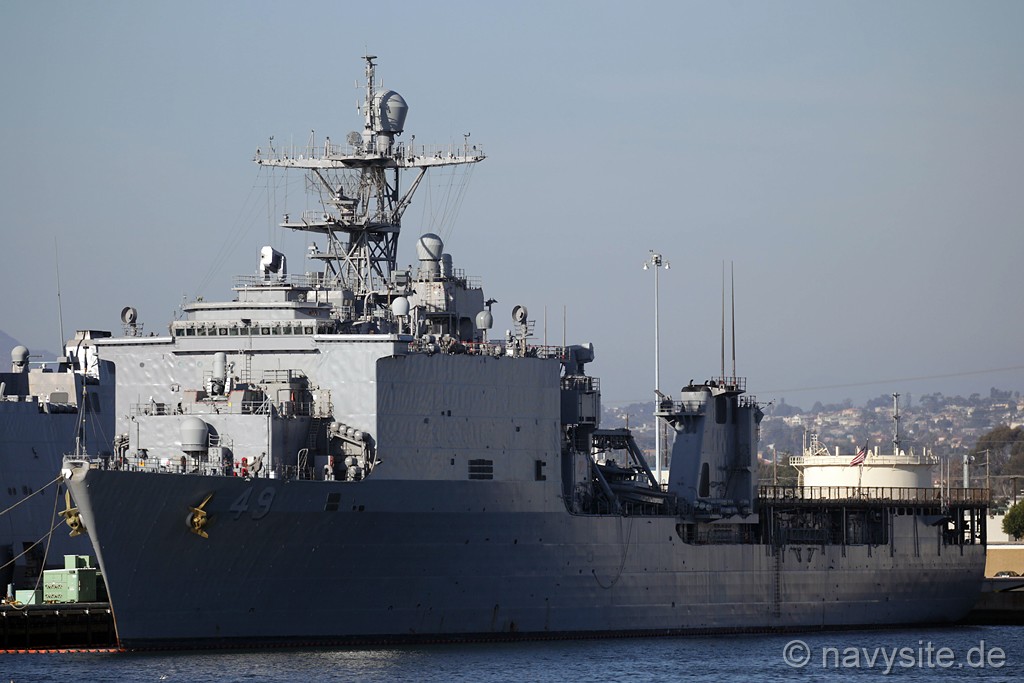
The photos below were taken by Michael Jenning and show the HARPERS FERRY at Naval Base San Diego, Calif., on September 28, 2018.
 |  |
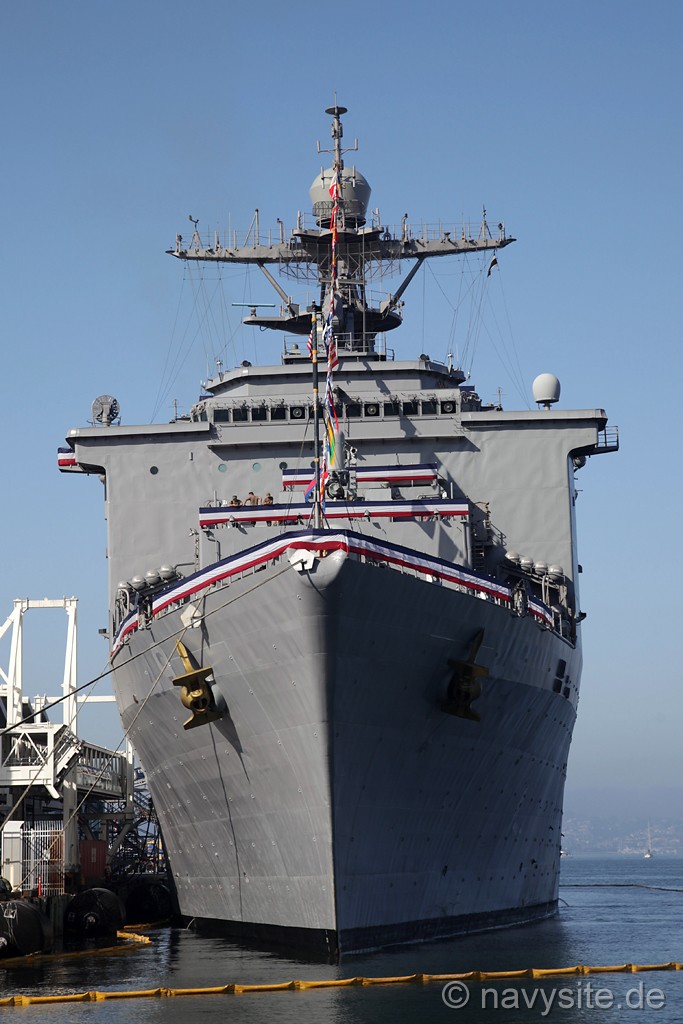
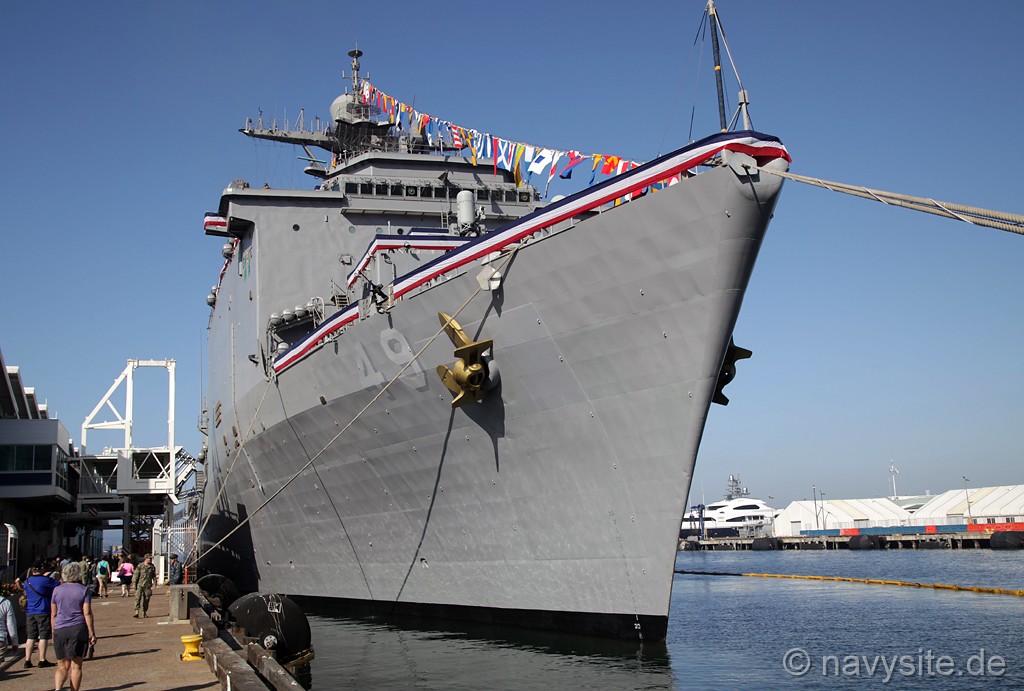
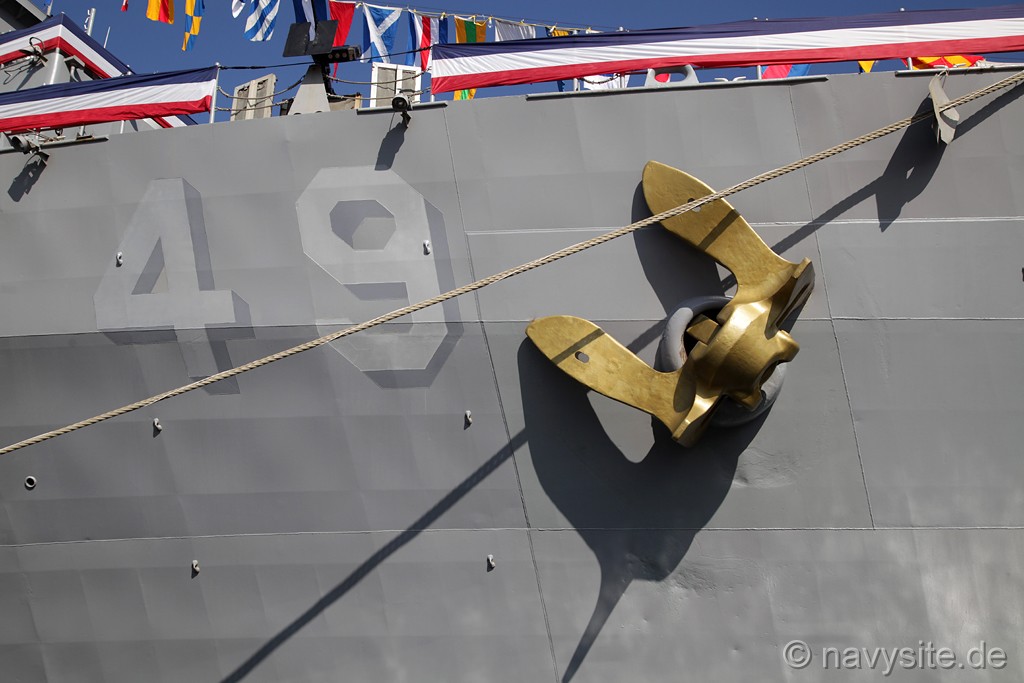
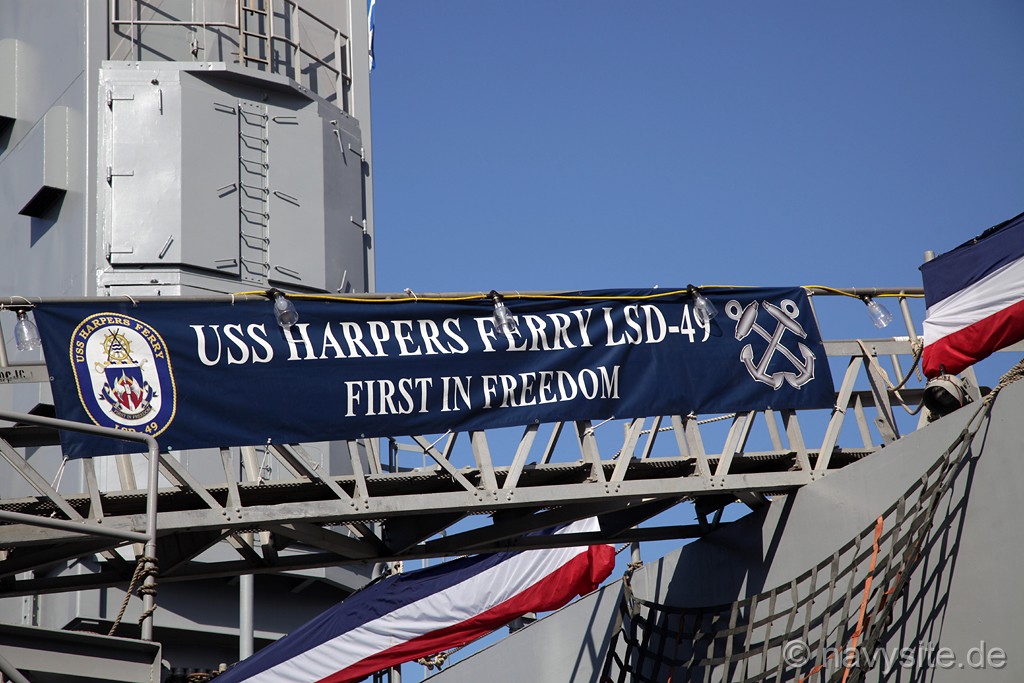
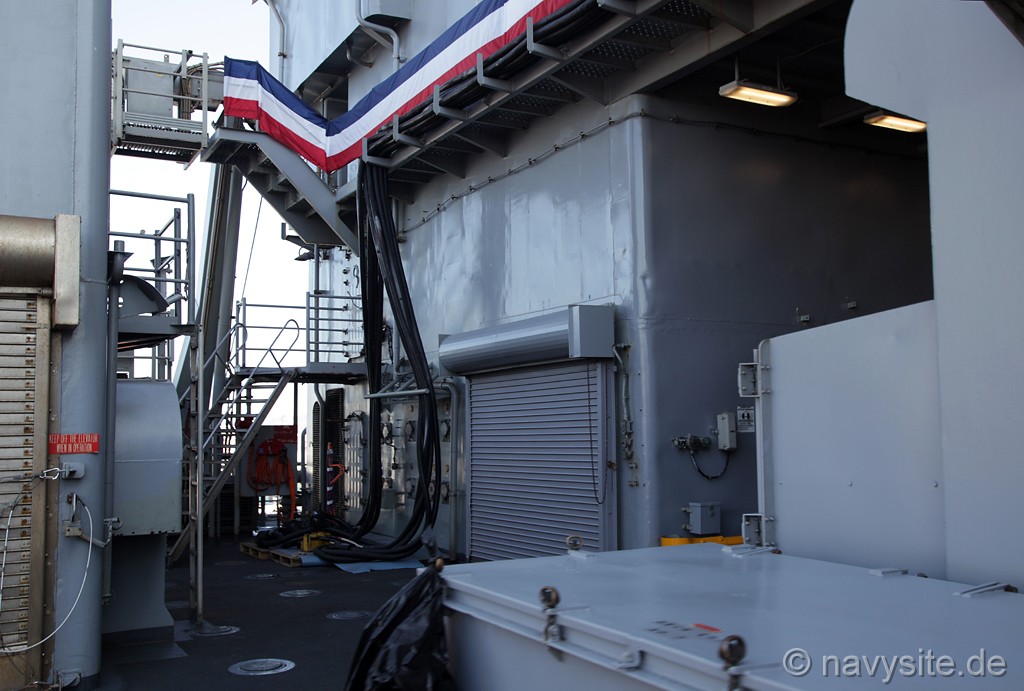
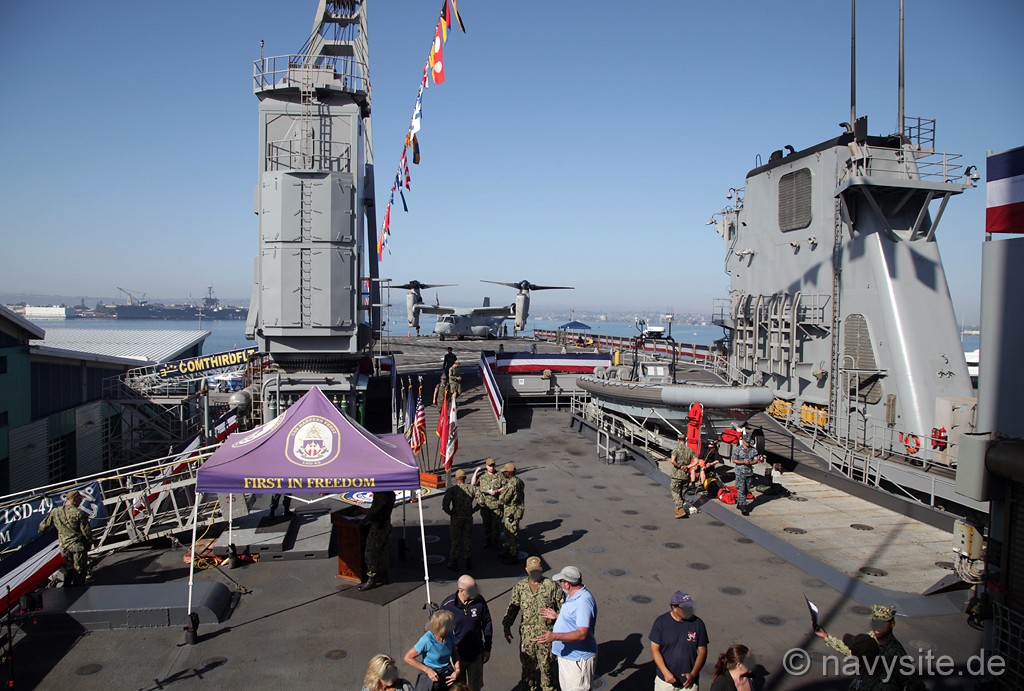
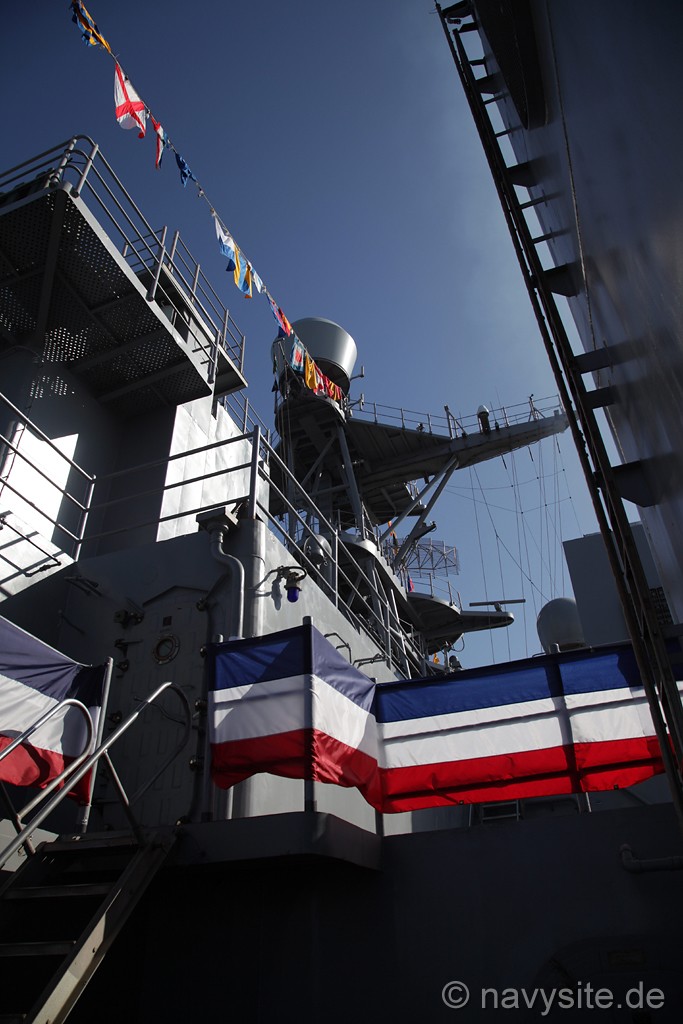
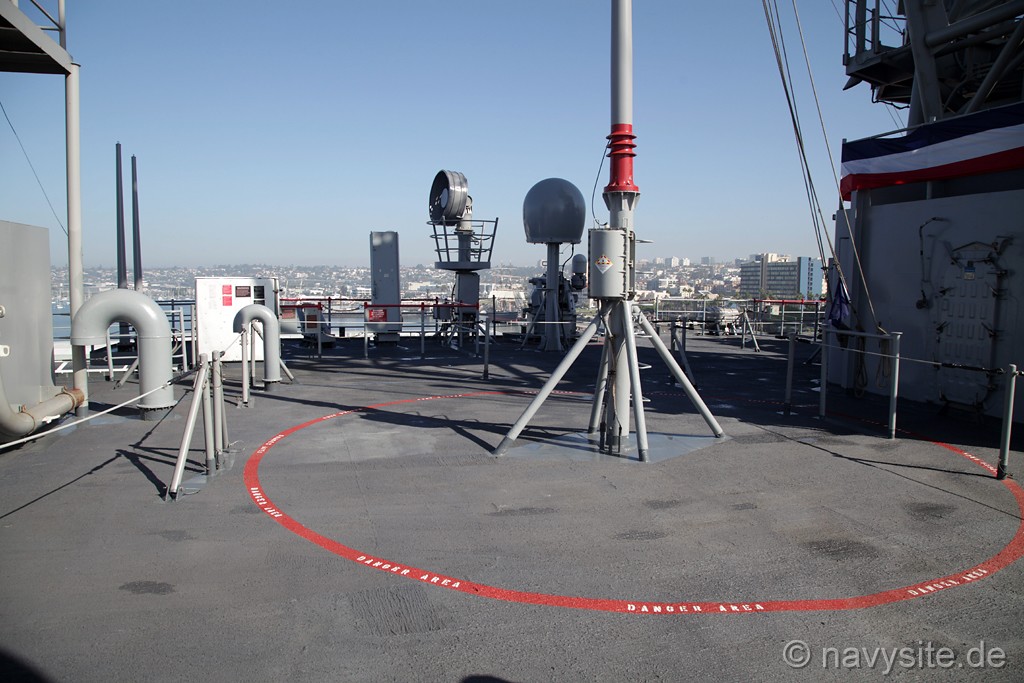
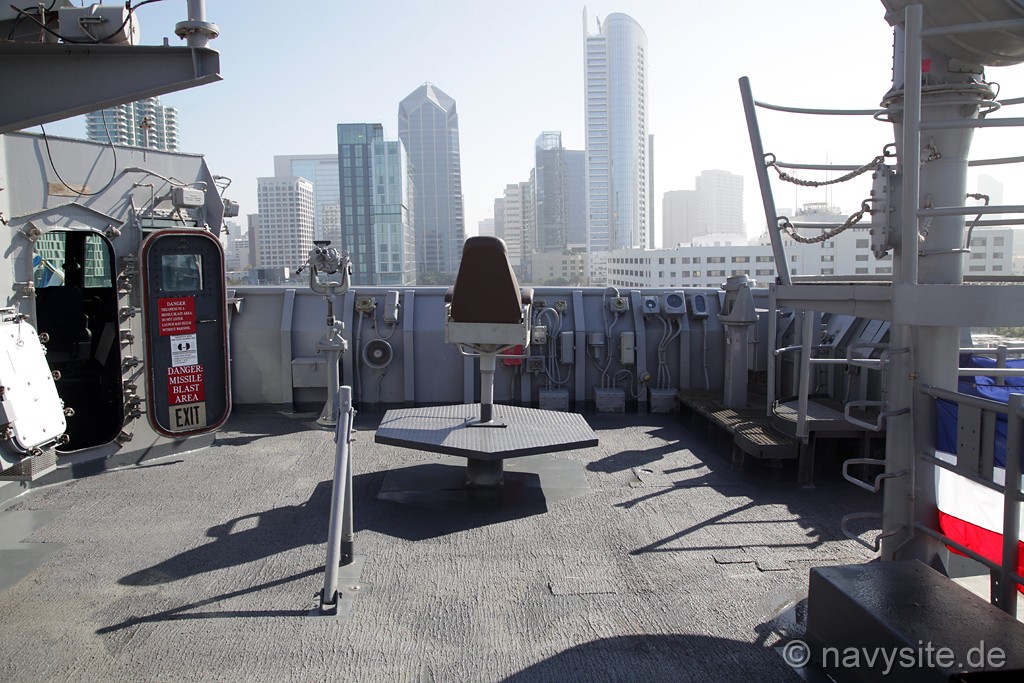
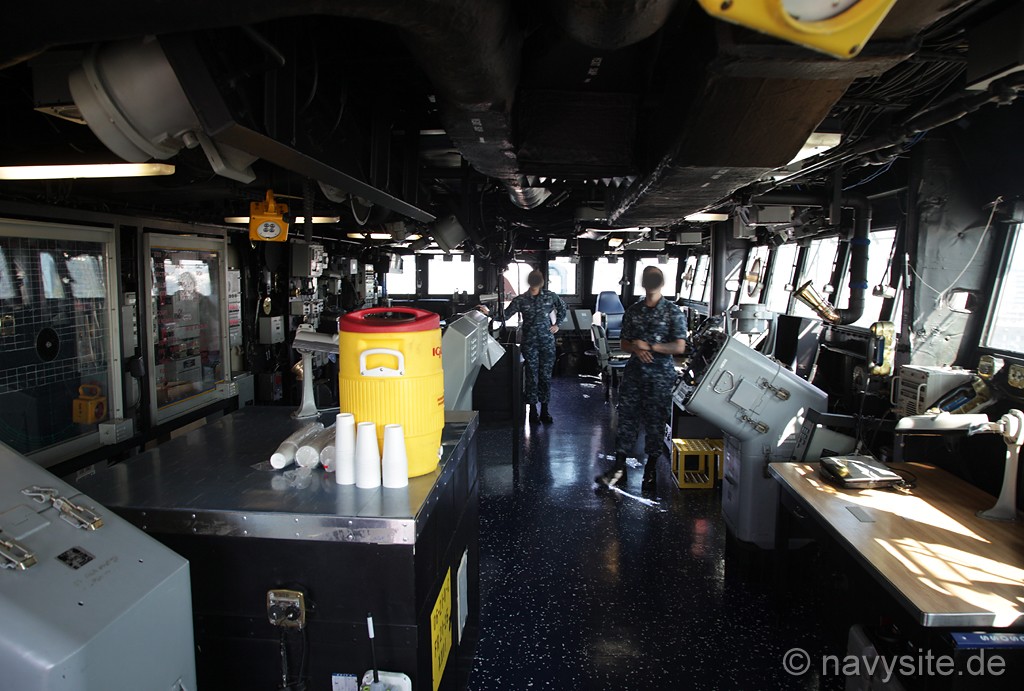
The photos below were taken by Michael Jenning during an open ship event aboard USS HARPERS FERRY as part of Fleet Week San Diego on October 26, 2018.
 |  |  |  |  |
 |  |  |  |  |
 |  |  | Click here for more Photos. | |
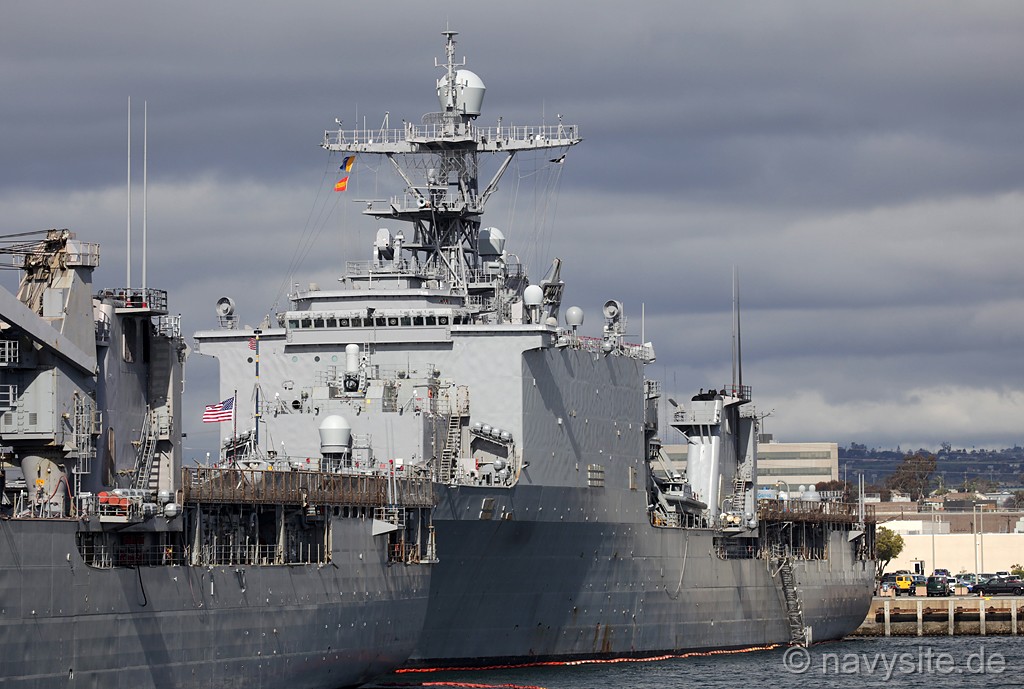
The photo below was taken by Michael Jenning and shows the HARPERS FERRY at Naval Base San Diego, Calif., on March 2, 2019.
 |
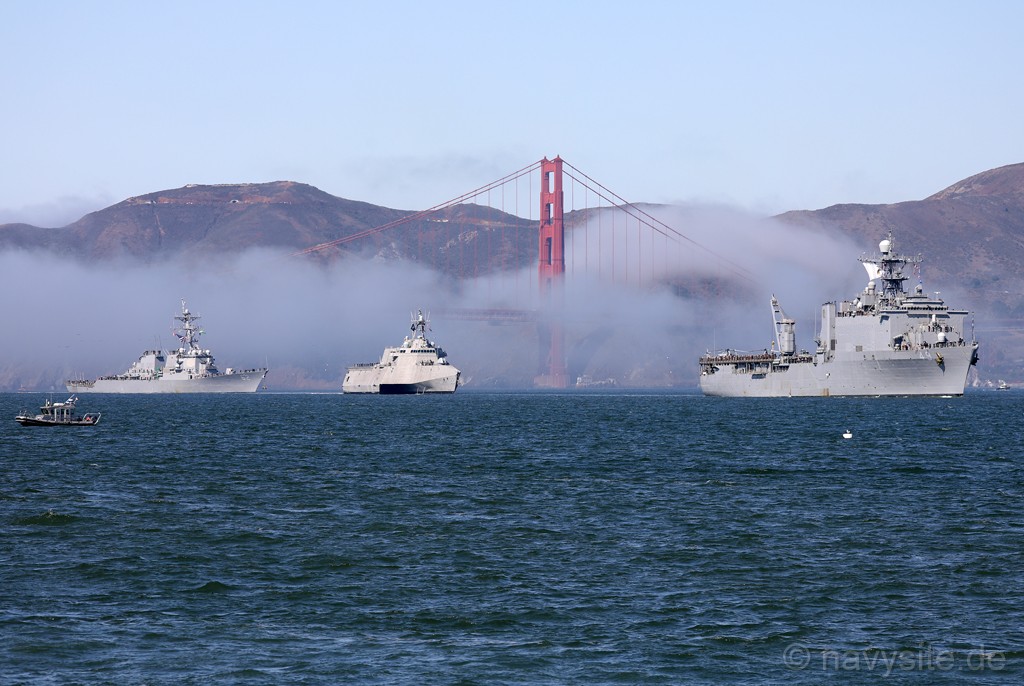
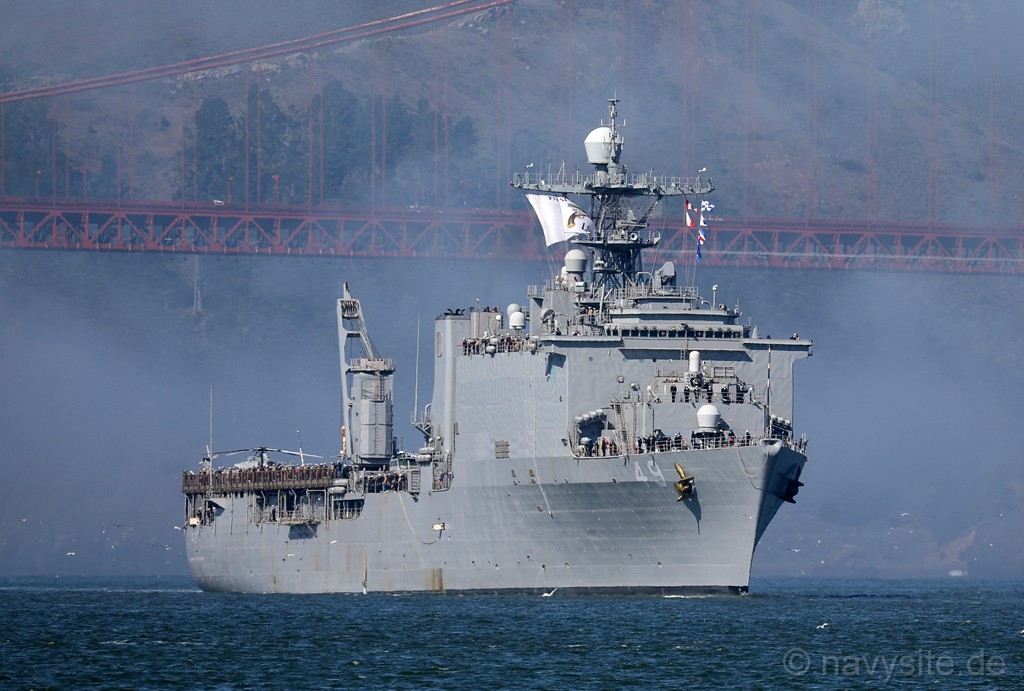
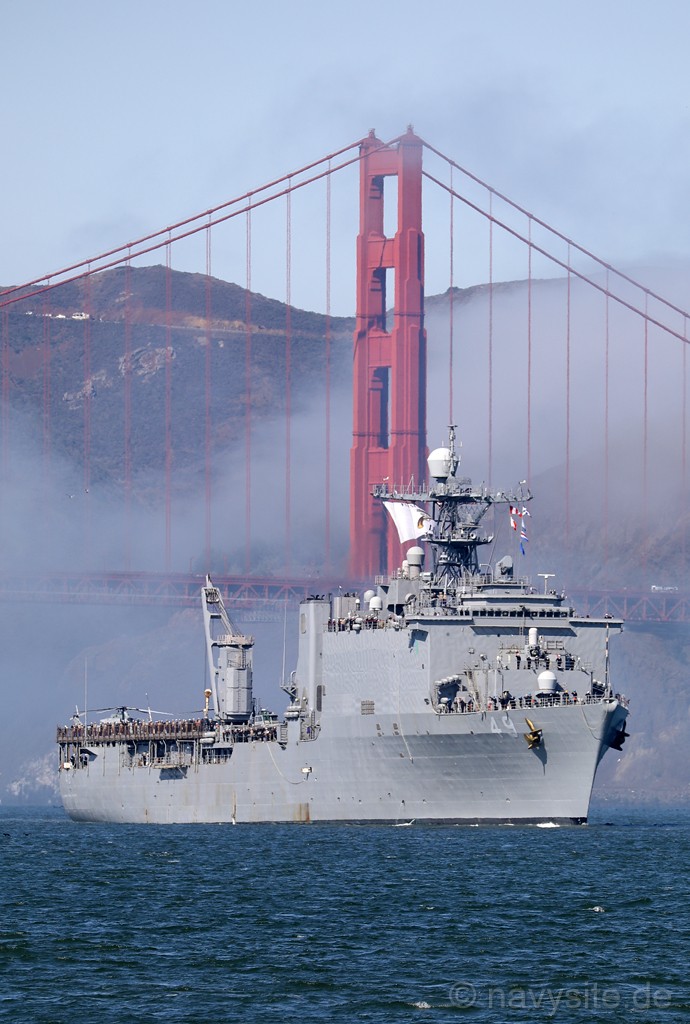
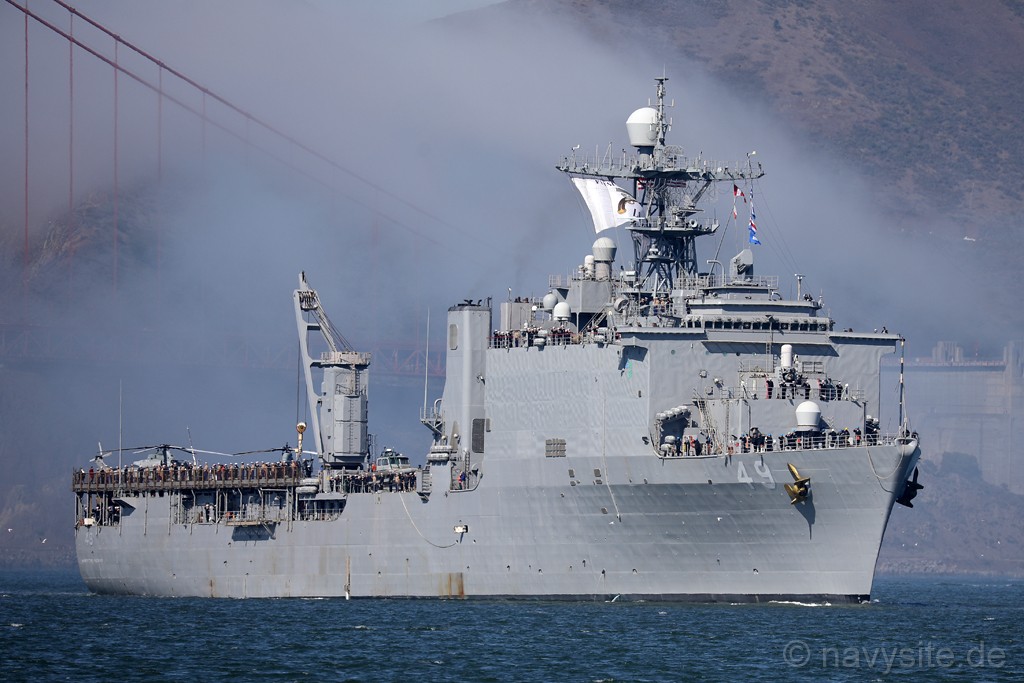
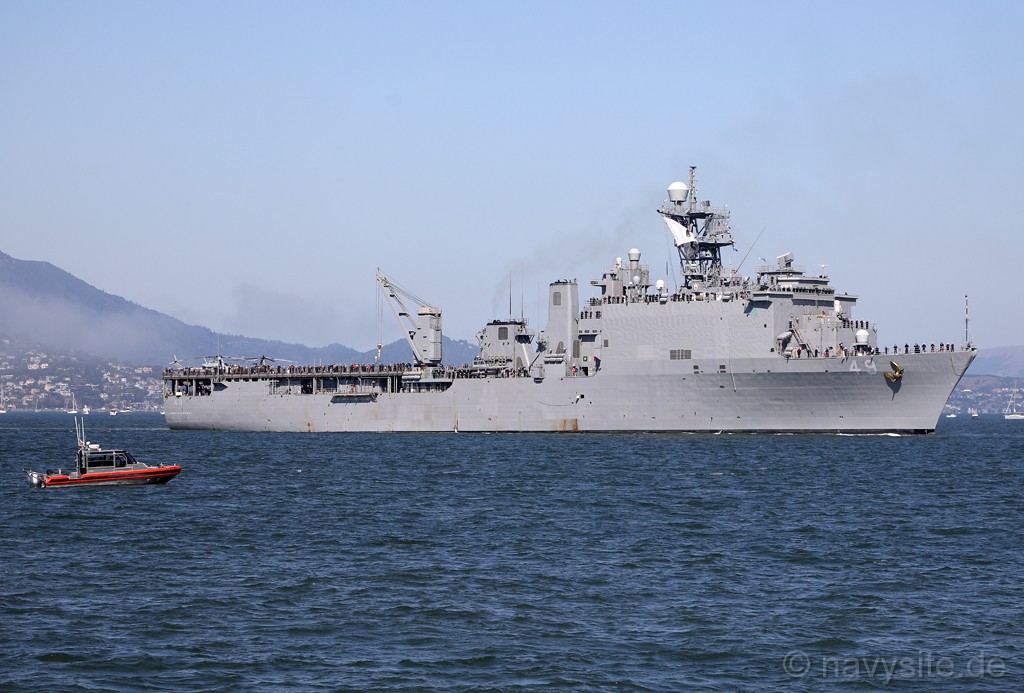
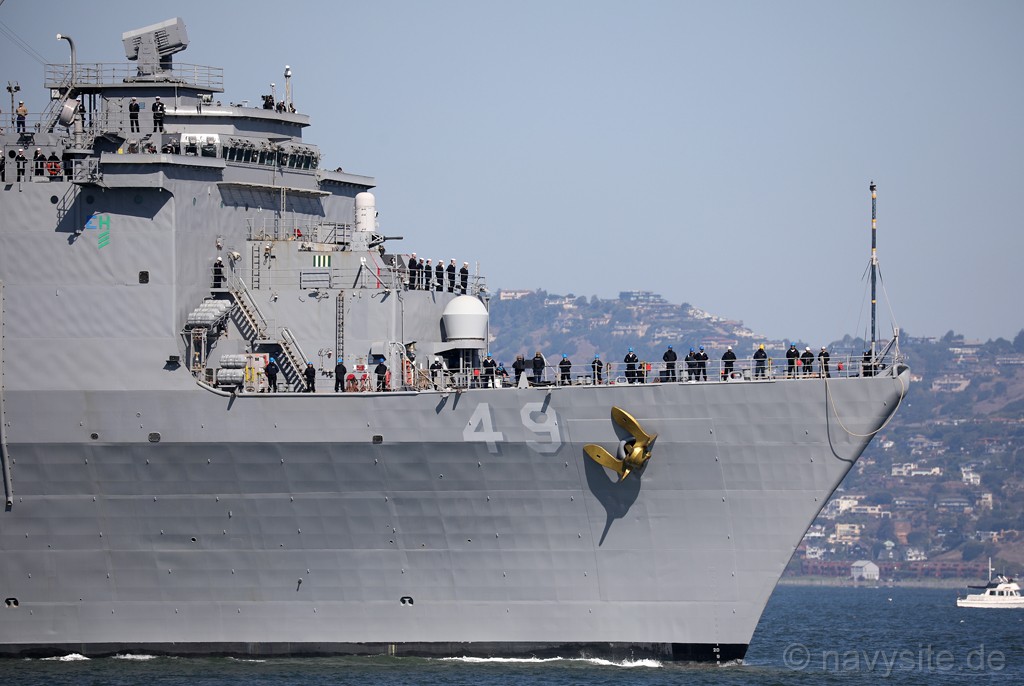
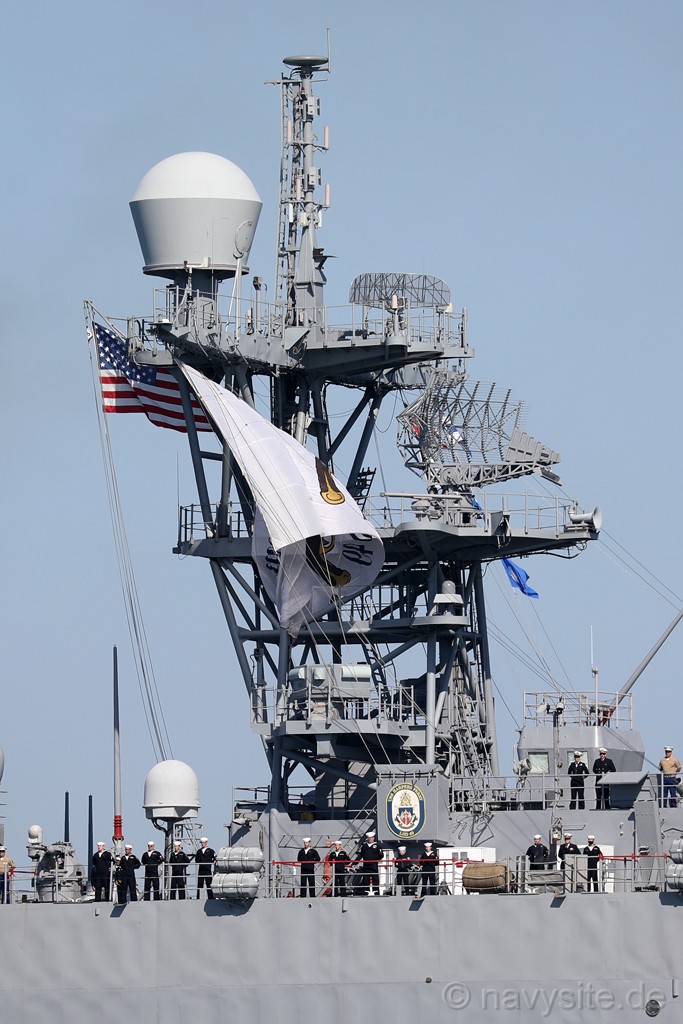
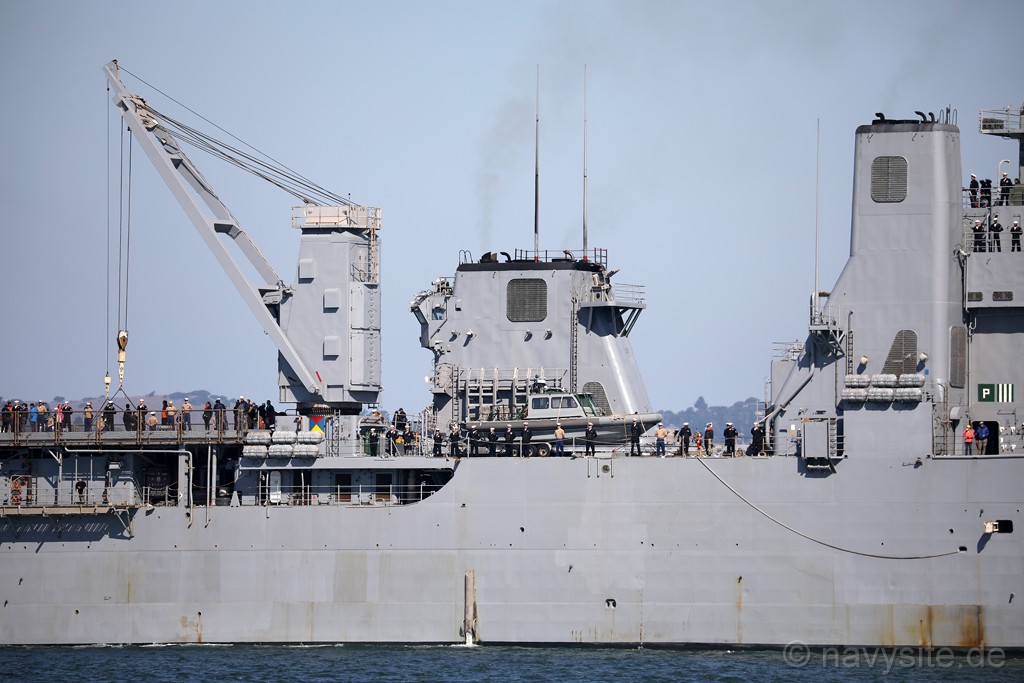
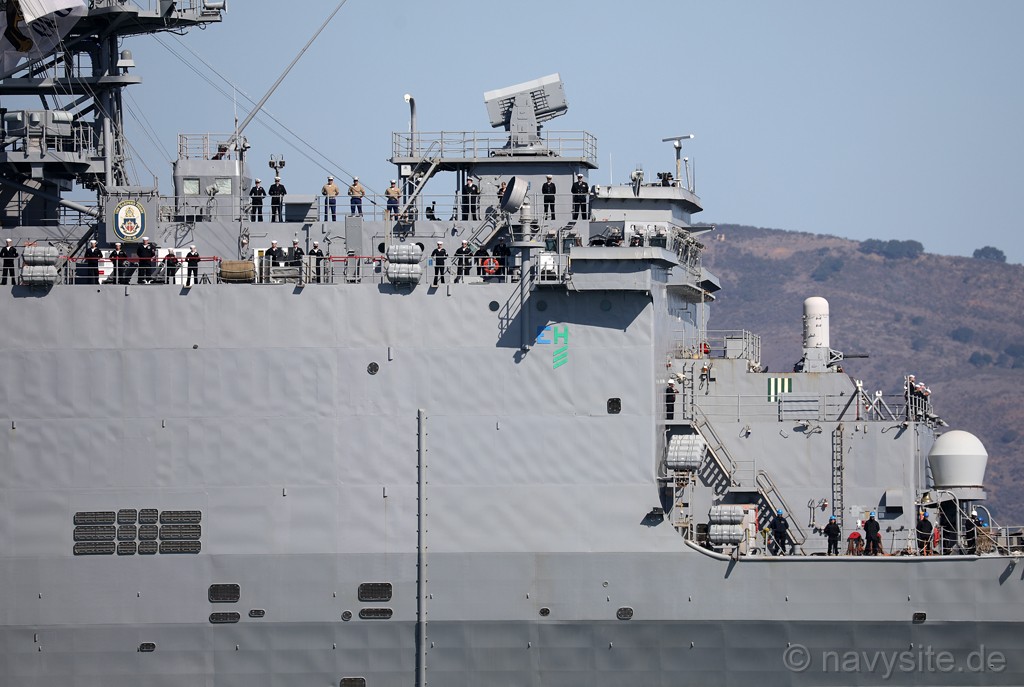
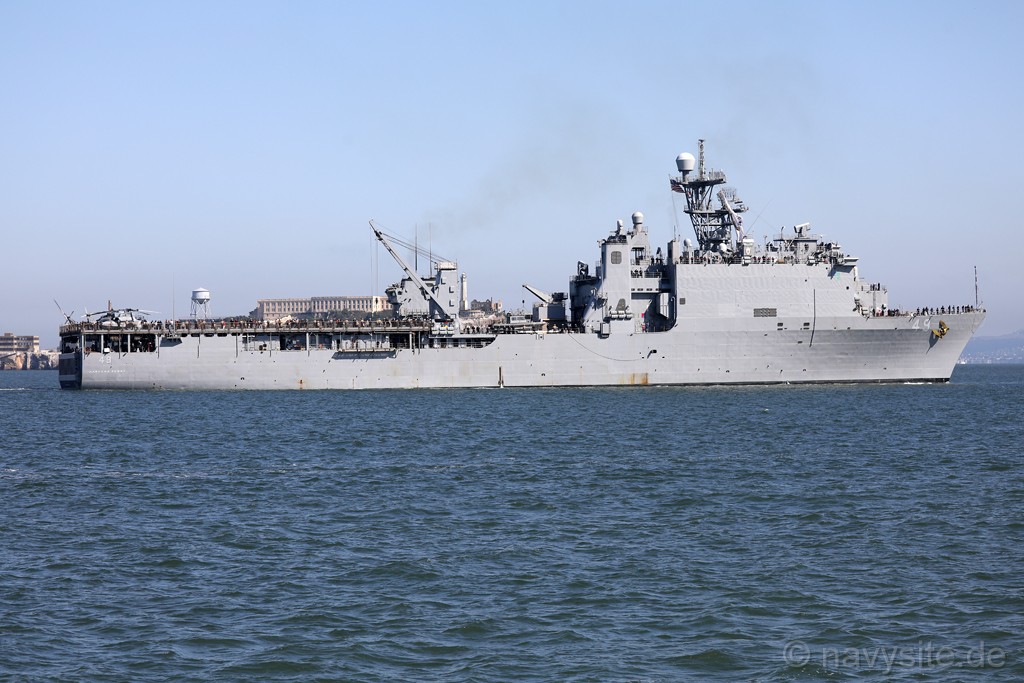
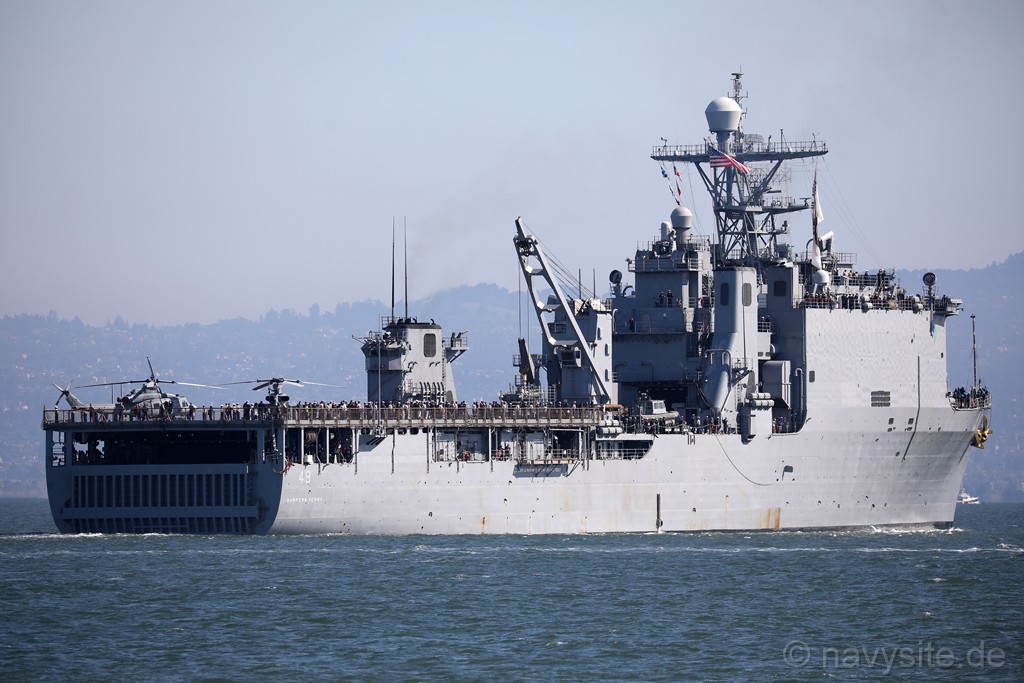
The photos below were taken by Michael Jenning and show the HARPERS FERRY during the Parade of Ships as part of Fleet Week San Francisco on October 7, 2022.
 |  |  |  |  |
 |  |  |  |  |
 |
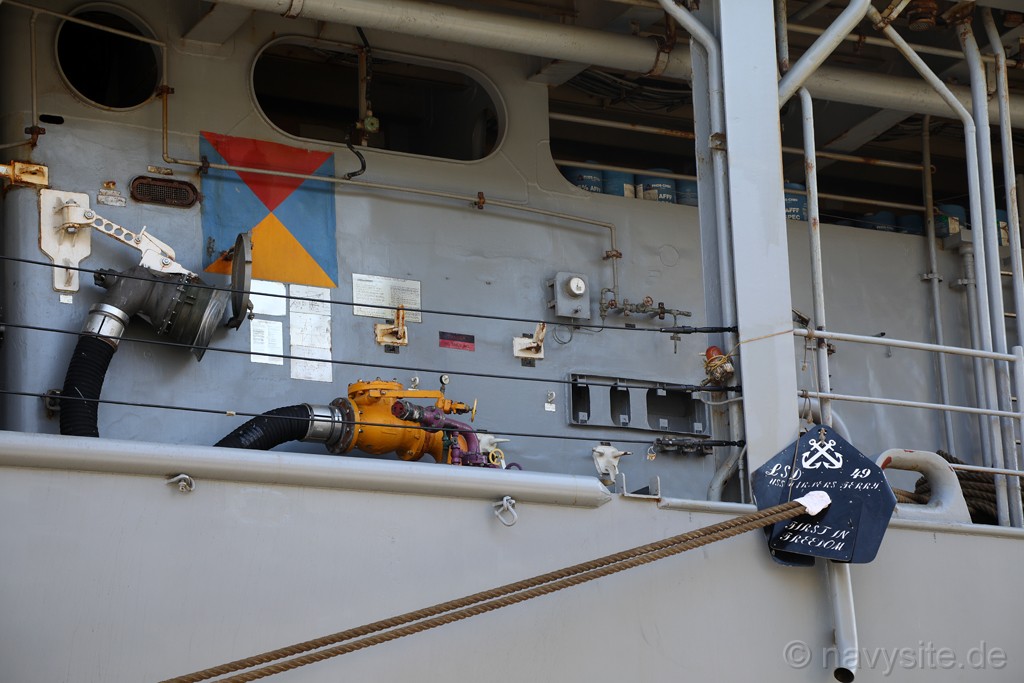
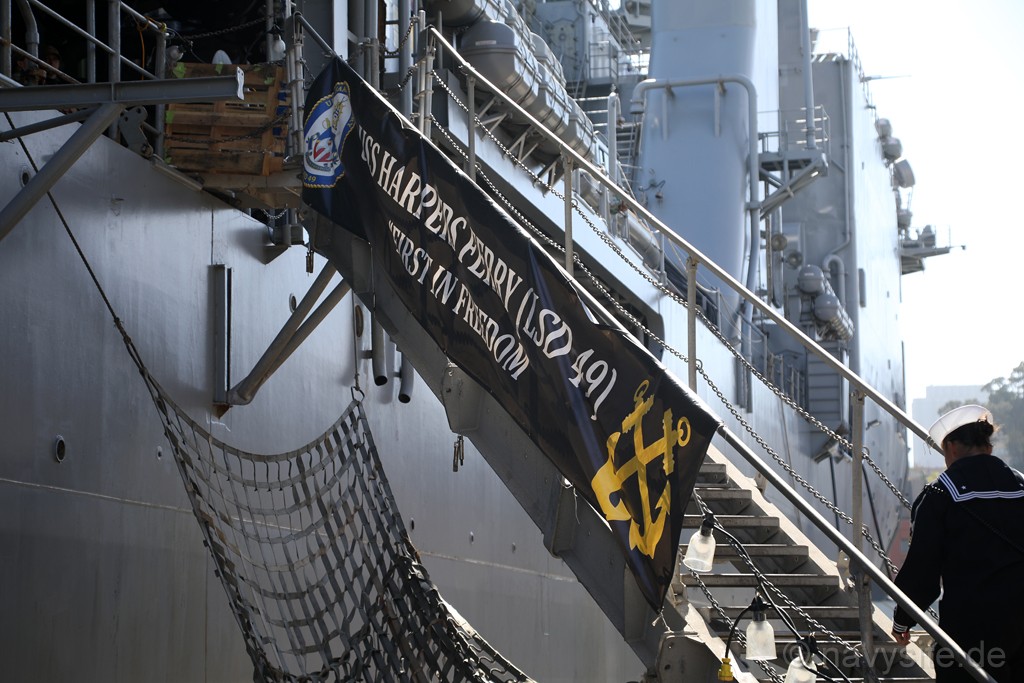
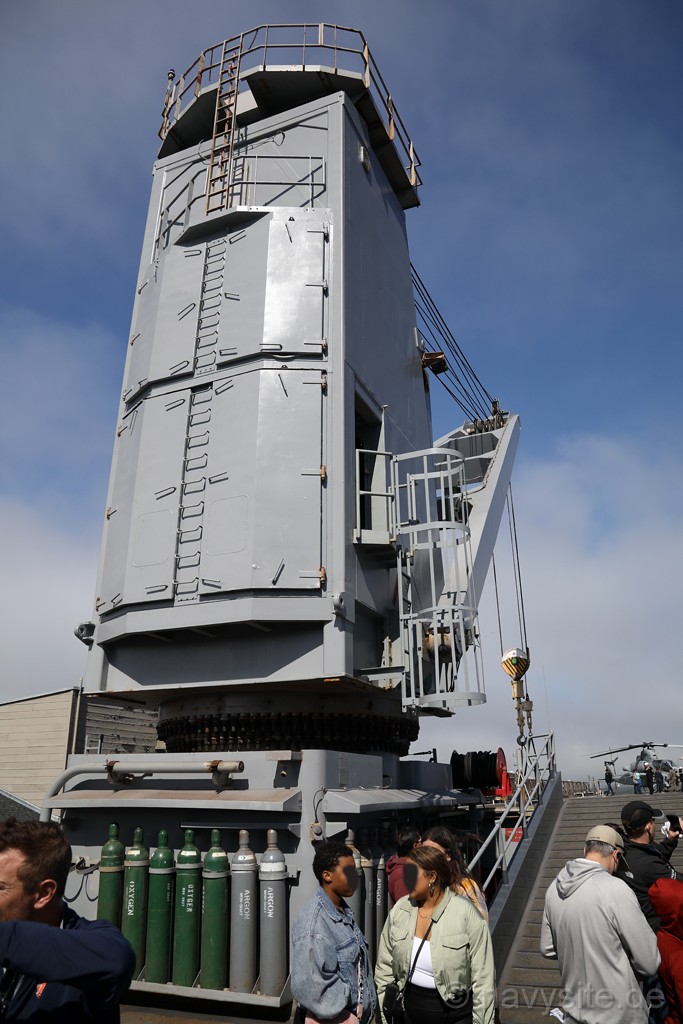
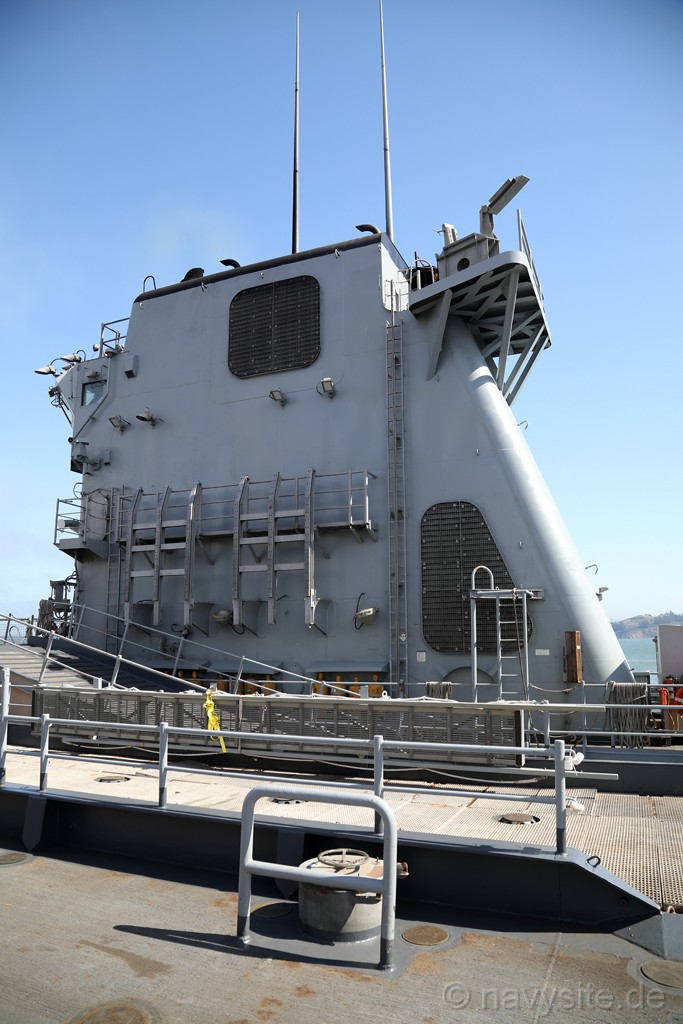
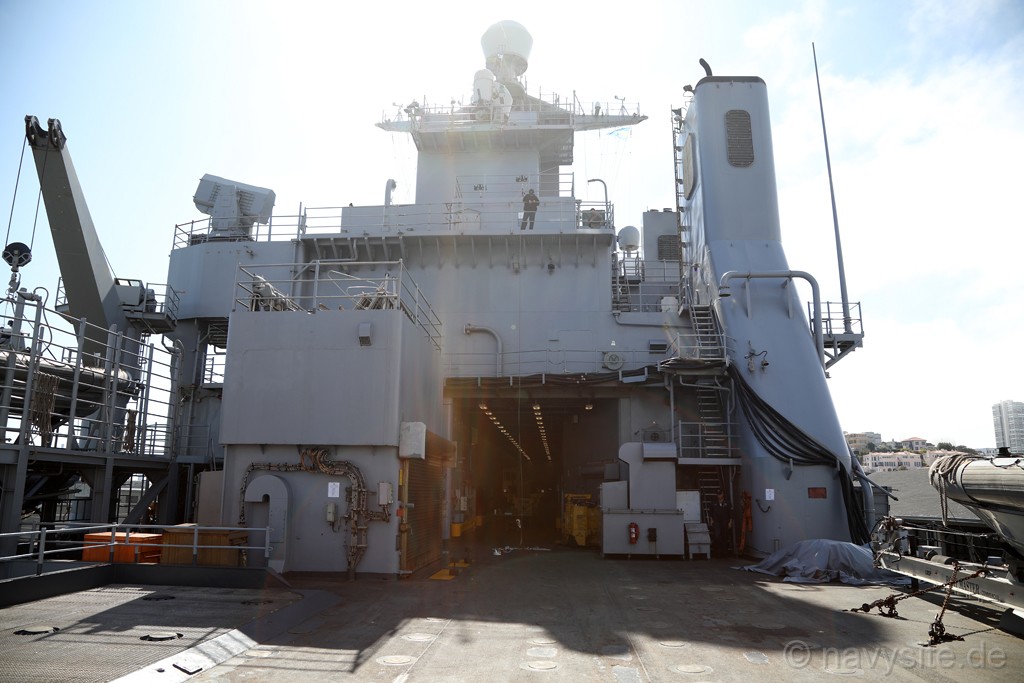
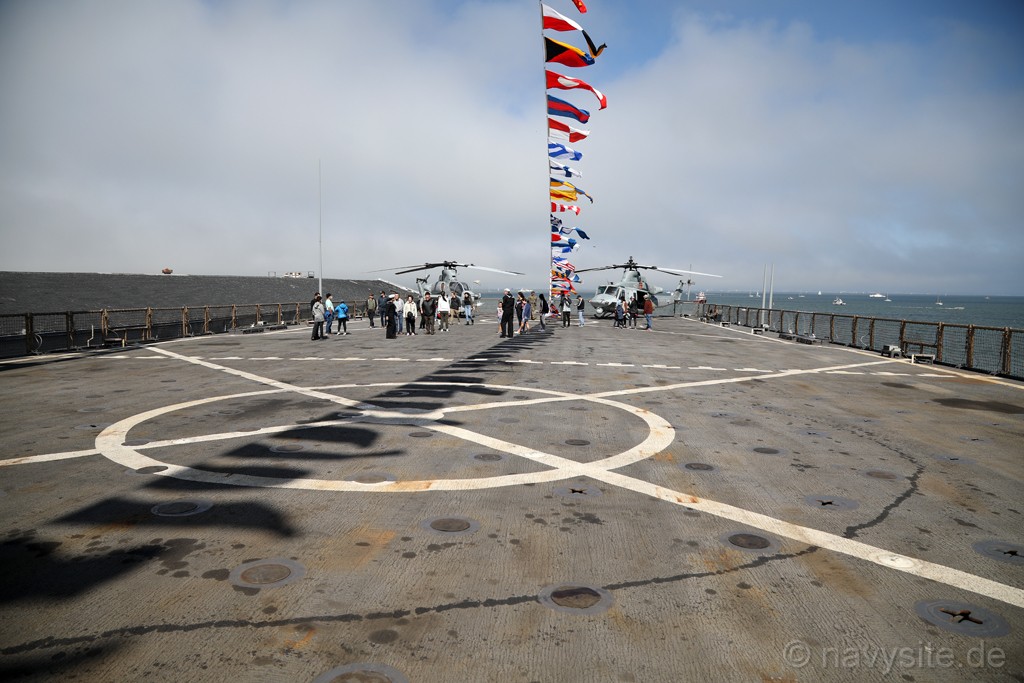
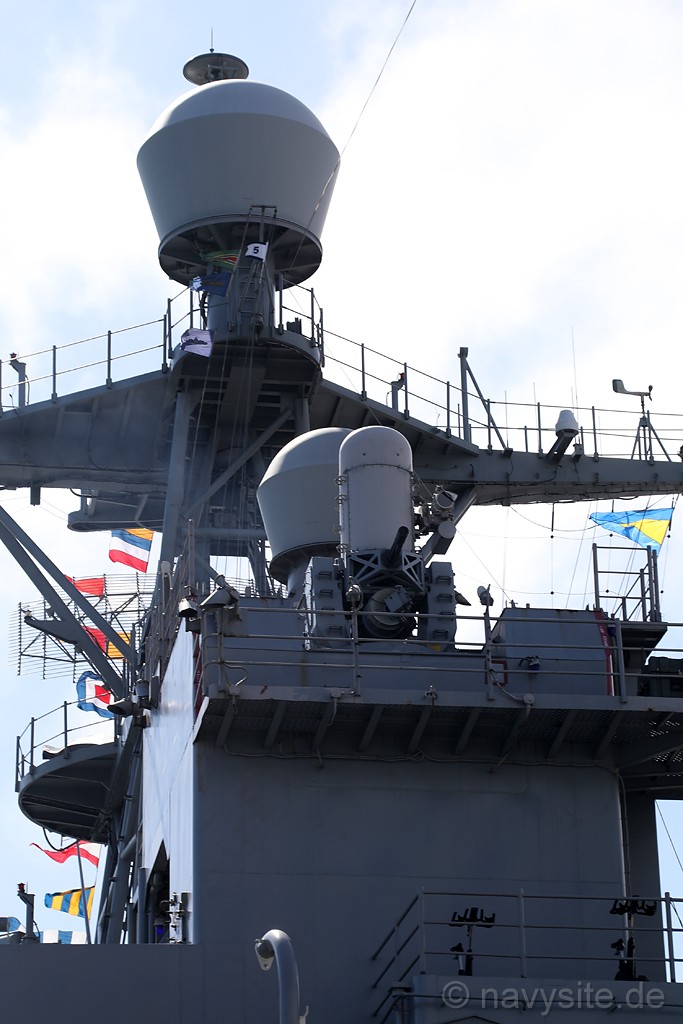
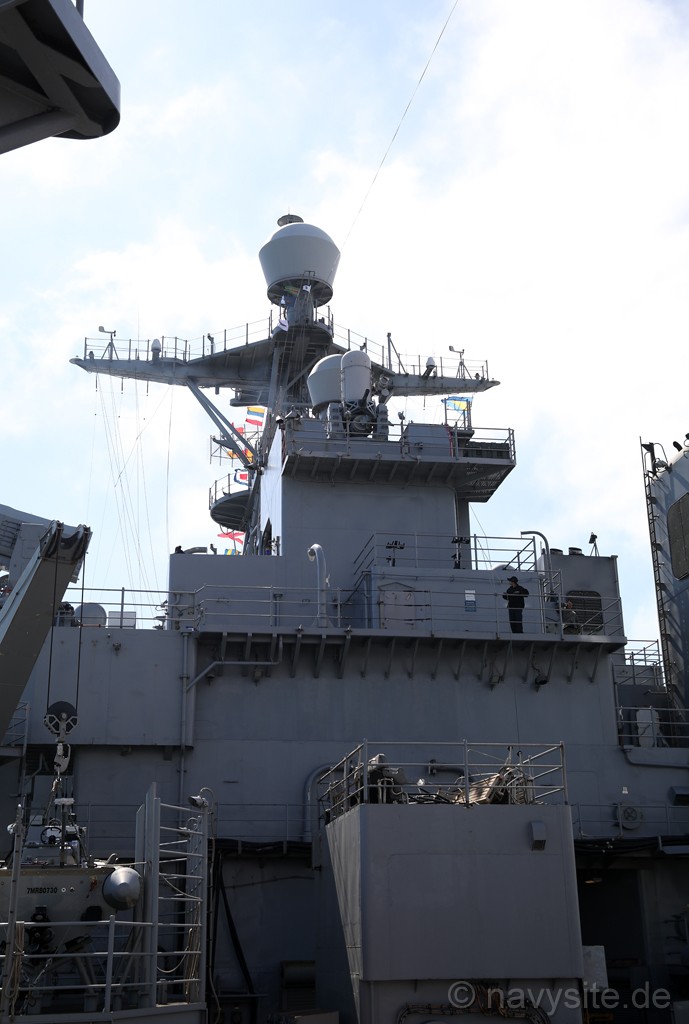
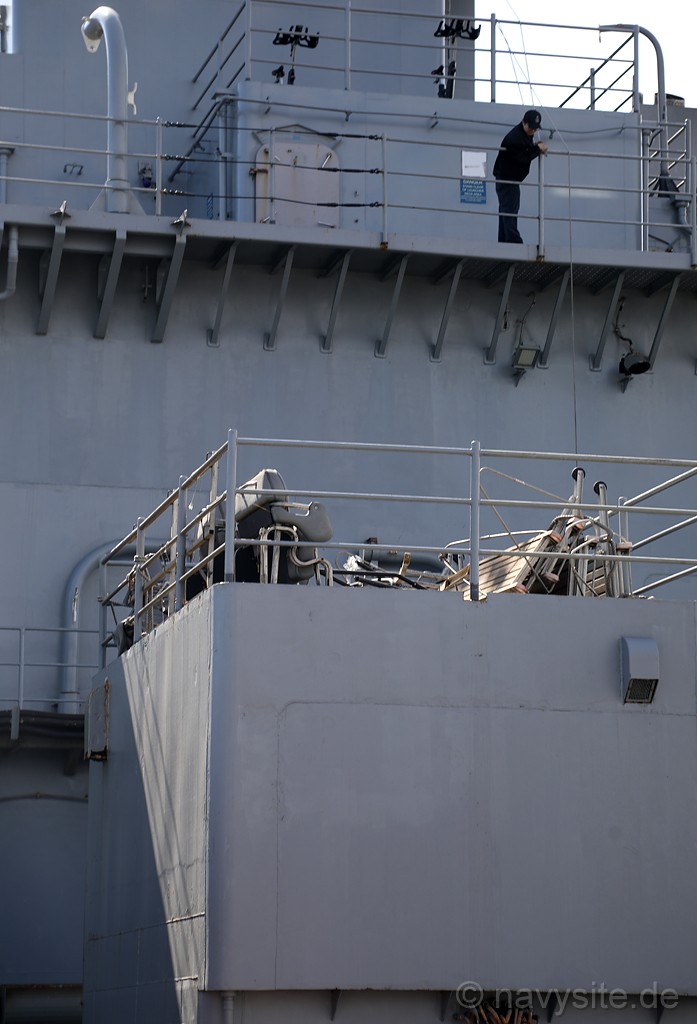
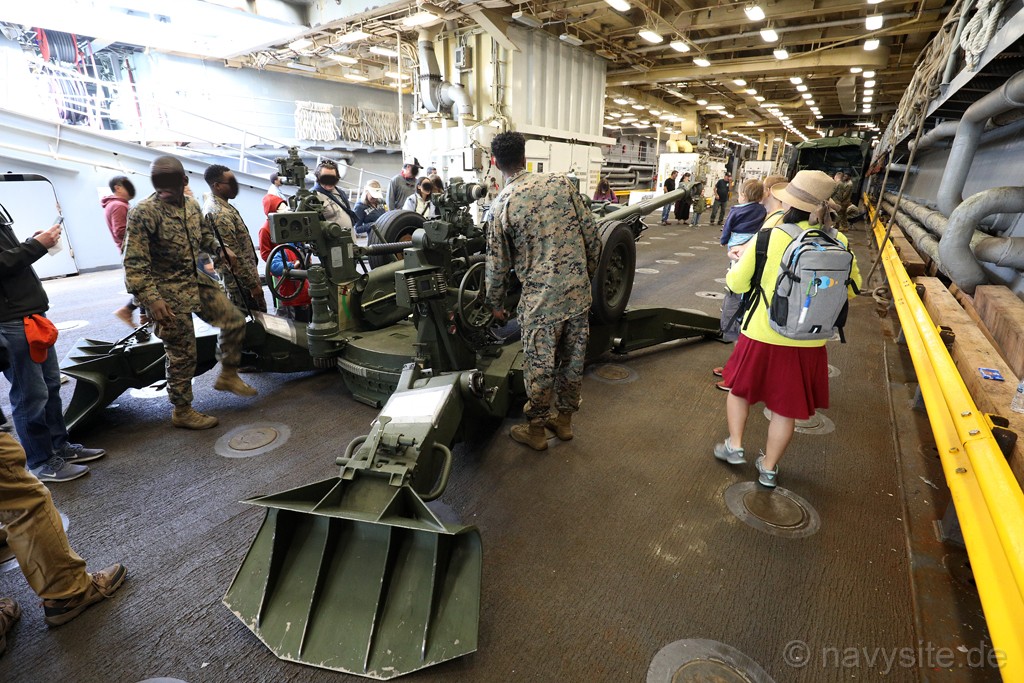
The photos below were taken by Michael Jenning during an open ship event aboard USS HARPERS FERRY as part of Fleet Week San Francisco on October 8, 2022.
 |  |  |  |  |
 |  |  |  |  |
 |  |  | Click here for more Photos. | |
back to top Back to Dock Landing Ship List. Back to ships list. Back to selection page. Back to 1st page.