Search the Site with 
General Characteristics Crew List Memorabilia USS Carr's COs About the Ship's Coat of Arms USS Carr History Homeports of USS Carr Patch Gallery About the Name "Carr" Image Gallery to end of page
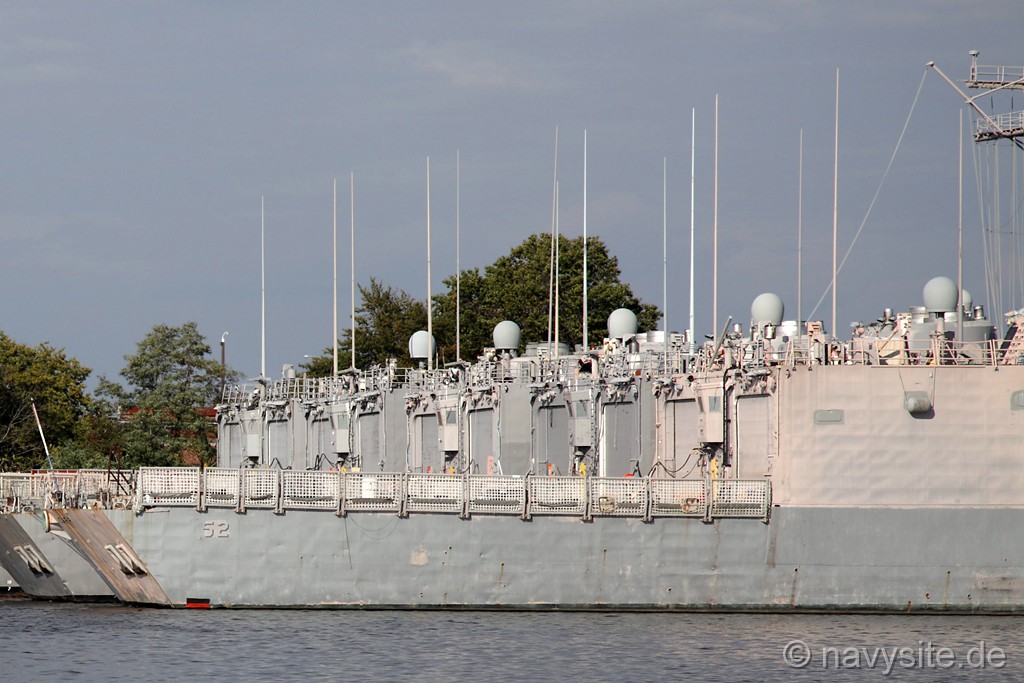
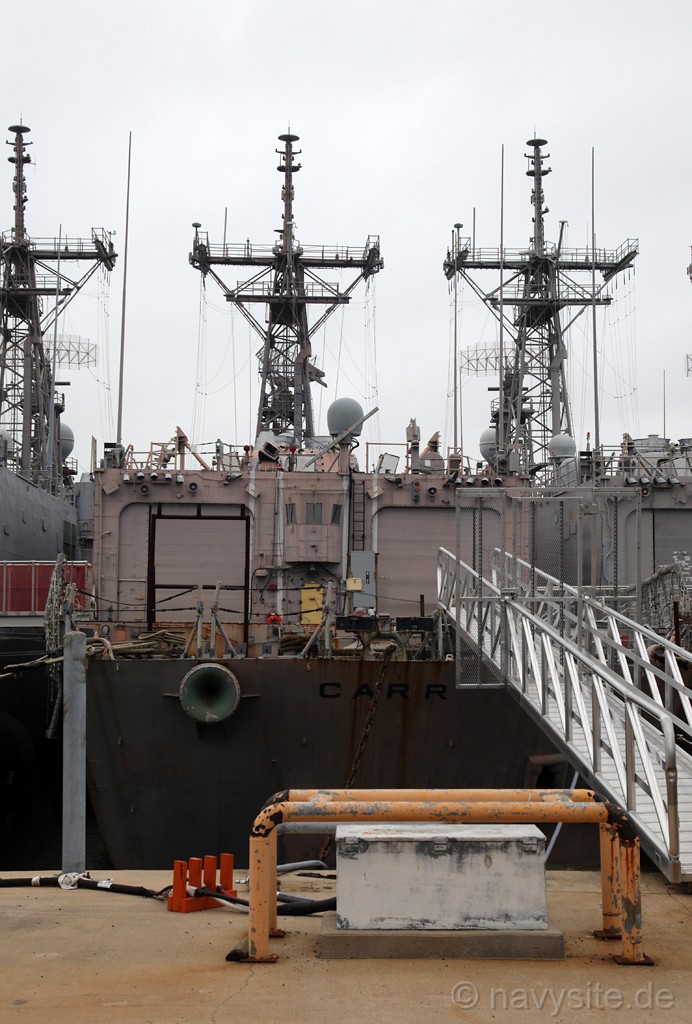
USS Carr (FFG 52)

- decommissioned -


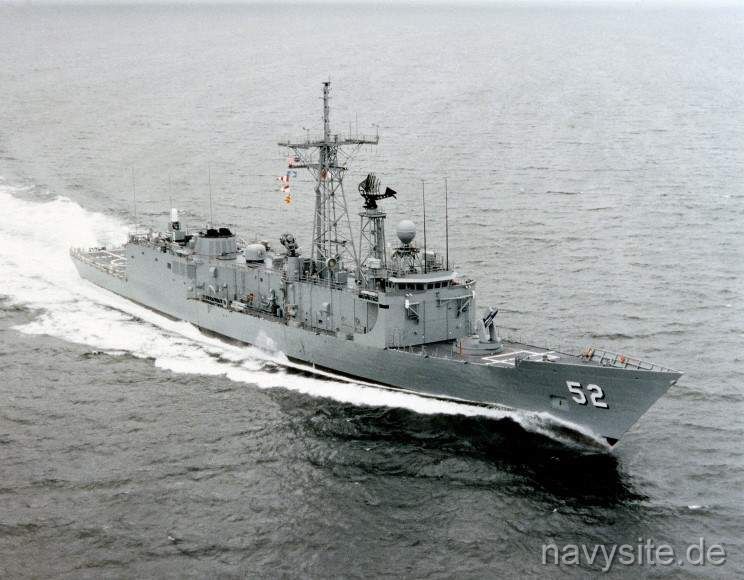
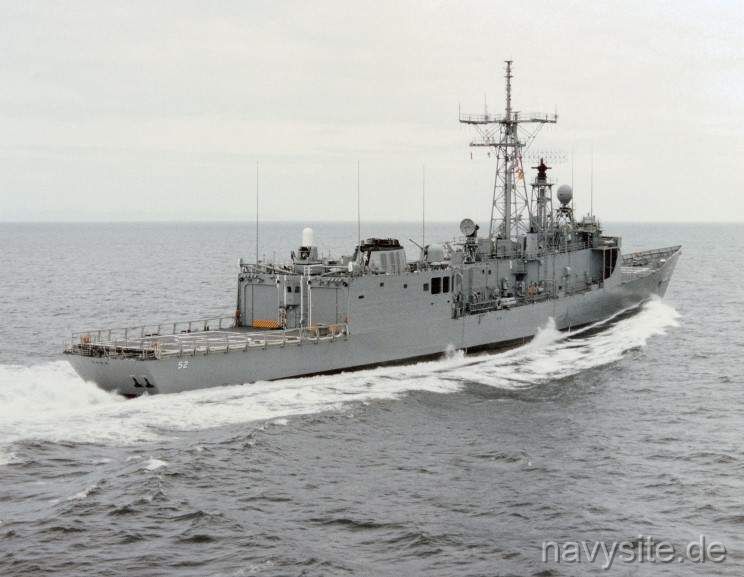
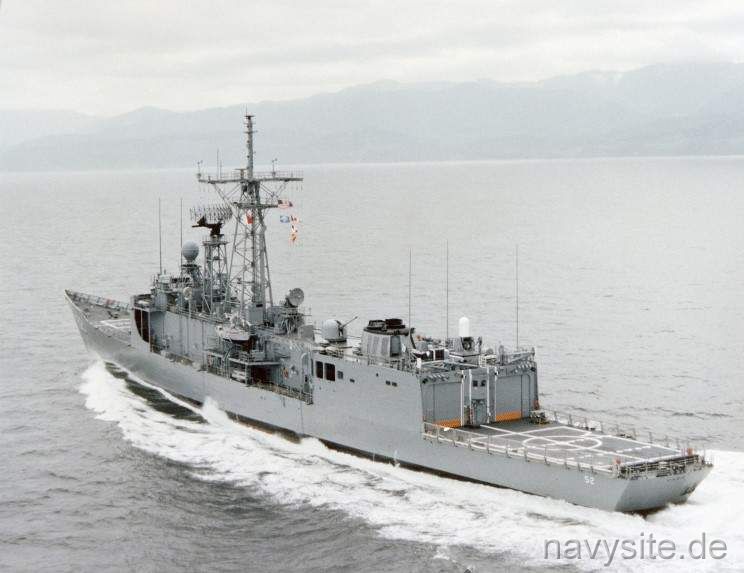
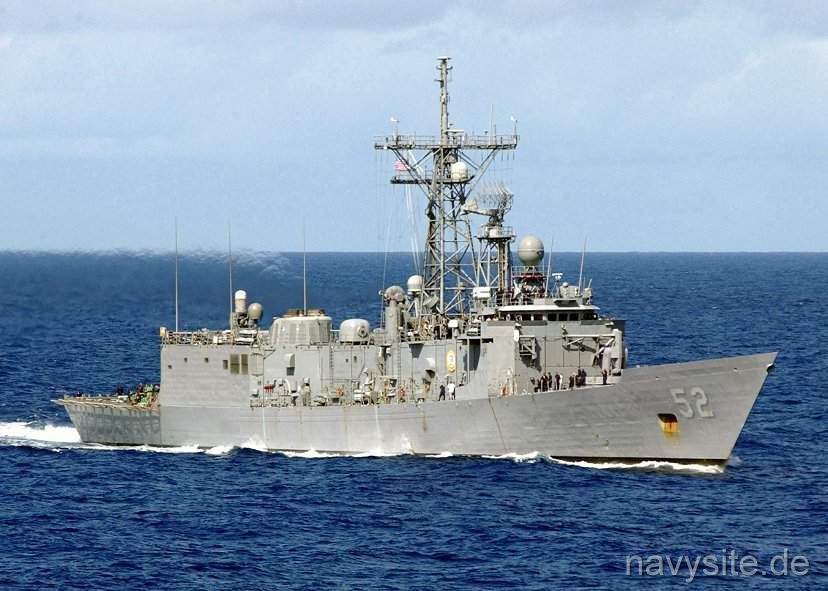
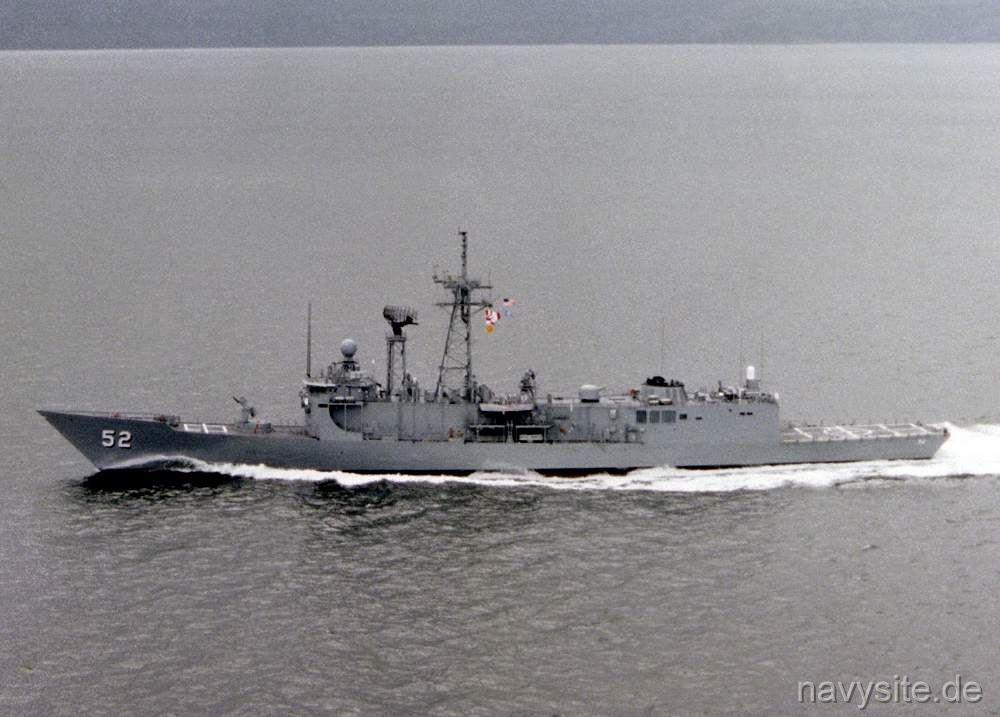
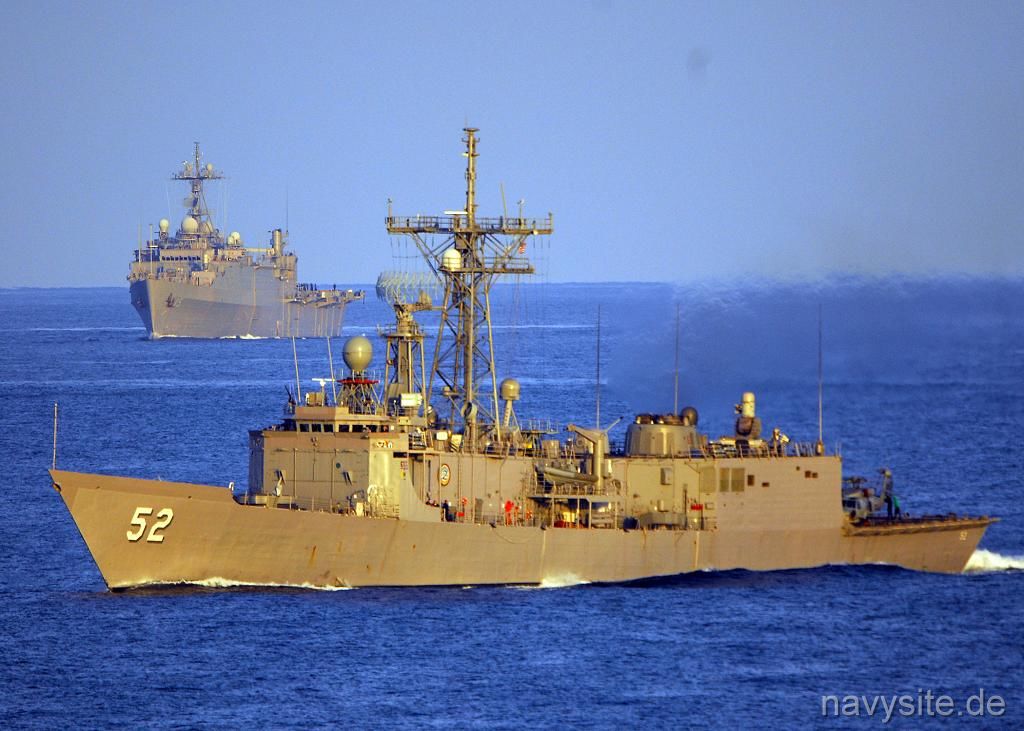
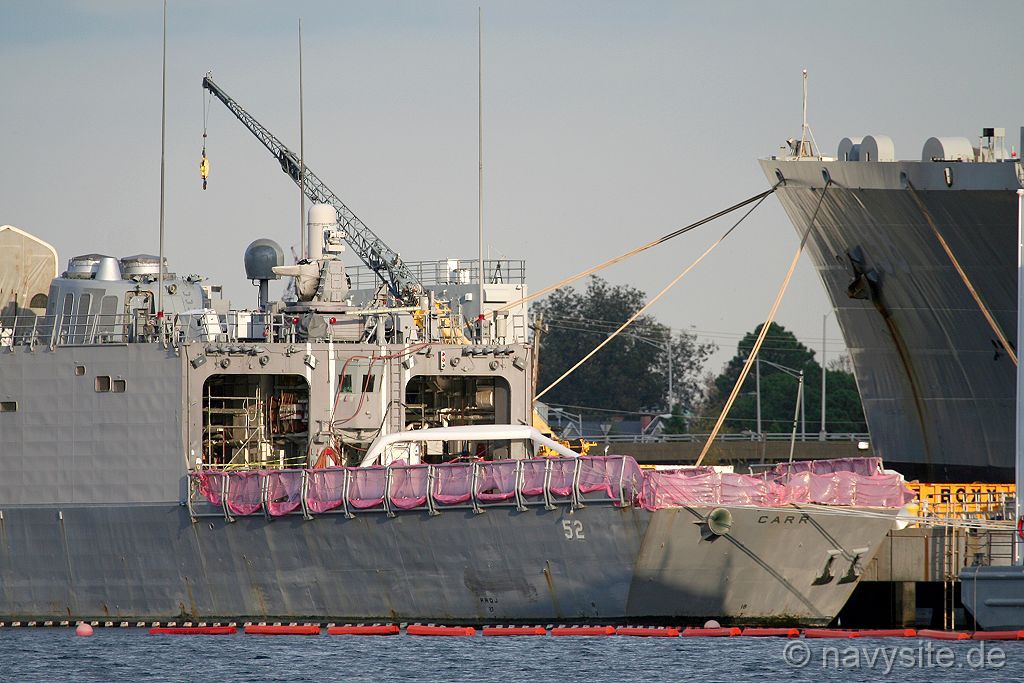
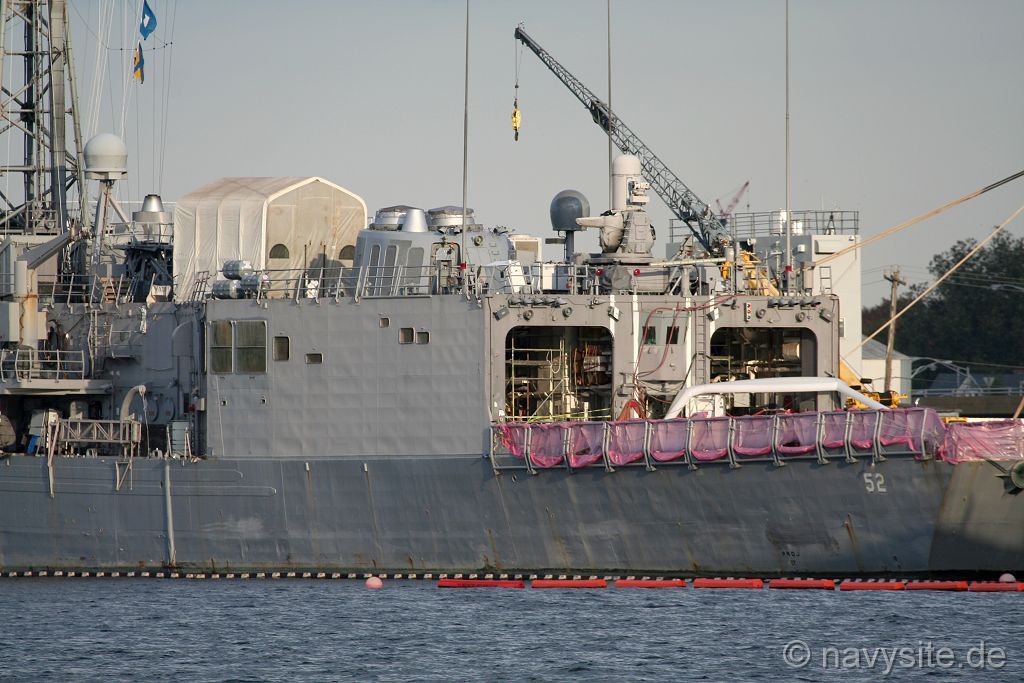
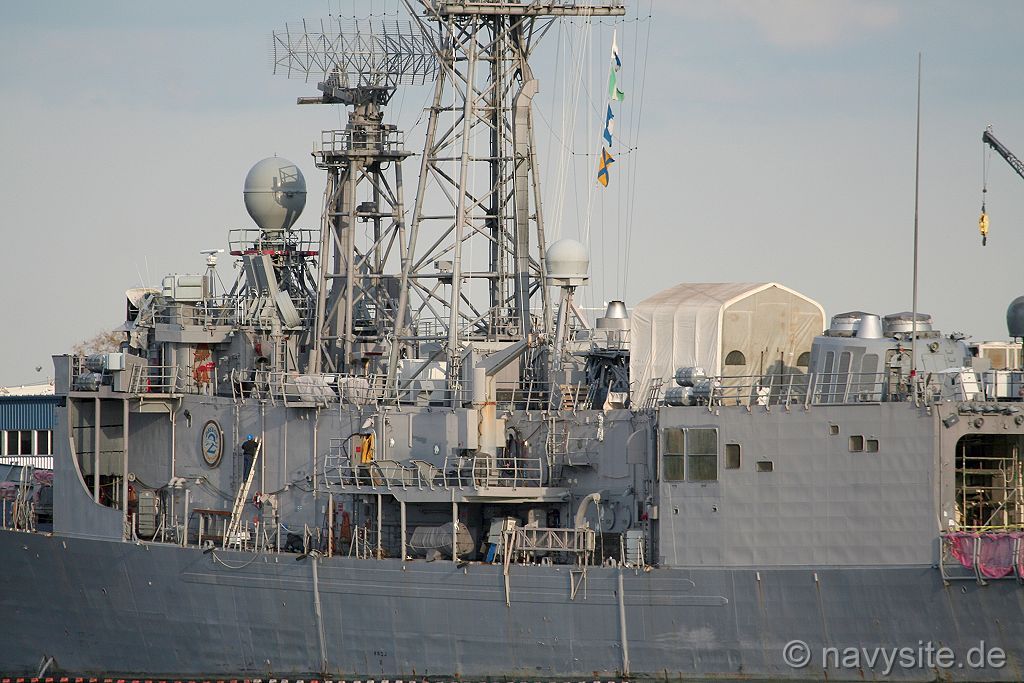
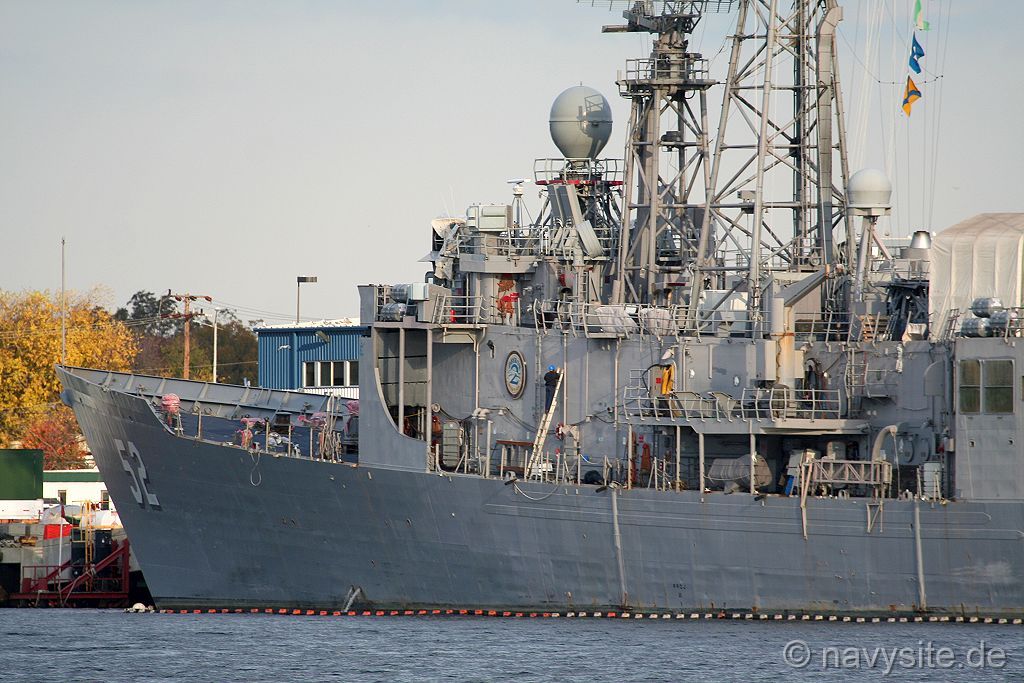
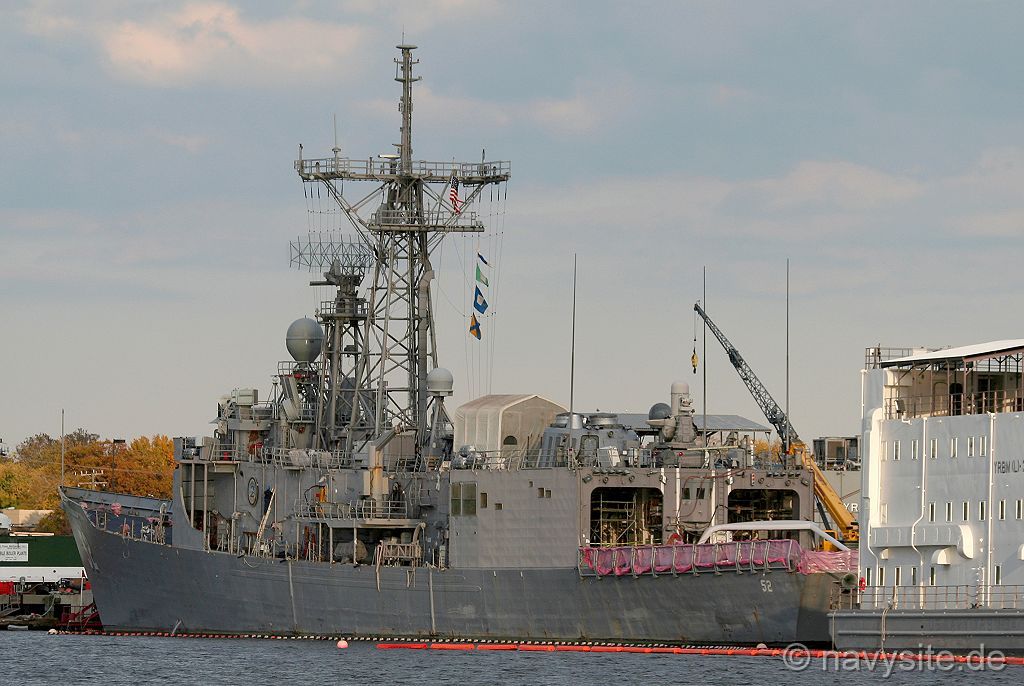
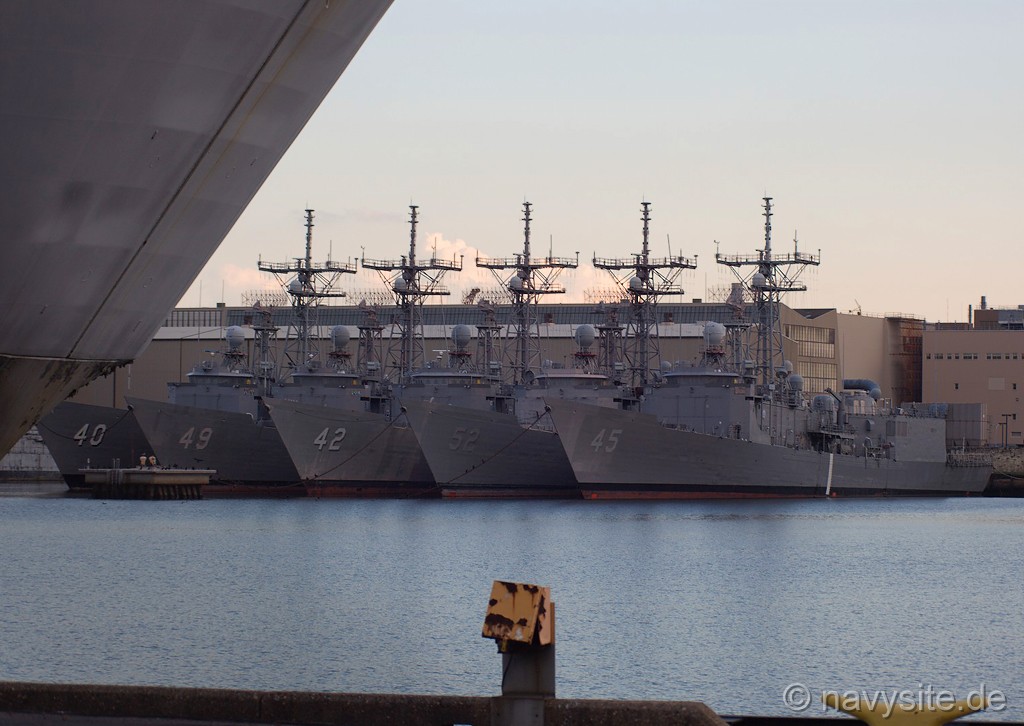
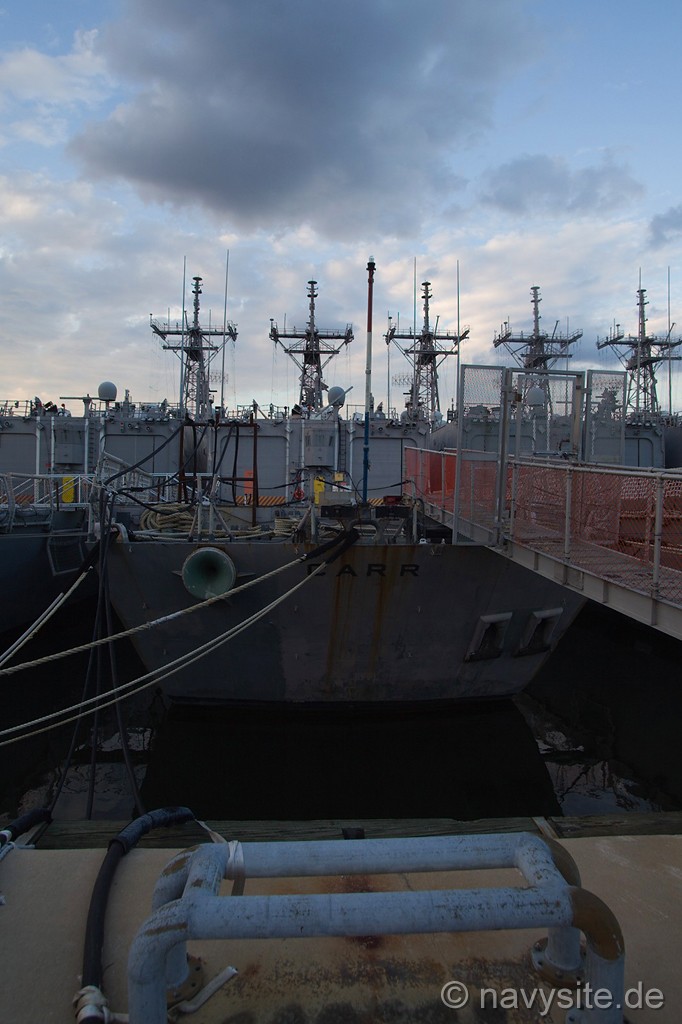
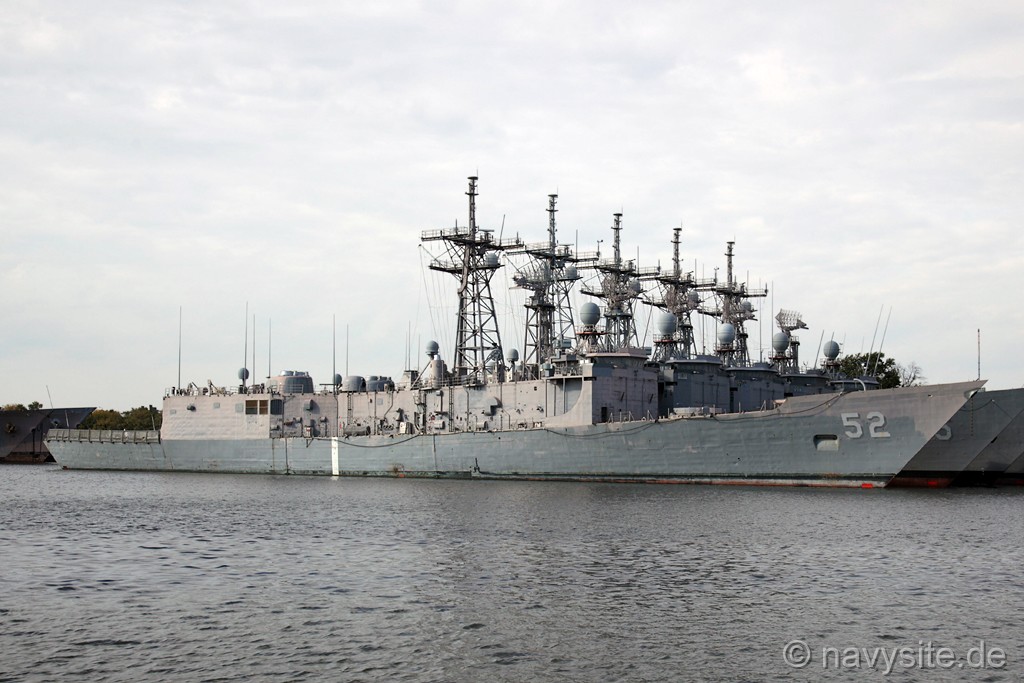
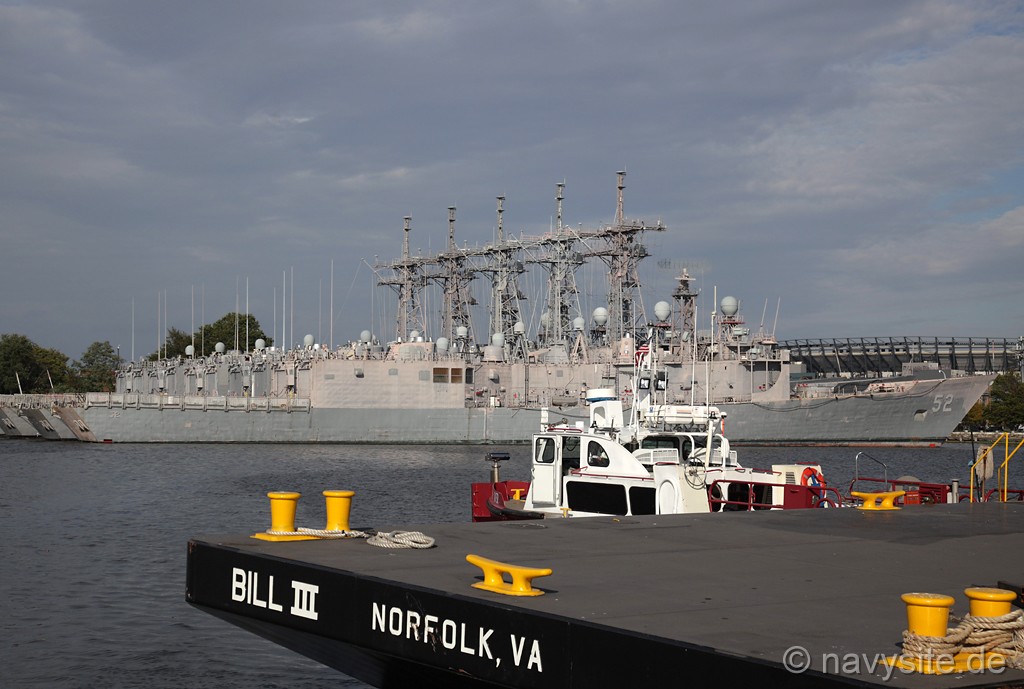
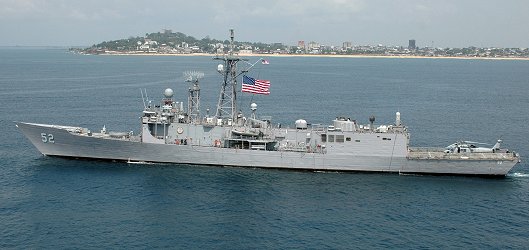
USS CARR was the 42nd OLIVER HAZARD PERRY - class frigate and the ninth ship in that class built by Todd in Seattle. USS CARR was the first ship in the Navy named in honor of Gunner's Mate 3rd Class Paul Henry Carr.

General Characteristics:Keel Laid: March 26, 1982
Launched: February 26, 1983
Commissioned: July 27, 1985
Decommissioned: March 13, 2013
Builder: Todd Pacific Shipyards Co., Seattle Division, Seattle, Wash.
Propulsion system: two General Electric LM 2500 gas turbines, two 350 Horsepower Electric Drive Auxiliary Propulsion Units
Propellers: one
Blades on each Propeller: five
Length: 453 feet (138 meters)
Beam: 47 feet (14.32 meters)
Draft: 24,6 feet (7.5 meters)
Displacement: 4,100 tons
Speed: 28+ knots
Aircraft: two SH-60 Sea Hawk (LAMPS 3)
Armament: one Mk 75 76mm/62 caliber rapid firing gun, MK 32 ASW torpedo tubes (two triple mounts), one Phalanx CIWS
Crew: 17 Officers and 198 Enlisted


Back to topback to top  go to endgo to the end of the page


Back to topback to top  go to endgo to the end of the page

Crew List:

This section contains the names of sailors who served aboard USS CARR. It is no official listing but contains the names of sailors who submitted their information.


back to top  go to the end of the page


Back to topback to top  go to endgo to the end of the page

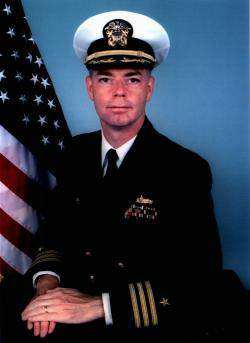
USS CARR's Commanding Officers:


PeriodName
July 27, 1985 - September 12, 1987Commander Robert J. Horne, USN
September 12, 1987 - October 6, 1989Commander Wade C. Johnson, USN
October 6, 1989 - September 10, 1991Commander Edward G. Bagley III, USN
September 10, 1991 - May 20, 1993Commander Caradean L. Brown, USN
May 20, 1993 - March 10, 1995Commander Thomas D. Williams IV, USN
March 10, 1995 - July 12, 1996Commander Richard A. Feckler, USN
July 12, 1996 - March 27, 1998Commander Keith L. Wray, USN
March 27, 1998 - November 18, 1999Commander Michael W. Reedy, USN
November 18, 1999 - May 2001Commander Darrel M. Morben, USN
May 2001 - December 2002Commander Brian I. Donegan, USN
December 2002 - June 2004Commander Tony Swain, USN
June 2004 - April 2006Commander Peter Pagano, USN
April 2006 - October 2007Commander George E. Lang, Jr., USN
October 2007 - March 2009Commander Mark V. Metzger, USN
March 2009 - October 2010Commander Eric H. Ver Hage, USN
October 2010 - March 13, 2013Commander Patrick E. Kulakowski, USN


Back to topback to top  go to endgo to the end of the page

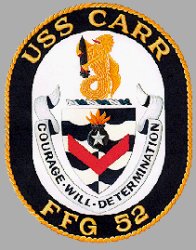
About the Ship's Coat of Arms:

The Shield:

The wavy, divided shield alludes to the Battle of Leyte Gulf where the newly commissioned destroyer escort SAMUEL B. ROBERTS (DE 413) and one of her gunner’s mates on his first duty cruise were both to end their short naval careers. The red reversed chevron suggests Paul Henry Carr’s rank as Petty Officer Third Class, and the bombshell refers to his rating and training as a gunner’s mate. The white star symbolizes the Silver Star posthumously awarded to Gunners Mate Carr for his valor as a gun captain while engaged against the enemy.

The Crest:

The gold sea lion grasping an artillery projectile symbolizes the courage, will, and determination demonstrated by Gunners Mate Carr in continuing to fire his gun after his ship was disabled and after sustaining massive personal injuries to which he would shortly succumb.


Back to topback to top  go to endgo to the end of the page

History of USS CARR:

USS CARR entered service as one of the "long-hull" OLIVER HAZARD PERRY-class guided missile frigates built for escort and sea-control work. Her keel was laid at Todd Pacific Shipyards' Seattle Division on March 26, 1982, she was launched on February 26, 1983, sponsored by Mrs. Goldie Carr Bensilhe (the namesake's widow), delivered on July 11, 1985, and commissioned at Seattle on July 27, 1985, with Cmdr. Robert J. Horne in command. From the start, the ship's documented mission focus matched the class' intended employment: to escort and protect convoys, underway replenishment groups, amphibious forces, and carrier battle groups, while maintaining the ability to shift between anti-submarine, anti-surface, and limited anti-air warfare tasks as operational circumstances demanded.

After commissioning, USS CARR departed the Pacific Northwest on August 26, 1985, beginning the long transit to her original homeport on the U.S. East Coast. Two days later, on August 28, 1985, she assisted the distressed fishing vessel ALEUTIAN SEATTLE off the California coast. USS CARR then made a Labor Day weekend stop at San Diego from August 30, 1985, to September 4, 1985, continued south to Naval Station Rodman, Panama, arriving September 13, 1985, and transited the Panama Canal on September 14, 1985. The post-canal transit blended seamanship development with the early diplomatic and logistics pattern often expected of newly commissioned ships: USS CARR visited Kingston, Jamaica, from September 23, 1985, to September 28, 1985, and Tela, Honduras, from October 17, 1985, to October 20, 1985, in connection with Project Handclasp. She arrived at Charleston, South Carolina, on September 30, 1985, and moved quickly into the structured evaluation and training cycle - completing a Training and Readiness Evaluation and Combat Systems Qualification Trials from October 1, 1985, to October 10, 1985 - before entering her initial refresher training at Guantanamo Bay from October 12, 1985, to November 10, 1985. Returning to Charleston on November 11, 1985, the ship conducted sea trials from November 24, 1985, to November 26, 1985, and then remained in port for holiday upkeep from November 27, 1985, to January 7, 1986.

Early 1986 was devoted to building proficiency in anti-submarine and weapons-range work in the western Atlantic and Bahamas operating areas. USS CARR got underway for the Andros Island range on January 8, 1986, paused at Fort Lauderdale from January 9, 1986, to January 12, 1986, visited Nassau from January 14, 1986, to January 17, 1986, and then operated off Andros from January 18, 1986, to January 20, 1986. In March and May 1986, she undertook classic frigate employment as a carrier escort: from March 25, 1986, to April 5, 1986, she escorted USS FORRESTAL (CV 59), and from May 5, 1986, to May 23, 1986, she performed escort duty for USS JOHN F. KENNEDY (CV 67). Between these commitments she made short ports of call - Port Everglades (April 6-April 7, 1986), Savannah (April 8-April 12, 1986), and Nassau (May 25-May 29, 1986) - while returning repeatedly to Charleston for maintenance and training resets. A major early shipyard milestone followed: USS CARR got underway on August 1, 1986, for her post-shakedown availability at Bath Iron Works' Portland Ship Repair Facility in Portland, Maine, and remained in that post-shakedown availability from August 4, 1986, to February 4, 1987. That period included installation and modification work associated with the ship's helicopter operations and other class-specific improvements, along with the normal correction of shakedown issues. USS CARR then returned south, pausing at the U.S. Naval Silencing Facility in Virginia from February 10, 1987, to February 12, 1987, before resuming Charleston-based readiness.

In 1987, the ship progressed through refresher training and weapons certification. USS CARR conducted refresher training at Guantanamo Bay from March 13, 1987, to April 17, 1987, then visited Roosevelt Roads, Puerto Rico, from April 19, 1987, to April 21, 1987, where she completed a successful Standard missile firing and certification. After a brief stop at Port Everglades from April 25, 1987, to April 27, 1987, and a return to Charleston, USS CARR got underway for an operational propulsion plant examination from May 11, 1987, to May 15, 1987, and then carried midshipmen from the U.S. Naval Academy and Virginia Military Institute during a training cruise from June 1, 1987, to June 15, 1987, with port visits to Fort Lauderdale and Miami. A fleet exercise followed from August 12, 1987, to August 28, 1987, and after final preparations, USS CARR departed Charleston on September 22, 1987, for deployment to the Middle East Force environment at a time when the Iran-Iraq War's "Tanker War" dynamics and the mine and small-boat threat environment were shaping U.S. escort operations. En route she refueled at Ponta Delgada in the Azores on October 1, 1987, entered the Mediterranean on October 4, 1987, visited Palma de Mallorca from October 6, 1987, to October 12, 1987, and transited the Suez Canal on October 18, 1987. In the Persian Gulf region, USS CARR's first operational deployment aligned with Operation Earnest Will, including documented escort duty for re-flagged oil tankers through the Strait of Hormuz. USS CARR returned to Charleston in late March 1988.

A notable, tightly documented inflection followed almost immediately. Thirty-one days after returning from the Middle East, USS CARR was ordered underway to replace another ship and was tasked to conduct anti-submarine exercises with USS JOHN F. KENNEDY and USS BONEFISH (SS 582). On April 24, 1988, USS CARR was first on scene when USS BONEFISH suffered a battery fire while submerged. USS CARR deployed her 26-foot whaleboat and inflatable life rafts, coordinated with her embarked SH-60B and helicopters from USS JOHN F. KENNEDY, and helped rescue 89 members of the submarine's crew. For the response, USS CARR received a Meritorious Unit Commendation.

In March 1989, USS CARR returned to Guantanamo Bay for refresher training. The training period coincided with Mikhail Gorbachev's visit to Havana, Cuba, and network news crews spent time aboard CARR observing training evolutions. Later in 1989, USS CARR participated in a Middle East Force exercise (Mefex), and during the year's hurricane season she assisted with cleanup following Hurricane Hugo, supporting recovery efforts affecting Naval Station Mayport, the Naval Weapons Station, and the surrounding community - service for which she was awarded the Humanitarian Service Medal. On October 31, 1989, USS CARR sailed from Charleston for her second operational deployment assigned to Commander, Middle East Force. During the transit, she made port visits in the Azores and at Palma Majorca, Spain, before transiting the Suez Canal. In the first half of the deployment, she was assigned tanker escort duties in the Strait of Hormuz, and in the latter portion she operated in the northern Persian Gulf conducting electronic surveillance and early warning in support of units operating farther south. USS CARR left the Persian Gulf at the end of March 1990 and returned to Charleston on 30 April 1990.

Commander Caradean L. Brown assumed command of CARR on 10 September 1991, becoming the fourth Commanding Officer. The ship deployed as part of MEF 1-92 on 2 December 1991. CARR conducted four months of intensive Maritime Interdiction Force operations in the Red Sea and two months of Battle Group escort operations in the Mediterranean Sea. The ship returned from the cruise on 2 June 1992.

Commander Thomas D. Williams IV, USN, became CARR's fifth Commanding Officer on 20 May 1993. On 12 January 1994, CARR deployed to the Red Sea. After three months of Maritime Interception Operations, the ship operated in the Mediterranean for two months of Sixth Fleet battle group operations and exercises. Following CARR's return to homeport and a brief standdown period, CARR participated in two Caribbean counter-narcotic operations, a fleet exercise, and a period of carrier work-ups with USS AMERICA (CV 66).

Commander Richard A. Feckler assumed command of CARR on 10 March 1995. For the next eight months, CARR was in an Extended Selective Restricted Availability (ESRA) undergoing extensive combat system upgrades at Detyen's Shipyard, Charleston, SC. Major installations included the AN/SQR-19B Tactical Towed Array Sonar System and the Mk 92 Mod 6 Fire Control System. At the end of the availability, CARR satisfactorily completed a CINCLANTFLT Propulsion Examining Board Light Off Examination and on 3 November 1995 left Charleston bound for her new homeport of Norfolk. In early December, CARR began work-ups to prepare for her November 1996 deployment with the USS THEODORE ROOSEVELT (CVN 71) Battle Group. On 8 January 1996, CARR commenced a Combat Systems Ship Qualification Test (CSSQT) to certify her newly installed Mk 92 Mod 6 Fire Control System. This testing ultimately led to two highly successful dual missile firing exercises in the North Puerto Rican Operations area.

In early April 1996, CARR completed a CINCLANTFLT Propulsion Examining Board Operational Propulsion Plant Examination achieving a grade of above average. In early June 1996, CARR completed the basic phase of the interdeployment training cycle and stood ready to join the THEODORE ROOSEVELT Battle Group.

In July 1996, Commander Keith L. Wray assumed command of the USS CARR and on 25 November 1996, CARR got underway from Norfolk, Va., with the THEODORE ROOSEVELT Battle Group. For the following six months, the frigate operated in the waters of the Mediterranean Sea and Persian Gulf. USS CARR returned home to Norfolk on 22 May 1997. Later in 1997, she steamed to New York City to participate in Fleet Week. The ship then continued into a period in which U.S. Navy surface forces were balancing post-Cold War presence operations, NATO-related commitments, and recurring Middle East requirements.

In December 1998, USS CARR was among the U.S. naval forces deployed to the U.S. Central Command area during Operation Desert Fox, the four-day U.S.-U.K. strike campaign against Iraqi military targets conducted amid tensions over Iraq's compliance with United Nations weapons inspections. Contemporary order-of-battle summaries place USS CARR among the deployed ships during the operation, and later service summaries describe her participation in supporting operations during that period. By the end of the 1990s, USS CARR had firmly transitioned into the Norfolk-based deployment cycle, operating as a multi-mission escort platform increasingly used for maritime security and regional presence tasks.

In the early 2000s, USS CARR continued that pattern under the strategic demands of the global war on terrorism. On February 5, 2003, USS CARR got underway from Norfolk for the Mediterranean, arriving at the Suez Canal on February 23, 2003, and entering the Persian Gulf on March 7, 2003. This deployment unfolded as U.S. naval forces were sustaining Fifth Fleet maritime security operations while also supporting the broader build-up and subsequent combat operations associated with the Iraq War. USS CARR returned to Norfolk on August 22, 2003.

On May 28, 2005, USS CARR pulled into New York City to participate in Fleet Week. On November 28, 2005, USS CARR departed Norfolk together with USS PORTER (DDG 78) as part of a surface strike group aligned with global war on terrorism tasking and regional exercises. During that deployment, USS CARR arrived off Monrovia, Liberia, on January 15, 2006, in connection with the January 16 inauguration of President Ellen Johnson Sirleaf, an event with significant international attention as Liberia emerged from years of civil conflict. In March 2006, USS CARR conducted engagement activity that included a repeat visit to Cape Verde (March 8-March 10, 2006) while operating with USS EMORY S. LAND (AS 39) in support of theater security cooperation and partner development. Later that year, on August 11, 2006, USS CARR was underway off the East Coast hosting a friends-and-family day cruise, indicating a return to home-waters operations after earlier deployment commitments.

In 2007, USS CARR moved through the pre-deployment training cycle again. On May 21, 2007, she participated in a composite training unit exercise with USS KEARSARGE (LHD 3) and her expeditionary strike group. On August 1, 2007, USS CARR departed Norfolk for a scheduled deployment supporting global war on terrorism maritime security operations. During the transit, she conducted a four-day port visit to Cyprus and then transited the Suez Canal en route to the Fifth Fleet operating area. While conducting maritime security operations in the central Persian Gulf, on September 26, 2007, USS CARR provided assistance to a United Arab Emirates-flagged fishing dhow in distress. On December 19, 2007, she was documented as being in the Persian Gulf undergoing a Unit Level Training Readiness Assessment Sustainment evaluation, and on January 25, 2008, USS CARR returned to Norfolk after a six-month underway period.

A distinct 2008 Caribbean deployment followed. On April 26, 2008, USS CARR pulled into Naval Station Guantanamo Bay for fuel, supplies, and a few days of liberty before continuing a goodwill-focused Caribbean itinerary. The ship visited Barbados from May 4, 2008, to May 7, 2008, departed Port of Spain, Trinidad, by May 12, 2008, and participated in Caribbean Navy Days in Curacao on May 18, 2008 - an event that brought multiple regional and allied navies together for maritime heritage and engagement activities. USS CARR returned to Norfolk on May 24, 2008, closing a two-month deployment to the western Atlantic and Caribbean Sea.

In 2009, USS CARR again supported major training while also executing a counter-narcotics deployment. On February 5, 2009, she served as simulated opposition forces during the USS BATAAN (LHD 5) expeditionary strike group's composite training unit exercise. On April 3, 2009, USS CARR departed Norfolk for a counter-narcotics deployment to the Caribbean Sea and waters off South America, and by May 1, 2009, she had recently departed Golfito, Costa Rica, after a goodwill port visit. Operational results were reported on August 18, 2009, when USS CARR - working with an embarked helicopter detachment and U.S. Coast Guard support - intercepted a high-speed "go-fast" vessel at night and seized more than one ton of cocaine. USS CARR returned home on October 7, 2009, after a six-month deployment.

In 2010, USS CARR's record shows continued emphasis on exercises tied to anti-submarine warfare integration and regional maritime security. On June 6, 2010, she participated in the Southeast Anti-Submarine Warfare Integration Training Initiative exercise off eastern Florida, and by August 30, 2010, she had concluded participation in Panamax 2010, the multinational exercise focused on defense of the Panama Canal and coordinated responses to regional maritime threats.

On January 28, 2011, she again served as simulated opposition forces during the USS GEORGE H.W. BUSH (CVN 77) composite training unit exercise. USS CARR then participated in Fleet Week New York, arriving at Staten Island's Homeport Pier on May 25, 2011, and on June 3, 2011, she pulled pierside in South Boston for a Battle of Midway commemoration event. On June 14, 2011, USS CARR departed Norfolk for a scheduled Baltic Sea deployment calling at Portsmouth, England (June 23, 2011); St. Petersburg, Russia (June 28, 2011, for five days, tied to the International Maritime Defense Show); Turku, Finland (July 11, 2011); Tallinn, Estonia (July 22, 2011); Klaipeda, Lithuania (July 29, 2011); Baltiysk, Kaliningrad, Russia (departed August 4, 2011); Riga, Latvia (August 11, 2011); Gdynia, Poland (August 15, 2011); Edinburgh, Scotland (departed August 26, 2011); Tromso, Norway (August 28, 2011); Murmansk, Russia (September 2, 2011, for three days, after being originally slated for Severomorsk); and a return call to Portsmouth on September 11, 2011. USS CARR returned to Norfolk on September 19, 2011. Shortly afterward, on October 3, 2011, USS CARR - together with embarked U.S. Coast Guard law-enforcement personnel - rescued a stranded Canadian mariner off the Florida Keys after his vessel had been adrift for days due to loss of propulsion and electrical power. The ship then departed for a counter-narcotics deployment to the Fourth Fleet area, pulled into Guantanamo Bay for a routine port call on November 7, 2011, and returned to Norfolk on November 15, 2011.

In 2012, USS CARR's final operational year combined the familiar training cycle with a last deployment centered on counter-illicit trafficking. On May 10, 2012, she participated as opposition forces in the USS DWIGHT D. EISENHOWER (CVN 69) strike group composite training unit exercise. On June 1, 2012, USS CARR departed Norfolk for what was described as her final deployment to the Fourth Fleet area. Her dated port and operational sequence included Santa Marta, Colombia (June 28, 2012); a refueling stop off Cartagena, Colombia (July 21, 2012); Willemstad, Curacao (July 31, 2012); recovery of 1,250 pounds of cocaine after interdicting a go-fast vessel (August 15, 2012); Panama Canal transit (August 28, 2012); offload at Puerto Caldera, Costa Rica, on September 17, 2012, of 4,134 pounds of marijuana seized on August 12, 2012; recovery of more than 700 pounds of cocaine in the eastern Pacific (October 11, 2012); and, while supporting Operation Martillo, recovery of 1,719 pounds of cocaine on October 25, 2012, with the ship having completed her final planned replenishment-at-sea with USNS GUADALUPE (T-AO 200) on October 22, 2012. USS CARR then pulled into Naval Station Mayport on November 28, 2012, for a four-day port call that included offloading seized narcotics and embarking friends and family for a tiger cruise, before returning to Norfolk on December 3, 2012, after a six-month deployment.

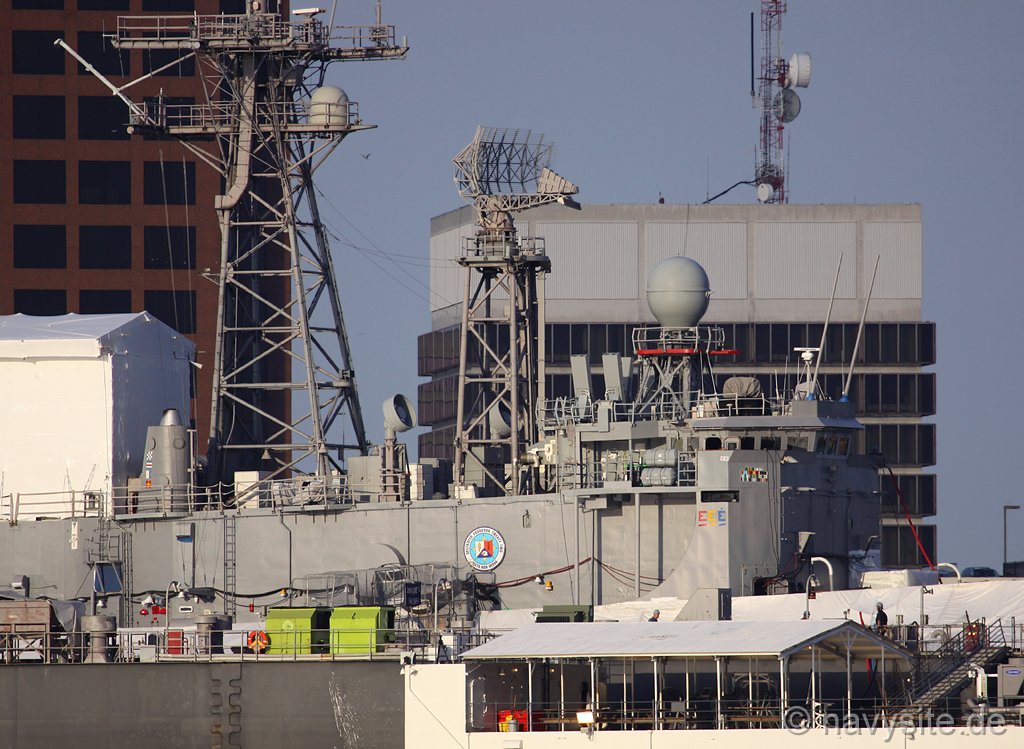
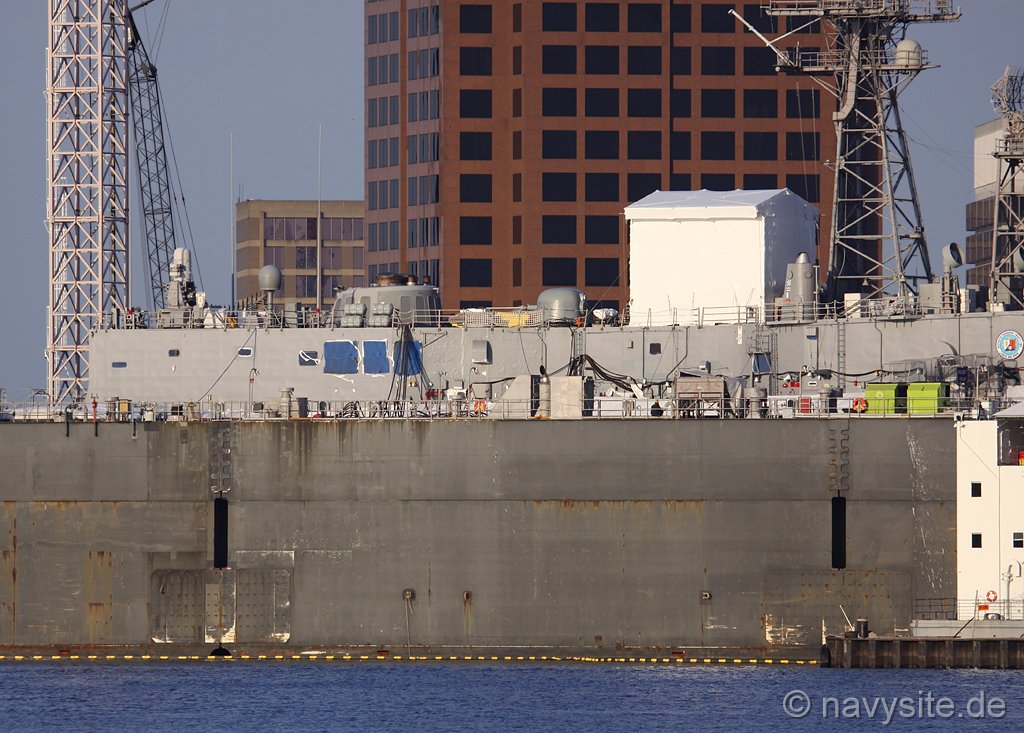
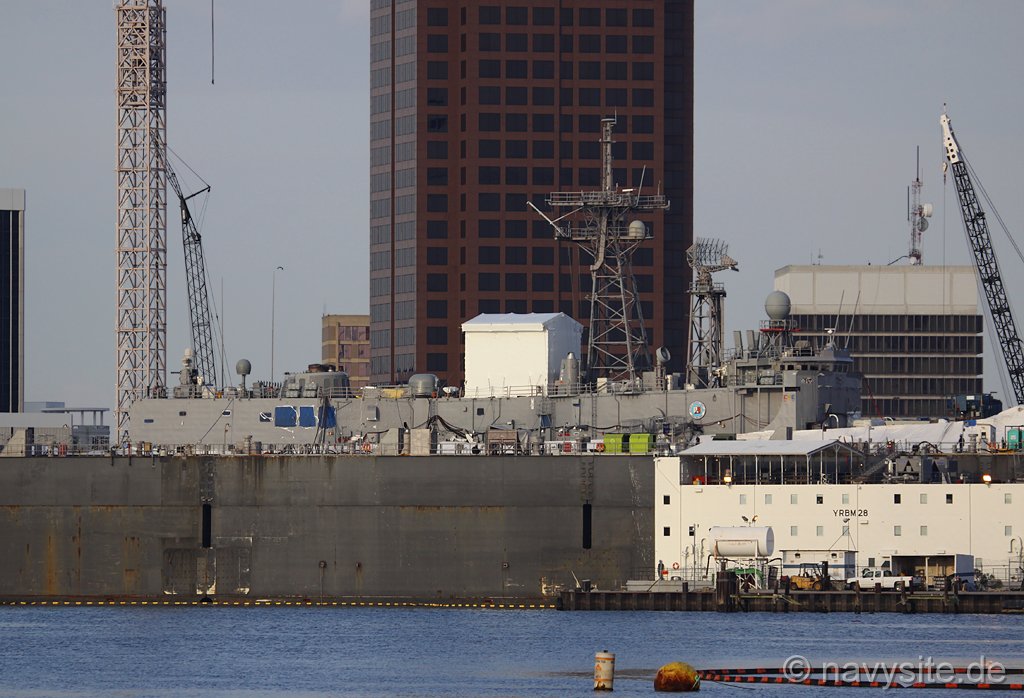
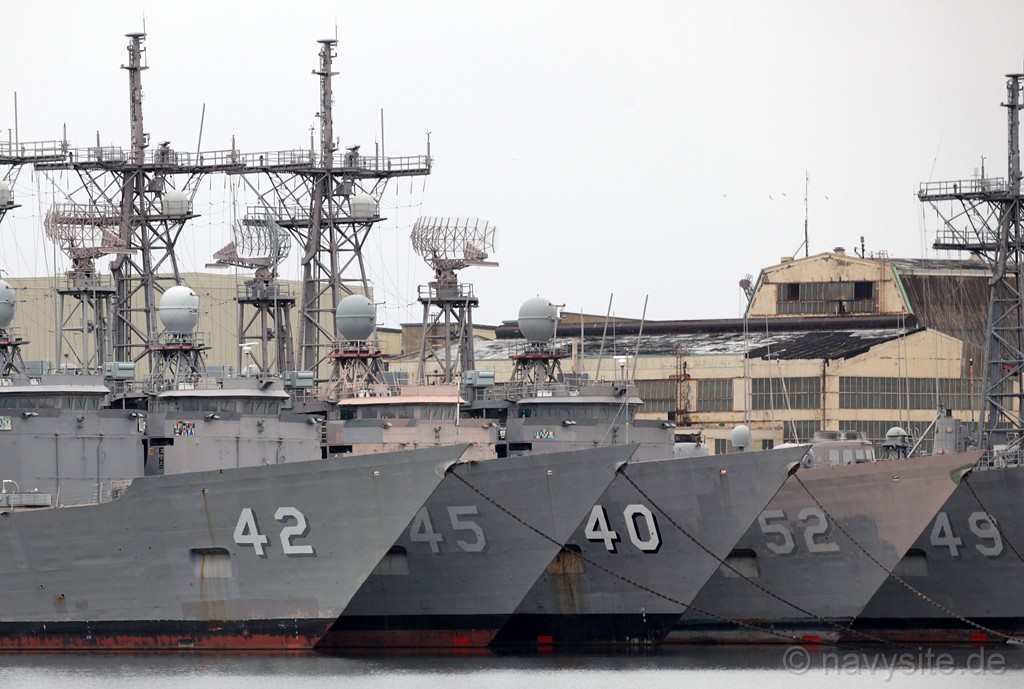
USS CARR's active U.S. Navy service concluded on March 13, 2013, when she was decommissioned at Naval Station Norfolk. She was subsequently towed to the Naval Inactive Ship Maintenance Facility in Philadelphia while awaiting final disposition, including potential foreign military sale.


Back to topback to top  go to endgo to the end of the page

Homeports of USS CARR:

PeriodHomeport
commissioned at Seattle, WA.
1985 - 1995Charleston, SC.
1995 - 2013Norfolk, VA.


Back to topback to top  go to endgo to the end of the page

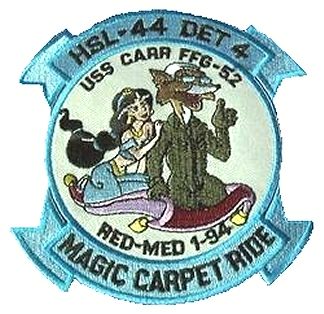
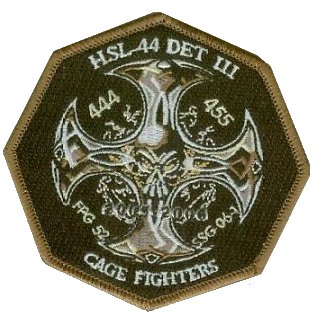
USS CARR Patch Gallery:

MED 1994 - HSL-44 Det. 4SSG 06-1 - HSL-44 Det. 3


Back to topback to top  go to endgo to the end of the page

About the Ship's Name, about Gunner's Mate 3rd Class Paul Henry Carr:

CARR is named in honor of Gunner's Mate 3rd Class Paul Henry Carr, USNR (1924-1944), the heroic gun captain of the after 5-inch mount of the destroyer escort USS SAMUEL B. ROBERTS (DE 413) during the Battle of Samar, 15 October 1944, awarded a posthumous Silver Star for his conspicuous and gallant display of "outstanding technical skill" and "courageous initiative."

When SAMUEL B. ROBERTS engaged Japanese heavy cruisers attacking a force of escort carriers off Samar during the battle of Leyte Gulf, the fire of her after 5-inch guns inspired "every man on the ship." As the destroyer escort maneuvered radically, and used minimal fire control equipment, Carr's mount fired over 300 rounds of 5-inch ammunition, scoring, at close range, "a great many hits" on one of the enemy heavy cruisers, knocking out an 8-inch turret, demolishing her bridge and starting fires aft.

Ultimately, the damage received from Japanese shells knocked out all power, compressed air, and communications, crippling the ship. Knowing the hazards involved, Carr's close-knit crew loaded, rammed, and fired six charges by hand, without the safety device of a gas ejection system. In attempting to fire a seventh round, however, the powder charge "cooked-off" before the breech was closed, wrecking the gun and killing or wounding all but three men in the gun house.

After the order to abandon ship had been given, a Petty Officer entered the mount, to find Carr, literally torn open from neck to thigh, holding a 54-pound projectile, trying unassisted to load and ram the only shell available. Carr begged the man to help him get off the last round, but the latter, seeing that the gun had been destroyed and its breach rendered an unrecognizable mass of steel, took the projectile from the gunner's hands. After helping one of the other wounded men to the main deck, the Petty Officer returned to find Carr again attempting, although horribly wounded, to place the projectile on the loading tray of the inoperative gun. Carr perished a few minutes later after he was dragged from the mount.


Back to topback to top  go to endgo to the end of the page