
Search the Site with

|
Search the Site with
|
 General Characteristics Crew List Memorabilia Cruise Books History About the Name "Porter" Accidents aboard the Ship Image Gallery to end of page
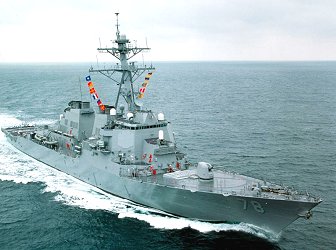 | 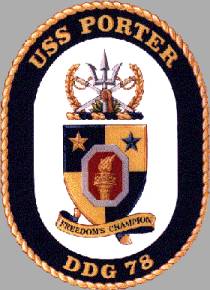 | 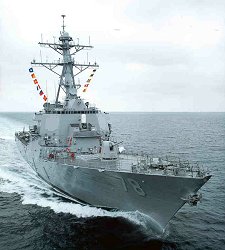 |
USS PORTER is the 28th ARLEIGH BURKE class guided missile destroyer and the fifth United States Navy ship to bear the name of the legendary heroes Commodore David Porter and Vice Admiral Davis Dixon Porter.
| General Characteristics: | Keel Laid: December 2, 1996 |
| Launched: November 1997 | |
| Commissioned: March 20, 1999 | |
| Builder: Ingalls Shipbuilding, West Bank, Pascagoula, Miss. | |
| Propulsion system: four General Electric LM 2500 gas turbine engines | |
| Propellers: two | |
| Blades on each Propeller: five | |
| Length: 505,25 feet (154 meters) | |
| Beam: 67 feet (20.4 meters) | |
| Draft: 30,5 feet (9.3 meters) | |
| Displacement: approx. 8.300 tons full load | |
| Speed: 30+ knots | |
| Aircraft: None. But LAMPS 3 electronics installed on landing deck for coordinated DDG/helicopter ASW operations. | |
| Armament: two | |
| Homeport: Rota, Spain | |
| Crew: 23 Officers, 24 Chief Petty Officers and 291 Enlisted |
 back to top go to the end of the pageback to top go to the end of the page
Crew List:
This section contains the names of sailors who served aboard USS PORTER. It is no official listing but contains the names of sailors who submitted their information.
back to top go to the end of the pageback to top go to the end of the pageUSS PORTER Cruise Books:
back to top go to the end of the pageUSS PORTER History:
| Date | Event |
|---|---|
| December 2, 1996 | Keel laid |
| November 1997 | Ship was launched |
| November 14, 1997 | USS PORTER was christened by the wife of the CNO |
| March 20, 1999 | Commissioning in Port Canaveral, Florida |
| Aug. 20 - Nov. 12, 1999 | Post Shakedown Availabilities (PSAs) at Ingalls Shipbuilding, Miss. |
| November 2000 | PORTER departed Norfolk, Va., on its maiden deployment. Operated as part of the USS HARRY S. TRUMAN (CVN 75) Battle Group. It was also the carrier's maiden deployment. |
| May, 2001 | Returned to the United States |
| Feb. 4 - May 29, 2003 | Mediterranean deployment with the USS THEODORE ROOSEVELT (CVN 71) Strike Group and support of Operation Iraqi Freedom. |
back to top go to the end of the pageAbout the Ship’s Name, about Commodore David Porter and Vice Admiral Davis Dixon Porter:
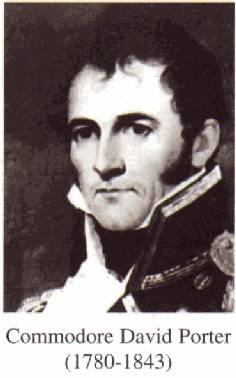 Commodore David Porter:
David Porter, born 1 February 1780 in Boston, Mass., served in the Quasi War with France first as midshipman on board Constellation, participating in the capture of L'lnsurgente 9 February 1799; secondly, as 1st lieutenant of Experiment and later in command of Amphitrite. During the Barbary Wars (1801-07) Porter was 1st lieutenant of Enterprise, New York and Philadelphia and was taken prisoner when Philadelphia ran aground in Tripoli harbor 31 October 1803. After his release 3 June 1805 he remained in the Mediterranean as acting captain of Constitution and later captain of Enterprise. He was in charge of the naval forces at New Orleans 1808-10. As commander of Essex in the War of 1812, Captain Porter achieved fame by capturing the first British warship of the conflict, Alert, 13 August 1812 as well as several merchantmen. In 1813 he sailed Essex around Cape Horn and cruised in the Pacific warring on British whalers. On 28 March 1814 Porter was forced to surrender off Valpariso after an unequal contest with the frigates HBMS Phoebe and Cherub and only when his ship was too disabled to offer any resistance. From 1815 to 1822 he was a member of the Board of Navy Commissioners but gave up this post to command the expedition for suppressing piracy in the West Indies 1823-25. Commodore Porter resigned his commission in 1826 and became the commander-in-chief of the Mexican Navy 1826-29. He died on 3 March 1843 while U.S. Minister of Turkey.
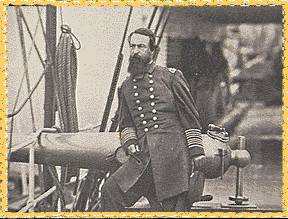 Vice Admiral Davis Dixon Porter:
He was born on June 8, 1814, and was a native of Pennsylvania. He was the youngest son of David Porter, who commanded the Essex in the war of 1812-14 with Great Britain. Young Porter entered the service as midshipman in February, 1829, and served in the Mediterranean until 1835, when he was employed for several years in coast survey and river explorations. At the close of 1845 he was placed on special duty at the Washington observatory, resigning in 1846 to take part in the Mexican war. At the outbreak of the late war he was promoted to the rank of commander, and in 1862 the mortar fleet for the bombardment of the forts below New Orleans was placed under his orders. Vice Admiral David Dixon Porter spent much of 1862-1863 along the Mississippi River and in smaller Mississippi Rivers, including the Yazoo, the Coldwater, the Tallahatchie, and the Yalobusha. He directed campaigns against a long list of Confederate positions in the Mississippi Delta, from he Grand Gulf batteries, to the Chickasaw Bluffs to Miliken's Bend and Port Hudson. After the capture of New Orleans he went up the river with his fleet, and was engaged in the unsuccessful seige of Vicksburg in July, 1862. During the second siege of that place, in the summer of 1863, he bombarded the works and materially assisted Gen. Grant, who commanded the besieging army. For this he made rear admiral. Porter did not leave Mississippi until his successful support of General Grant's siege of Vicksburg was completed with General Pemberton's surrender in July 1863. For his Civil War service, Porter received four letters of thanks from Congress, and was promoted to Vice Admiral in 1866.
He was also engaged in the two combined attacks on Forth Fisher, which commands the approaches to Wilmington, North Carolina. The first of these attempts, at the close of 1864, miscarried; the second, in January, 1865, was completely successful. In July, 1866, he was made vice-admiral, and after the death of Farragut, was promoted, October, 1870, to the rank of admiral, which carried with it the command of the entire navy of the United States, subject only to the order of the president. Admiral Porter urged the importance of protecting the coast approaches to all the large cities of the United States, with heavily armored minitors, carrying the heaviest guns.
David Dixon Porter was nearly forgotten because his career and accomplishments have often been misinterpreted, when, in fact, he was arguably the foremost naval hero of the Civil War. Though Porter rose faster through the ranks, commanded more men and ships, won more victories, and was awarded more Congressional votes of thanks than any other officer in the U.S. Navy, historians have been influenced by his own postwar accounts, which were flawed by an unquenchable ego, thin skin, and a burning desire to vindicate his equally controversial father. David Dixon Porter was a firebrand hero of New Orleans, Vicksburg, and Fort Fisher. His unique tactics and techniques rank among the most imaginative and successful in naval history. The crew onboard Porter's flagship encountered daring, brilliant attacks against the punishing batteries at Vicksburg and Fisher and costly failures at Steele's Bayou and Red River. David Dixon Porter held critical strategy meetings with Sherman and Grant, and a thrilling chase up and down the coast of South America after Semmes on the CSS Sumter. David Dixon Porter was a talented fighter and colorful personality with a marvelous sense of humor, earning respect and friendship from the likes of Lincoln, Grant, and Sherman, but drew the ire of political generals like Butler, Banks, and McClernand. He was a potent mix of energy, ambition, courage, and creativity with rash behavior, paranoia, and a taste for intrigue.
back to top go to the end of the pageAccidents aboard USS PORTER:
| Date | Where | Events |
|---|---|---|
| August 12, 2012 | Strait of Hormuz | USS PORTER collides with the Japanese-owned and Panamanian-flagged bulk oil tanker MV OTOWASAN at approx 1 a.m. local time. At the time of the collision, PORTER had just entered the Persian Gulf through the Strait of Hormuz while OTOWASAN was about the depart the Gulf for the Arabian Sea. PORTER suffers extensive damage to her forward starboard hull but no injuries are reported on either ship. Following the collision, PORTER pulled into Jebel Ali, U.A.E. for damage assessment. The photos below are official US Navy photos taken from the USS GUNSTON HALL (LSD 44) which was travelling with the PORTER.  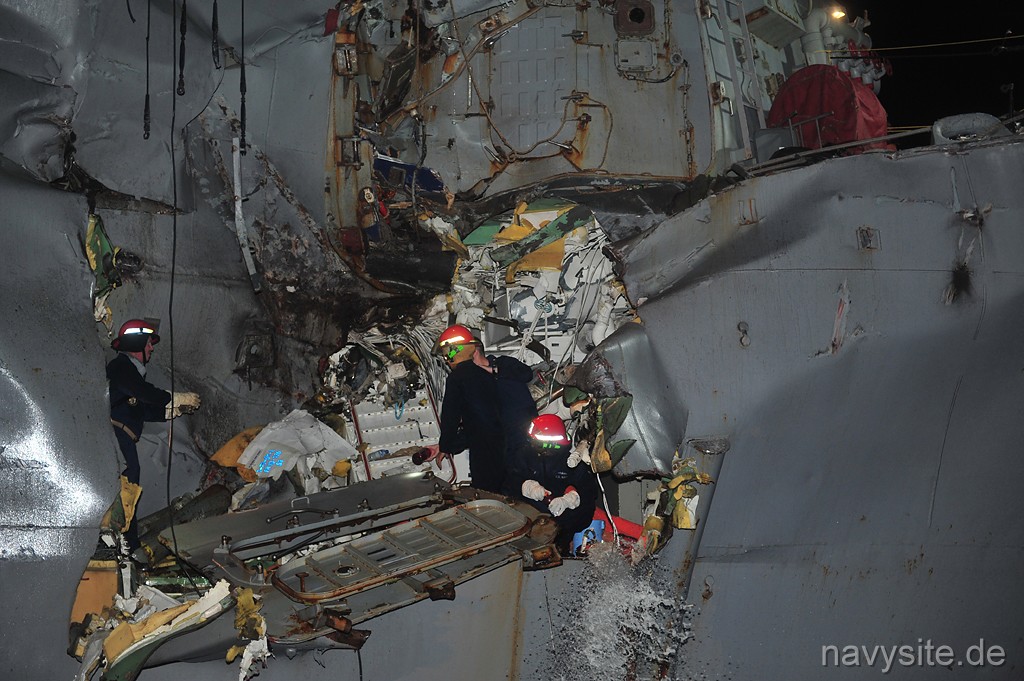 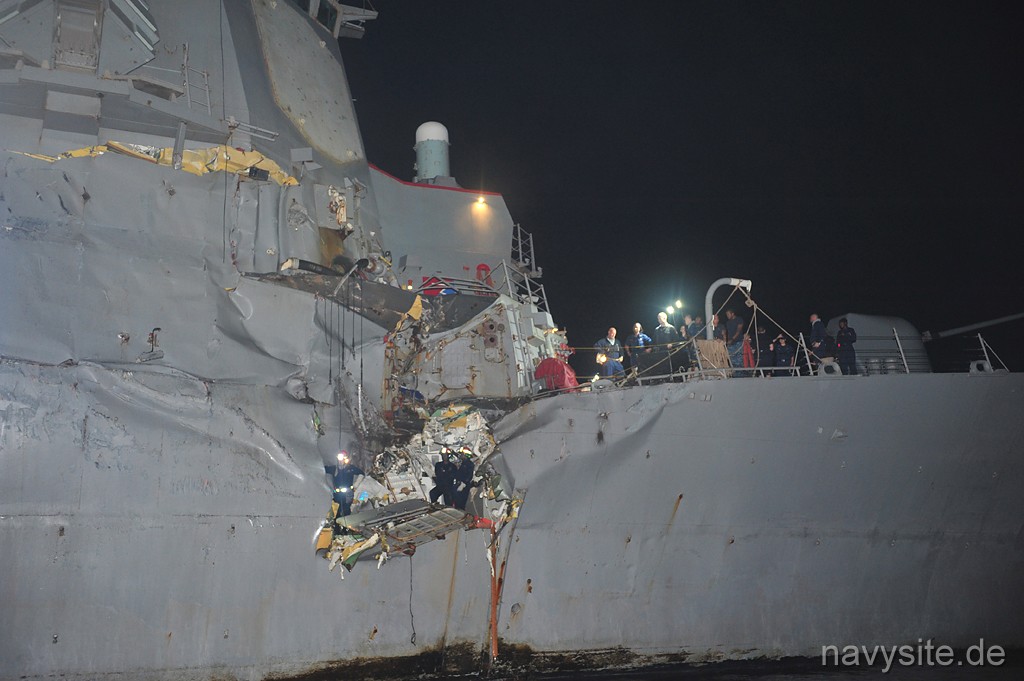 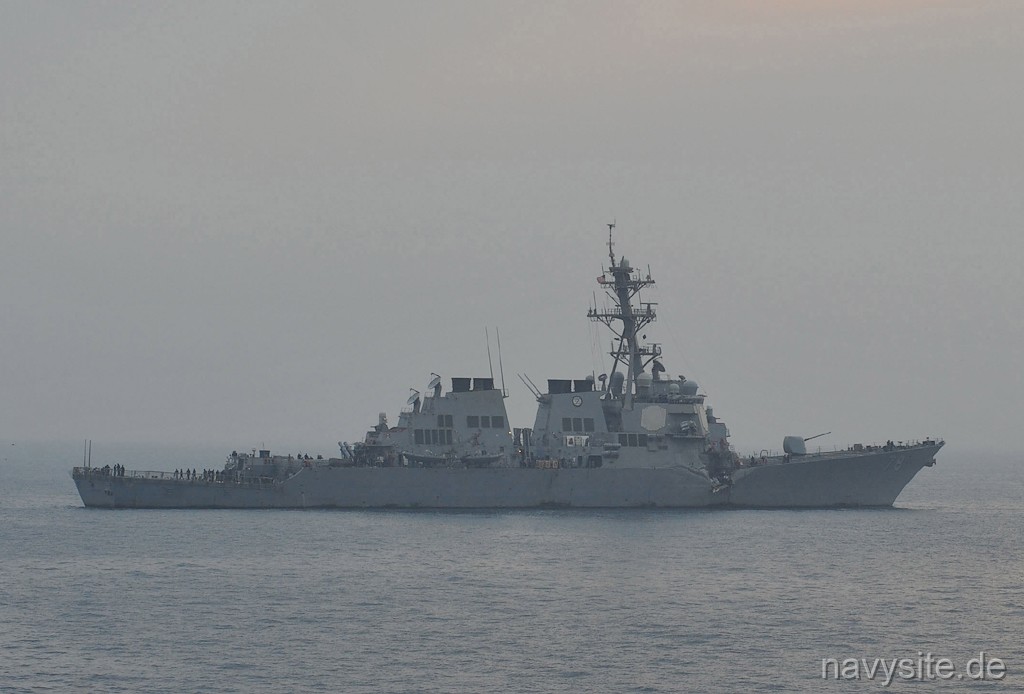 |
back to top go to the end of the pageUSS PORTER Image Gallery:
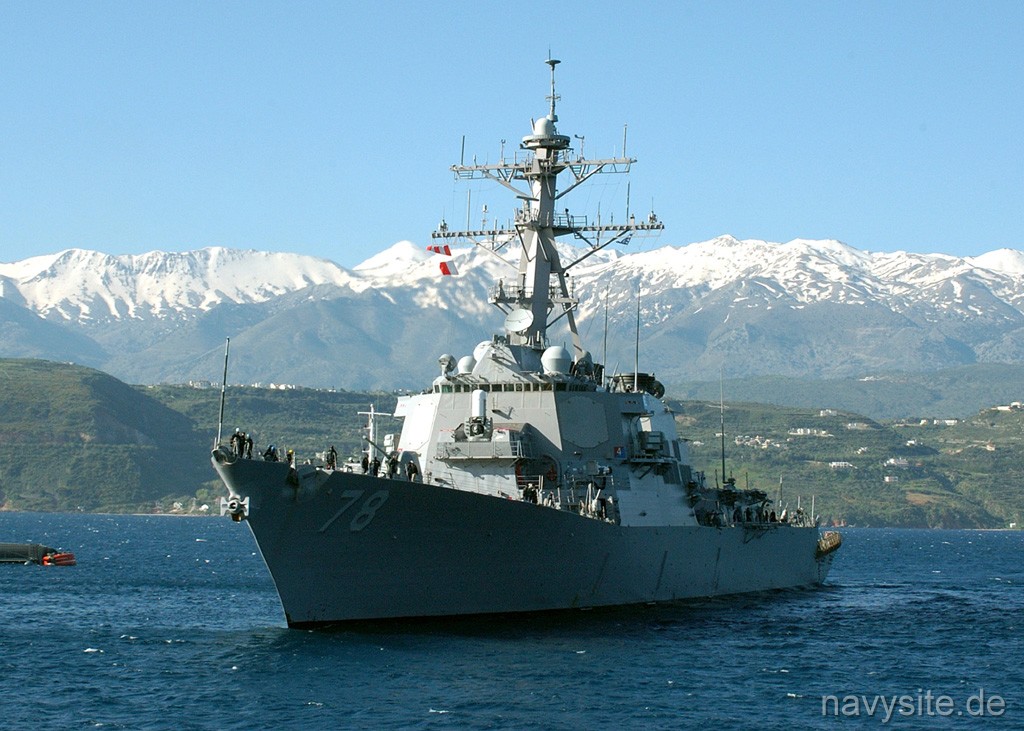 |  | 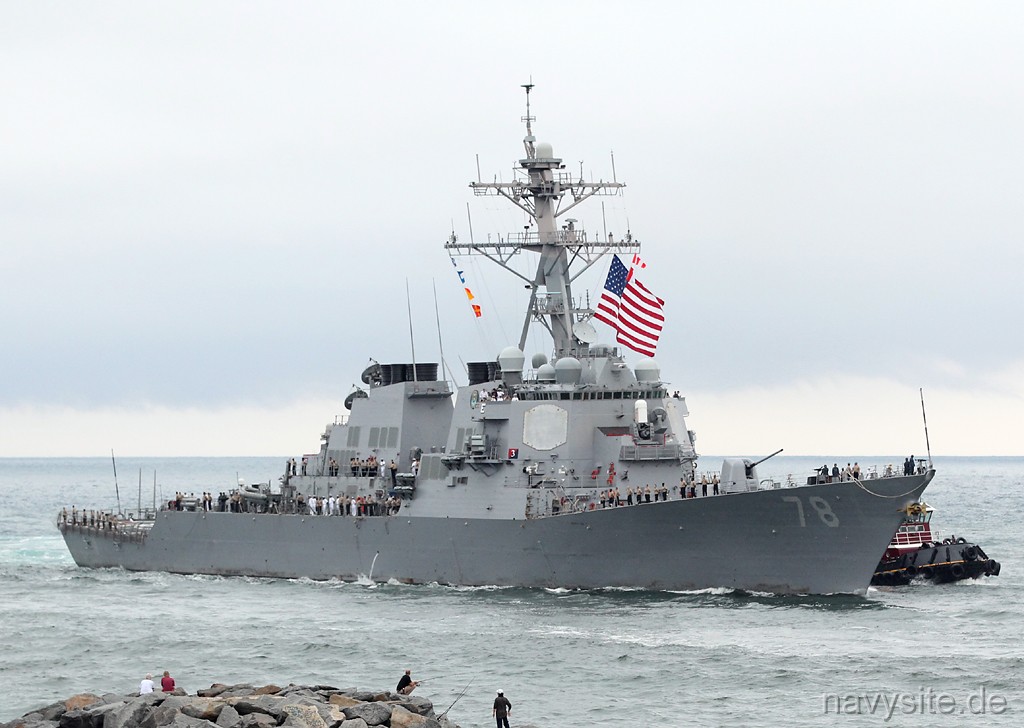 | 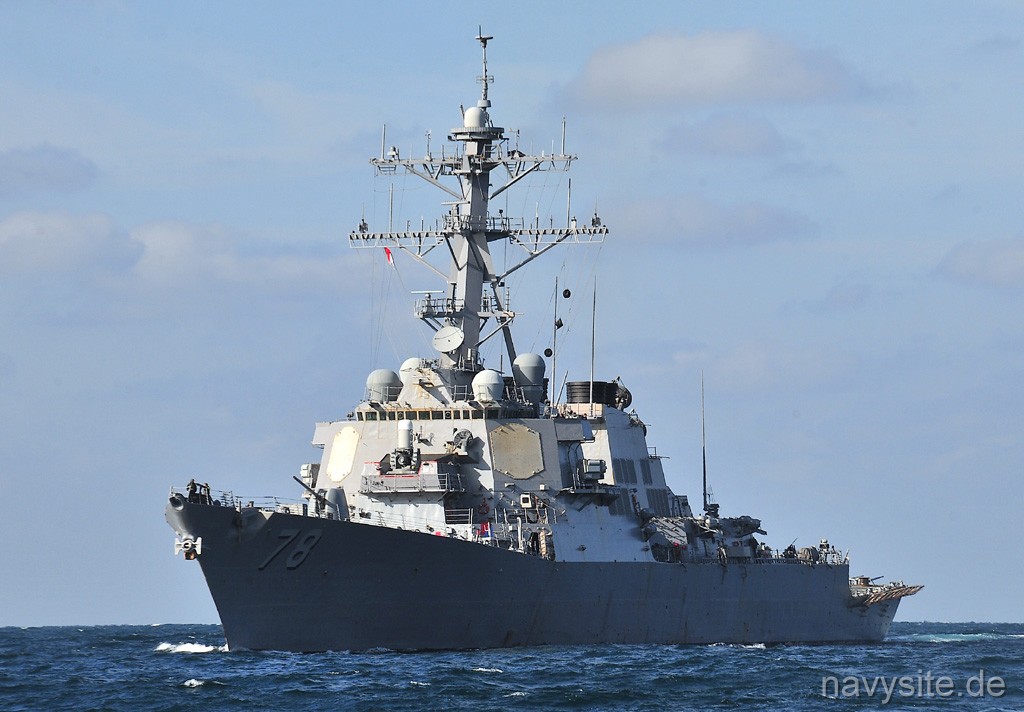 | 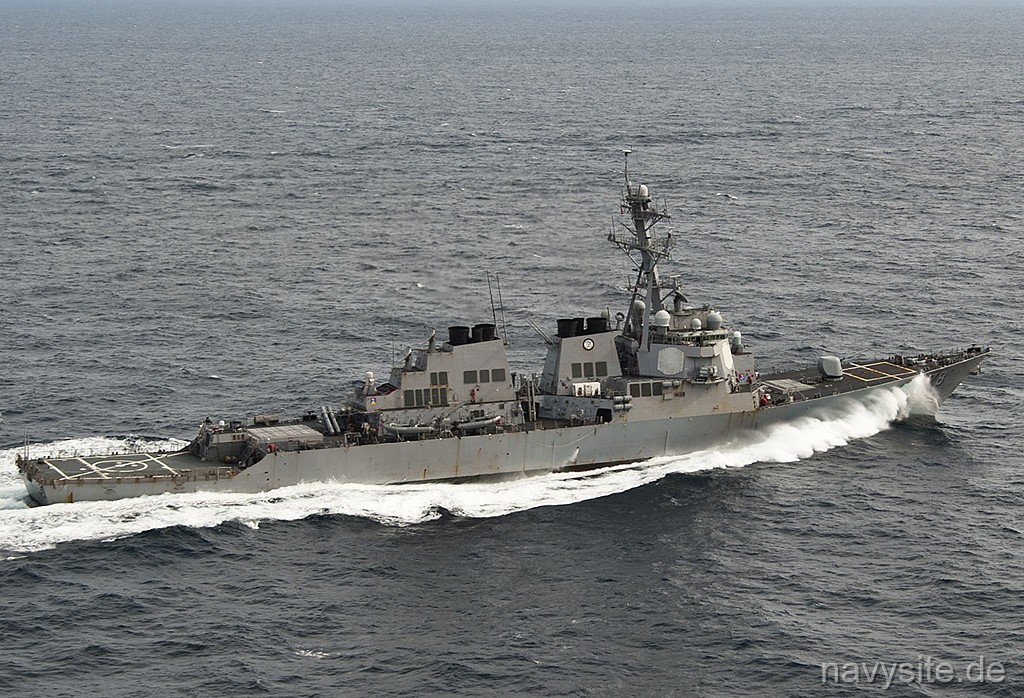 |
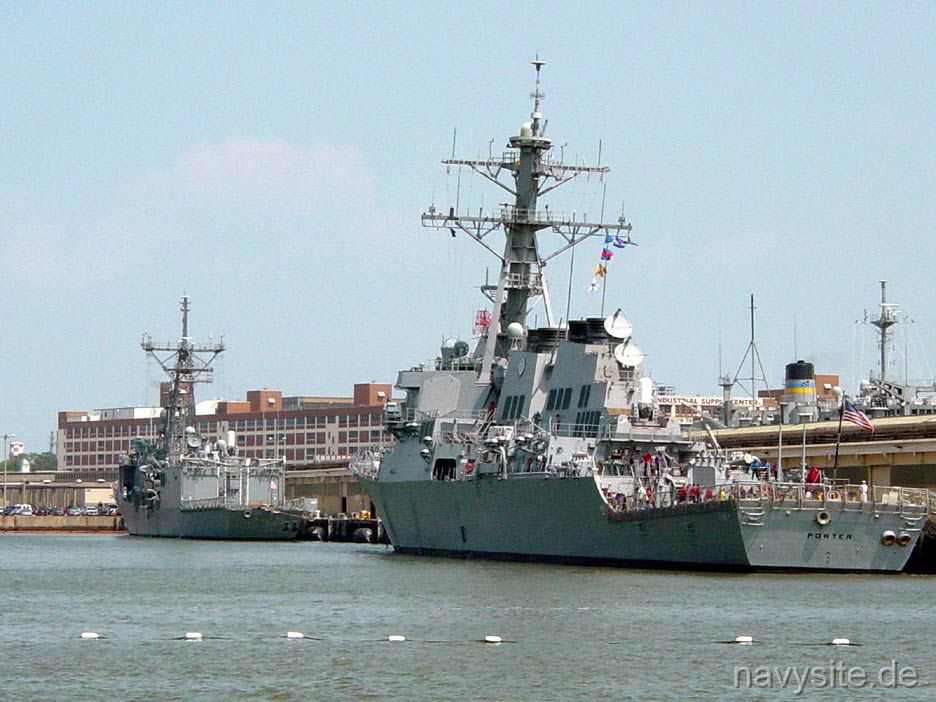
The photo below was taken by Brian Barton and shows USS PORTER at Naval Base Norfolk, Va., on July 23, 2002.
 |
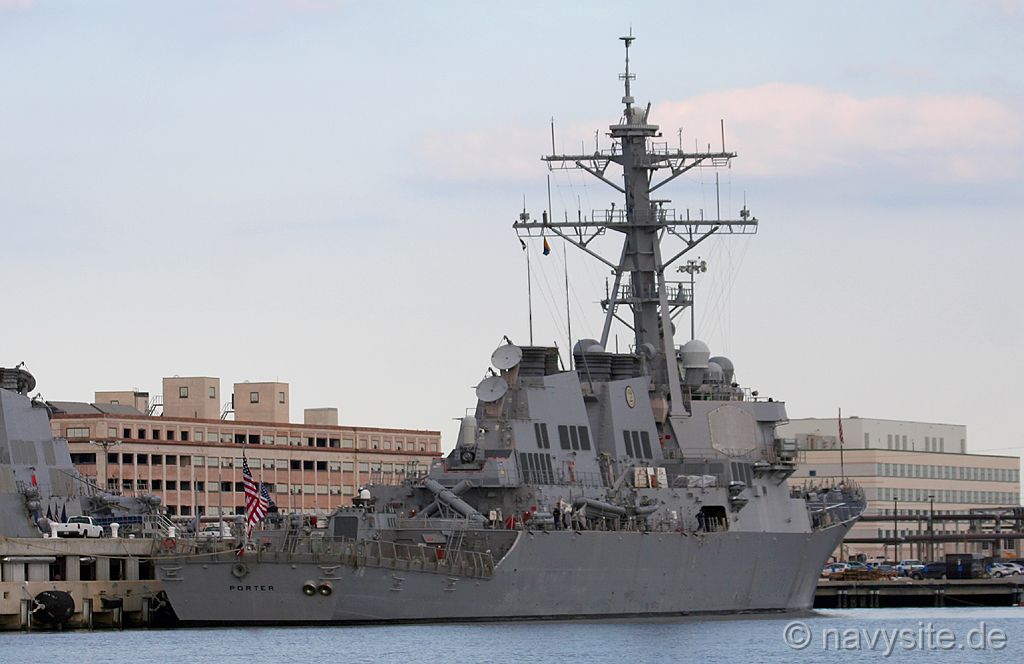
The photo below was taken by me and shows the USS PORTER at Naval Base Norfolk on November 9, 2008.
 |
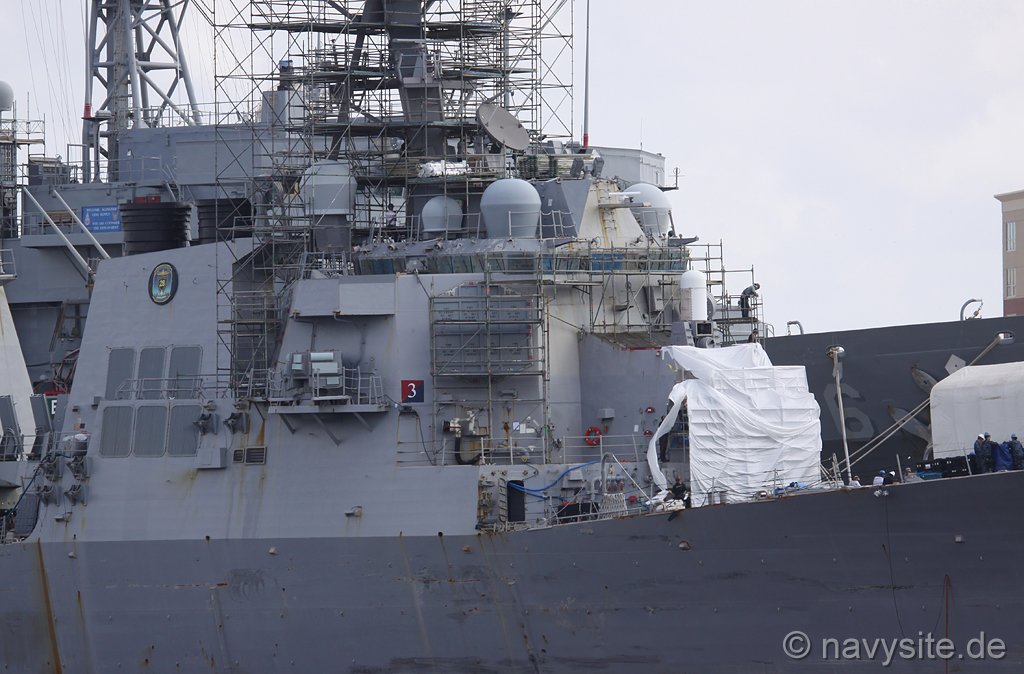
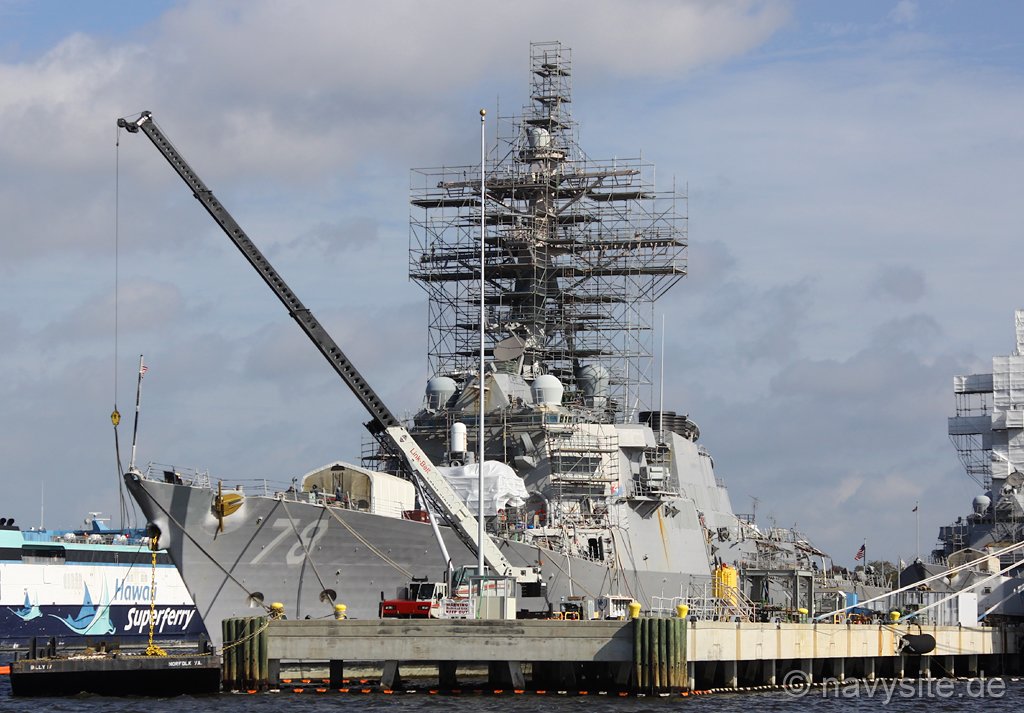
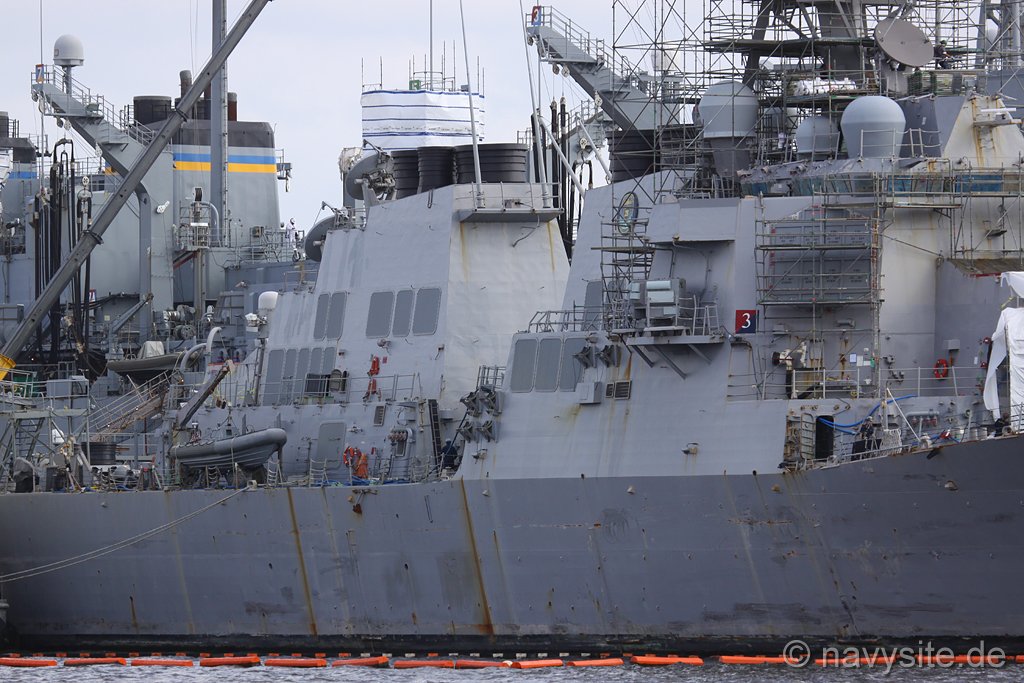
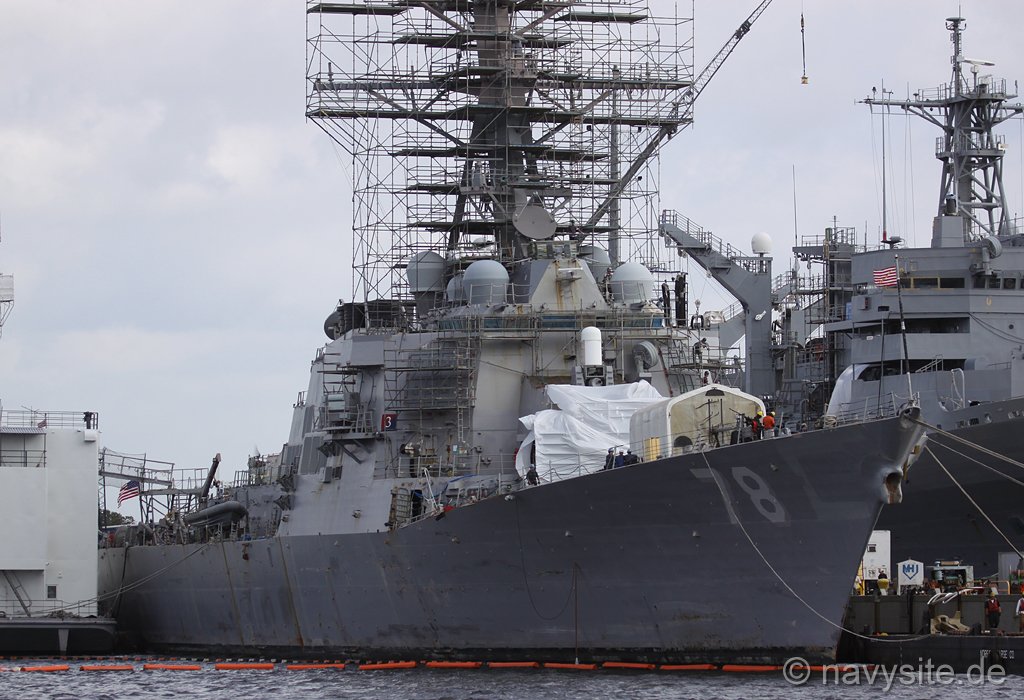
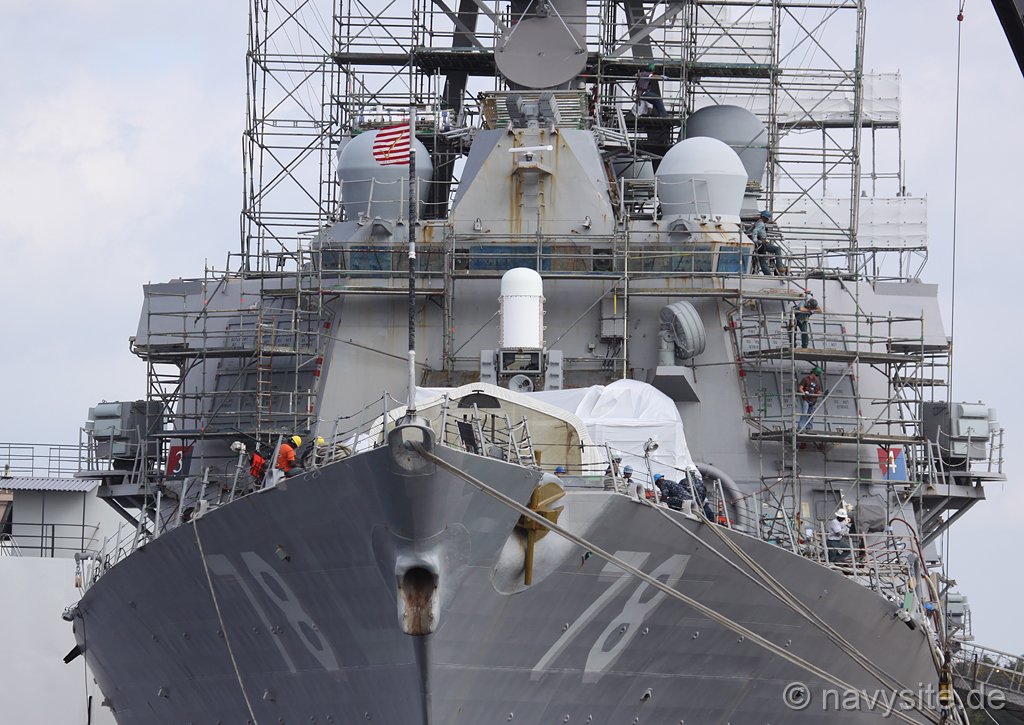
The photos below were taken by me and show the PORTER during overhaul at Norfolk, Va., on October 27, 2010.
 |  |  |  |  |
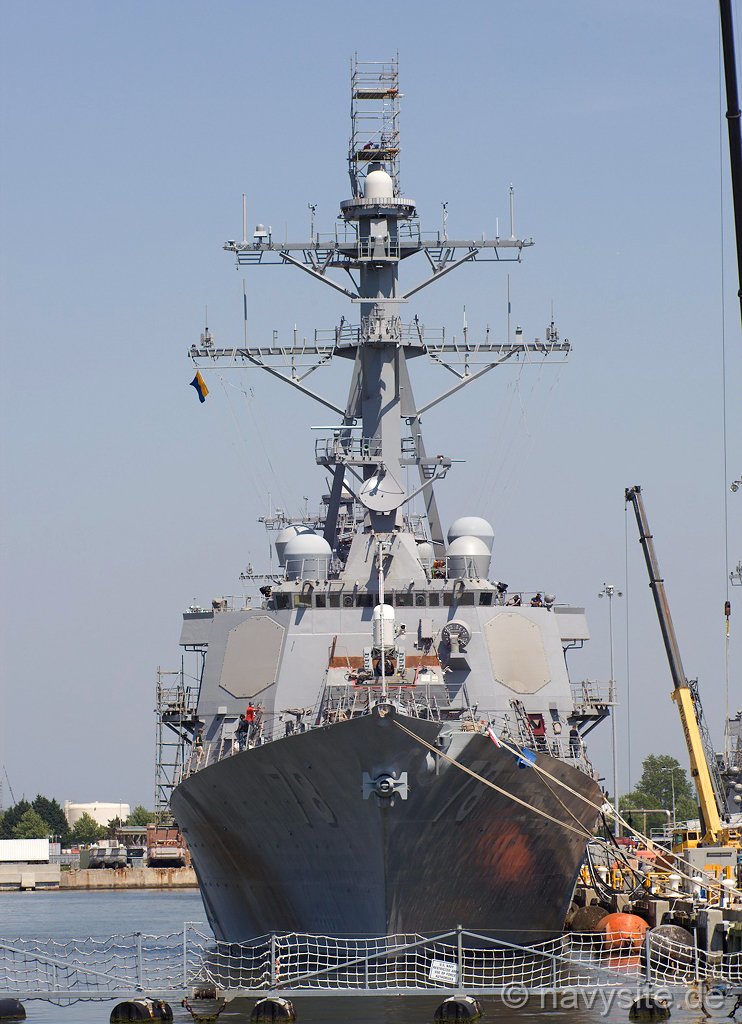
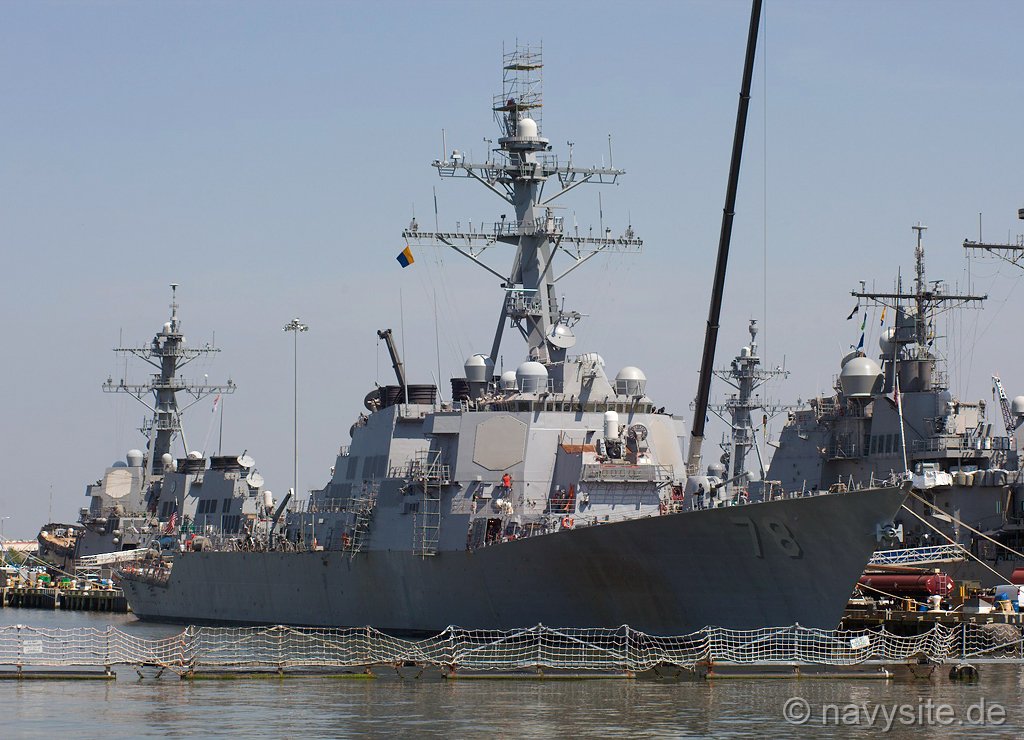
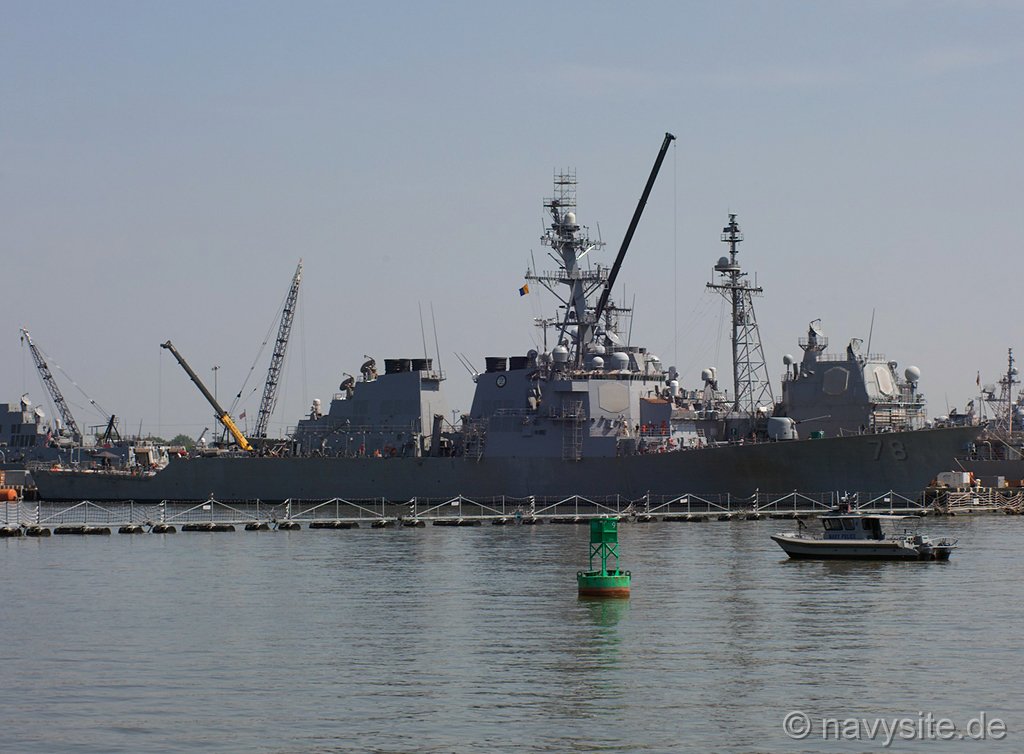
The photos below were taken by Michael Jenning and show the PORTER at Naval Base Norfolk, Va., on May 8, 2014.
 |  |  |
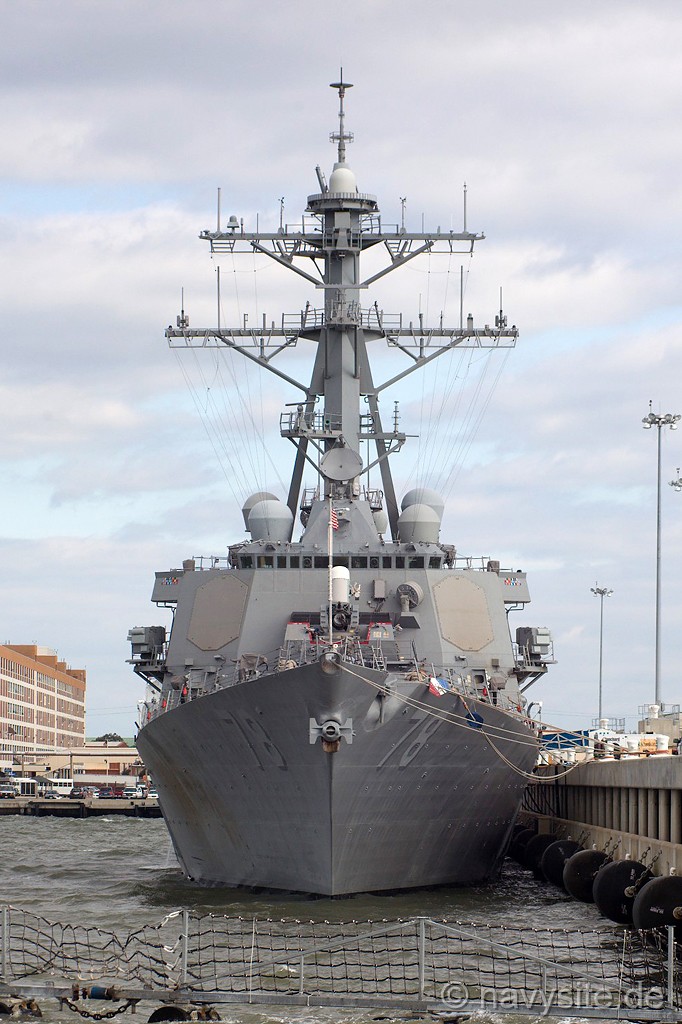
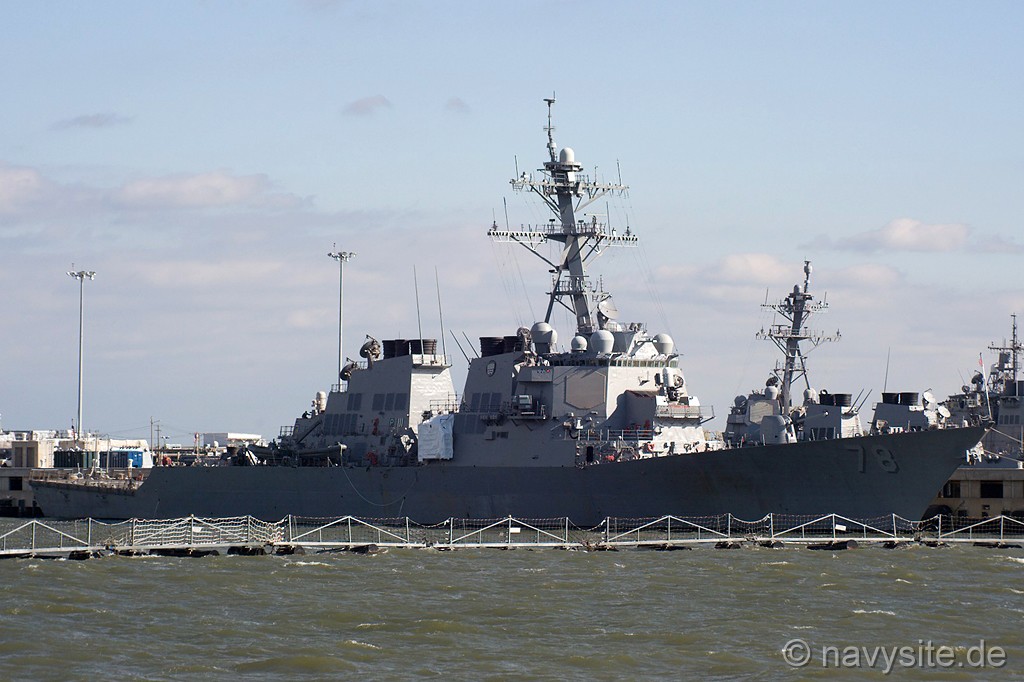
The photos below were taken by Michael Jenning and show the PORTER at Naval Base Norfolk, Va., on October 23, 2014.
 |  |
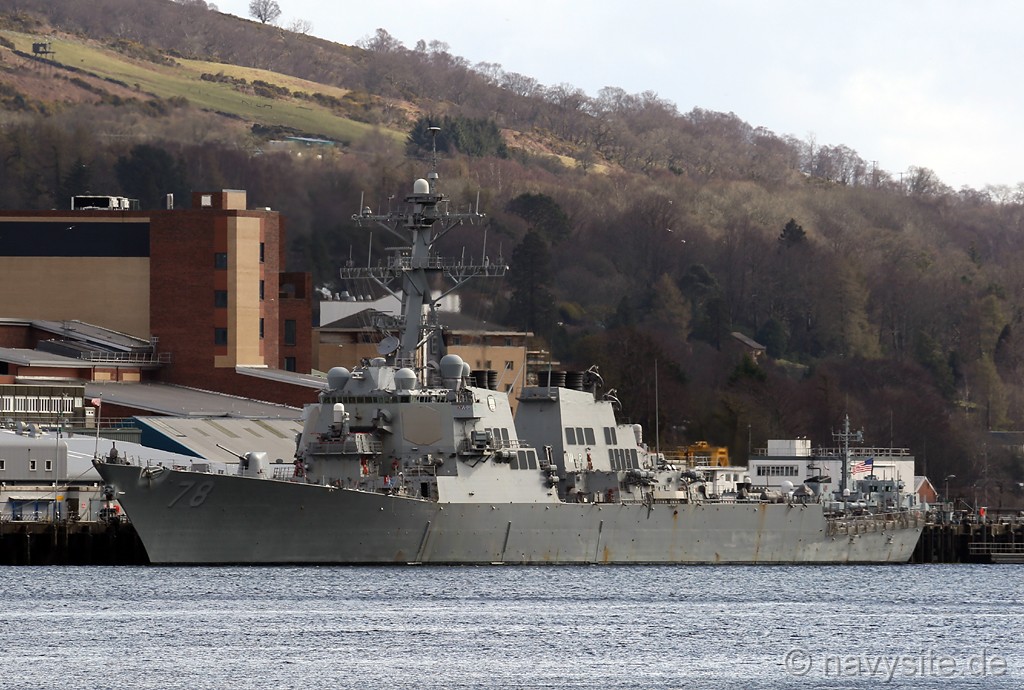
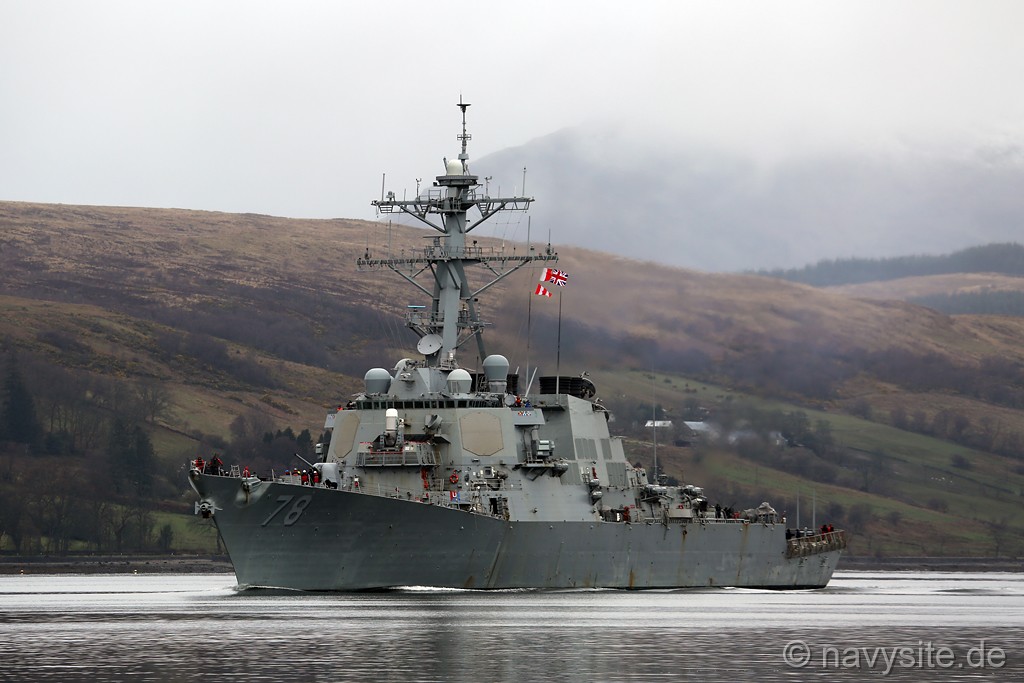
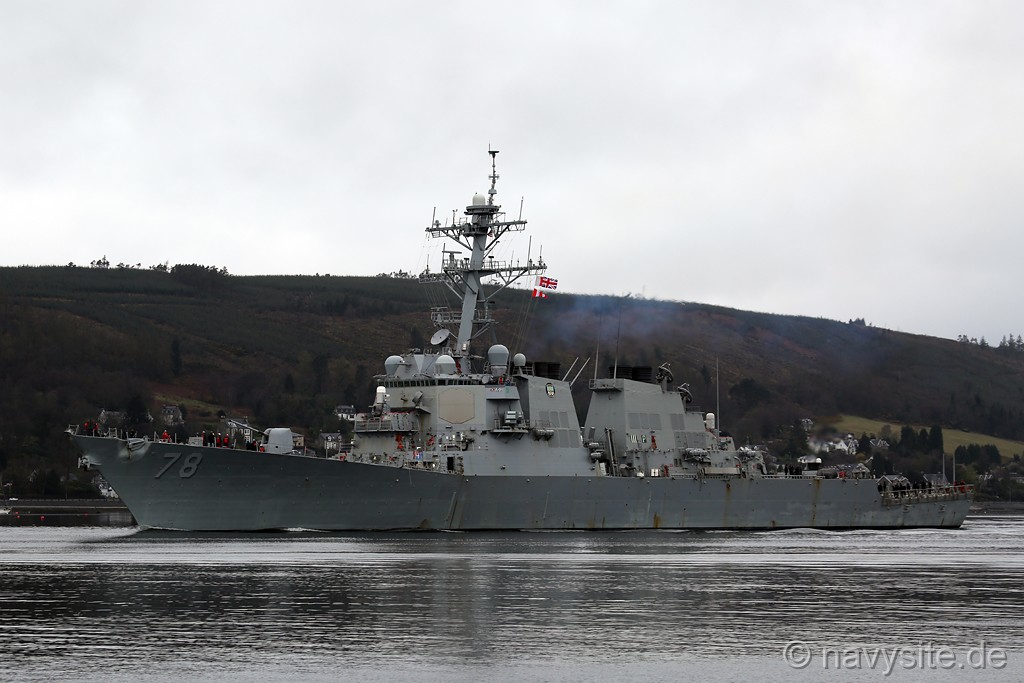
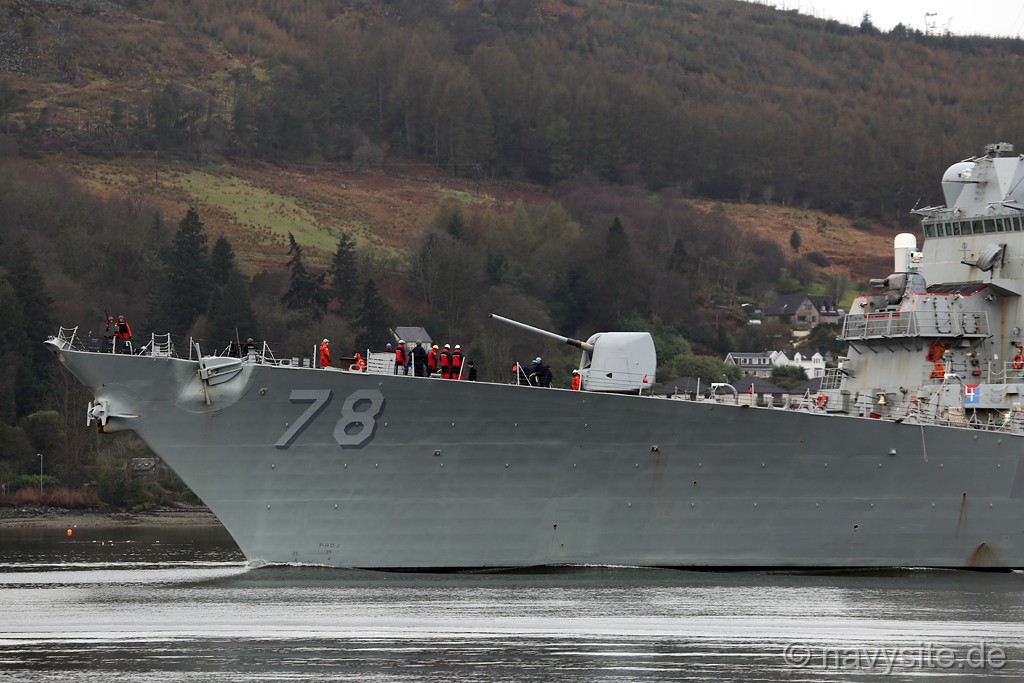
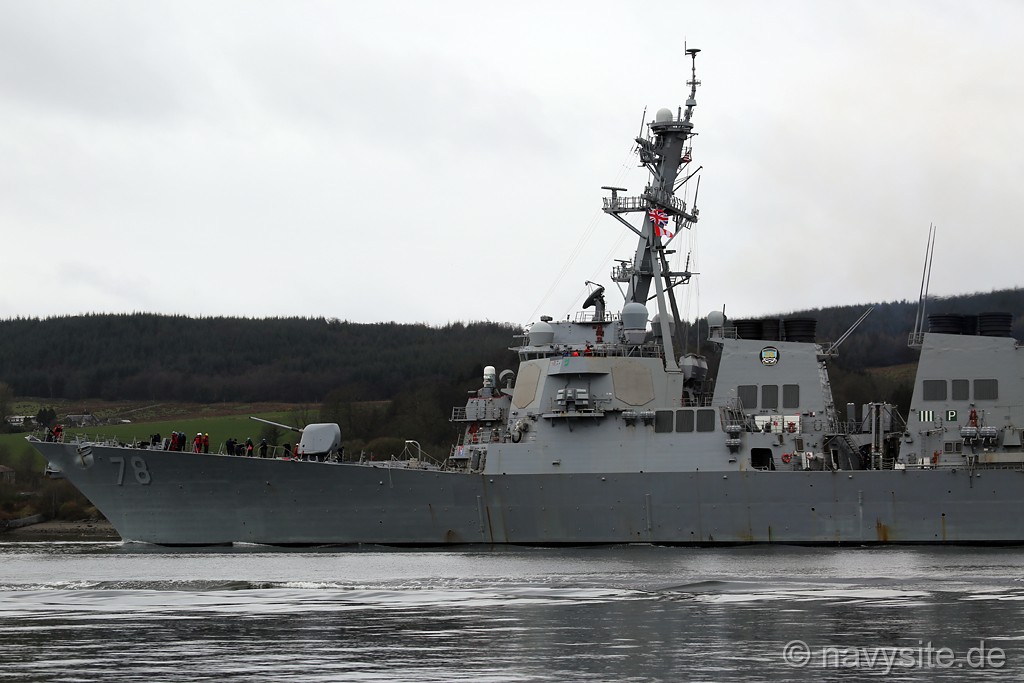
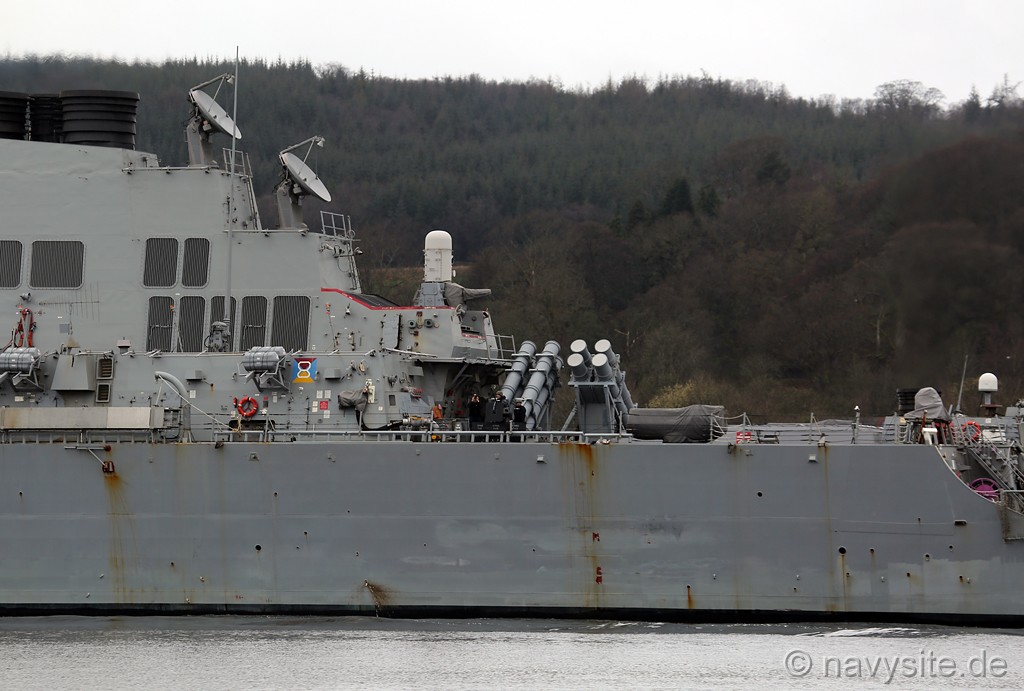
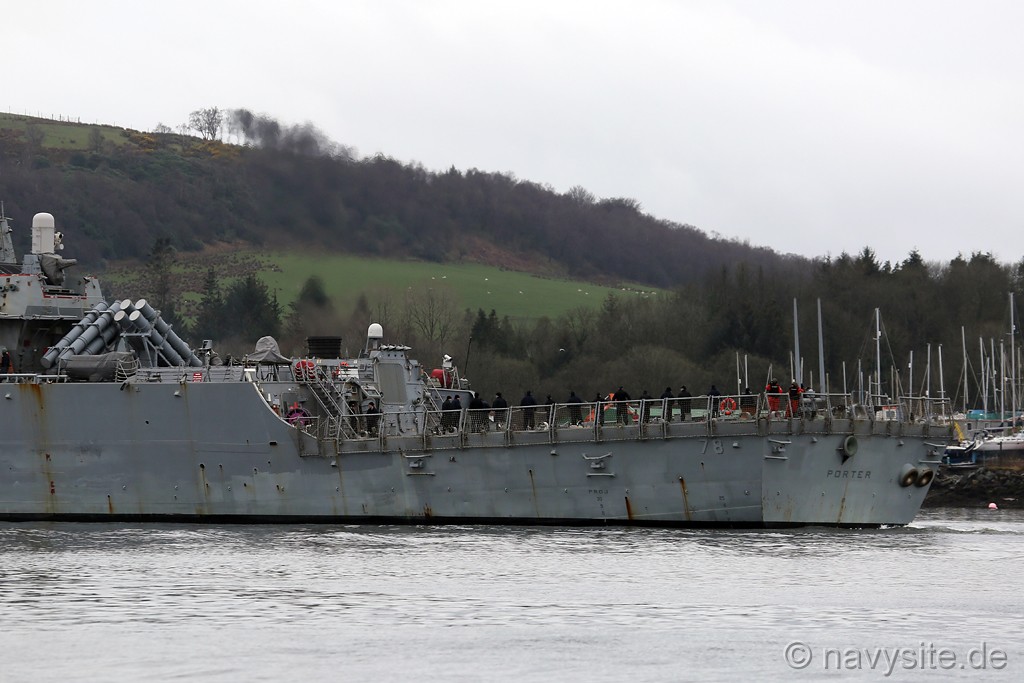
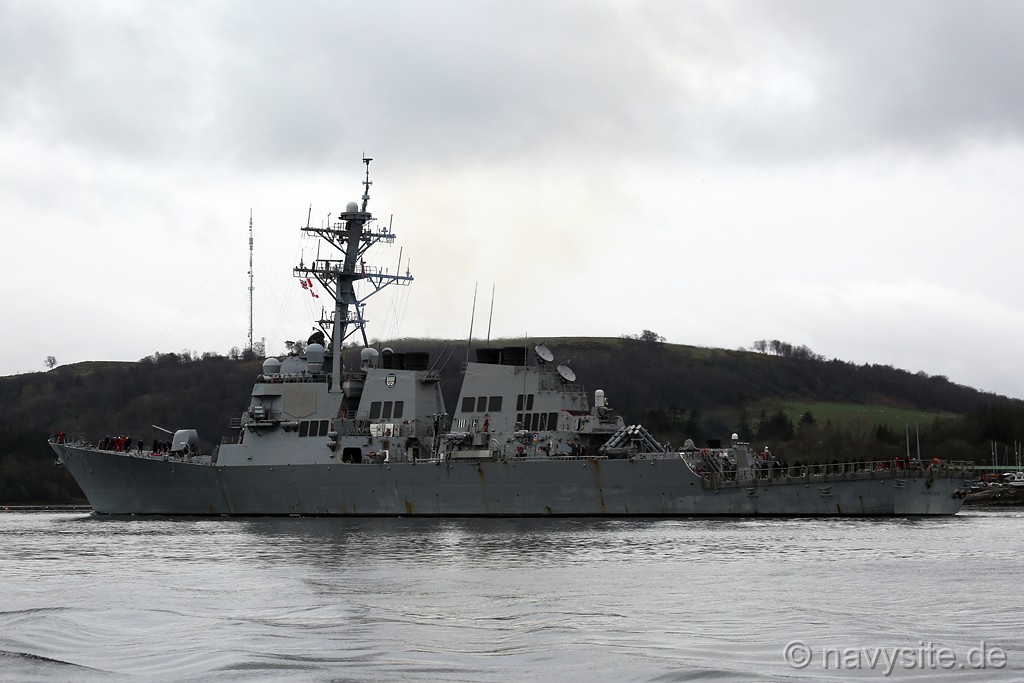
The photos below were taken by Philip Petersen and me and show the PORTER at Naval Base Faslane, UK, on April 11, 2015 (first photo), and departing Faslane the next day to join exercise Joint Warrior 151. The PORTER left Norfolk, Va., on March 27, 2015, to take part in Joint Warrior. After the exercise, PORTER will not return to Norfolk, but will shift her homeport to Rota, Spain, where she is scheduled to arrive in late April.
 |  |  |  |  |
 |  |  |  |  |
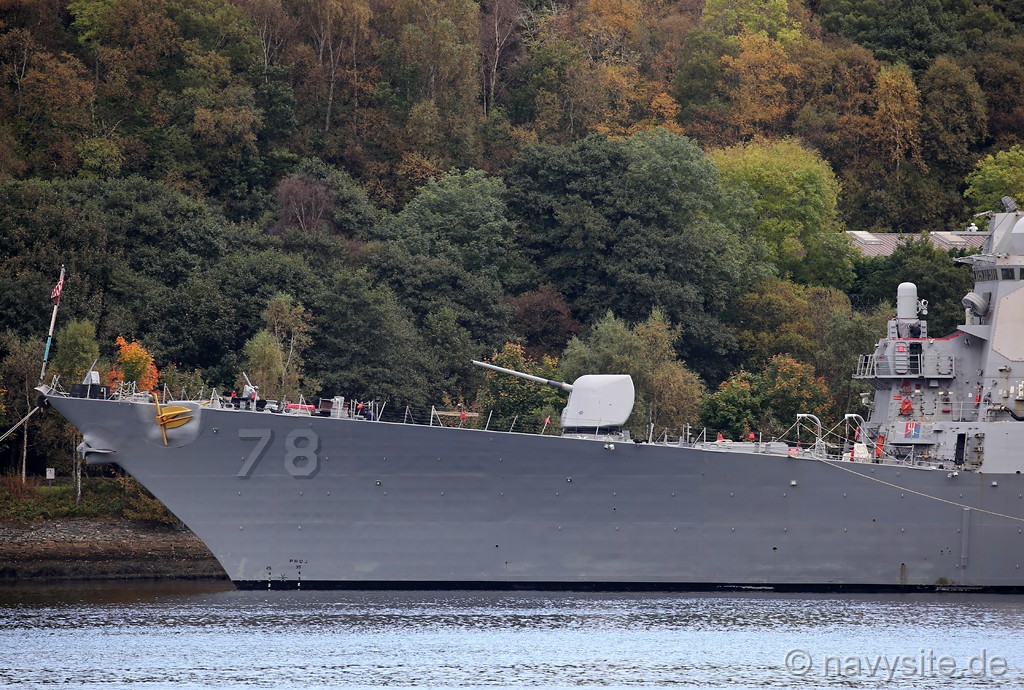
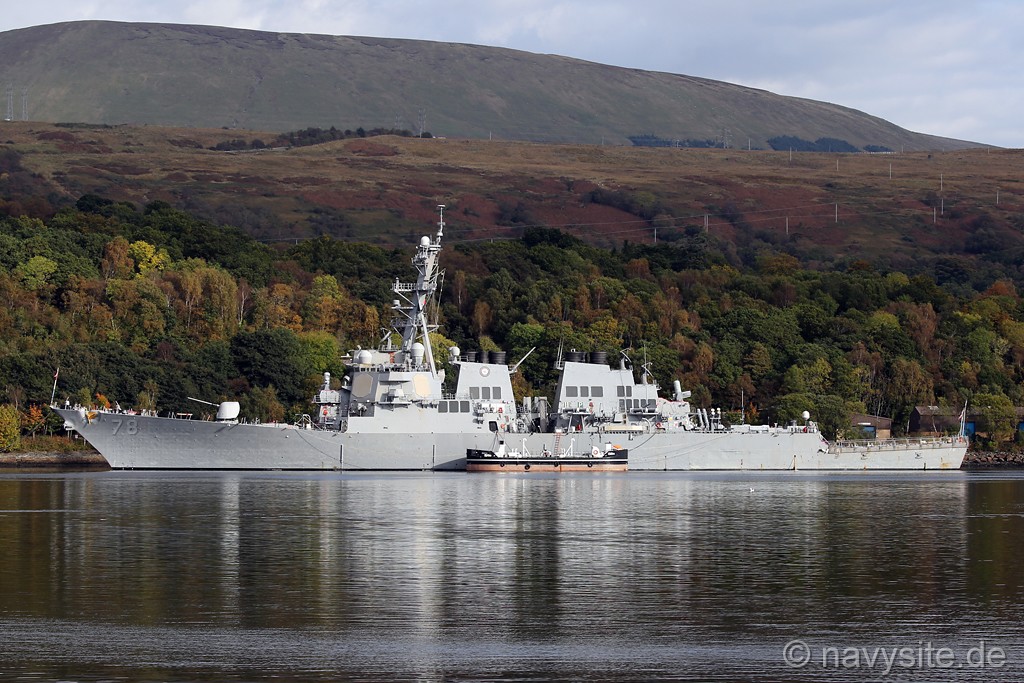
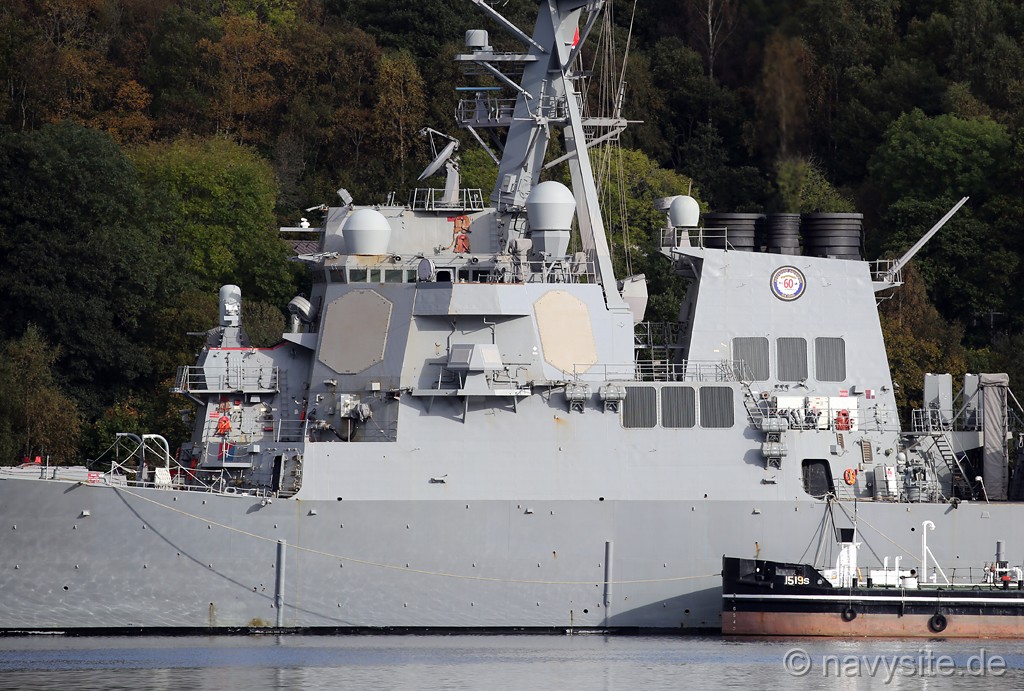
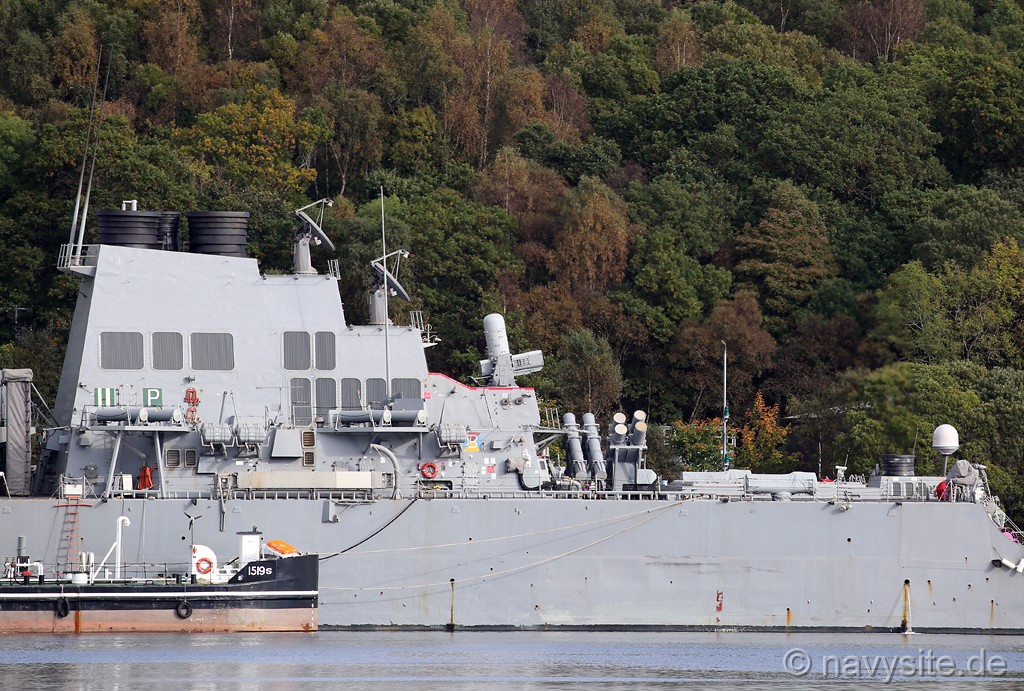
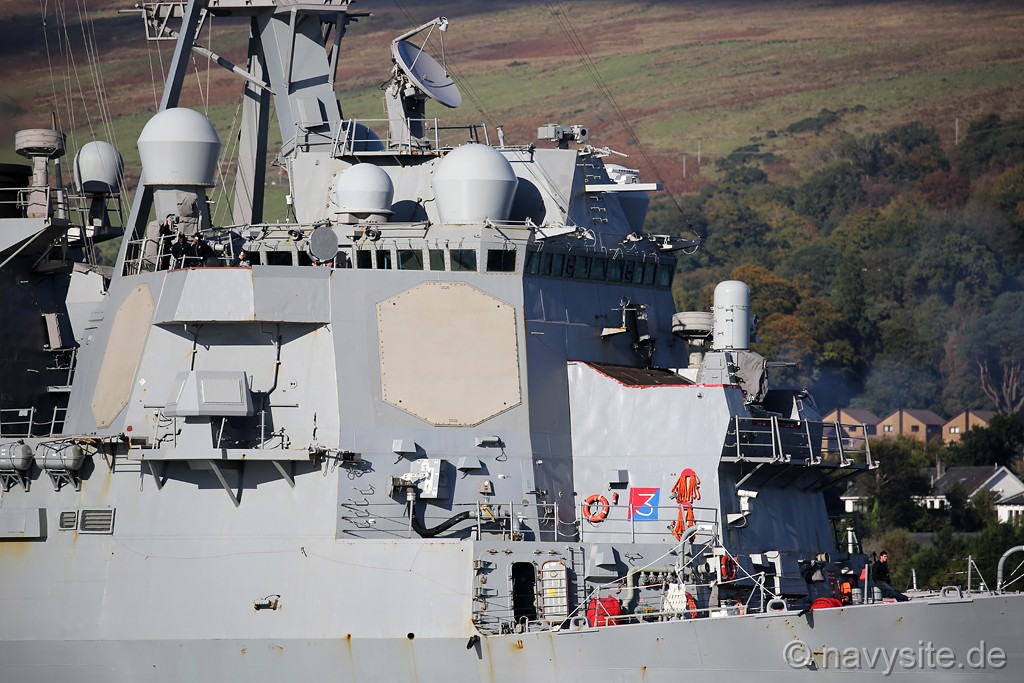
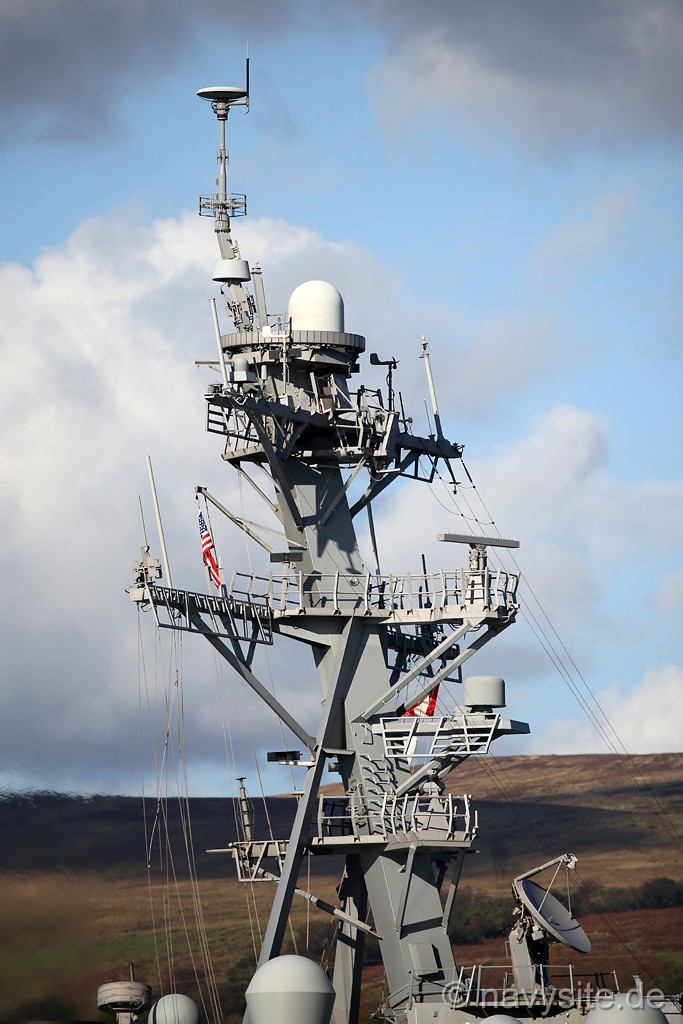
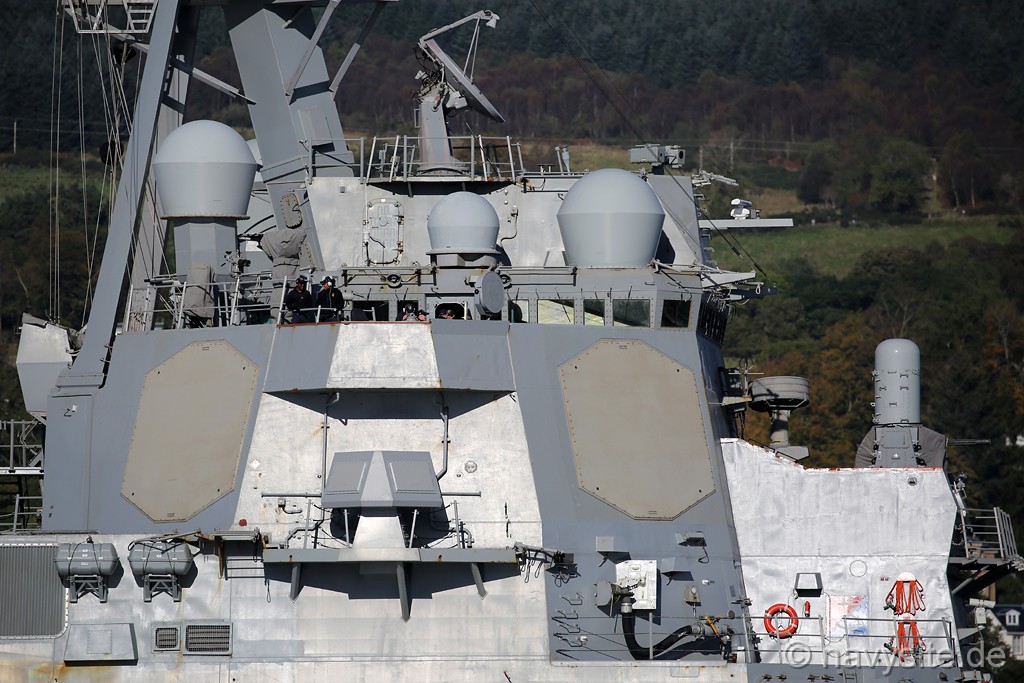
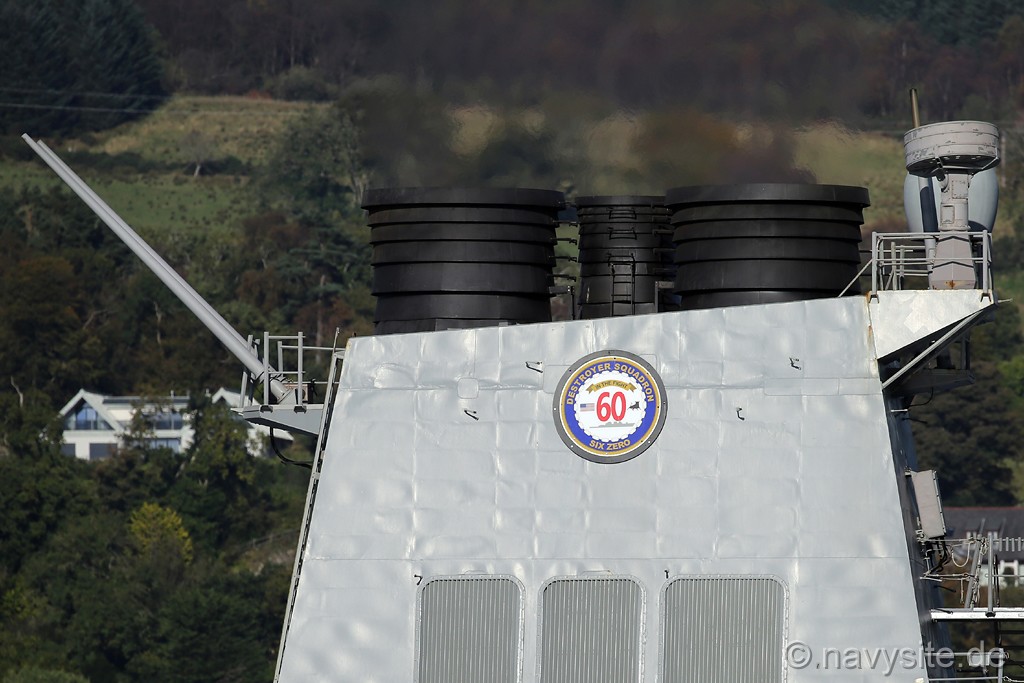
The photos below were taken by me and show the PORTER at Naval Base Clyde, Faslane, UK, on October 8, 2016, before joining exercise Joint Warrior 162. Note that the PORTER has recently received a number of updates: Her SLQ-32 Electronic Warfare System has been upgraded with the Navy’s Surface Electronic Warfare Improvement Program (SEWIP) Block 2 (visible below the bridgewing). Also, her aft Phalanx CIWS has been replaced with a SeaRAM System making the PORTER the first ship in her class to carry the system. New as well are the two tubes amidships on the starboard side at the forward stack as well as the four tubes on the portside at the aft stack on partly newly installed platforms.
 |  |  |  |
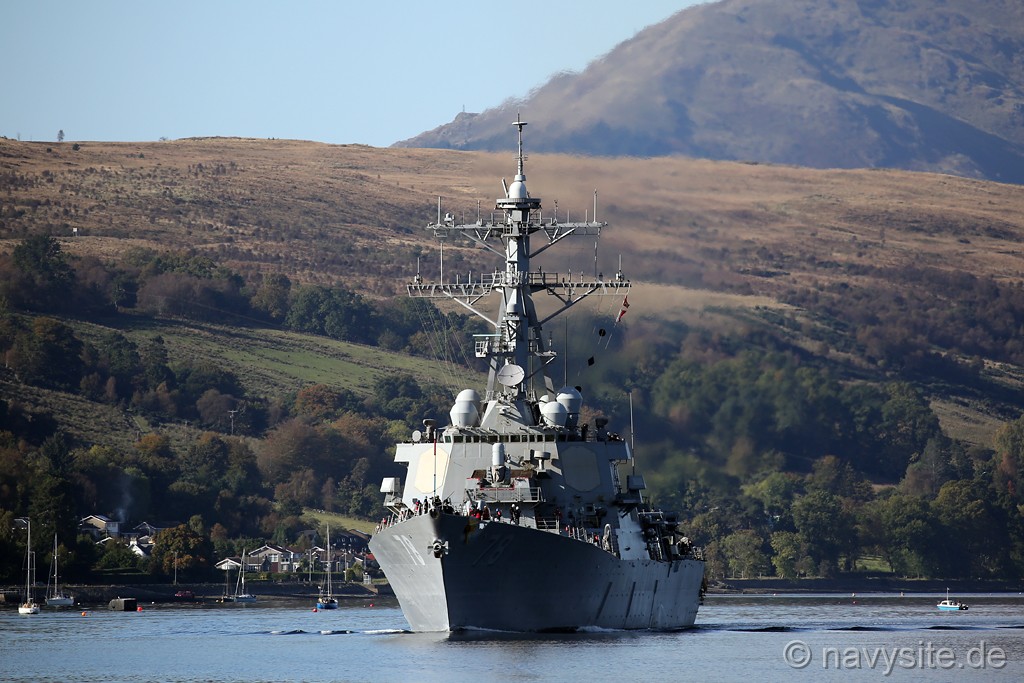
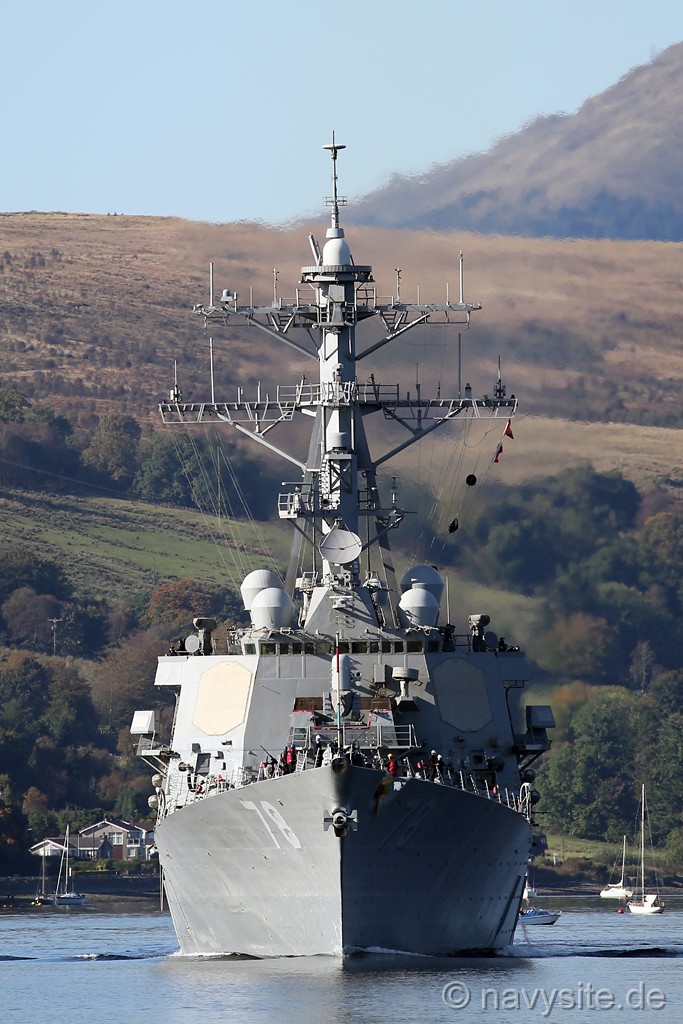
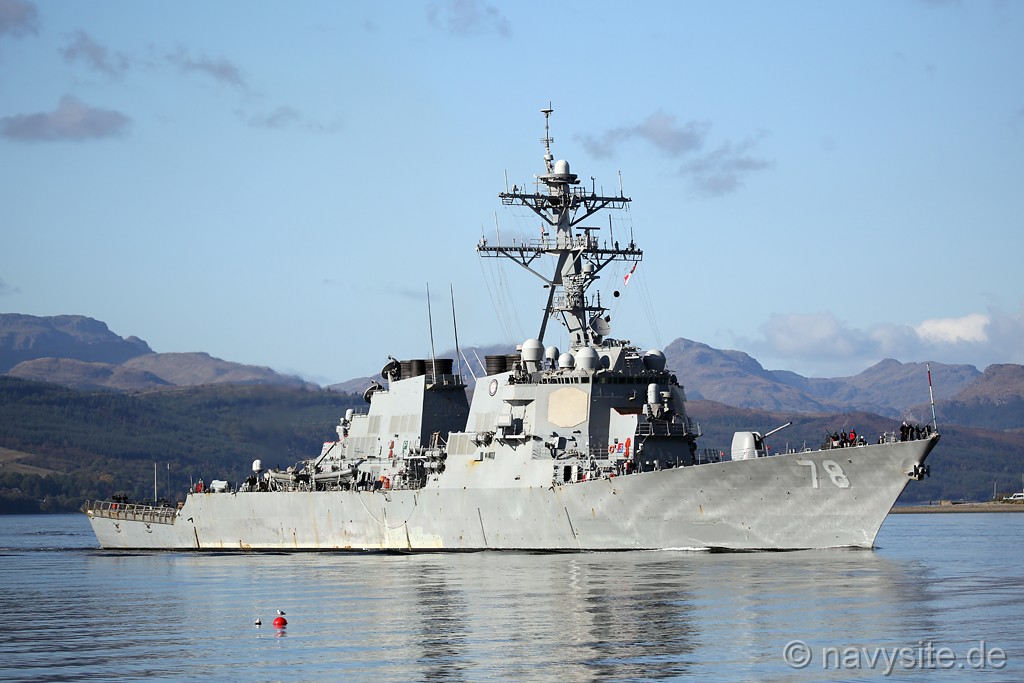
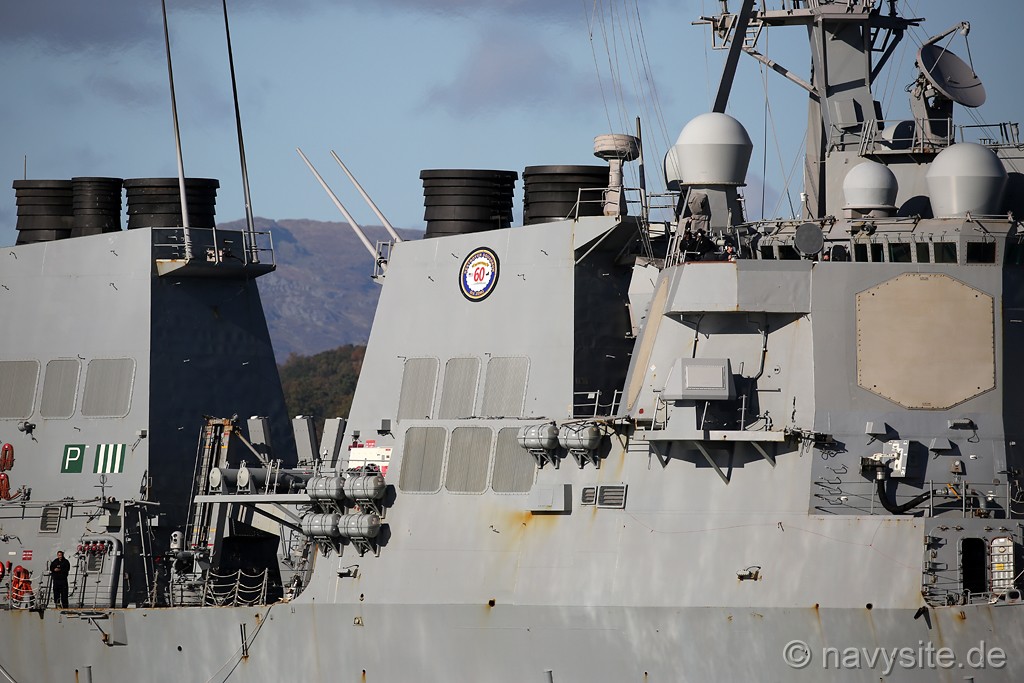
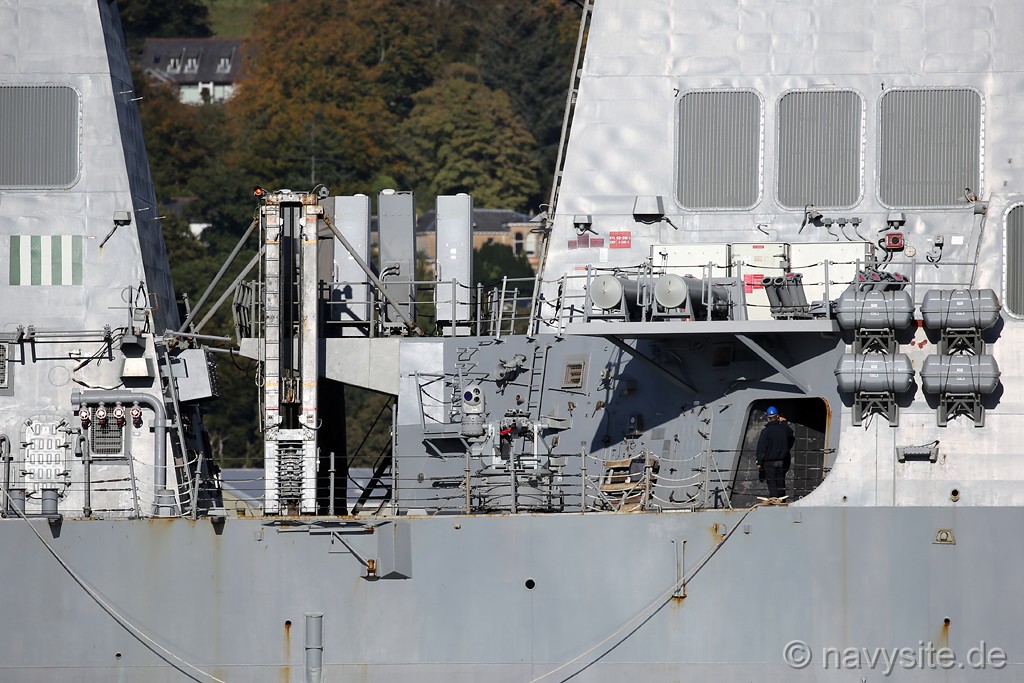
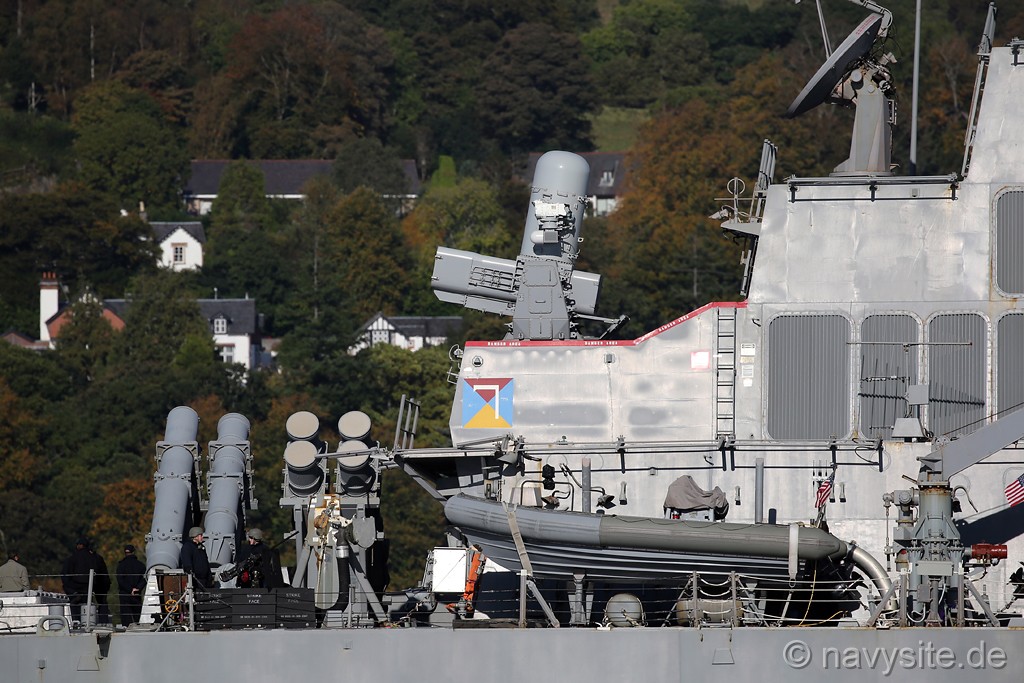
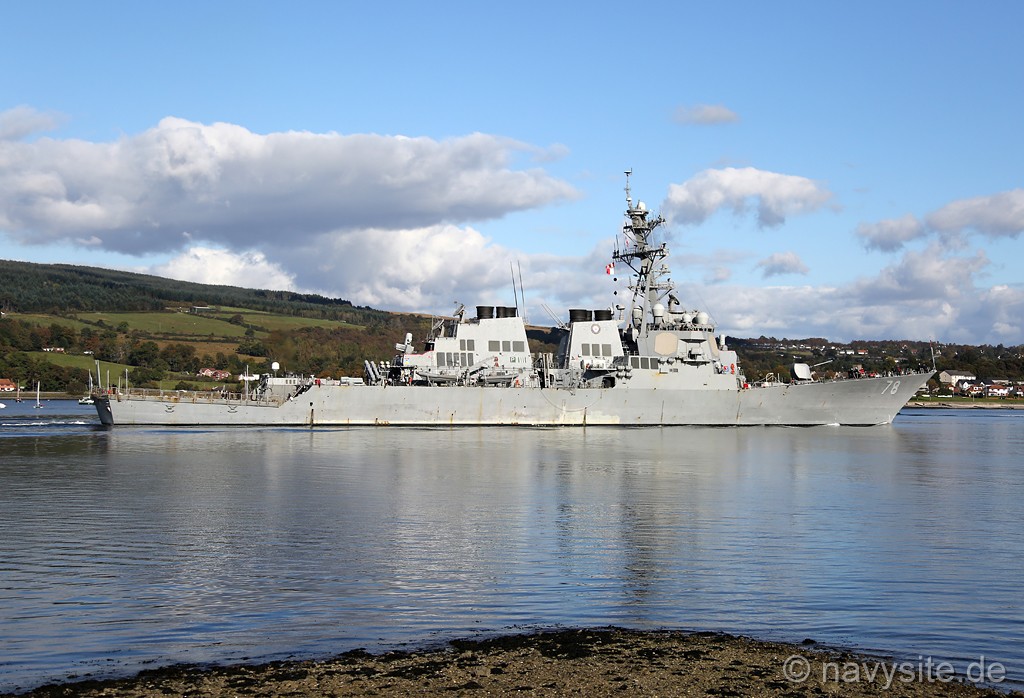
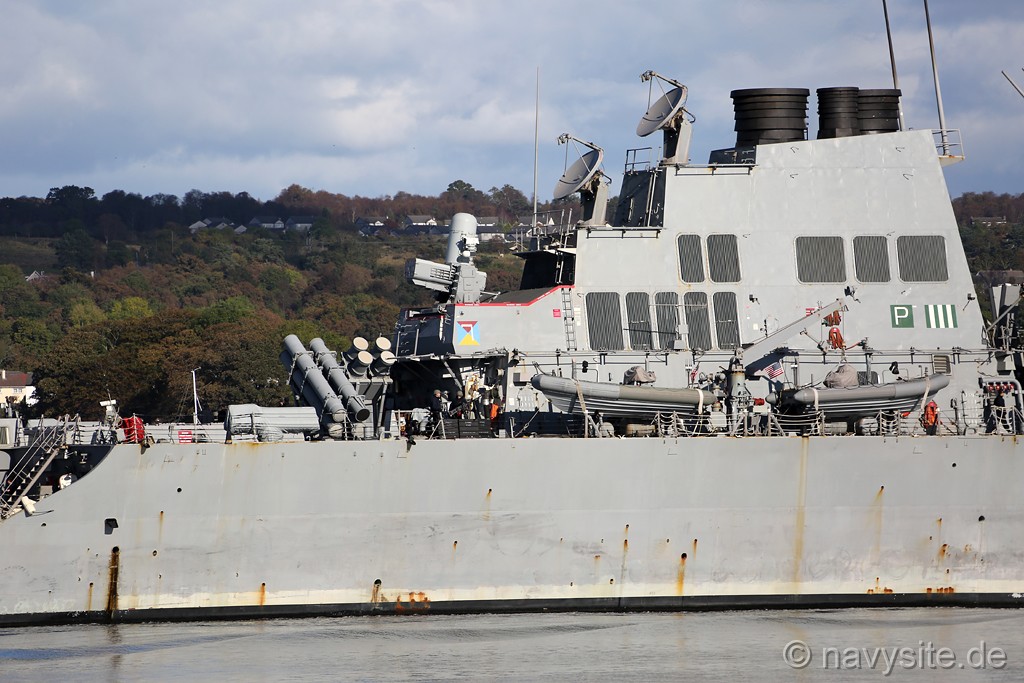
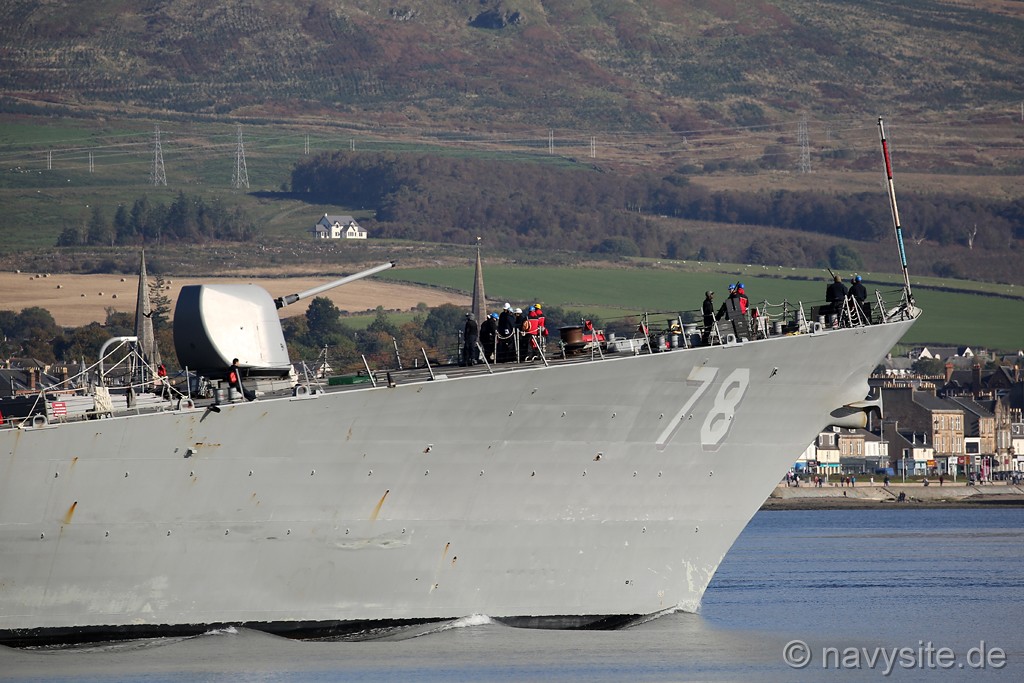
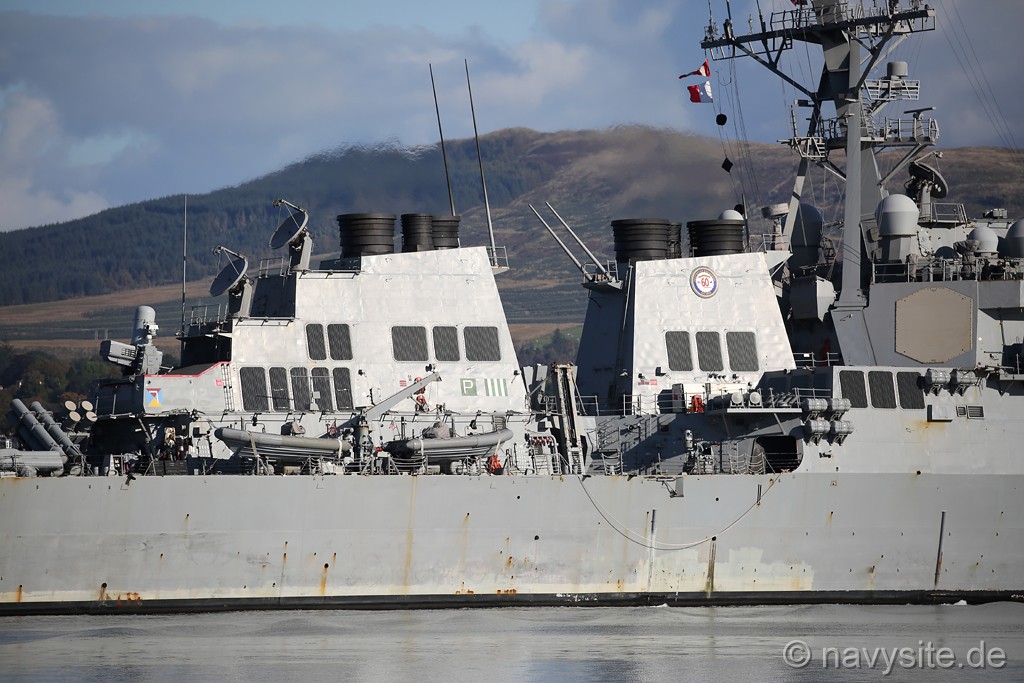
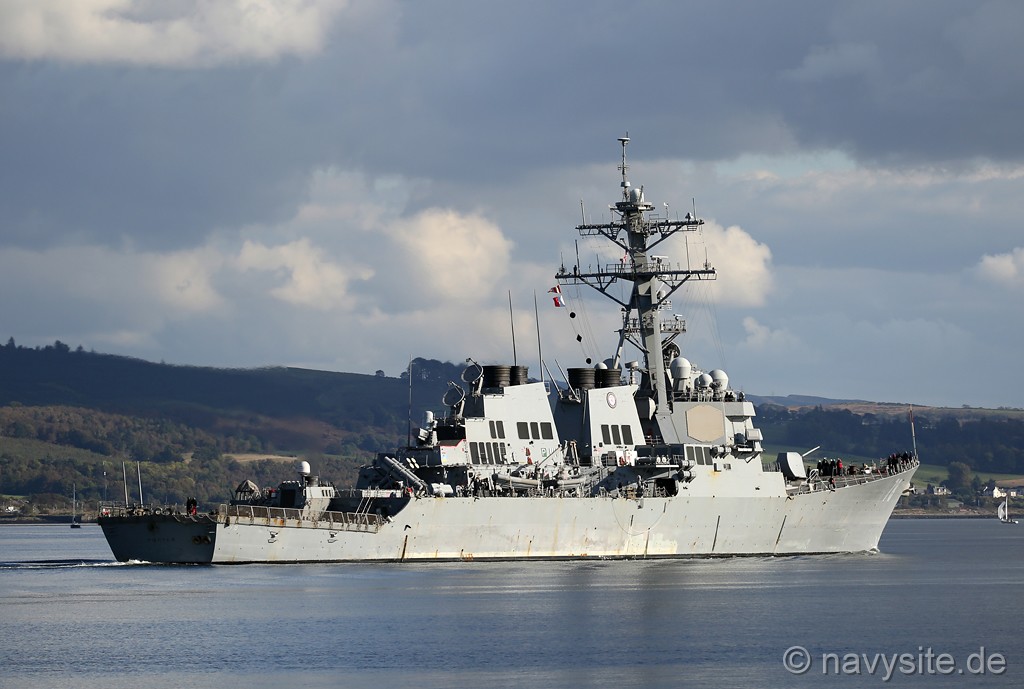
The photos below were taken by me and show the PORTER departing Naval Base Clyde, Faslane, UK, on October 9, 2016, to join exercise Joint Warrior 162. Note that the PORTER has recently received a number of updates: Her SLQ-32 Electronic Warfare System has been upgraded with the Navy’s Surface Electronic Warfare Improvement Program (SEWIP) Block 2 (visible below the bridgewing). Also, her aft Phalanx CIWS has been replaced with a SeaRAM System making the PORTER the first ship in her class to carry the system. New as well are the two tubes amidships on the starboard side at the forward stack as well as the four tubes on the portside at the aft stack on partly newly installed platforms. These tubes are part of PORTER's Surface Ship Torpedo Defence (SSTD) system.
 |  |  |  |  |
 |  |  |  |  |
 |  |  |  |  |
 |  |
back to top Back to Destroyers list. Back to ships list. Back to selection page. Back to 1st page.