Search the Site with

|
Search the Site with
|
 General Characteristics Crew List Memorabilia Accidents aboard the Ship History Image Gallery to end of page


USS NEVADA is the eighth ship in the OHIO-class of Fleet Ballistic Missile Submarines and the first submarine but the fourth U.S. Navy ship in the Navy to bear the name of the state.
| General Characteristics: | Keel Laid:August 8, 1983 |
| Launched: September 14, 1985 | |
| Commissioned: August 16, 1986 | |
| Builder: General Dynamics Electric Boat Division, Groton, Conn. | |
| Propulsion system: one nuclear reactor | |
| Propellers: one | |
| Length: 560 feet (171 meters) | |
| Beam: 42 feet (12.8 meters) | |
| Draft: 36,5 feet (11.1 meters) | |
| Displacement: Surfaced: approx. 16,765 tons Submerged: approx. 18,750 tons | |
| Speed: 20+ knots | |
| Armament: 24 Trident missile tubes (4 permanently deactivated under the New START Treaty), 4 torpedo tubes | |
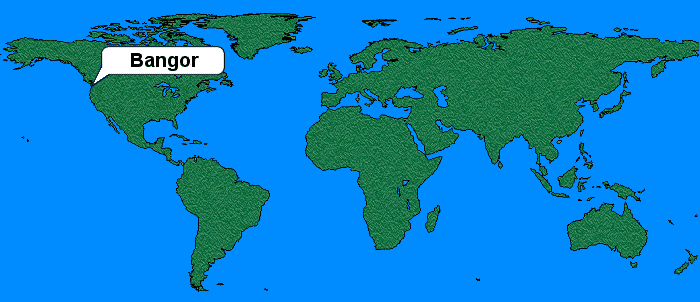
| Homeport: Bangor, Wash. | |
| Crew: 17 Officers, 15 Chief Petty Officers and 122 Enlisted (2 crews) |
 back to top go to the end of the pageback to top go to the end of the page
Crew List:
This section contains the names of sailors who served aboard USS NEVADA. It is no official listing but contains the names of sailors who submitted their information.
back to top go to the end of the pageback to top go to the end of the pageAccidents of USS NEVADA:
| Date | Where | Events |
|---|---|---|
| July 3, 1987 | off the US West Coast | USS NEVADA suffers a breakdown while conducting routine operations following the improper installation of a power transmission gear during a February to April maintenance stop at Newport News Shipyard, Va. The damage is estimated at several hundred thousand dollars and causes NEVADA to cancel a special call at its new home port of Bangor, Wash. In response to queries the Navy says "The safety of the ship and crew was never an issue and the ship is continuing its operations." |
| August 1/2, 2006 | Strait of Juan de Fuca | While operating submerged in the Strait of Juan de Fuca near the entrance to the Pacific Ocean, USS NEVADA snagged and broke the towline connecting the tug PHYLISS DUNLAP to one of two barges it was towing from Honolulu to Seattle. The barge's towline, which extended more than 2,000 feet astern of the tug and ran roughly 100 to 150 feet below the surface, intersected NEVADA's track as she transited the busy strait. The impact severed the towline and caused structural damage to fiberglass portions of the submarine's sail and abrasions on one of her fairwater planes. No injuries occurred, but a second tug had to recover the drifting barge, and the incident prompted investigations by the Coast Guard and the Navy into submarine operations in heavily trafficked shipping lanes. USS NEVADA returned to Bangor for repairs, which were projected to be completed by about mid-August. |
back to top go to the end of the page back to top go to the end of the page
USS NEVADA History:
USS NEVADA is the eighth OHIO-class nuclear-powered ballistic missile submarine. The construction contract was awarded to the Electric Boat Division of General Dynamics at Groton, Connecticut, on January 7, 1981. Her keel was laid on August 8, 1983, and the submarine was launched and christened on September 14, 1985. The sponsor was Carol Laxalt, wife of Senator Paul Laxalt of Nevada.
Following completion of construction and fitting-out, NEVADA underwent builder's sea trials and acceptance testing in the Atlantic. On August 7, 1986, she was delivered to the U.S. Navy, and nine days later, on August 16, she was commissioned at the Electric Boat shipyard in Groton, Connecticut. Captain F. W. Rohm assumed command of the Blue Crew, while Captain William Stone commanded the Gold Crew. NEVADA was the last OHIO-class submarine constructed with the Trident I (C4) ballistic missile system, carrying 24 strategic missiles and four torpedo tubes.
Following commissioning, NEVADA conducted shakedown operations and training in the Atlantic, including evaluations of her propulsion plant, navigation equipment and strategic weapons system. On September 30, 1986, the Blue Crew successfully launched an unarmed Trident I (C4) ballistic missile during a Demonstration and Shakedown Operation. The launch was the 52nd Trident missile flight and the 27th DASO firing of the Trident I system. It demonstrated the readiness of the submarine's weapons system and crew procedures before she entered operational strategic service.
During the following months, NEVADA continued testing and operational preparations on the East Coast. Her activities included engineering and tactical evaluations, crew training and maintenance work required to prepare the submarine for transfer to the Pacific Fleet. She was scheduled to join the Trident submarine force based at Naval Submarine Base Bangor, Washington, where the Navy had established facilities for supporting the OHIO-class ballistic missile submarines.
On February 19, 1987, NEVADA entered Newport News Shipbuilding in Virginia for a Post Shakedown Availability. The maintenance period, which continued until April 8, included repairs, equipment adjustments and modifications identified during her initial trials and training. Following completion of the availability, the submarine resumed operational testing and preparations for her transfer to Bangor.
In late June or early July 1987, NEVADA suffered a significant propulsion machinery casualty during operations following her Post Shakedown Availability. The failure involved the submarine's main reduction gear and was attributed to the improper installation of a component during the earlier maintenance period at Newport News. Contemporary reports estimated the damage at several million dollars. The casualty interrupted the submarine's operating schedule and required repairs before she could resume normal operations.
Following repairs, NEVADA completed preparations for strategic service in the Pacific. On August 11, 1987, she conducted her first strategic weapons loadout at Strategic Weapons Facility Pacific in Bangor, Washington. During the loadout, the submarine received her complement of Trident I ballistic missiles and underwent inspections and preparations required for operational deterrent patrols.
On September 28, 1987, NEVADA departed Bangor on her first strategic deterrent patrol. During the patrol, the crew conducted strategic weapons readiness exercises, engineering training and operational evaluations while carrying out the submarine's assigned deterrent mission. Her Blue and Gold Crews subsequently established a regular operating schedule, alternating extended submerged patrols with maintenance, refit periods and training at Bangor.
Throughout 1988, NEVADA continued strategic deterrent operations in the Pacific while participating in further testing of the Trident I weapons system. On February 24, she successfully launched two Trident I (C4) missiles during the 29th Follow-on Operational Test. The evaluation was conducted to verify the continuing reliability of the missile system under operational conditions.
On June 7, 1988, NEVADA visited Sitka, Alaska, where she moored alongside the submarine tender USS DIXON (AS 37). The visit provided an opportunity for logistical support and personnel activities during operations in the North Pacific. Following the visit, NEVADA continued her regular schedule of strategic deterrent patrols and operational evaluations.
On November 4, 1988, NEVADA arrived at Naval Air Station Alameda, California, for a port visit. The submarine was opened for controlled public tours, allowing visitors to see selected areas of an OHIO-class ballistic missile submarine. Following the visit, she returned to operational duties in the Pacific.
During 1989 and the early 1990s, NEVADA continued conducting strategic deterrent patrols from Bangor. Her Blue and Gold Crews alternated between submerged patrols, maintenance and training, while shipyard and submarine support personnel carried out regular refits and equipment inspections. The submarine participated in tactical readiness evaluations and strategic weapons exercises intended to maintain the operational reliability of the Trident I system.
In August 1990, NEVADA visited Long Beach Naval Shipyard in California. Photographs taken during the visit show the submarine moored at the shipyard near the amphibious cargo ship USS MOBILE (LKA 115). The visit formed part of her continuing Pacific Fleet operations, which included periodic maintenance and training between strategic deterrent patrols.
Following the end of the Cold War, NEVADA remained assigned to the Pacific Fleet's strategic submarine force. Although the United States reduced its overall inventory of strategic nuclear weapons, the submarine continued conducting deterrent patrols with the Trident I missile system. Regular maintenance and modernization at Bangor supported her operations as the Navy prepared to introduce the Trident II (D5) missile throughout the OHIO-class fleet.
On April 29, 1993, NEVADA successfully launched two Trident I (C4) missiles during a Follow-on Commander-in-Chief Evaluation Test. The launches provided operational test data on the performance and reliability of the strategic weapons system. Following the evaluation, NEVADA resumed her regular strategic deterrent patrol schedule from Bangor.
Throughout the mid-1990s, NEVADA continued alternating strategic deterrent patrols between her Blue and Gold Crews. Maintenance and training periods included weapons system inspections, engineering evaluations and tactical exercises. The submarine remained equipped with the Trident I system while the Navy developed plans to convert selected C4-equipped OHIO-class submarines to the more capable Trident II missile.
On February 10, 1998, NEVADA successfully launched four Trident I (C4) ballistic missiles during another Follow-on Commander-in-Chief Evaluation Test. The launches demonstrated the continuing operational reliability of the C4 system as the Navy prepared to phase it out in favor of the Trident II missile. NEVADA subsequently continued strategic deterrent operations from Bangor while preparations progressed for her planned missile system conversion.
By the end of the 1990s, NEVADA had been selected as one of four OHIO-class submarines to be converted from Trident I (C4) to Trident II (D5). USS ALASKA (SSBN 732) was the first submarine selected for the backfit program, followed by NEVADA. The conversion involved extensive modifications to the strategic missile compartment, fire-control equipment, navigation systems and supporting electronics required to accommodate the larger D5 missile.
On February 1, 2001, NEVADA entered Puget Sound Naval Shipyard in Bremerton, Washington, for her Trident II backfit. During the availability, the submarine underwent modifications to her missile launch system and associated equipment, together with maintenance and modernization of other shipboard systems. Unlike the subsequent Engineered Refueling Overhaul, the backfit did not involve refueling the submarine's nuclear reactor.
On August 7, 2002, the United States formally notified its START Treaty partners that NEVADA's conversion from the Trident I to the Trident II missile system had been completed. The backfit was officially completed on August 8, and the submarine began preparations for post-conversion testing and certification. The work made NEVADA the second OHIO-class submarine originally constructed for Trident I missiles to receive the Trident II system.
On December 11, 2002, NEVADA successfully launched an unarmed Trident II (D5) ballistic missile during a Demonstration and Shakedown Operation. The test was conducted to verify the readiness of the submarine's converted strategic weapons system and marked the 100th successful Trident II flight test. Following the launch, NEVADA completed additional operational preparations before resuming strategic deterrent patrols with the D5 missile system.
During 2003 and 2004, NEVADA continued operating from Bangor with her new strategic weapons system. Her crews conducted regular deterrent patrols, training and weapons system readiness evaluations, supported by maintenance periods at Naval Base Kitsap-Bangor. The conversion to Trident II increased the submarine's strategic missile capabilities while retaining her existing two-crew operating system.
On November 4, 2004, NEVADA successfully launched two unarmed Trident II (D5) ballistic missiles during a Follow-on Commander Evaluation Test in the Pacific. The launches marked the first Trident II flight tests conducted on the Pacific Range and the first Fleet Ballistic Missile test operations there since 1983. The evaluation demonstrated the ability to conduct D5 missile testing from the Pacific, providing additional operational flexibility for the Navy's strategic submarine force.
During 2005, NEVADA continued her strategic deterrent patrol schedule while receiving recognition for operational performance. Both the Blue and Gold Crews earned the Battle Efficiency "E" award for the 2005 competition period, reflecting their performance in operational readiness, inspections, training and strategic weapons proficiency.
The submarine continued regular operations during 2006. Her Blue Crew again received the Battle Efficiency "E" award, while the Gold Crew earned departmental excellence awards in engineering, supply, tactical operations, medical readiness and deck seamanship. Between patrols, NEVADA underwent maintenance and training at Bangor in preparation for further strategic operations.
During the night of August 1-2, 2006, NEVADA was involved in an accident while operating submerged in the Strait of Juan de Fuca near the entrance to the Pacific Ocean. The submarine encountered the towing cable connecting the tug PHYLLIS DUNLAP with the barge HAWAII TRADER, which was being towed toward Seattle. The cable became entangled with the submarine and was severed, leaving the barge adrift. NEVADA sustained damage to portions of her sail and one of her fairwater planes during the incident. No injuries were reported aboard the submarine or the commercial vessels involved. A second tug was dispatched to recover the drifting barge, while NEVADA returned to Bangor for inspection and repairs. The U.S. Navy and Coast Guard subsequently investigated the circumstances of the accident.
On June 8, 2007, NEVADA held a change-of-command and crew-combination ceremony at Deterrent Park, Naval Base Kitsap-Bangor. Commander Mark Behning relieved Commander Eric Holloway as commanding officer, while the submarine's Blue and Gold Crews were temporarily combined into a single Green Crew. The reorganization was undertaken in preparation for an extended shipyard availability that would include refueling the submarine's nuclear reactor.
On February 8, 2008, NEVADA entered Puget Sound Naval Shipyard and Intermediate Maintenance Facility at Bremerton for an Engineered Refueling Overhaul. The availability included refueling the submarine's S8G nuclear reactor, extensive maintenance of propulsion and auxiliary machinery, modernization of electronic and navigation equipment, and repairs to structural and habitability systems. The overhaul formed part of the Navy's program to extend the operational lives of the OHIO-class ballistic missile submarines to approximately 42 years.
During the overhaul, the combined Green Crew worked with shipyard personnel to complete maintenance and modernization of the submarine. The availability required extensive engineering inspections, equipment replacements and testing of systems necessary for continued strategic operations. By the spring of 2010, the major overhaul work was nearing completion, and NEVADA began preparations for post-maintenance trials and operational certification.
On July 12, 2010, NEVADA held a crew split and assumption-of-command ceremony at Marginal Pier, Naval Base Kitsap-Bangor. The temporary Green Crew was separated into the submarine's traditional Blue and Gold Crews. Commander Edward A. "Alan" Schrader assumed responsibility for the Blue Crew, while Commander Peter Hudson Jr. assumed command of the Gold Crew. The ceremony marked an important stage in preparations for the submarine's return to regular strategic deterrent operations.
Following the crew split, NEVADA conducted additional training, inspections and operational preparations. The submarine underwent post-overhaul sea trials and certification activities, including evaluations of her propulsion plant, navigation equipment and strategic weapons systems. The remaining work was intended to demonstrate that NEVADA and her crews were ready to resume strategic deterrent patrols following the extended maintenance period.
On March 1, 2011, NEVADA successfully launched an unarmed Trident II (D5) ballistic missile off the coast of Southern California during a post-overhaul Demonstration and Shakedown Operation. The launch marked the 135th consecutive successful Trident II test flight since December 1989 and verified the operational readiness of the submarine's strategic weapons system following the Engineered Refueling Overhaul.
More than 150 personnel and guests associated with the Navy's Strategic Systems Programs observed the test from the Military Sealift Command navigation test support ship USNS WATERS (T-AGS 45). The test provided data on the performance of the missile system and the submarine's launch procedures. Following successful completion of the DASO, NEVADA continued preparations for returning to regular strategic deterrent service.
During the following years, NEVADA resumed her regular operating schedule from Naval Base Kitsap-Bangor. Her Blue and Gold Crews alternated submerged deterrent patrols with refit periods, maintenance and training. The submarine also conducted periodic tactical readiness evaluations, engineering inspections and strategic weapons exercises required to maintain operational readiness.
Throughout the mid-2010s, NEVADA continued serving as part of the Pacific Fleet's sea-based nuclear deterrent force. Public Navy photographs documented her departures and returns from strategic deterrent patrols, while details of her operating areas and individual missions remained classified. Regular maintenance periods at Bangor supported the continued operation of the submarine as she approached the third decade of her commissioned service.
During 2018, NEVADA's crews received recognition for their operational performance. The Gold Crew earned the Submarine Squadron 17 Battle Efficiency "E" award, recognizing its performance in strategic readiness, training, engineering and other operational areas. The Blue and Gold Crews were also selected to receive the United States Strategic Command Omaha Trophy for 2018, honoring outstanding performance in support of the strategic deterrence mission.
The selection of NEVADA for the 2018 Omaha Trophy was announced on June 3, 2019. On August 21, 2019, the award was formally presented to the submarine's Blue and Gold Crews during a ceremony at Naval Base Kitsap-Bangor. The trophy recognized the crew's performance during the previous competition year, including its operational readiness, strategic weapons proficiency and maintenance achievements.
During the following year, NEVADA entered an Extended Refit Period at the Trident Refit Facility Bangor. The maintenance availability involved extensive repairs and modernization of engineering, mechanical, electrical and supporting systems. According to a 2021 shipyard publication, the work included 1,398 individual maintenance jobs requiring more than 57,000 man-days of labor.
The Extended Refit Period included hull preservation, machinery repairs, equipment replacements and improvements to habitability and electronic systems. During early 2021, NEVADA was successfully undocked as the maintenance program continued toward completion. The undocking represented an important step in restoring the submarine to operational service, but additional maintenance, testing and certification activities remained necessary before she could resume regular patrols.
On February 5, 2021, Commander Nevin McChesney relieved Commander Edward Fultz as commanding officer of NEVADA's Gold Crew during a ceremony at Naval Base Kitsap-Bangor. During Fultz's command, which had begun in August 2018, the Gold Crew earned the Battle Efficiency "E" and shared in the 2018 Omaha Trophy. The crew had also conducted a Western Pacific patrol and completed demanding pre-deployment training and operational evaluations.
Following completion of the maintenance availability and subsequent operational preparations, NEVADA returned to strategic deterrent operations. On December 16, 2021, the submarine departed Naval Base Kitsap-Bangor, transiting Hood Canal en route to another patrol in the Pacific. The departure was documented in official Navy photographs.
On January 15, 2022, NEVADA arrived at Apra Harbor, Guam, for a scheduled port visit during her Pacific deployment. The visit was publicly announced by the Navy and provided an opportunity for logistical support and interaction with personnel at Naval Base Guam. Following the visit, NEVADA returned to sea to continue her assigned operations in the Pacific.
During July and August 2022, NEVADA and USS HENRY M. JACKSON (SSBN 730) participated in a series of vertical replenishment exercises off the coast of California. The exercises involved U.S. Navy MH-60R Seahawk helicopters, U.S. Marine Corps MV-22 Osprey tiltrotor aircraft and U.S. Air Force C-17 Globemaster III transport aircraft. The operations evaluated alternative procedures for transferring supplies, equipment and operational materials to ballistic missile submarines while at sea.
The exercises demonstrated the ability of the submarine force to conduct logistical support operations without requiring the submarines to return to their homeports. They also provided training in coordination between submarines, aviation units and supporting commands. Following the exercises, NEVADA continued her operational and maintenance schedule from Bangor.
On May 5, 2023, Commander Derek M. Goebel relieved Commander Andres J. Aviles as commanding officer of NEVADA's Blue Crew during a ceremony at the chapel at Naval Base Kitsap-Bangor. The ceremony was attended by senior officers of the Pacific submarine force, including representatives of Submarine Squadron 17. The Blue Crew subsequently continued preparations for strategic deterrent operations under Goebel's command.
On August 10, 2023, Commander George B. Watkins relieved Commander Nevin A. McChesney as commanding officer of NEVADA's Gold Crew during a ceremony at the U.S. Naval Undersea Museum in Keyport, Washington. The command change was part of the regular rotation of leadership within the submarine's two-crew organization. NEVADA remained assigned to Submarine Squadron 17 under Submarine Group 9.
During 2024, NEVADA continued strategic deterrent operations and maintenance activities from Naval Base Kitsap-Bangor. Her Blue and Gold Crews alternated between submerged patrols, off-crew training and refit periods. Operational details of individual patrols were not publicly released, but the submarine remained an active component of the Pacific Fleet's ballistic missile submarine force.
On February 24, 2025, NEVADA returned to Naval Base Kitsap-Bangor following routine operations in the Pacific. Official Navy photographs documented the submarine's arrival and the reunion of crew members with their families. Following her return, NEVADA entered another period of maintenance, training and preparations for subsequent strategic deterrent operations.
On July 18, 2025, Commander Vincent McCall relieved Commander Derek Goebel as commanding officer of NEVADA's Blue Crew during a ceremony at the chapel at Naval Base Kitsap-Bangor. Captain Nathan Luther, Commander, Submarine Squadron 17, presided over the ceremony. The submarine remained under the administrative and operational oversight of Submarine Group 9.
On August 5 and 6, 2025, members of NEVADA's crew participated in a Reverse Strategic Weapons Systems Week hosted by the Navy's Strategic Systems Programs Shipboard Systems Program Management Office in Pittsfield, Massachusetts. The training provided crew members with an opportunity to meet technical specialists responsible for submarine navigation, fire-control and strategic weapons support systems. The event formed part of the Navy's continuing effort to improve communication between operating submarine crews and the organizations responsible for maintaining and modernizing their equipment.
On August 16, 2026, NEVADA reached the 40th anniversary of her commissioning. The submarine remained assigned to Submarine Squadron 17 at Naval Base Kitsap-Bangor and continued serving as part of the Navy's sea-based strategic deterrent force. Her operational service was supported by the reactor refueling, Trident II conversion and additional maintenance availabilities completed during her career. According to the U.S. Navy Shipbuilding Plan published in May 2026, NEVADA was scheduled for inactivation and subsequent nuclear ship recycling during fiscal year 2030. The planned retirement remained subject to future assessments of the submarine's material condition, maintenance requirements and operational needs.
back to top go to the end of the pageUSS NEVADA Image Gallery:
 |
back to top
 Back to Ballistic Submarines list. Back to ships list. Back to selection page. Back to 1st page.