![]() |
Search the Site with
|
![]() | ![]() | ![]() |
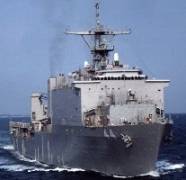
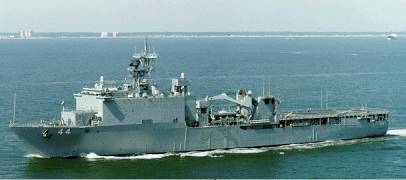
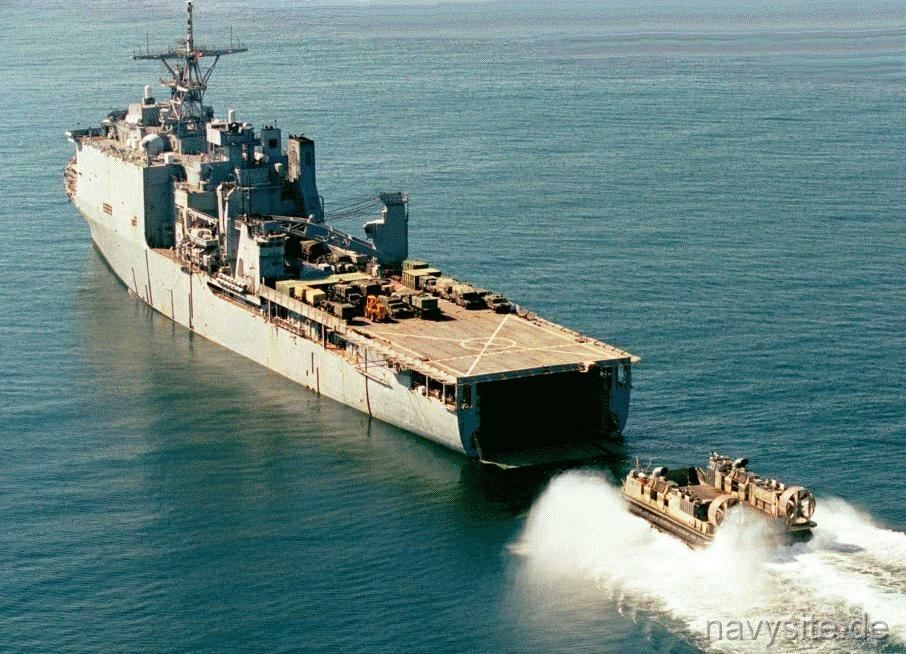
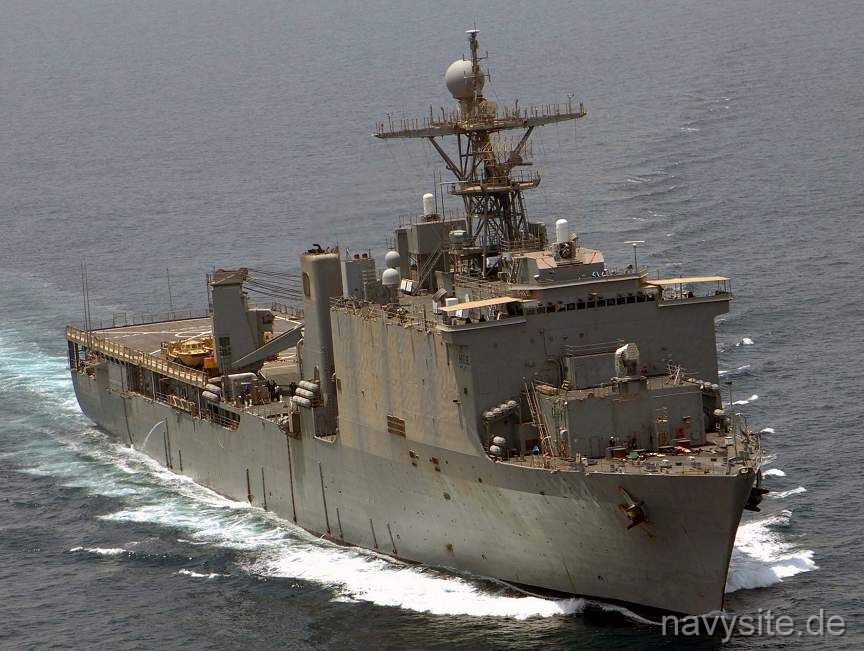
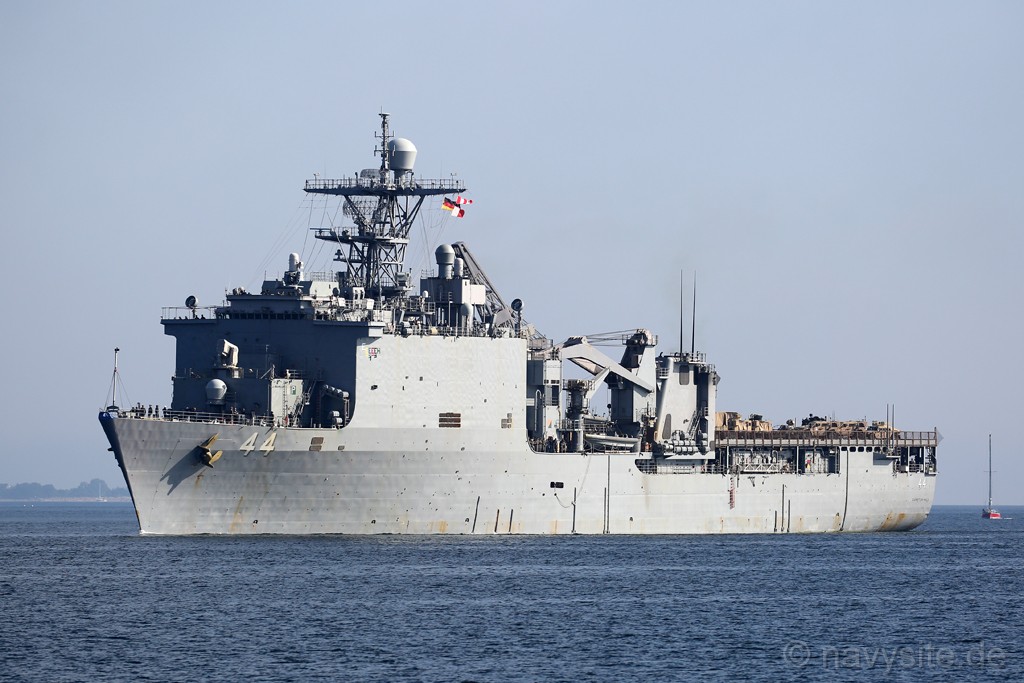
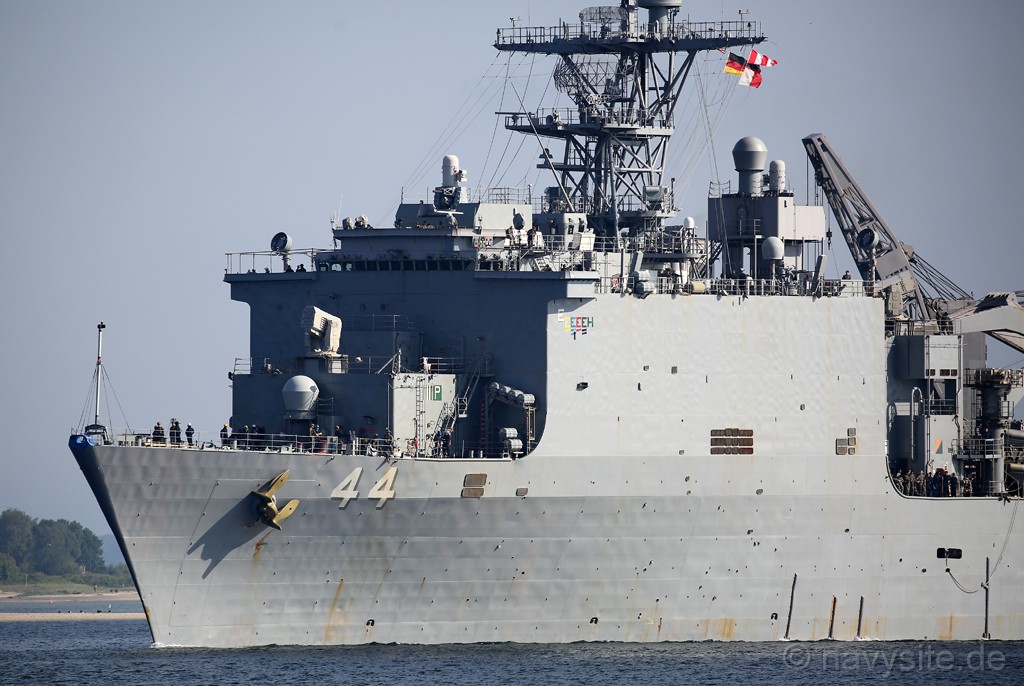
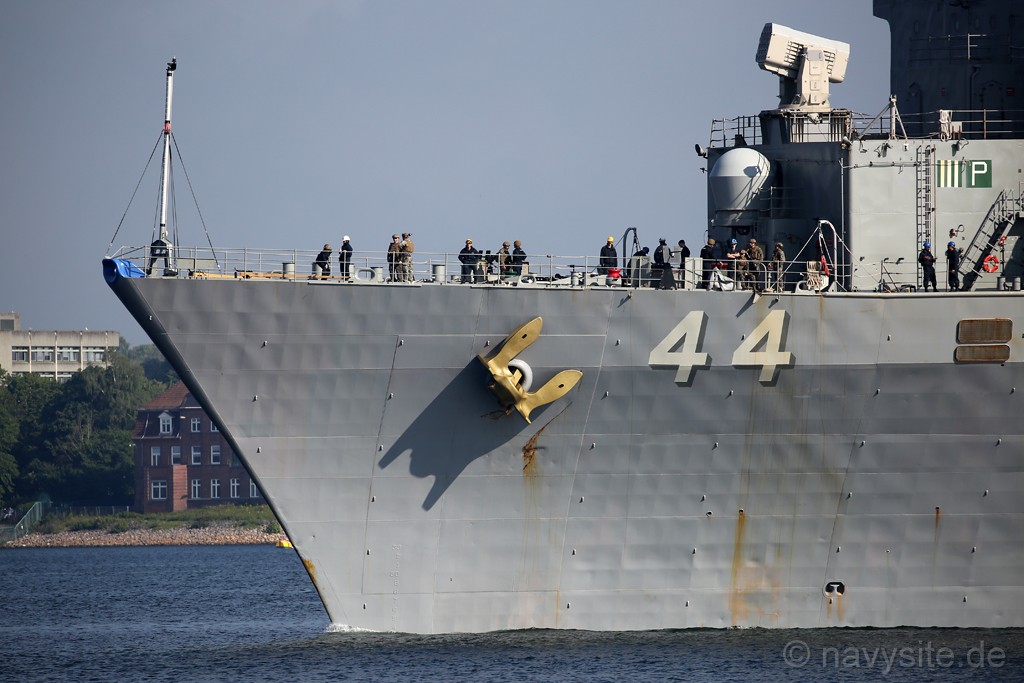
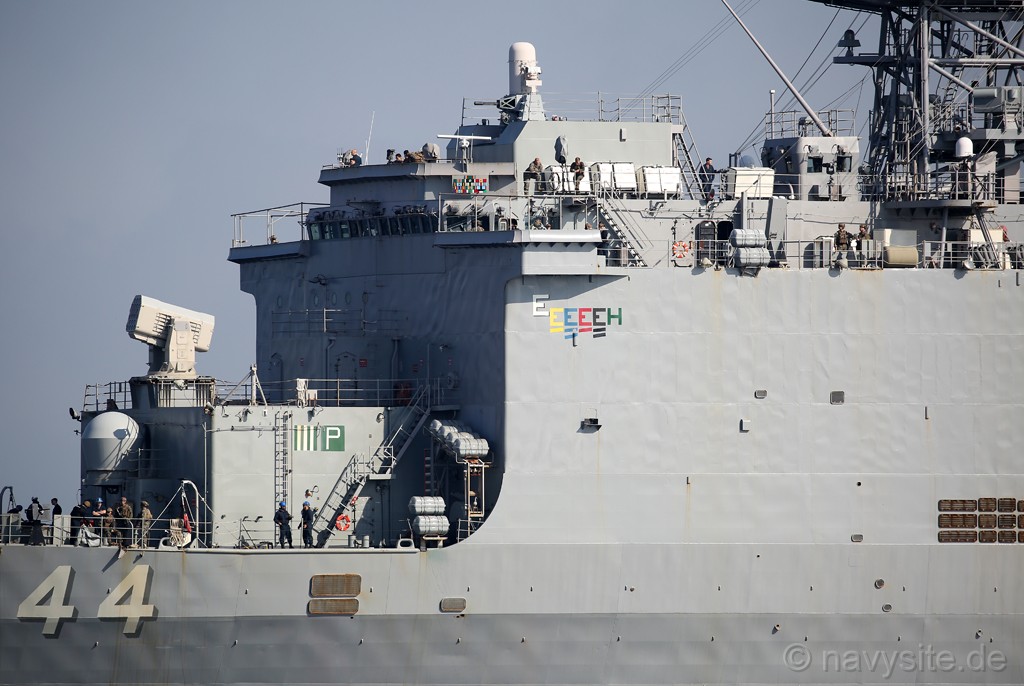
USS GUNSTON HALL is the fourth ship in the WHIDBEY ISLAND class and the first ship in that class built by Avondale in New Orleans, La.
| General Characteristics: | Keel laid: May 26, 1986 |
| Launched: June 27, 1987 | |
| Commissioned: April 22, 1989 | |
| Builder: Avondale Shipyards, New Orleans, La. | |
| Propulsion system: four Colt Industries 16 Cylinder Diesels | |
| Propellers: two | |
| Length: 610 feet (186 meters) | |
| Beam: 84 feet (25.6 meters) | |
| Draft: 21 feet (6.4 meters) | |
| Displacement: approx. 16,000 tons full load | |
| Speed: 22 knots | |
| Well deck capacity: four LCAC or 21 LCM-6 (on deck: one LCM-6, two LCPL and one LCVP) | |
| Aircraft: none, but two landing spots allow for operation of aircraft as large as the | |
| Crew: Ship: 20 Officers, 25 Chief Petty Officers, 302 Enlisted Marine Detachment: approx. 400 + approx. 100 surge | |
| Armament: two | |
| Cost: $167 million | |
| Homeport: Little Creek, VA |
Crew List:
This section contains the names of sailors who served aboard USS GUNSTON HALL. It is no official listing but contains the names of sailors who submitted their information.
USS GUNSTON HALL Cruise Books:
About the Ship's Name, about the Sage of Gunston Hall:

History records that, among the founders of the United States was George Mason of Gunston Hall. When it became necessary to write a Constitution for the United States, the friends of George Mason sought the benefit of his penetrating insight which, in truth, placed him in the position of advisor and mentor to the great men of his day. Because of his desire for anonymity these men forbore to use his name when quoting his words. Old letters and manuscripts, however, give mute testimony to the extraordinary behind-the-scenes part played by George Mason.
Study of Mason's career shows the width of his interest and influence. In his youth he was responsible for forwarding supplies to the first settlers along the Ohio River. Later, we find him writing "Extracts from Virginia Charters and Some Remarks upon Them". This paper showed that the Northwest Territory had been granted to Virginia by a charter signed by the King of England. When that territory was to be placed under the government of Quebec, Mason's document demonstrated that, under the Virginia Charter, this was impossible. Thus, Mason saved for Virginia country which became Michigan, Illinois, part of Wisconsin, Indiana and Ohio.
In 1776, it was George Mason who wrote the Virginia Declaration of Rights, adopted on June 12th of that year by the Virginia Convention. It became the model for similar declarations in other American states and influenced the French revolutionaries.
Not only was the Federal Bill of Rights modeled upon the Virginia Bill of Rights but its outline was the work of Mason. Mason's work was acted upon and subsequently became a part of the law of the land. This was the sequence of events. George Mason was a delegate from Virginia to the Constitutional Convention but he refused to sign the Constitution for these reasons: It contained no Bill of Rights; no prohibition against slavery; and no guarantee which would preserve the rights of both the people and the states from the assaults of federal power. In Virginia, Mason protested ratification of the Federal Constitution and, after a bitter battle in the Virginia Assembly, Madison promised that a Bill of Rights would be added to the document. At a meeting of the first Congress of the United States, the Federal Bill of Rights became the first ten amendments to the Constitution.
Mason's theories of government exert a growing influence wherever liberal government is maintained.
Parts of Mason's declarations of rights, the first for Virginia, the second for the United States of America, are now incorporated into the constitutions of many nations. The "fundamental principles" of George Mason, as written into our law, are the individual citizen's shield against aggressive power. Around the world, recognition of these principles is growing steadily. This recognition is indeed a tribute to the far-sighted and documented wisdom of the Sage of Gunston Hall, George Mason.
Accidents aboard USS GUNSTON HALL:
| Date | Where | Events |
|---|---|---|
| March 3, 2015 | Portsmouth, Va. | Sailors aboard the GUNSTON HALL and the Portsmouth, Va., Fire and Rescue Department responded to a fire aboard the amphibious dock landing ship at approximately 2 p.m. while the ship was undergoing a maintenance availability at NASSCO/Earl Industries shipyard in Portsmouth, Va. The Sailors and Portsmouth Fire Department declared the fire out at approximately 5:25 p.m. All personnel were accounted for. One Navy firefighter experienced a minor smoke inhalation injury but quickly returned to duty. |
| October 22-24, 2018 | off Iceland | While underway during TRIDENT JUNCTURE 2018 in the North Atlantic and Norway, heavy weather off Iceland damaged GUNSTON HALL's embarked landing craft and well-deck equipment and caused several minor injuries. She put into Reykjavik, Iceland, for assessment and repairs and subsequently adjusted her exercise participation. |

USS GUNSTON HALL History:
USS GUNSTON HALL was built at Avondale Shipyards in New Orleans, laid down on May 26, 1986, launched on June 27, 1987, and commissioned at Avondale on April 22, 1989. Assigned to Naval Amphibious Base Little Creek, Virginia, she joined the Atlantic Fleet as the fourth WHIDBEY ISLAND-class dock landing ship, optimized to embark and operate LCACs and traditional landing craft in support of U.S. Marine Corps amphibious operations.
In her first operational year after shakedown and workups off the East Coast, GUNSTON HALL entered the rapid deployment cycle triggered by Iraq's invasion of Kuwait. She departed Little Creek on August 13, 1990, as the Navy surged amphibious lift for Operation Desert Shield. Through early 1991, she operated in the U.S. Central Command theater with Marine units and fellow amphibious ships, part of the broader maritime buildup that underwrote coalition options ashore. Following the air campaign's start on January 17, 1991, she continued Gulf operations during Operation Desert Storm, serving in the amphibious task organization that helped tie down Iraqi forces along the coast while coalition ground formations massed in the west. Contemporary Marine Corps histories list GUNSTON HALL among the amphibious platforms supporting the Marine air-ground team throughout the campaign. She returned to the Atlantic after the ceasefire in late spring 1991.
Through the early- and mid-1990s, the ship settled into a rhythm of pre-deployment training along the Virginia Capes and Onslow Bay followed by Sixth Fleet rotations. From October 1994 to April 1995, she deployed to the Mediterranean as part of Marine Amphibious Readiness Group 1-95 under Commander, Sixth Fleet - operating with U.S. amphibious and surface combatants, conducting exercises and contingency standby during a period shaped by Haiti's restoration of democratic governance (Operation Uphold Democracy, September 19, 1994-March 31, 1995) and ongoing Balkan tensions. Her 1994 command history documents the MED deployment, embarked Marines, and ARG tasking under Sixth Fleet authorities.
By 1996, the ship again deployed to the Mediterranean, cycling through the standard amphibious readiness evaluation and composite training exercises before sailing east. Command reports for 1996 detail in-port periods at Little Creek bookending that deployment and the ship's sustained amphibious training and logistics tempo in theater, as the Navy-Marine Corps team maintained presence near the Adriatic littoral during the post-Dayton implementation phase.
GUNSTON HALL's 1999 cruise placed her squarely in the center of NATO operations related to the Kosovo crisis. She sailed on April 14, 1999, with the USS KEARSARGE (LHD 3) Amphibious Ready Group alongside USS PONCE (LPD 15), carrying the 26th Marine Expeditionary Unit (Special Operations Capable). In the Adriatic she supported Operation Allied Force and the associated refugee relief effort, Joint Task Force Shining Hope. As the air war and humanitarian response evolved, the ARG inserted 26th MEU(SOC) forces into Albania to establish camps for Kosovar refugees, and GUNSTON HALL sailors executed pre-landing beach surveys to enable follow-on movements. In July, the ARG/MEU team shifted to Greece - an amphibious landing at Litokhoron was used to posture the MEU for overland entry into Kosovo as part of initial stabilization under Operation Joint Guardian - before re-embarking Marines at Thessaloniki on July 15 and completing port visits around the Mediterranean. The ARG also diverted to Turkey in August following the Izmit earthquake for Operation Avid Response humanitarian support before returning to Hampton Roads on October 14, 1999.
From July to December 2001, GUNSTON HALL deployed for UNITAS and a West African Training Cruise, transiting the Panama Canal, operating with partner navies around South America and in the South Atlantic, and conducting combined amphibious and small-unit events in Colombia, Panama, Ecuador, Peru, Chile, Argentina, Brazil, South Africa, and Ghana - illustrative of the Navy's pre-9/11 security cooperation model. Marines embarked under II MEF command elements documented the bilateral training series before the ship returned to Little Creek.
The ship's 2003 command operations report records a compressed workup followed by deployment in support of the opening phase of Operation Iraqi Freedom. Embarked Marines, surface connectors, and well-deck operations supported the amphibious task force and maritime lines of communication in the Northern Arabian Gulf, with the ship cycling through loadouts and logistics moves as coalition ground forces advanced. After the opening phase of Operation Iraqi Freedom, she returned to Hampton Roads in June 2003 and closed out the cruise with post-deployment stand-down, corrective maintenance, and inspections. The 2003 command operations record captures her Mediterranean homeward track - among other waypoints, a June call at Tarragona, Spain - before she moored at Naval Amphibious Base Little Creek to begin a careful progression through material checks and basic-phase training into the autumn. At the same time, Navy assessments of the war's maritime enabling tasks singled out GUNSTON HALL (alongside PONCE) for her role as a key platform for mine countermeasures integration and heavy logistics movements that cleared the way for combat forces ashore. Those lessons fed the ship's own after-action improvements as she re-entered the training cycle.
Through 2004, she remained Little Creek-based, executing the standard amphibious syllabus - engineering casualty control drills, navigation and seamanship checks in the Virginia Capes, aviation deck qualifications, well-deck cycles with LCUs and LCACs, and the series of graded evolutions (ULTRA, FEP/Final Evaluation Problem, and ARG-level workups) that build a dock landing ship back to full deployment readiness.
GUNSTON HALL deployed again from June to December 2005 with a KEARSARGE (LHD 3) Amphibious Ready Group and the 22ND MARINE EXPEDITIONARY UNIT (SOC). The ARG crossed the Atlantic and ranged the Mediterranean - routine logistics and liberty calls in the central and eastern basin interleaved with amphibious rehearsals - then transited the Suez Canal into U.S. Fifth Fleet as coalition forces maintained maritime security and sanctions enforcement around Iraq. In the Northern Arabian Gulf, she executed the well-deck and small-boat tasks that defined amphibious contributions at the time: moving Marines and cargo by LCAC to Kuwait Naval Base; supporting visit, board, search, and seizure patterns and oil-platform defense; and standing theater reserve for contingencies as the 22ND MEU shifted ashore for duties in Anbar Province. The six-month loop closed with a Red Sea and Mediterranean egress and a return to Hampton Roads in December.
In the interval between deployments, the ship's calendar mixed engagements and experiments with maintenance and schools. In November 2006, she was loaned to Canada for the Integrated Tactical Effects Experiment at Halifax, embarking Canadian soldiers and light armored vehicles to validate amphibious concepts for a proposed Standing Contingency Force. U.S. sailors mentored embarkation, well-deck, and beach-assault procedures from GUNSTON HALL's platforms while Canadian units rehearsed ship-to-shore movement and coastal landings in Atlantic weather. The event was unusual enough - a U.S. Navy LSD directly supporting Canadian amphibious development - that it remains a frequently cited case study in coalition amphibious training from that period.
On July 31, 2007, the 26TH MEU began its deployment phase. GUNSTON HALL sortied with the KEARSARGE ARG soon after and by early autumn was back in the broader CENTCOM theater. The ARG/MEU team split time between the Arabian Gulf and Gulf of Aden/Arabian Sea, alternating maritime security blocks with sustainment training while aviation elements flew mission sets into Afghanistan. Port calls and logistics stops punctuated the tempo - records place the ARG in NSA Bahrain in late September - before a late-November diversion to the Bay of Bengal after Tropical Cyclone Sidr struck Bangladesh on November 15. Alongside KEARSARGE and PONCE, GUNSTON HALL supported humanitarian assistance under a U.S. Navy-Marine Corps task organization: shipboard medical teams and flight decks pushed relief inland, while well-deck connectors and landing craft ferried bulk supplies toward austere shore points. In December, the ship made a brief Djibouti stop, where her crew and 22ND MEU Marines executed community-relations projects while staff elements finalized the homeward itinerary.
Early 2008 focused on recovery and closeout. After washdown and agricultural inspections to clear equipment for re-entry to the United States, the ARG commenced its westward transit in mid-January. By month's end the ships were through the Mediterranean and Atlantic and GUNSTON HALL returned to Little Creek to begin post-deployment maintenance and crew rotations.
Beginning in July 2008 the ship underwent a comprehensive mid-life modernization at Metro Machine in Norfolk under NAVSEA's LSD 41/49 sustainment program. Upgrades included new engineering control systems, network and propulsion improvements, increased chilled-water capacity, and replacement of legacy steam services with all-electric systems. GUNSTON HALL became the first LSD to complete this package, successfully conducting sea trials on May 21, 2009, ahead of a planned extended service life.
On January 15-18, 2010, while preparing to deploy for Africa Partnership Station (APS) West, GUNSTON HALL was diverted to Haiti after the January 12 earthquake. She anchored off Killick Naval Base and joined a larger joint/combined maritime response under Joint Task Force Haiti, moving people and cargo ashore by surface connector and helicopter, and supporting pier repairs and distribution nodes during Operation Unified Response. After the immediate relief phase she shifted back to her scheduled APS mission, arriving Sekondi, Ghana, on March 10 with an embarked multinational staff and conducting training engagements ashore and afloat, including a brief Lagos, Nigeria anchorage on March 8 to embark students.
The following year she supported Amphibious-Southern Partnership Station 2011 from January through March, sailing from Naval Station Mayport with a Destroyer Squadron 40 staff and a Marine Security Cooperation Task Force to conduct subject-matter exchanges and partnered training in Colombia, Belize, Guatemala, and Jamaica - an extension of ongoing U.S. Southern Command maritime capacity-building in the Caribbean Basin.
On March 27, 2012, she departed Little Creek for a scheduled Fifth and Sixth Fleet deployment, reinforcing the ARG/MEU cycle that keeps an amphibious force forward for crisis response. Two years later she again deployed with an ARG: on February 8, 2014, GUNSTON HALL sortied from Norfolk as part of the BATAAN (LHD 5) ARG with the 22nd MEU, operating across the Eastern Mediterranean, Red Sea, and Arabian Gulf during a period defined by the Syrian civil war and the emergence of ISIS. Marine Corps imagery from late August-September shows BLT 1/6 conducting sustainment and well-deck evolutions with GUNSTON HALL in the Arabian Gulf, aligning with the ARG's role as theater reserve in U.S. Fifth Fleet while Operation Inherent Resolve planning solidified.
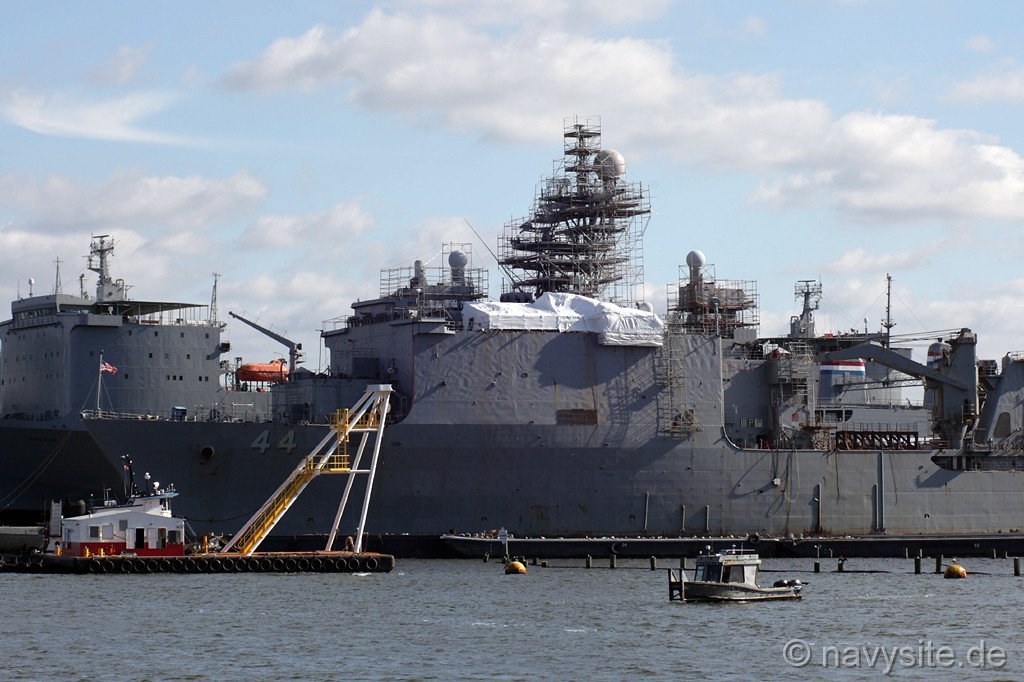
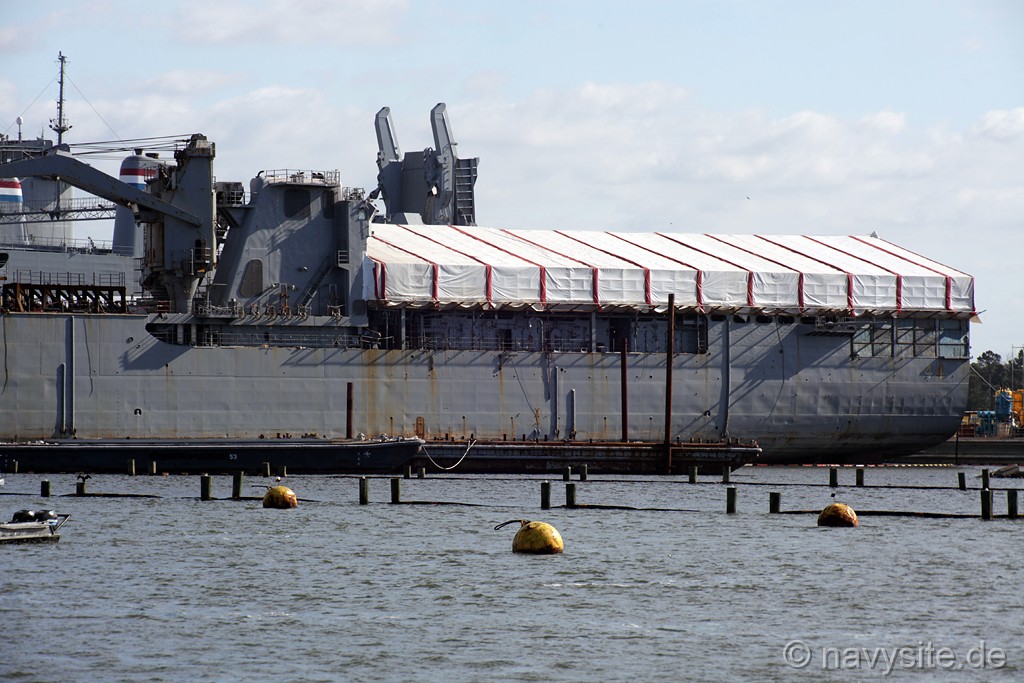
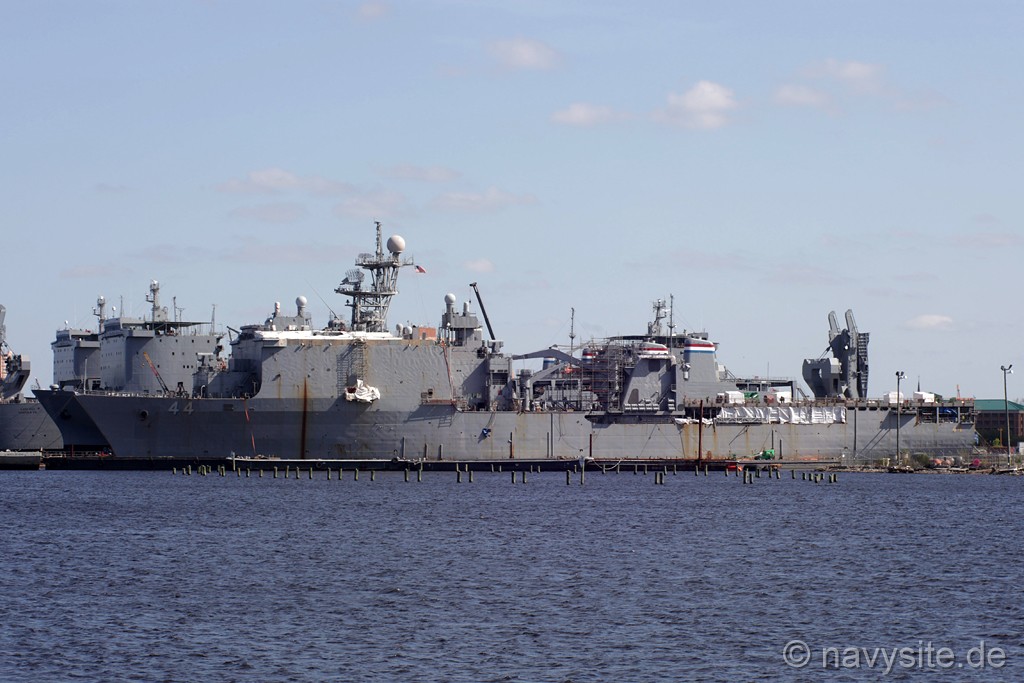
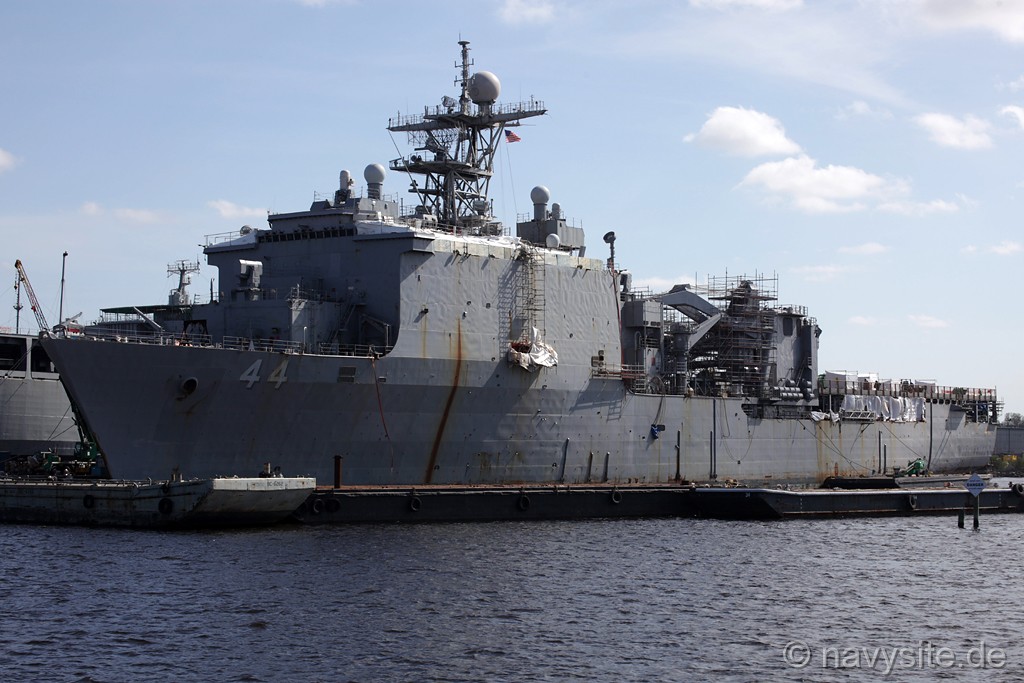
While in industrial work at a private yard in Portsmouth, Virginia, on March 3, 2015, the ship suffered a fire that local responders extinguished after several hours. She subsequently proceeded into an 11-month Chief of Naval Operations availability overseen by Mid-Atlantic Regional Maintenance Center, concluding in spring 2016 with significant material improvements and certifications restored.
USS GUNSTON HALL's availability - scheduled to conclude in April - was wrapping up in early spring 2016, the capstone to recovery work after a pier-side fire at the Portsmouth, Virginia yard on March 3, 2015. With repair and modernization on track, the crew shifted into sea trials, certifications, and the "basic phase" blocks that restore engineering, damage control, navigation, well-deck, and flight-deck proficiency. The maintenance narrative and the earlier casualty together explain why the ship's 2016 calendar emphasized material readiness and watch-team rebuild rather than distant deployments.
By 2017, GUNSTON HALL was back in large-scale amphibious training. In May, the ship hosted aviation and command-post elements during the Bold Alligator Aviation Mission Rehearsal Exercise at Joint Expeditionary Base Little Creek. In October she put to sea for BOLD ALLIGATOR 2017 off Camp Lejeune, cycling LCACs and LCUs through the well deck while U.S. and allied forces executed an opposed landing syllabus on the North Carolina coast. Public releases from the exercise highlight paired operations with units embarked in USS ARLINGTON (LPD 24) during the assault phase on October 25, 2017, a useful indicator of how East Coast amphibs share loads and connectors in these graded evolutions. The 2017 work also reflected a broader U.S. Navy emphasis on restoring amphibious core skills after years of Middle East tasking - hence the focus on ship-to-shore movement, C2, and integration with Marine logistics detachments embarked specifically for the event.
In mid-2018, the ship turned south for a Western Hemisphere engagement cruise. On June 18, 2018, she got underway for SOUTHERN SEAS/UNITAS events under U.S. Fourth Fleet, with a program of at-sea drills and port visits designed to stress small-boat operations, amphibious logistics, maritime interdiction and partner integration from the Caribbean into South America. A concrete waypoint came July 21, 2018, when GUNSTON HALL moored at Roatan, Honduras, for a scheduled visit that included senior-leader engagements and public-affairs events before the ship resumed exercises with regional navies. Navy and SOUTHCOM releases from July frame the deployment's purpose - capacity-building and interoperability - as the geopolitical backdrop in the Americas that summer.
The ship's 2018 itinerary then pivoted north with NATO. As the alliance built toward TRIDENT JUNCTURE 2018 in the North Atlantic and Norway, heavy weather off Iceland on October 22-24 damaged GUNSTON HALL's embarked landing craft and well-deck equipment and caused several minor injuries. She put into Reykjavik for assessment and repairs and subsequently adjusted her exercise participation. The incident - reported by multiple defense outlets at the time - underscored the demanding sea states of the Norwegian Sea in late autumn and the risks they pose to open well-deck operations, even for crews that train routinely in rough water.
After returning stateside, the ship entered another significant maintenance cycle. On December 10, 2019, the crew held a change of command while in industrial availability at Colonna's Shipyard, and in February 2019, the Navy had already awarded a competitively bid "long-term availability" package to Marine Hydraulics International in Norfolk to conduct combined maintenance, modernization, and repair on GUNSTON HALL. Biographical and program documents later noted that, following this yard period and the subsequent basic-phase rebuild, the ship earned the 2021 Battle Effectiveness Award - evidence that the post-maintenance training plan yielded measurable readiness gains.
Refreshed and ready, GUNSTON HALL deployed with the KEARSARGE Amphibious Ready Group and the 22D MEU in 2022 for a European patrol shaped by Russia's full-scale invasion of Ukraine and NATO's refocused deterrence missions. She arrived at Narvik, Norway, on April 19, 2022, to off-load equipment for bilateral cold-weather training in Setermoen and Blatind that had begun April 11 and included live-fire and casualty-evacuation profiles. The ARG then entered the Baltic and High North sequence: port calls such as Helsinki, Finland (May 27-30); participation in Estonia's national-level HEDGEHOG 22 from mid-May into early June, where GUNSTON HALL's LCU 1662 shuttled 22D MEU light armored vehicles ashore; and the multi-national command-and-control vigilance activity NEPTUNE SHIELD 22. In early June, she lowered the stern gate off Gotland during BALTOPS 22 - a premier Baltic maritime exercise - before a scheduled mid-deployment voyage repair in Copenhagen, Denmark, announced on July 8, 2022. The KEARSARGE ARG closed the seven-month deployment in October, returning to Virginia with a log of Nordic and Baltic operations that reflected the alliance's 2022 priorities.
While the naval enterprise debated the pace of retiring older LSDs in 2023, congressional language in the defense bills restricted decommissioning of specific amphibs - including GUNSTON HALL - preserving capacity during a period of high demand for European reassurance and Indo-Pacific presence. In parallel with that policy backdrop, the ship continued material improvements and integration work: a July 2023 NAVSEA note recorded GUNSTON HALL transporting three new Ship-to-Shore Connector LCACs (SSC-105 through SSC-107) as a "lift of opportunity" to Assault Craft Unit FOUR in Little Creek, and late-2023 engine overhauls during a Continuous Maintenance Availability restored key powerplant reliability margins ahead of the next deployment.
On January 24, 2024, GUNSTON HALL departed Norfolk to begin operations for STEADFAST DEFENDER 2024, the alliance's largest reinforcement exercise in decades. Across February and March in the North Atlantic and High North she served under an Italian-led amphibious task organization, embarked French, Finnish and Swedish forces for cold-weather ship-to-shore drills, and conducted well-deck evolutions at sea documented in exercise media. She returned to Joint Expeditionary Base Little Creek on April 11, 2024, closing a roughly four-month deployment that NATO framed as the opening event of the exercise series and that the Navy used to validate amphibious readiness after the 2023 maintenance work, including diesel inspections and overhauls completed with MARMC and warfare-center support.
Across late spring and summer 2024, the ship's rhythm matched that of a recently-returned East Coast amphib: material preservation and corrective work package closeouts, basic-phase at-sea periods off the Virginia Capes to keep the well deck, flight deck and navigation teams current, and local evolutions with II MEF units and Assault Craft Unit detachments as the connector force rotated through Little Creek. The public after-action coverage of STEADFAST DEFENDER - emphasizing her role alongside Italian amphibs and a French frigate and her High North embark of newly-allied Swedish forces - provided the operational backdrop for that reconstitution period, which aimed to lock in lessons from Norwegian waters while cycling watch teams through the surface force's standard certification blocks.
The policy environment around the ship remained a subplot through the second half of 2024. Congress continued to scrutinize amphibious force levels and resourcing as the Navy weighed retirements and new construction. Reporting and legislative summaries through late summer and autumn recorded both the service's industrial-base moves on new amphibs and the Hill's repeated restrictions on prematurely divesting legacy LSDs, a context that kept GUNSTON HALL squarely in the active inventory.
In early 2025, the administrative picture aboard the ship evolved alongside routine Second Fleet operations. SURFLANT leadership pages recorded the selection of a new Command Master Chief in March and, on August 18, 2025, the posting of Cmdr. Christopher Petersen as commanding officer, reflecting the normal turnover cadence for an Atlantic Fleet amphibious unit. Through late summer and early autumn, public imagery and ship-spotter feeds showed the ship cycling in and out of Norfolk consistent with short underway periods for qualifications, amphibious readiness checks and local tasking rather than a prolonged forward deployment.
Homeports of USS GUNSTON HALL:
| Period | Homeport |
|---|---|
| commissioned at New Orleans, La. | |
| 1989 - present | Little Creek, Va. |
USS GUNSTON HALL Image Gallery:
![]() | ![]() | ![]() |
The photos below were taken by me and show the GUNSTON HALL at Metro Machine at Norfolk, Va., on November 9, 2008.
![]() | ![]() | ![]() | ![]() | ![]() |
The photo below was taken by me on February 3, 2009, and shows the GUNSTON HALL still undergoing overhaul at Norfolk, Va.
![]() |
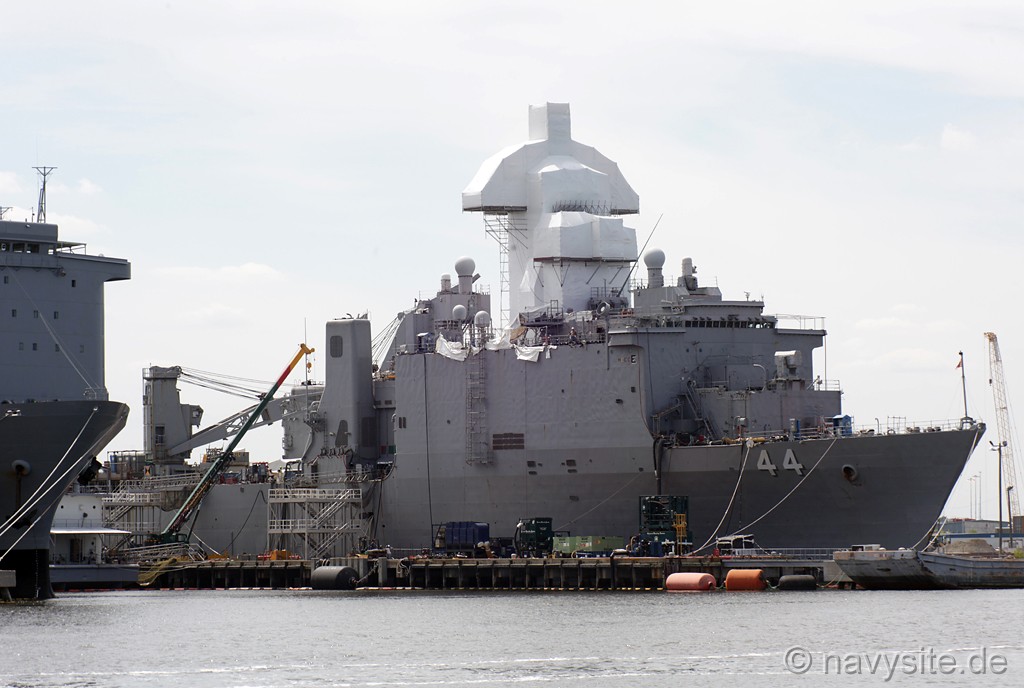
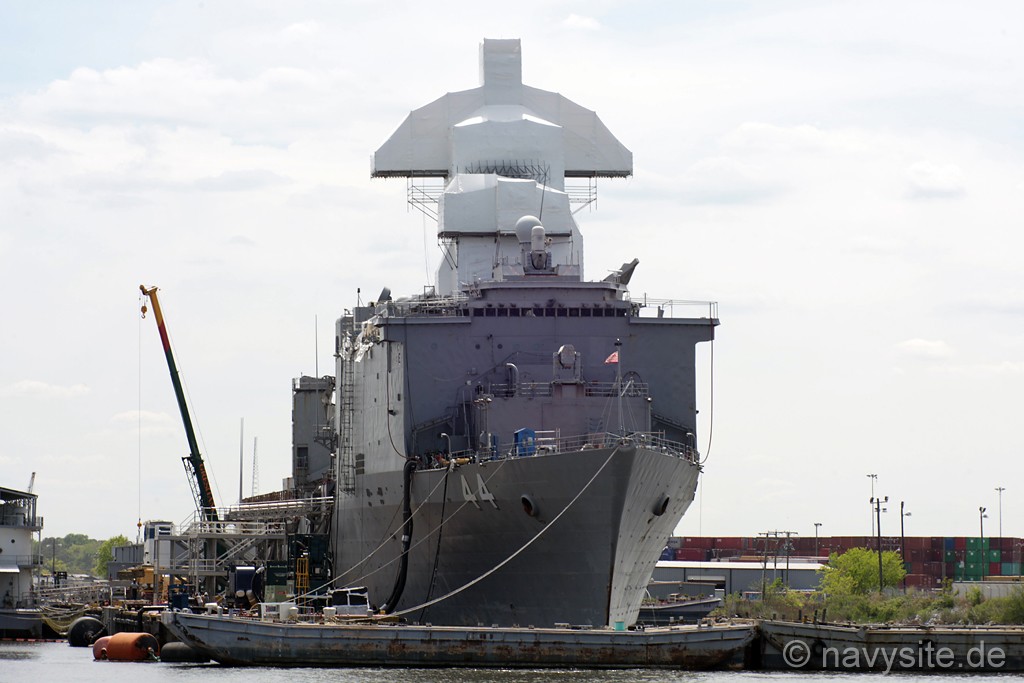
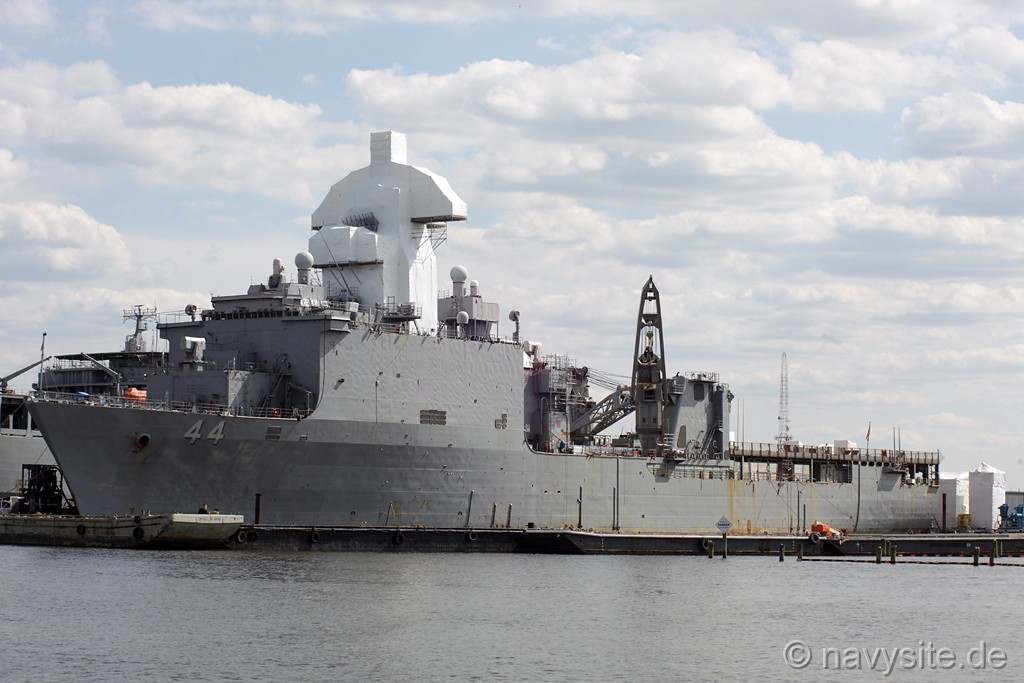
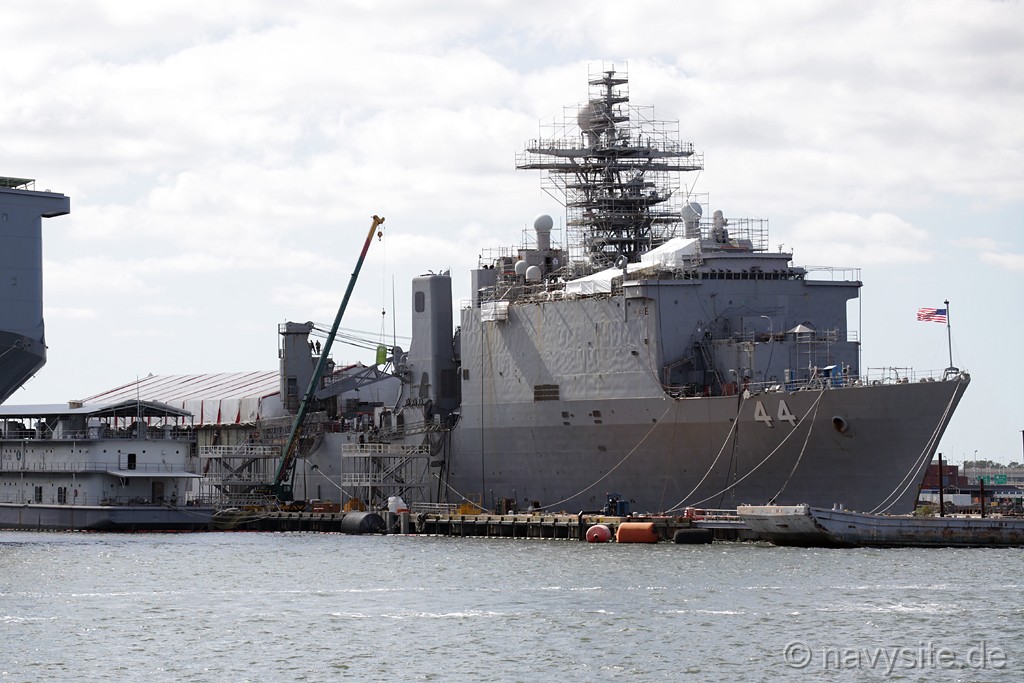
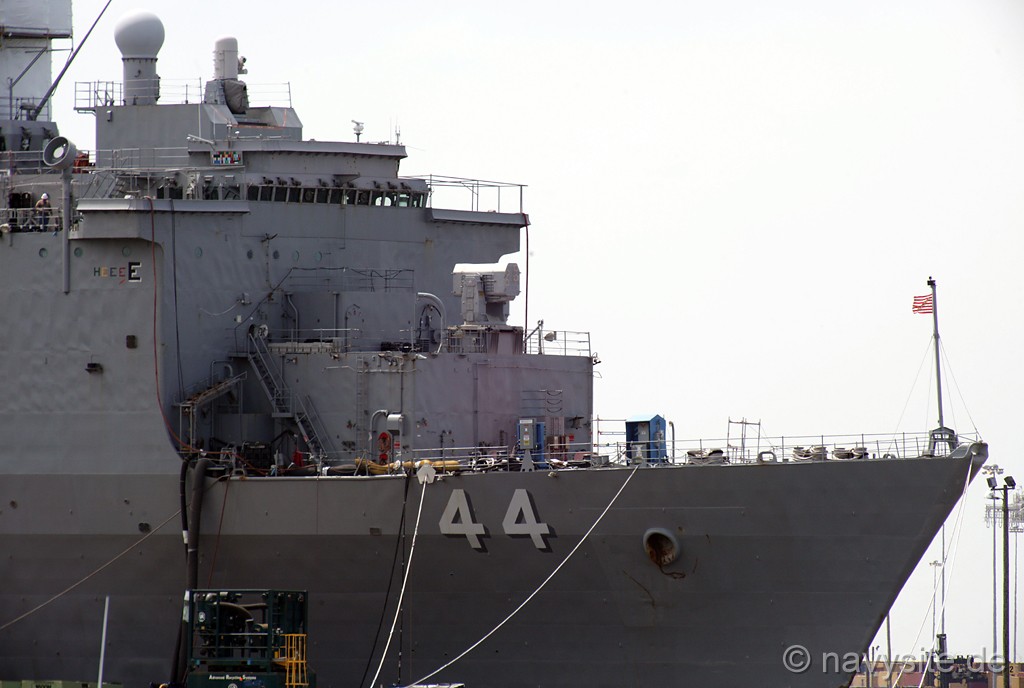
The photos below were taken by Michael Jenning and show the GUNSTON HALL at General Dynamics NASSCO-Earl Industries shipyard in Portsmouth, Va., on April 29, 2015. Note the incorrectly applied Battle E below the bridgewing: The Battle E is a white E with black shadow. Here it is a black E with white shadow. The black E is the Maritime Warfare Excellence Award.
![]() | ![]() | ![]() | ![]() | ![]() |
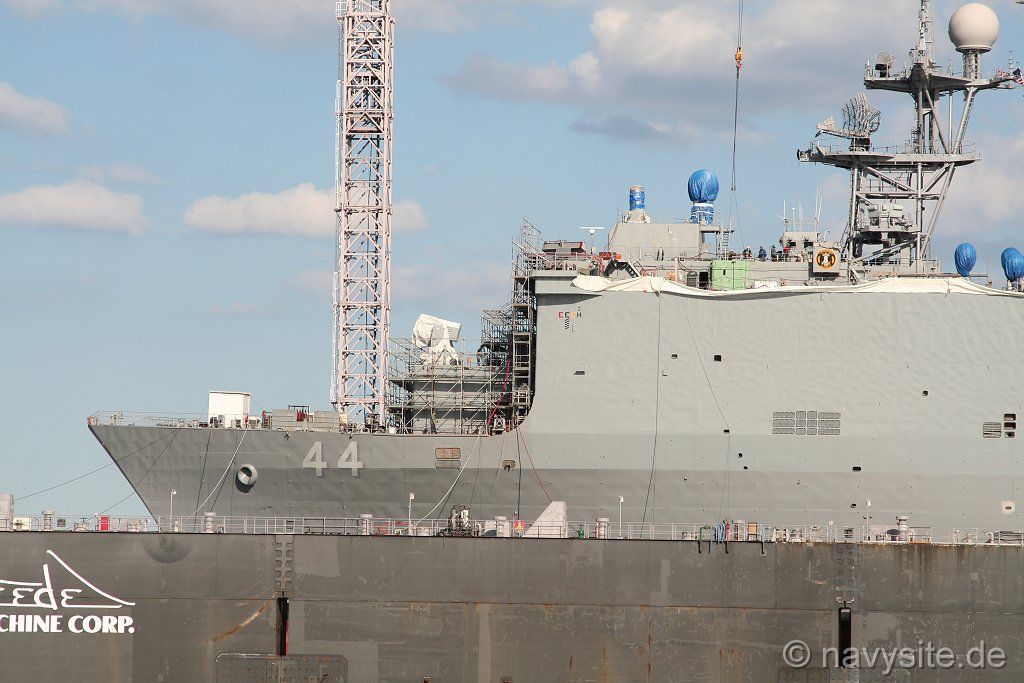
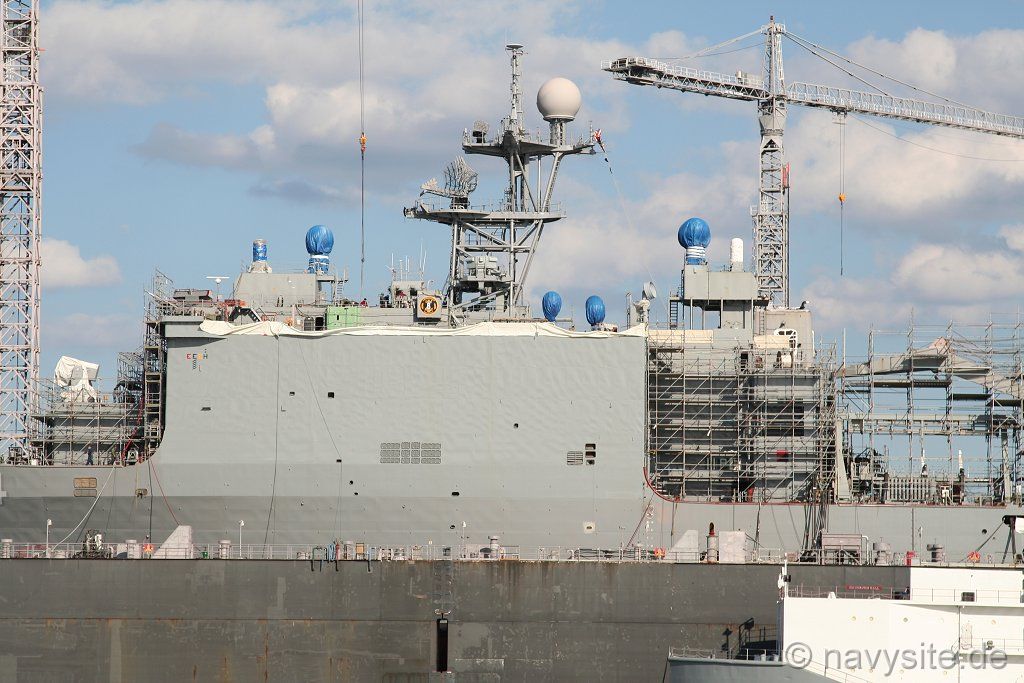
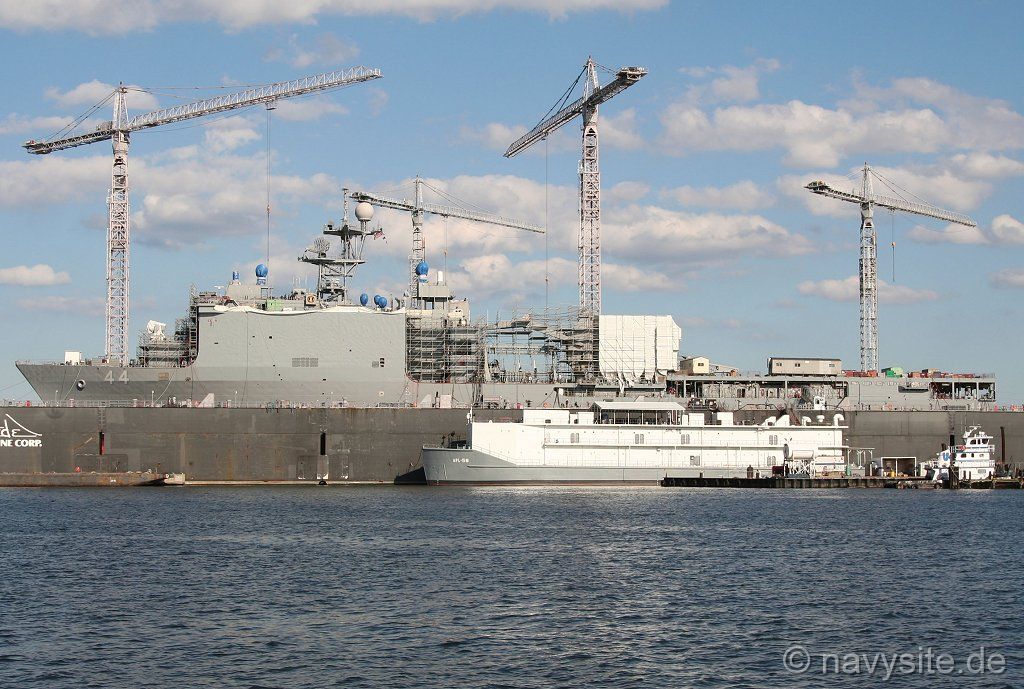
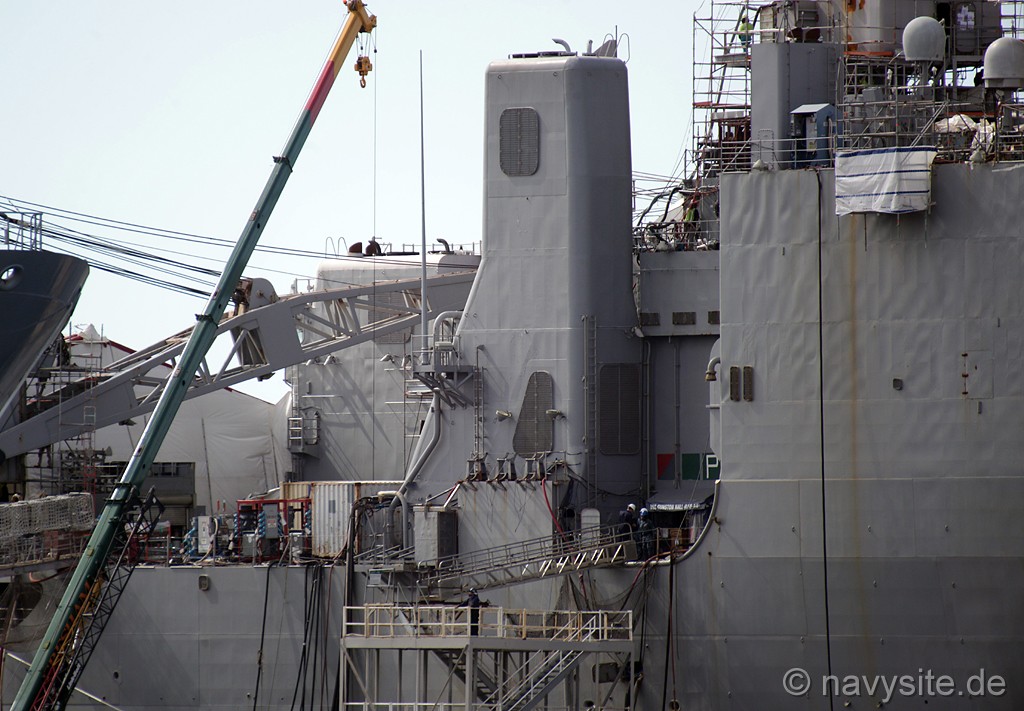
The photos below were taken by Michael Jenning and show the GUNSTON HALL at General Dynamics NASSCO-Earl Industries shipyard in Portsmouth, Va., on October 6, 2015.
![]() | ![]() | ![]() | ![]() |
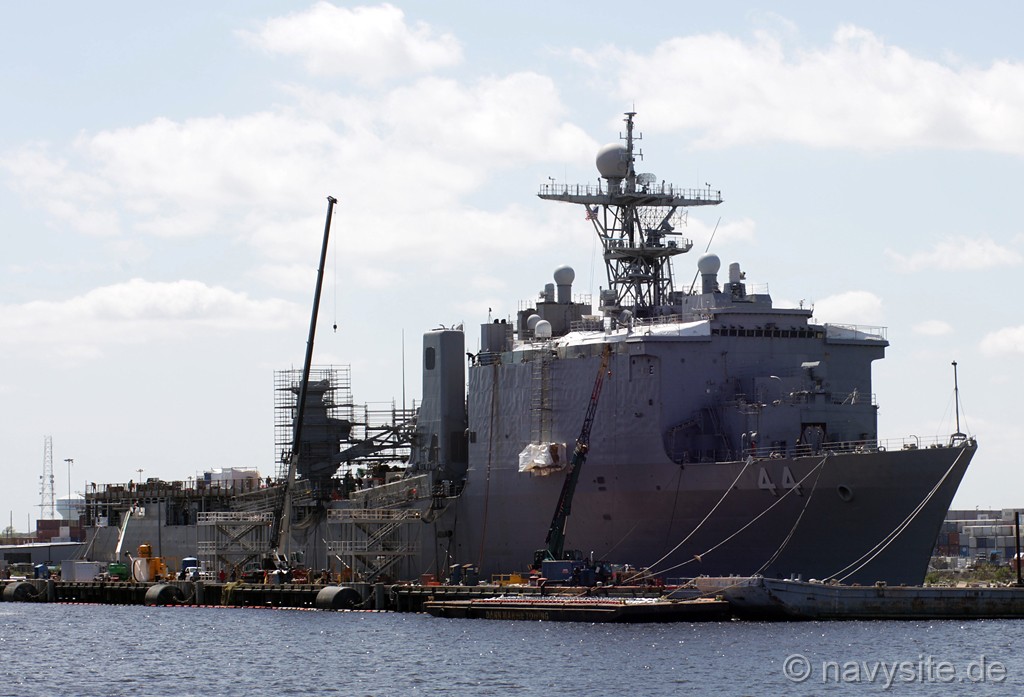
The photos below were taken by Michael Jenning and show the GUNSTON HALL at General Dynamics NASSCO-Earl Industries shipyard in Portsmouth, Va., on April 13, 2016.
![]() | ![]() | ![]() |
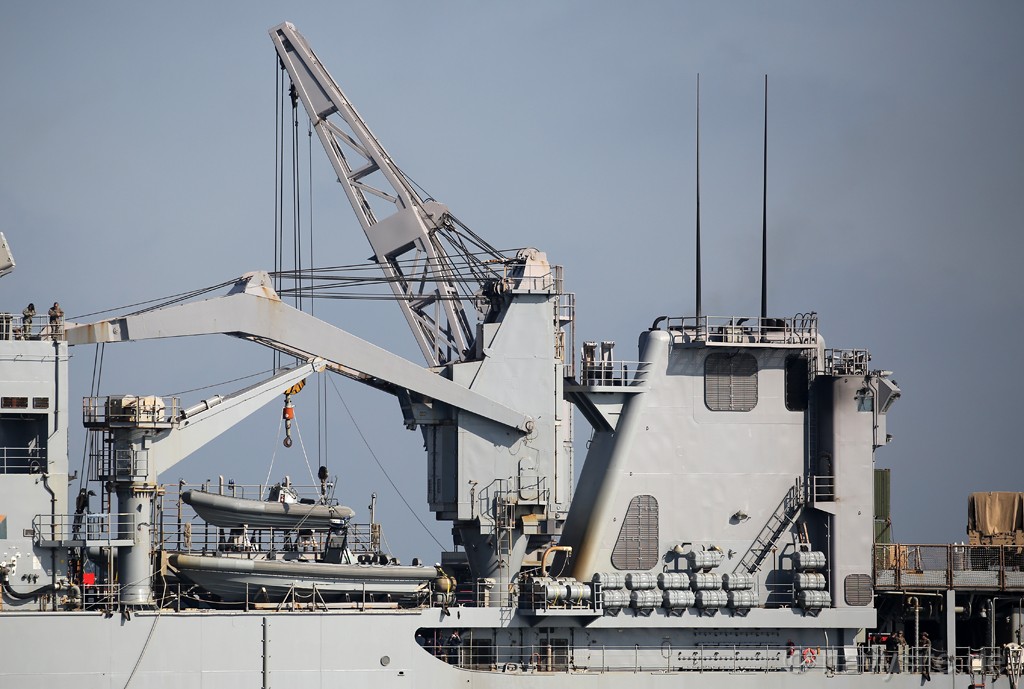
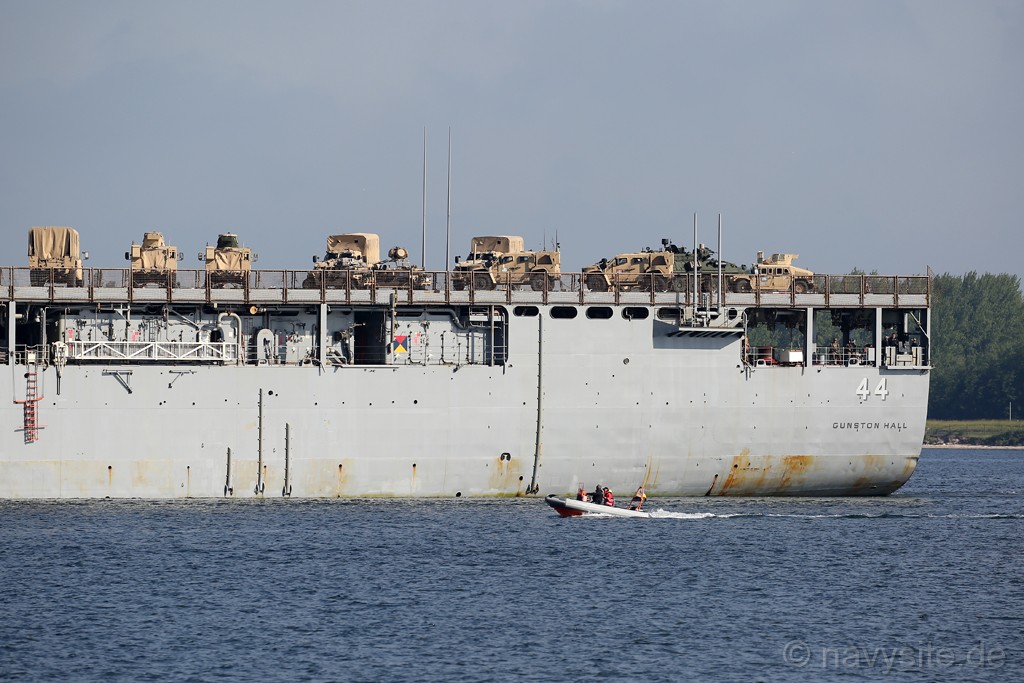
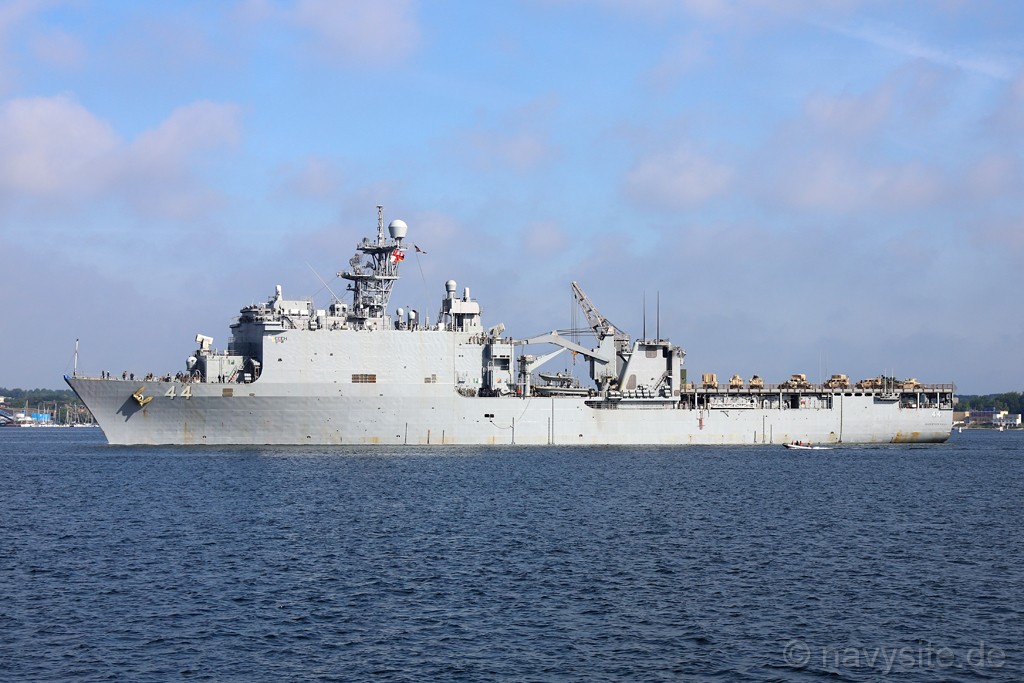
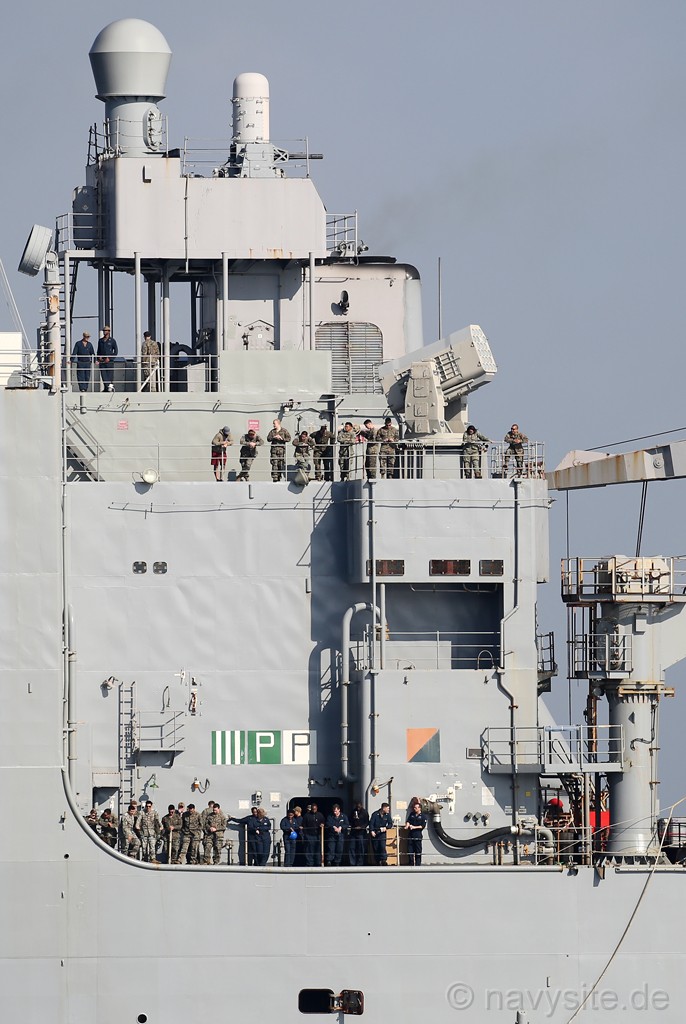
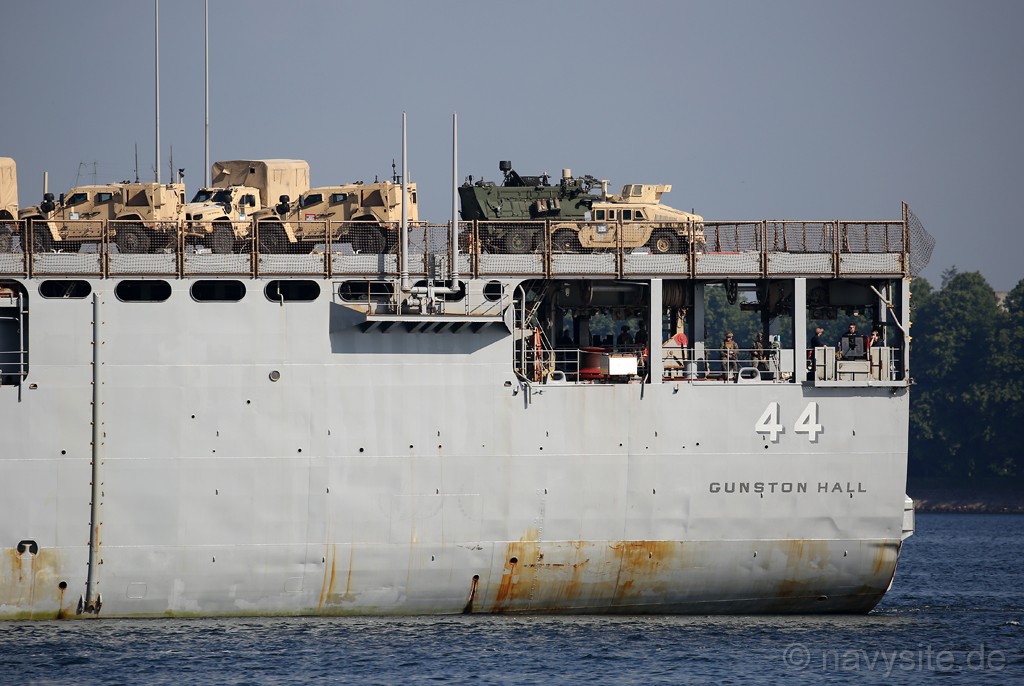
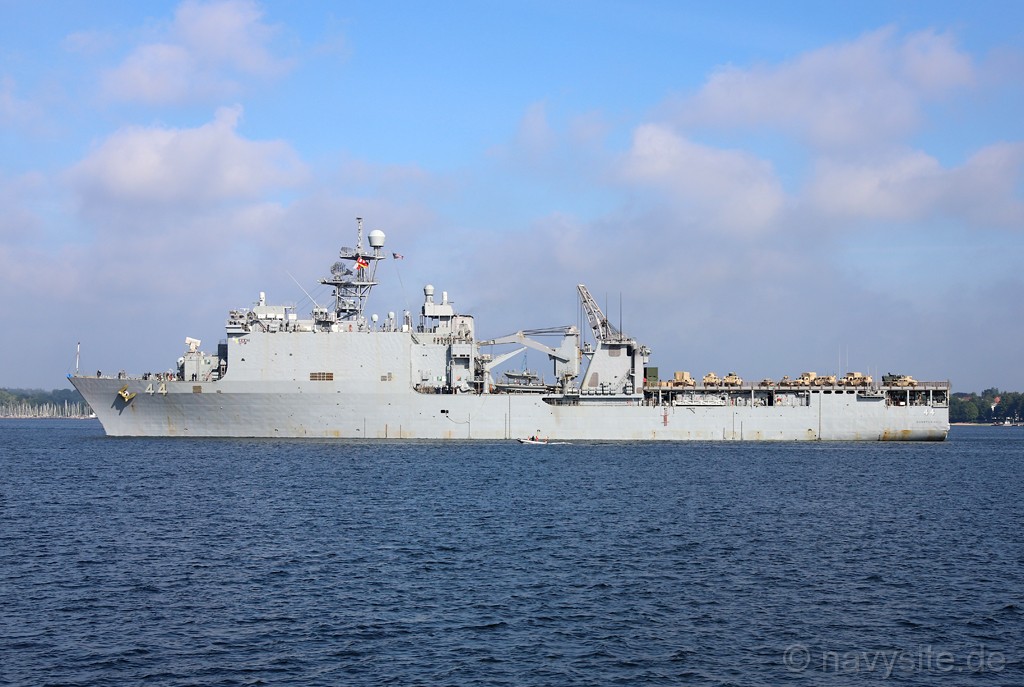
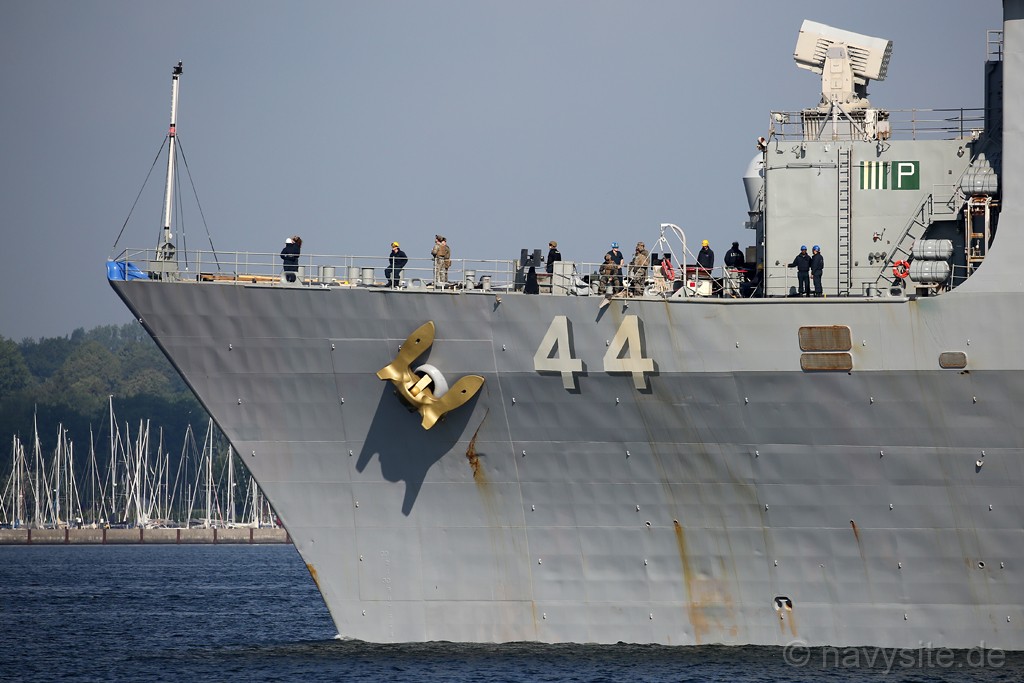
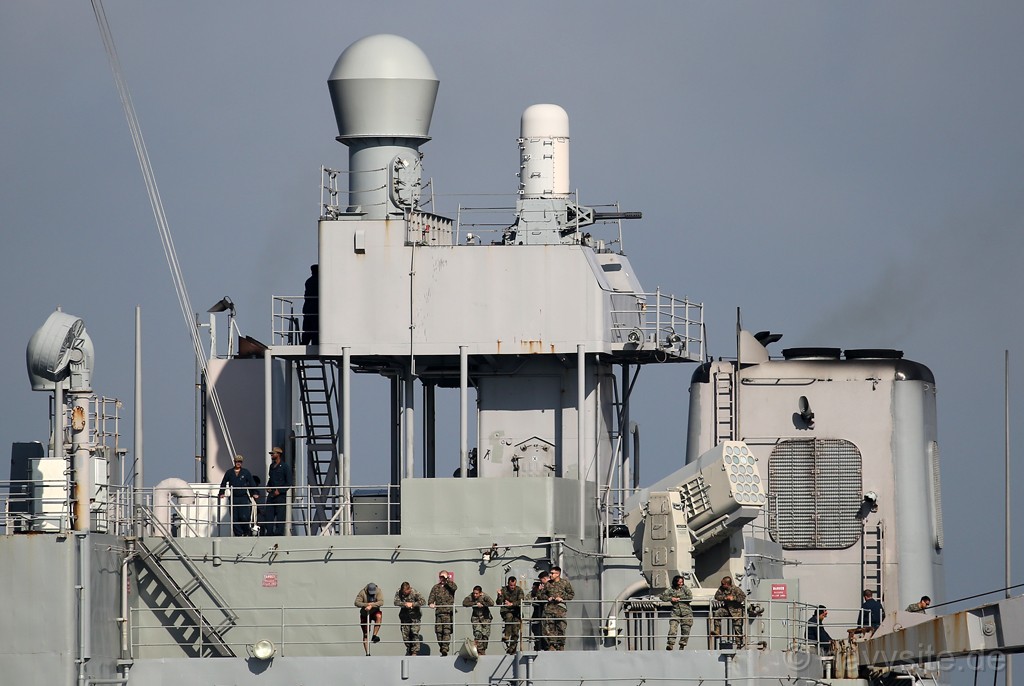
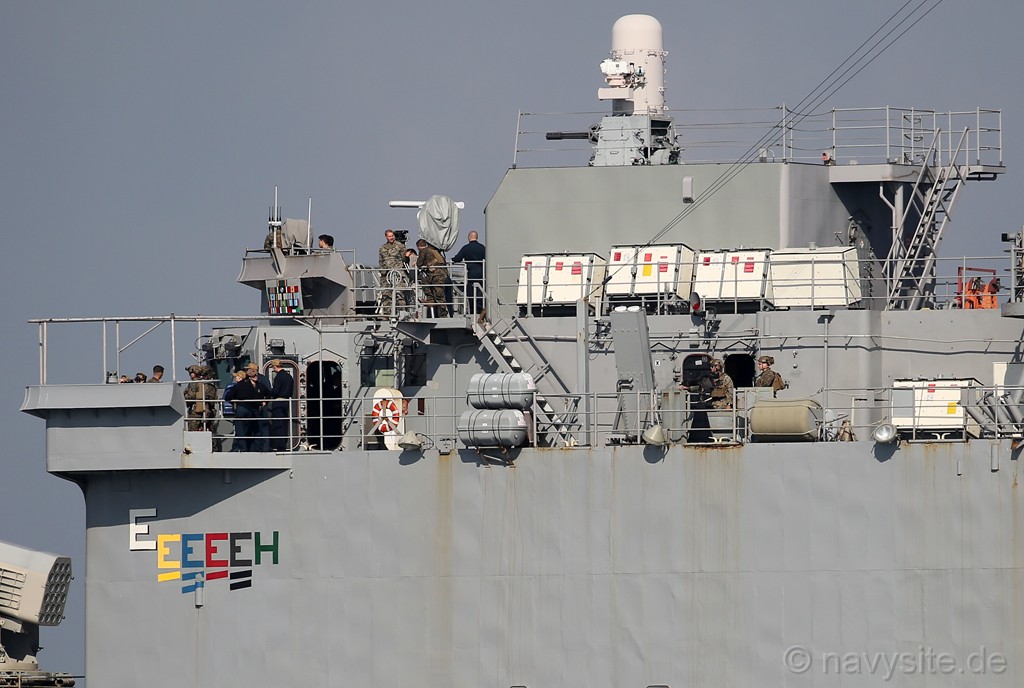
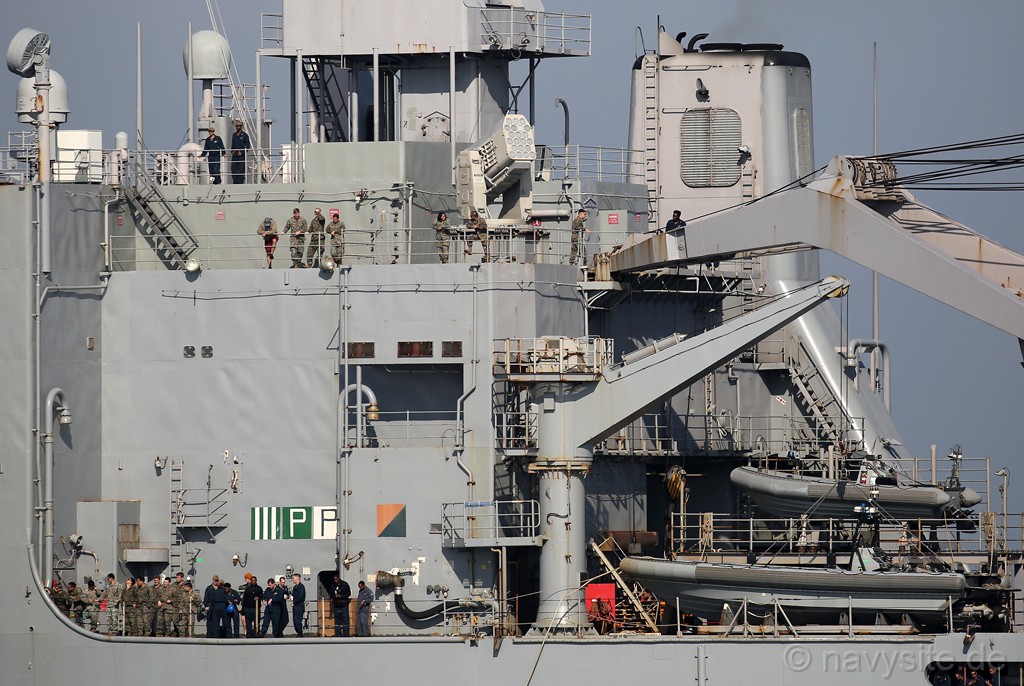
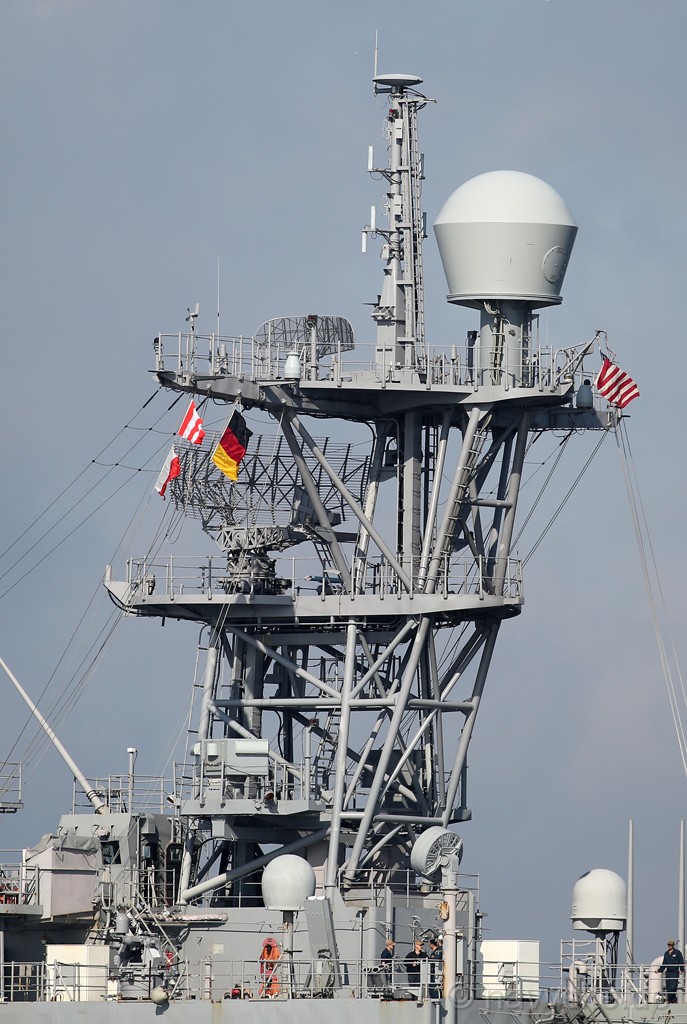
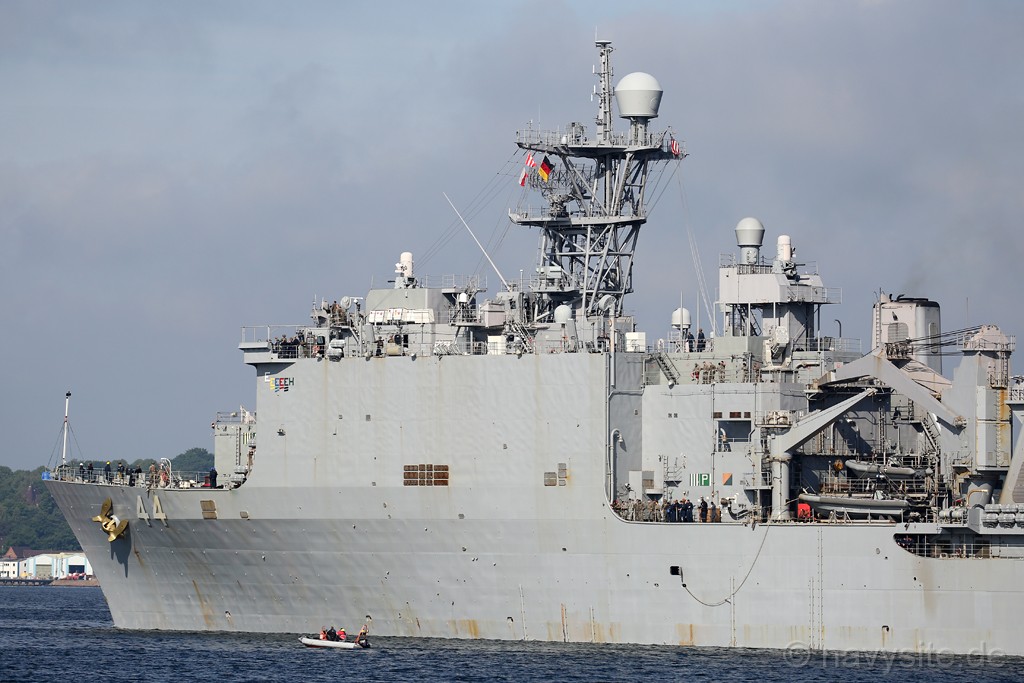
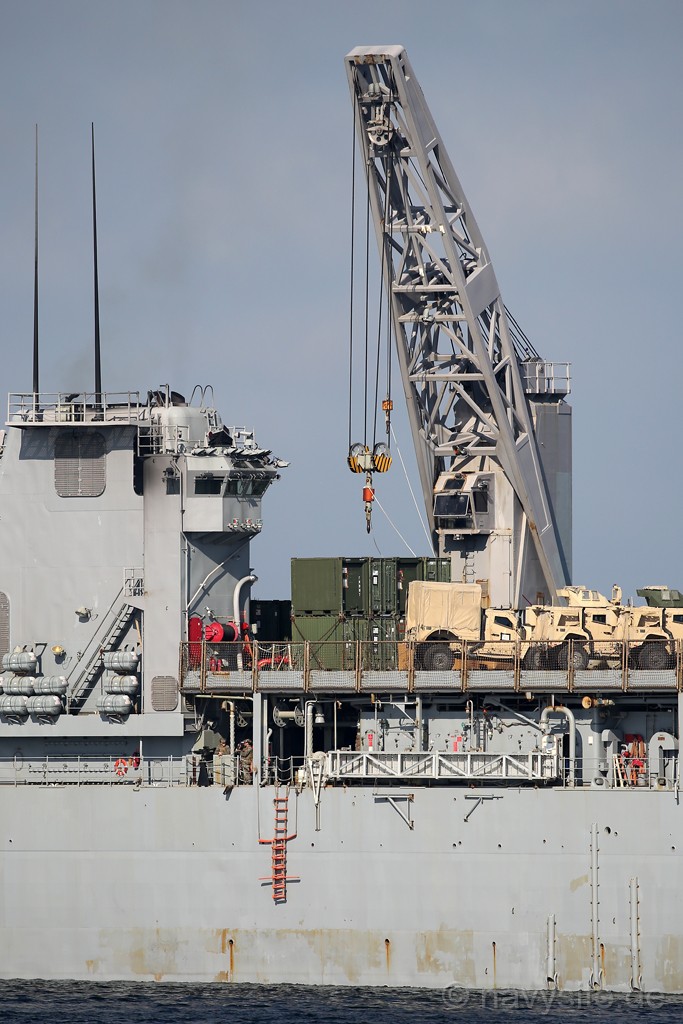
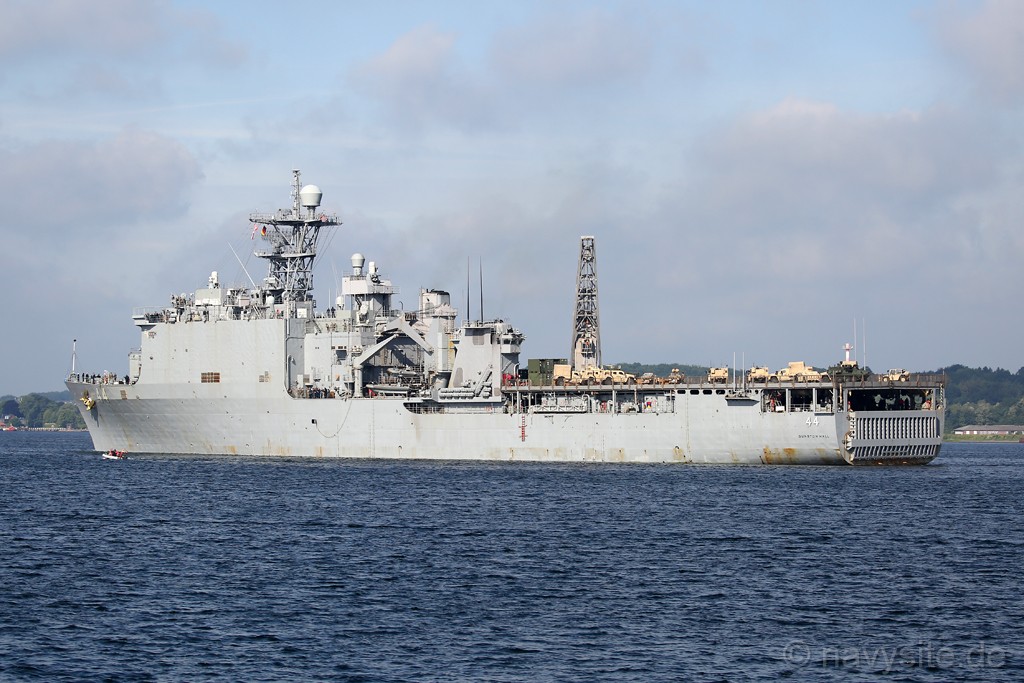
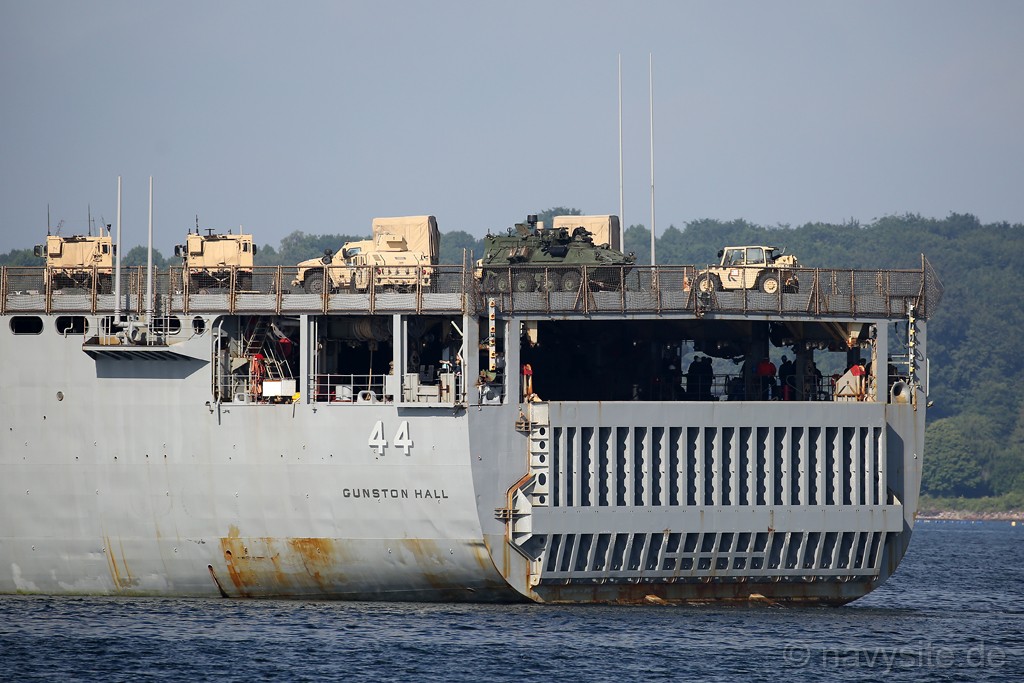
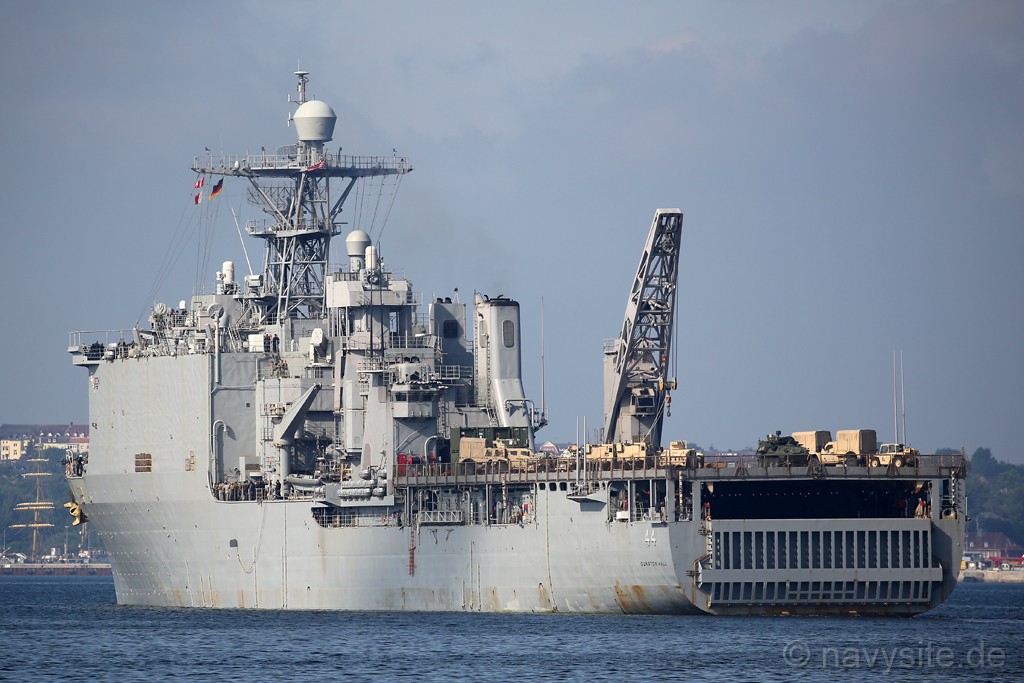
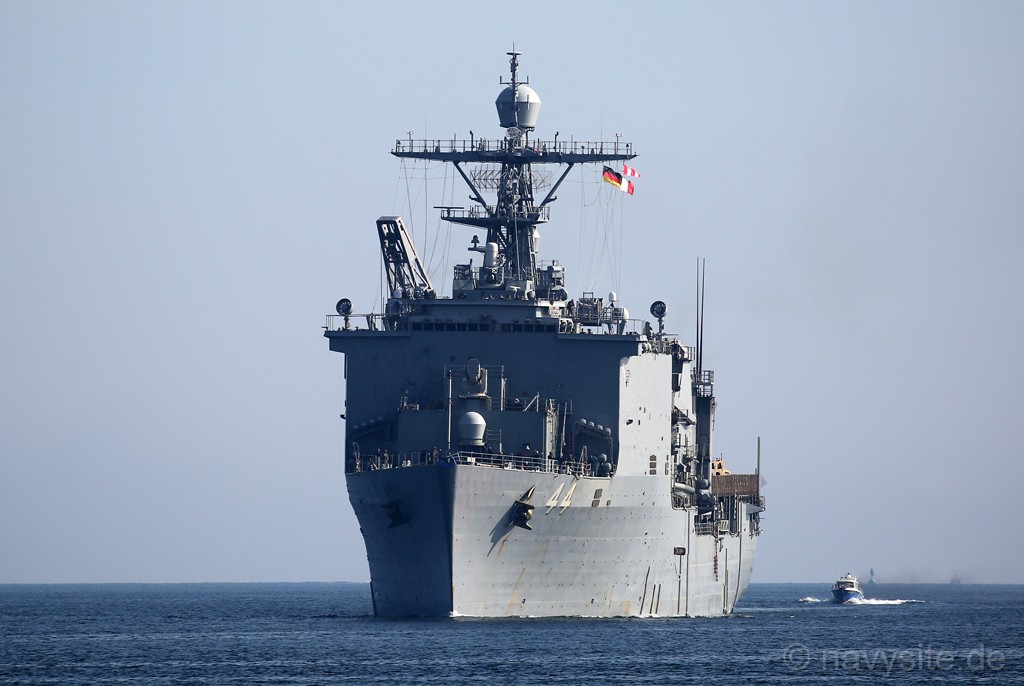
The photos below were taken by me and show the GUNSTON HALL arriving at Kiel, Germany, on June 17, 2022, after participating in BALTOPS 22. GUNSTON HALL is presently on her final cruise before decommissioning.
![]() | ![]() | ![]() | ![]() | ![]() |
![]() | ![]() | ![]() | ![]() | ![]() |
![]() | ![]() | ![]() | ![]() | ![]() |
![]() | ![]() | ![]() | ![]() | ![]() |
![]() | ![]() |
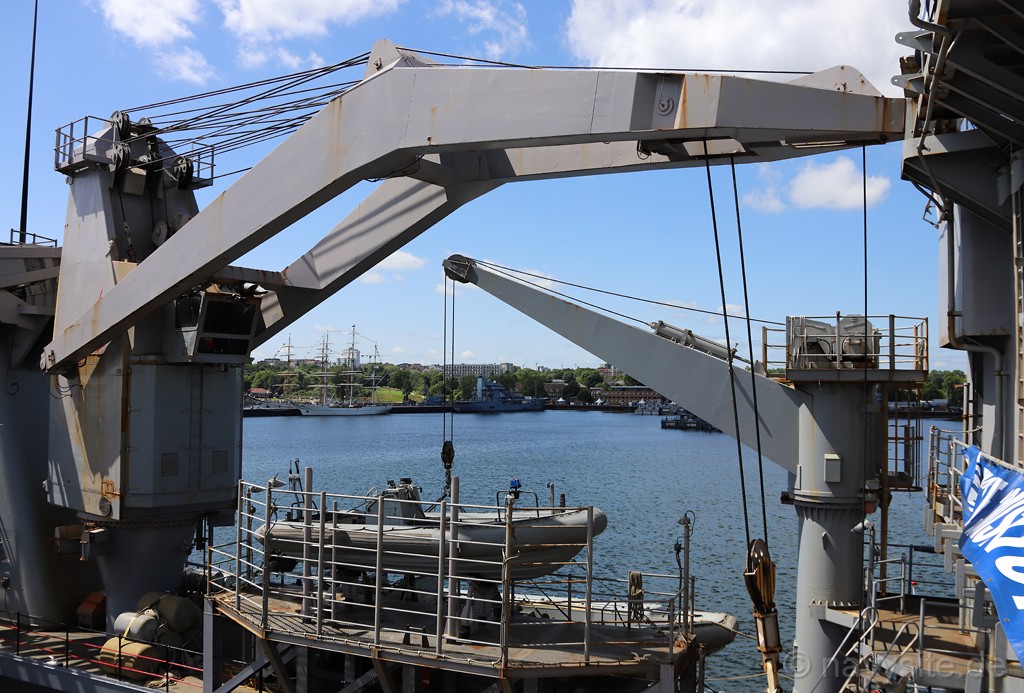
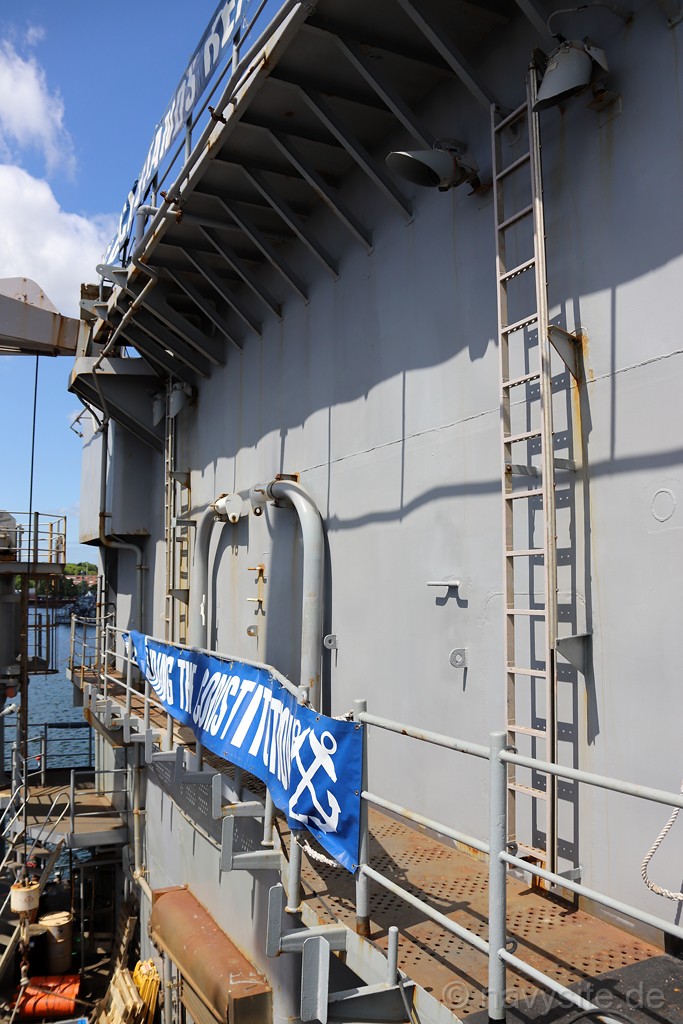
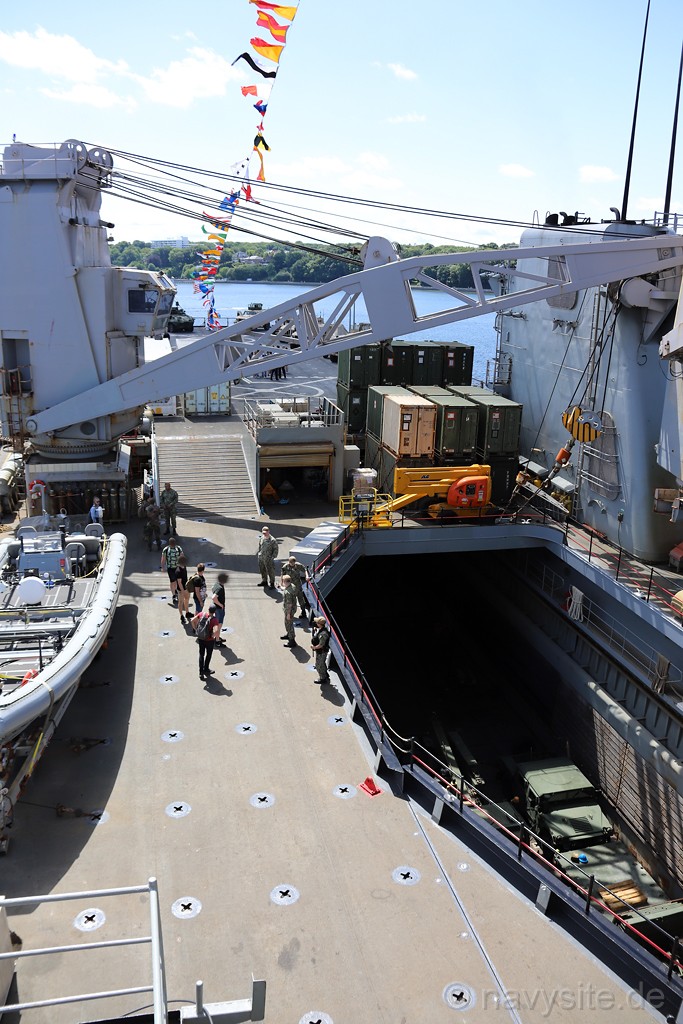
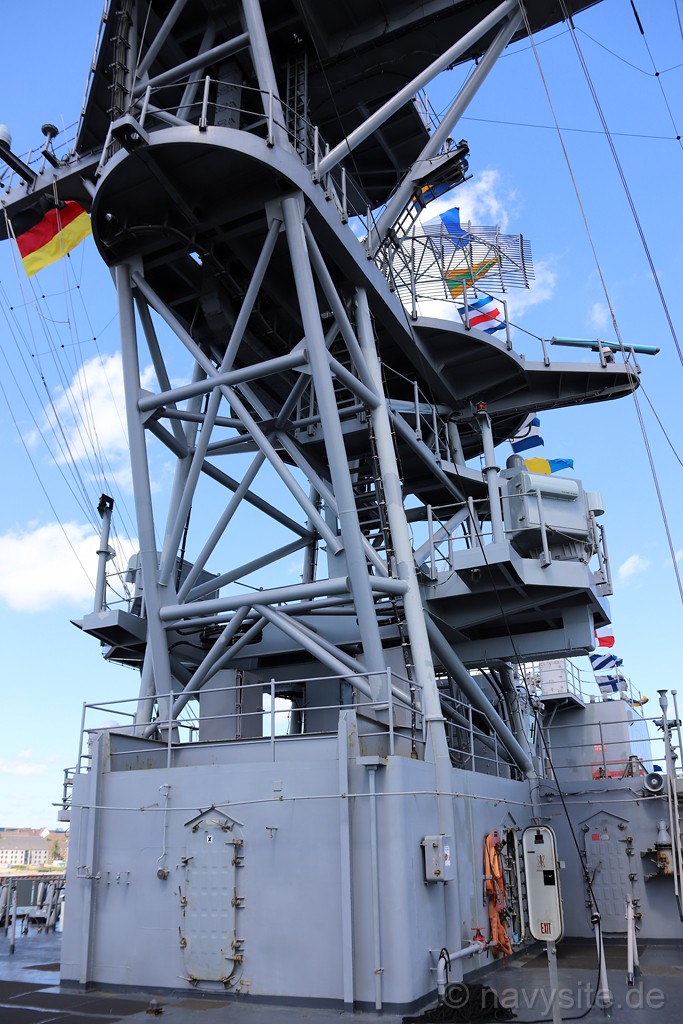
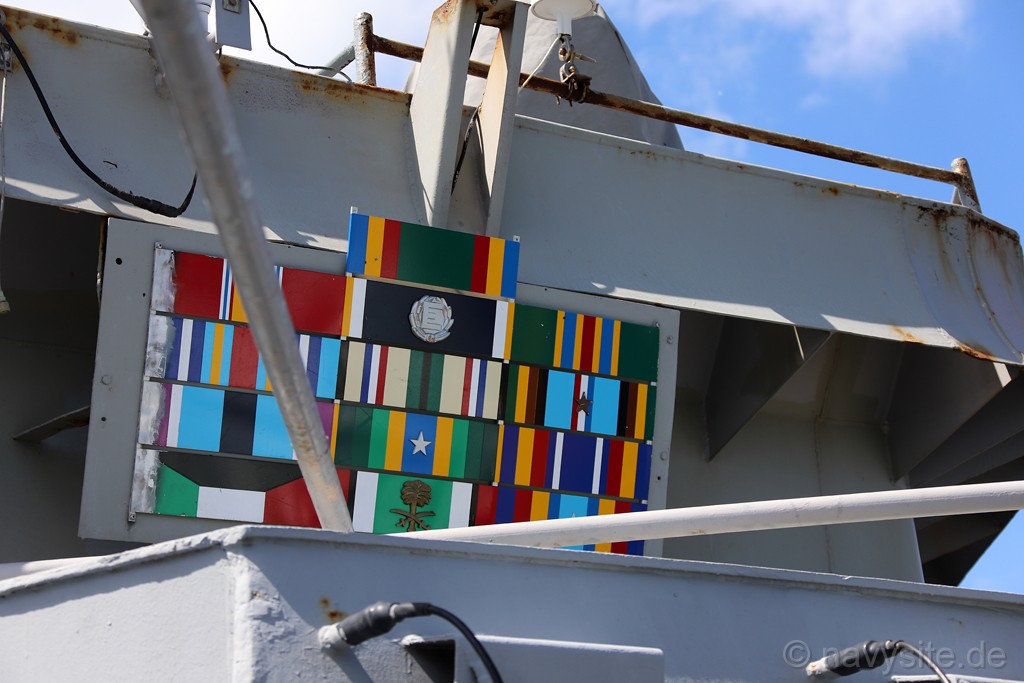
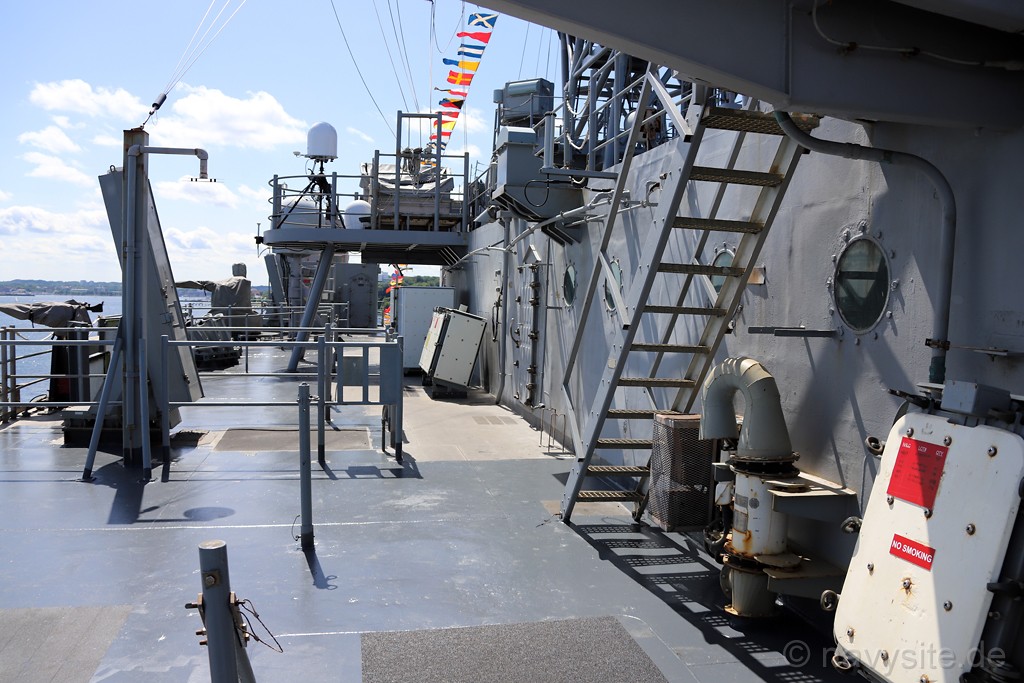
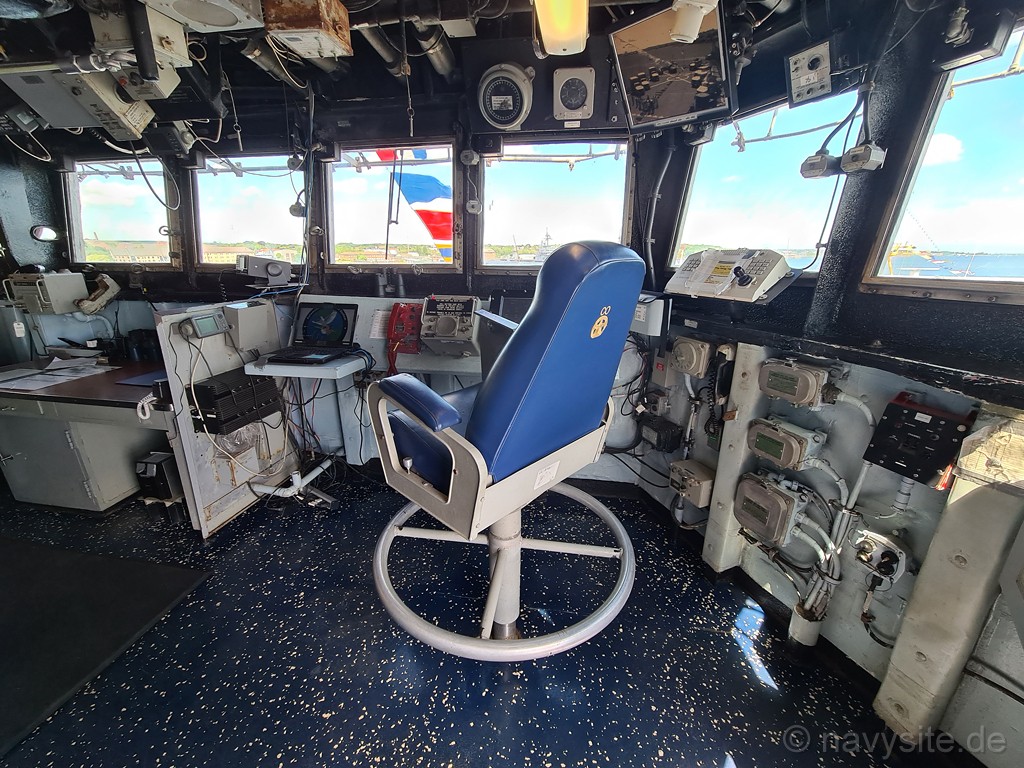
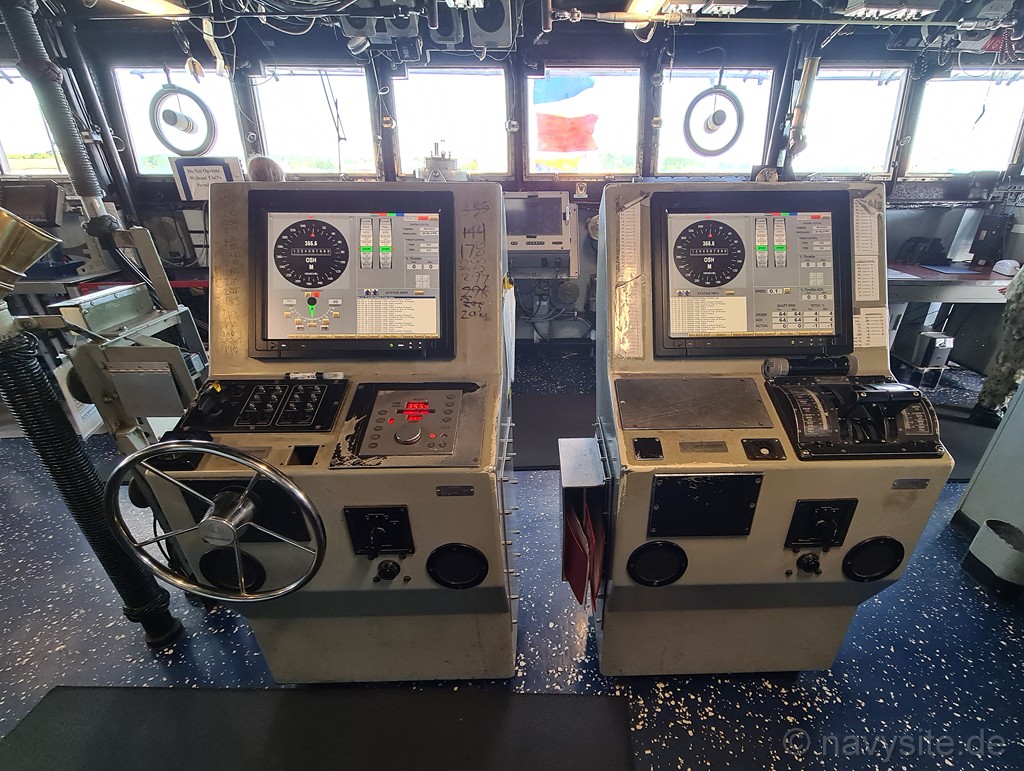
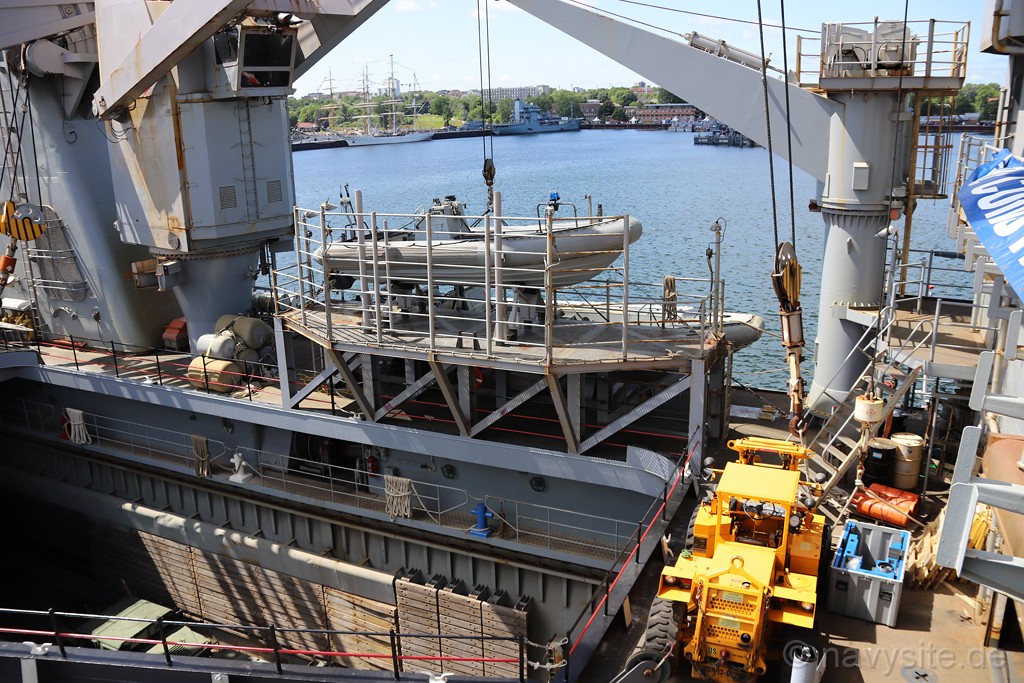
The photos below were taken by me during an open ship event aboard USS GUNSTON HALL at Naval Base Kiel, Germany, on June 18, 2022, after her participation in BALTOPS 22.
![]() | ![]() | ![]() | ![]() | ![]() |
![]() | ![]() | ![]() | ![]() | ![]() |
![]() | ![]() | ![]() | Click here for more Photos. | |
Back to Dock Landing Ship site.
Back to ships list.
Back to selection page.
Back to 1st page.