
Search the Site with

|
Search the Site with
|
 General Characteristics Crew List Memorabilia Cruise Books Accidents aboard the Ship History About the Name "Conolly" Image Gallery to end of page
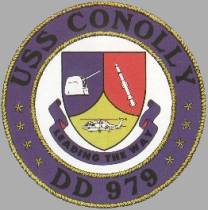 | 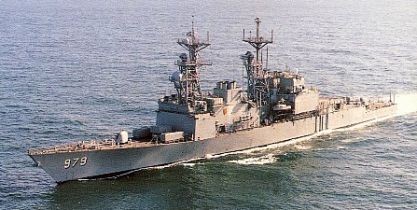 |
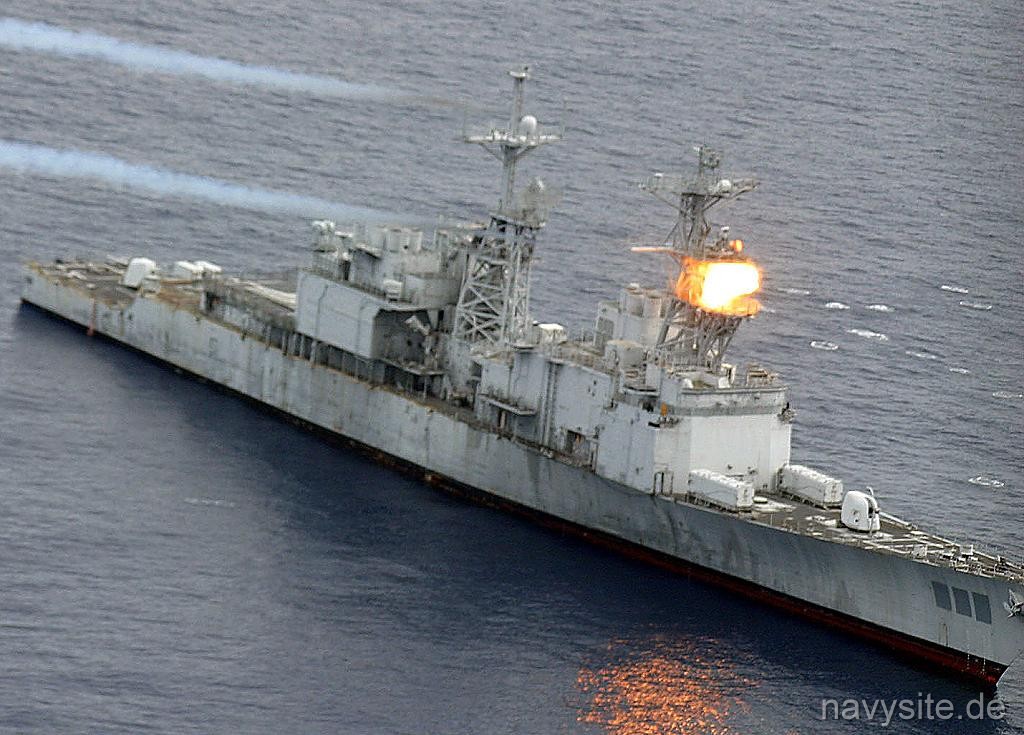
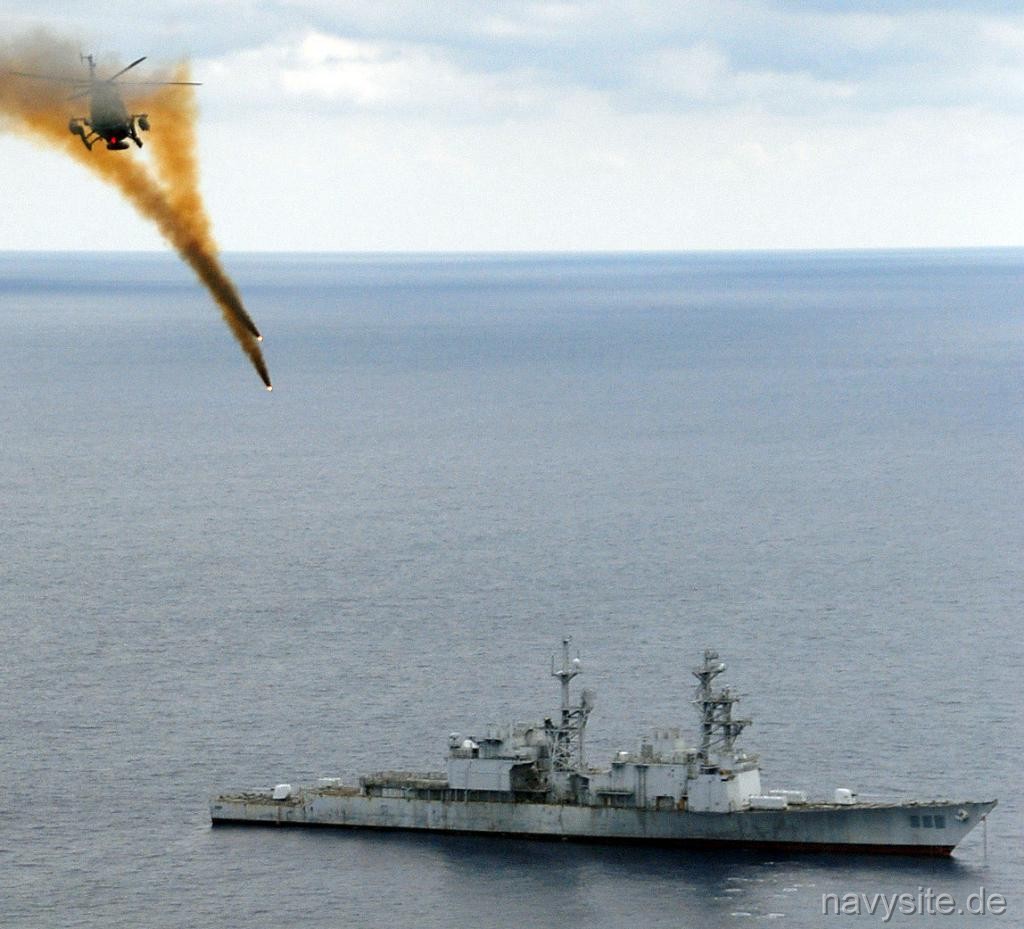
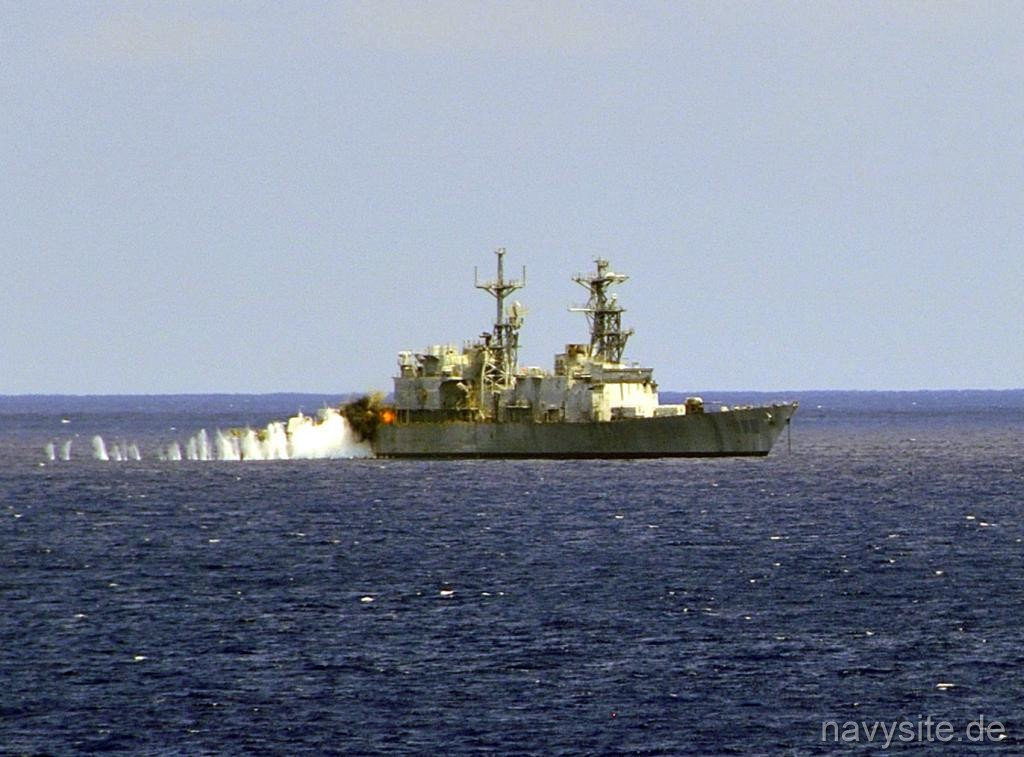
USS CONOLLY was the 17th SPRUANCE - class destroyer and the first ship in the Navy named after Admiral Richard Lansing Conolly. USS CONOLLY was last homeported in Mayport, Fla. Both decommissioned and stricken from the Navy list on September 18, 1998, the CONOLLY spent the following years laid-up at the Naval Inactive Ships Maintenance Facility at Philadelphia, Penn., and was hold on donation for future use as a floating museum. In 2007, those plans were cancelled and the CONOLLY was sunk as a target during the multinational exercise UNITAS on April 29, 2009. CONOLLY was sunk off the US east coast.
| General Characteristics: | Keel Laid: September 29, 1975 |
| Launched: February 19, 1977 | |
| Commissioned: October 14, 1978 | |
| Decommissioned: September 18, 1998 | |
| Builder: Ingalls Shipbuilding, West Bank, Pascagoula, Miss. | |
| Propulsion system: four General Electric LM 2500 gas turbine engines | |
| Propellers: two | |
| Blades on each Propeller: five | |
| Length: 564,3 feet (172 meters) | |
| Beam: 55,1 feet (16.8 meters) | |
| Draft: 28,9 feet (8.8 meters) | |
| Displacement: approx. 9,200 tons full load | |
| Speed: 30+ knots | |
| Aircraft: two | |
| Armament: two | |
| Crew: approx. 340 |
 back to top go to the end of the pageback to top go to the end of the page
Crew List:
This section contains the names of sailors who served aboard USS CONOLLY. It is no official listing but contains the names of sailors who submitted their information.
back to top go to the end of the pageback to top go to the end of the pageUSS CONOLLY Cruise Books:
back to top go to the end of the pageAccidents aboard USS CONOLLY:
| Date | Where | Events |
|---|---|---|
| July 26, 1989 | Persian Gulf | A sailor on the CONOLLY is lost after falling overboard as the ship patrols in the Persian Gulf. |
back to top go to the end of the page
History of USS CONOLLY:
USS CONOLLY was built by Ingalls Shipbuilding Corporation in Pascagoula, MS. Her keel was laid on September 29, 1975, and she was launched on October 14, 1978. She was commissioned on 14 October 1978. With a displacement of approximately 9,000 tons, CONOLLY was nearly four times the size of her World War II ancestors.
In 1993, USS CONOLLY was deployed in support of Operation Support Democracy, enforcing U.N. sanctions against Haiti.
In 1994, USS CONOLLY deployed to the Arabian peninsula, conducting Maritime Interception Operations in the Red Sea in support of United Nations sanctions against Iraq. During that deployment, on July 12, 1994, USS CONOLLY came to the rescue of Sixty-two crewmembers of the Panamanian-registered ferry AL LOLOA following a fire on board the ferry. USS CONOLLY answered the vessel's distress call and proceeded to the scene of the fire. Sixty-one of the ferry's all Egyptian crew had already abandoned ship and were found safe in five life rafts. A survey team from CONOLLY boarded the AL LOLOA and found the fire out of control. Before returning to CONOLLY, the survey team found the missing crewmember unharmed.
As part of a reorganization announced in July 1995 of the Atlantic Fleet's surface combatant ships into six core battle groups, nine destroyer squadrons and a new Western Hemisphere Group, USS CONOLLY's homeport was changed from Norfolk, VA, to Mayport, FL, with the shift to occur in 1996-97.
USS CONOLLY deployed with the USS GEORGE WASHINGTON (CVN 73) Battle Group, on January 26, 1996, for a regularly scheduled deployment. The previous December, the battle group and ARG participated in Joint Task Force Exercise 96-1, their "final examination" before deployment, and the culmination of a year of intense preparation.
While deployed, CONOLLY took part in the Ships Anti-Submarine Warfare Readiness Effectiveness Measuring 114 (SHAREM) Invitational Exercise 1-96 (INVITEX), held February 23-29. SHAREM 114 was a Sixth Fleet Naval Exercise conducted in the Gulf of Valencia off the east coast of Spain.
Following the completion of Operation Destined Glory 96, a NATO amphibious exercise, USS CONOLLY paid a visit to Augusta Bay, Sicily. Operation Destined Glory 96, lasted 16 days and was a NATO forces combined amphibious exercise which began March 13 and continued through March 26. It tested forces in the air and at sea in the Central Mediterranean Sea near Sardinia and in the Tyrrhenian Sea and also trained ashore at Capo Teulada, Sardinia. Military units from the NATO countries of Greece, Italy, Netherlands, Spain, Turkey and United States took part in the exercise which focused on undersea, surface, electronic and air warfare, and included communications and shiphandling skills.
On April 11, USS CONOLLY was tasked with escorting the USS GUAM (LPH 9), USS TRENTON (LPD 14) and USS PORTLAND (LSD 37) to Liberia from the Adriatic Sea in support of JTF Assured Response. USS GUAM, USS TRENTON (LPD 14), USS PORTLAND (LSD 37) and USS CONOLLY were conducting routine training when they were directed to the coastal waters of Liberia.
USS CONOLLY also assisted in search and rescue efforts when the airplane carrying Commerce Department Secretary Ron Brown crashed. It participated in Operation Sharp Guard, enforcing United Nations Security Council resolutions in the former Republic of Yugoslavia. While on station, CONOLLY queried 121 merchant vessels, ensuring no contraband cargo entered the troubled region.
In June 1996, USS CONOLLY took part in Exercise TAPON 96, an allied exercise held in the Alboran Sea, Gulf of Cadiz and the eastern Atlantic Ocean. CONOLLY conducted combined warfare exercises with the Spanish aircraft carrier, SPS PRINCIPE DE AUSTURIAS (R 11), and other surface ships including SPS BALEARES (F 71), SPS SANTA MARIA (F 81), SPS NUMANCIA (F 83), the Greek destroyer HS FORMION (D 220), the Spanish submarine SPS DELFIN (S 61) and the US submarine USS GRAYLING (SSN 646). CONOLLY participated in the nine-day exercise which emphasized procedures and tactics for effective maritime choke-point control. USS CONOLLY also completed live-firing exercises in the Central Mediterranean Sea at Avgo Nisi gun-firing range, a small island north of Crete, Greece. It then traveled toward Sicily and conducted a torpedo-firing exercise.
USS CONOLLY was decommissioned on September 18, 1998.
back to top go to the end of the page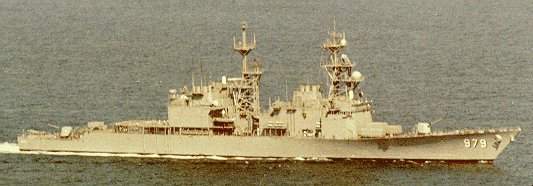 back to top go to the end of the page
About the Ship’s Name, about Admiral Richard Lansing Conolly:
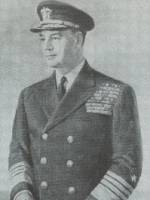 A native of Waukegan, Illinois, Richard Lansing Conolly attended Lake Forrest Academy, Lake Forrest, Illinois prior to his appointment in 1910 to the Naval Academy. After graduation in 1914 he was ordered to Mexican waters where he served in USS VIRGINIA. He continued duty in that battleship until May 1915, when he reported aboard USS MONTANA for torpedo instruction. In November 1915 he rejoined VIRGINIA, and in March 1916 he was assigned to USS VERMONT as Torpedo Officer of that battleship for two months. Transferred in May 1916 to USS SMITH, he was aboard that destroyer when the United States entered World War I, in April 1917, and served aboard SMITH while she performed escort duty in European waters out of Brest, France.
He was awarded the Navy Cross for services while attached to SMITH in connection with salvaging the transport WESTBRIDGE, torpedoed by a German submarine in August 1918, as follows: "For distinguished service in the line of his profession on the occasion of the torpedoing of the WESTBRIDGE, when he, with a party of eight others remained on board for five days steering by hand and handling the lines from the tugs, while the ship was towed four hundred miles to port."
Detached from SMITH in November 1918, he returned to the United States. Until August 1920, he had consecutive duty in connection with fitting out, and as Executive Officer in turn of the destroyers FOOTE, WORDEN, and HUNT. From August 1920 until June 1922 he was under instruction in electrical engineering at the Postgraduate School, Annapolis, Maryland, and Columbia University, New York, where he received a Master of Science. He continued instruction at various Naval activities until September 1922, and in November of that year joined USS MISSISSIPPI. In March 1924 he was transferred to USS NEW YORK, and served as assistant Engineer Officer of that battleship until September 1925.
After duty as an instructor in the Department of Electrical Engineering and Physics at the Naval Academy, Annapolis, Maryland, September 1925 until June 1927, he returned to sea as Engineer Officer of USS CONCORD. In August 1929 he assumed command of USS DUPONT. He completed the junior course at the Naval War College, Newport, Rhode Island in May 1931, and remained on the staff for two years.
In May 1933 he reported as Aide and Flag Secretary on the staff of Commander Cruisers, Scouting Force and in April 1935 was ordered to USS TENNESSEE. He served as Navigator of that battleship until June 1936, after which he again had duty, until May 1939, as an instructor at the Naval Academy, first in the Department of Electrical Engineering and Physics, and later in the Department of Seamanship and Navigation, acting as head of the latter department for six months in 1938.
Assuming command of Destroyer Division 7 in May 1939, he was transferred to duty as Commander Destroyer Squadron 6 on January 30, 1941. He was at sea, in command of Destroyer Squadron 6 at the time of the Japanese attack on Pearl Harbor on December 7, 1941. He subsequently participated in the initial attack on the Gilbert and Marshall Islands on February 1, 1942, as part of the gun bombardment force under command of Fleet Admiral William F. Halsey, Jr.; and in April his destroyers served as escort for the aircraft carrier HORNET from which Lieutenant General J. H. Doolittle's Army planes took off for the first bombing of Tokyo. He also participated in a shore bombardment of Wake Island in command of destroyers in Rear Admiral Raymond A. Spruance's Task Group.
back to top go to the end of the pageUSS CONOLLY Image Gallery:
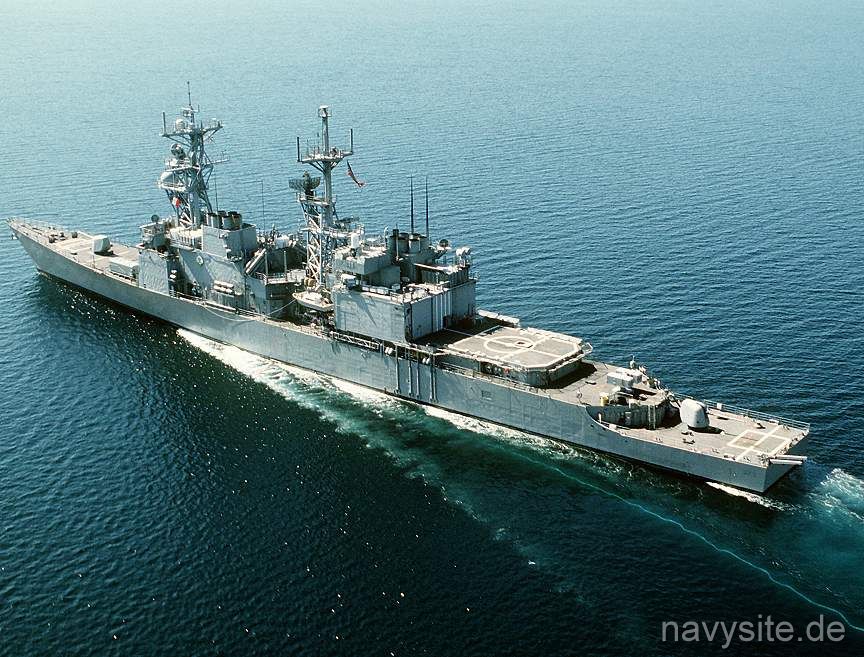 |  | 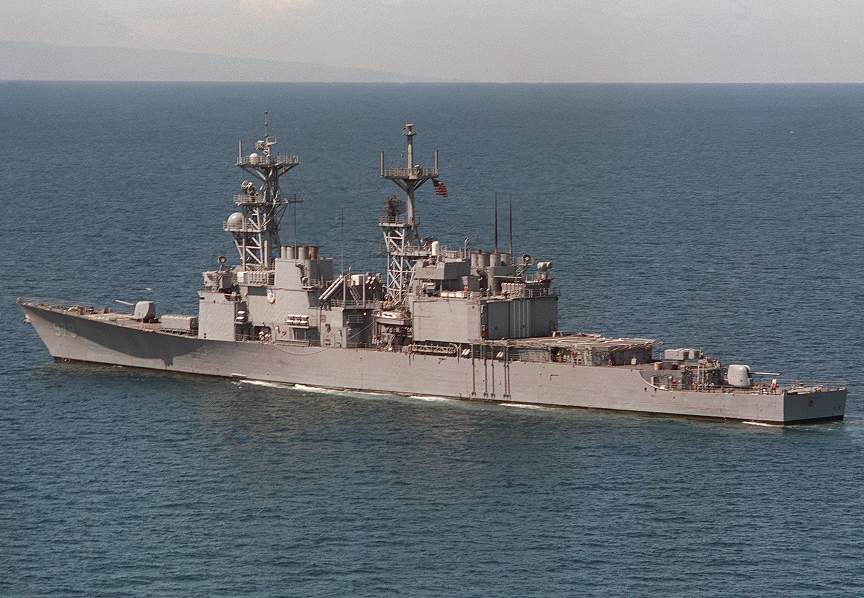 | 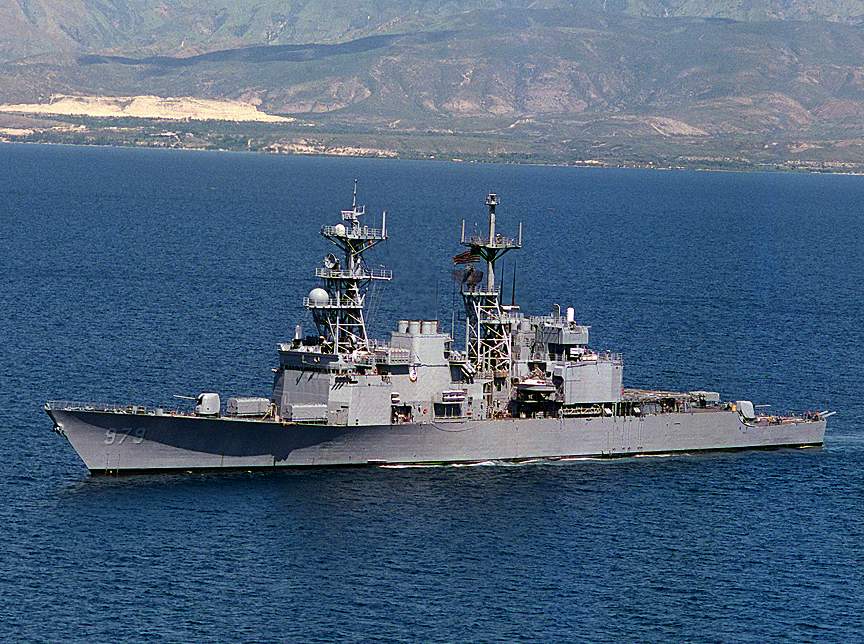 |  |
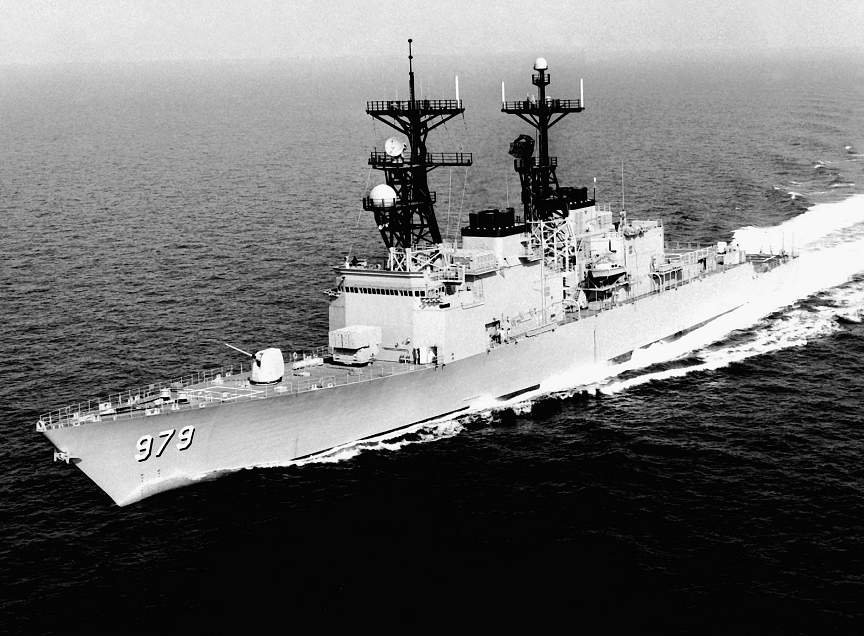 |  |  |  |
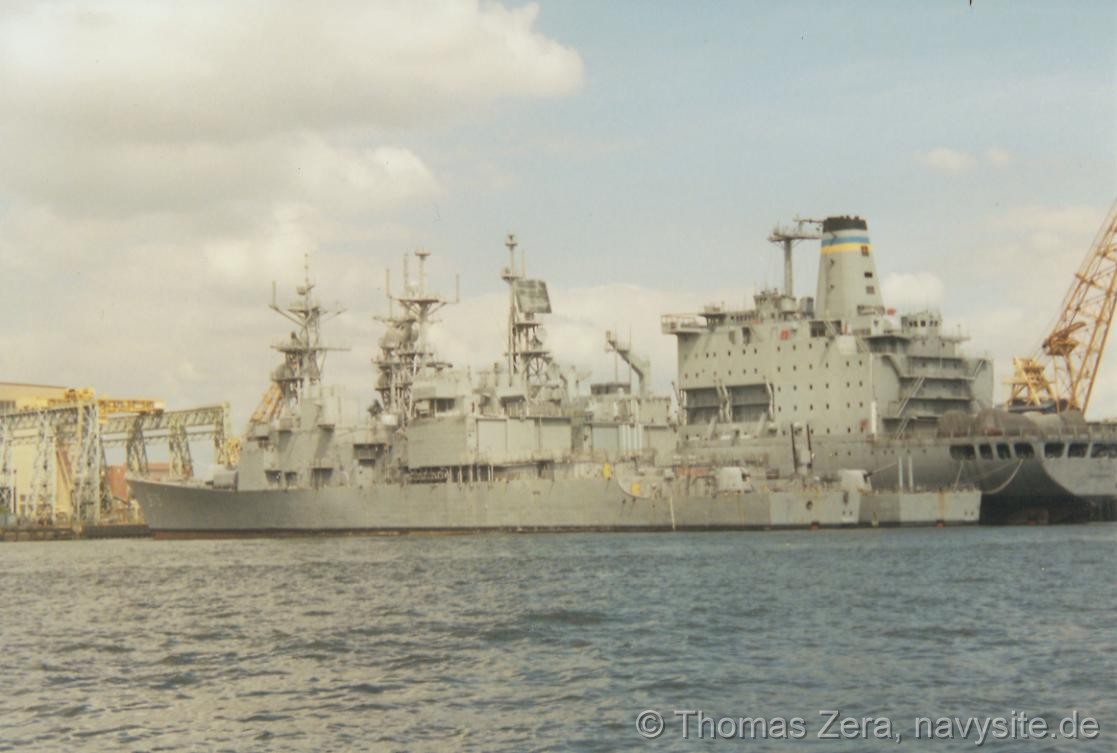
The photo below was taken by Thomas Zera and shows the CONOLLY laid up at Philadelphia, Penn., on September 9, 2001.
 |
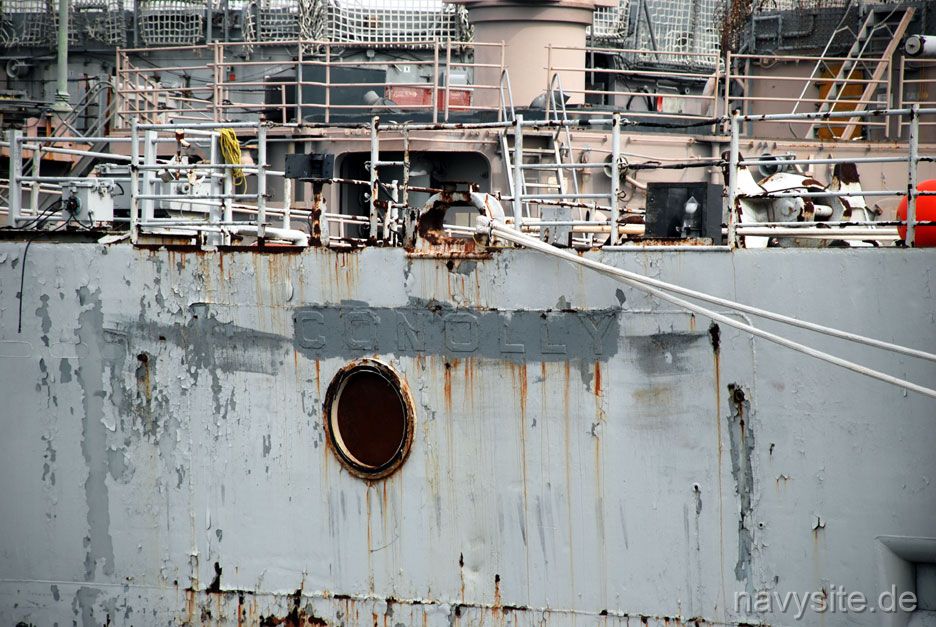
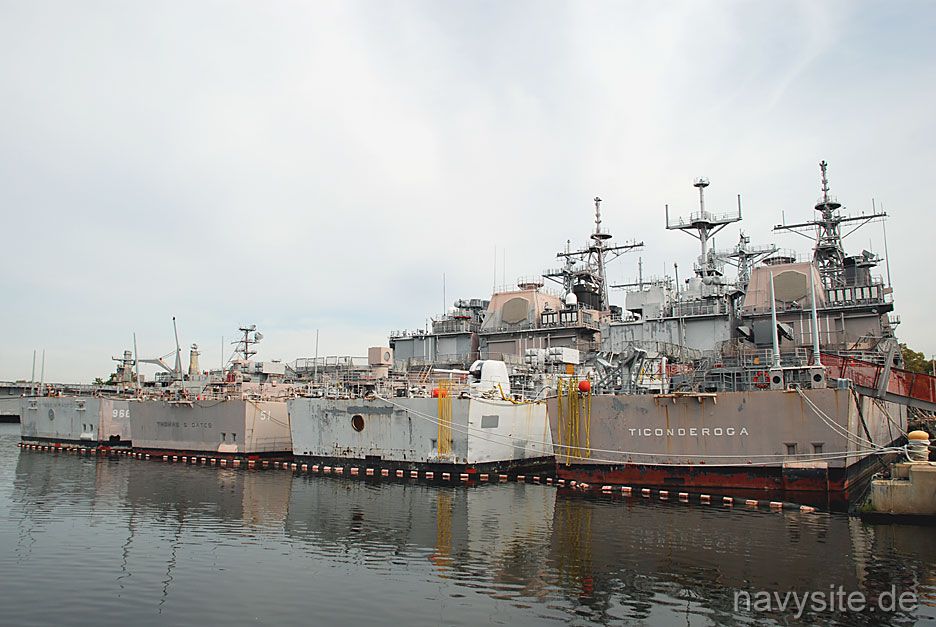
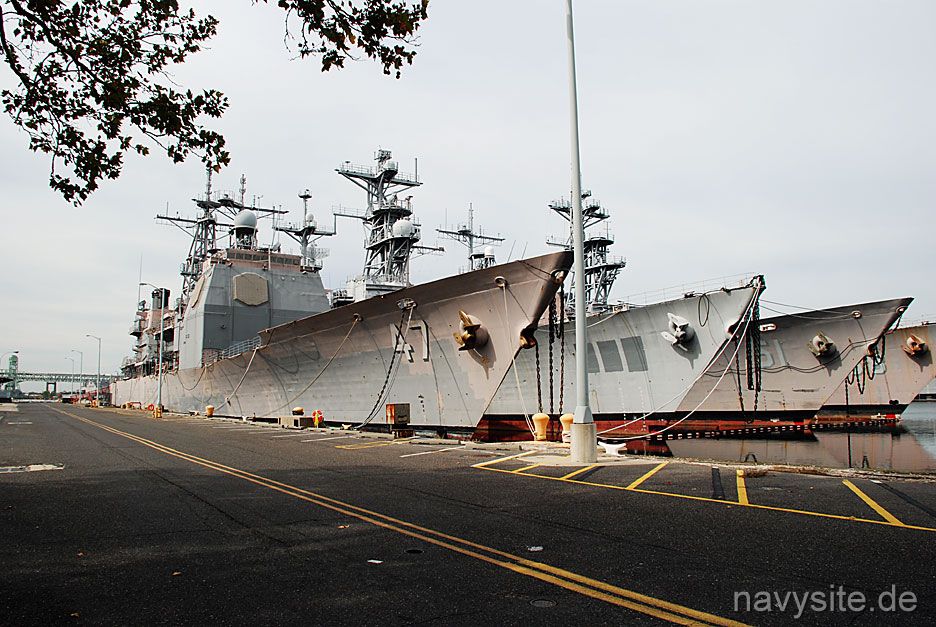
The photos below were taken by Brian Barton on October 13, 2008, and show the CONOLLY laid up at the Philadelphia Naval Shipyard. The ships next to the CONOLLY are TICONDEROGA (CG 47), THOMAS S. GATES (CG 51) and the ARTHUR W. RADFORD (DD 968). CONOLLY is the one berthed between the two guided missile cruisers.
 |  |  |
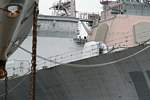
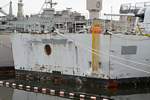
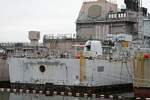
The photos below were taken by me on November 7, 2008, and show the CONOLLY laid up at the Philadelphia Naval Shipyard.
 |  |  |  |  |
 |  |  | Click here to view more photos. | |
back to top
 Back to Destroyers list. Back to ships list. Back to selection page. Back to 1st page.