Search the Site with 
General Characteristics Crew List Memorabilia Cruise Books Accidents aboard USS Wasp History Homeports of USS Wasp Patch Gallery Image Gallery to end of page
USS Wasp (LHD 1)

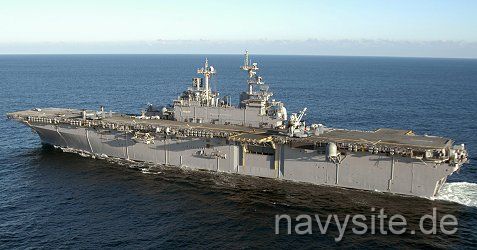
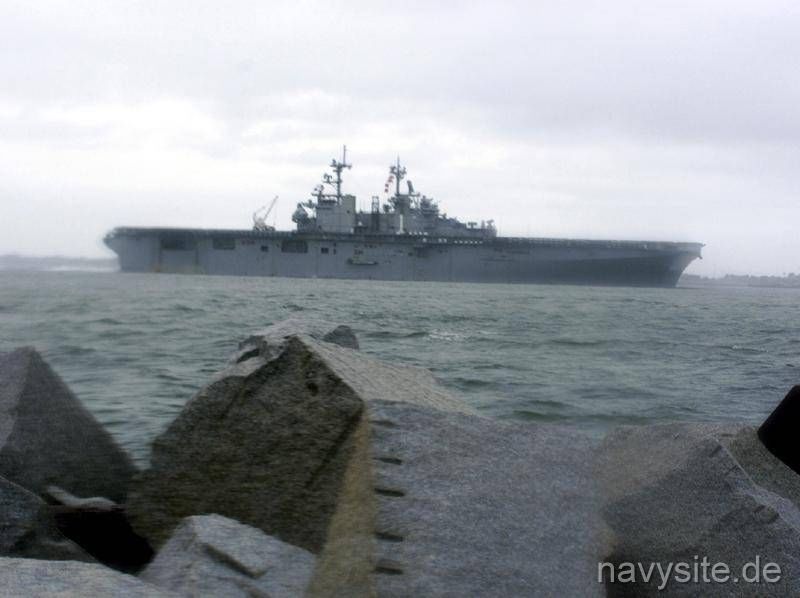
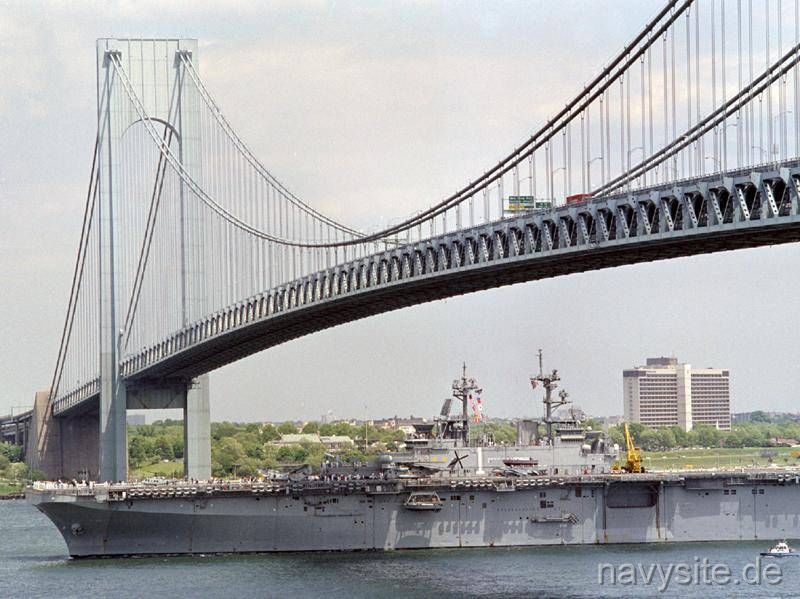
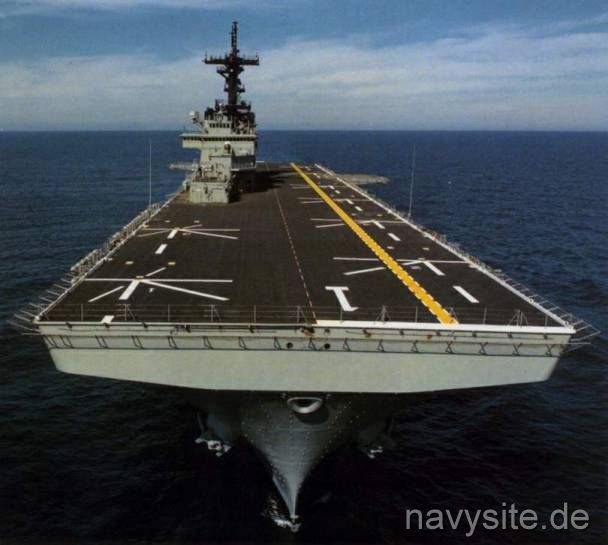
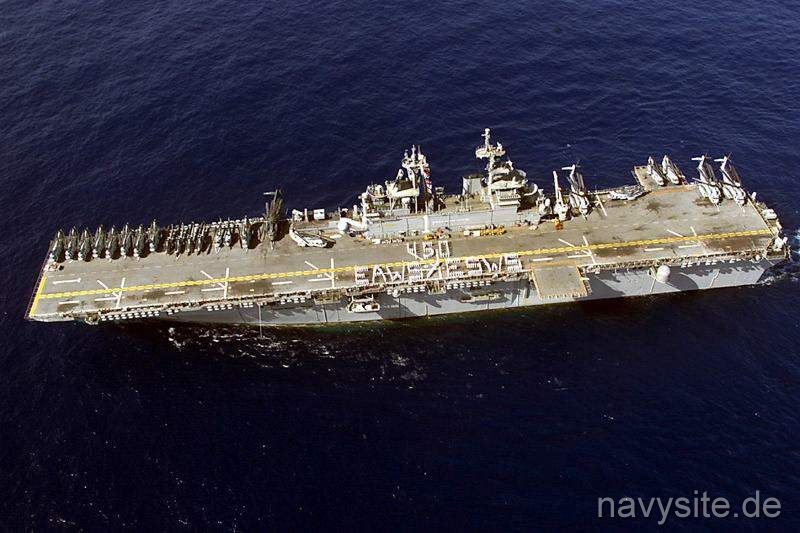
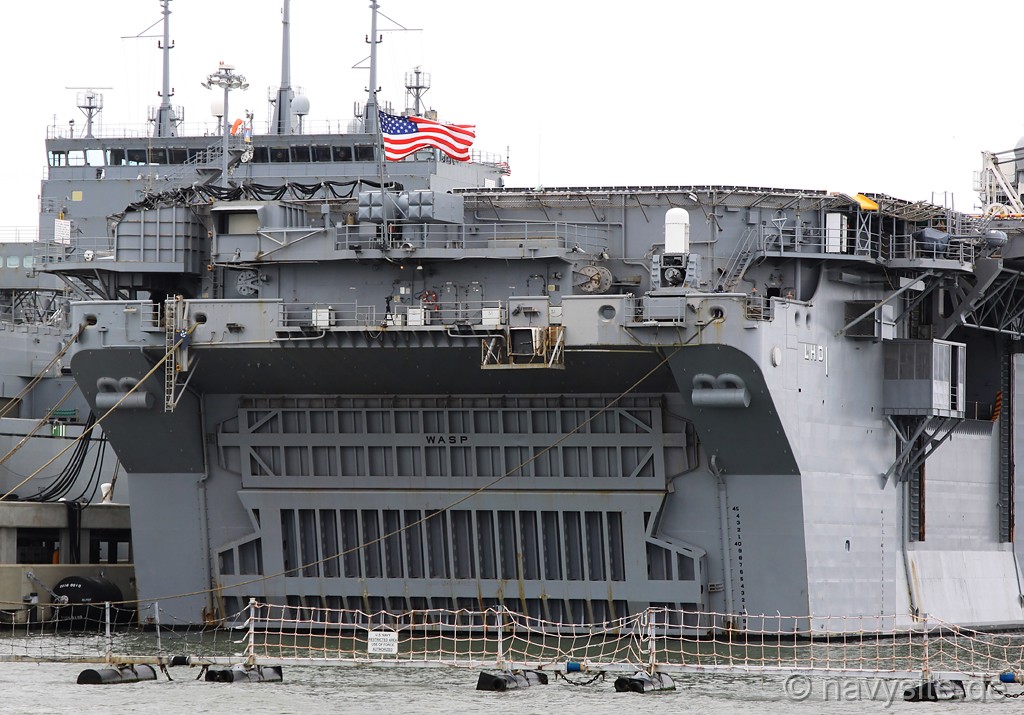
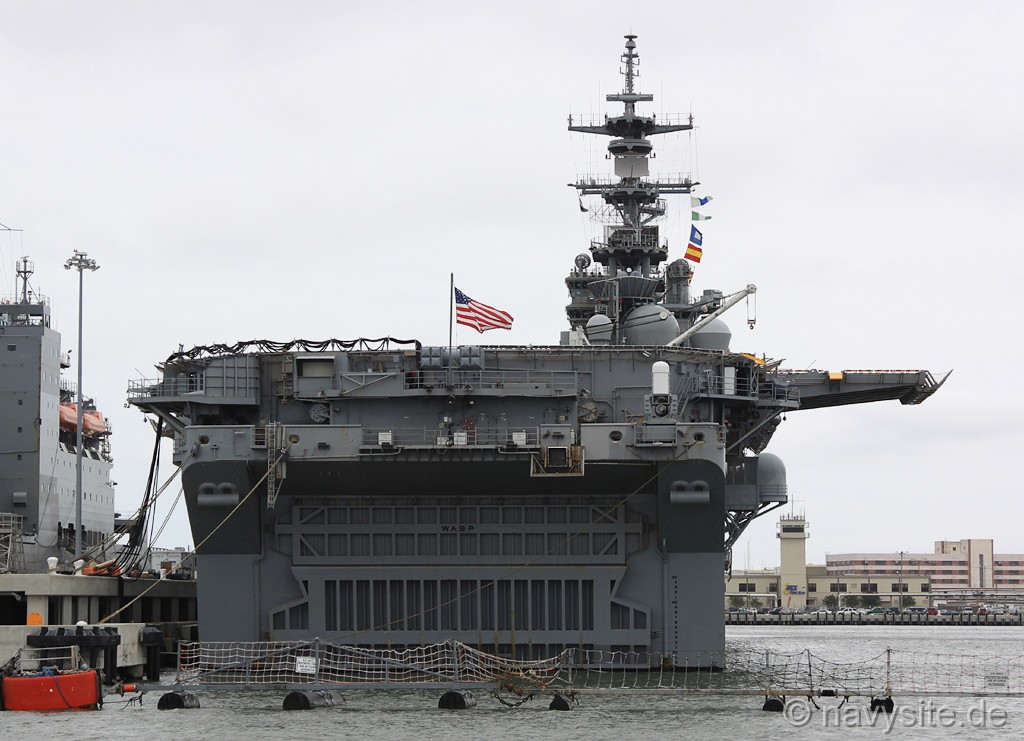
USS WASP is the lead ship of the Navy's first class of multi-purpose amphibious assault ships. This class consists of the biggest amphibious vessels ever built. USS WASP is the tenth ship in the Navy to bear the name.

General Characteristics:Keel Laid: May 30, 1985
Launched: August 4, 1987
Commissioned: July 6, 1989
Builder: Ingalls Shipbuilding , West Bank, Pascagoula, Miss.
Propulsion system: two boilers, two geared turbines
Propellers: two
Aircraft elevators: two
Length: 840 feet (256 meters)
Flight Deck Width: 140 feet (42.6 meters)
Beam: 106 feet (32,.3 meters)
Draft: 26,5 feet (8.1 meters)
Displacement: approx. 40,500 tons full load
Speed: 23 knots
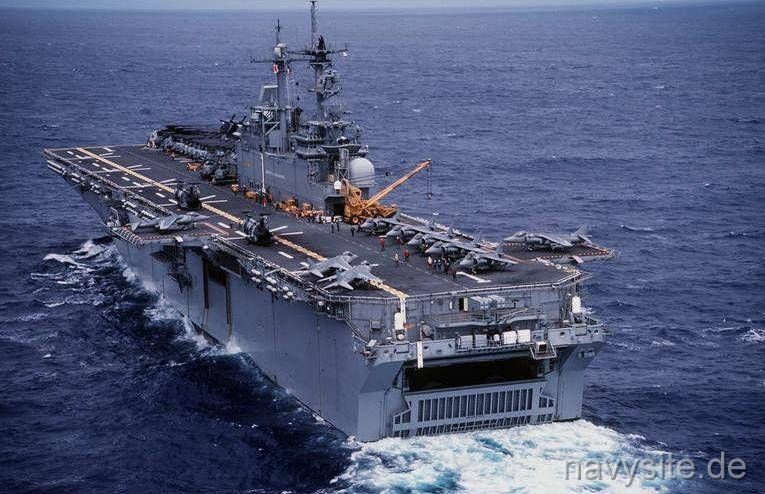
Aircraft: 30+ (including V-22 Osprey, AH-1Z Viper and AH-1W Super Cobra, F-35B, CH-53K Sea Stallion, MH-60S Naval Hawk)
Crew: Ship: 73 officers, 1,009 enlisted     Marine Detachment: 1,894
Armament: two Mk-29 NATO Sea Sparrow launchers, two 20mm Phalanx CIWS, eight Mk-33 .50 cal. machine guns, two Rolling Airframe Missile Systems
Cost: approx. $822 million
Homeport: Norfolk, Va.


Back to topback to top  go to endgo to the end of the page


Back to topback to top  go to endgo to the end of the page

Crew List:

This section contains the names of sailors who served aboard USS WASP. It is no official listing but contains the names of sailors who submitted their information.


back to top  go to the end of the page


Back to topback to top  go to endgo to the end of the page

USS WASP Cruise Books:


Back to topback to top  go to endgo to the end of the page

Accidents aboard USS WASP:

DateWhereEvents
April 20, 1993off southern SomaliaThe WASP run aground when the ship scraped its keel and propeller on a charted reef approximately 3.5 miles from shore. There were no injuries to the crew and the ship continued on its assigned mission.
Following the incident the ships's CO and the navigator were relieved.
March 29, 1995 USS WASP collided with the Fast Combat Support Ship USS SEATTLE (AOE 3).


Back to topback to top  go to endgo to the end of the page

USS WASP History:

USS WASP was laid down at Ingalls Shipbuilding in Pascagoula, Mississippi, on May 30, 1985, launched on August 4, 1987, and commissioned at Norfolk on July 29, 1989. The first months in service were devoted to working-up a new big-deck amphibious design around LCAC operations and AV-8B STOVL aviation.

WASP's first overseas cruise began on June 20, 1991, when she sailed for the Mediterranean for a six-month deployment that book-ended the end of the Cold War with routine Sixth Fleet port visits and presence patrols. Early stops included Toulon and Rota, reflecting the ship's role as a sea base for embarked Marines and helicopters as NATO partners adjusted to rapidly changing European security conditions after the 1991 Gulf War. She returned to Norfolk in late 1991, having established the ship as an East Coast amphibious flagship for follow-on rotations.

Amid mounting instability in the Horn of Africa, WASP conducted an emergency deployment in early 1993 to support U.N. operations in Somalia. During that spring surge the ship served as an afloat staging base off Mogadishu while senior U.S. leaders reviewed the evolving mission. On April 20, 1993, she scraped a shallow reef about 3.5 miles off the Somali coast, sustaining minor bottom contact but remaining on station and continuing operations. The commanding officer and navigator were later relieved, but the ship's operational tempo in support of the U.N. mandate did not break stride.

In 1994, WASP shifted to the Caribbean as Haiti's political crisis crested. Operating off Cap-Haitien in September, she embarked and supported Marines preparing for a forced-entry option that became the permissive intervention of Operation Uphold Democracy after last-minute negotiations averted combat. The ship provided aviation, command-and-control, and sea-basing through the transition to a U.N. follow-on mission.

Back in the Atlantic and Northern Europe in 1995, WASP moved into cold-weather training and NATO integration, including amphibious workups off Norway during STRONG RESOLVE. That same deployment produced a cautionary seamanship footnote: on March 29, 1995, while refueling alongside, the fast combat support ship USS SEATTLE (AOE 3) lost gyro repeaters and struck WASP, causing minor damage that was quickly repaired. The big-deck returned to tasking with no operational impact.

Through the late 1990s, WASP alternated routine deployments and maintenance. She received the Atlantic Fleet's Marjorie Sterrett Battleship Fund Award in 1998, reflecting sustained excellence in readiness and seamanship, and continued regular Sixth Fleet patrols as NATO adapted to Balkan crises and a widening set of Mediterranean security missions.

Following the September 11 attacks in 2001, WASP and the 22nd Marine Expeditionary Unit (MEU) deployed on February 22, 2002, with USS TRENTON (LPD 14) and USS OAK HILL (LSD 51) for Operation Enduring Freedom. Embarked HMM-261 (Rein) and the MEU conducted long-range inserts and sustainment via Djibouti and the northern Arabian Sea as coalition forces pursued remnant Taliban and al-Qaeda networks. The rotation carried into 2003 with Fifth Fleet operations and a port cycle that included Jebel Ali at the height of the Iraq build-up.

In early 2004, WASP again served as a long-range transport and sea base, embarking Marines and aviation units for movement into and around the CENTCOM theater before returning home that autumn. Two years later, as the 2006 Lebanon crisis unfolded, the ship surged to the Eastern Mediterranean. Arriving on September 6, she relieved command duties from USS MOUNT WHITNEY during the evacuation's final phase, embarked a Fleet Antiterrorism Security Team detachment, and provided command-and-control for maritime security operations as U.S. forces drew down.

WASP also marked a watershed in Marine aviation mobility. In October 2007, she carried the first operational MV-22B Osprey detachment (VMM-263) across the Mediterranean and through the Red Sea toward Iraq, demonstrating the big-deck amphib's strategic ferry role for tilt-rotor aircraft and setting conditions for the Osprey's sustained combat use ashore.

From October 2009 to early 2010, the ship led "Southern Partnership Station-Amphib", a three-month security-cooperation deployment with Destroyer Squadron 40. Operating across the U.S. Fourth Fleet area, WASP conducted at-sea interoperability training, community engagements ashore, a replenishment with the Dutch oiler HNLMS AMSTERDAM (A 836), and an extended stop at Guantanamo Bay to support embarked training detachments. The cruise underscored the class's utility for theater shaping and partner-navy capacity building.

In 2011, the ship began a multi-year chapter as the Navy-Marine Corps testbed for the F-35B. After receiving specialized instrumentation and deck modifications, WASP hosted the short takeoff/vertical landing variant's first-ever vertical landing at sea on October 3, 2011, during an 18-day developmental test period that logged 72 STOVLs and validated ship/air integration. A second at-sea test period followed in 2013, cementing procedures that would later transition to fleet employment.

Combat returned to the flight deck in 2016. Deploying with USS WHIDBEY ISLAND (LSD 41) and USS SAN ANTONIO (LPD 17) as the WASP Amphibious Ready Group, the ship moved to the central Mediterranean. Beginning August 1, 2016, AV-8B Harriers of the embarked 22nd MEU launched repeated precision strikes into ISIS-held Sirte, Libya, under Operation Odyssey Lightning, while AH-1W Cobras provided close air support. After more than three months of sustained sorties, the mission concluded on December 19, 2016, with Sirte liberated by GNA-aligned ground forces.

In September 2017, WASP pivoted to disaster relief after Hurricanes Irma and Maria devastated the Caribbean. She was among the first large U.S. warships on scene, using her helicopters and medical facilities to evacuate patients from St. Thomas, deliver supplies, and support joint task force assessment and logistics ashore - classic Defense Support of Civil Authorities at sea.

Forward-deployed naval forces status followed. On January 14, 2018, the ship shifted homeport to Sasebo, Japan, and in March sailed with the 31st MEU on Spring Patrol 2018 carrying a detachment of F-35Bs from VMFA-121 - the first operational deployment of the type aboard a U.S. Navy ship. Through 2018, she executed patrols and exercises around Okinawa and the First Island Chain, then in late October supported U.S. disaster relief in the Northern Mariana Islands after Super Typhoon Yutu, delivering aid to Tinian and Saipan alongside joint and interagency partners.

In 2019, WASP participated in regional engagements around Japan and the Philippine Sea before the Navy realigned big-deck amphibious coverage in the Western Pacific. On November 18, 2019, she completed a homeport shift back to Norfolk, rejoining the Atlantic Fleet in time to commence a heavy maintenance cycle.

The ship then entered an 18-month docking selected restricted availability (DSRA) at BAE Systems Norfolk Ship Repair under a $197 million modernization and repair contract awarded in November 2020. Work included hull, tank and mechanical overhauls and extensive systems refresh to restore full expeditionary capability. WASP returned to Naval Station Norfolk on July 28, 2022, to begin post-availability trials and a continuous maintenance availability.

Regenerated for deployment, WASP resumed underway operations and regional port engagements in 2023, including a summer visit to Nassau, and re-formed an Amphibious Ready Group with USS NEW YORK (LPD 21) and USS OAK HILL (LSD 51). On June 1, 2024, the WASP ARG with the embarked 24th MEU (SOC) began a seven-month cruise to the European theater, transiting the Strait of Gibraltar on June 26. Through the summer the team integrated into BALTOPS 24, dispersing aviation and landing forces - including a detachment that operated from Sweden - before shifting south to the Mediterranean for distributed operations and participation in NATO's Neptune Strike 24.2 high-end maritime strike events. The ARG-MEU returned to Hampton Roads on December 6, 2024, closing a deployment that married day-to-day deterrence and allied interoperability with the amphibious force's crisis-response role.


Back to topback to top  go to endgo to the end of the page

Homeports of USS WASP:

PeriodHomeport
commissioned at Norfolk, Va.
1989 - 2018Norfolk, Va.
2018 - 2019Sasebo, Japan
2019 - presentNorfolk, Va.


Back to topback to top  go to endgo to the end of the page

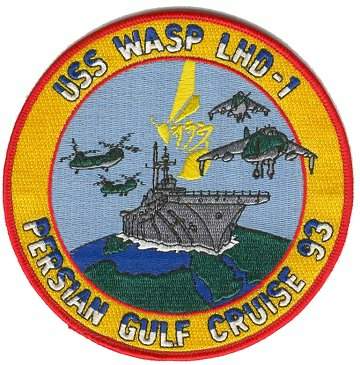
USS WASP Patch Gallery:

MED Cruise 1993


Back to topback to top  go to endgo to the end of the page


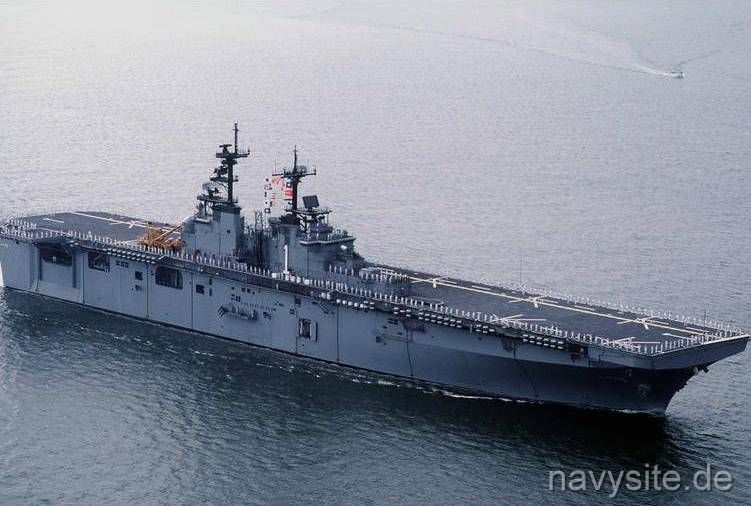
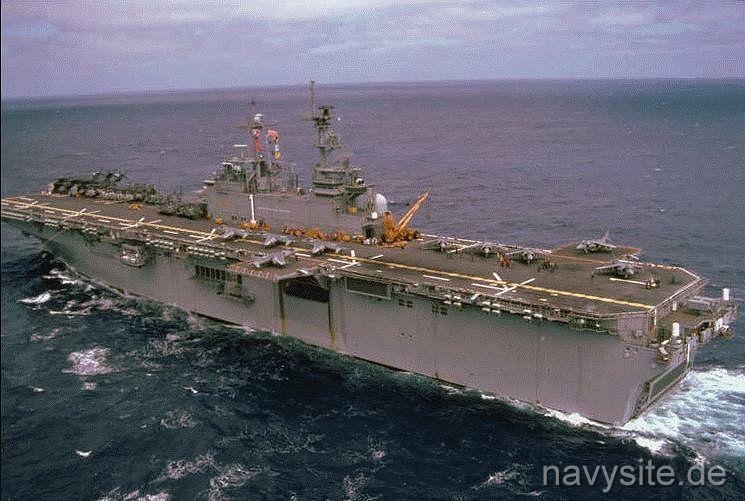
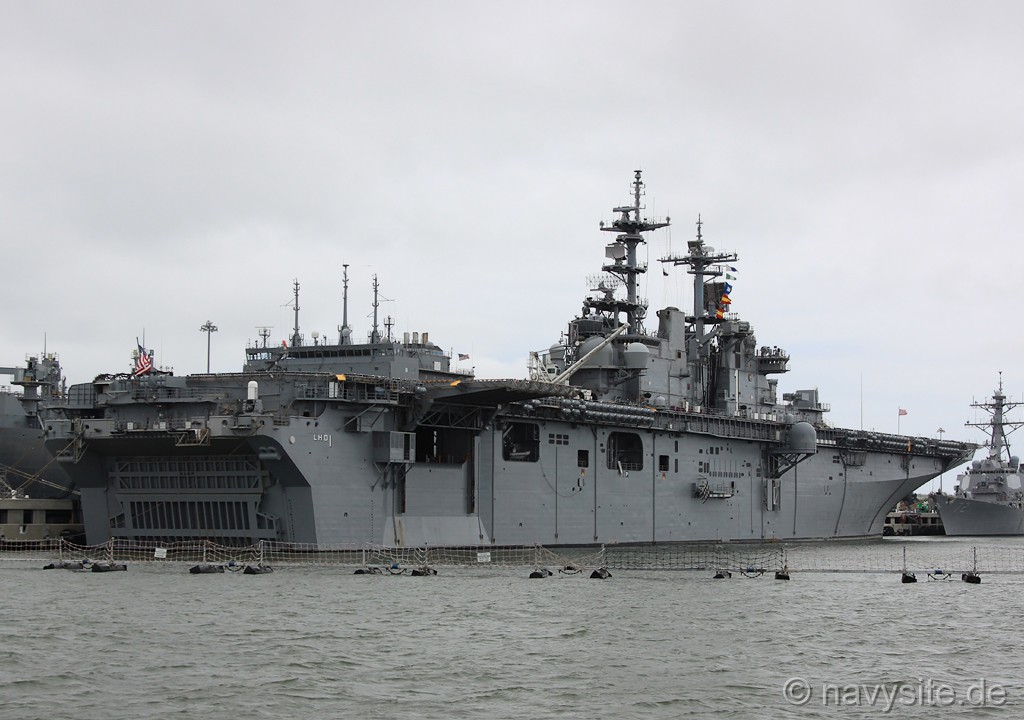
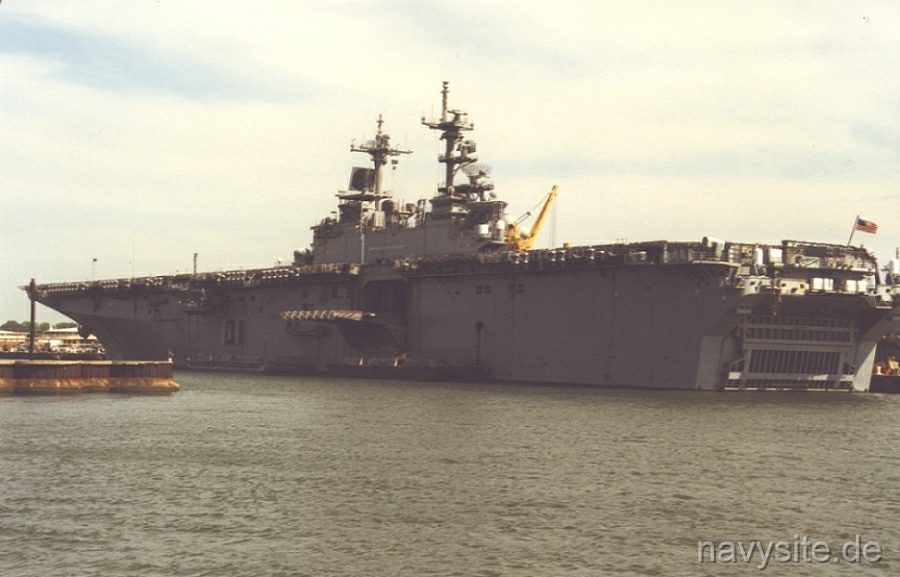
The photo below was taken by Karl-Heinz Ahles and shows USS WASP at Naval Base Norfolk, Va., on May 11, 1999.


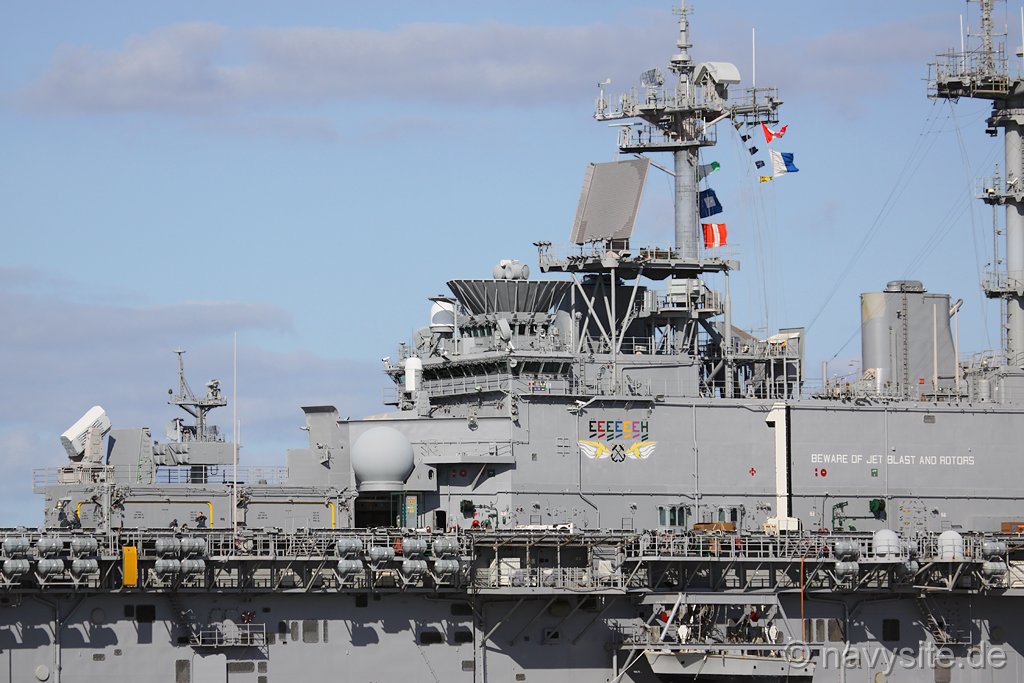
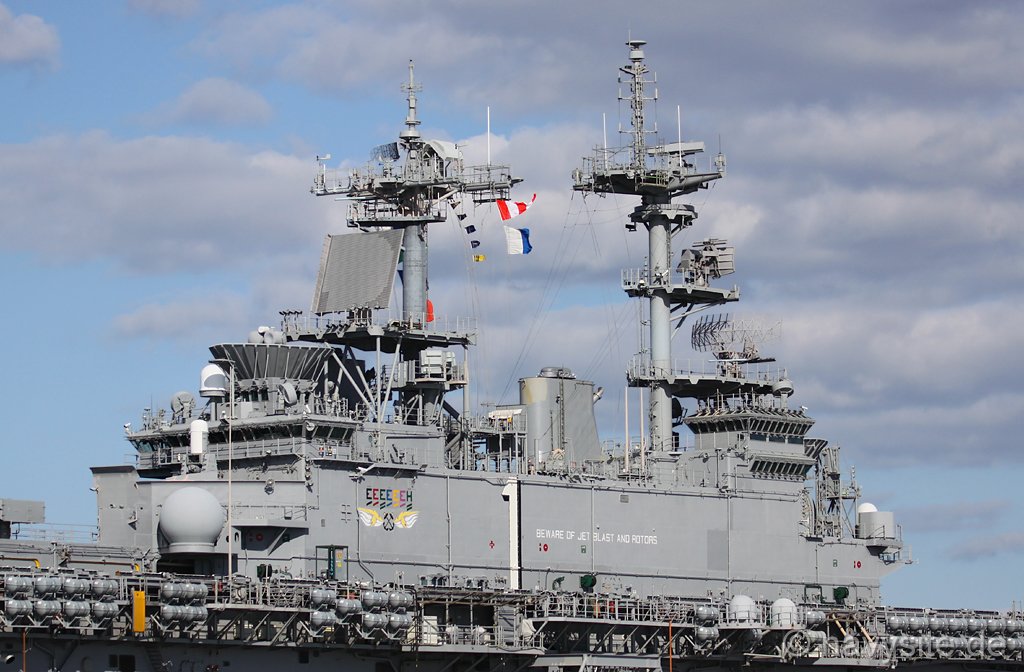
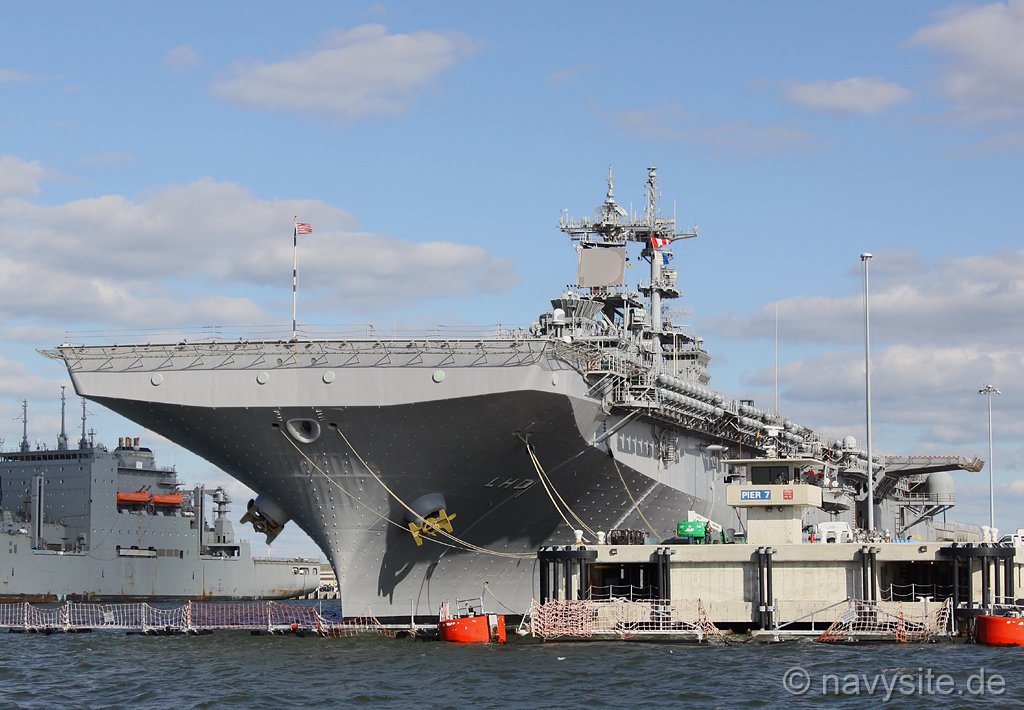
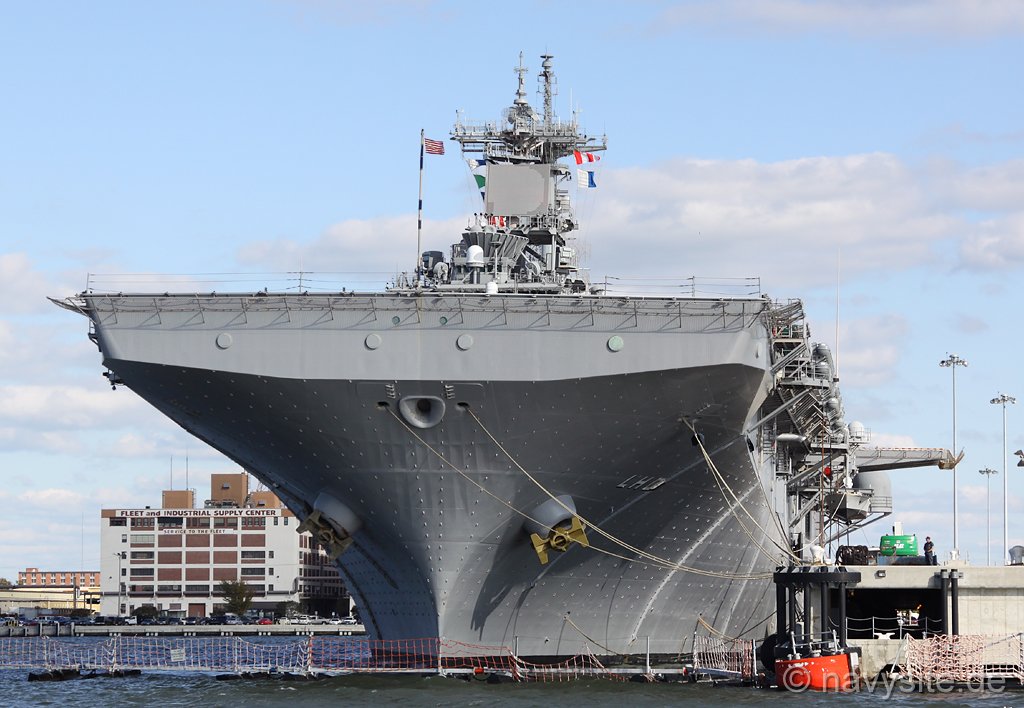
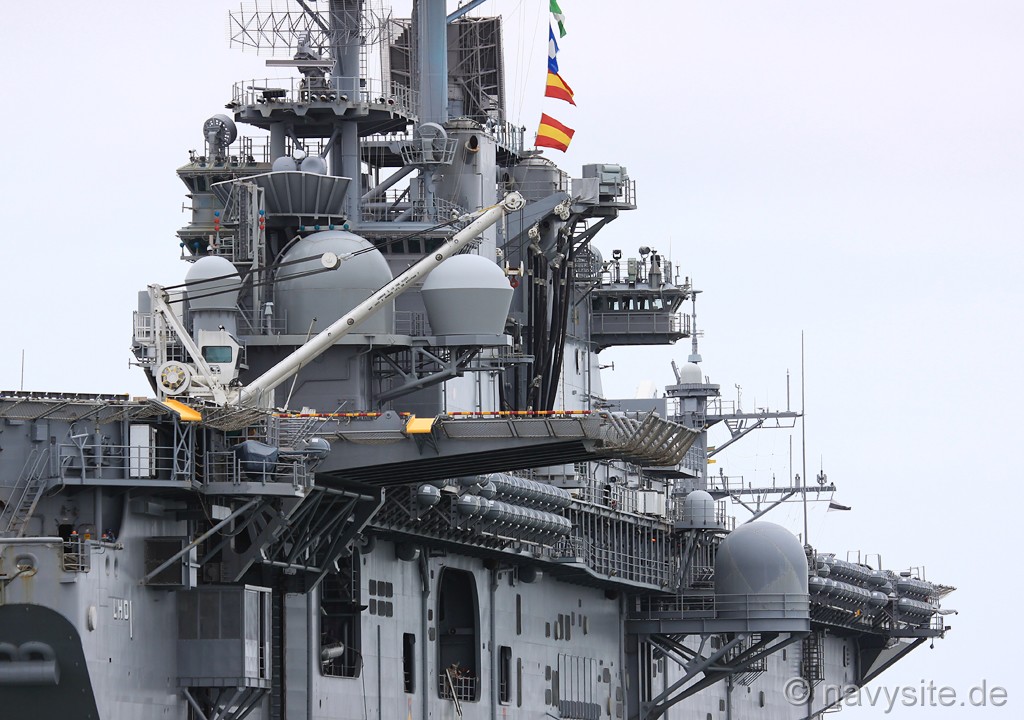
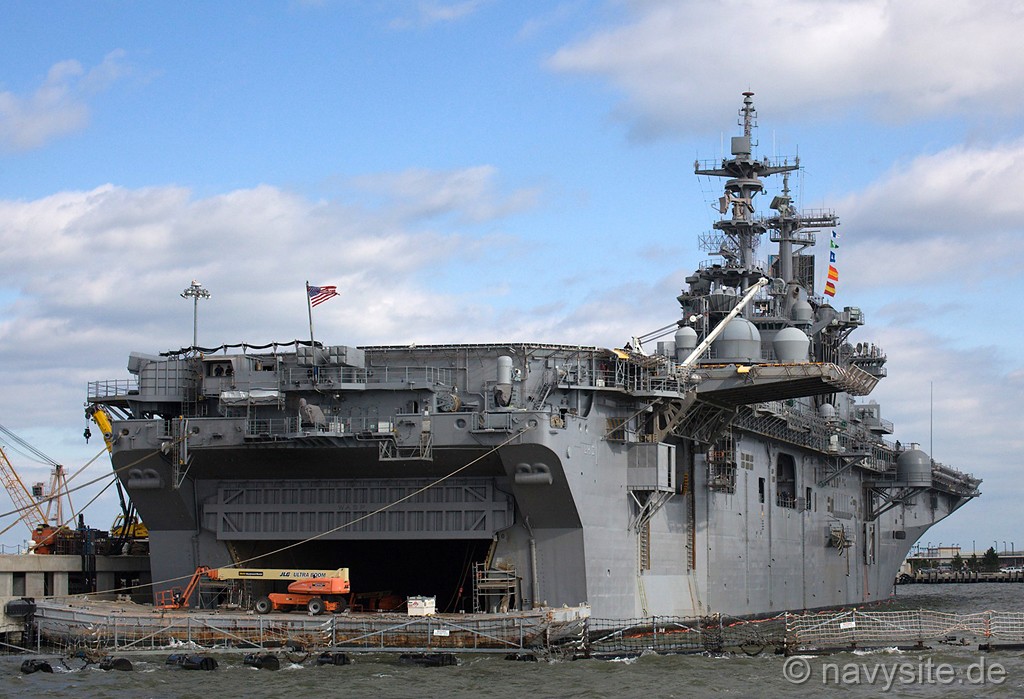
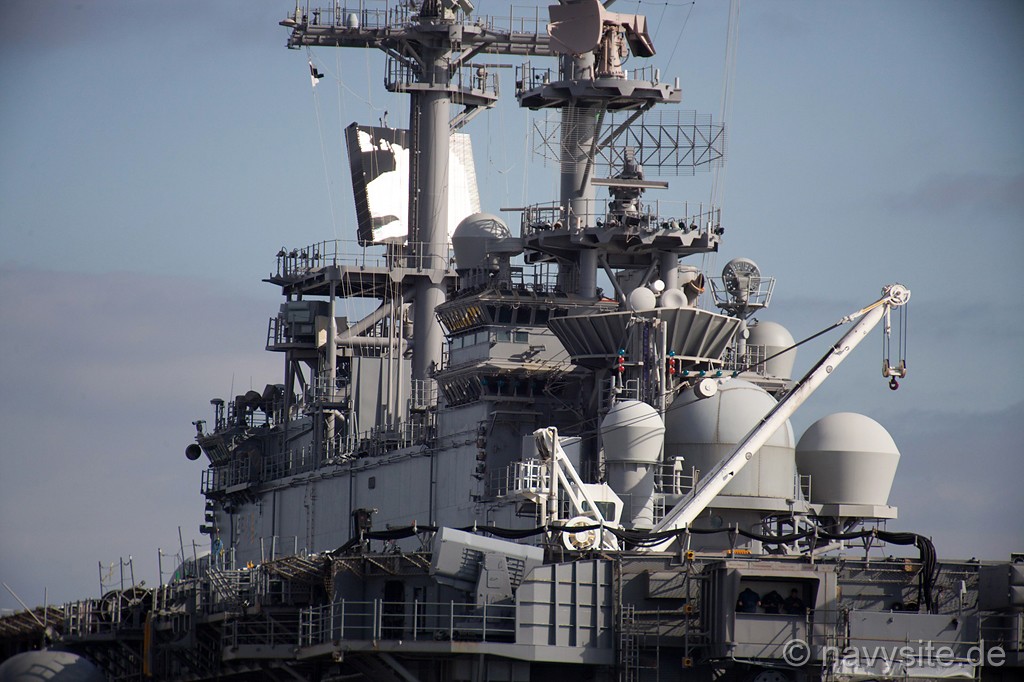
The photos below were taken by me and show the USS WASP at Naval Base Norfolk, Va., on October 27 (first photo) and October 29, 2010.
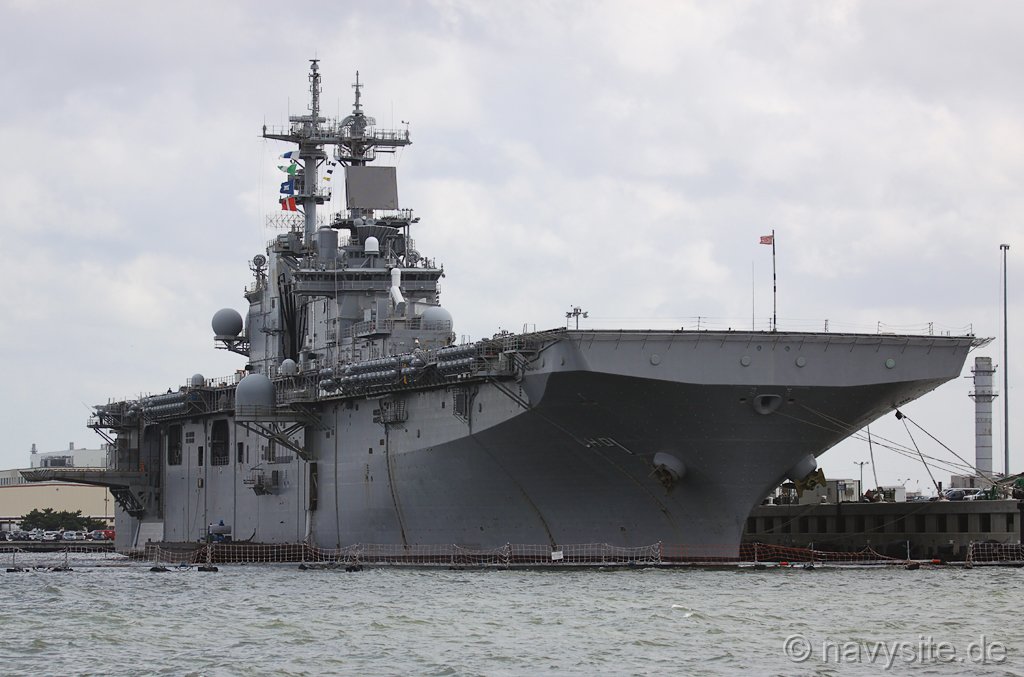


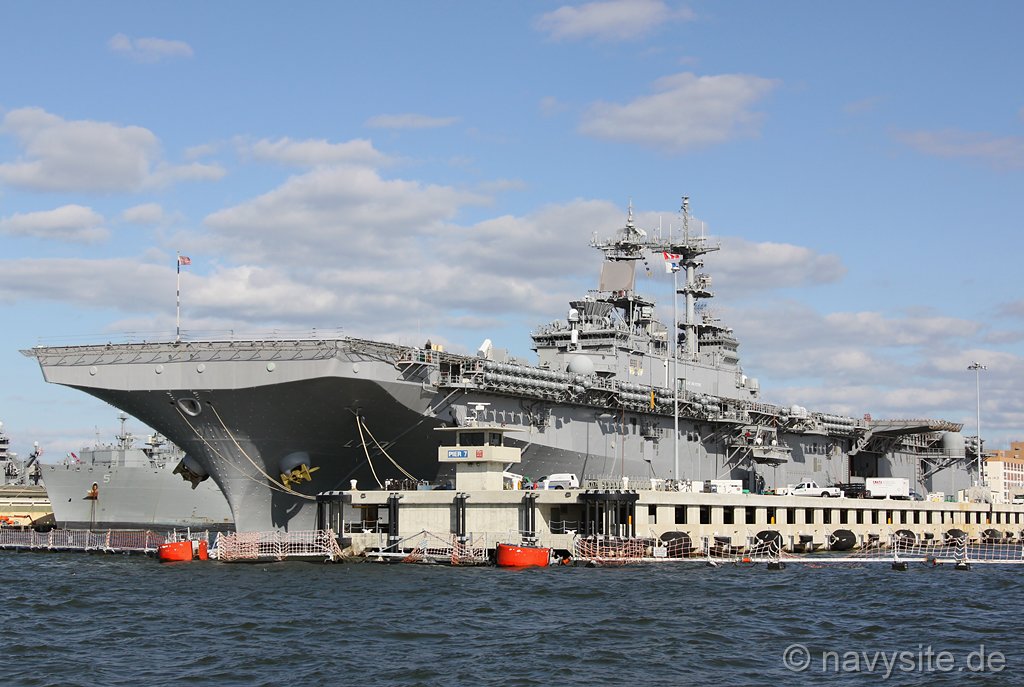
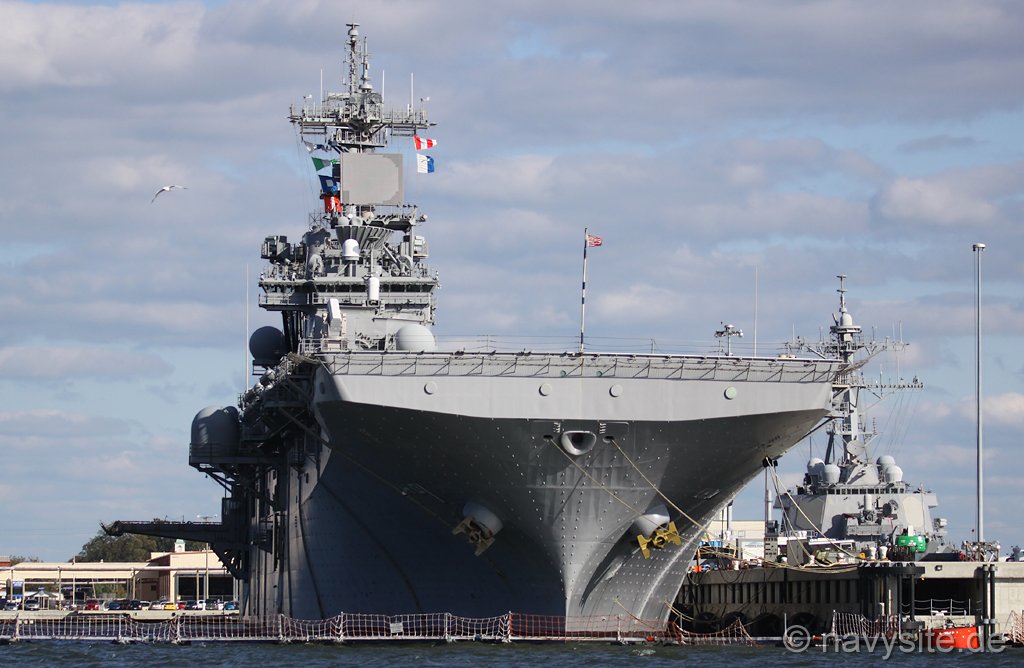
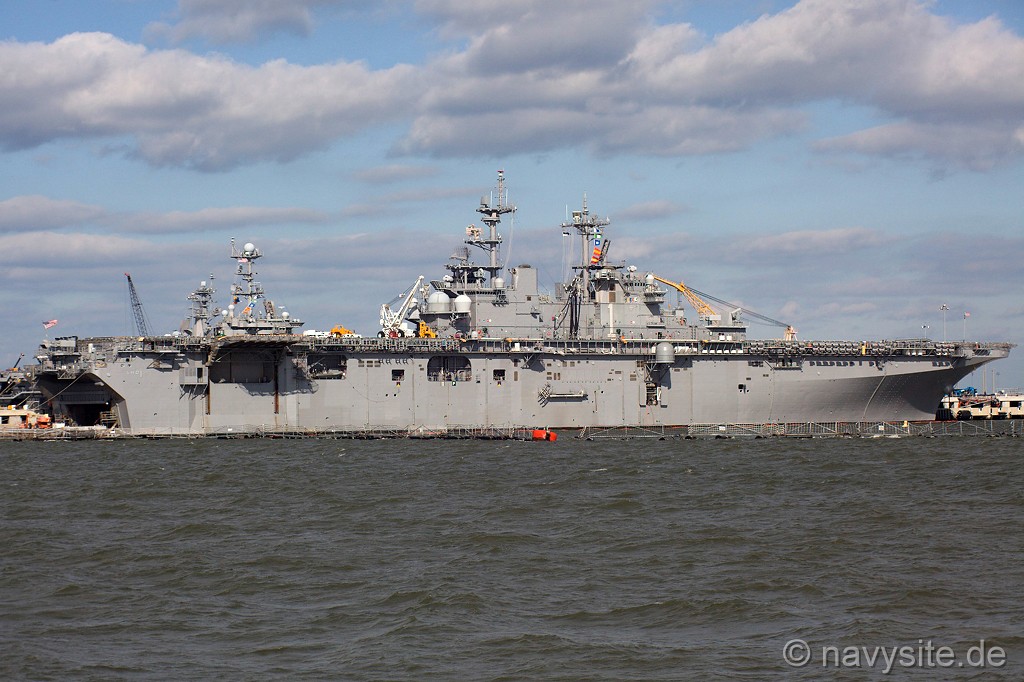
The photos below were taken by me and show the USS WASP at Naval Base Norfolk, Va., on May 6, 2012.


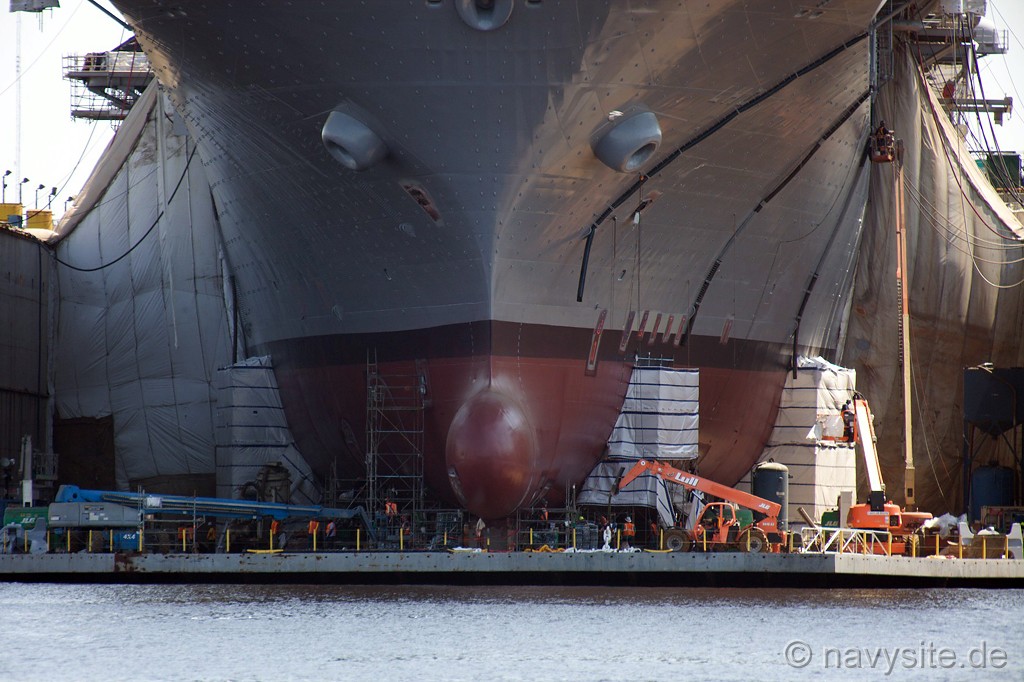
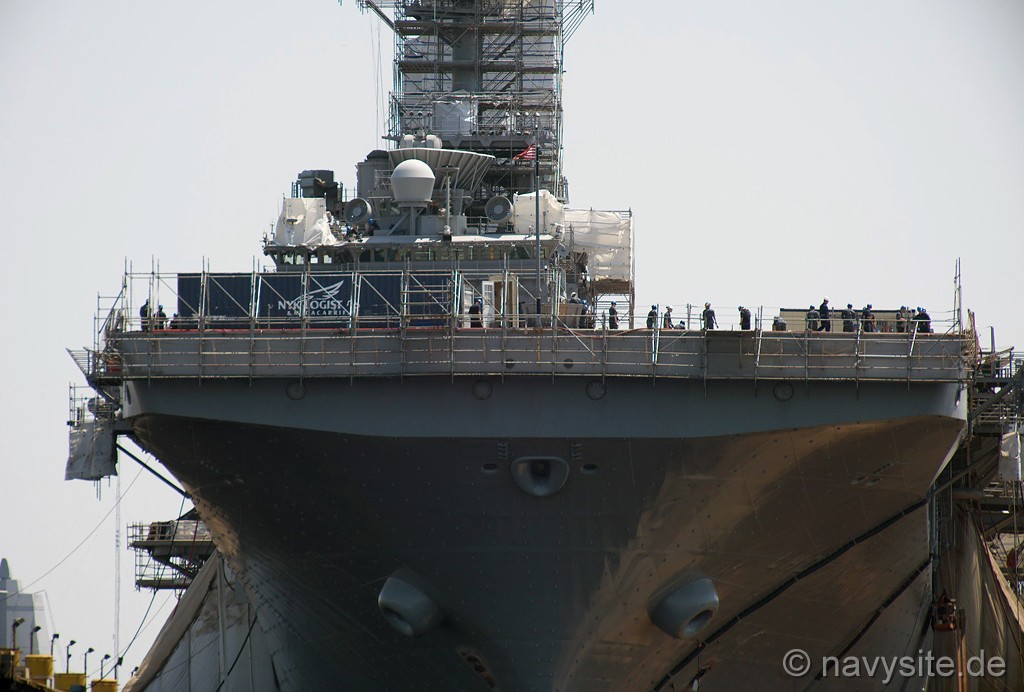
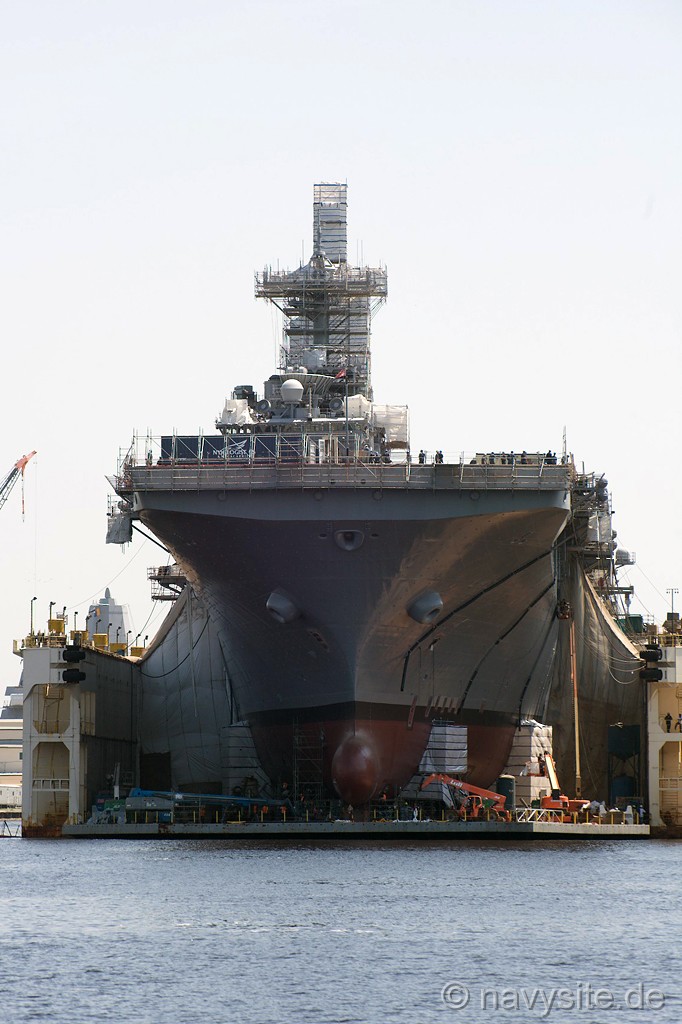
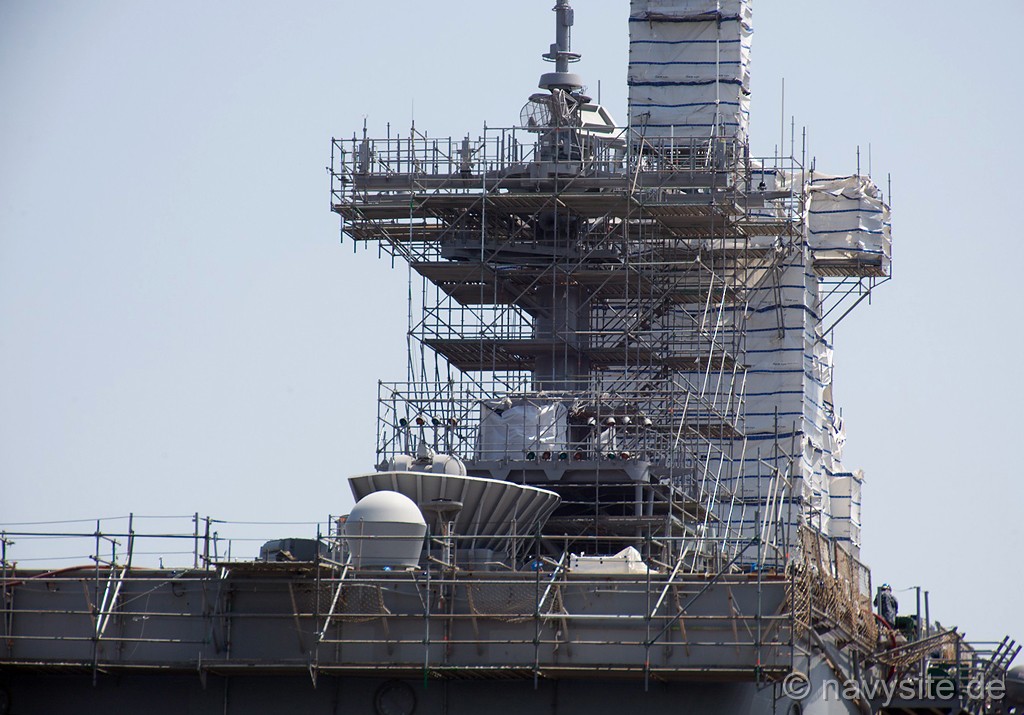
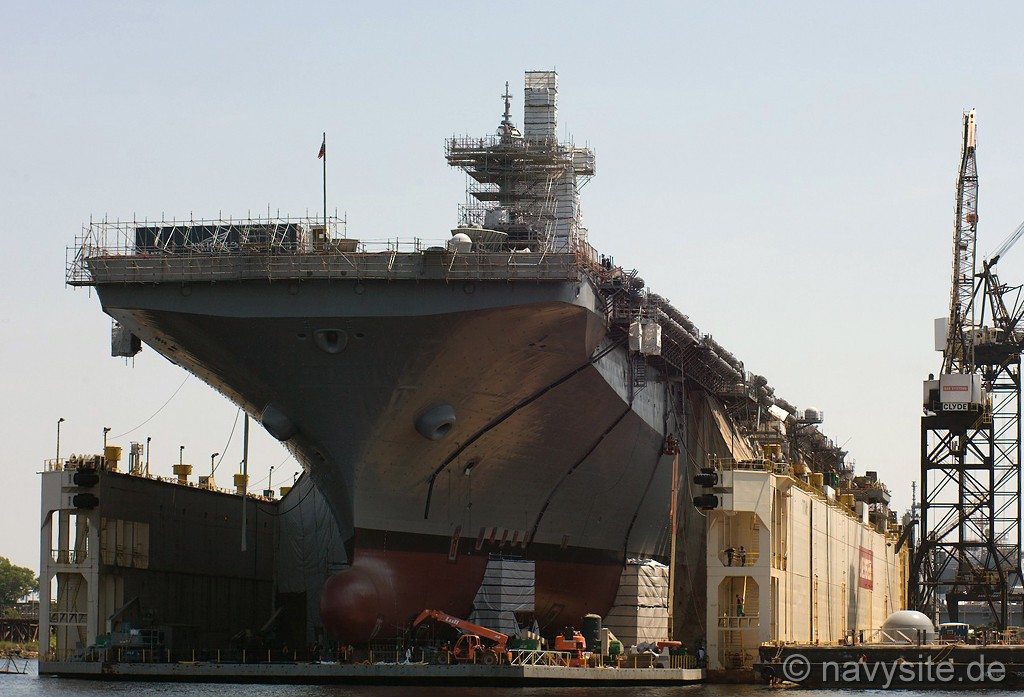
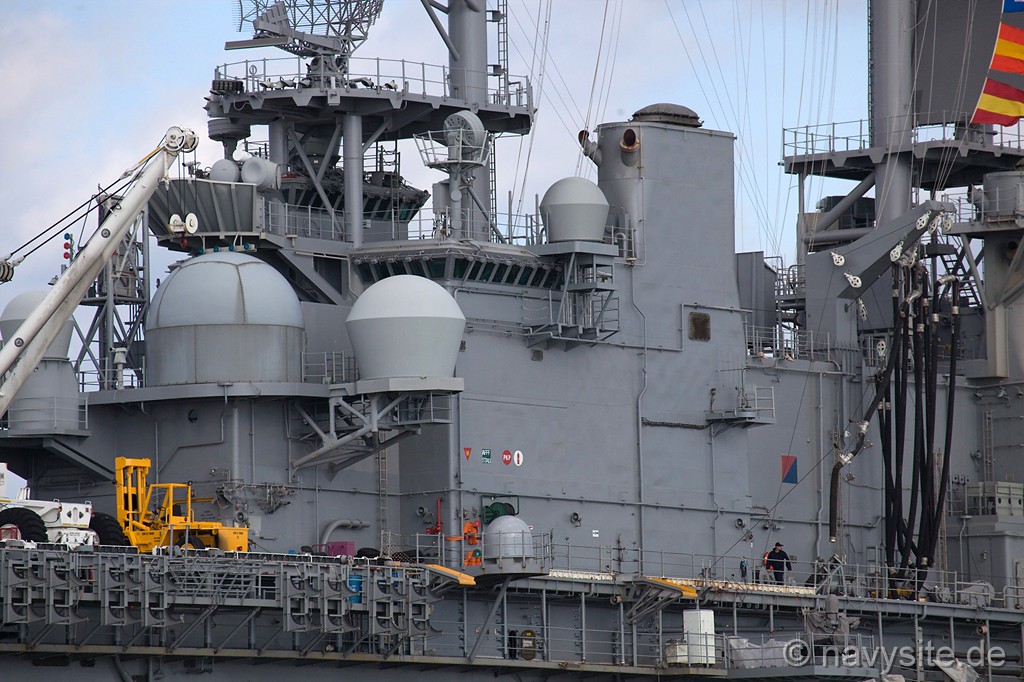
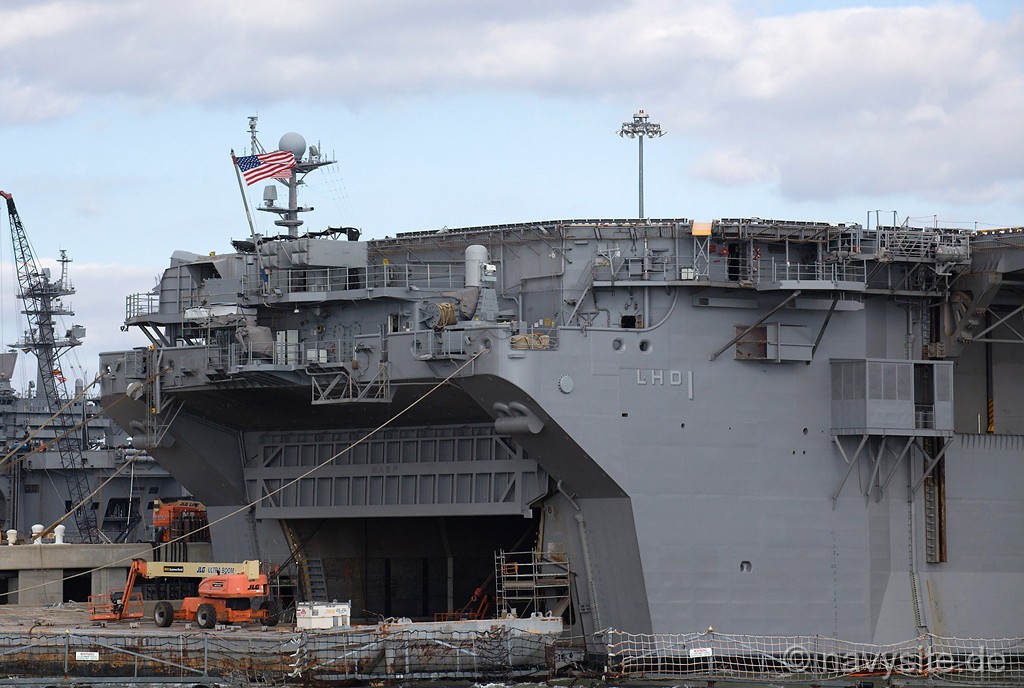
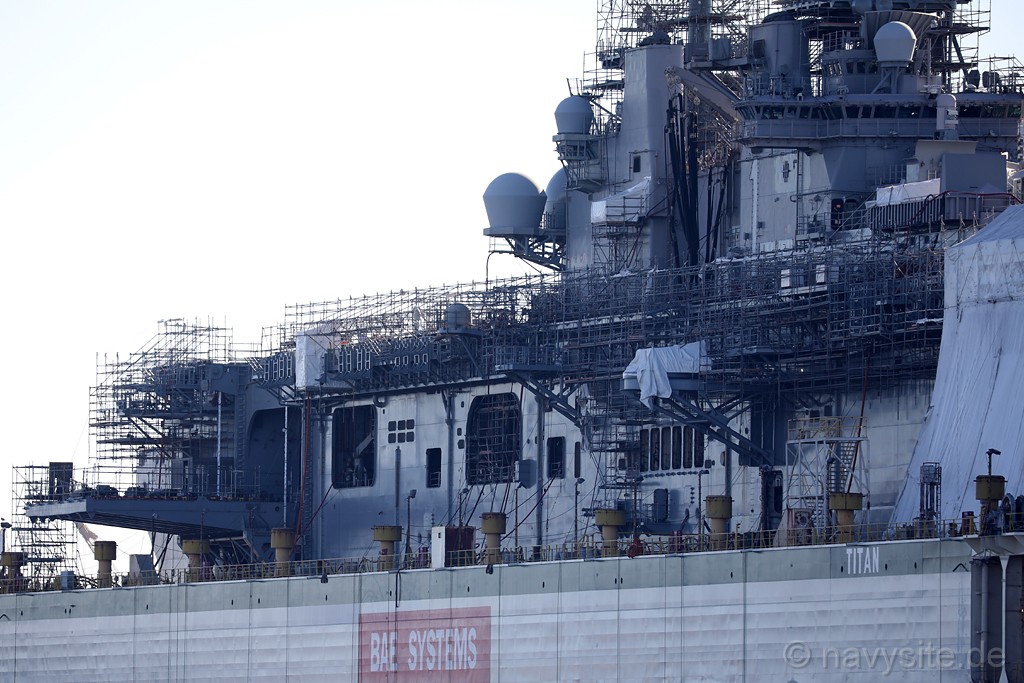
The photos below were taken by Michael Jenning and show the USS WASP at BAE Systems Norfolk Ship Repair during a Drydocking Phased Maintenance Availability (DPMA). The photos were taken on May 8, 2014.
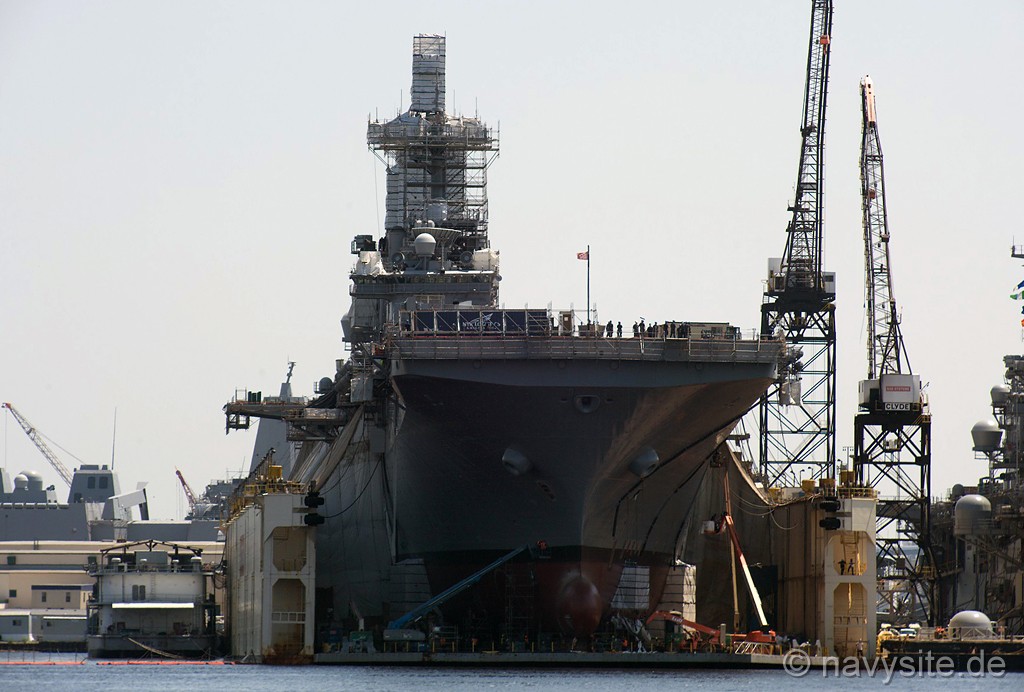


The photos below were taken by Michael Jenning and show the USS WASP at Naval Base Norfolk, Va., on October 23, 2014.
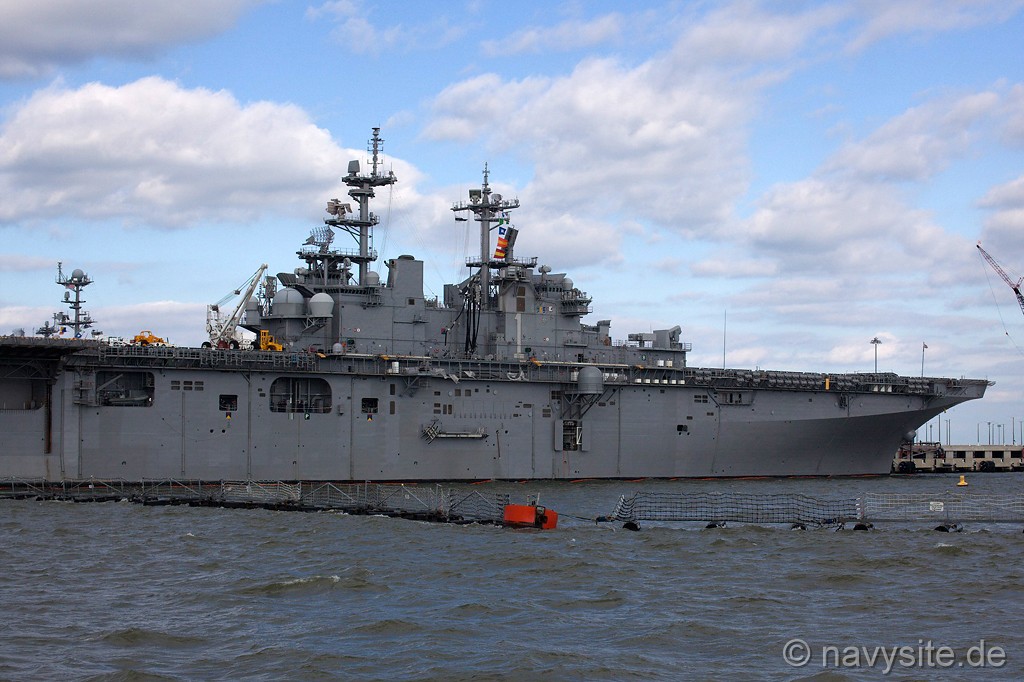


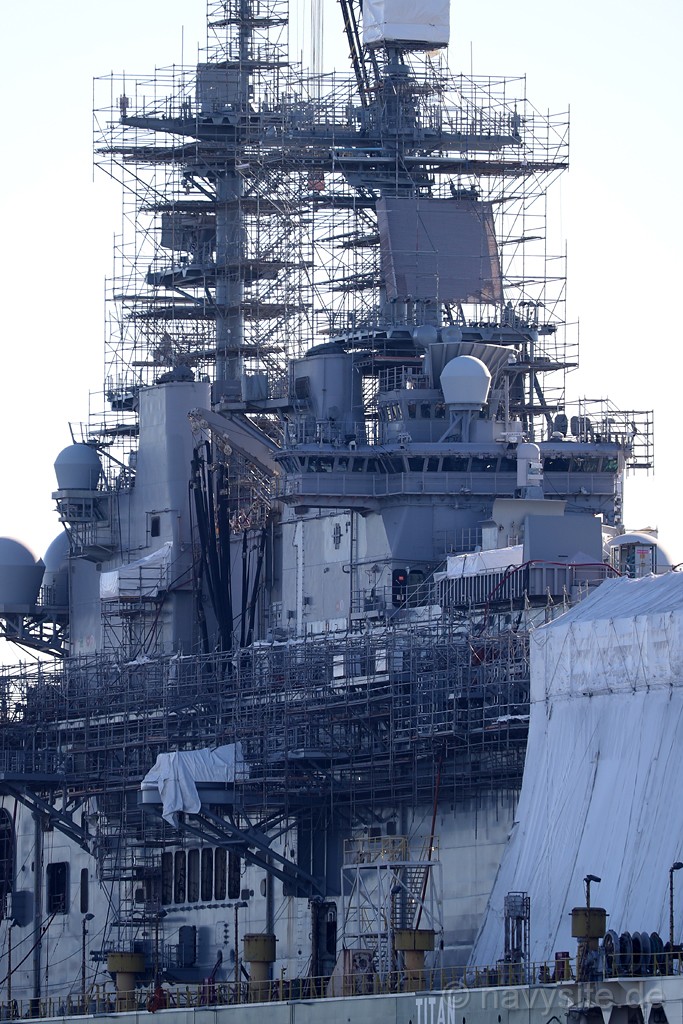
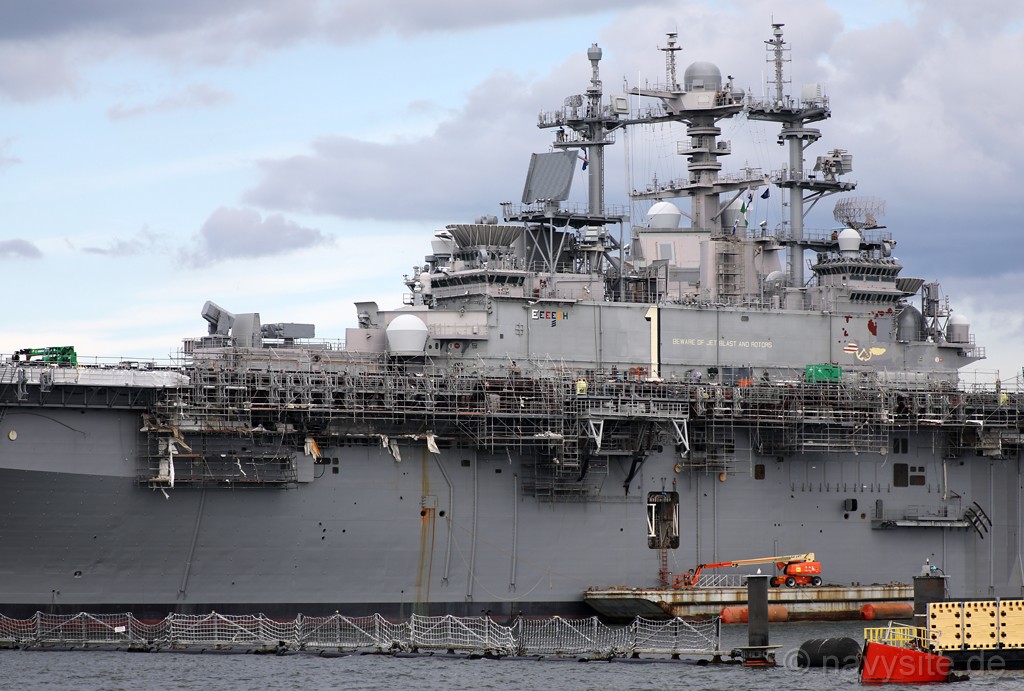
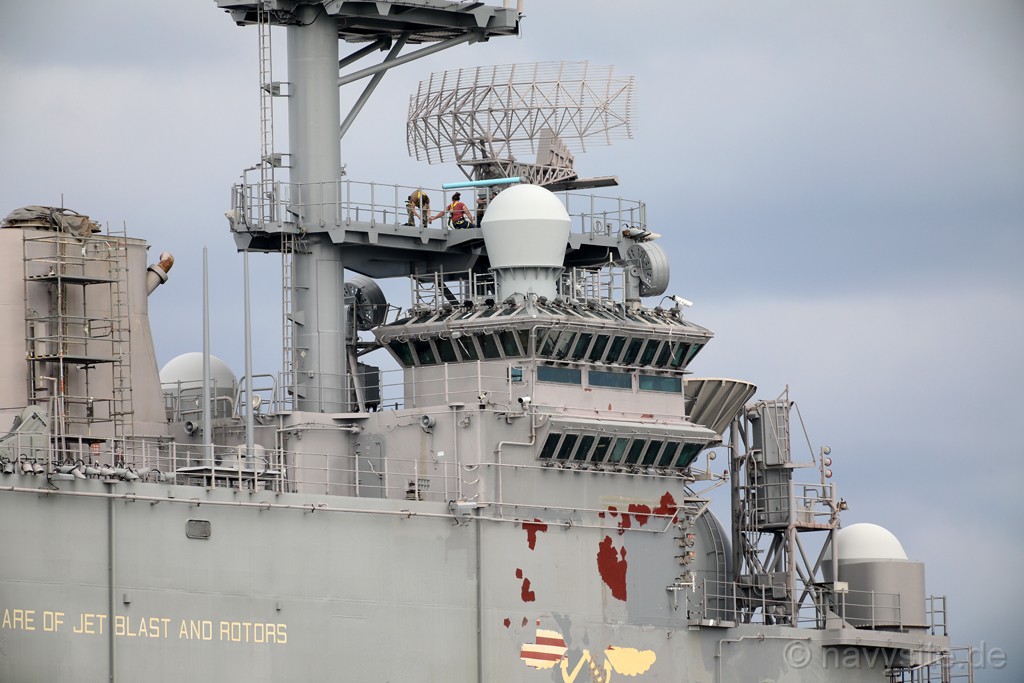
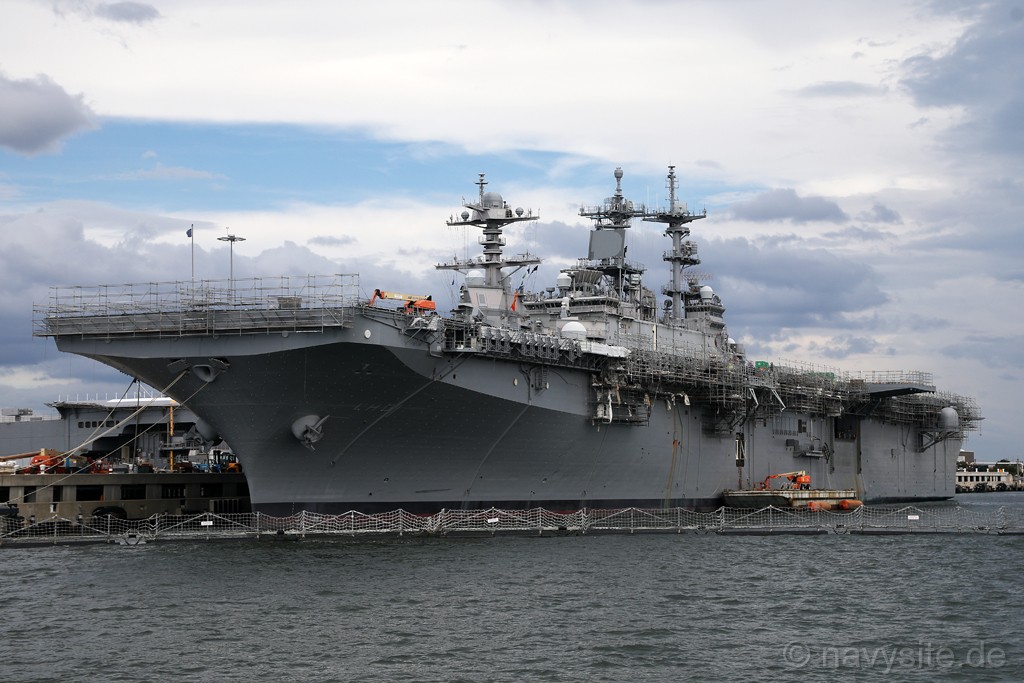
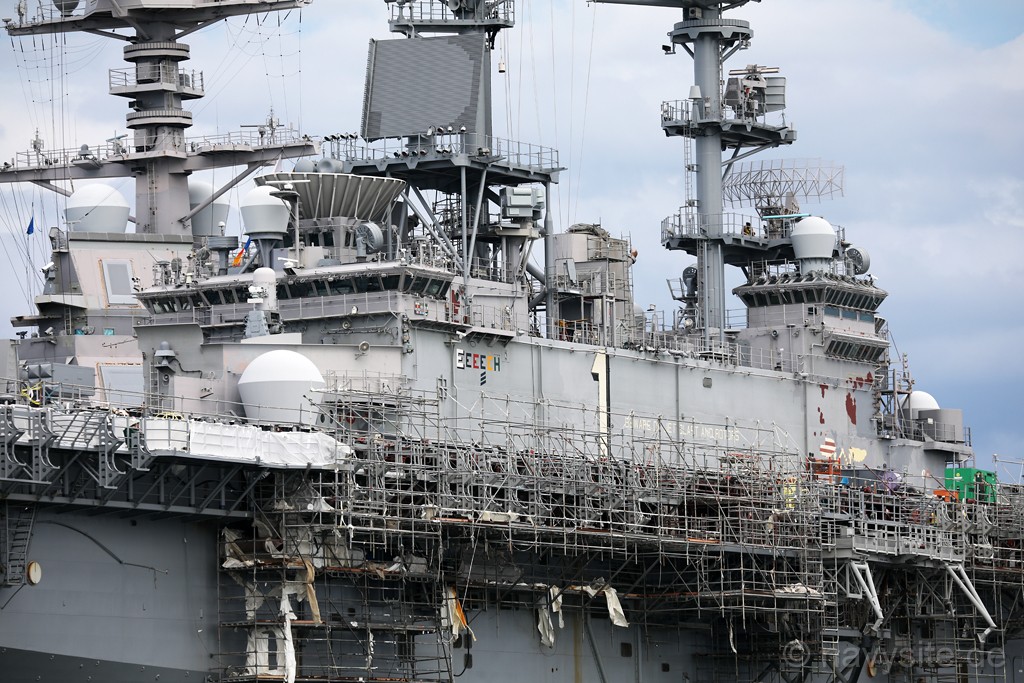
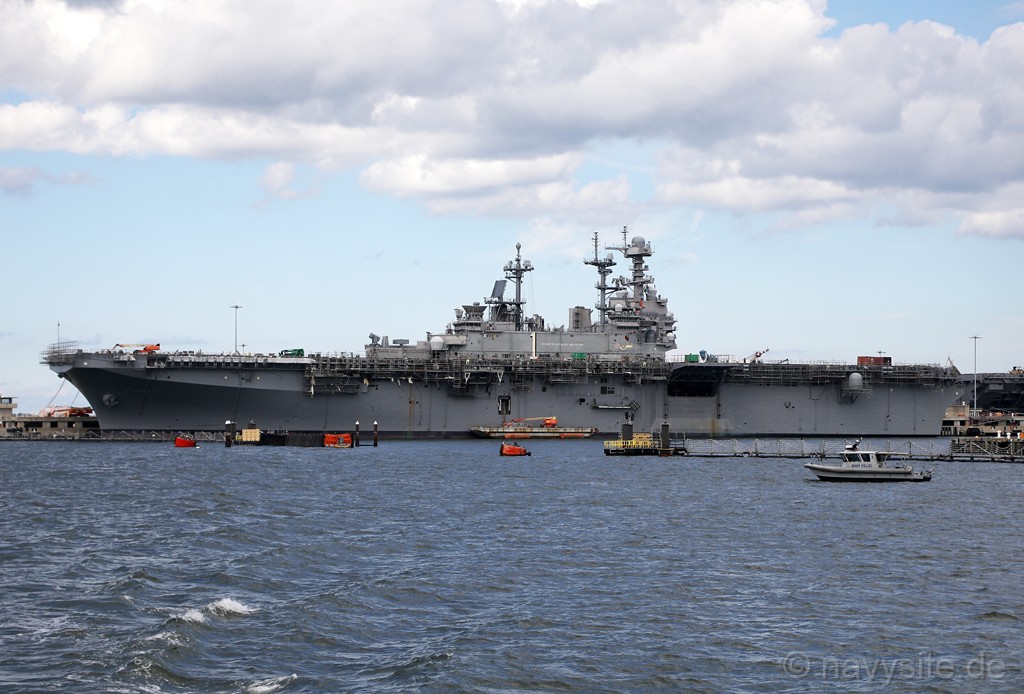
The photos below were taken by Michael Jenning and show the USS WASP undergoing a Drydocking Selected Restricted Availability (DSRA) at BAE Systems Norfolk Ship Repair on December 26, 2021. WASP entered the shipyard on February 17, 2021.
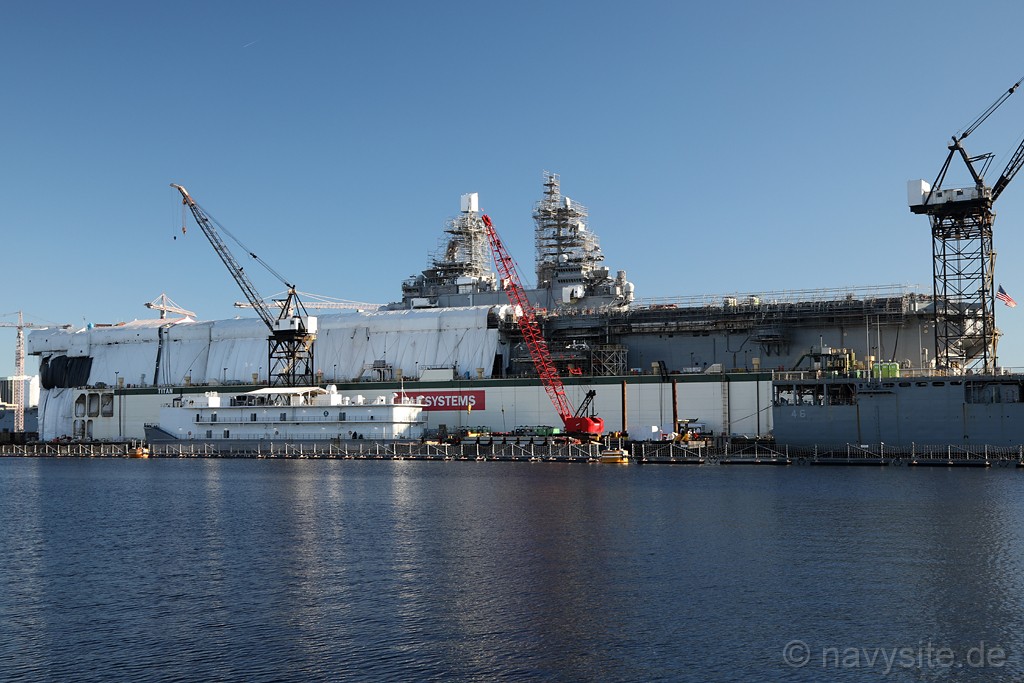


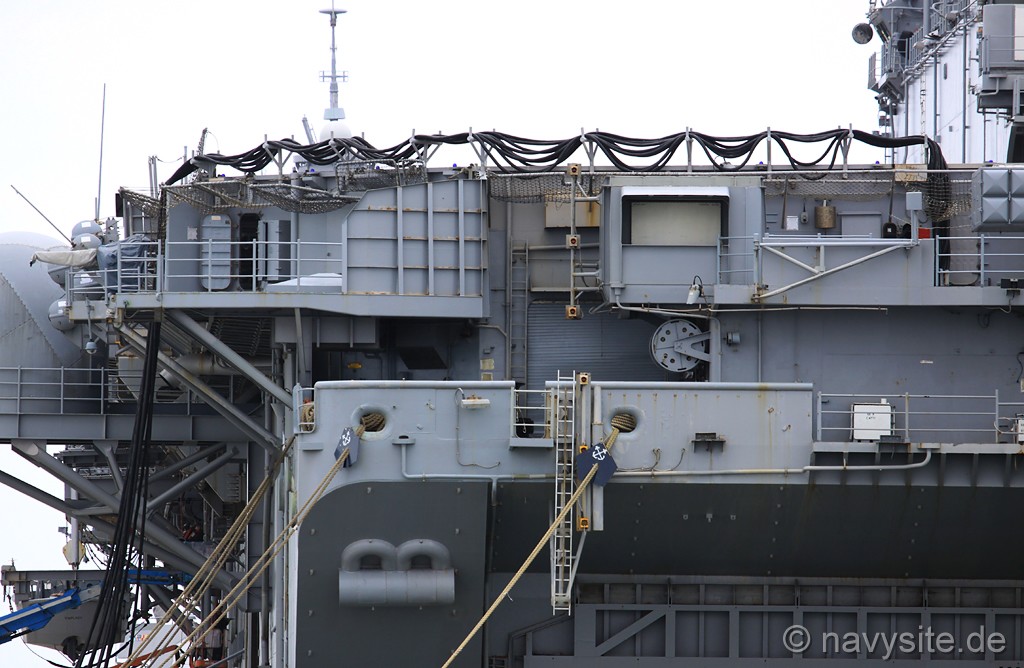
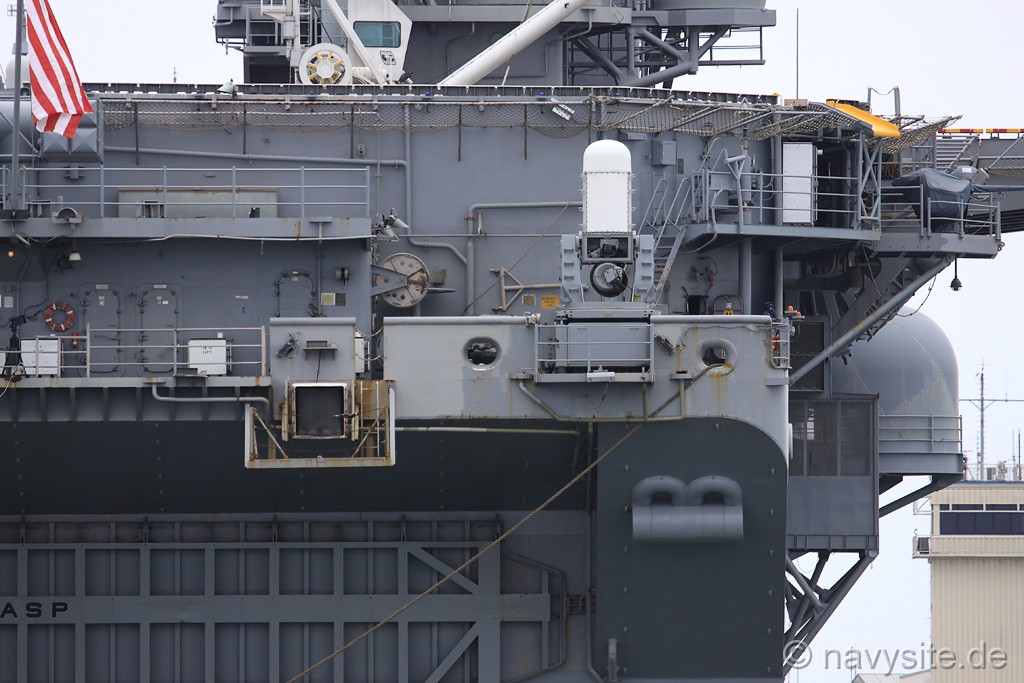
The photos below were taken by Michael Jenning and show the USS WASP at Naval Base Norfolk, Va., on September 6, 2022.
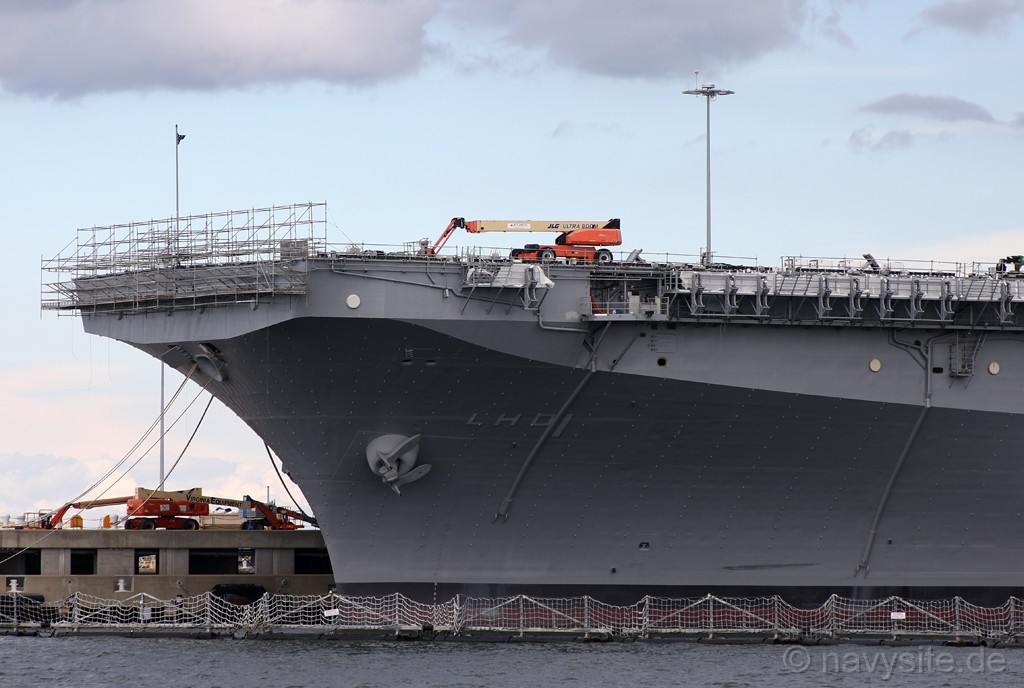


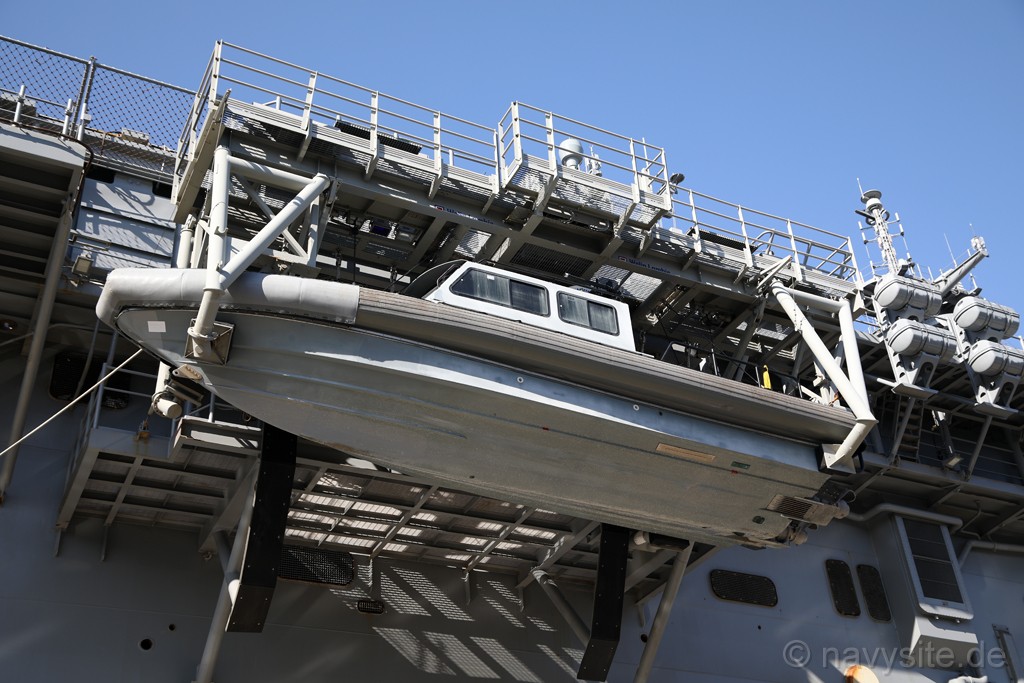
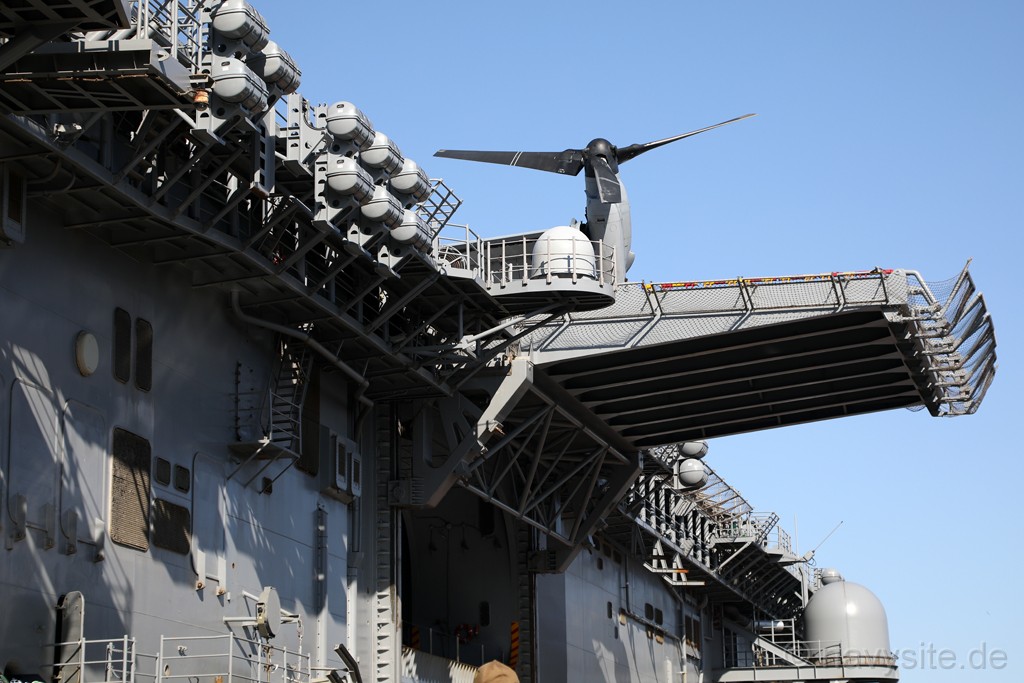
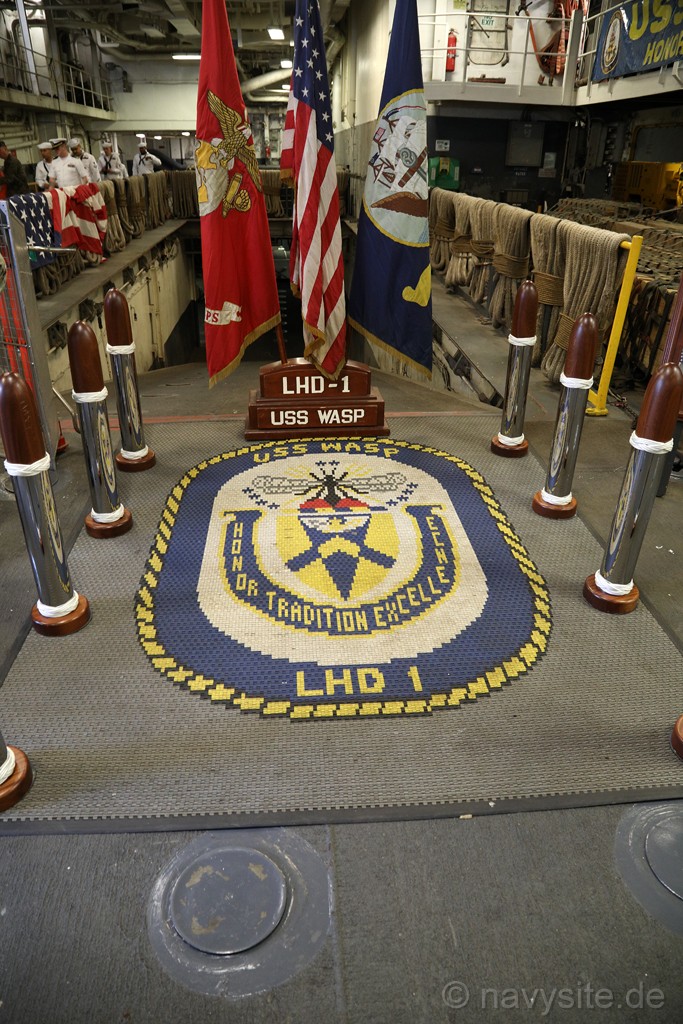
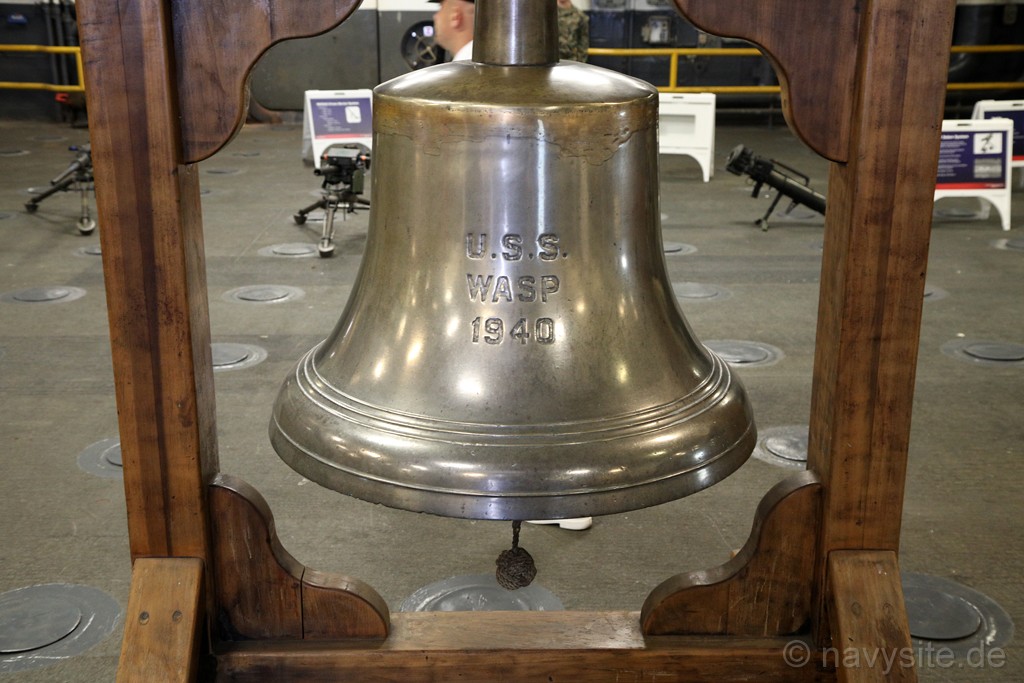
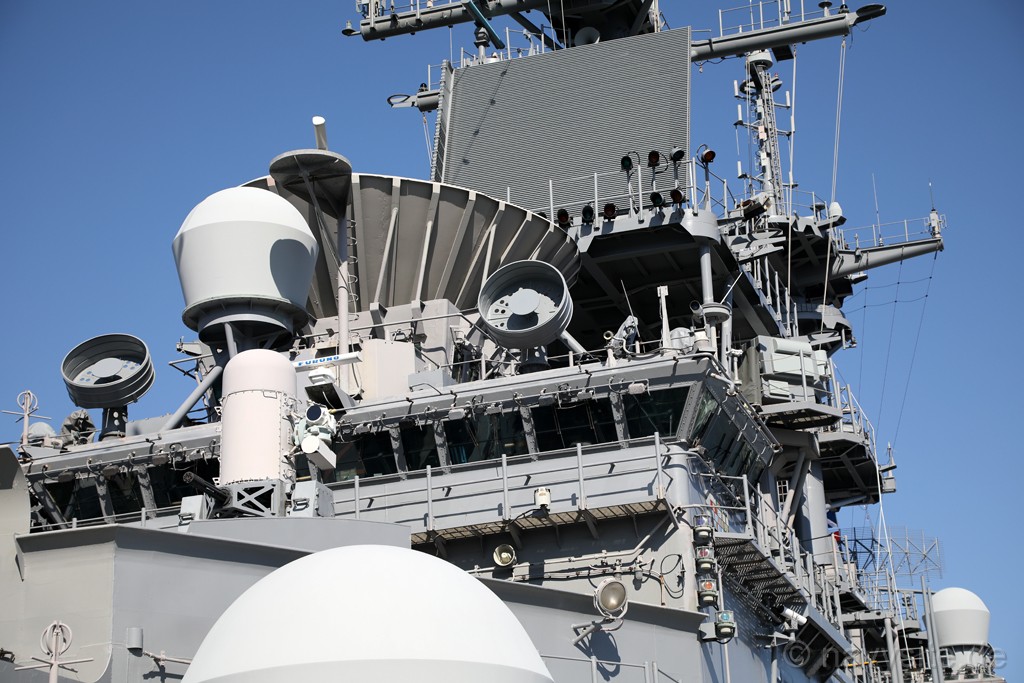
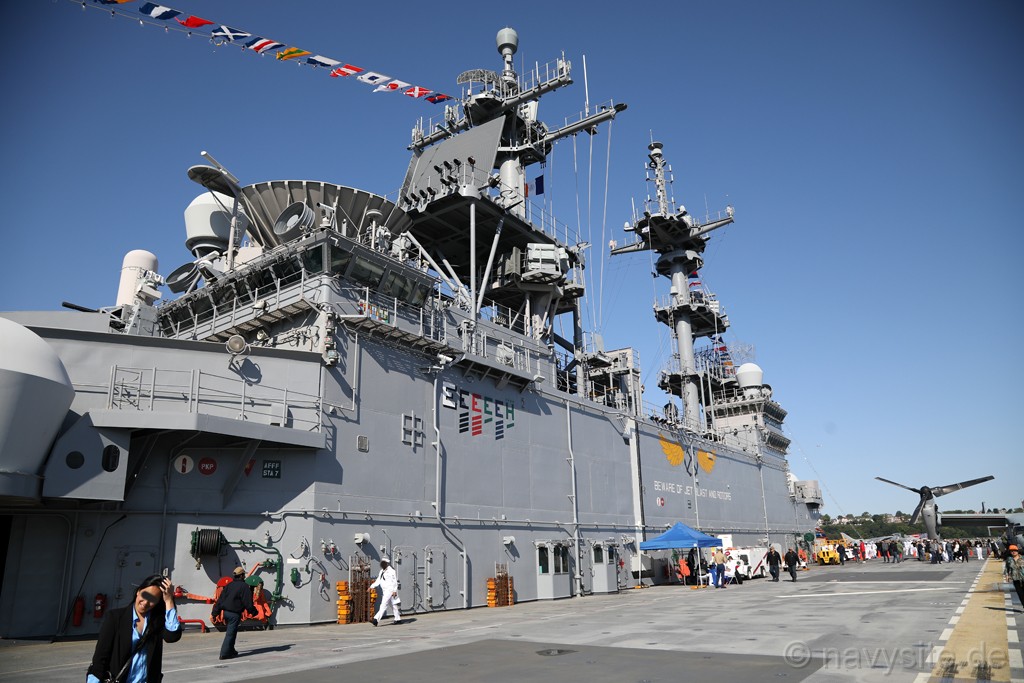
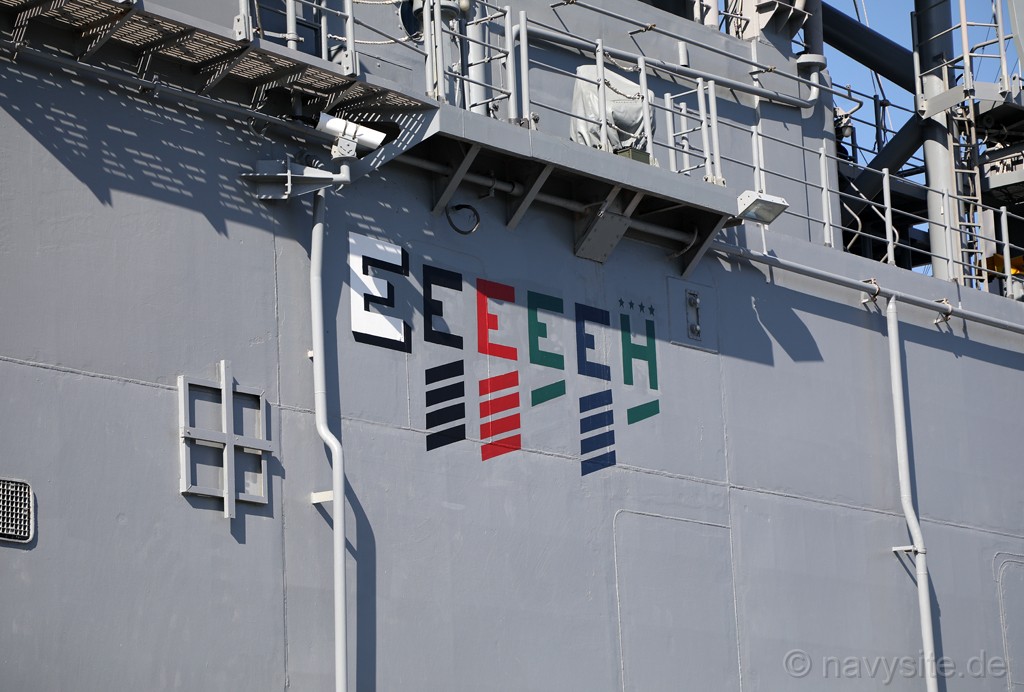
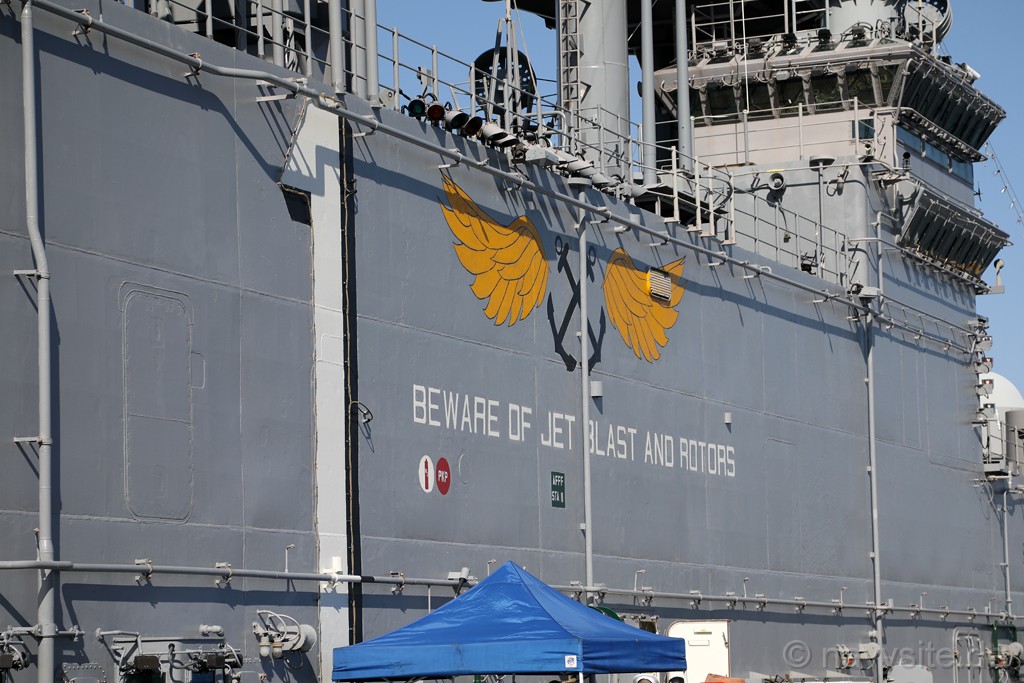
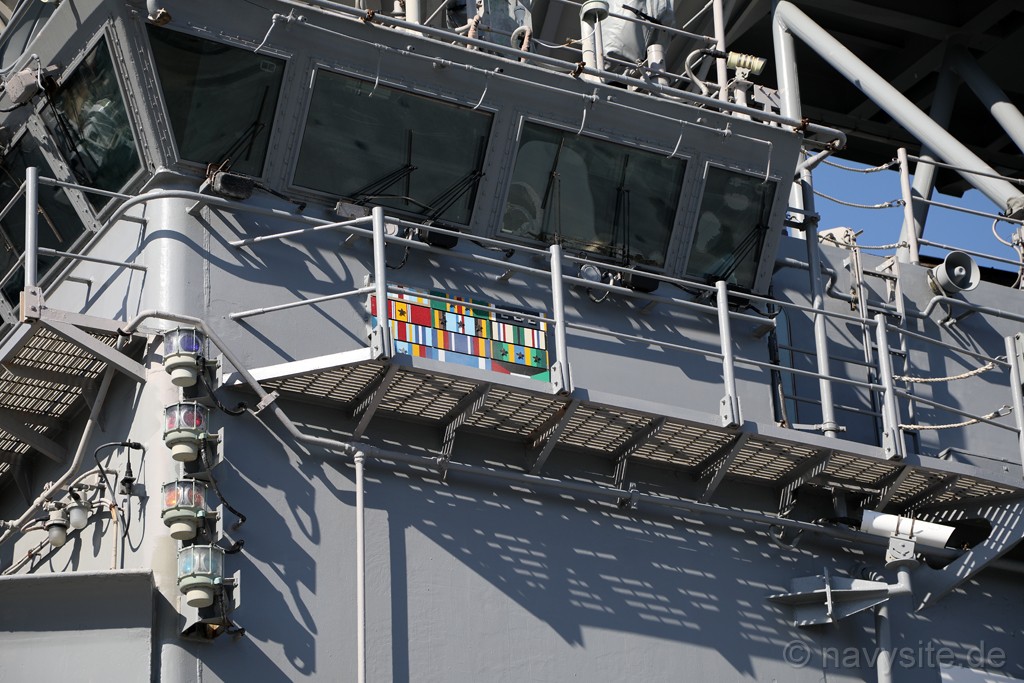
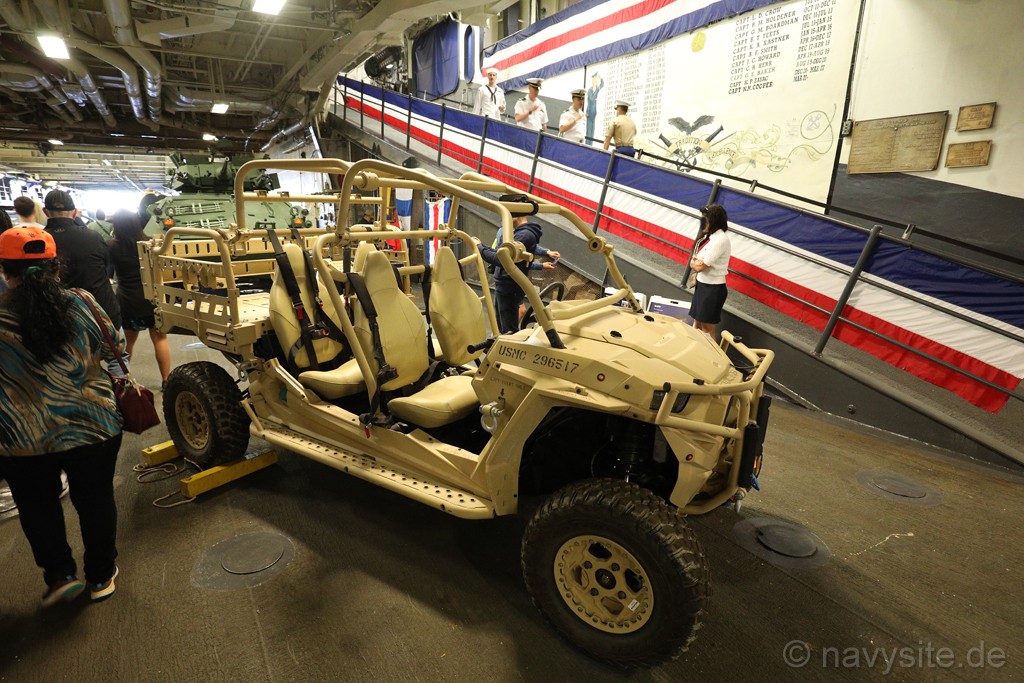
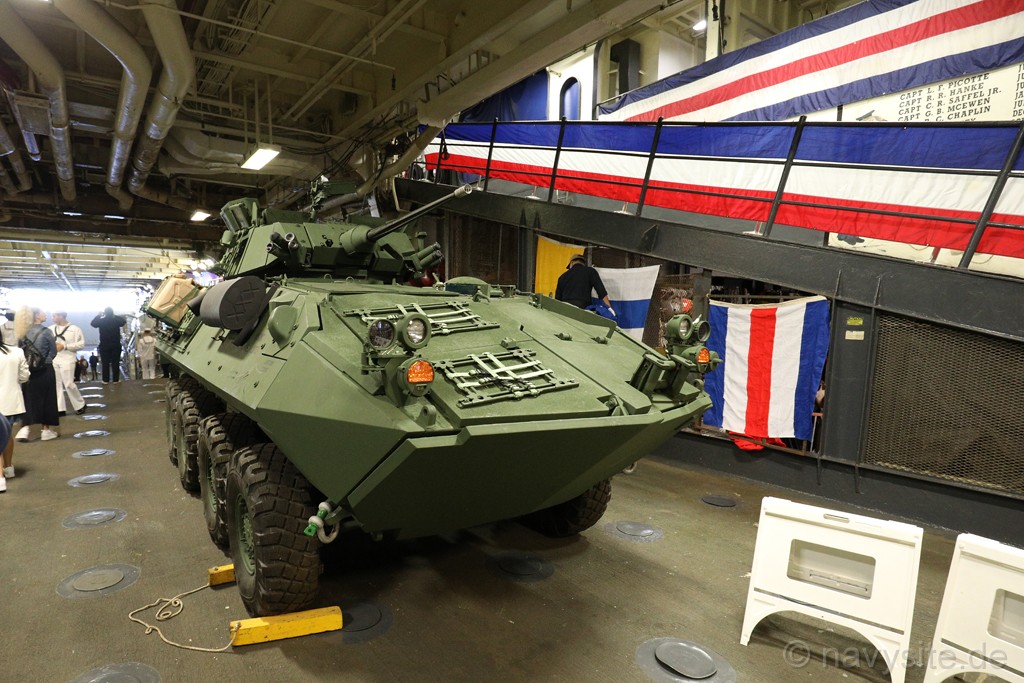
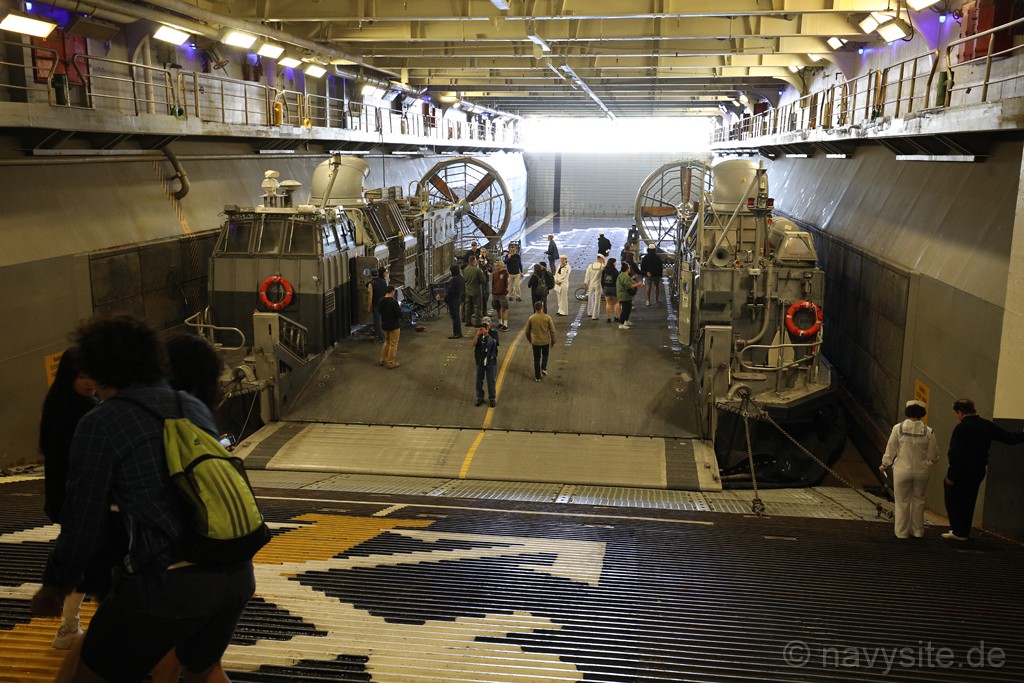
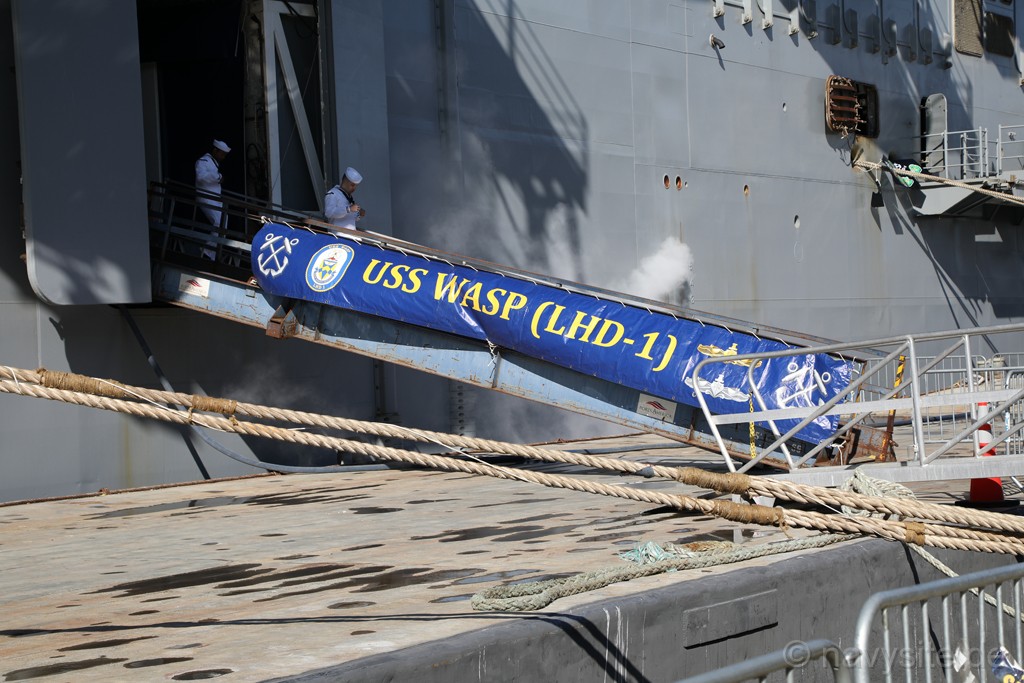
The photos below were taken by Michael Jenning on May 25, 2023, during an open ship event aboard USS WASP (LHD 1) as part of Fleet Week New York at New York City.
Click here for more Photos.


Back to topback to top


Back to Amphibious Assault Ships site. Back to ships list. Back to selection page. Back to 1st page.