
Search the Site with

|
Search the Site with
|
 General Characteristics Crew List History Image Gallery to end of page
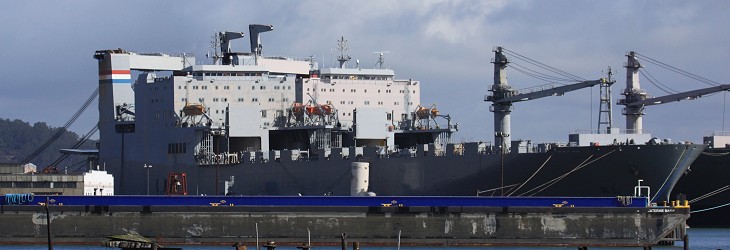 | Sorry, no coat of arms available. |
Built in 1979, the ship was delivered to Barber Steamship Co. as MV BARBER TØNSBERG. On May 15, 1986, she was purchased by the Maritime Administration and was subsequently converted for military use. Renamed MV CAPE HORN (T-AKR 5068) on December 1, 1986, she was assigned to the Ready Reserve Force on December 22, 1986. Since then, she is maintained in reduced operating status in a layberth at San Francisco, Calif. If required, she can be fully activated within 5 days. Some operations of the CAPE HORN include Operation Enduring Freedom (January 29, 2003 - July 15, 2003) and Operation Iraqi Freedom (January 19, 2004 - May 21, 2004 and July 4, 2004 - June 23, 2005.)
| General Characteristics: | Built: 1979 |
| Builder: Kaldnes Mek. Versted A/S, Tønsberg, Norway | |
| Purchased by MARAD: May 15, 1986 | |
| Propulsion system: one slow speed Diesel engine | |
| Propellers: one | |
| Length: 749 feet (228.3 meters) | |
| Beam: 106 feet (32.3 meters) | |
| Draft: 36 feet (11 meters) | |
| Displacement: 51,836 tons full load | |
| Speed: 18.5 knots | |
| Armament: none | |
| Crew: 9 civilian mariners in ROS; 27 civilian mariners when activated | |
| Homeport: San Francisco, Calif. |
 back to top go to the end of the pageback to top go to the end of the page
Crew List:
This section contains the names of sailors who served aboard MV CAPE HORN. It is no official listing but contains the names of sailors who submitted their information.
back to top go to the end of the pageMV CAPE HORN History:
CAPE HORN began life as a commercial roll-on/roll-off cargo ship built in 1979 and originally named BARBER TONSBERG. After entering commercial service, the vessel was later acquired for U.S. strategic sealift use and prepared for Ready Reserve employment during a period when the United States was expanding and professionalizing surge sealift capacity to move heavy equipment quickly in crises and major exercises.
On December 1, 1986, the ship was renamed CAPE HORN, and on December 22, 1986, it was assigned to the Ready Reserve Force and entered the National Defense Reserve Fleet inventory as a Pacific-assigned roll-on/roll-off strategic sealift asset based in the San Francisco, California area. From that point forward, CAPE HORN's "normal" posture was laid up in a maintained readiness status designed to support rapid activation - kept materially ready enough to crew, load, sail, and discharge military cargo on short notice - while still being cost-effective during peacetime compared with continuously operating commercial tonnage.
Publicly documented early activations show CAPE HORN in the role it was built for: moving U.S. Army and Marine Corps rolling stock to and from major allied exercises and contingency response points. On April 15, 1987, imagery shows an M113 armored personnel carrier being driven into CAPE HORN's hold for shipment back to the United States at the conclusion of Exercise Team Spirit '87, the annual combined U.S.-Republic of Korea training event held during the late Cold War to demonstrate readiness on the Korean Peninsula. The scene captures the ship's practical utility: a stern ramp, vehicle drivers, and stevedores working in a predictable rhythm - exactly the kind of rapid throughput required when moving mechanized forces.
By 1989, CAPE HORN was documented moving Army vehicles connected with Exercise Cobra Gold '89, the long-running Thai-U.S. combined exercise that grew into a major regional training and interoperability event. Cobra Gold deployments were about more than training: they were also a visible reassurance signal during a time of shifting security dynamics in Southeast Asia, and sealift was central because it enabled the movement of the heavy equipment that makes large land exercises credible.
On November 8, 1990, CAPE HORN appears in documentation associated with Operation Desert Shield, the U.S.-led buildup in Saudi Arabia following Iraq's invasion of Kuwait. Photographs from that date show 5-ton fuel trucks moving toward the ship's ramp as equipment was deployed to the region, a snapshot of the surge logistics that underpinned the coalition's ability to mass combat power for what would become the 1991 Gulf War.
A few years later, CAPE HORN was again documented discharging equipment in the Gulf region during Operation Vigilant Warrior. On October 19, 1994, at a port facility in the Persian Gulf region, an Army stevedore directed a tractor-trailer down CAPE HORN's ramp as equipment was offloaded in response to Iraqi military pressure toward Kuwait. In that episode, the United States used rapid reinforcement - moving credible combat capability quickly - to deter escalation, and strategic sealift shipping was an enabling layer of the deterrent message because heavy forces and their sustainment could not be moved at scale by air alone.
After the September 11, 2001 attacks and the start of the United States' "Global War on Terror", CAPE HORN continued to be used as a surge sealift tool as operational demands expanded. The ship was activated on January 24, 2003, for service officially linked to Operation Enduring Freedom-era requirements, reflecting how Ready Reserve Force ships were used to increase transportation capacity when sustained overseas operations stressed the wider logistics system. For the following year, CAPE HORN was also documented as supporting Operation Iraqi Freedom-era needs, aligning with the broader pattern of early-2000s strategic sealift operations in which government-owned reserve ships helped move vehicles, sustainment equipment, and associated cargo when commercial lift alone was insufficient or when the government wanted assured access and scheduling control.
CAPE HORN's role as an exercise and operations enabler continued in the mid-2000s. On April 18, 2005, at Chuk Samet, Thailand, CAPE HORN was photographed during an offload in support of Exercise Cobra Gold, with tactical vehicles debarking down the ramp. The cargo documented in connection with that deployment included Marine Corps-associated tactical equipment (for units such as 1st Marine Aircraft Wing elements, artillery components, and logistics organizations), consistent with Cobra Gold's combined-arms character and its growing emphasis on joint and combined interoperability, humanitarian response practice, and regional partner integration.
Between these documented activations, CAPE HORN's service life is best understood as a cycle typical of Ready Reserve Force ships: extended periods in a maintained readiness status in the San Francisco area, punctuated by activations for specific missions or major exercises, followed by returns to layberth and continuing upkeep intended to preserve activation timelines. While many day-to-day maintenance actions, readiness tests, and port-service intervals are not routinely published in public-facing releases, the ship's repeated reappearances in official photography and exercise reporting show a long-running pattern of "surge when needed, wait ready when not".
In 2024, CAPE HORN's documented activity illustrates how strategic sealift has been refocused toward the Indo-Pacific's long distances, dispersed ports, and frequent multinational exercises. Military Sealift Command chartered CAPE HORN for a logistics voyage that began from its San Francisco base area and included cargo activity at Tacoma, Washington; Honolulu; Anchorage, Alaska; and Okinawa, Japan, before arriving in Thailand. CAPE HORN reached the ports of Toong Pronge and Sattahip, Thailand, and between February 17 and February 22, 2024, discharged approximately 260 end items and containers in support of Exercise Cobra Gold 2024. CAPE HORN departed Thailand on February 22, 2024, continuing onward to further missions. Official reporting from that period emphasized the ship's large roll-on/roll-off capacity, its four cargo decks, and the operational advantage of a comparatively low draft that allows entry into smaller ports - an especially relevant characteristic in regions where mega-container ports may be limited or where political and operational requirements dictate alternative discharge locations.
That same voyage framework carried into CAPE HORN's Balikatan support. On April 15-16, 2024, CAPE HORN arrived at the New Container Terminal in Subic Bay, Philippines, to offload equipment in support of Exercise Balikatan 2024, the annual Armed Forces of the Philippines-United States bilateral exercise designed to strengthen combined capability and interoperability. Official reporting described CAPE HORN unloading approximately 554 pieces of equipment and containers within two days and noted that the equipment supported Balikatan as well as an additional Army bilateral exercise in the Philippines. The described voyage pattern also included stops in Japan, Thailand, and Indonesia, highlighting how a single strategic sealift movement can be structured to support multiple engagements and training events across a wide theater - an approach that aligns with the Indo-Pacific's operational reality and the emphasis on distributed logistics.
By the end of 2025, CAPE HORN remained listed in the Maritime Administration's public National Defense Reserve Fleet inventory as a Ready Reserve Force ship assigned to the Pacific, based in San Francisco, California, with its Ready Reserve Force entry date still recorded as December 22, 1986. In practical terms, that status indicates that CAPE HORN continues to be retained for surge sealift - available to be chartered and activated as needed for contingencies, humanitarian support, or major exercises - while spending most of its time in a managed readiness posture rather than continuous commercial trading.
back to top go to the end of the pageMV CAPE HORN Image Gallery:
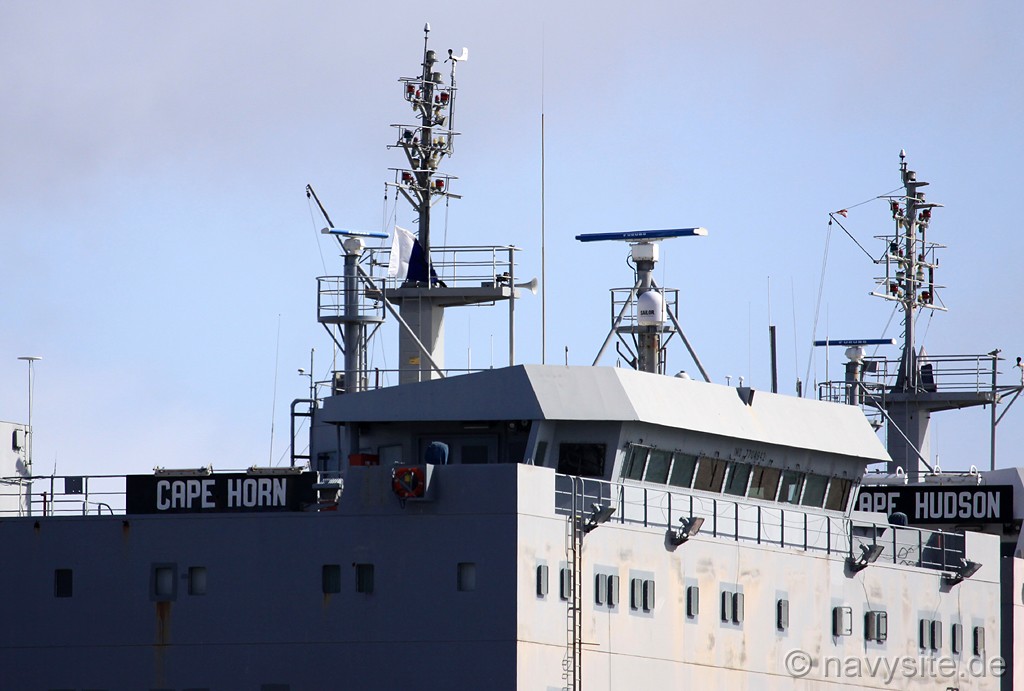
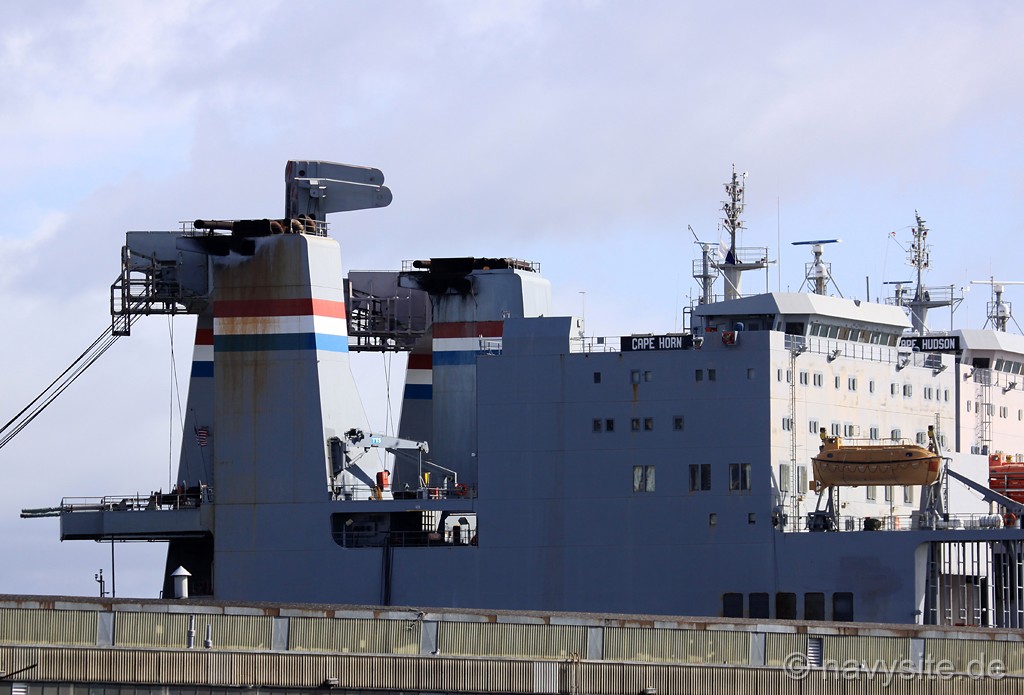
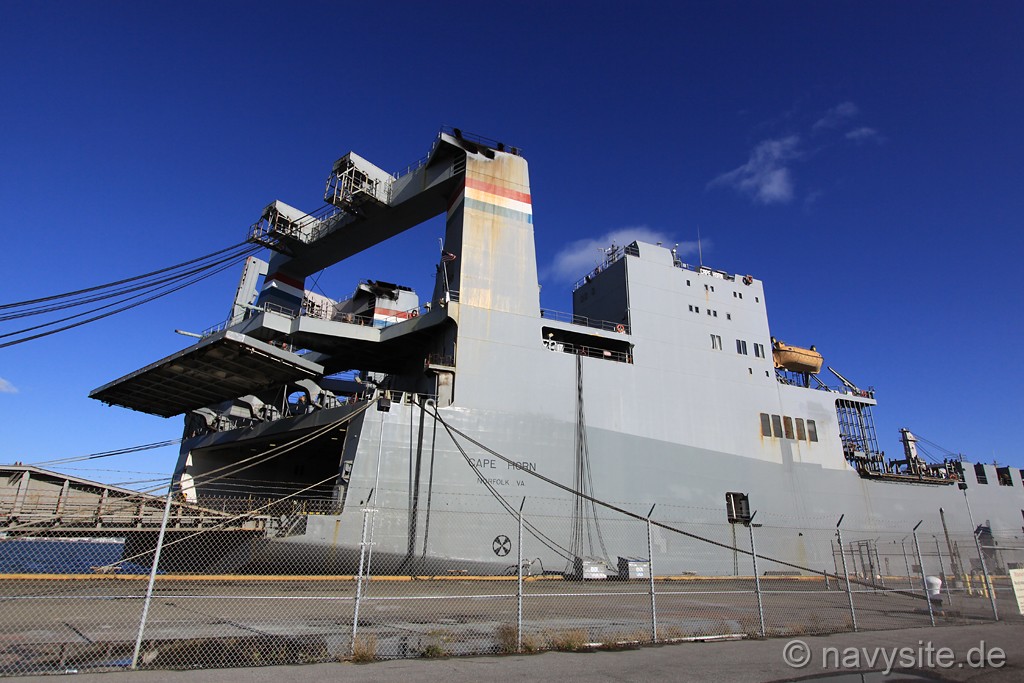
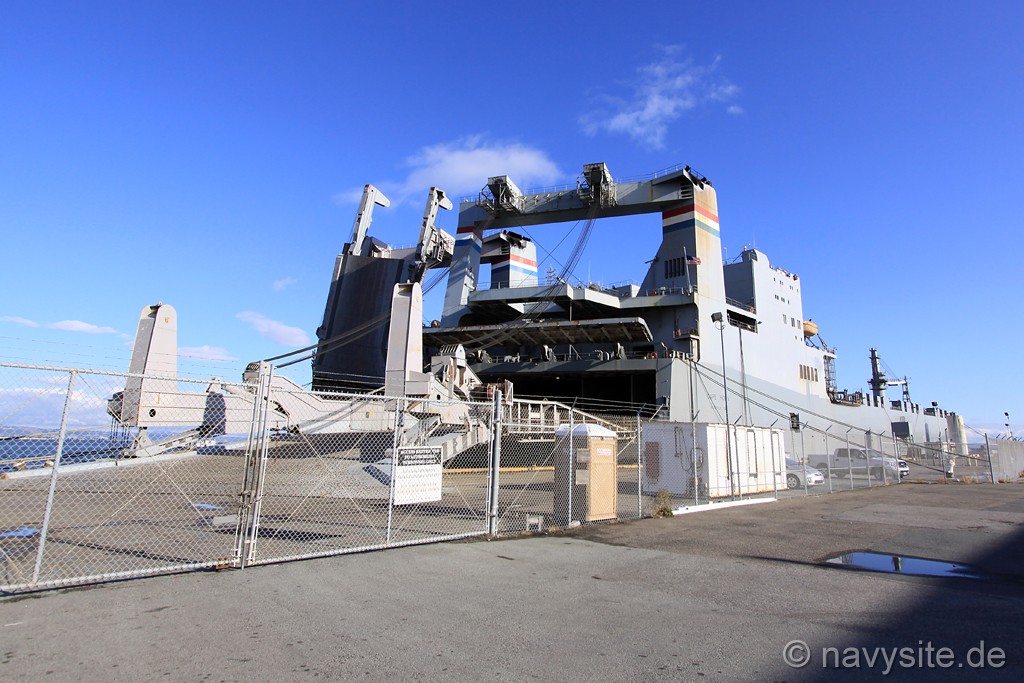
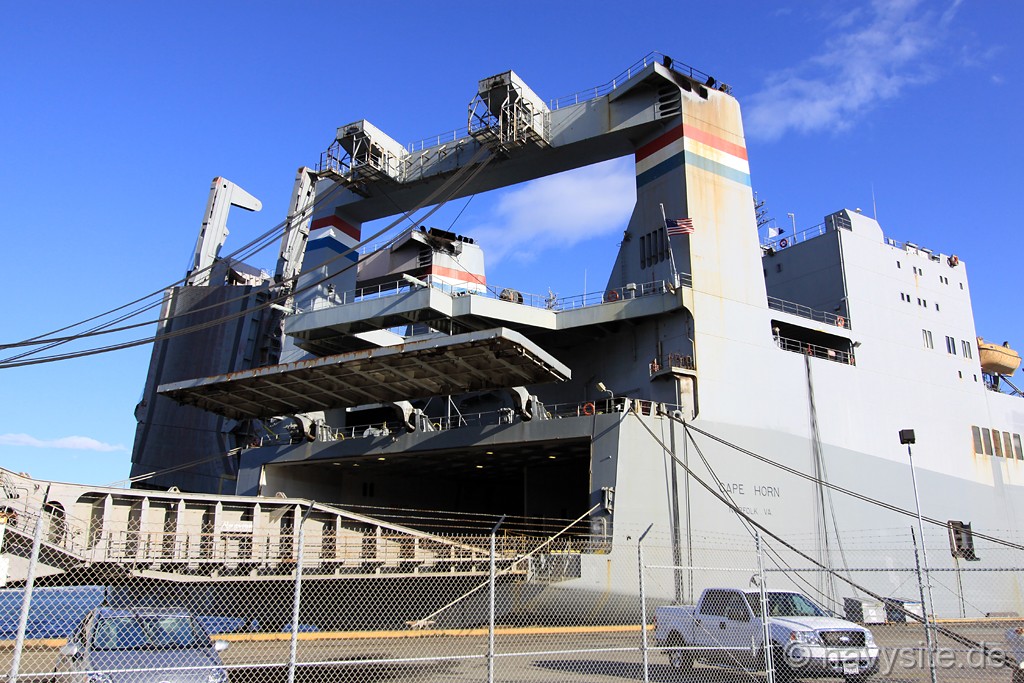
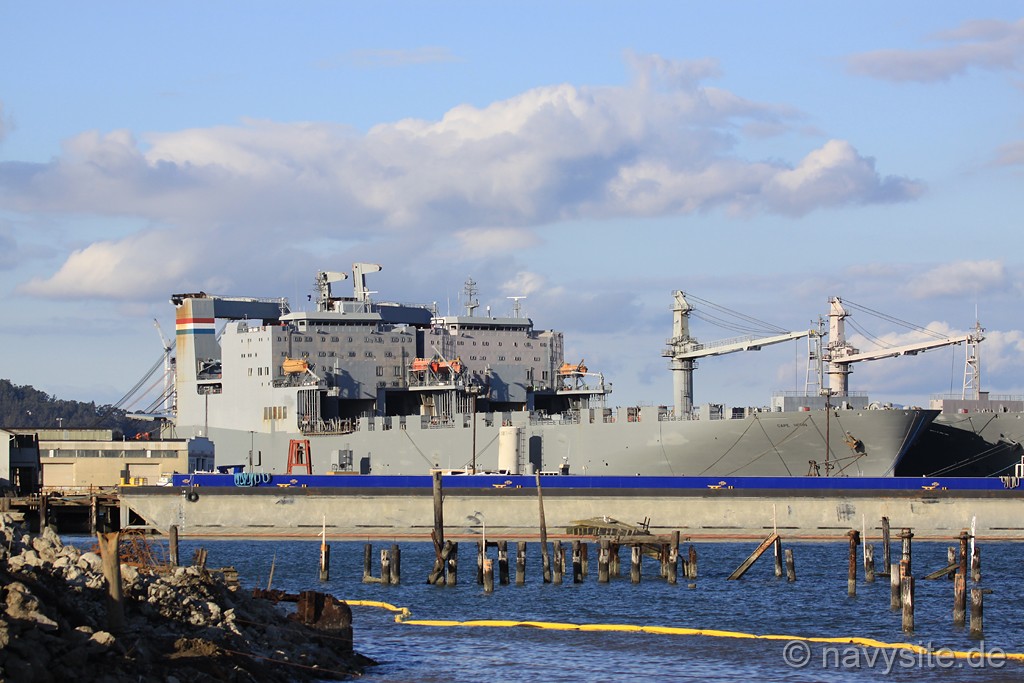
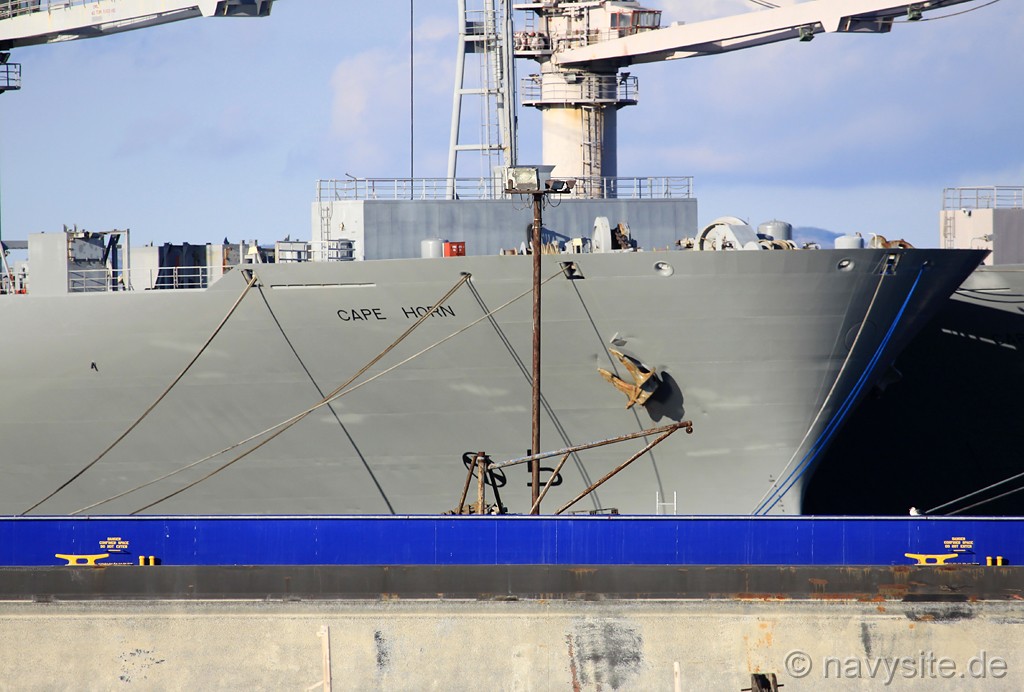
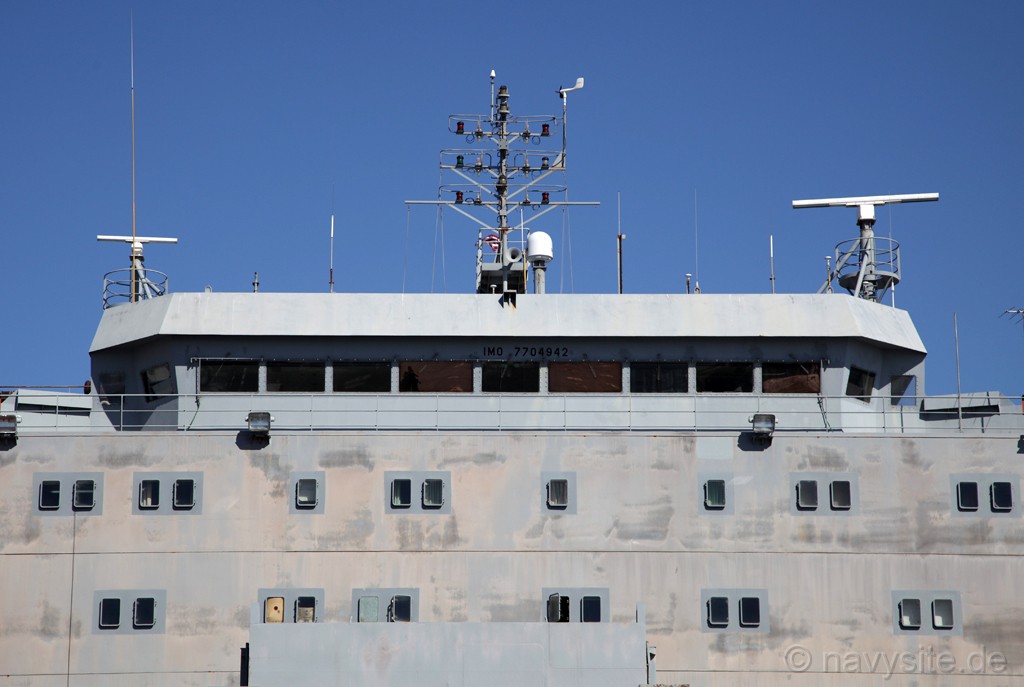
The photos below were taken by me and show the CAPE HORN with her sistership CAPE HUDSON (T-AKR 5066) alongside at Pier 50, San Francisco, Calif., on October 6 and 7, 2011.
 |  |  |  |  |
 |  |  |  |
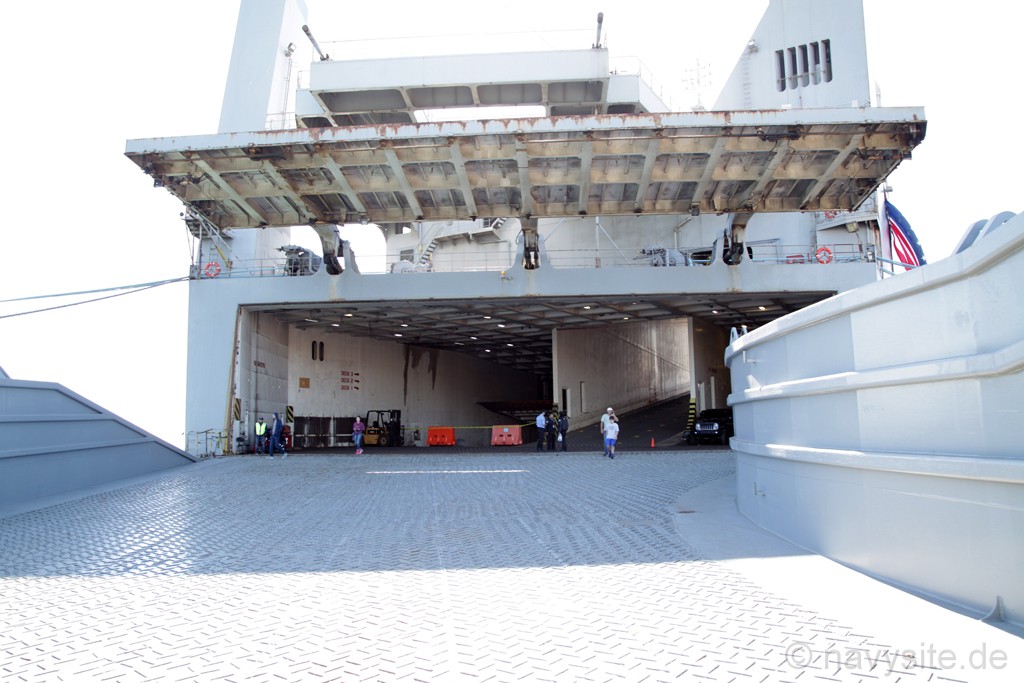
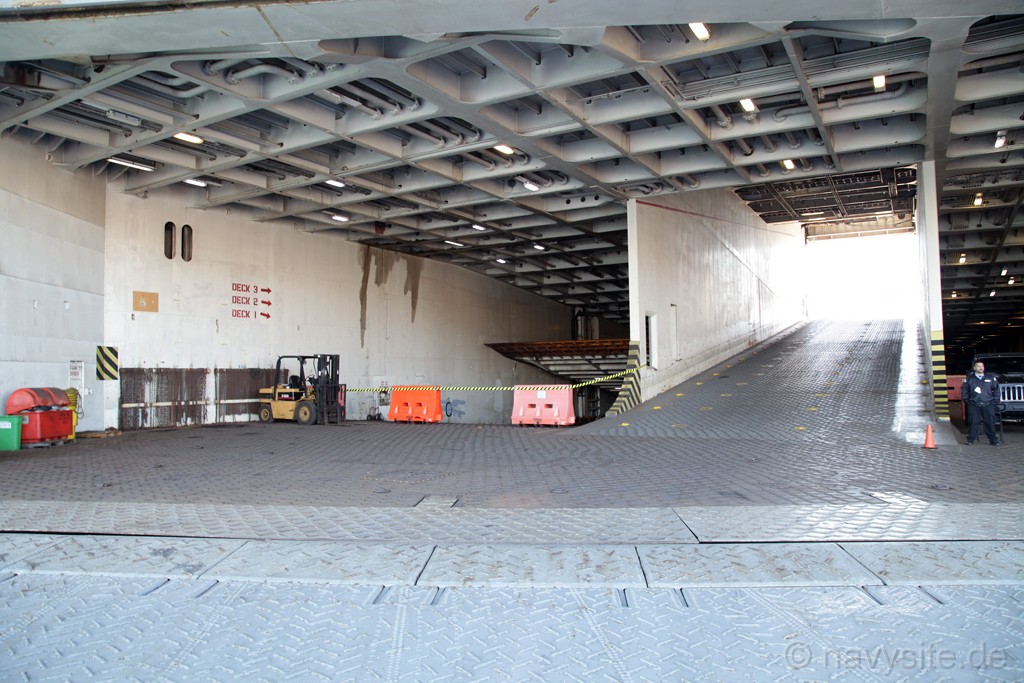
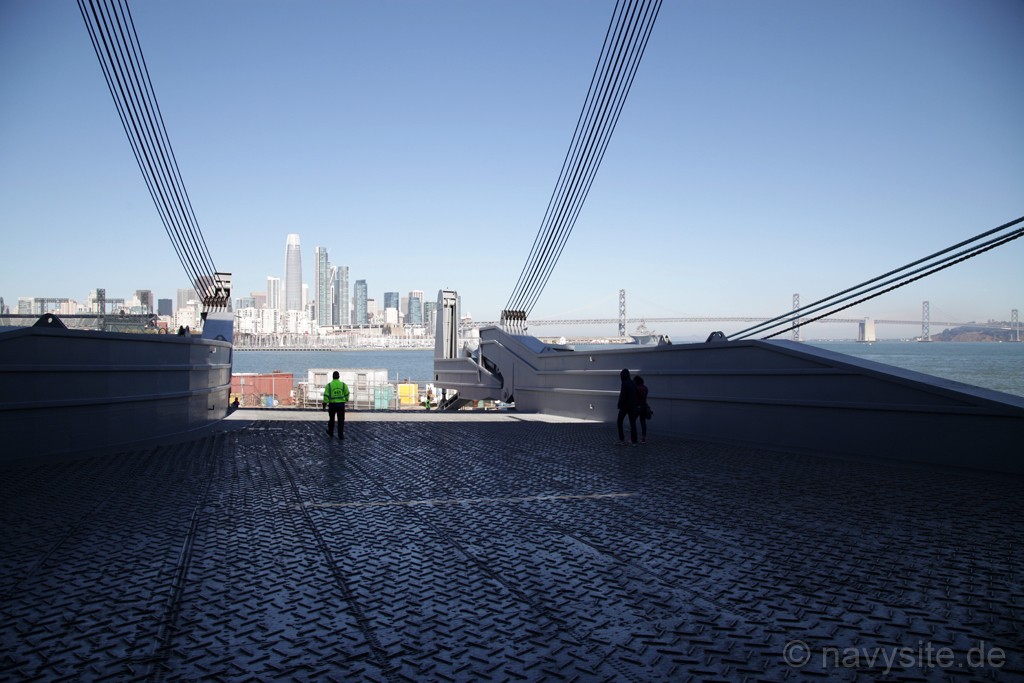
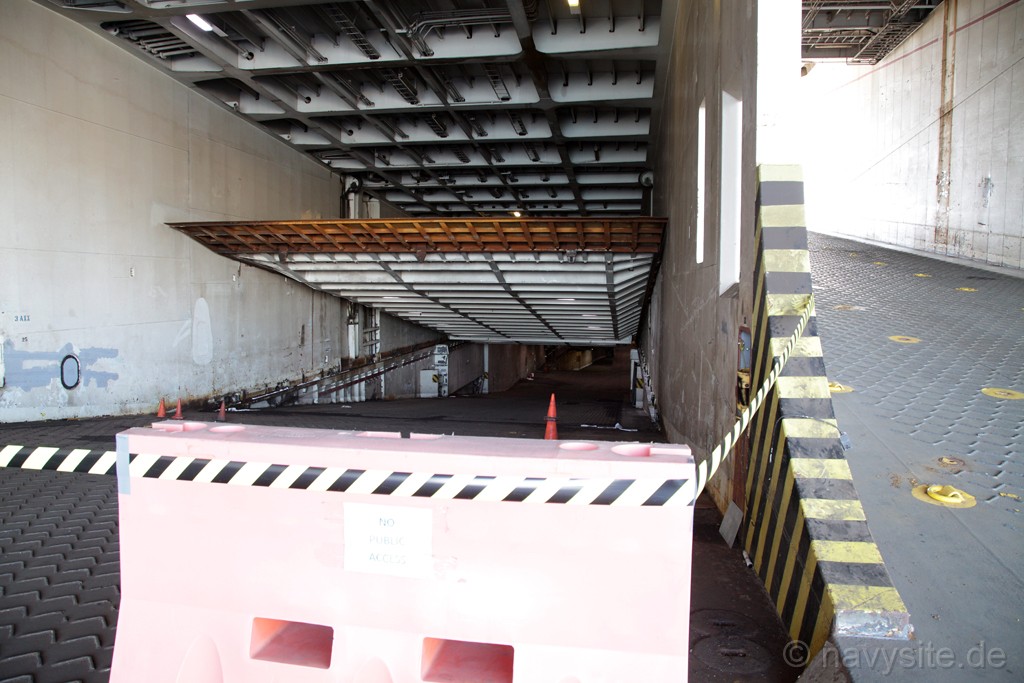
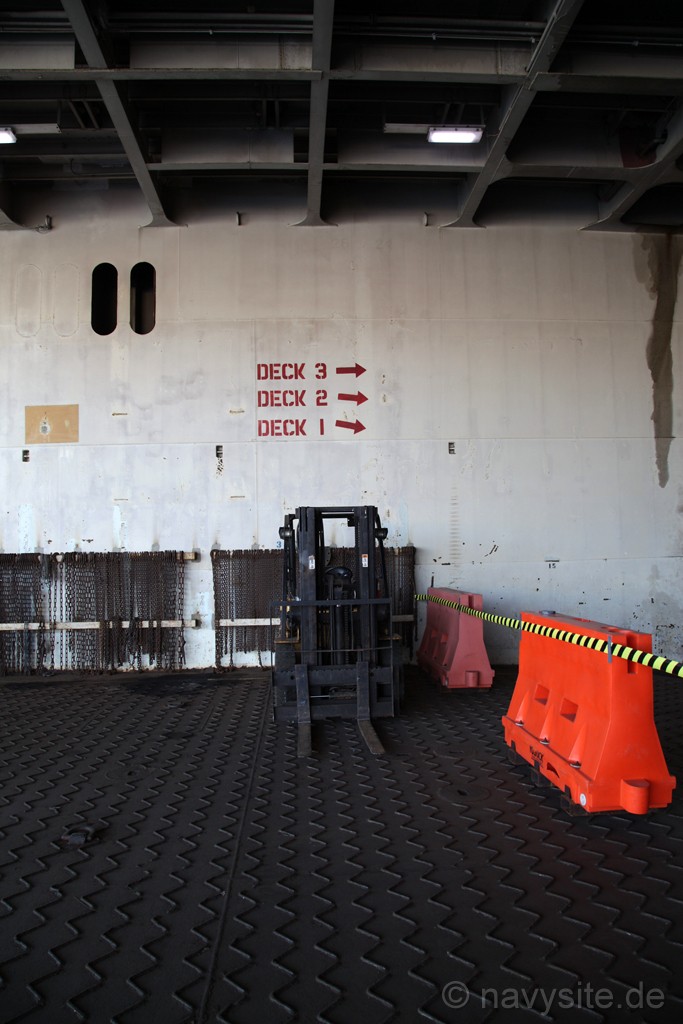
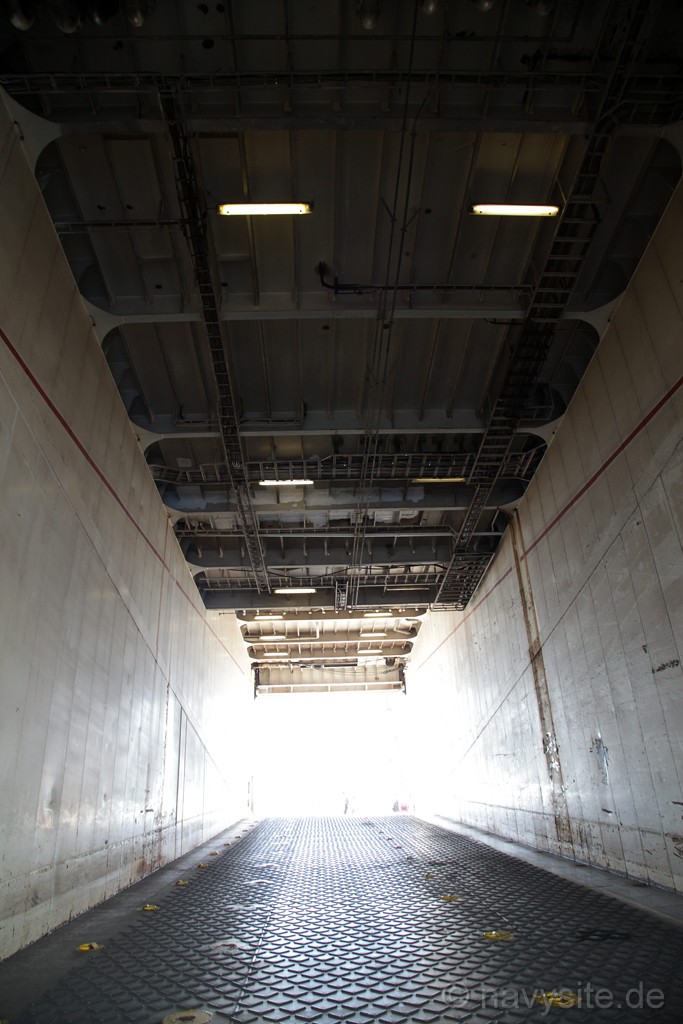
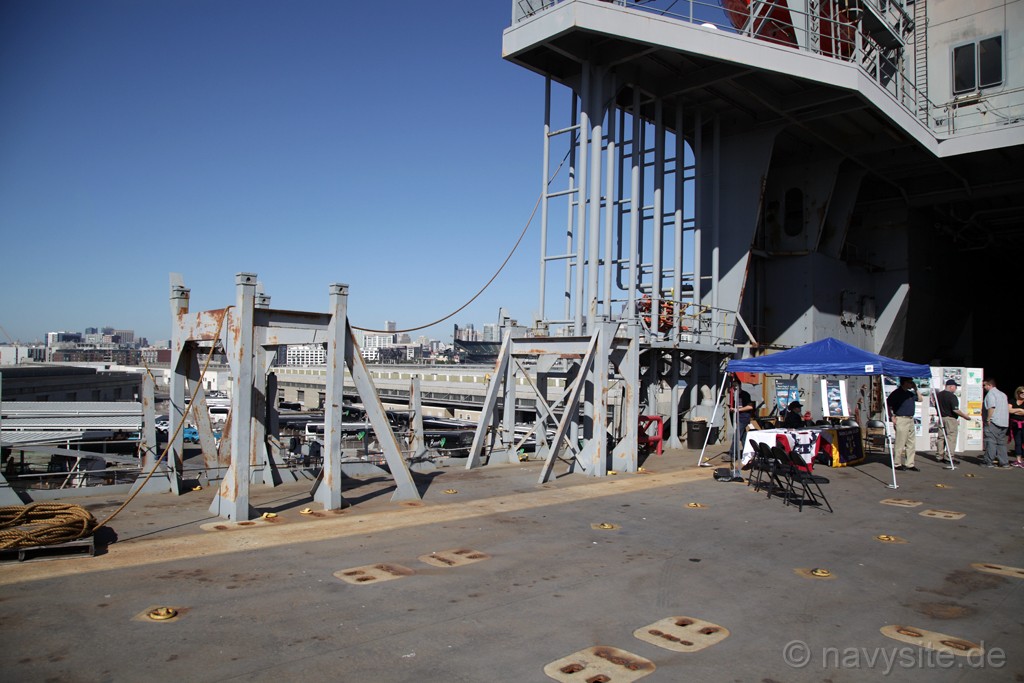
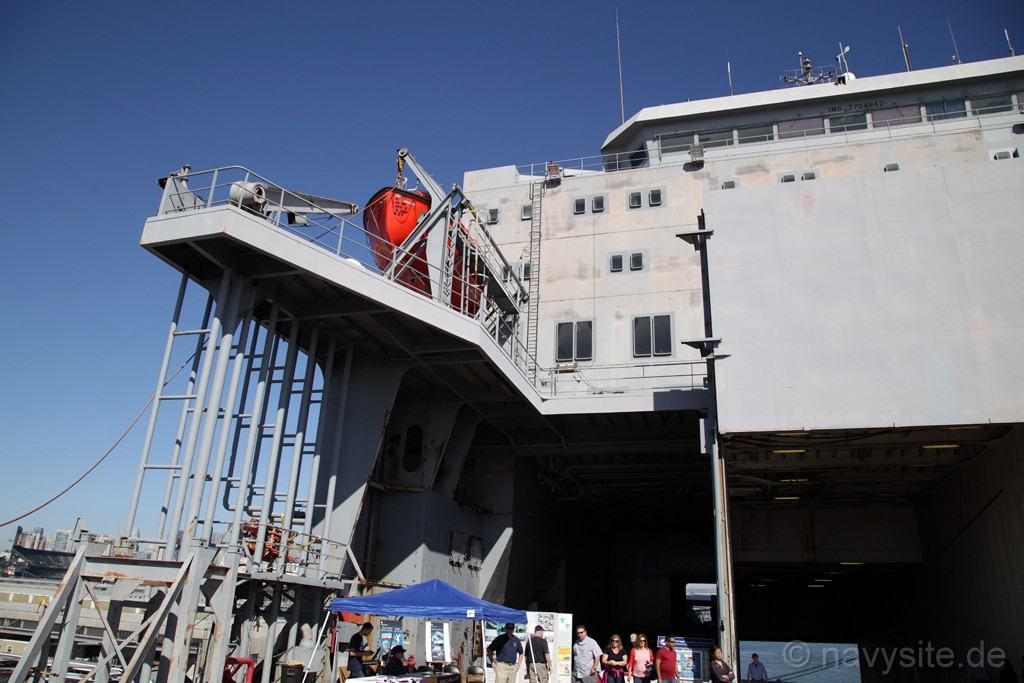
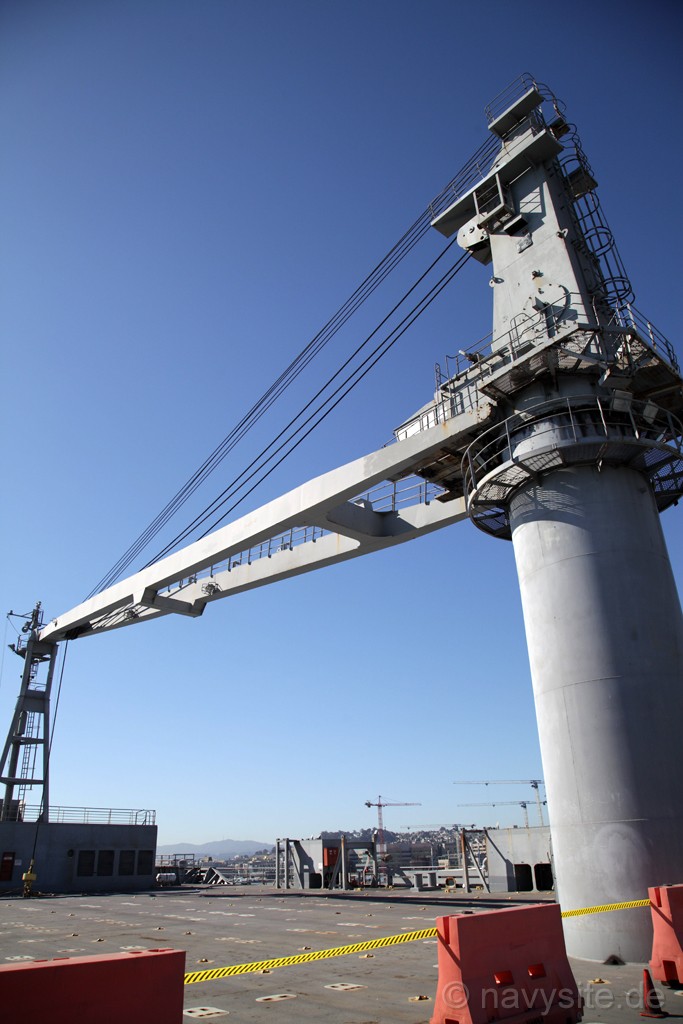
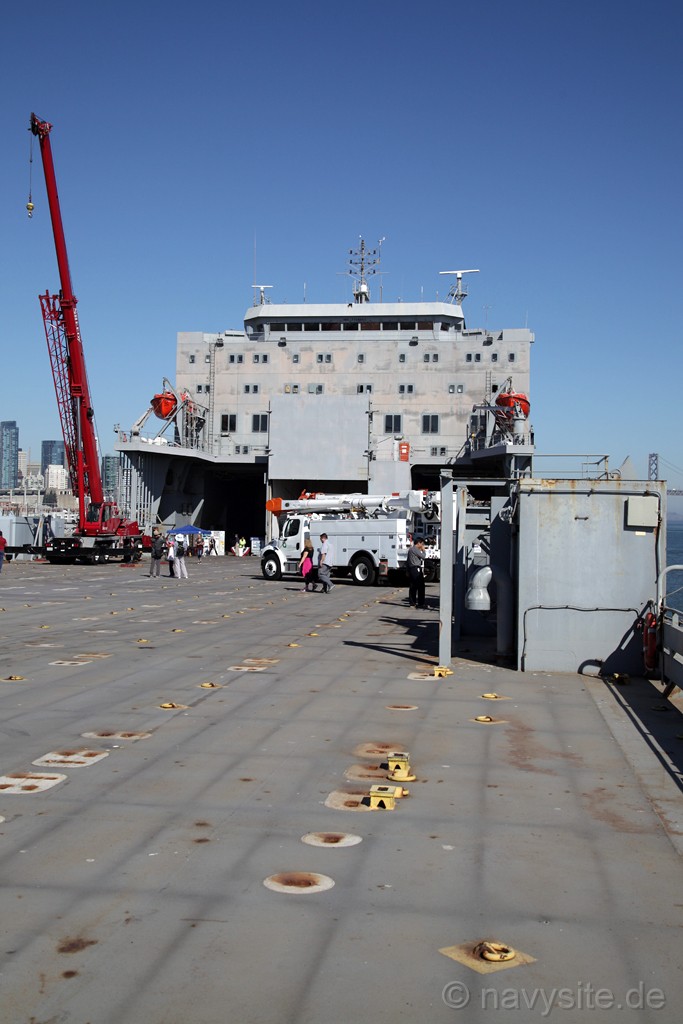
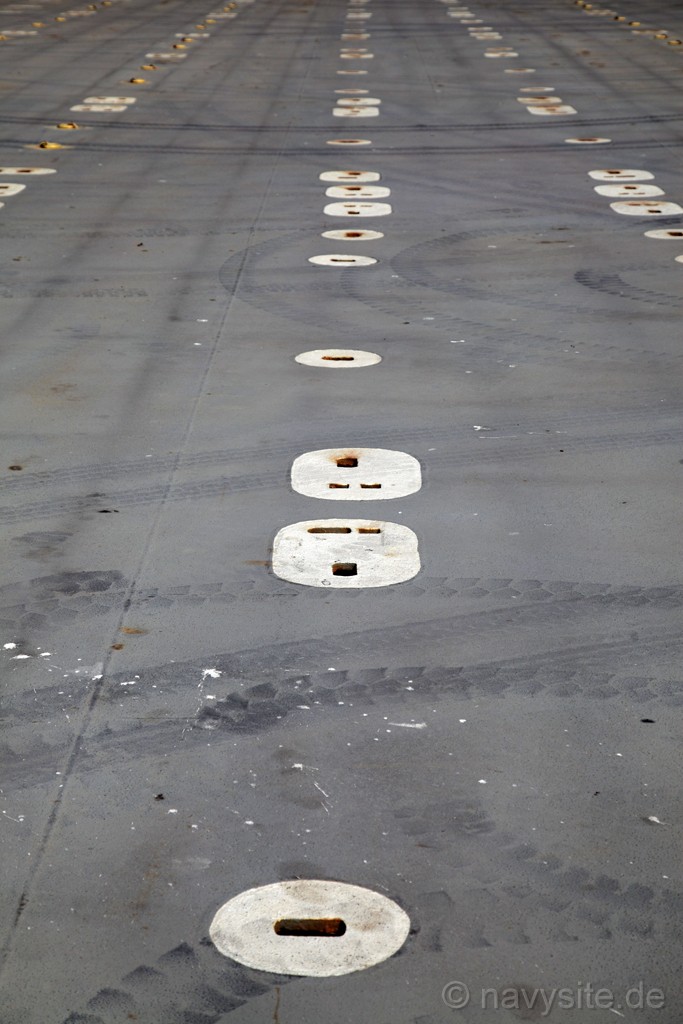
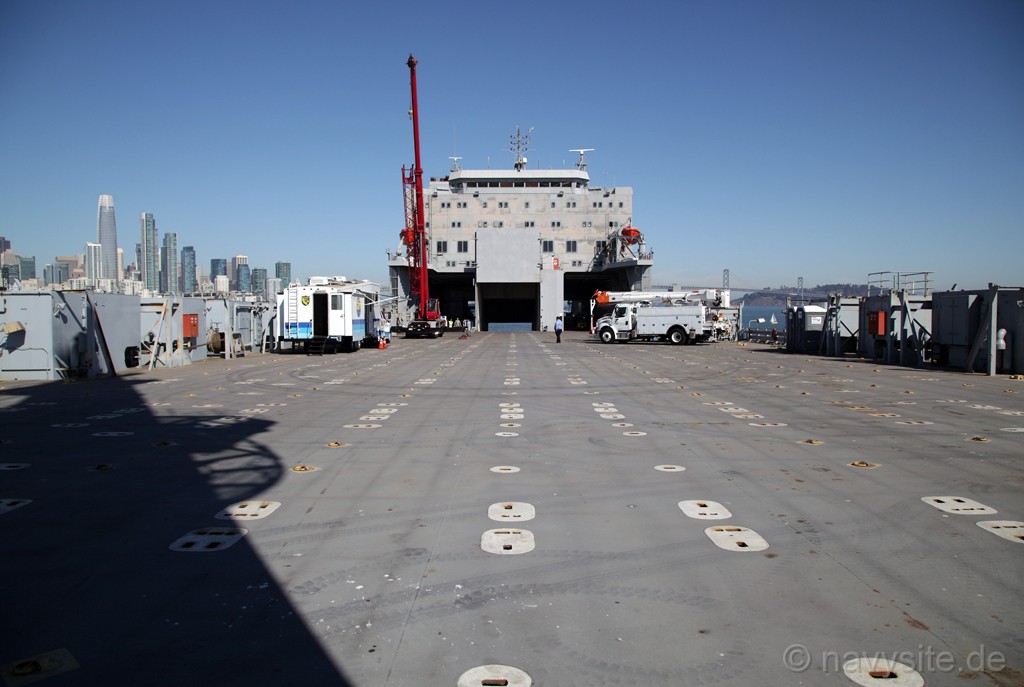
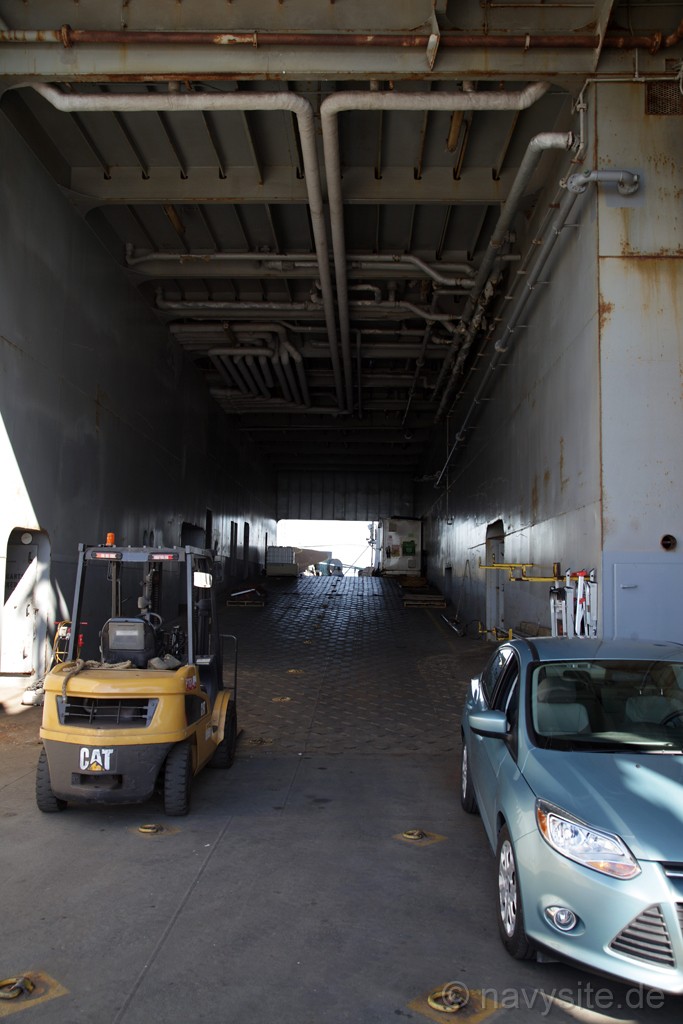
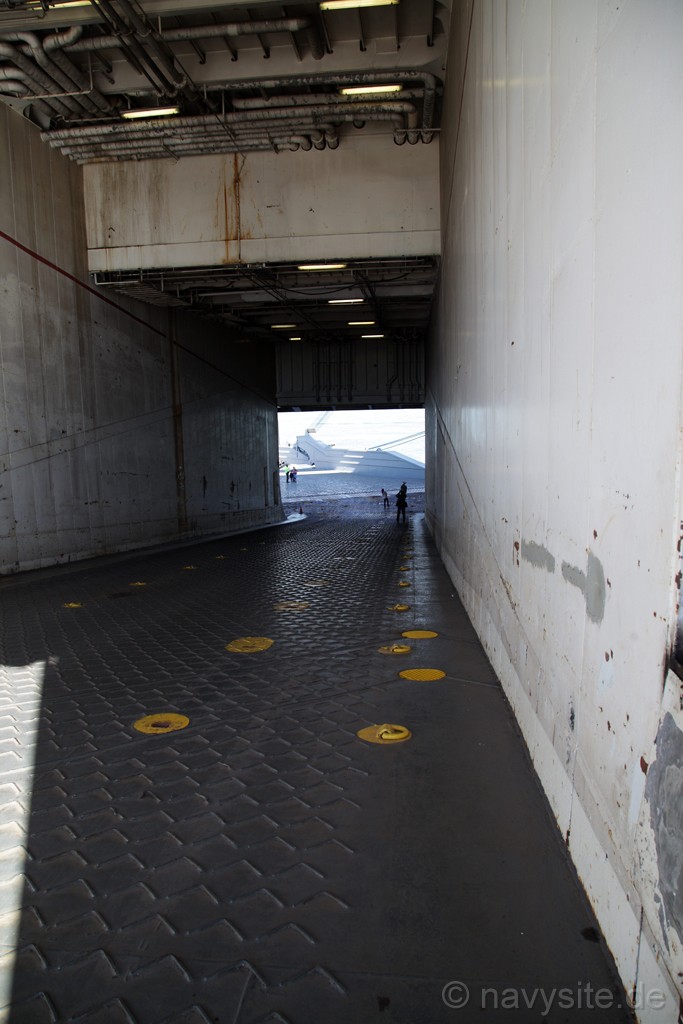
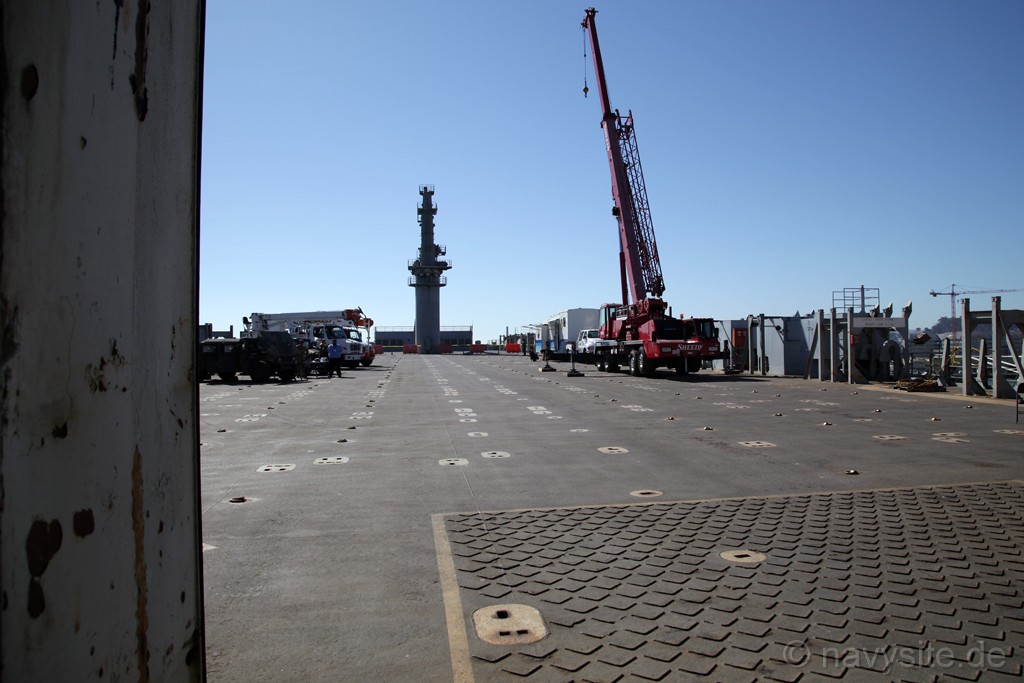
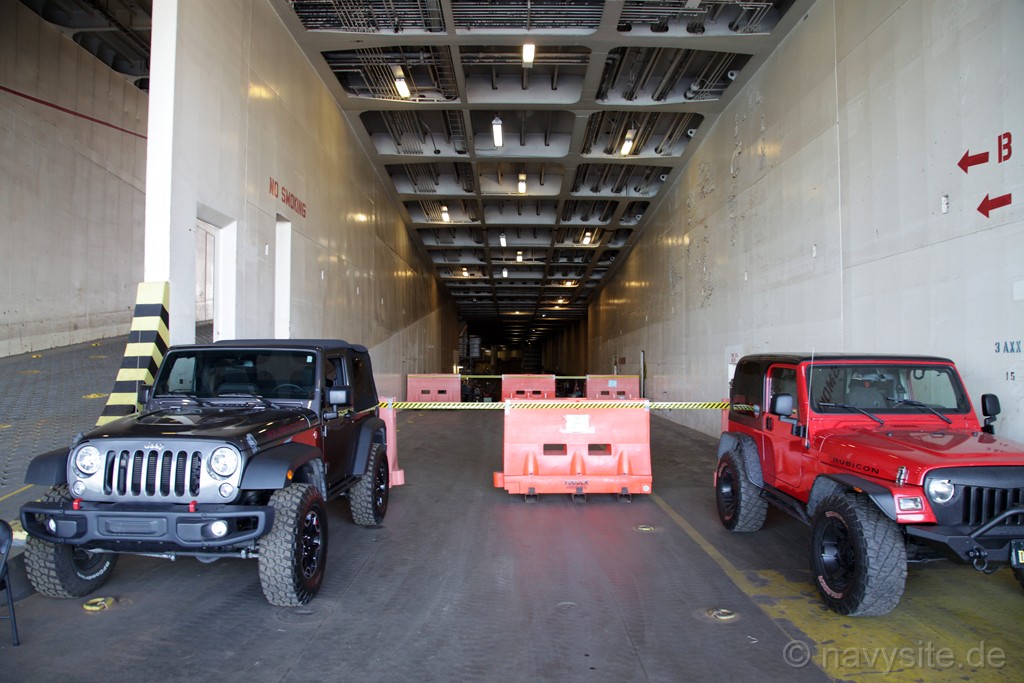
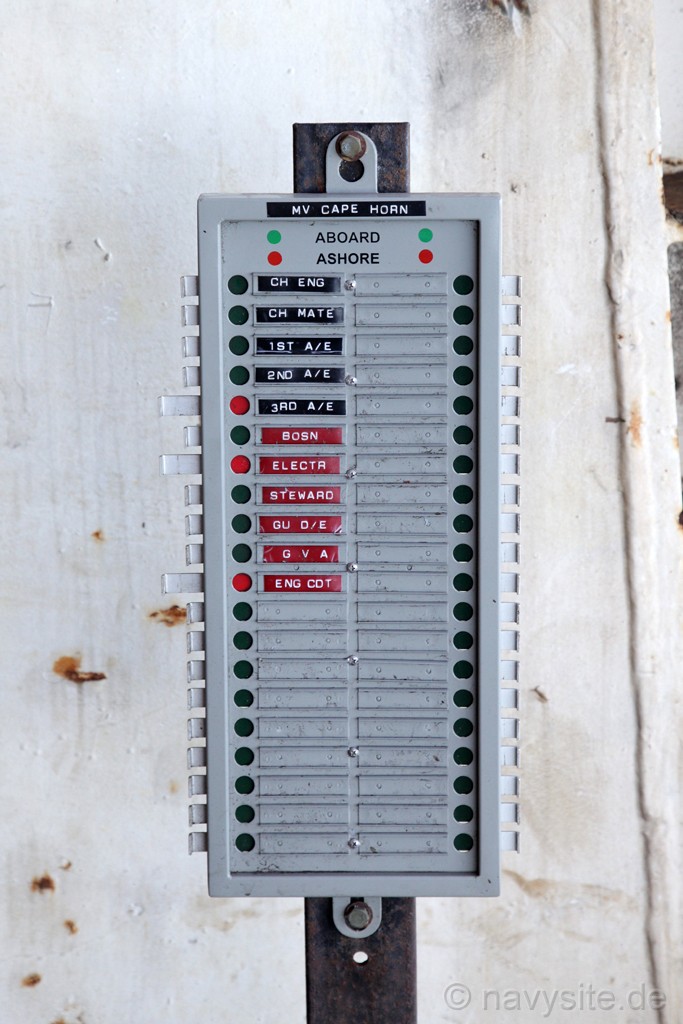
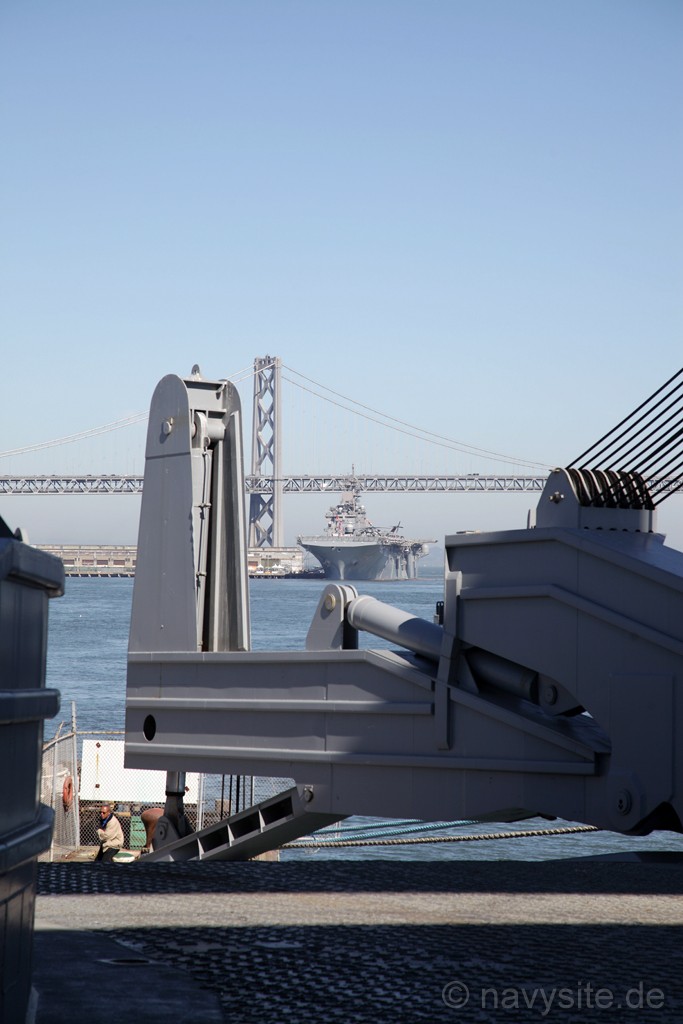
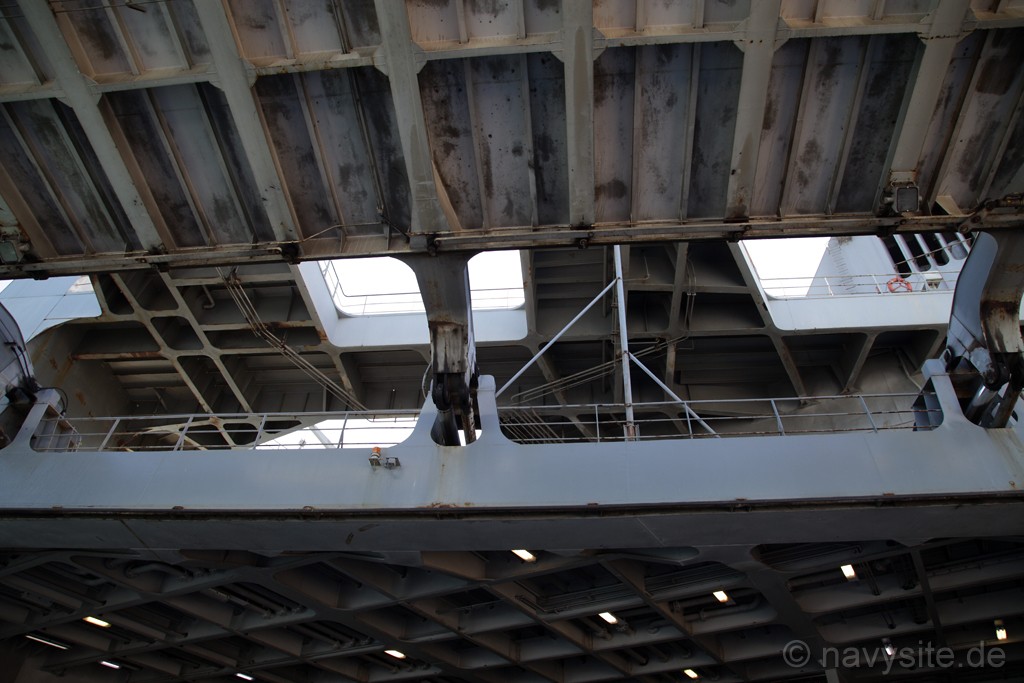
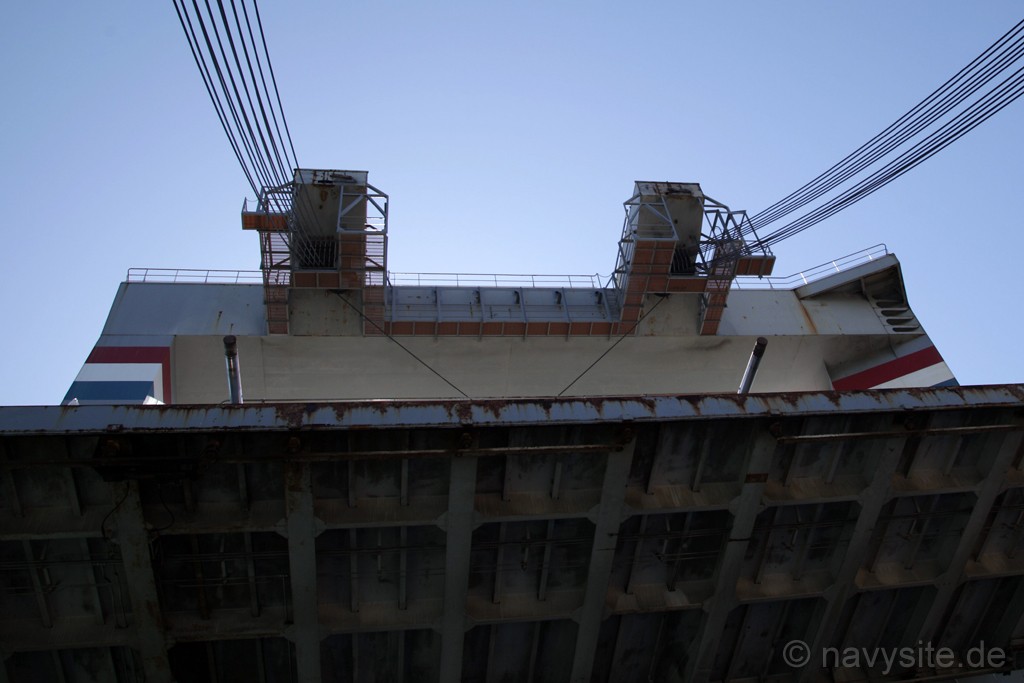
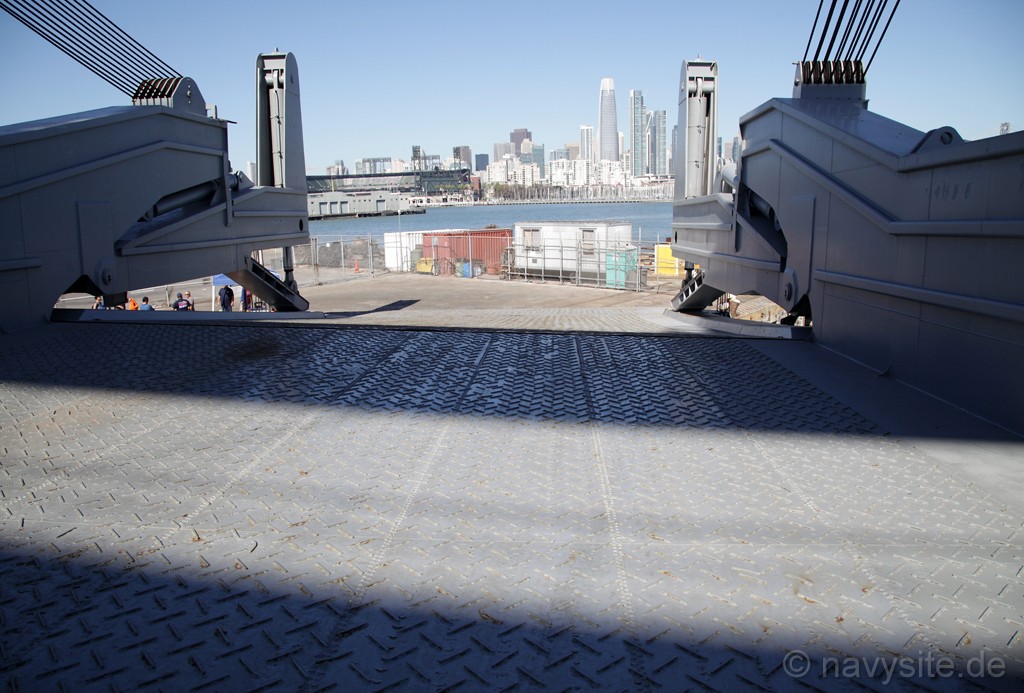
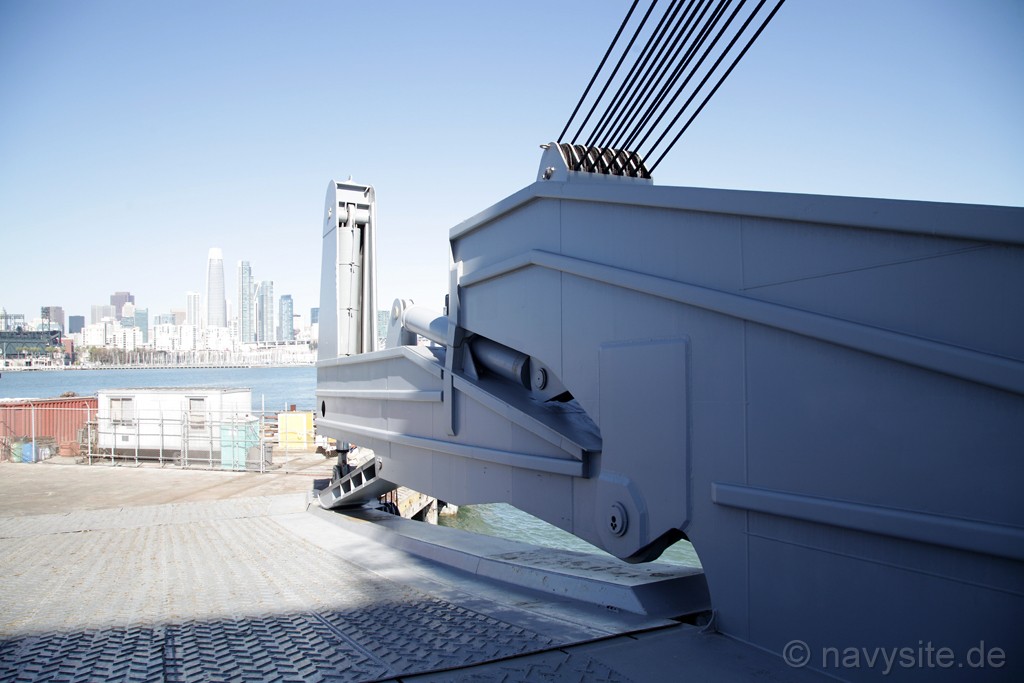
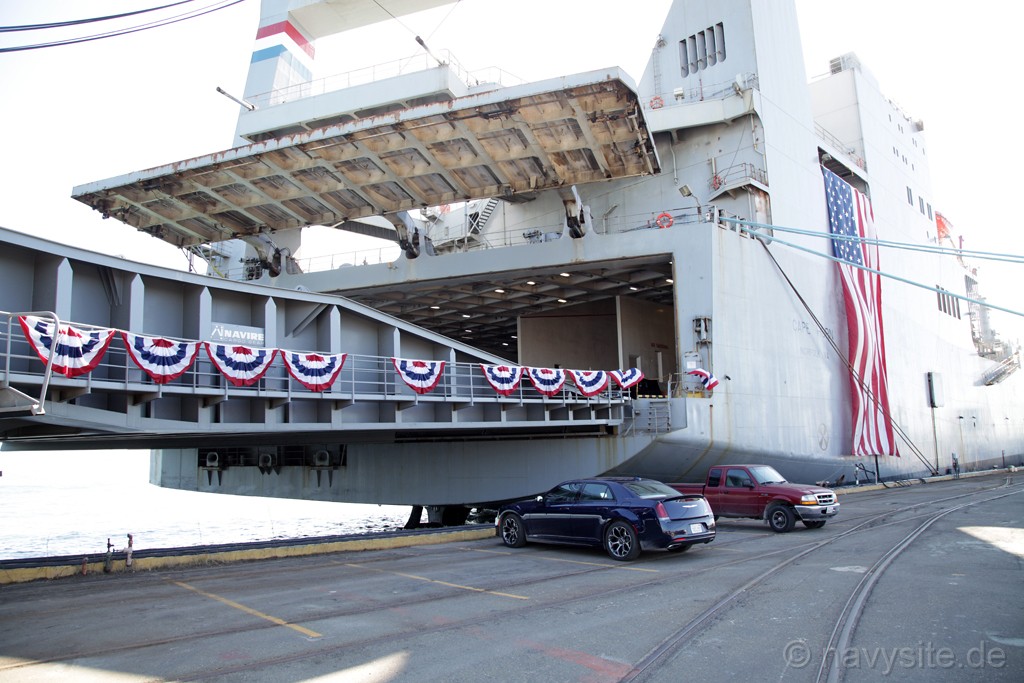
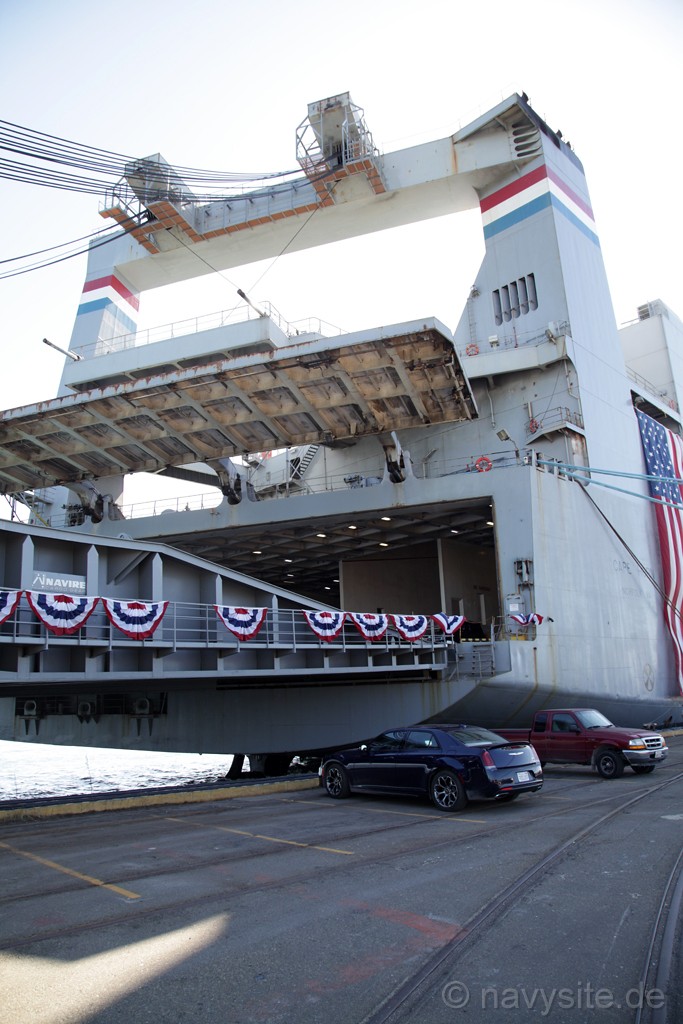
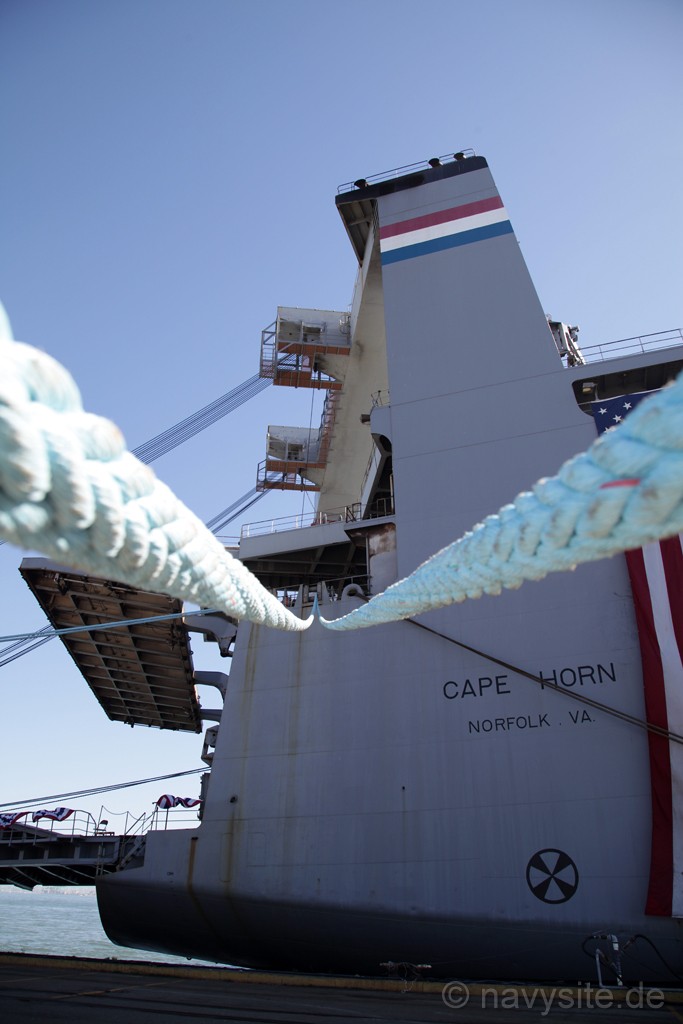
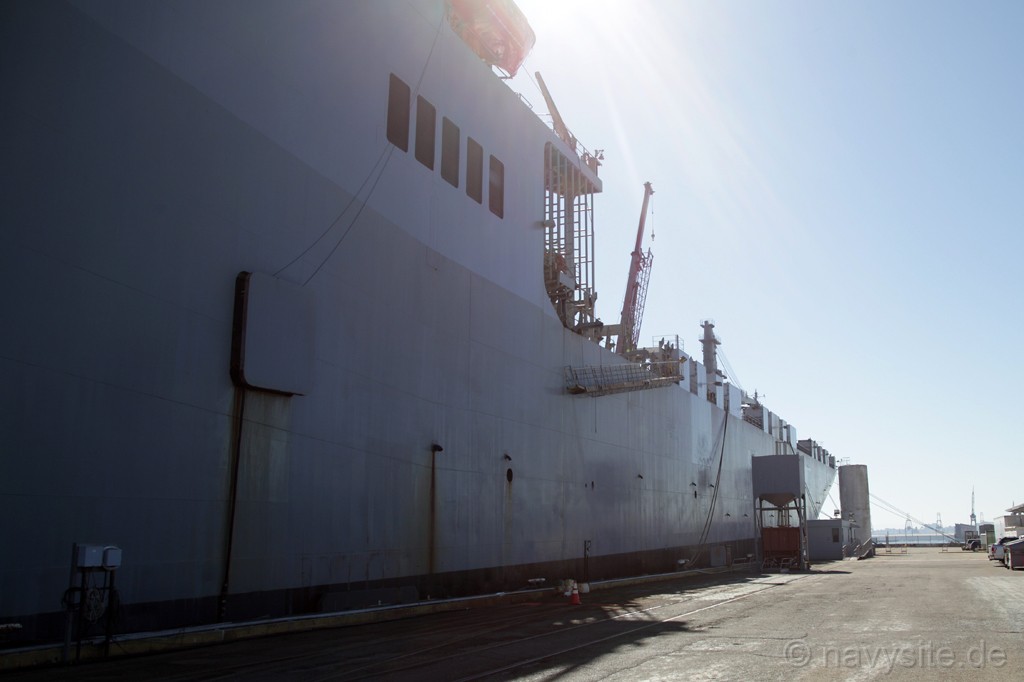
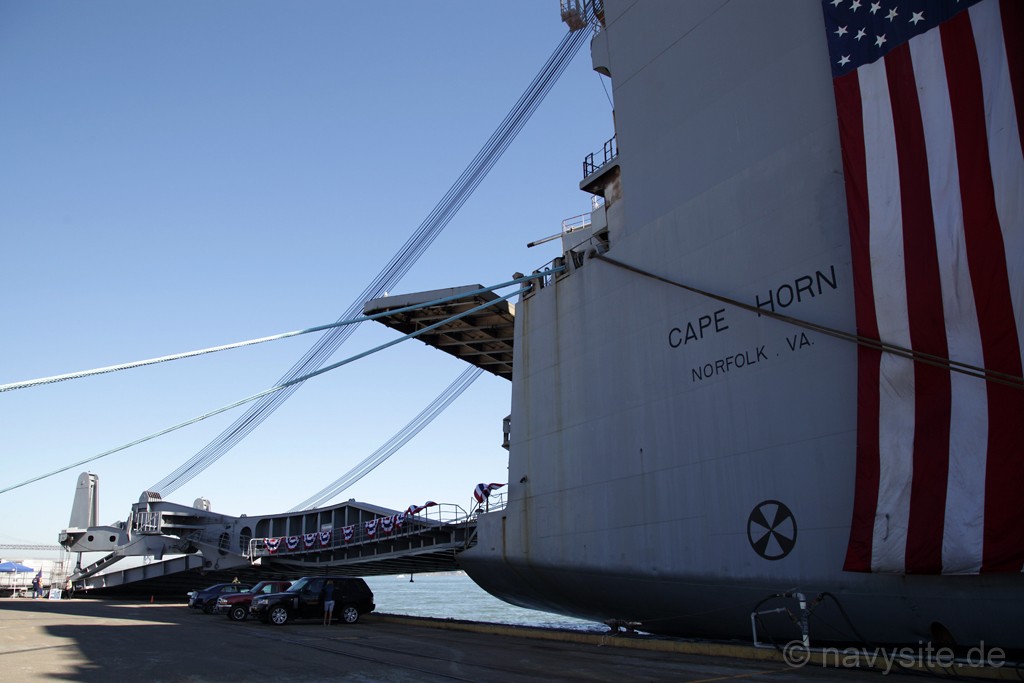
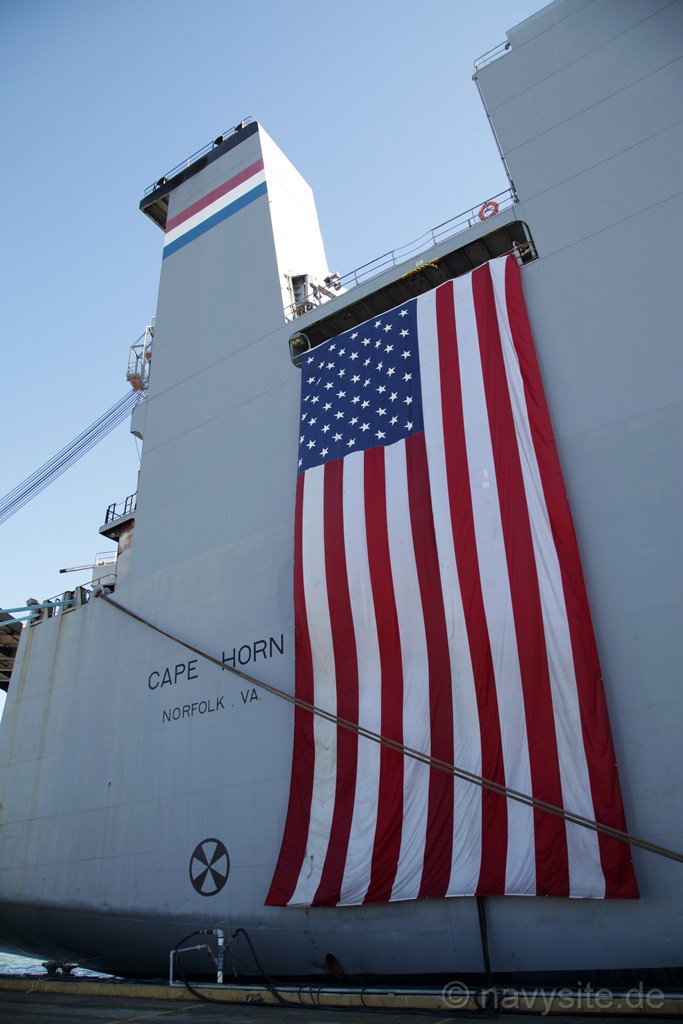
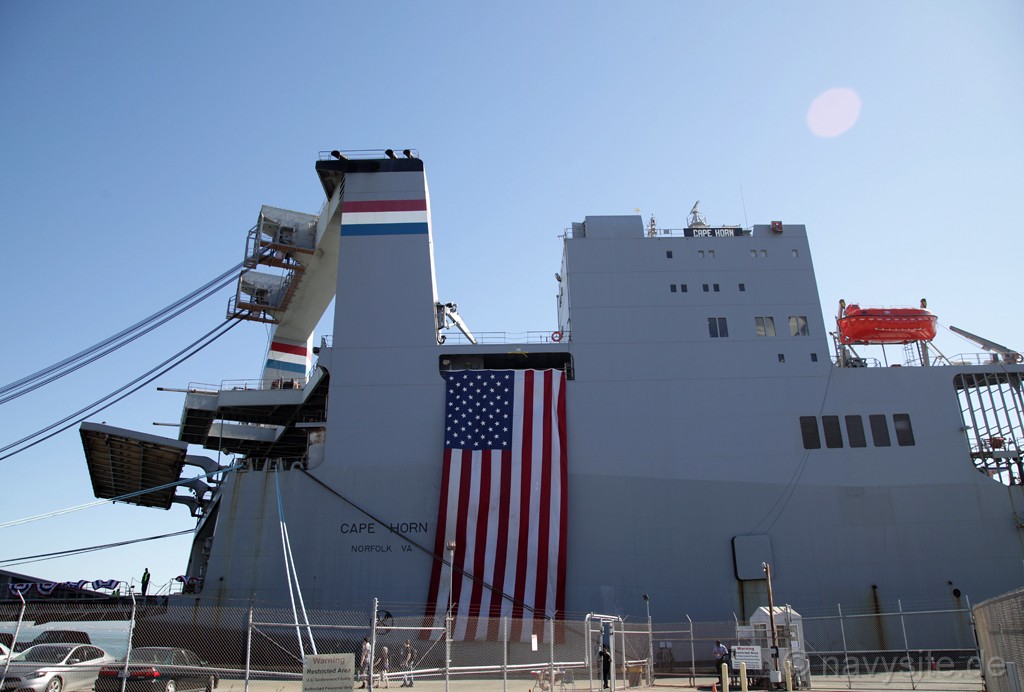
The photos below were taken by Michael Jenning on October 7, 2017, during an open ship event aboard CAPE HORN as part of Fleet Week San Francisco.
 |  |  |  |  |
 |  |  |  |  |
 |  |  |  |  |
 |  |  |  |  |
 |  |  |  |  |
 |  |  |  |  |
back to top Back to Vehicle Cargo Ships. Back to ships list. Back to selection page. Back to 1st page.