Search the Site with

|
Search the Site with
|
 General Characteristics Crew List Memorabilia History Image Gallery to end of page
 |  |  |
USS ALABAMA is the sixth TRIDENT-class nuclear powered Fleet Ballistic Missile Submarine, and the seventh United States ship to bear the name of the state.
| General Characteristics: | Keel Laid: October 14, 1980 |
| Launched: May 19, 1984 | |
| Commissioned: May 25, 1985 | |
| Builder: General Dynamics Electric Boat Division, Groton, Conn. | |
| Propulsion system: one nuclear reactor | |
| Propellers: one | |
| Length: 560 feet (171 meters) | |
| Beam: 42 feet (12.8 meters) | |
| Draft: 36,5 feet (11.1 meters) | |
| Displacement: Surfaced: approx. 16,765 tons Submerged: approx. 18,750 tons | |
| Speed: 20+ knots | |
| Armament: 24 Trident missile tubes (4 permanently deactivated under the New START Treaty), 4 torpedo tubes | |
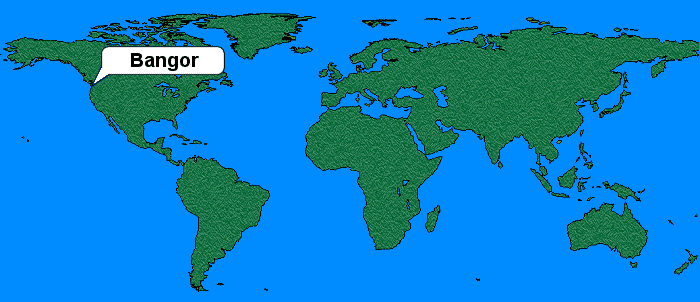
| Homeport: Bangor, Wash. | |
| Crew: 17 Officers, 15 Chief Petty Officers and 122 Enlisted (2 crews) |
 back to top go to the end of the pageback to top go to the end of the page
Crew List:
This section contains the names of sailors who served aboard USS ALABAMA. It is no official listing but contains the names of sailors who submitted their information.
back to top go to the end of the pageback to top go to the end of the page

back to top go to the end of the pageHistory of USS ALABAMA:
USS ALABAMA is the sixth OHIO-class nuclear-powered ballistic missile submarine, built by the Electric Boat Division of General Dynamics at Groton, Connecticut. The construction contract was awarded on February 27, 1978, and her keel was laid on October 14, 1980. The first combined crew began to assemble in July 1983 as officers and enlisted personnel reported for training while construction continued. ALABAMA was launched and christened on May 19, 1984, sponsored by Barbara E. Dickinson, wife of Congressman William L. Dickinson of Alabama.
During late 1984 and early 1985, ALABAMA underwent fitting-out, dock trials and preparations for her initial sea trials. She completed ALFA sea trials from February 12 to 14, 1985, followed by BRAVO trials from February 16 to March 5 and CHARLIE trials from March 25 to 31. Acceptance trials conducted by the Board of Inspection and Survey followed on April 16 and 17. On April 23, 1985, ALABAMA was delivered to the U.S. Navy, 68 days ahead of her originally scheduled delivery date.
USS ALABAMA (SSBN 731) was commissioned on May 25, 1985, at the Naval Underwater Systems Center in New London, Connecticut, with Captain Wade H. Taylor commanding the Blue Crew and Captain Malcolm S. Wright commanding the Gold Crew. Vice Admiral B. M. Kauderer presided over the commissioning ceremony, which was attended by senior naval officers and political representatives from Alabama. Equipped with 24 Trident I (C4) submarine-launched ballistic missiles and four torpedo tubes, ALABAMA was designed to conduct extended submerged strategic deterrent patrols.
Following commissioning, ALABAMA departed Connecticut on May 28 and proceeded to waters off Cape Canaveral, Florida, for her initial shakedown operations. The submarine conducted engineering trials, tactical training and evaluations of her strategic weapons systems. Between June 13 and 25, she completed preparations for her first Demonstration and Shakedown Operation, including missile loading, in-port training and equipment checks. Additional at-sea training exercises followed during the final days of June and early July.
On July 5 and 6, 1985, ALABAMA conducted her first successful Trident I missile launch during a Demonstration and Shakedown Operation off the Florida coast. The missile was launched from tube 22, demonstrating the operational readiness of the submarine's strategic weapons system. The Blue Crew subsequently completed an Operational Reactor Safeguards Examination on July 18 and 19. On July 22, the Gold Crew assumed command at Port Canaveral and began its own shakedown training program.
During August 1985, the Gold Crew conducted additional engineering, navigation and command-and-control exercises, followed by a Nuclear Weapons Acceptance Inspection and Guarantee Material Inspection. In September, ALABAMA operated in the Bahamas during acoustic trials at Exuma Sound and completed preparations for Mk 48 torpedo weapons certification. Additional evaluations followed at the Atlantic Undersea Test and Evaluation Center near Andros Island. The submarine returned to New London in October after completing further engineering training and an Operational Reactor Safeguards Examination.
On October 20, 1985, the Blue Crew relieved the Gold Crew at New London and took ALABAMA to the Electric Boat shipyard in Groton for a Post Shakedown Availability. The availability lasted until December 13 and included repairs, equipment adjustments and modifications identified during the initial trials and shakedown operations. Following completion of the work, ALABAMA conducted additional sea trials in Narragansett Bay from December 13 to 22 before returning to Groton for the remainder of the year.
On January 1, 1986, ALABAMA departed New London for further testing at the Atlantic Undersea Test and Evaluation Center in the Bahamas. The submarine conducted Mk 48 torpedo weapons certification, acoustic trials and operations associated with Chief of Naval Operations Project 113-2. During the final days of January, she completed additional high-speed weapons launch testing before proceeding to Mobile, Alabama, for her first visit to her namesake state.
ALABAMA arrived at Mobile on February 2, 1986, during the city's Mardi Gras celebrations. The visit allowed local residents and officials to welcome the recently commissioned submarine, while members of the crew participated in scheduled events ashore. On February 8, the Gold Crew relieved the Blue Crew in a ceremony attended by Congressman William L. Dickinson, Senator Jeremiah Denton and Chief of Naval Operations Admiral James D. Watkins. ALABAMA departed Mobile on February 11 and continued her transit toward the Pacific Fleet.
On February 17, 1986, ALABAMA transited the Panama Canal and entered the Pacific Ocean. Three days later, she crossed the equator southbound and northbound during her transit, conducting the traditional Crossing the Line ceremony. Following a personnel transfer stop at San Diego on March 2, the submarine continued north toward Washington state. The final portion of the passage included a Tiger Cruise for family members of the crew.
On March 6, 1986, ALABAMA arrived at Naval Submarine Base Bangor, Washington, which became her permanent homeport. Assigned to Submarine Squadron 17, she began preparations for operational service with the Pacific Fleet's strategic submarine force. On March 9, the submarine shifted to the Explosive Handling Wharf at Strategic Weapons Facility Pacific to begin her initial strategic missile loadout. Following completion of the weapons loading, maintenance and operational training, she conducted independent ship's exercises in April and prepared for her first strategic deterrent patrol.
In mid-May 1986, ALABAMA departed Bangor on her first strategic deterrent patrol in the Pacific. During the remainder of the year, her Blue and Gold Crews alternated submerged patrols with maintenance, training and crew exchanges at Bangor. The submarine conducted four strategic deterrent patrols during the final seven months of 1986, establishing the operational routine that would characterize her service during the following decades. At the beginning of 1987, she underwent a scheduled refit at Pearl Harbor, Hawaii.
During 1987, ALABAMA continued her strategic deterrent patrol schedule in the Pacific while undergoing periodic tactical, engineering and weapons readiness evaluations. Her crews received recognition for operational performance, including departmental excellence awards in engineering, communications, supply, damage control and seamanship. The submarine's food service division earned the Captain Edward F. Ney Memorial Award for the best small afloat food service operation in the Navy.
During May 1988, ALABAMA's Gold Crew conducted a Fleet Operational Test of the Trident I weapons system, successfully launching missiles to evaluate the reliability of the submarine's strategic weapons and associated equipment. Additional training and readiness evaluations followed before the Blue Crew departed Bangor on the submarine's ninth strategic deterrent patrol on June 22, 1988.
During the ninth patrol, ALABAMA operated in the North Pacific and conducted tactical torpedo loading operations at Pearl Harbor, Hawaii. Two groups of midshipmen embarked during portions of the patrol to gain experience in submarine operations. The deployment also included regular strategic readiness exercises and training designed to maintain the crew's proficiency in weapons employment, navigation and engineering operations.
On September 1, 1988, ALABAMA returned to Naval Submarine Base Bangor after completing her ninth strategic deterrent patrol. The return also marked the 100th strategic deterrent patrol conducted by a Trident-equipped submarine since the introduction of the weapons system in 1982. Under Secretary of the Navy H. Lawrence Garrett III led the official welcoming party during a ceremony at Delta Pier commemorating the milestone.
ALABAMA continued her strategic deterrent patrol schedule throughout 1989. On August 18, she successfully launched four Trident I (C4) ballistic missiles during Follow-on Operational Test 34. The test was conducted to evaluate the continuing performance and reliability of the strategic missile system under operational conditions. Between patrols, ALABAMA underwent regular refits, equipment inspections and tactical readiness evaluations at Bangor and other Pacific Fleet facilities.
During the early 1990s, ALABAMA remained assigned to Submarine Squadron 17 at Bangor, alternating strategic deterrent patrols between her Blue and Gold Crews. Her operations continued as the United States adjusted its strategic nuclear forces following the end of the Cold War. The submarine underwent regular maintenance at the Trident Refit Facility Bangor, including equipment repairs, weapons system inspections and post-refit trials in Dabob Bay.
In February 1991, ALABAMA was present at Pearl Harbor during activities associated with a change of command of the U.S. Pacific Fleet. Her subsequent operations continued to include strategic patrols, operational training and occasional port visits in the Pacific. During August 1992, the submarine embarked senior military officials, including representatives of United States Strategic Command, for an orientation cruise demonstrating the operation of an OHIO-class ballistic missile submarine.
ALABAMA also participated in the evaluation of logistical support procedures for strategic submarines operating away from their homeports. These activities included experiments involving the transfer of supplies by helicopter at sea and other methods of supporting submarines without requiring them to return to fixed facilities. Such operations complemented the regular refit and replenishment procedures employed at Bangor.
Throughout the early 1990s, ALABAMA accumulated further awards for operational performance, training and personnel management. Her crews received departmental awards in communications, engineering, navigation, administration and supply. In 1992, ALABAMA received an Administration "A" award, becoming the first Trident submarine to earn that distinction. The submarine's food service personnel also continued to compete successfully in the Navy's annual Captain Edward F. Ney awards.
During 1995, ALABAMA maintained her regular strategic deterrent patrol schedule and received recognition for outstanding operational performance. The submarine was selected to receive the United States Strategic Command Omaha Trophy in the ballistic missile submarine category for fiscal year 1995. The award recognized the crew's performance in strategic readiness, operational evaluations, maintenance and training. The trophy was formally presented in March 1996.
In January 1996, ALABAMA received the Submarine Squadron 17 Battle Efficiency "E" and Strategic Operations "S" awards for her performance during the preceding competition period. The awards reflected the achievements of her crews in maintaining strategic readiness, completing patrol requirements and meeting the demanding inspection standards of the ballistic missile submarine force.
During the latter half of the 1990s, ALABAMA continued conducting strategic deterrent patrols from Bangor, supported by regular maintenance and crew turnover periods. Her activities included tactical training, strategic weapons readiness exercises, acoustic evaluations and periodic visits to Pacific Fleet facilities. The submarine also participated in operational training intended to maintain the proficiency of her crews in both strategic and conventional submarine operations.
On September 2, 1999, ALABAMA conducted a one-day orientation cruise for members of the Defense Advisory Committee on Women in the Services. The visit provided civilian advisers with an opportunity to observe the operating environment and daily activities aboard a ballistic missile submarine. During the same year, ALABAMA completed her 47th strategic deterrent patrol and subsequently entered an Extended Refit Period that included maintenance and upgrades to tactical and survivability systems.
Following completion of the refit, ALABAMA resumed operational preparations and strategic deterrent patrols. On May 25, 2000, she completed her 50th strategic deterrent patrol, coinciding with the 15th anniversary of her commissioning. Members of the crew assembled on the submarine's missile deck to form the words "BAMA 50" during a commemorative photograph taken at Bangor. The milestone reflected fifteen years of continuous service with the Pacific Fleet's strategic submarine force.
During September 2000, ALABAMA operated off Southern California and was photographed entering Naval Submarine Base Point Loma near San Diego on September 16. The submarine continued conducting training, inspections and patrols during the remainder of the year, supported by scheduled refits and crew exchanges at Bangor.
On September 11, 2001, following the terrorist attacks against New York and Washington, ALABAMA was ordered to sea on short notice as part of precautionary measures undertaken by U.S. strategic forces. The emergency departure was intended to preserve the survivability and readiness of the sea-based nuclear deterrent in the event of additional attacks. ALABAMA subsequently resumed her regular strategic patrol schedule while the United States reorganized its military operations in response to the attacks.
During the following years, ALABAMA continued operating from Bangor with the Trident I (C4) ballistic missile system. The Navy was progressively converting its remaining C4-equipped OHIO-class submarines to the Trident II (D5) system, which offered greater range, accuracy and flexibility. ALABAMA was among the final submarines scheduled to undergo this conversion, which was combined with her planned mid-life nuclear reactor refueling overhaul.
In 2005, ALABAMA completed her 68th strategic deterrent patrol, marking the end of her operational service with the Trident I missile system. The patrol was among the final operational missions conducted by a U.S. ballistic missile submarine equipped with the C4 missile. On September 7, the Blue and Gold Crews were combined in preparation for the approaching Engineered Refueling Overhaul and missile system conversion.
During October 2005, ALABAMA offloaded her remaining Trident I missiles at the Explosive Handling Wharf at Naval Base Kitsap-Bangor. With the completion of the weapons offload, preparations continued for the submarine's transfer to Puget Sound Naval Shipyard & Intermediate Maintenance Facility in Bremerton, Washington, where extensive maintenance and modernization were scheduled.
The Engineered Refueling Overhaul and Trident II backfit involved refueling the submarine's S8G nuclear reactor, extensive maintenance of propulsion and auxiliary systems, and modifications to the missile compartment and associated equipment. The conversion required upgrades to the strategic weapons fire-control system, navigation equipment and other systems necessary for operation of the larger and more capable Trident II (D5) missile. Additional work addressed the submarine's material condition and supported the Navy's planned extension of the OHIO-class service life to approximately 42 years.
The principal refueling overhaul was conducted during 2006 through 2008, while associated conversion, testing and preparations for operational service continued into early 2009. The modernization program included repairs and replacement of equipment that had reached the end of its original service life, improvements to electronic systems and extensive testing of the submarine's engineering and strategic weapons capabilities.
In February 2009, ALABAMA completed the major overhaul and Trident II conversion program. She subsequently underwent post-maintenance trials, crew training and strategic weapons system certification. In May 2009, ALABAMA received certification for operational deployment with the Trident II (D5) system, marking her return to strategic deterrent service after the extended maintenance and modernization period.
Following completion of the conversion, ALABAMA resumed regular strategic deterrent patrols from Naval Base Kitsap-Bangor. Her Blue and Gold Crews continued alternating between submerged patrols, refit periods and off-crew training. The submarine also conducted periodic inspections and exercises to maintain the readiness of her newly installed strategic weapons systems.
On May 25, 2010, ALABAMA celebrated the 25th anniversary of her commissioning. By that time, she had completed approximately seventy strategic deterrent patrols and had served under both the Trident I and Trident II missile systems. The anniversary was commemorated by crew members and former personnel who had served aboard the submarine during her first quarter-century of service.
Throughout the early 2010s, ALABAMA continued strategic deterrent patrols in the Pacific while receiving regular maintenance and modernization at Bangor. Her operations included submerged patrols, tactical training and operational evaluations, with periodic returns through Hood Canal to Naval Base Kitsap. The Blue and Gold Crew system continued to provide the personnel rotation required to sustain extended strategic operations.
On December 18, 2014, Commander Paul Reinhardt relieved Commander Brad Terry as commanding officer of ALABAMA's Blue Crew during a ceremony at the U.S. Naval Undersea Museum in Keyport, Washington. During Terry's command, which had begun in May 2012, the Blue Crew completed four strategic deterrent patrols and received several awards, including the 2013 Navy League Trident Submarine Outstanding Performance Award and Pacific Fleet Retention Excellence Awards for 2012 and 2013.
During 2015 and 2016, ALABAMA continued her regular strategic deterrent patrol schedule from Bangor. On May 14, 2016, the submarine returned to Naval Base Kitsap-Bangor following a routine patrol, assisted by harbor tugs during the final approach to her berth. Throughout the year, the Blue Crew received recognition for personnel retention, navigation, supply and operational performance.
On April 28, 2017, ALABAMA's Gold Crew returned to Bangor after completing another strategic deterrent patrol. The submarine subsequently underwent maintenance and training in preparation for further operations. During the year, ALABAMA received the Submarine Squadron 17 Battle Efficiency "E" award, recognizing her performance in readiness, operations and crew proficiency.
On September 18, 2017, Commander Jeff Yackeren relieved Commander Paul Reinhardt as commanding officer of ALABAMA's Blue Crew during a ceremony at the Bangor Chapel. During Reinhardt's command, the crew had completed four strategic deterrent patrols, including three consecutive patrol extensions, as well as four refit periods. The crew also received the 2016 Retention Excellence Award, the 2015 and 2016 Red and Green Navigation "N" awards, the 2016 Trident Submarine Outstanding Performance Award and the 2015 and 2016 Supply Blue "E" awards.
On August 28, 2018, ALABAMA's Blue and Gold Crews were presented with the United States Strategic Command Omaha Trophy during a ceremony at Naval Base Kitsap-Bangor. The award recognized their performance during 2017, when the submarine completed three strategic deterrent patrols totaling 238 days at sea while maintaining outstanding strategic and navigation readiness. ALABAMA had also received the Submarine Squadron 17 Battle Efficiency "E" award for the same competition period.
During the late 2010s, ALABAMA underwent an extended maintenance and modernization availability lasting more than a year. The work included a major upgrade to the submarine's strategic fire-control system, the first such upgrade conducted aboard an operational OHIO-class ballistic missile submarine outside a Chief of Naval Operations maintenance availability. The modernization required extensive coordination between shipyard personnel, technical specialists and the submarine's crews.
Following completion of the Extended Refit Period, ALABAMA conducted testing and operational preparations before returning to strategic deterrent service. The availability included approximately fourteen months of maintenance and upgrades, followed by sea trials and the requalification of personnel and equipment. The submarine subsequently resumed her regular patrol schedule from Bangor.
On June 9, 2020, Commander Brian Murphy relieved Commander Jeff Yackeren as commanding officer of ALABAMA's Blue Crew. During Yackeren's command, the Blue Crew had completed two strategic deterrent patrols and played an important role in the extended maintenance availability and fire-control system modernization. The crew subsequently continued preparations for further patrols under Murphy's command.
On September 8, 2020, Commander John M. Thorpe relieved Commander William Filip as commanding officer of ALABAMA's Gold Crew during a ceremony at Naval Base Kitsap-Bangor. During Filip's command, the crew had completed the extended refit and successfully returned to sea following the fire-control system upgrade. At the time of the change of command, ALABAMA had completed 96 strategic deterrent patrols since entering operational service in 1986.
In 2021, ALABAMA reached another important milestone with the completion of her 100th strategic deterrent patrol. The Blue Crew, commanded by Commander Brian Murphy, departed Bangor in early May and conducted an extended patrol lasting 132 days. During the deployment, the submarine celebrated the 36th anniversary of her commissioning on May 25. At the time, the patrol was the fourth-longest strategic deterrent patrol conducted by an OHIO-class ballistic missile submarine.
With the completion of her 100th patrol, ALABAMA became the third OHIO-class submarine to reach that milestone, following USS ALASKA (SSBN 732) and USS HENRY M. JACKSON (SSBN 730). The Navy recognized the achievement as evidence of the extended operational service of the OHIO-class submarine force, which had maintained strategic deterrent operations for several decades.
On May 24, 2022, ALABAMA completed an unusual full crew exchange while operating at sea off the coast of Washington. During the evolution, a support vessel transferred personnel and equipment between the submarine and shore-based support arrangements, allowing the Blue and Gold Crews to exchange responsibility without returning ALABAMA to port. The operation demonstrated an alternative approach to crew turnover and logistical support for ballistic missile submarines conducting extended strategic missions.
The Navy subsequently examined the potential use of similar procedures to sustain operations without requiring every crew exchange to take place at a fixed submarine base. The successful evolution provided practical experience in coordinating the transfer of personnel, equipment and supplies while the submarine remained underway.
On January 6, 2023, Commander Terry L. Turner relieved Commander John M. Thorpe as commanding officer of ALABAMA's Gold Crew during a ceremony at the U.S. Naval Undersea Museum in Keyport, Washington. The ceremony was attended by Master Chief Petty Officer of the Navy James Honea, who had previously served with Thorpe. Following the change of command, the Gold Crew continued training and preparations for further strategic deterrent patrols.
On September 22, 2023, Commander Michael Lyle was relieved of command of ALABAMA's Blue Crew by Rear Admiral Nicholas Tilbrook, Commander, Submarine Group 9. The Navy cited a loss of confidence in Lyle's ability to command. Commander Larry J. Arbuckle, deputy commodore of Submarine Squadron 17, assumed responsibility as interim commanding officer. The decision was publicly announced by the Navy on September 25.
On December 14, 2023, Commander Justin R. Grover relieved Captain Larry J. Arbuckle as commanding officer of ALABAMA's Blue Crew during a ceremony at the U.S. Naval Undersea Museum in Keyport. Arbuckle subsequently returned to his duties as deputy commodore of Submarine Squadron 17. At the time of the ceremony, ALABAMA had completed 105 strategic deterrent patrols since entering operational service.
During 2024, ALABAMA continued serving as part of the Pacific Fleet's strategic submarine force, operating from Naval Base Kitsap-Bangor under Submarine Group 9. Her Blue and Gold Crews continued their alternating schedule of strategic deterrent patrols, maintenance and operational training. The submarine remained equipped with the Trident II (D5) missile system, with four of her original 24 missile tubes permanently deactivated under implementation of the New START Treaty.
On May 25, 2025, ALABAMA marked the 40th anniversary of her commissioning. She remained in active service despite having reached the age originally associated with the planned replacement of the first OHIO-class submarines. Continued maintenance, modernization and operational assessments supported the Navy's efforts to retain the ballistic missile submarine force until replacement vessels of the COLUMBIA-class became available.
On August 21, 2025, Commander Ryan Grundt relieved Commander Terry Turner as commanding officer of ALABAMA's Gold Crew during a ceremony at the U.S. Naval Undersea Museum in Keyport, Washington. The ceremony was attended by senior officers from Submarine Squadron 17 and Submarine Group 9. Following the command change, ALABAMA remained assigned to Submarine Group 9, which oversees the readiness, training, personnel and operational administration of ballistic missile submarines based in the Pacific Northwest.
During 2025 and 2026, ALABAMA continued to form part of the Navy's sea-based strategic deterrent force while planning proceeded for the retirement of the oldest OHIO-class ballistic missile submarines. The Navy continued evaluating the material condition, maintenance requirements and operational contribution of individual submarines as they approached or exceeded their originally planned service lives.
According to the U.S. Navy Shipbuilding Plan published in May 2026, ALABAMA was scheduled for inactivation and subsequent recycling during fiscal year 2028. The plan provided for additional assessments of the submarine's material condition and remaining operational value before a final inactivation decision.
back to top go to the end of the pageUSS ALABAMA Image Gallery:
 |
back to top
 Back to Ballistic Submarines list. Back to ships list. Back to selection page. Back to 1st page.