Search the Site with 
General Characteristics Crew List Memorabilia Cruise Books History Image Gallery to end of page

USS Blue Ridge (LCC 19)

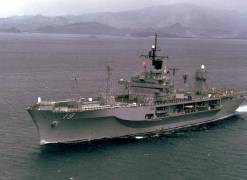
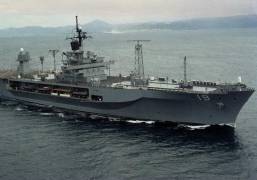
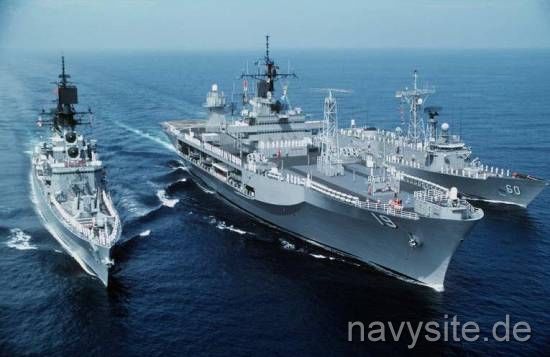
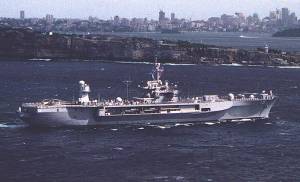
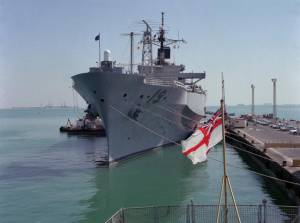
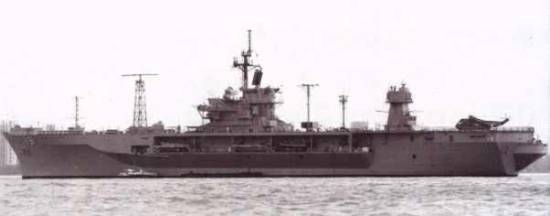
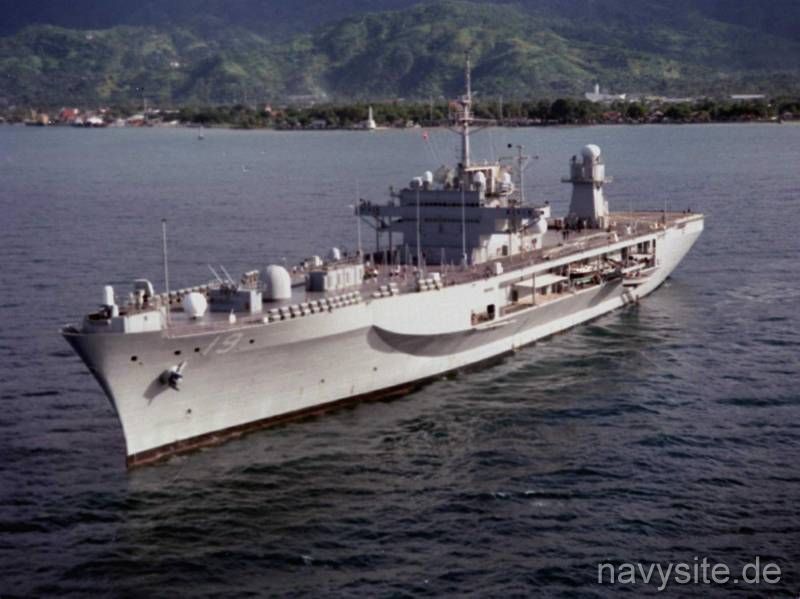
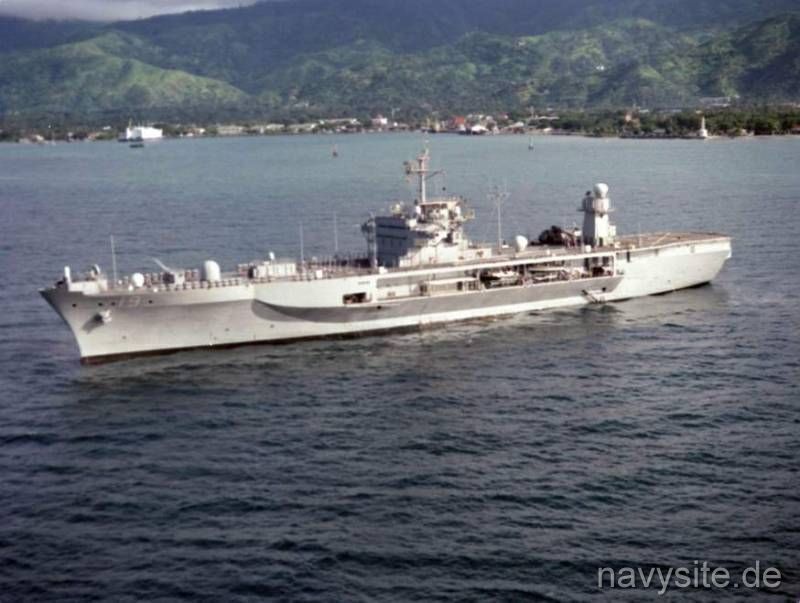
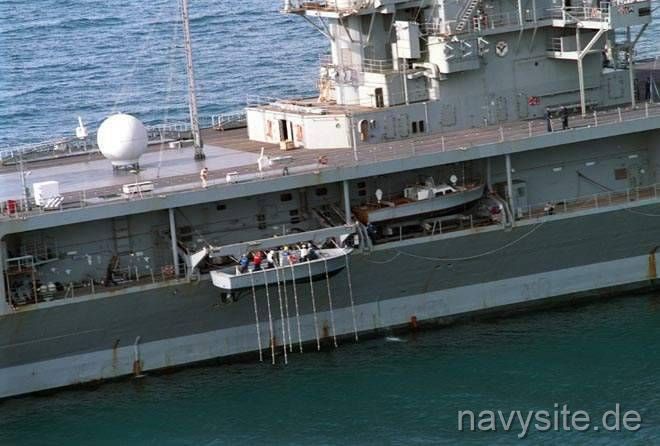
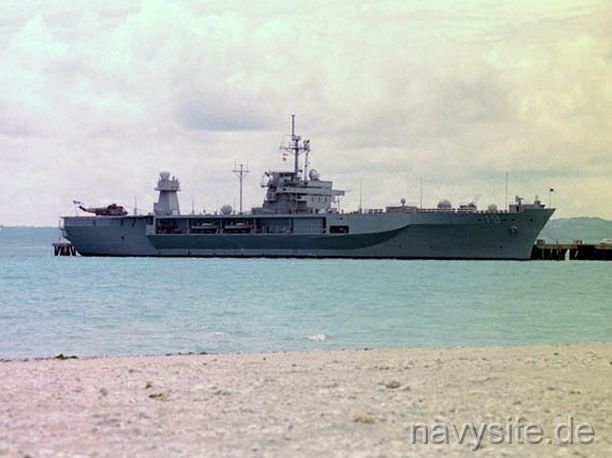
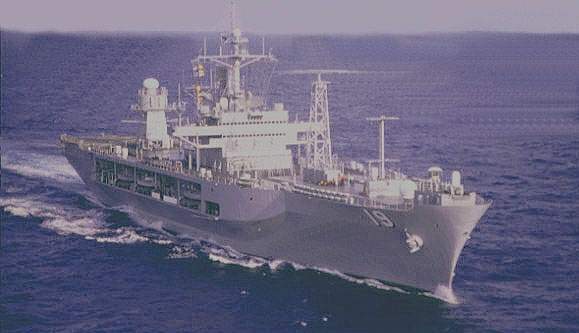
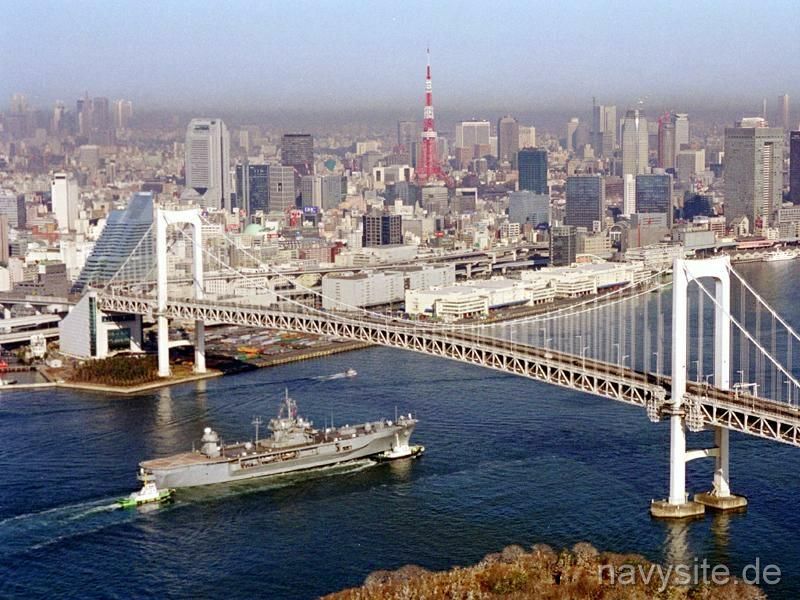
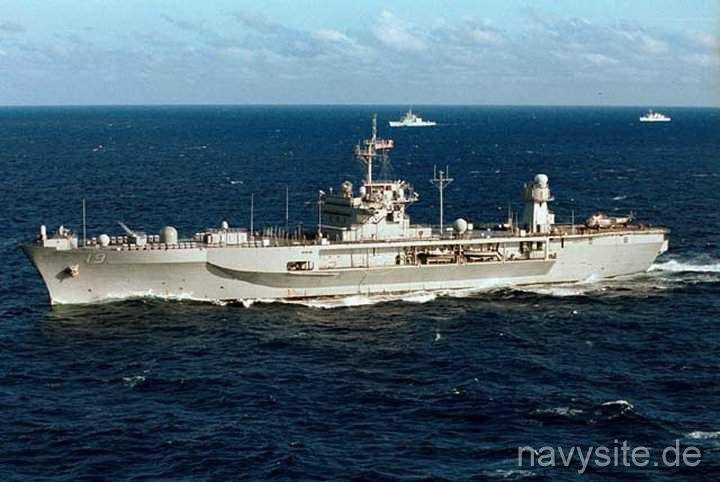
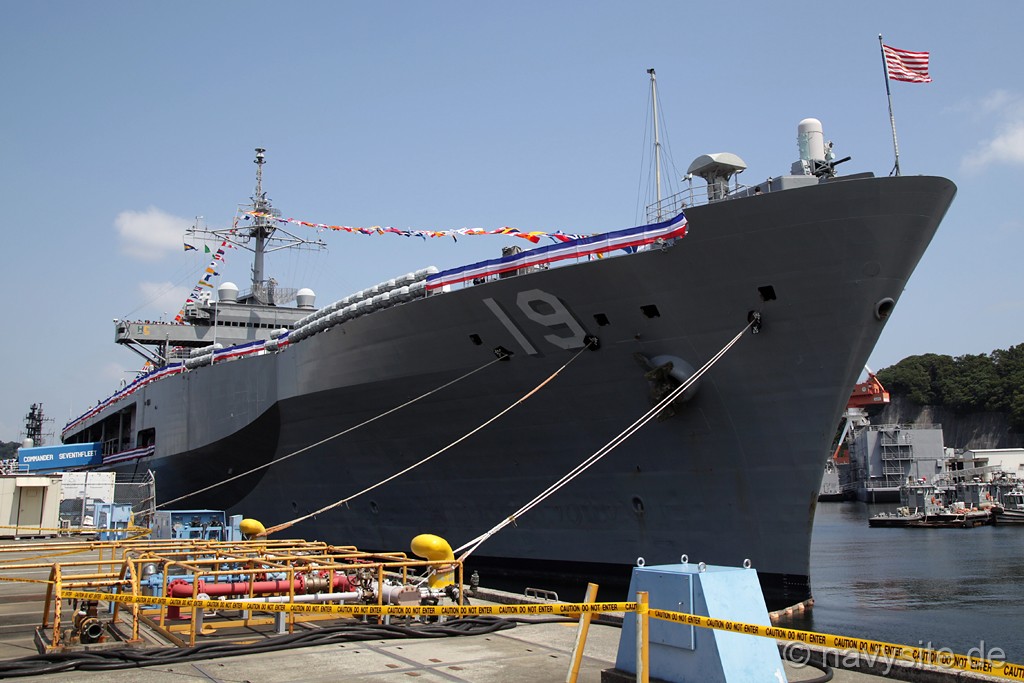
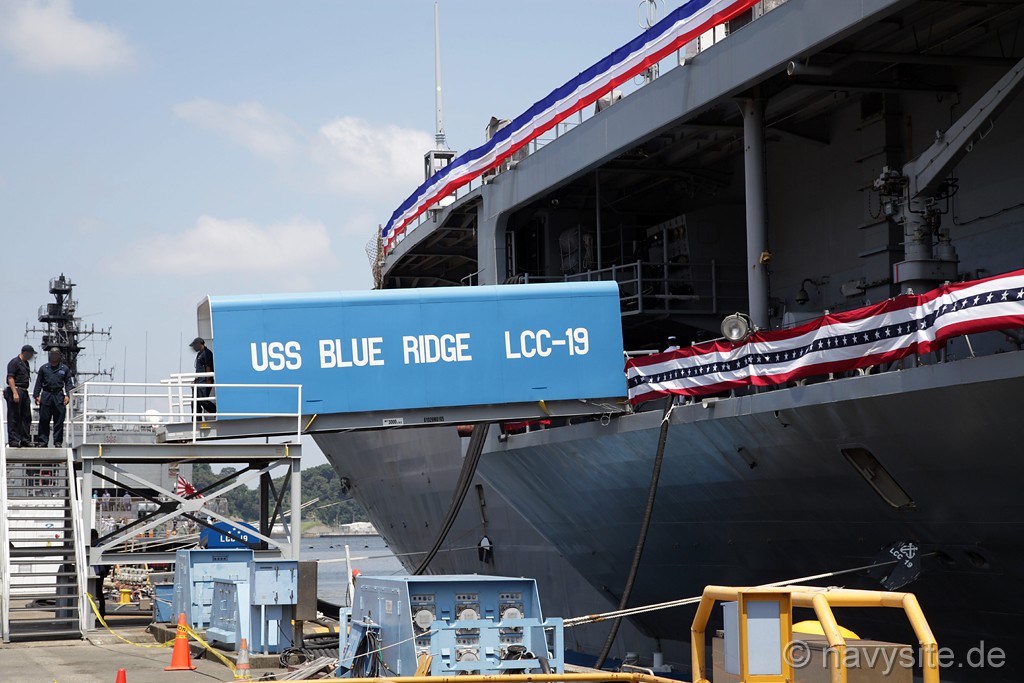
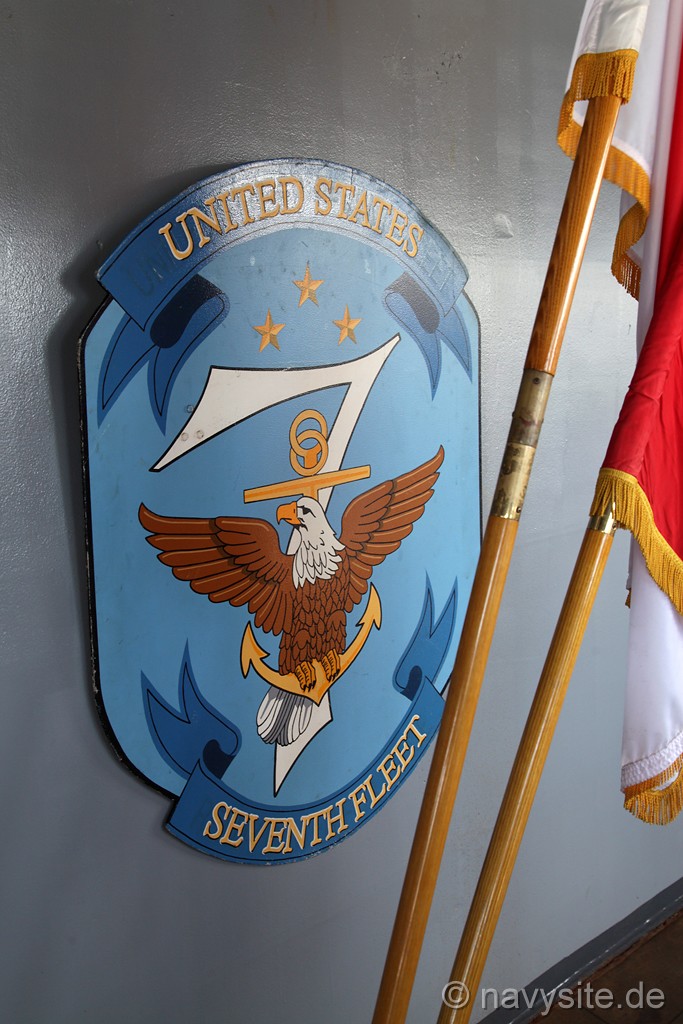
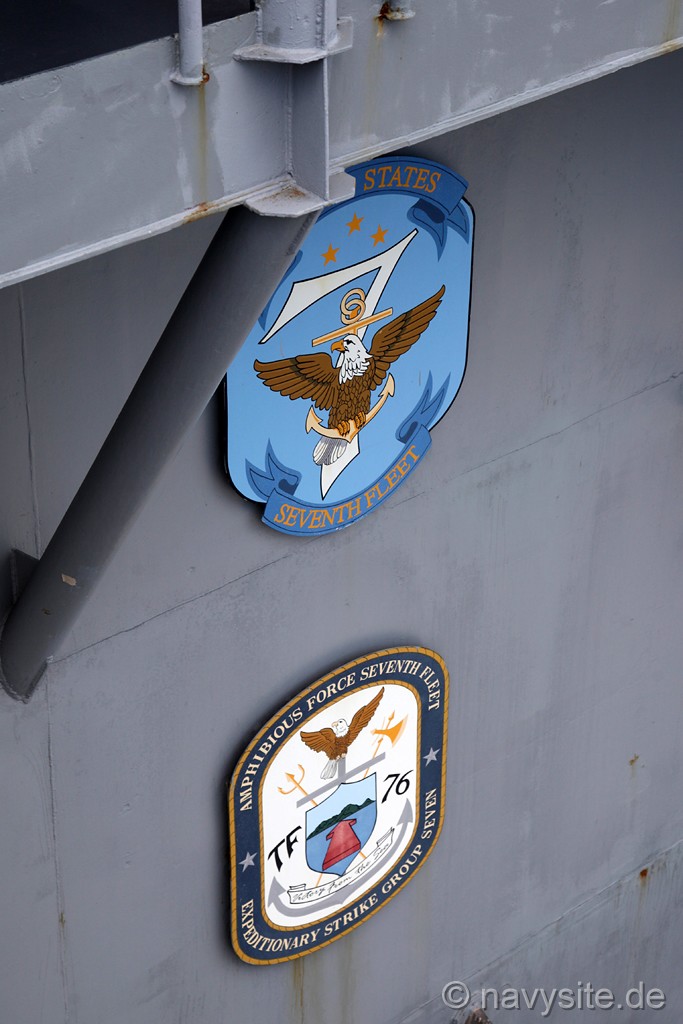
USS BLUE RIDGE is the lead ship of the BLUE RIDGE class and the Seventh Fleet command ship. USS BLUE RIDGE is the third ship in the Navy named after the Blue Ridge Mountains in the eastern United States.

General Characteristics:Awarded: December 31, 1964
Keel laid: February 27, 1967
Launched: January 4, 1969
Commissioned: November 14, 1970
Builder: Philadelphia Naval Shipyard, Philadelphia, NJ.
Propulsion system: two boilers, one geared turbine
Propellers: one
Length: 636,5 feet (194 meters)
Beam: 108 feet (32.9 meters)
Draft: 26,9 feet (8.8 meters)
Displacement: approx. 18,400 tons full load
Speed: 23 knots
Aircraft: all helicopters
Armament: two 20mm Phalanx CIWS, 50 cal machine guns, 25mm guns
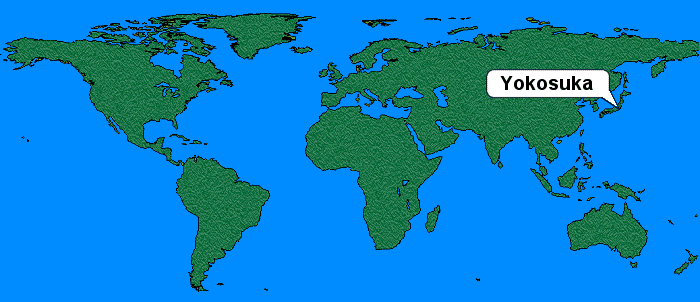
Homeport: Yokosuka, Japan
Crew: 52 Officers, 790 Enlisted


Back to topback to top  go to endgo to the end of the page


Back to topback to top  go to endgo to the end of the page

Crew List:

This section contains the names of sailors who served aboard USS BLUE RIDGE. It is no official listing but contains the names of sailors who submitted their information.


back to top  go to the end of the page


Back to topback to top  go to endgo to the end of the page

USS BLUE RIDGE Cruise Books:


Back to topback to top  go to endgo to the end of the page


Back to topback to top  go to endgo to the end of the page

USS BLUE RIDGE History:

USS BLUE RIDGE was conceived as a purpose-built amphibious command ship, designed from the outset to carry the staff, communications and command facilities for a major amphibious or joint task force. Her keel was laid on February 27, 1967, at Philadelphia Naval Shipyard as AGC 19 and she was redesignated LCC 19 on October 1, 1968. Sponsored by Gretchen T. Byrd, wife of senator Harry F. Byrd Jr. of Virginia, she was launched on January 4, 1969, and commissioned on November 14, 1970, at Philadelphia with Captain Kent J. Carroll in command. From the beginning, she embodied an unusually large command and control complex, extensive antenna arrays and computer spaces, and accommodation for embarked flag staffs from both the naval amphibious task force and the landing force.

After fitting out in late 1970, USS BLUE RIDGE conducted her initial trials and in January-February 1971 began moving from the East Coast to her first home port on the Pacific coast. On February 15, 1971, she arrived in Norfolk for ammunition loading, then got underway on a long shakedown and transit cruise around South America, as her beam was too wide for the original Panama Canal locks. She visited Rio de Janeiro from March 4-6, Lima from March 20-22 and Acapulco from April 2-5 before reaching her new home port at Naval Station San Diego on April 9, 1971, with Amphibious Group Three staff embarked. In October, she entered Long Beach Naval Shipyard for her post-shakedown availability, beginning a pattern of regular yard periods that would punctuate her operational life.

On January 7, 1972, BLUE RIDGE departed San Diego for her first deployment to the western Pacific. She called at Pearl Harbor from January 13-15, then at Apra Harbor, Guam, on January 25 and Subic Bay on January 29, where she relieved USS ELDORADO (LCC 11) as flagship for amphibious forces. After a mid-February port visit to Sasebo, from February 15-22, she spent February 28-March 2 in Singapore, returned to Subic Bay March 6-11 and visited Hong Kong March 13-18. On March 20, she arrived at White Beach, Okinawa, embarking Brigadier General E. J. Miller in preparation for exercise Golden Dragon with South Korean forces, but the strategic situation in Vietnam overtook this plan.

On April 5, 1972, BLUE RIDGE left Okinawa and for the next fifteen weeks operated in the Gulf of Tonkin as flagship for Commander Task Force 76 and Commander Task Group 79.1 during the North Vietnamese Easter Offensive. From this position, she coordinated Seventh Fleet amphibious forces supporting South Vietnamese efforts to retake Quang Tri province, including participation in the Song Thanh and Lam Son series of amphibious operations. Serving as the main afloat command and control ship for these complex movements, she directed helicopter and landing craft operations, naval gunfire support and contingency plans for possible evacuations. On June 27, while engaged in Operation Song Thanh 8-72 near the demilitarized zone, BLUE RIDGE exchanged fire with North Vietnamese coastal batteries on Tiger Island. On July 1, while still off Da Nang, Captain Paul H. Speer relieved Captain Carroll as commanding officer. BLUE RIDGE completed her Gulf of Tonkin missions on July 18, arrived in Subic Bay on July 20, then proceeded to Okinawa, arriving July 28 to transfer embarked task force staffs to USS PAUL REVERE (LPA 248) on August 2. She ended this intensive first deployment when she returned to San Diego on August 18, 1972, and later that year paid a four-day visit to San Francisco beginning October 5.

Her second Western Pacific deployment began when she left San Diego on February 24, 1973, calling briefly at Pearl Harbor on March 2 and arriving at White Beach on March 15 to relieve PAUL REVERE as flagship for Commander Amphibious Group One. On March 20, Captain James D. Butler became her third commanding officer. After participating in joint U.S.-South Korean exercise Golden Dragon she returned to White Beach on April 11. BLUE RIDGE then visited Subic Bay from April 26-May 5 and Hong Kong from May 7-12 before returning to Okinawa, where she took part in the U.S.-Philippine exercise Pagasa I. She visited Keelung from June 1-4 and Sasebo from June 7-14.

On July 10, 1973, BLUE RIDGE departed Okinawa for the Gulf of Tonkin to support Operation End Sweep, the clearance of U.S. mines from North Vietnamese waters called for by the Paris Peace Accords. She delivered specialized equipment to the helicopters conducting the airborne minesweeping and spent several nights off the North Vietnamese coast near Vinh and Hon Matt, providing command and logistic support to the minesweeping force, before returning south for a brief stop in Subic Bay. On July 26, she entered Yokosuka for a ten-day upkeep, then called at Singapore from August 24-29. In September, she anchored again at White Beach from September 4-19, returned to Subic Bay September 22-26 for preparations for exercise Pagasa II, and after completing that exercise headed back across the Pacific, arriving in San Diego on October 23, 1973, after an eight-month deployment.

In early 1974, BLUE RIDGE's operations remained centered on the eastern Pacific: she visited Naval Air Station Alameda from March 15-22. On October 18, 1974, she departed San Diego on her third Western Pacific deployment. After a brief stop in Pearl Harbor she reached Yokosuka on November 6 to embark the Seventh Fleet amphibious force staff. She spent November 10-24 at White Beach, then in December 1974 participated in exercise Bayanihan off the Philippines before returning to Subic Bay on December 10. From December 21, 1974, to January 7, 1975, she was back at White Beach for upkeep.

On January 25, 1975, BLUE RIDGE entered Hong Kong for six days of liberty following maintenance in Subic Bay. In February, she cycled between White Beach and Keelung, and on March 1, departed Manila after a three-day visit to participate in exercise Sea Fox, returning to Manila March 12-15. Meanwhile, the military situations in Cambodia and South Vietnam were deteriorating rapidly, and BLUE RIDGE's role shifted from exercises to real-world evacuation contingencies. After sailing from Okinawa with three other amphibious ships, she arrived off South Vietnam on April 3, 1975, as part of the build-up for large-scale refugee and non-combatant evacuations. She helped coordinate a task force of about forty-six ships during the helicopter evacuation operations that culminated in Operation Frequent Wind, the final evacuation of Saigon. After a short visit to Subic Bay from April 17-18, she returned off Vietnam to continue coordinating helicopter traffic and receiving evacuees before turning over flagship duties to USS DENVER (LPD 9) at Subic Bay on May 5. BLUE RIDGE arrived back in San Diego on May 22, 1975, ending a deployment that saw her serve as a primary command node for the last major U.S. operations of the Vietnam War.

In the second half of 1975 she continued local operations. On August 1, she conducted a dependents' cruise from San Diego, then on October 31 entered Long Beach Naval Shipyard for an eight-month overhaul that lasted until March 19, 1976. She returned to San Diego on July 2, 1976. Later that month, on July 30, Captain J. G. McIntyre became her fifth commanding officer.

On September 25, 1976, BLUE RIDGE departed San Diego for her fourth Western Pacific deployment. After a turnover with USS CLEVELAND (LPD 7) at Kwajalein on October 10, she took part in the multinational amphibious exercise Kangaroo II off Australia and visited Sydney from November 1-6. She spent late November at White Beach for upkeep, then visited Keelung from December 3-7 and Busan from December 15-20, returning to Okinawa on December 22. In early 1977, she called at Hong Kong from January 14-19 and Subic Bay from January 21-February 11, then visited Pearl Harbor February 28-March 1 on her way home, reaching San Diego on March 8, 1977.

Through the remainder of 1977 and into 1978, BLUE RIDGE conducted local exercises and maintenance. She took part in READIEX 4-77 in June, ran a dependents' cruise on August 6 and underwent an Operational Propulsion Plant Examination on August 8-11. Her fifth Western Pacific deployment began with departure from San Diego on August 24, 1977. She visited Pearl Harbor from August 31-September 4 and re-established herself at White Beach, Okinawa, on September 17 as Seventh Fleet amphibious flagship. Subsequent port calls included Manila from September 23-27 and Subic Bay, with a return to Okinawa on October 7. After supporting Operation Bayanihan IV/Fortress Lightning, she again called at Keelung October 28-31. Boiler-tube problems forced a stop in Pearl Harbor November 11-15, and she arrived back in San Diego on November 20, 1977, after a relatively short deployment.

In 1978, BLUE RIDGE remained largely in the eastern Pacific, conducting READIEX 2-78 in January and entering a six-week Planned Restricted Availability in February. She made high-visibility port visits to San Francisco from May 12-22 and Portland from June 8-13 during the Rose Festival. On June 17, Captain Dudley L. Carlson assumed command. After READIEX 4-78 in mid-July she sailed on August 3, 1978, for her sixth Western Pacific deployment, visiting Pearl Harbor August 13-15 and arriving again at White Beach on August 28 as flagship. Ports on this deployment included Hong Kong in early September, Subic Bay for a ten-day upkeep, Buckner Bay at Okinawa September 27-28, and Keelung on October 9. She put to sea to evade Tropical Storm Ora on October 11, returning to White Beach on October 15 and calling at Pearl Harbor October 28-30 before returning to San Diego on November 6, 1978.

At the turn of 1979, BLUE RIDGE completed another Planned Restricted Availability and short dependents' cruises before embarking on a new chapter as a permanently forward-deployed flagship. She left San Diego in early July and on July 17, 1979, arrived at Yokosuka, Japan, which became her new home port. From there, she operated as the Seventh Fleet's amphibious command ship. In August 1979, she visited Hong Kong, Subic Bay and took part in exercise Fortress Gale, returning to Yokosuka on September 1. Her first western Pacific patrol from Yokosuka followed in October-November 1979, with port calls at Maizuru, Busan and Subic Bay, and a December 1979 visit to Sasebo.

Throughout the early 1980s, BLUE RIDGE maintained an intensive pattern of patrols, exercises and port visits from her Yokosuka base, reflecting Cold War priorities in Northeast and Southeast Asia. In January-February 1980 she made ports at Manila and Subic Bay, then in late March anchored off Inchon and later Busan and Chinhae for visits associated with exercise Team Spirit and other amphibious activities. In April 1980, she visited Kagoshima and returned to Yokosuka on April 18. After mid-year calls at Subic Bay, Hong Kong and Sasebo, she conducted a northern Japan cruise that included Otaru, Maizuru and Kure, returning August 17. A further patrol in September-November 1980 took her again to Subic Bay, Thailand (Pattaya Beach), Jakarta, Singapore, Port Klang, Subic Bay and back to Yokosuka. In 1980, she also suffered the loss of Fireman Technician Second Class Craig E. Fiedler, who died on March 31 from injuries sustained in a fall aboard ship, underscoring the hazards of routine operations even in peacetime.

In 1981, BLUE RIDGE continued this cycle. In January she called at Hong Kong, Subic Bay and Manila, returned briefly to Yokosuka, then headed back to Okinawa and Korean waters for Team Spirit 81, anchoring off Pohang and Inchon and conducting command-post activities. She entered Dry Dock 5 at Yokosuka on April 7 for an incremental overhaul, undocking on May 21, then resumed operations with summer port visits to Beppu, Kagoshima and Sasebo, followed by a cruise to Hong Kong, Singapore, Penang and Subic Bay. In late 1981 and early 1982, she participated in major exercises READEX 82 and Tangent Flash, repeatedly embarking the CTF 76 and CTF 79 staffs at White Beach and operating with U.S. and allied forces around the Philippines and Thailand.

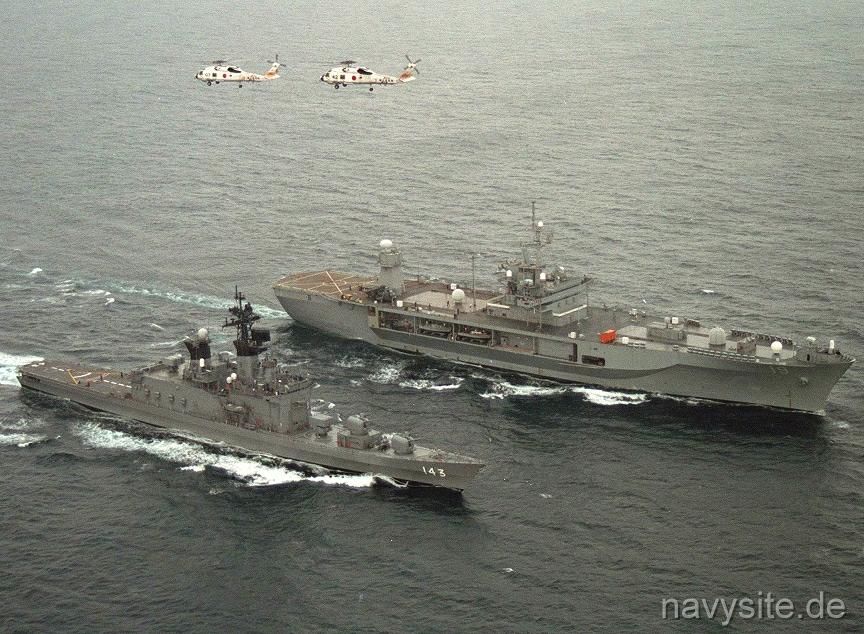
From 1982 through the mid-1980s, BLUE RIDGE's deployments followed a recognizable pattern: spring and fall patrols built around large-scale exercises such as Team Spirit in Korea, Valiant Blitz and FLEETEX, interspersed with visits to Hong Kong, Subic Bay, Manila, Singapore, Penang, Pattaya Beach, Busan, Chinhae, Inchon, and numerous Japanese ports including Otaru, Maizuru, Sasebo, Kagoshima, Kure and Muroran. She underwent frequent Selected Restricted Availabilities and dry-dock periods at Yokosuka to keep her complex systems and aging steam plant in service. Notable episodes included a Class A fire in a dry stores compartment on May 27, 1983 that was quickly contained, extensive boiler-tube problems in 1983-1984 that forced repairs in Subic Bay, and test firings of her Basic Point Defense Missile System at the Poro Point missile range in the Philippines in October 1984 and again successfully in October 1985. She also took part in sister-ship operations and tactical evolutions with the Japanese destroyer helicopter carrier JDS SHIRANE, reflecting increasingly close U.S.-Japanese naval cooperation.

In the second half of the 1980s, BLUE RIDGE extended her reach further south. During various patrols in 1985-1987 she visited Phuket and Penang, Singapore, and multiple Australian ports including Sydney, Melbourne, Fremantle, Darwin and Brisbane, often in connection with major fleet exercises and showing the flag with U.S. and allied ships. She also conducted surveillance of Soviet naval units in the Sea of Okhotsk in August 1986 and, more broadly, supported Seventh Fleet's Cold War monitoring of Soviet task groups in the western Pacific. Through this period, she remained the afloat headquarters for the Seventh Fleet commander and the amphibious force, hosting repeated changes of command for three-star fleet commanders on her flag bridge.

In 1990, BLUE RIDGE continued peacetime patrolling until events in the Persian Gulf reshaped her employment. Early in the year, she completed a spring patrol that took her to Subic Bay, Hong Kong, Singapore and a series of Australian ports - Fremantle, Hobart, Sydney and Brisbane - from April 21 through mid-May, before returning to Yokosuka on May 25. On August 14, 1990, following Iraq's invasion of Kuwait, she departed Yokosuka for a surge deployment to the Middle East in support of Operation Desert Shield. After a brief stop in Subic Bay from August 18-20 she transited to the Arabian Gulf and on September 1 moored in Manama, Bahrain, where she assumed duties as flagship for Commander, U.S. Naval Forces Central Command. Through late 1990, she operated from Manama and other Gulf ports such as Dubai and Abu Dhabi, providing a mobile headquarters while coalition maritime forces built up. On January 11, 1991, she left Manama to provide sea-based naval command and control for Operation Desert Storm, remaining at sea for fifty continuous days before returning to Mina Salman Port on March 2. Subsequent port calls in Abu Dhabi and Singapore preceded her return to Subic Bay and Hong Kong in May, and she finally reached Yokosuka again on May 24, 1991, after more than nine months deployed.

Following an availability in late 1991, BLUE RIDGE resumed her western Pacific patrol rhythm. In late 1991 and 1992, she combined participation in exercise Valiant Blitz with port visits in Korea and the Philippines and began a new series of South Pacific deployments. In March 1992, she visited Sasebo and Singapore, then anchored off Bali from March 18-21 before returning to Yokosuka on March 29. A second leg that spring took her to Guam April 18-21, Noumea on April 28, Sydney from May 1-5 and Townsville May 8-12, returning to Japan on May 22. Later in 1992, she conducted an Indian Ocean and South Asia run, visiting Hong Kong, Colombo, Madras and Penang, reflecting the broadening geographic scope of Seventh Fleet engagement. From September 1992 to early 1993, she underwent a five-month dry-docking selected restricted availability at Yokosuka.

In 1993, BLUE RIDGE resumed sea duty with sea trials in February, followed by exercise Team Spirit in Korea and the removal of her obsolete Basic Point Defense Missile System later that spring. In July, she took part in exercise Tandem Thrust 93 around Guam, then supported Ulchi Focus Lens in Korea in August and conducted a fall patrol that included Hong Kong, Singapore, Jakarta, Fremantle and Manila, returning in November after a 51-day cruise. In 1994, she completed another SRA, then in April-May conducted readiness assessments and a Guam-Okinawa swing. That summer, she again visited Hong Kong and supported Ulchi Focus Lens in Chinhae. By late 1994 and into 1995, she was regularly steaming to Singapore, Port Klang and Hong Kong and participating in exercises such as Tandem Thrust and Foal Eagle.

The mid-1990s saw an emphasis on extended South Pacific and Australian patrols. On April 3, 1995, BLUE RIDGE departed Yokosuka on a summer patrol that included Townsville from April 13-17, Sydney April 21-25, Hobart April 28-May 1, Adelaide May 4-7, Fremantle May 13-15 and a liberty stop off Bali from May 20-22 before returning on June 2. After a further period of training and an SRA, she again supported Ulchi Focus Lens in Korea in August 1995, visited Mactan Island and Cebu, Port Klang, Singapore and Hong Kong in late 1995 and completed Foal Eagle and additional Korean port calls in autumn 1995. In 1996, she carried out a similar pattern: a spring patrol with Hong Kong, Darwin, Jakarta and Singapore, an SRA followed by visits to Vladivostok, Otaru, Sasebo and Chinhae, and participation in Ulchi Focus Lens 96.

From 1997 through 1999, BLUE RIDGE's deployments reflected both exercise cycles and extended presence in the South Pacific. In early 1997, she visited Singapore, Phuket, Port Klang, Bali, Hong Kong, Okinawa and Guam, then in March-April took part in Tandem Thrust 97 off Australia, visiting Townsville, Brisbane, Newcastle and Sydney before returning to Guam and then Yokosuka on April 19. Later that year, she again supported Ulchi Focus Lens and conducted port visits in Hong Kong, Chinhae, Busan and Tokyo. In early 1998, she ranged widely across the South Pacific and Australia - Saipan, Suva, Noumea, Brisbane, Cairns, Darwin, Suva again, Singapore, Phuket, Penang and Hong Kong - before returning to Yokosuka in March and later that summer visiting Vladivostok, Sasebo and Qingdao. In 1999, she carried out a long spring patrol for Tandem Thrust 99, visiting Sattahip, Singapore, Port Klang, Bali, Fremantle, Melbourne, Sydney, Brisbane, Guam and Saipan, and returned to Yokosuka on April 12.

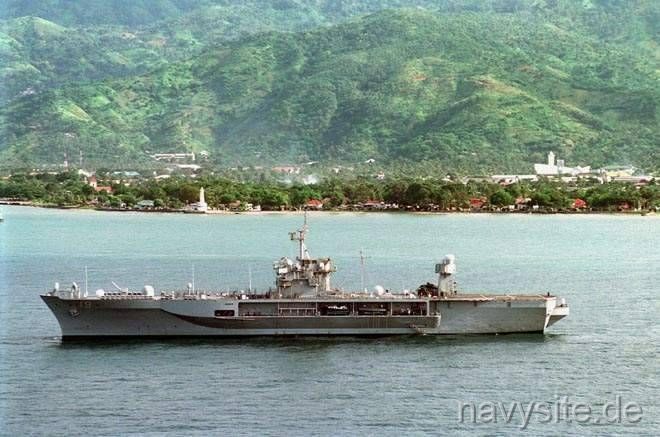
At the turn of the century, BLUE RIDGE continued to act as a mobile headquarters for regional engagement and exercises. In early 2000, she visited Saipan, Townsville, Darwin and Dili, anchoring off the East Timor capital from February 10-13 as part of wider international peacekeeping efforts, then continued on to Singapore, Penang, Phuket, Kota Kinabalu and Cebu before returning to Yokosuka on March 22. After an SRA and further training, she joined Ulchi Focus Lens in Korea that summer. In early 2001, she again ranged widely, visiting Shanghai, Pattaya, Port Klang, Singapore, Darwin, Cairns, Townsville and Sydney and participating in Tandem Thrust; she returned to Yokosuka on June 22, 2001.

Through the early 2000s, BLUE RIDGE maintained this pattern, with periodic Tandem Thrust exercises around the Marianas and Australia, repeated Ulchi Focus Lens participation in Korea and numerous port visits across Japan, Southeast Asia and Australia. She became a frequent visitor to Chinese ports such as Shanghai and Zhanjiang, reflecting a phase of increased U.S.-China naval engagement, and continued to work closely with Australian and Singaporean forces. Periodic dry-docking and Selected Restricted Availabilities at Yokosuka kept her systems modernized and her hull in service.

In 2005 and 2006, she combined major exercises such as Talisman Sabre off Australia with extensive port visits, including Hong Kong, Goa, Colombo, Cairns, Sydney, Brisbane and Noumea. She provided a visible command presence during growing regional focus on maritime security and freedom of navigation in the western Pacific and eastern Indian Ocean. Her schedule included repeated "Friendship Day" open houses at Yokosuka, which brought thousands of Japanese visitors aboard, further integrating the permanently forward-deployed flagship into the local community.

By the late 2000s, BLUE RIDGE remained central to large multinational exercises. In 2007 and 2009, she took part in iterations of Talisman Sabre with the Royal Australian Navy and in Malabar 2009 with the Indian Navy, and continued regular participation in ANNUALEX with Japanese forces. She visited Da Nang in Vietnam and Da Nang's surrounding waters as U.S.-Vietnam defense relations began to normalize, and made repeated patrols through the South Pacific, visiting Noumea, Cairns and other ports. Her schedule reflected the evolving U.S. "rebalance" toward the Asia-Pacific, with more frequent combined operations with regional partners.

In 2010, BLUE RIDGE entered another Selected Restricted Availability, then in March began a spring patrol that included Korean ports in support of Key Resolve/Foal Eagle, liberty in Hong Kong, visits to Kota Kinabalu and Jakarta and a replenishment pattern with U.S. logistics ships that underscored her role as a mobile command post. Later that year, she supported Pacific Partnership 2010, visiting Palau and Manila, and again supported Ulchi Freedom Guardian in Korea.

The March 11, 2011, Tohoku earthquake and tsunami in Japan gave BLUE RIDGE a central role in disaster response. Departing Yokosuka for a scheduled spring patrol in February, she visited Manila, Hong Kong and Malaysian ports, then on March 12, while at Singapore's Changi Naval Base, was ordered to load humanitarian supplies and proceed at speed toward Japan. Through March, she operated off southern Japan and around Okinawa in support of Operation Tomodachi, providing command and control and logistics coordination while U.S. and Japanese forces worked together on disaster relief and stabilization. After returning to Yokosuka in April 2011, she continued routine training and that summer conducted a patrol including Noumea, Brisbane and Cairns, again supporting Talisman Sabre and Ulchi Freedom Guardian.

From 2012 to mid-decade, BLUE RIDGE's cycles remained intense and geographically broad. Spring patrols took her to Busan and Donghae for Key Resolve, Hong Kong, Manila, Da Nang and Sihanoukville, followed by visits to Jakarta, Singapore, Pattaya, Tanjung Priok and Darwin. She routinely embarked the Seventh Fleet staff for command post exercises at sea and made frequent replenishments with U.S. logistics ships. She supported Talisman Sabre 2013 from Cairns and Sydney and was prominent in multinational photo exercises around Guam and in the Philippine Sea. Her 2013 and 2014 patrols included operations off Timor-Leste, Darwin, Port Klang, Kota Kinabalu and multiple visits to Hong Kong and Busan.

In 2015, BLUE RIDGE completed a six-month Selected Restricted Availability and resumed operations in March, visiting Hong Kong, Yokohama, Zhanjiang and Singapore and rescuing five Filipino fishermen adrift in the South China Sea on March 25, 2015. Later that year, she participated in Talisman Sabre 2015, calling at Guam, Sydney, Brisbane and Noumea, and again supported Ulchi Freedom Guardian in Busan, returning to Yokosuka in September after an eleven-week patrol.

In 2016, she undertook an especially wide-ranging spring patrol. After sea trials and ammunition onload, she visited Osaka, Manila, Singapore, Colombo, Mumbai, Mormugao and Phuket, often combining port calls with engagements with local navies and government officials, before returning to Yokosuka in May. On June 1, 2016, she entered Dry Dock 6 at Yokosuka for an Extended Drydocking Selected Restricted Availability that would last twenty-eight months. During this period, she underwent major hull, machinery and systems work to extend her service life, emerging from dry dock in January 2018 and resuming sea trials and crew training in the autumn.

By late 2018, BLUE RIDGE was again fully operational. After successive trials and certifications she prepared for a renewed tempo of deployments. In early 2019, she departed Yokosuka on a long spring patrol that took her to Otaru for the Sapporo Snow and Ice Festival, Busan, Sasebo, Manila, Langkawi for the LIMA 2019 exhibition, Laem Chabang, Kota Kinabalu, Hong Kong, Tanjung Priok, Singapore and Guam. She took part in exercise Pacific Vanguard in May 2019 and participated in a large photo exercise on May 24 with U.S., Japanese, Australian and South Korean ships west of Guam. She was back in Yokosuka on May 29, 2019, after four months at sea, and later that year continued local training and change-of-command events for Seventh Fleet leadership.

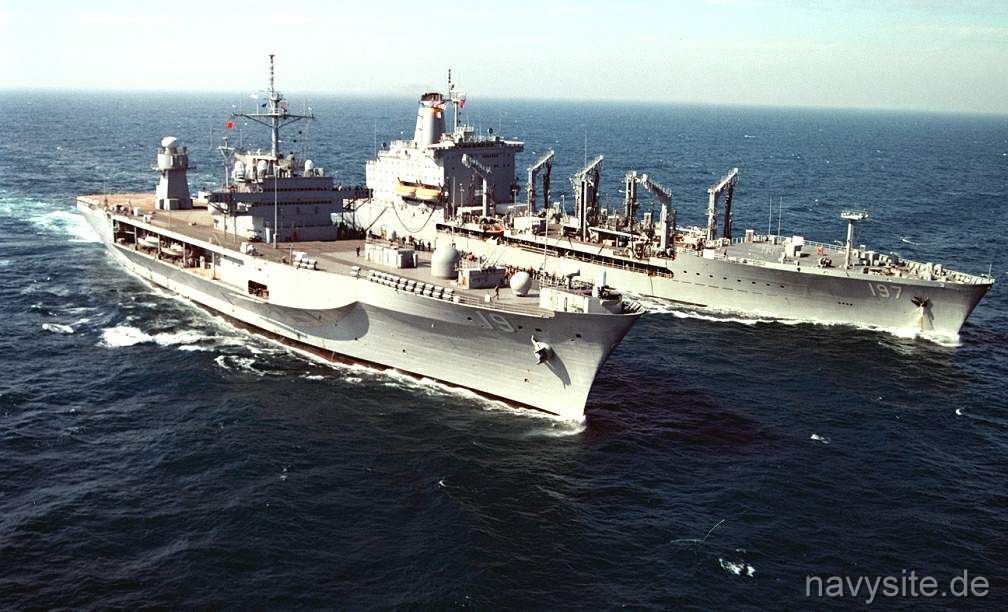
In January 2020, BLUE RIDGE began another extended patrol. On January 25, an MH-60S SEAHAWK from her embarked detachment crashed into the Philippine Sea about sixty nautical miles east of Okinawa. All five crew were safely recovered. Through early 2020, she operated with amphibious ready groups built around USS AMERICA (LHA 6) and USS THEODORE ROOSEVELT (CVN 71), conducting photo exercises and replenishments with USNS RICHARD E. BYRD (T-AKE 4), USNS CESAR CHAVEZ (T-AKE 14), USNS PECOS (T-AO 197) and USNS TIPPECANOE (T-AO 199) while transiting waters around Okinawa, the South China Sea, Guam and Taiwan. Because of the emerging global pandemic, port calls were severely restricted. BLUE RIDGE remained at sea for a record seventy-one consecutive days before a "limited liberty" visit to White Beach from May 24-27, 2020, and brief stops at Guam and Sagami Wan. She finally returned to Yokosuka on June 24, 2020, completing a five-month patrol that demonstrated the utility of a self-contained sea-based headquarters in constrained conditions.

In 2021, her operations were largely centered around Japan and nearby waters, with routine patrols in Sagami Wan, visits to Sasebo and Okinawa and numerous replenishments with U.S. logistics ships, reflecting a focus on regional training while pandemic restrictions persisted. In 2022, she entered and completed a nineteen-month Extended Selected Restricted Availability at Yokosuka, returning to sea in December 2022 after extensive maintenance.

By 2023, BLUE RIDGE was again patrolling widely. In May, she conducted replenishment with USNS YUKON (T-AO 202) in the Philippine Sea and operated west of Guam, then in July and August she undertook a forty-day patrol that included Singapore, Jakarta, Muara in Brunei, Puerto Princesa in the Philippines and passages through the San Bernardino, Balabac, Mindoro and Balintang straits, before returning to Yokosuka on August 17, 2023.

In 2024, she conducted further routine training from Yokosuka, took part in a major photo exercise southeast of Kyushu in June 2024 in association with exercise Valiant Shield 2024 alongside USS RONALD REAGAN (CVN 76), USS ROBERT SMALLS (CG 62), USS HIGGINS (DDG 76), USS RAFAEL PERALTA (DDG 115) and Japanese units, and completed a June-August patrol that included Manila, Laem Chabang, Cam Ranh in Vietnam, Port Klang and Singapore, as well as a liberty call at Koror in Palau before returning to Yokosuka on August 20, 2024.

In 2025, BLUE RIDGE continued to demonstrate her role as a mobile Pacific command post and instrument of naval diplomacy. After routine training in January and March, she departed Yokosuka on April 3, 2025, for an eighty-one-day patrol that carried her deep into the South Pacific. She visited Cairns from April 16-20, Noumea from April 26-May 1, Suva from May 5-9, and made a landmark first visit to Wellington from May 16-21, reinforcing ties with New Zealand. She then proceeded to Sydney from May 26-31 and Guam from June 14-17 before returning to Sagami Wan on June 22 and Yokosuka on June 23, 2025. In September 2025, she sailed again on a fall patrol, taking part in exercise Freedom Edge 2025 with U.S., Japanese and South Korean ships southeast of Jeju Island on September 16 and then visiting Pyeongtaek from September 18-23 and Busan from September 25-30 before returning to Yokosuka in early October and conducting further training in November.


Back to topback to top  go to endgo to the end of the page


Back to topback to top  go to endgo to the end of the page


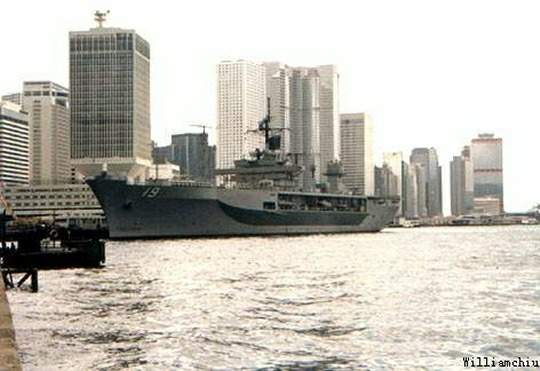
The photo below was taken by William Chiu when USS BLUE RIDGE visited Hong Kong in April 1989.


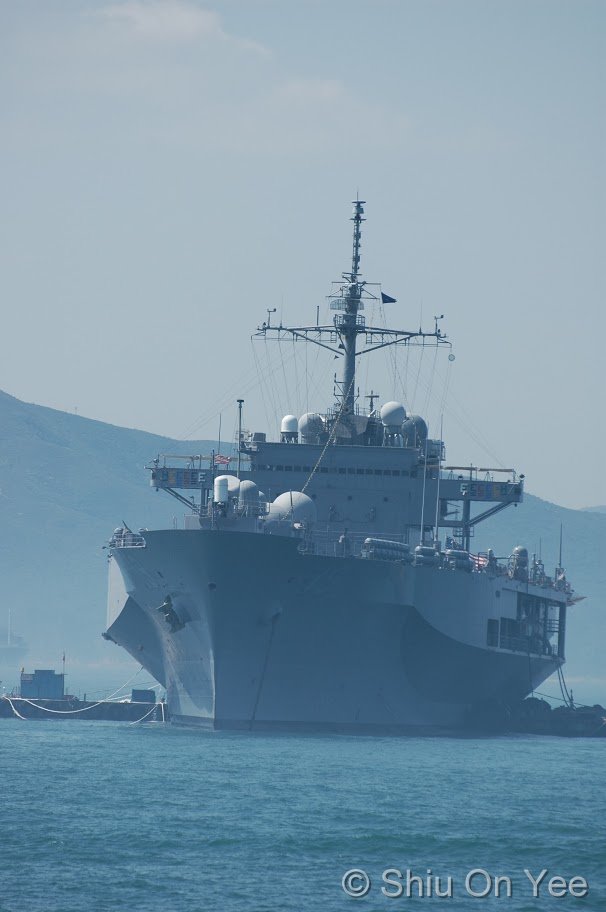
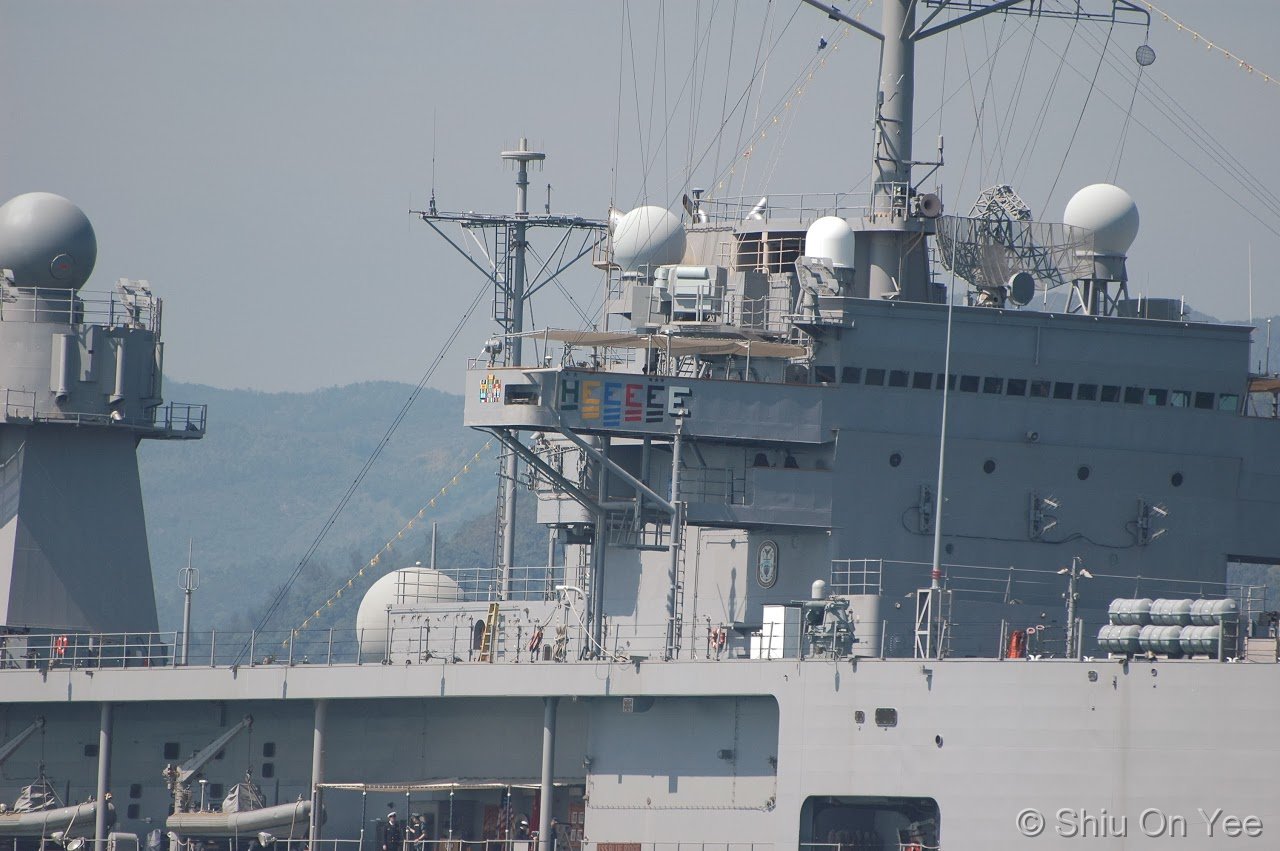
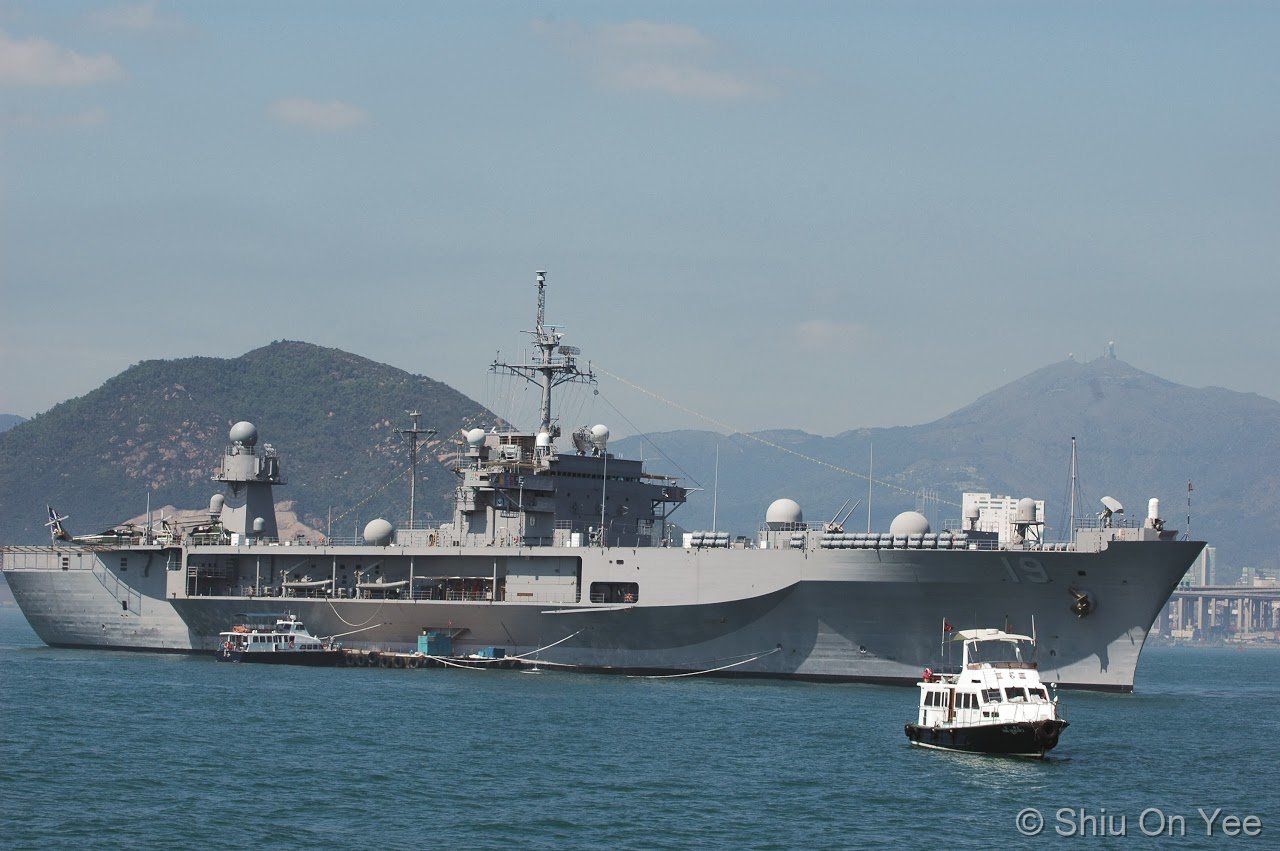
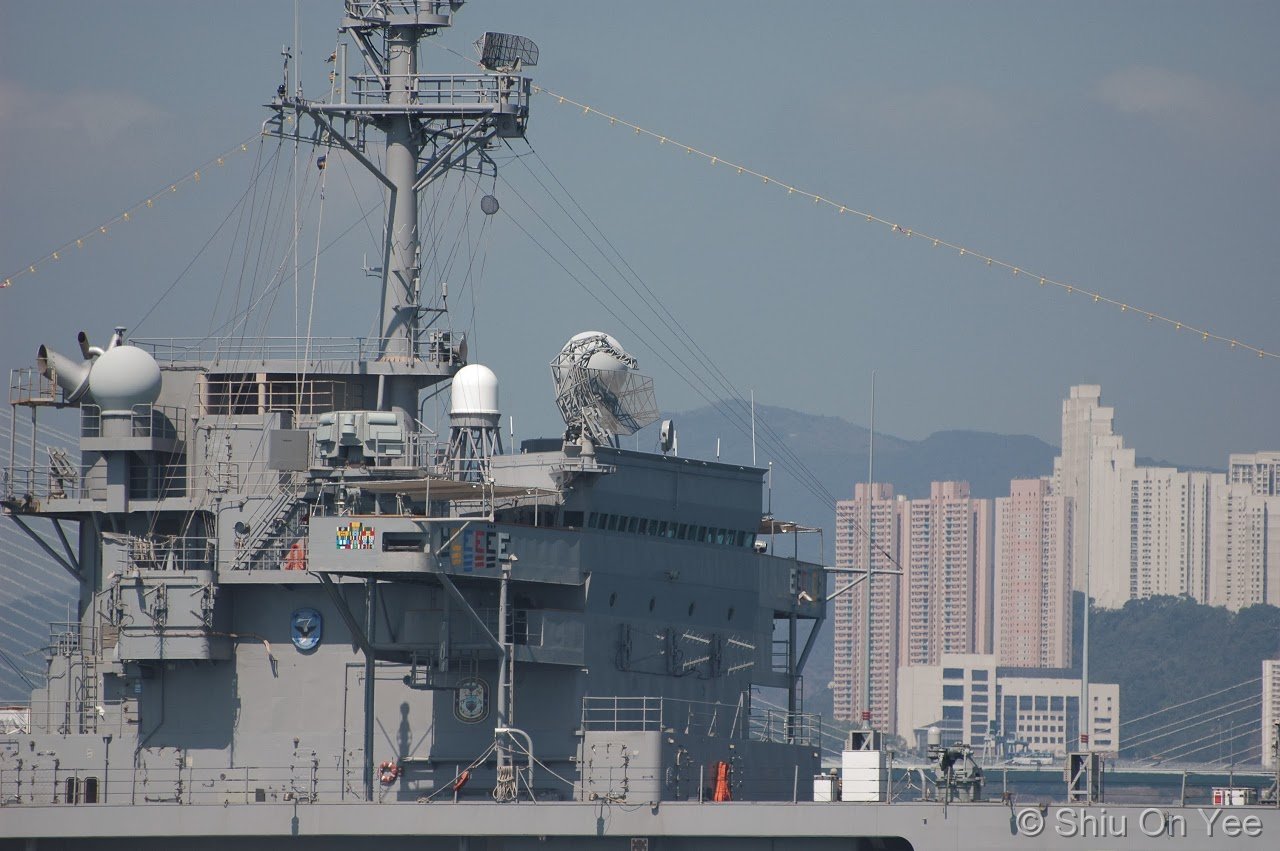
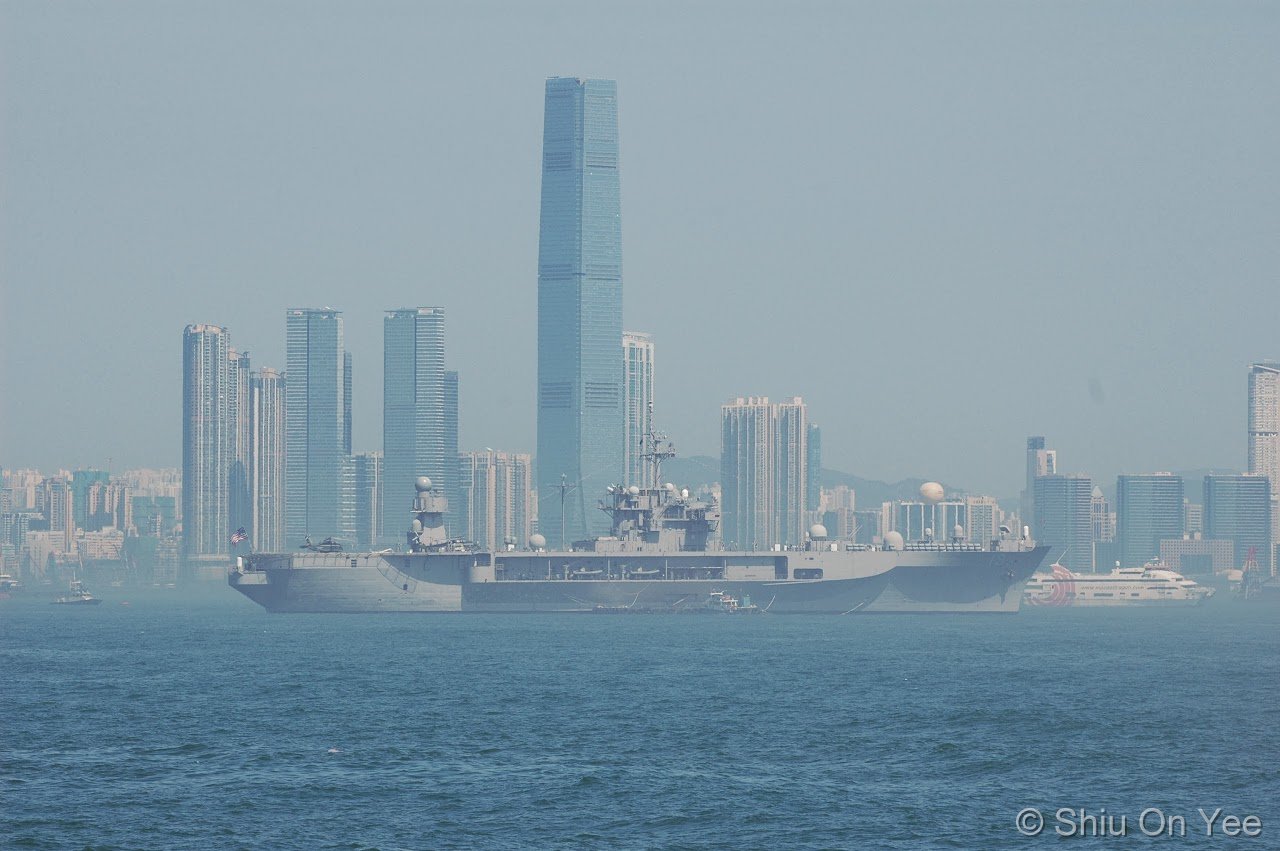
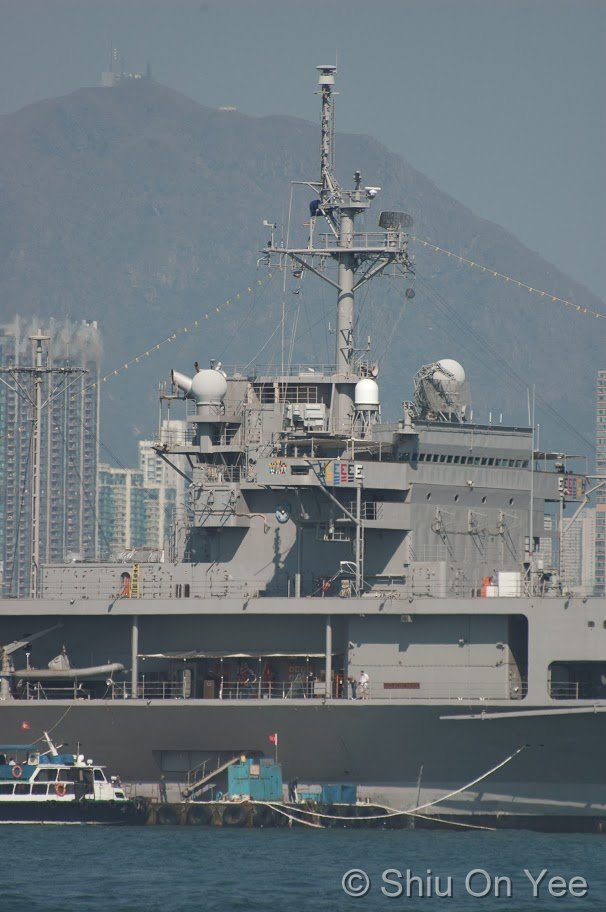
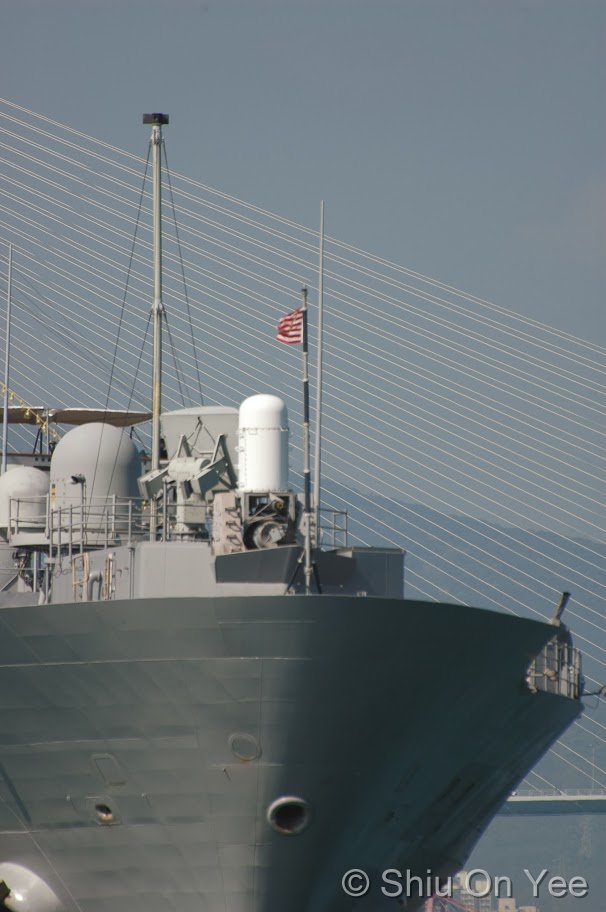
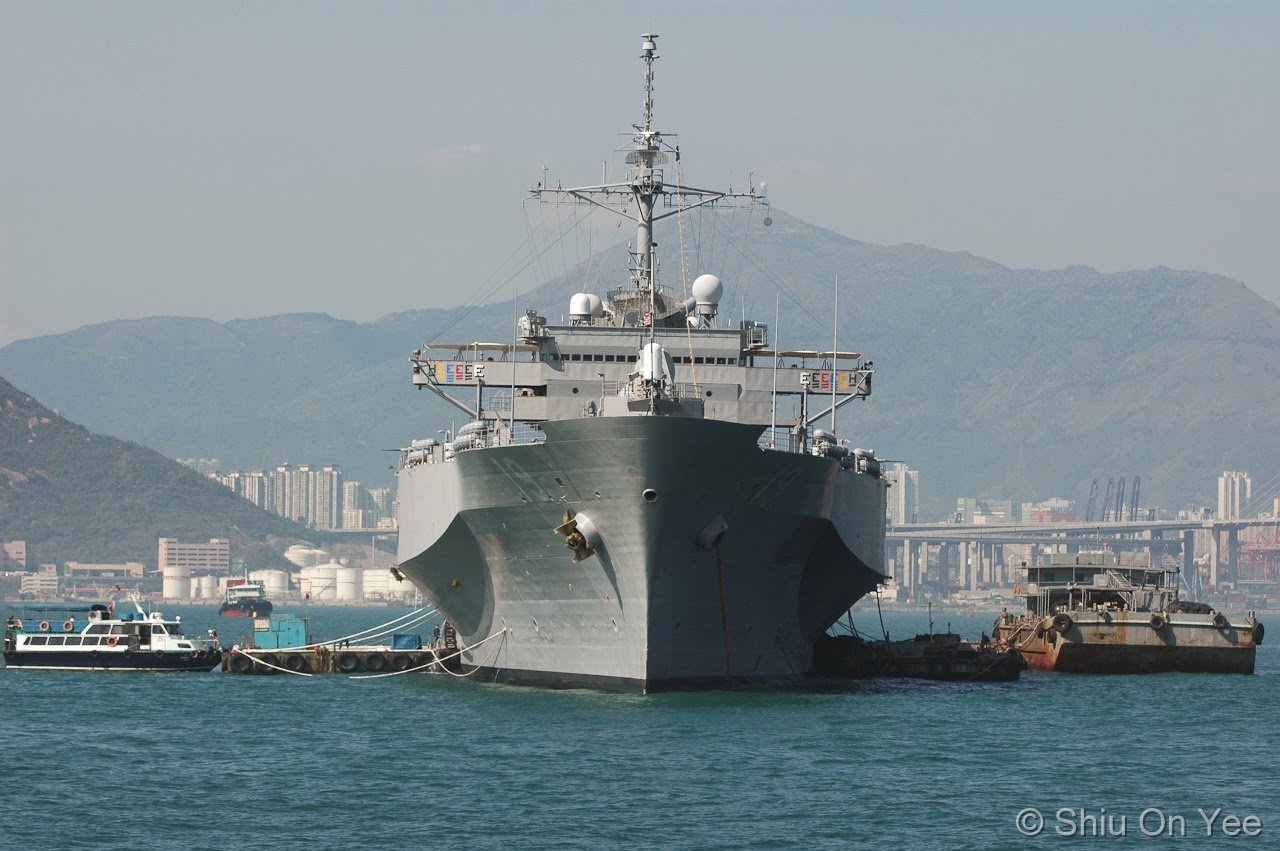
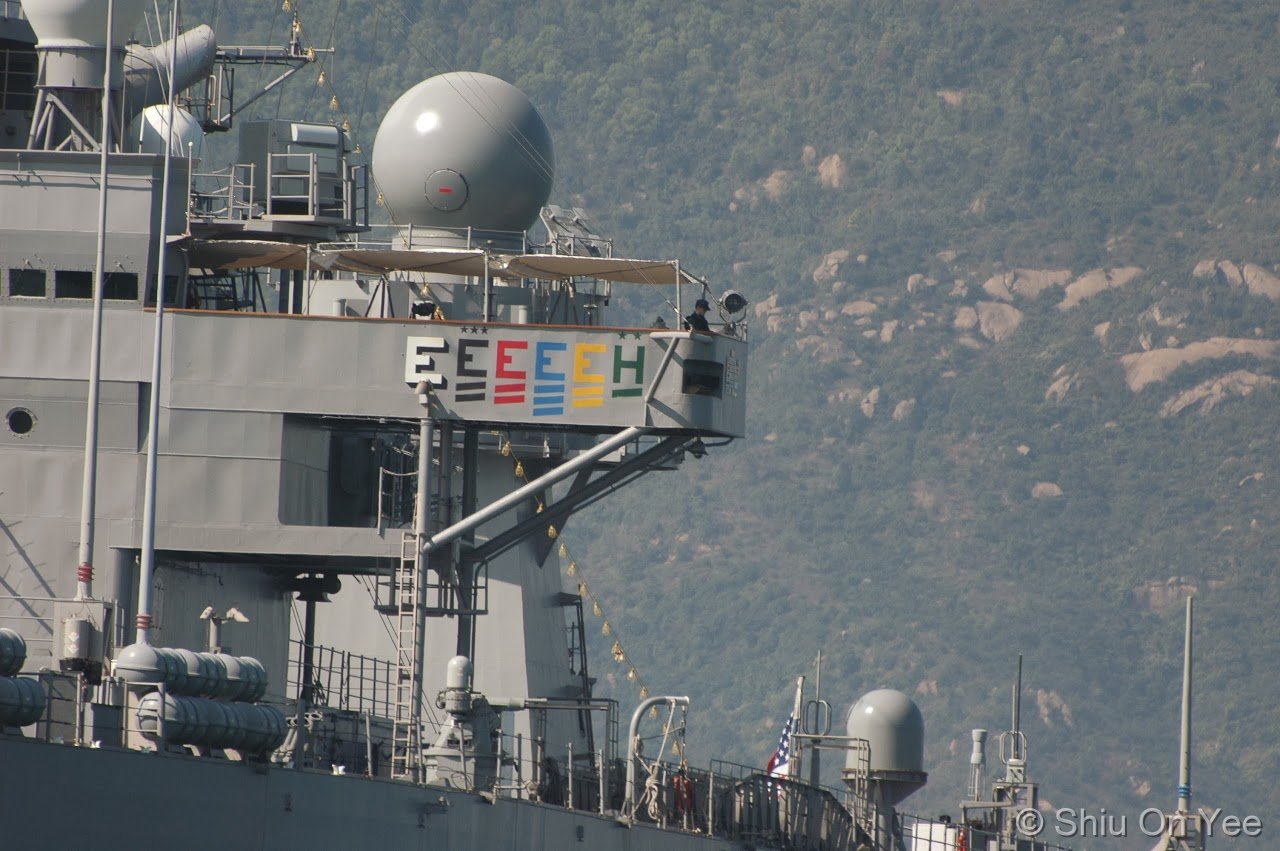
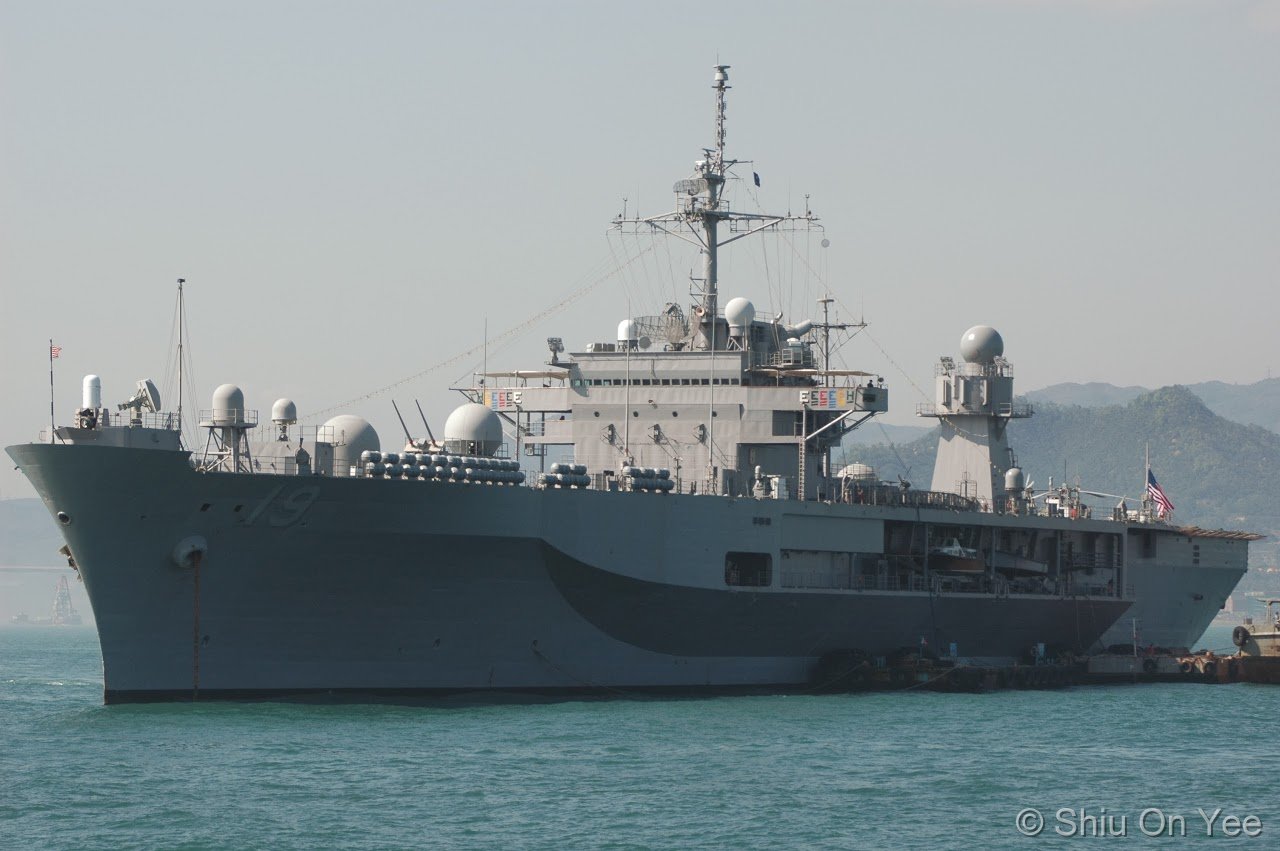
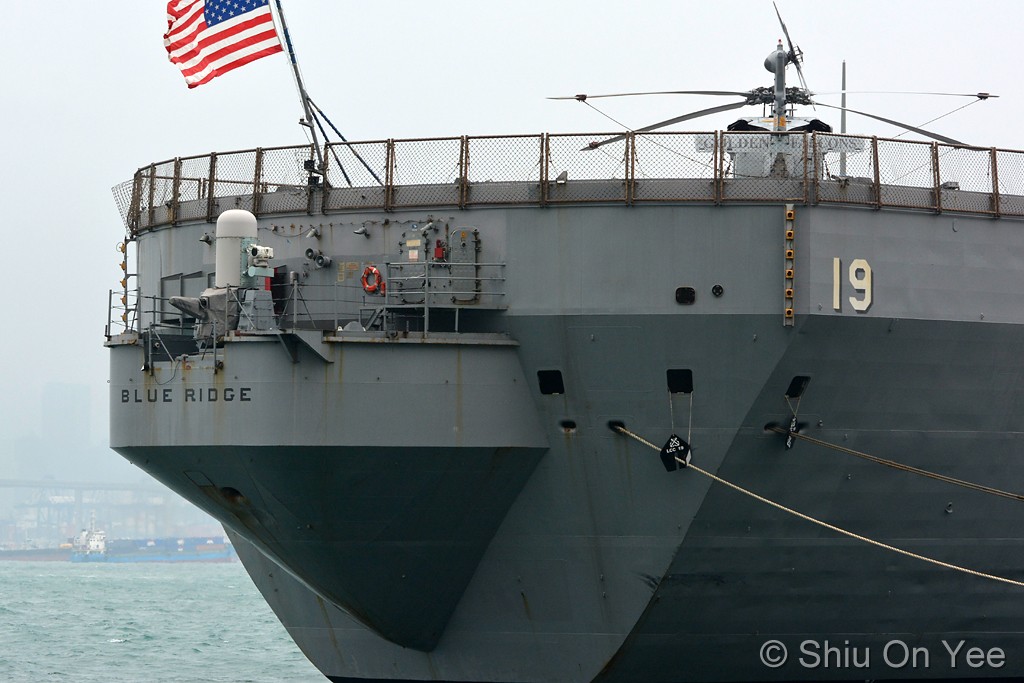
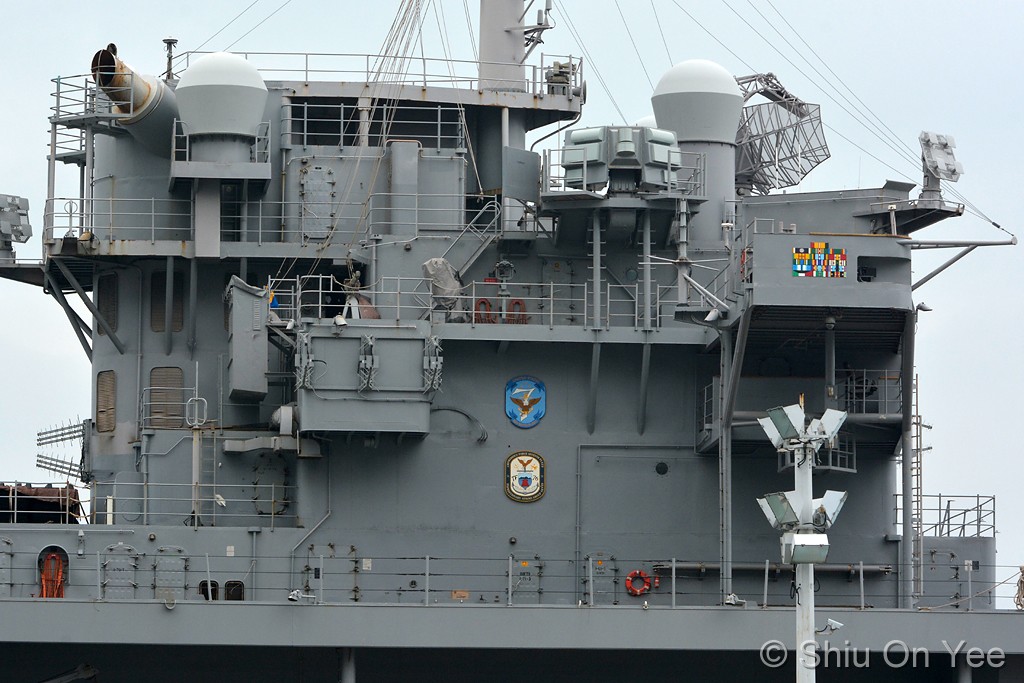
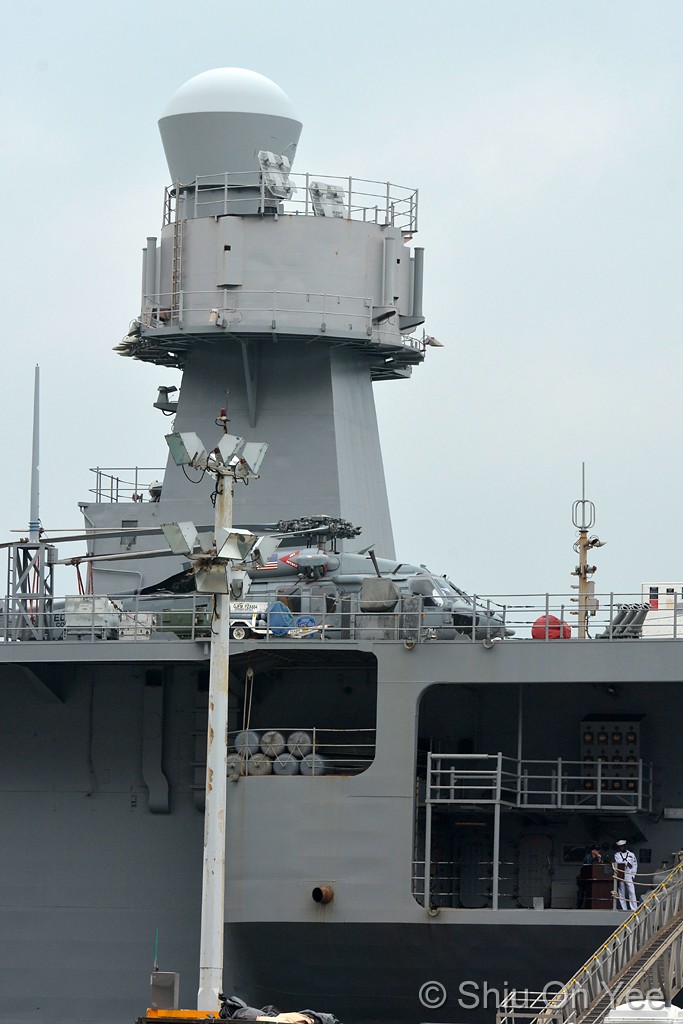
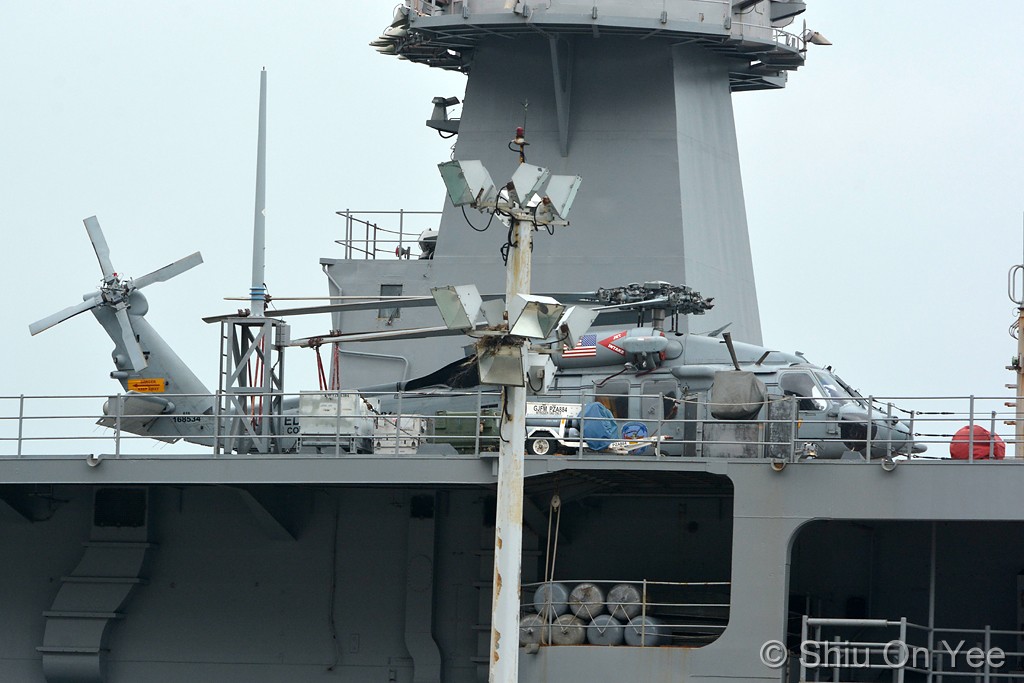
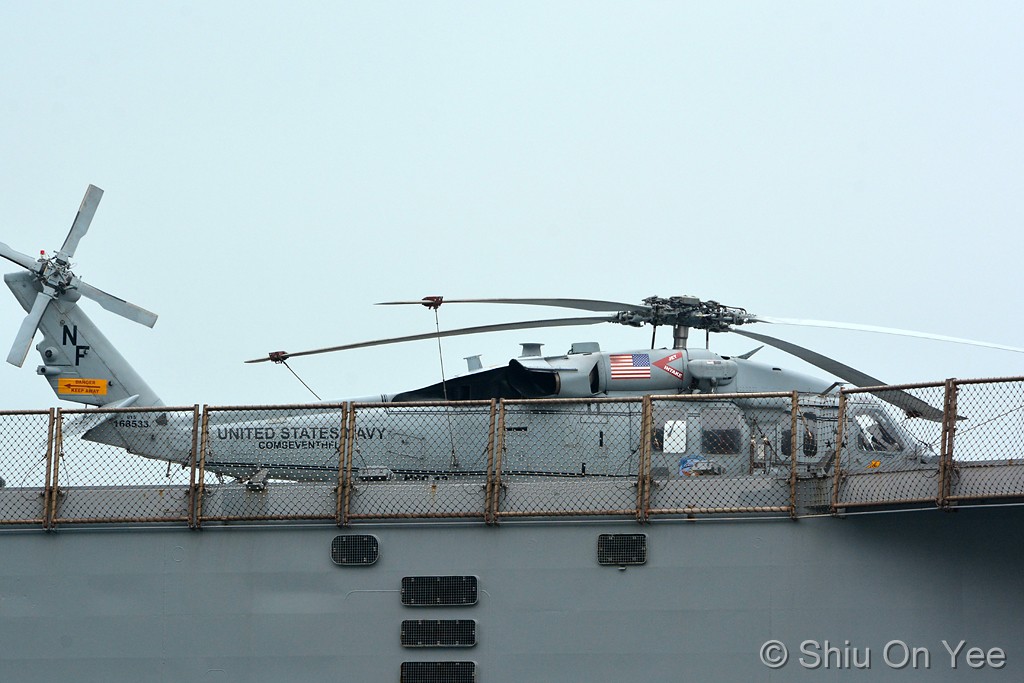
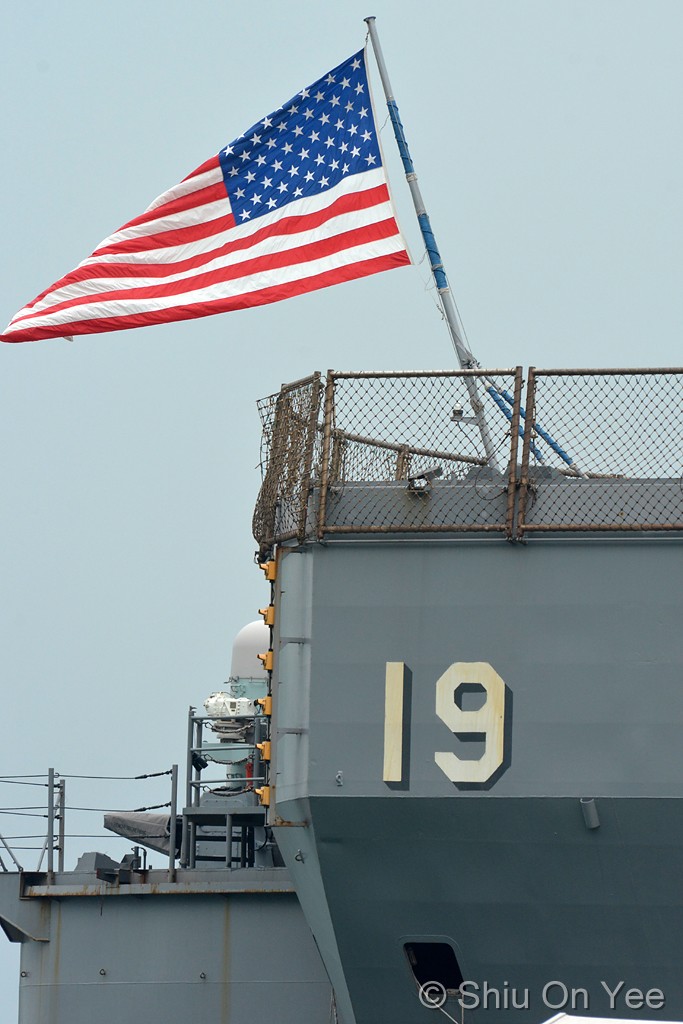
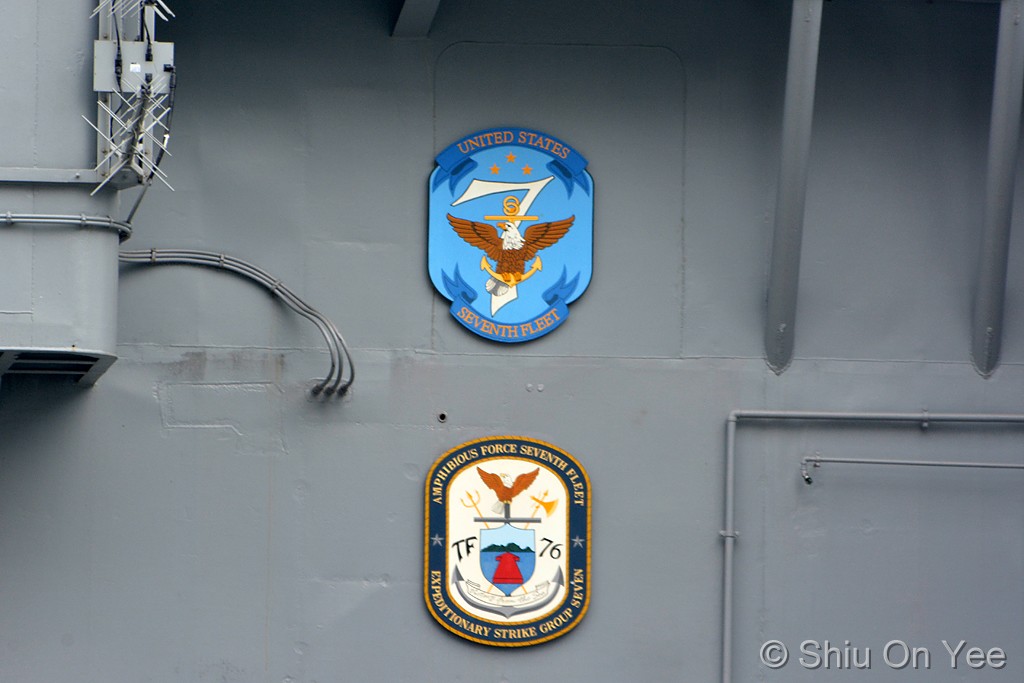
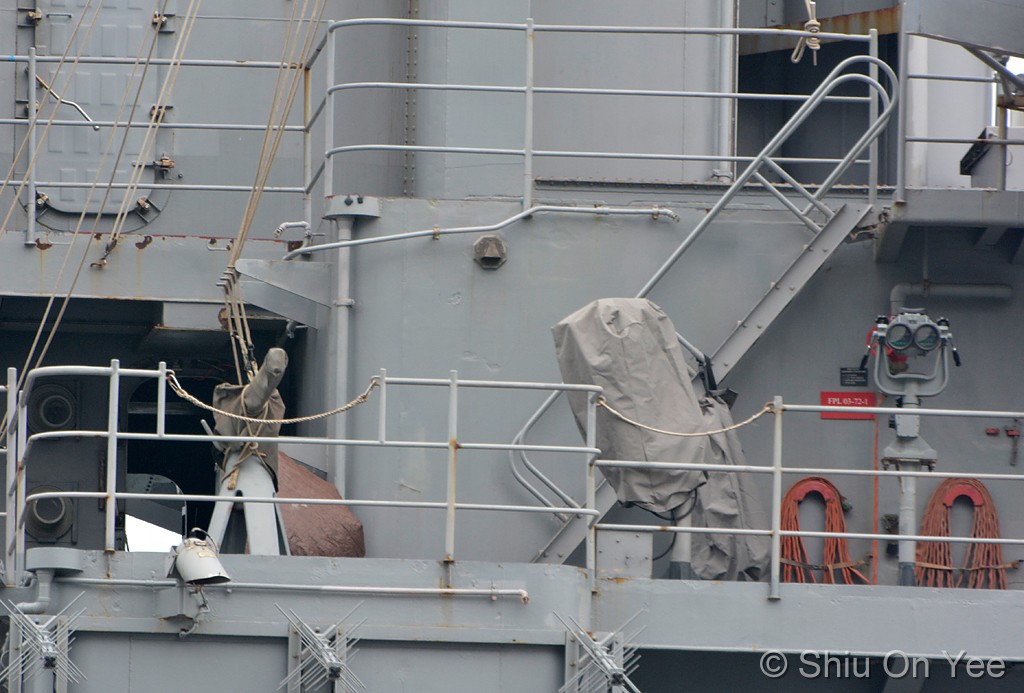
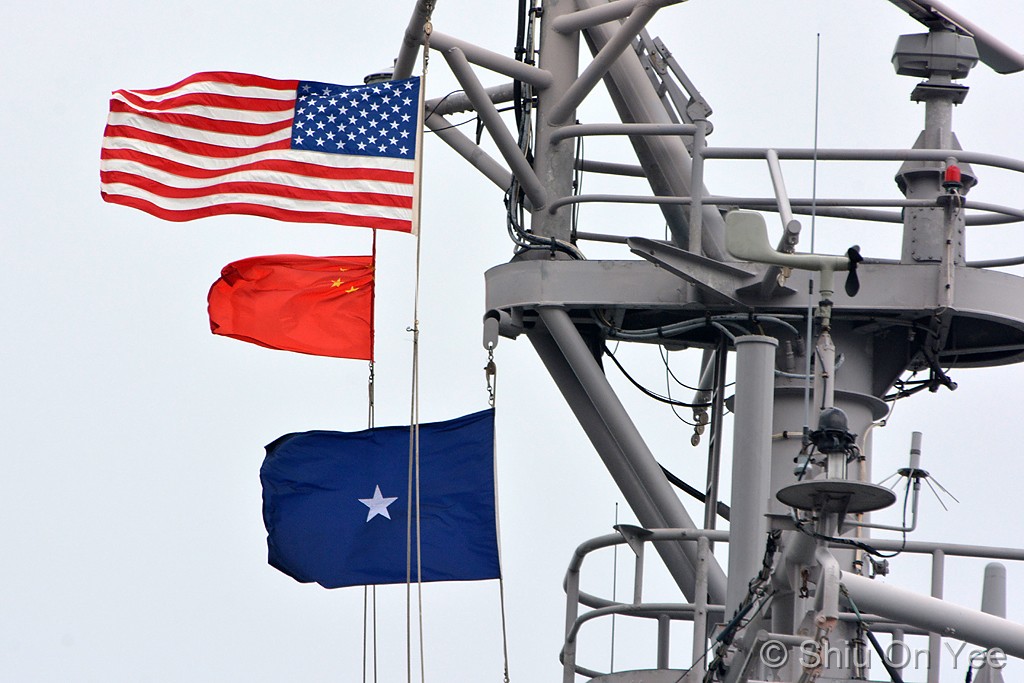
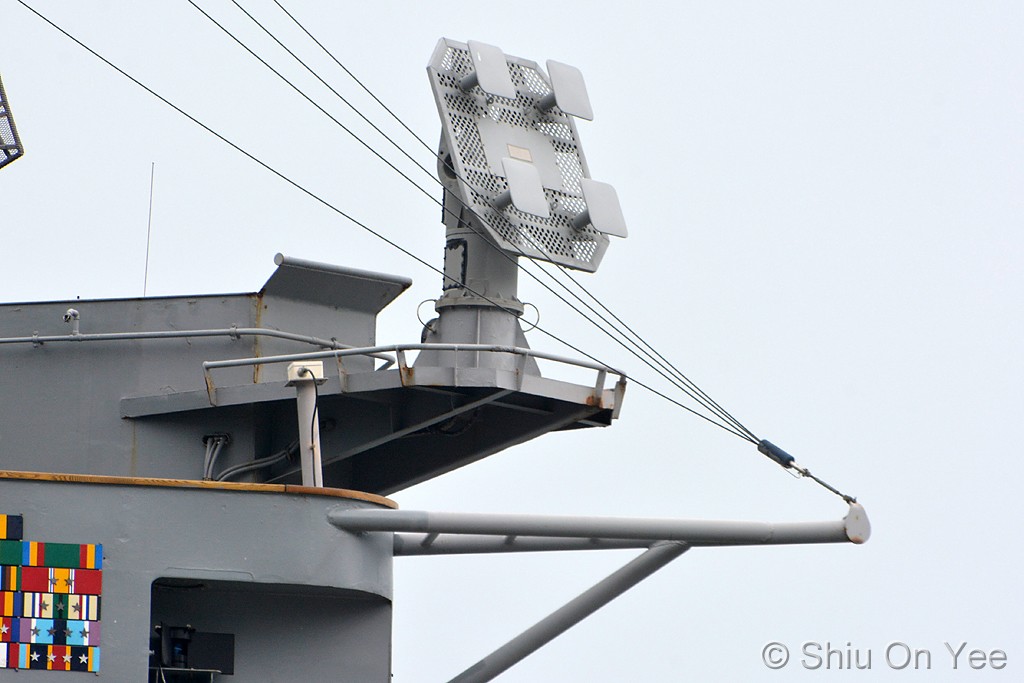
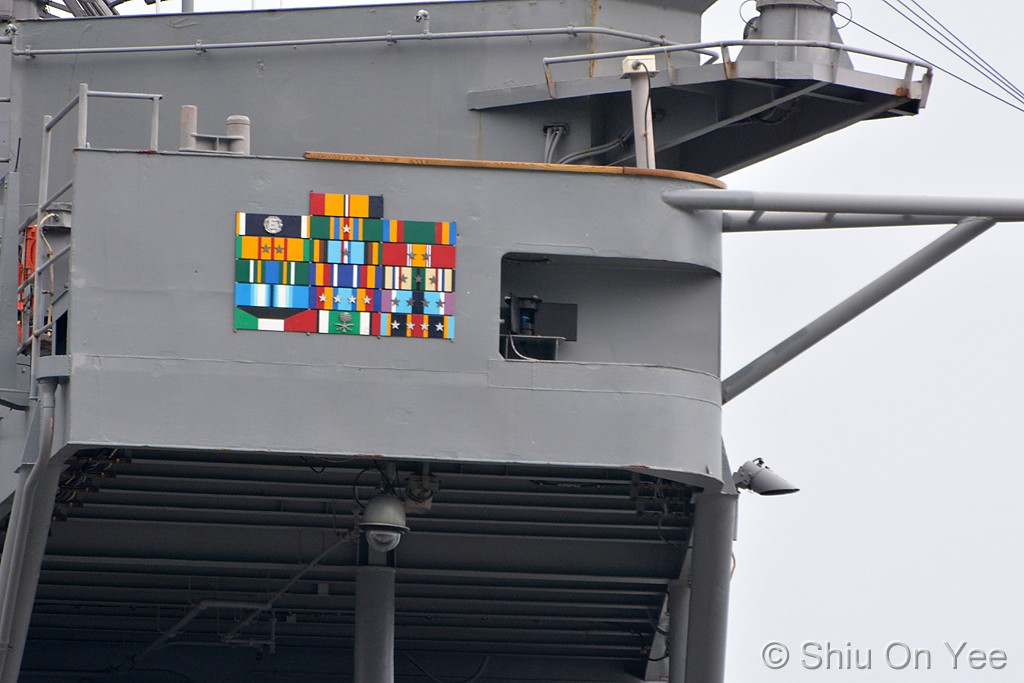
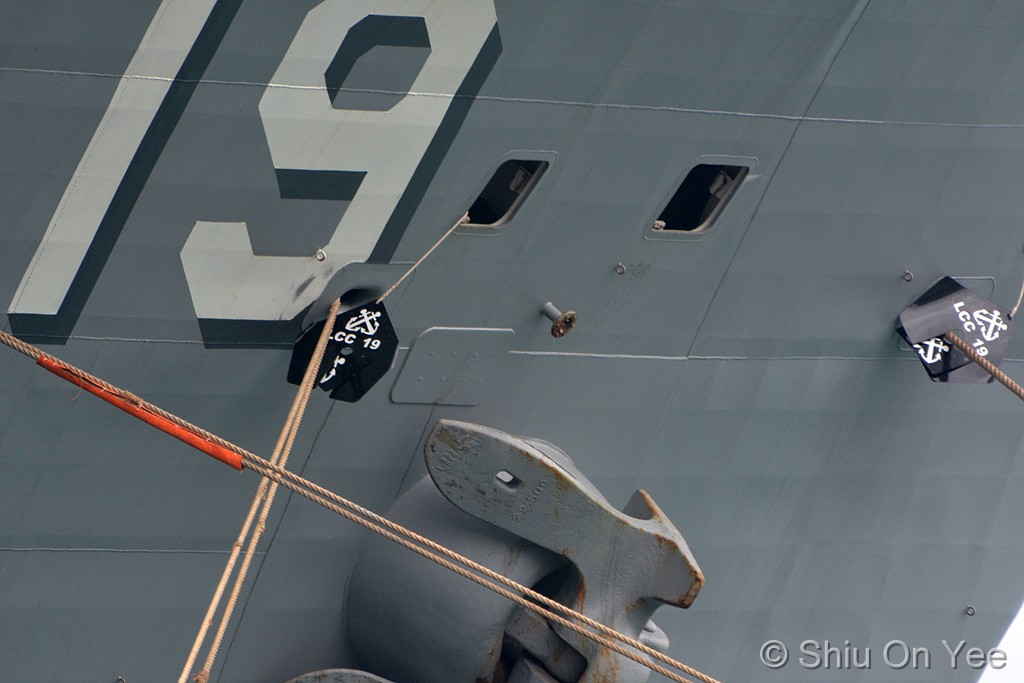
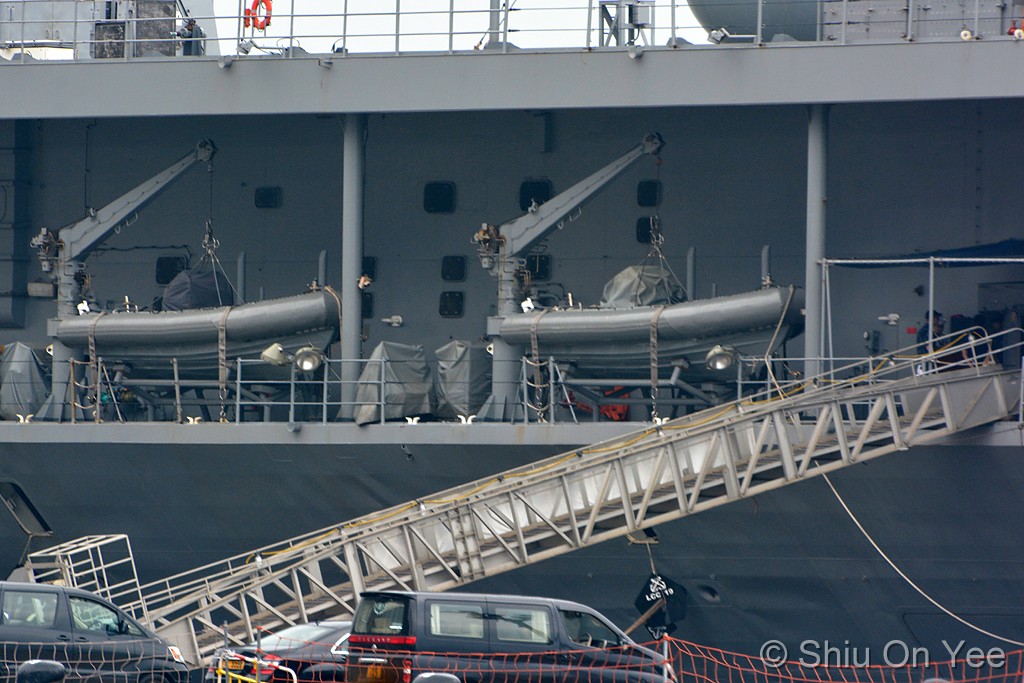
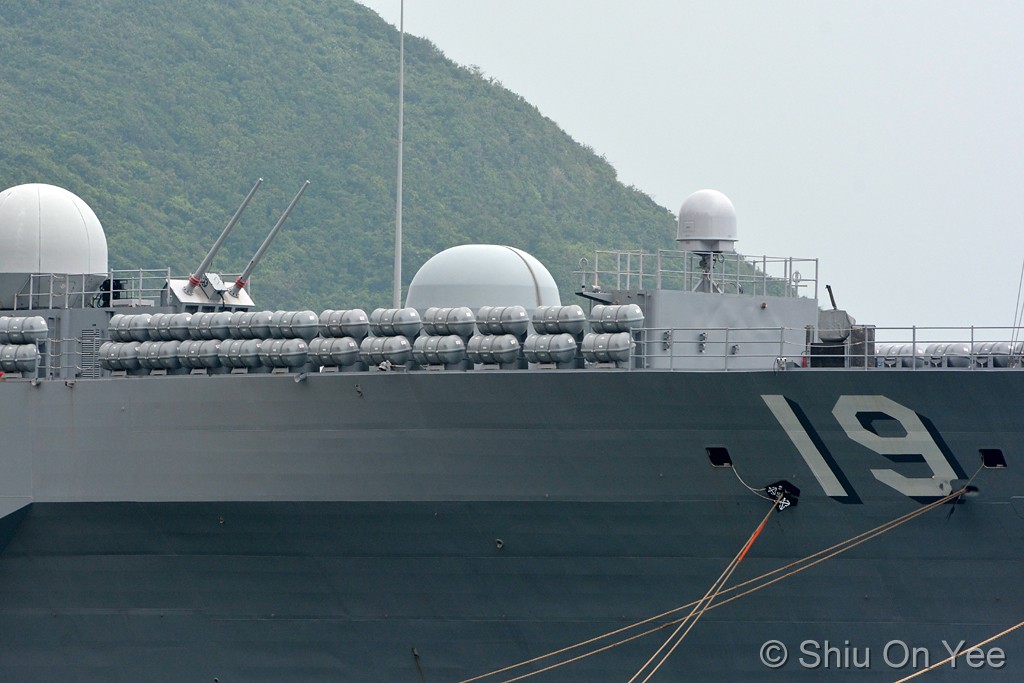
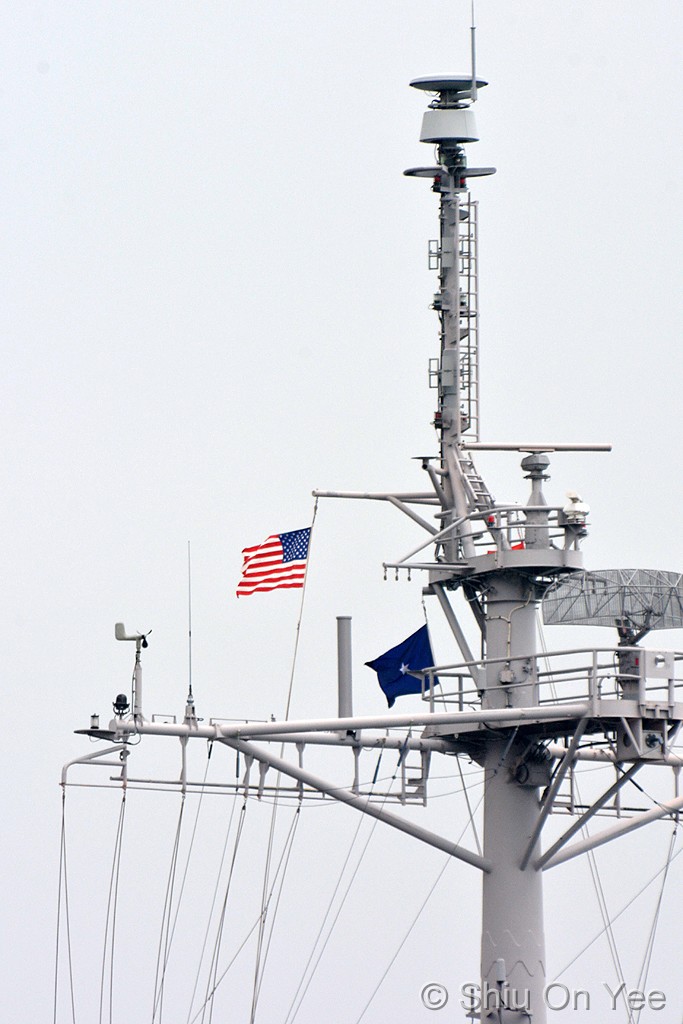
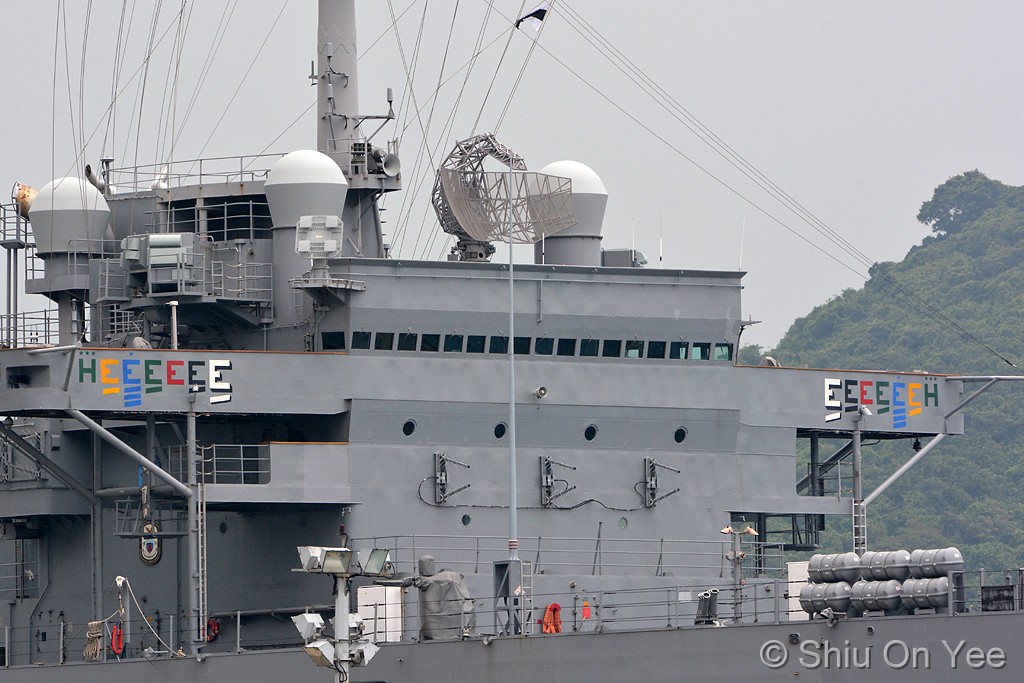
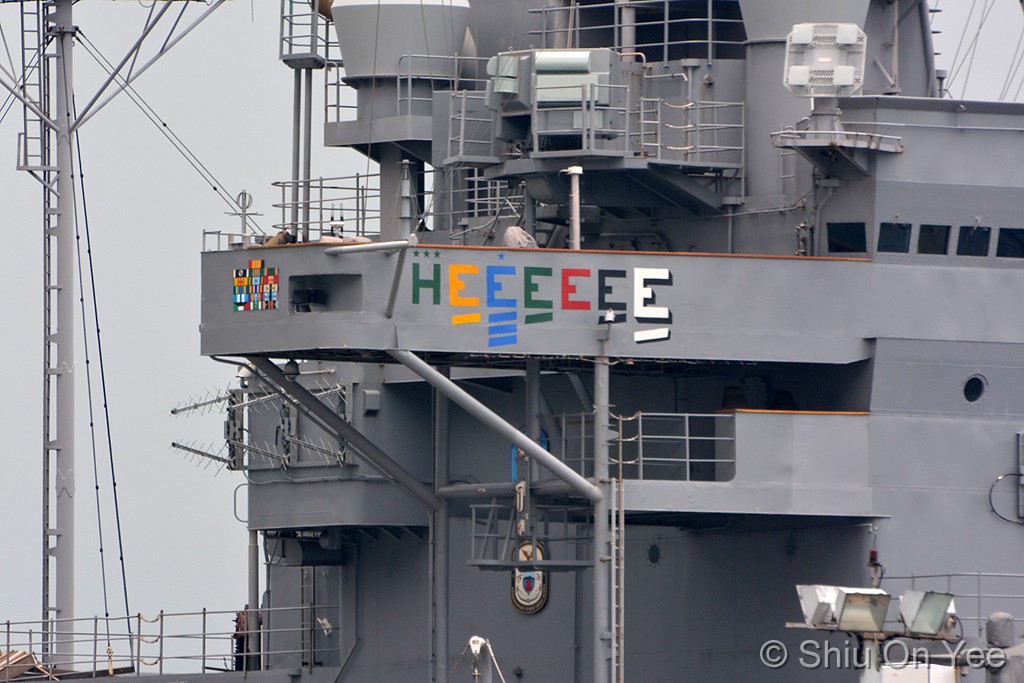
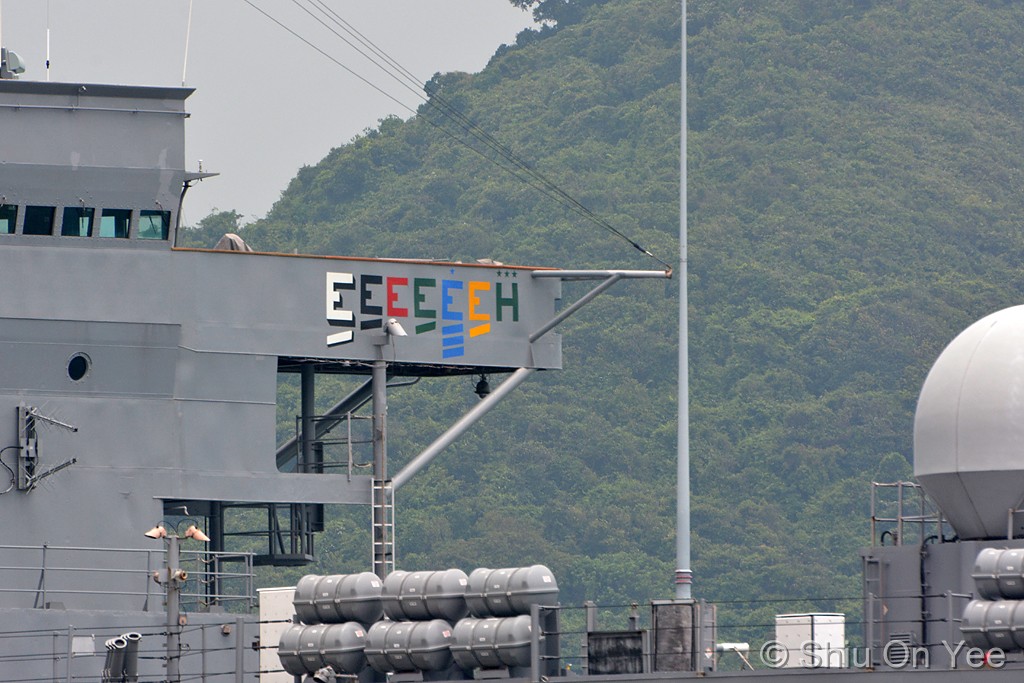
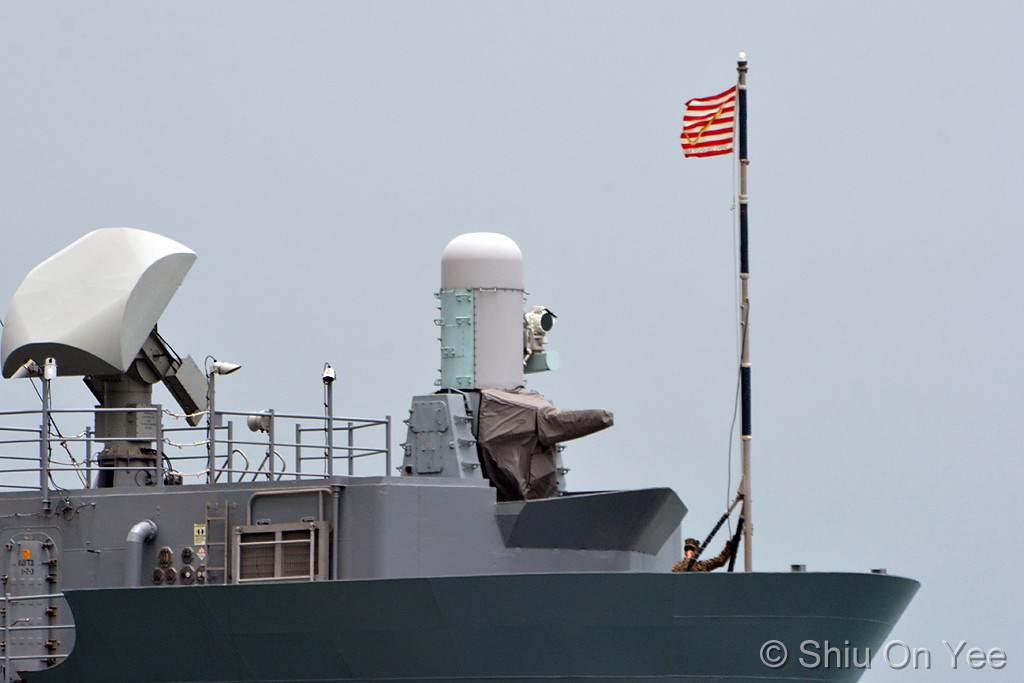
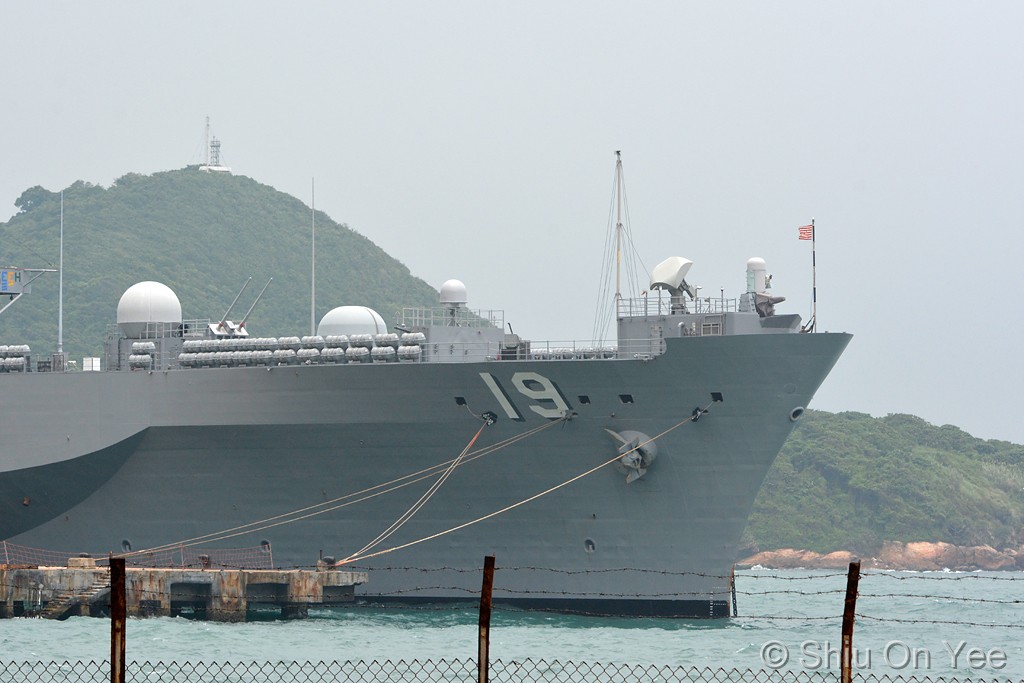
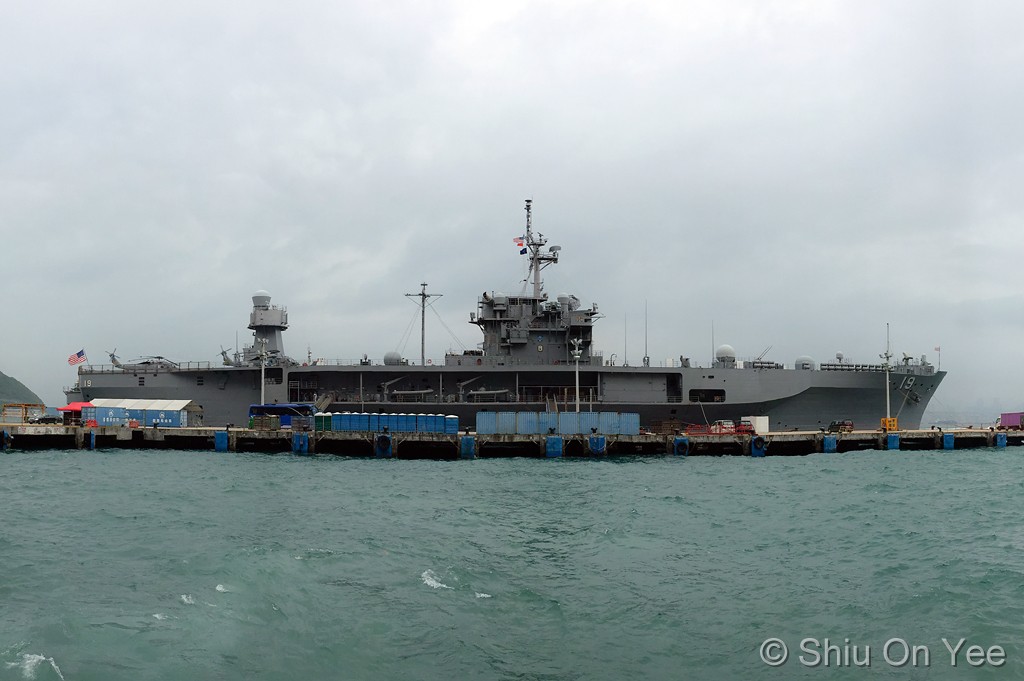
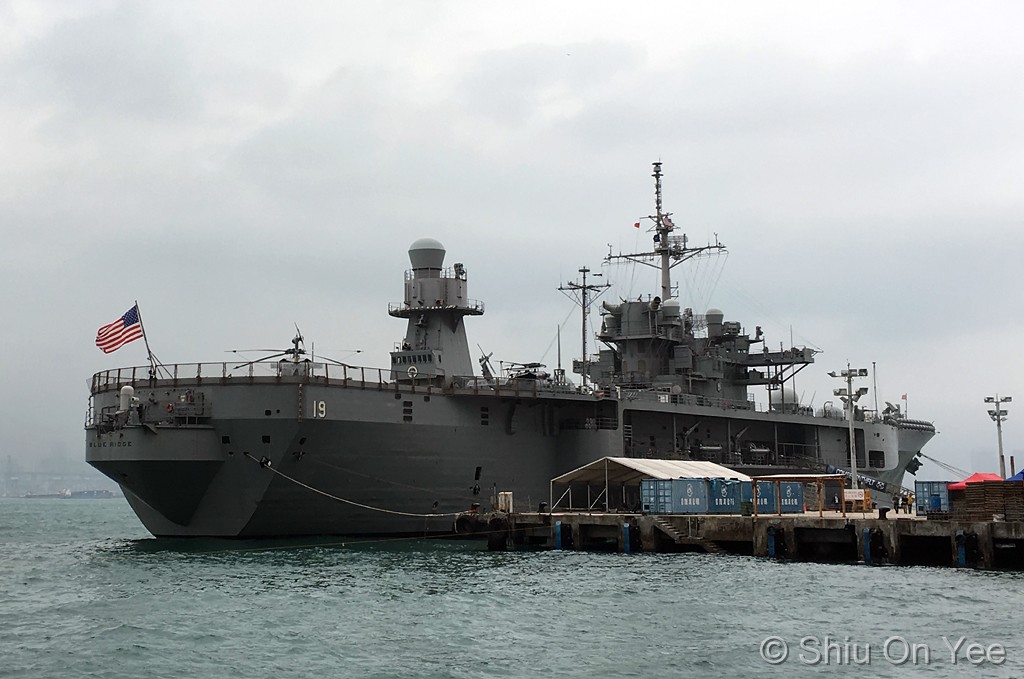
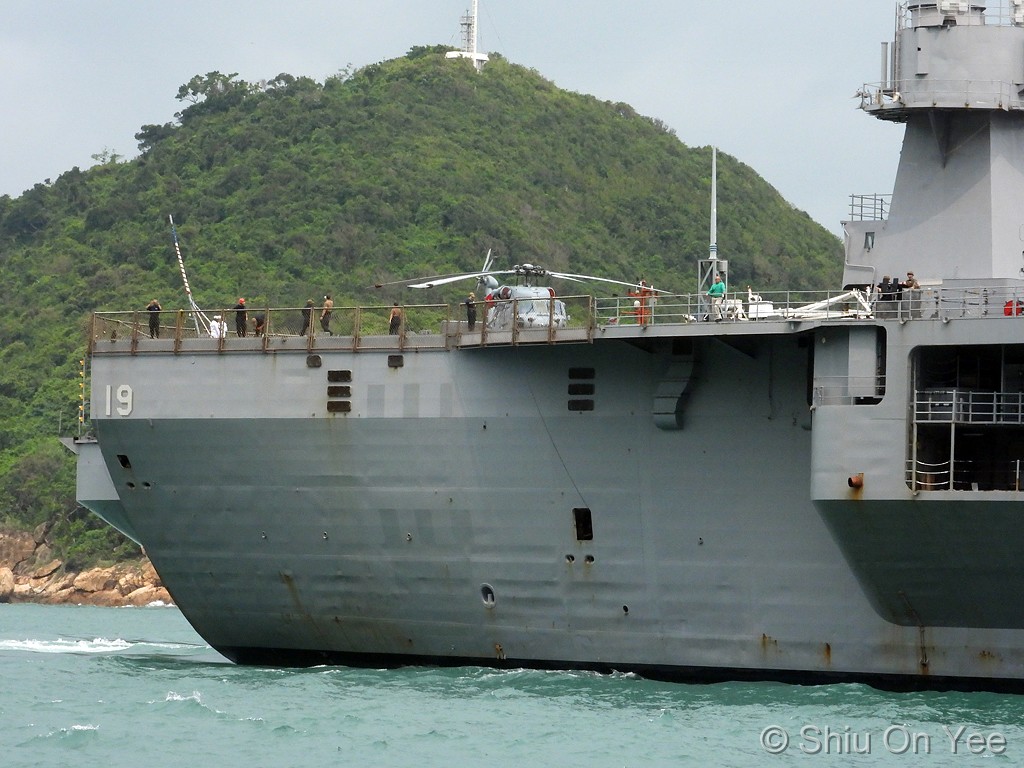
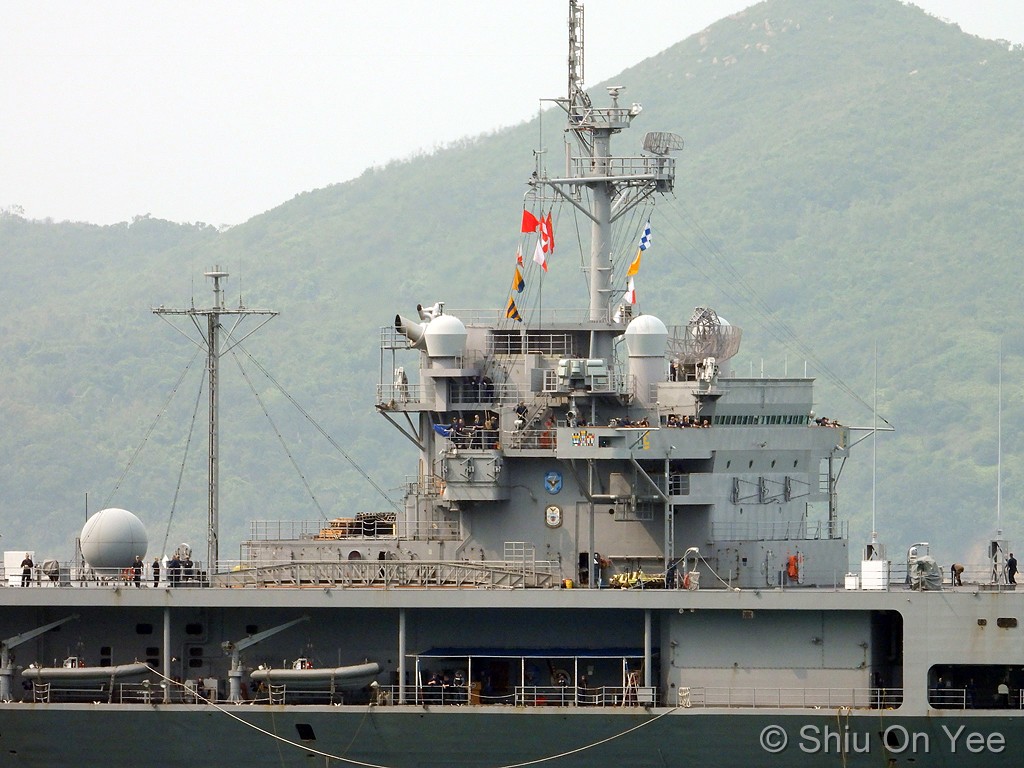
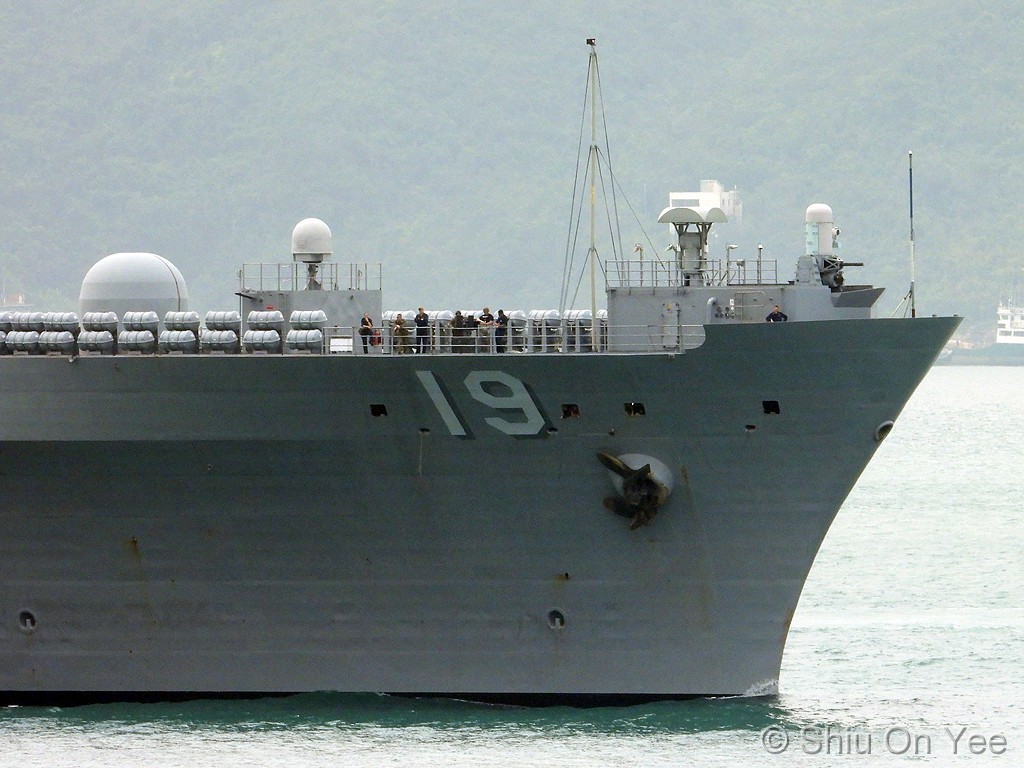
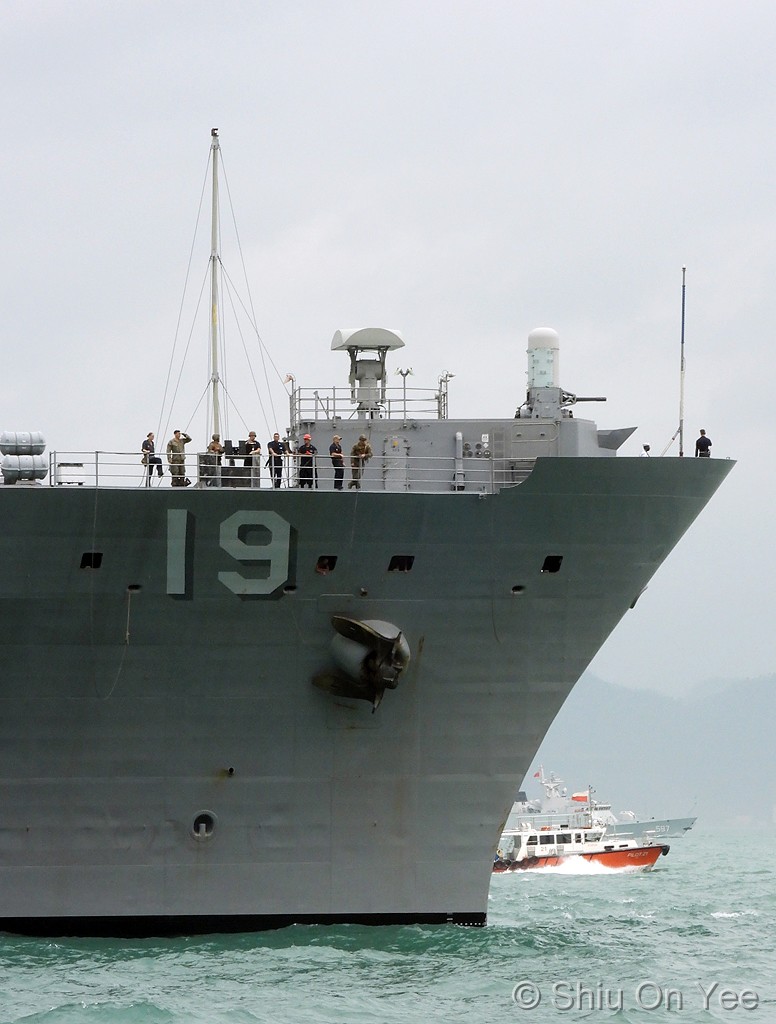
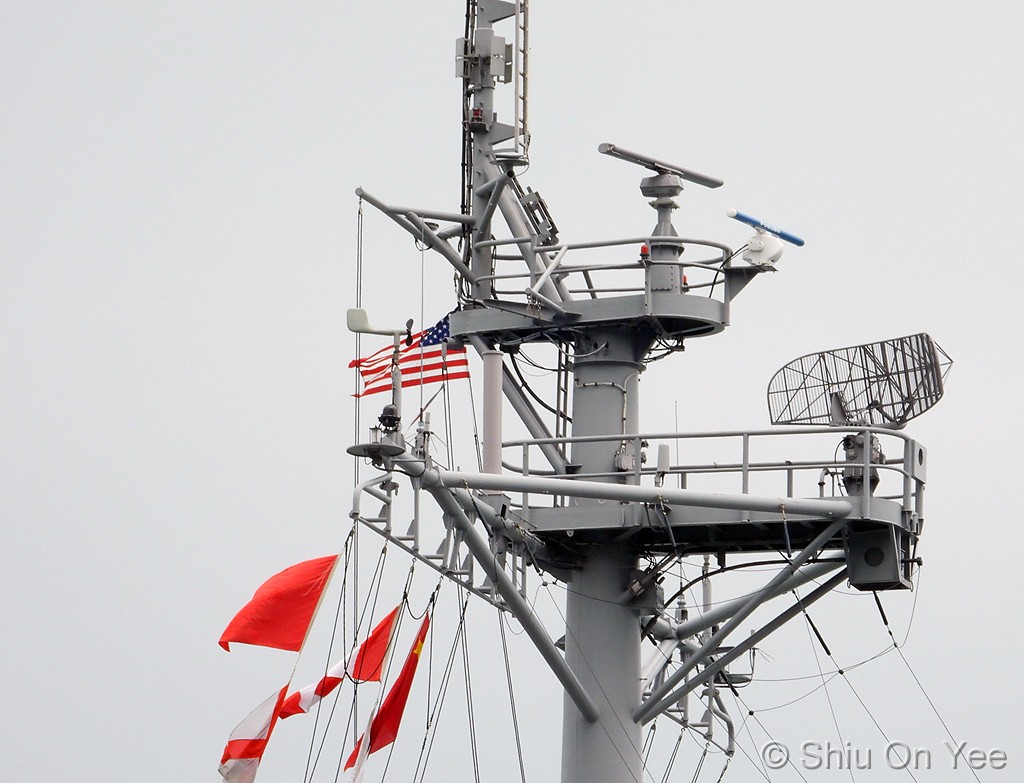
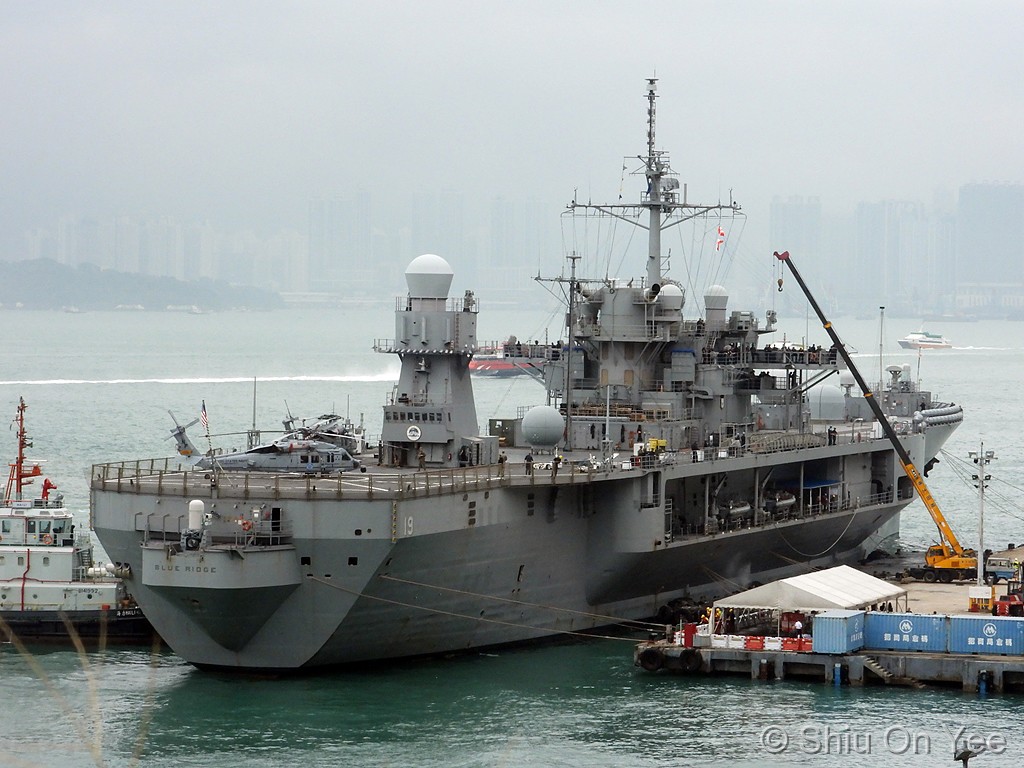
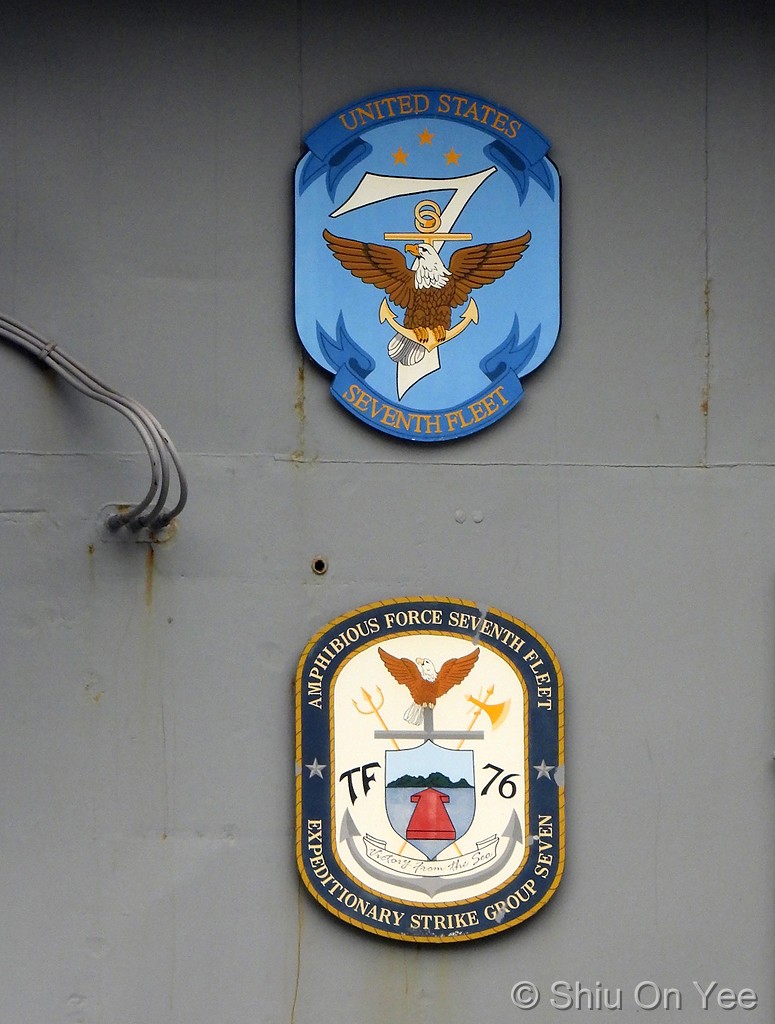
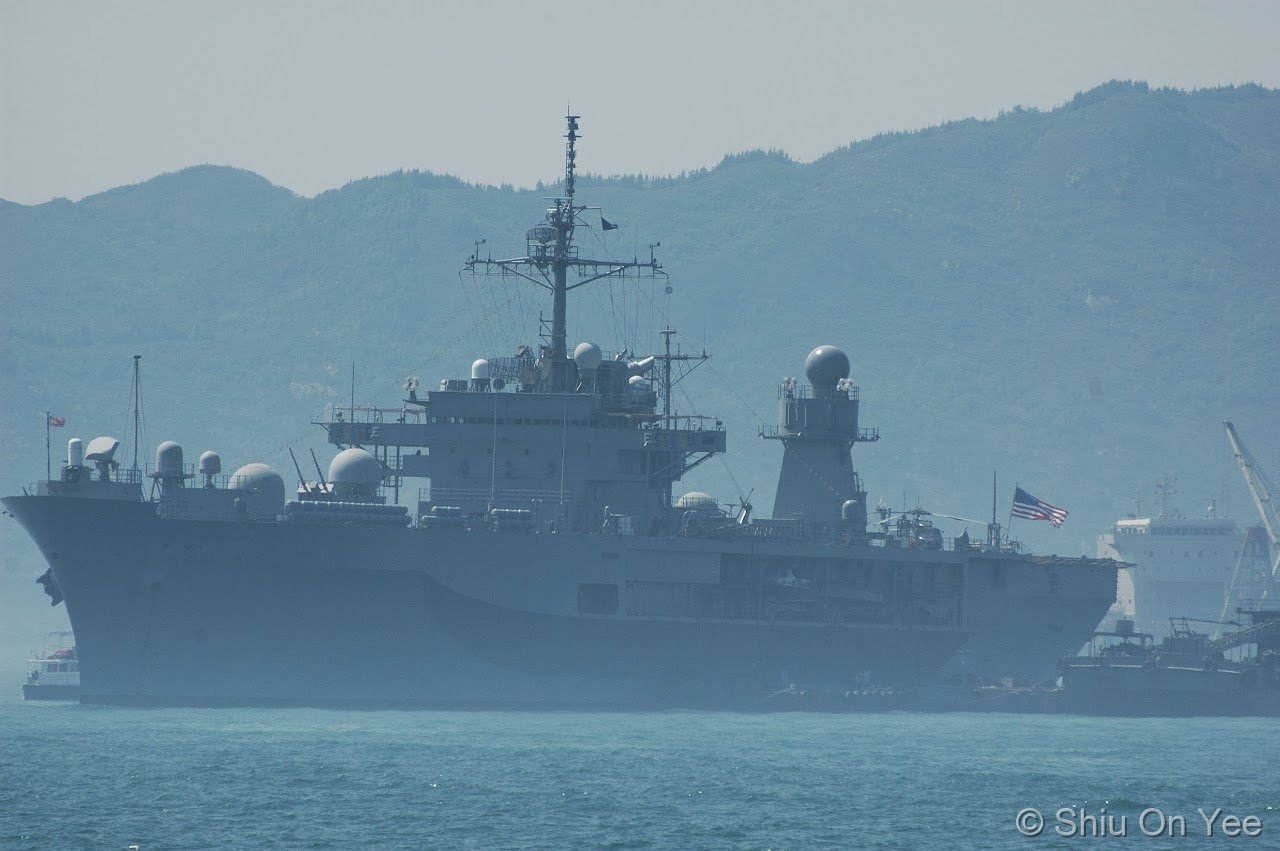
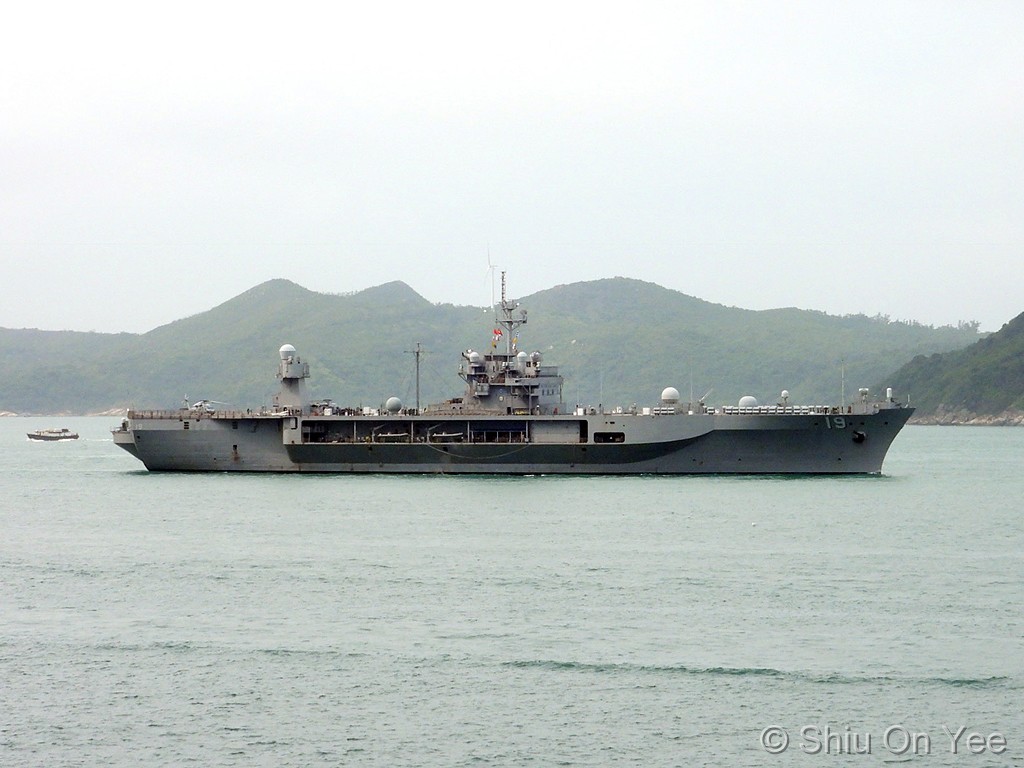
The photos below were taken by Shiu On Yee and show the USS BLUE RIDGE during a port visit to Hong Kong on July 10-14, 2012.


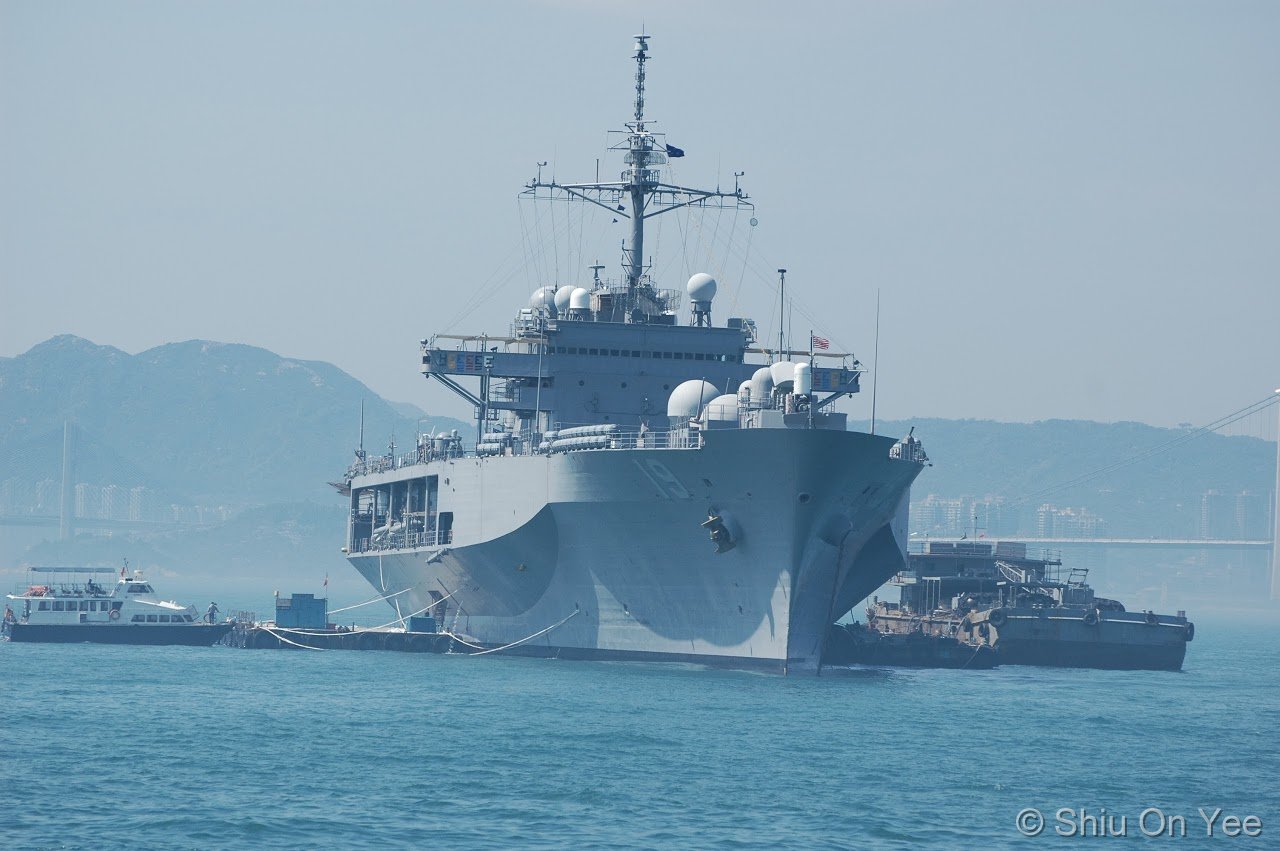
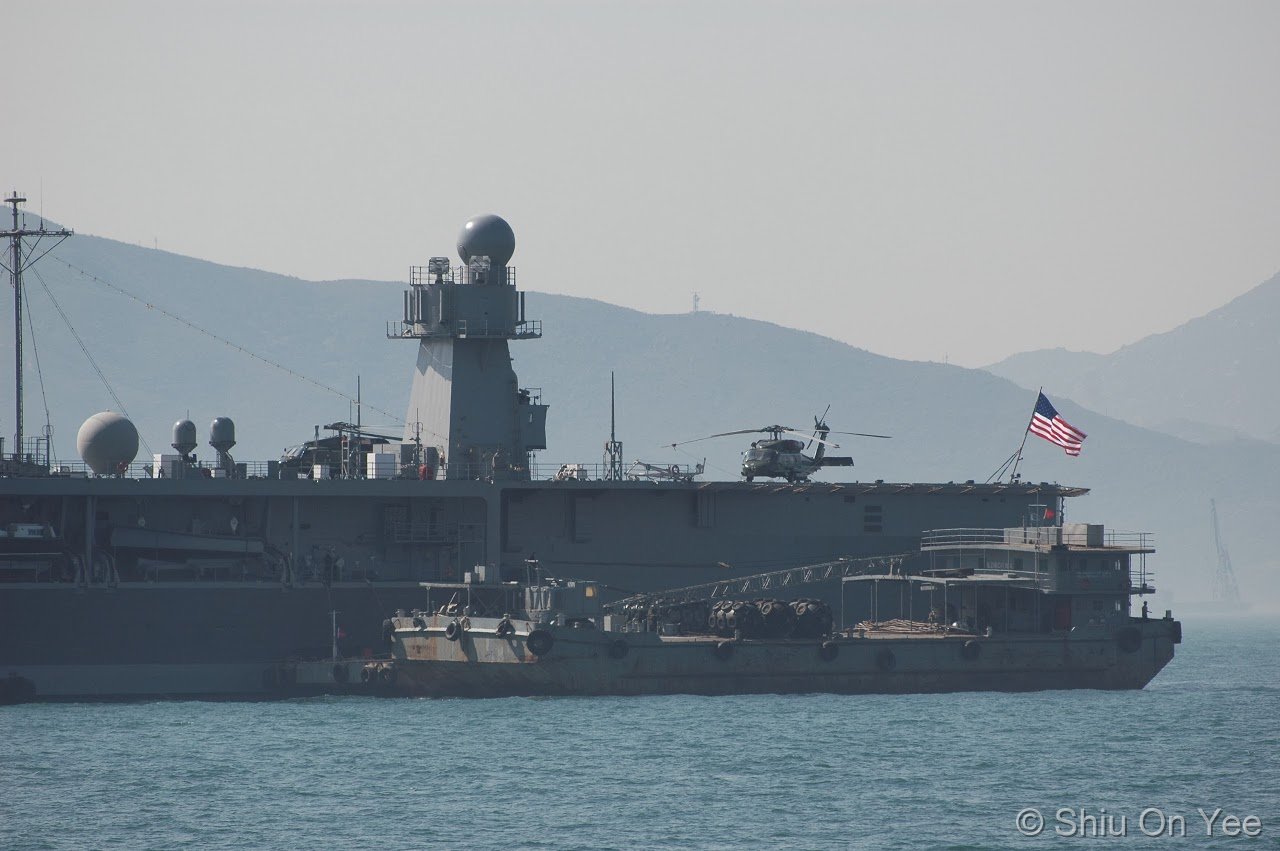
The photos below were taken by Shiu On Yee and show the USS BLUE RIDGE during a port visit to Hong Kong on April 29 - May 2, 2016.
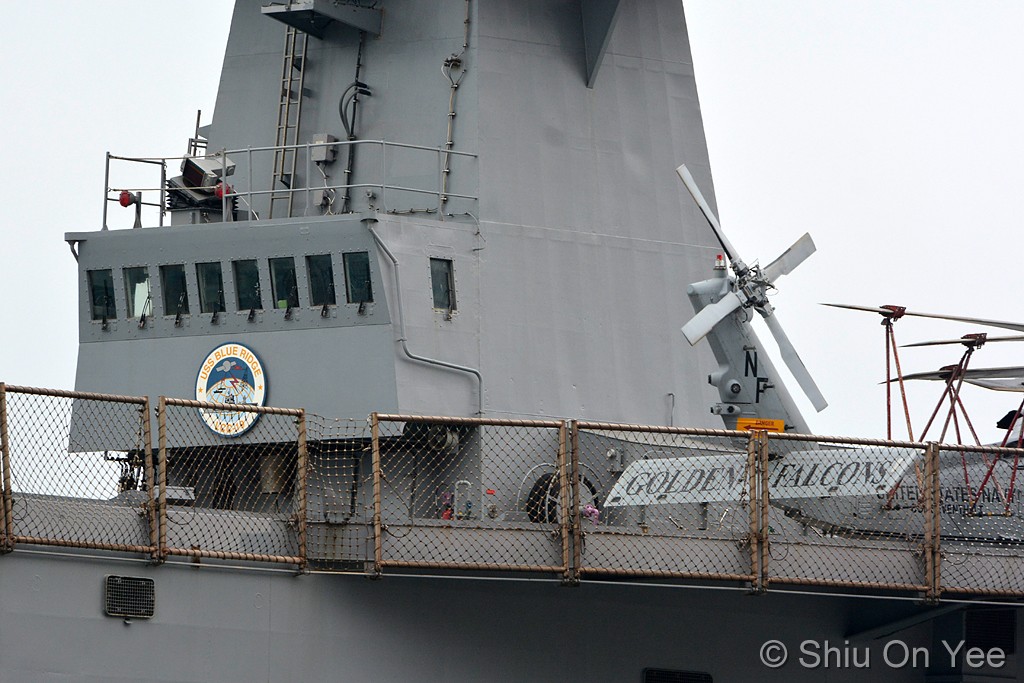


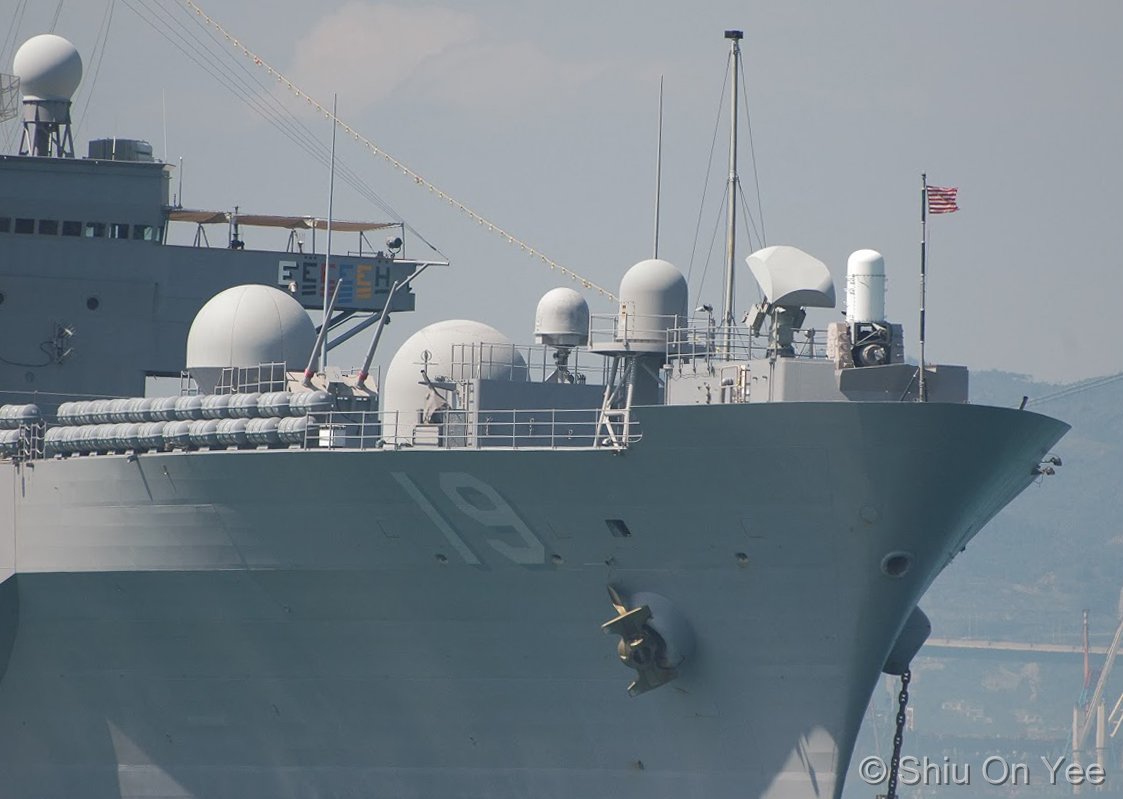
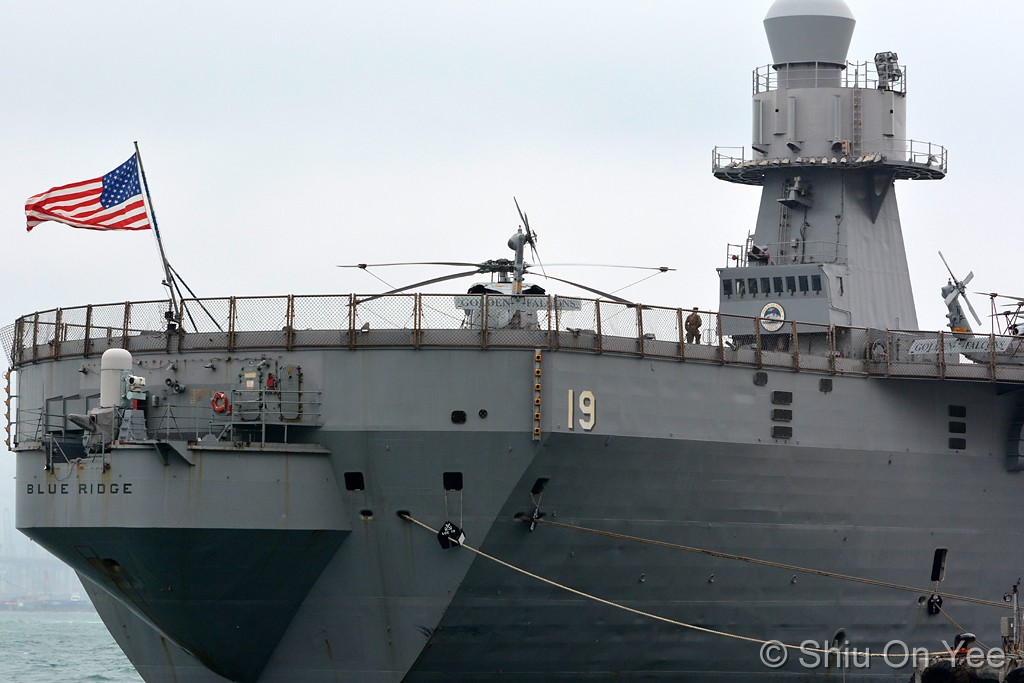
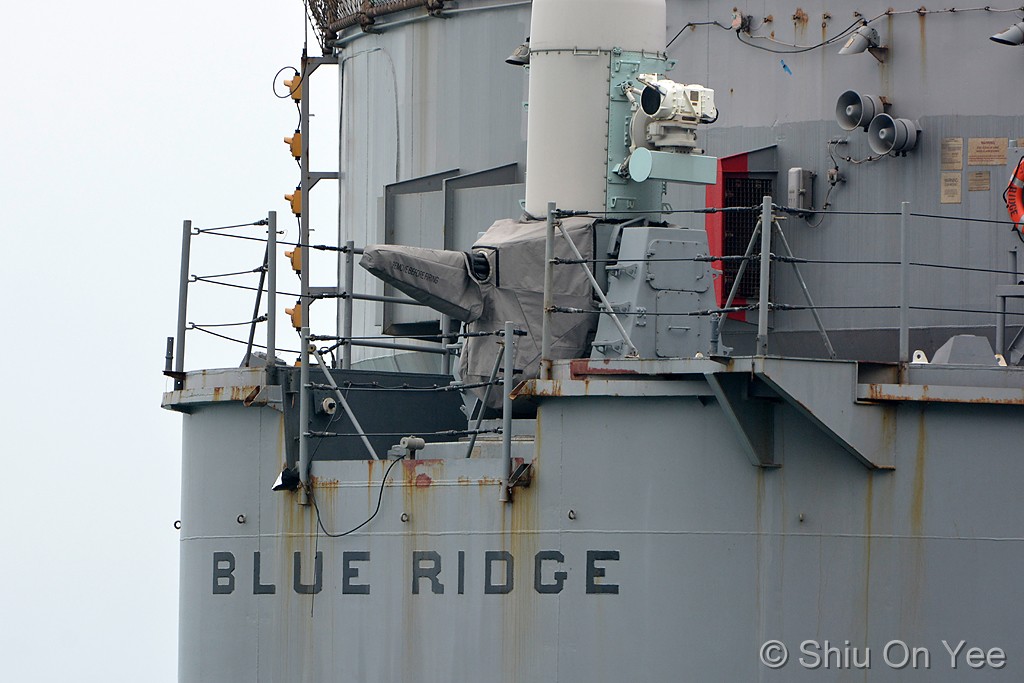
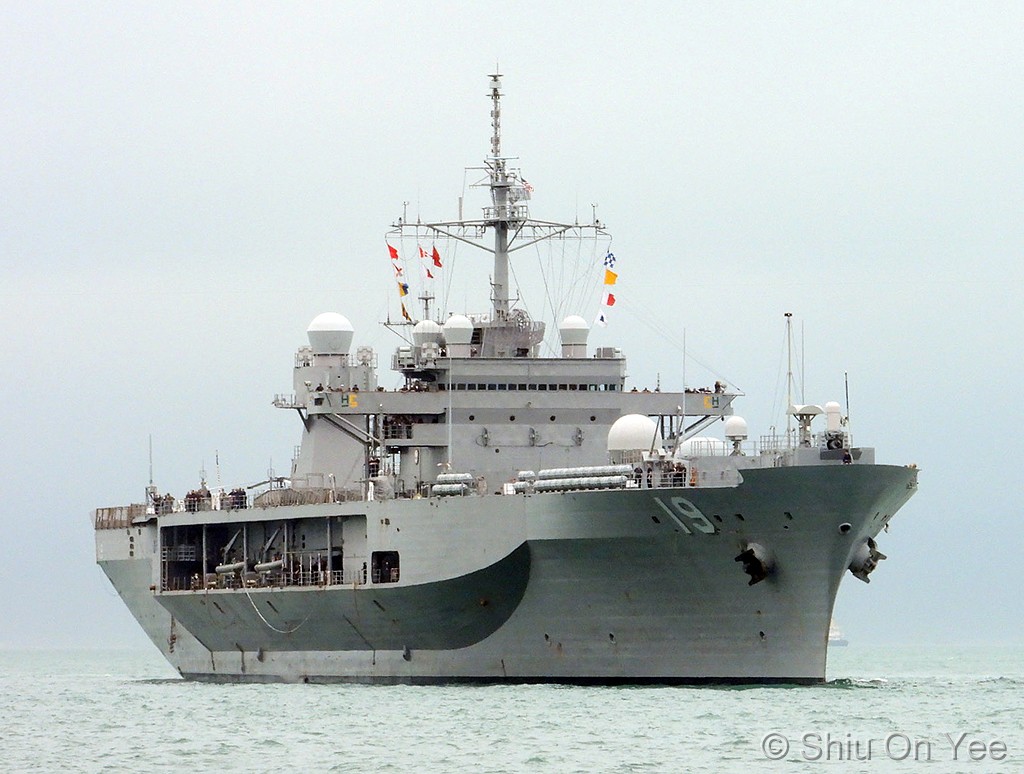
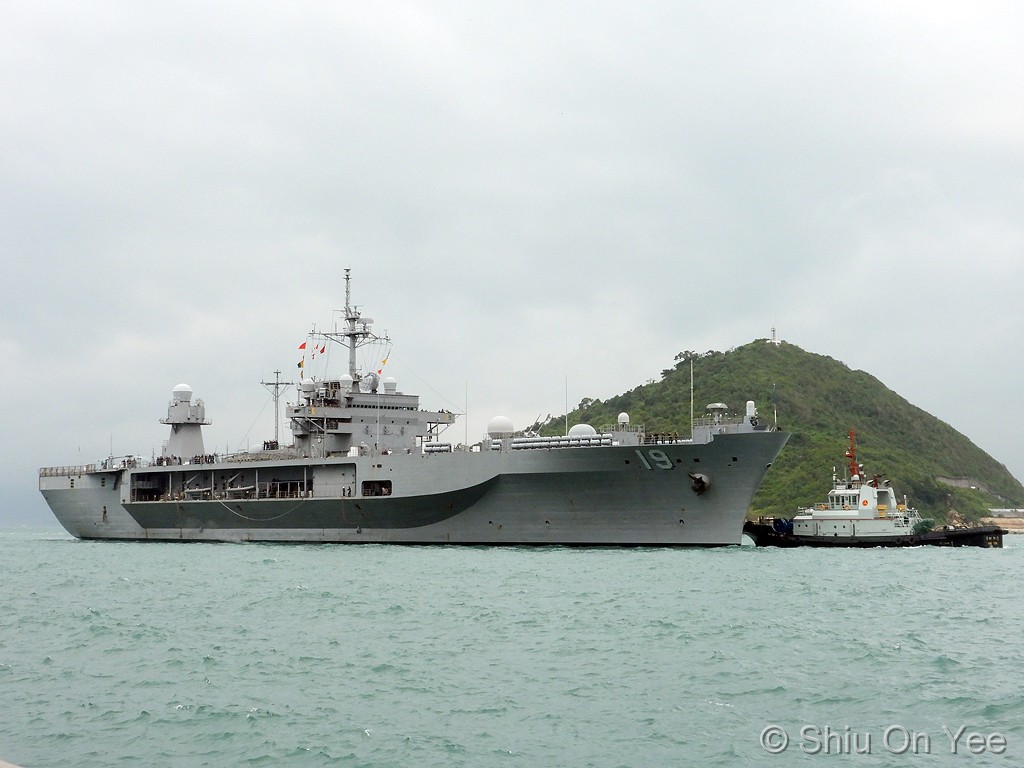
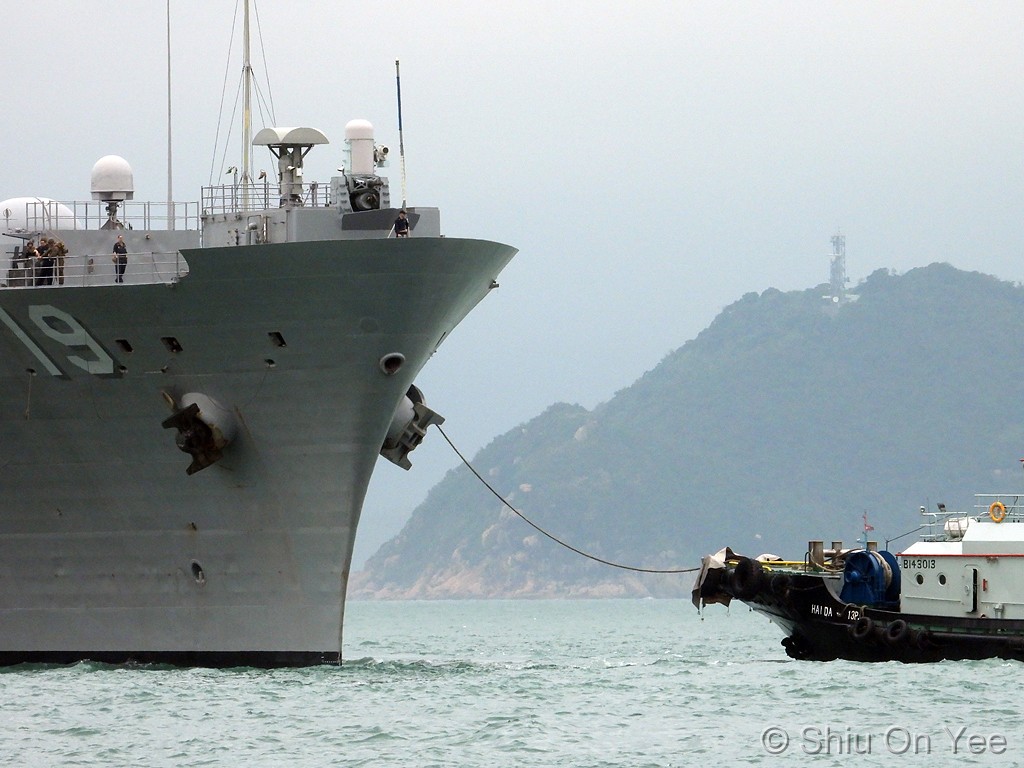
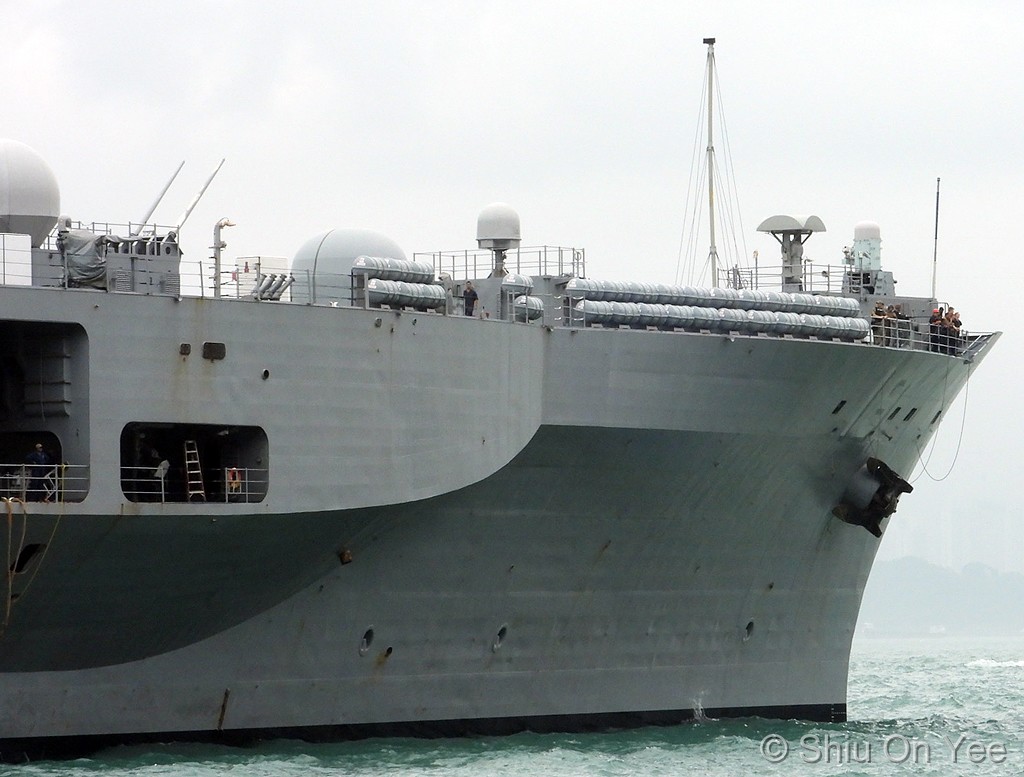
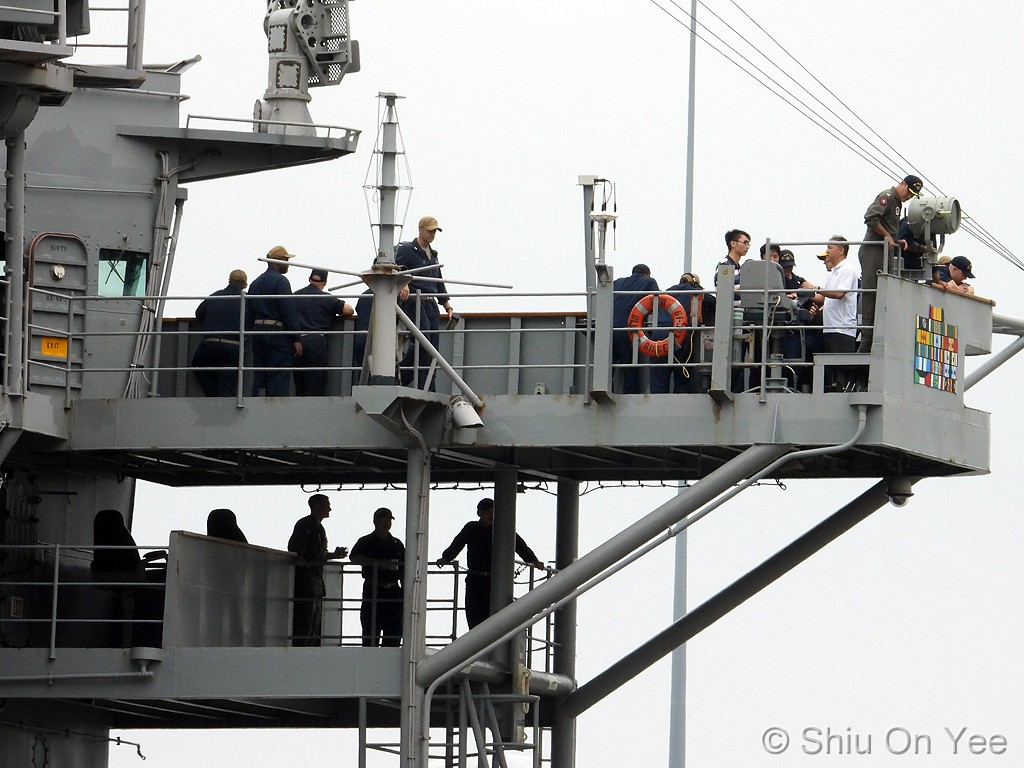
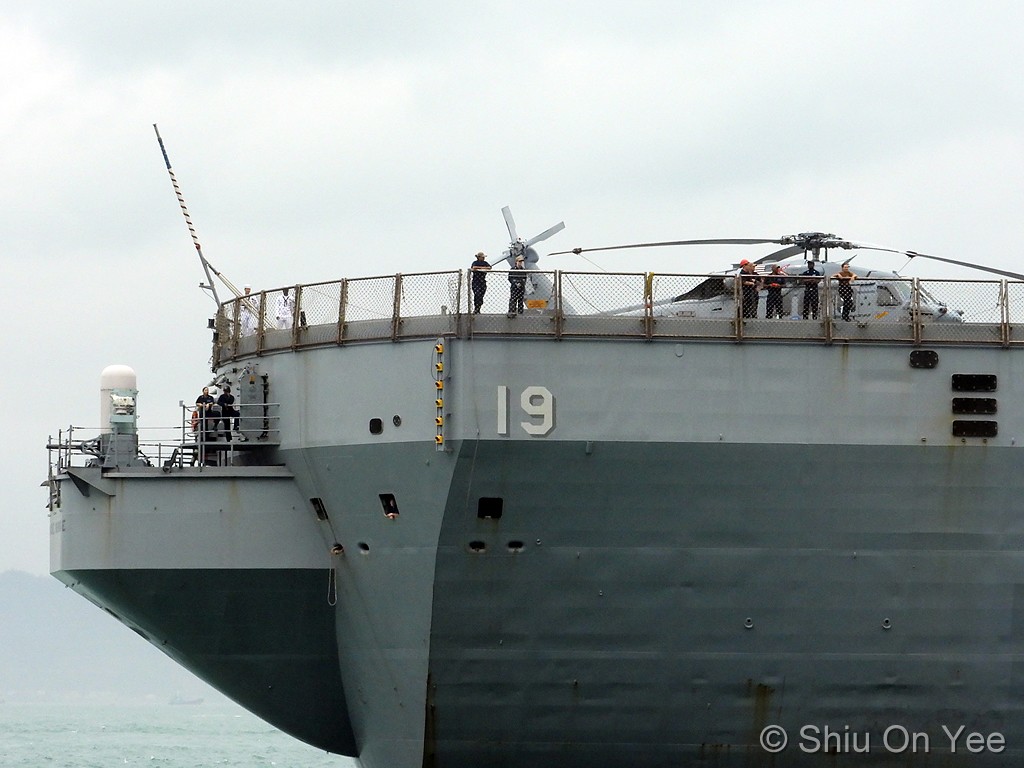
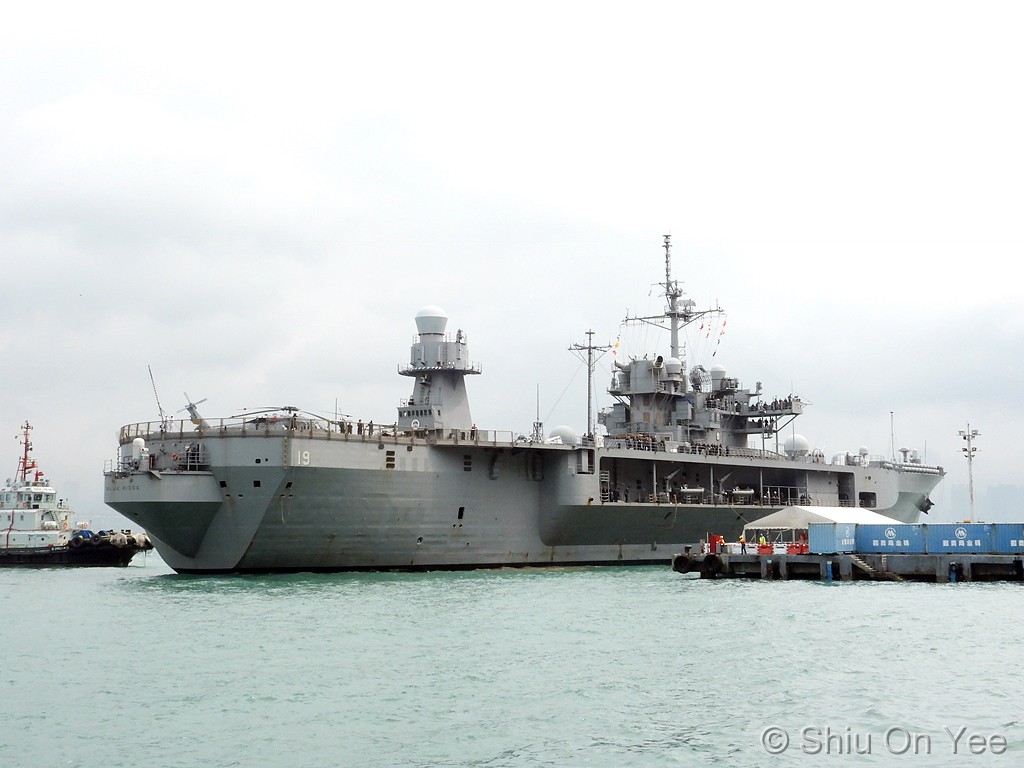
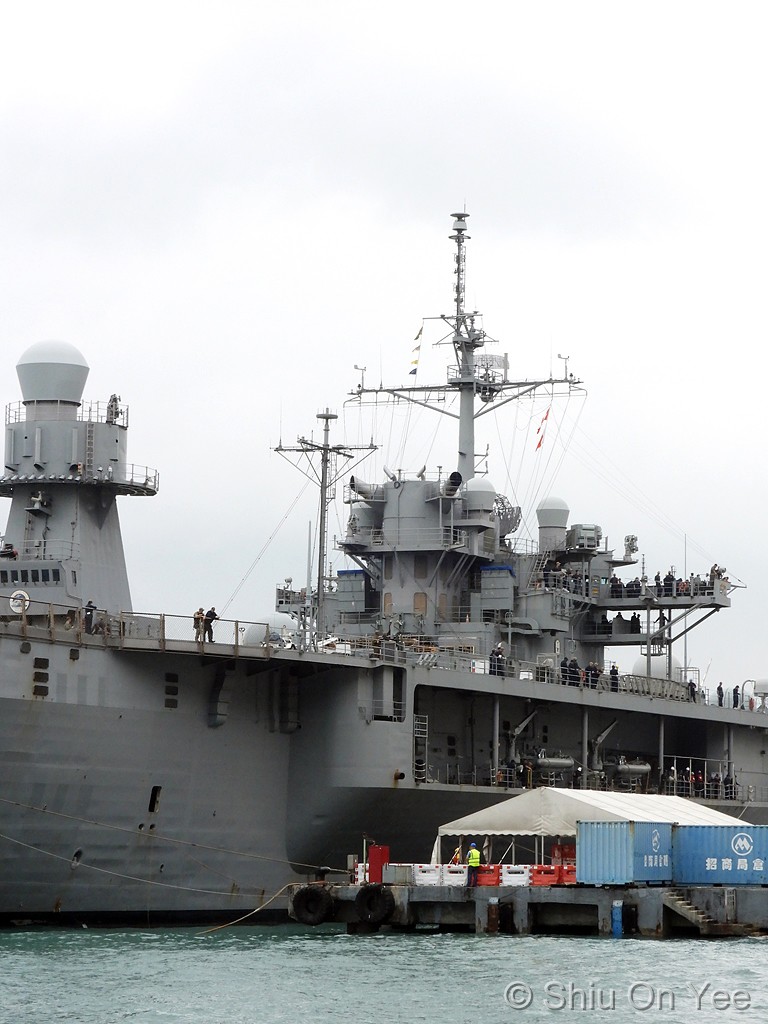
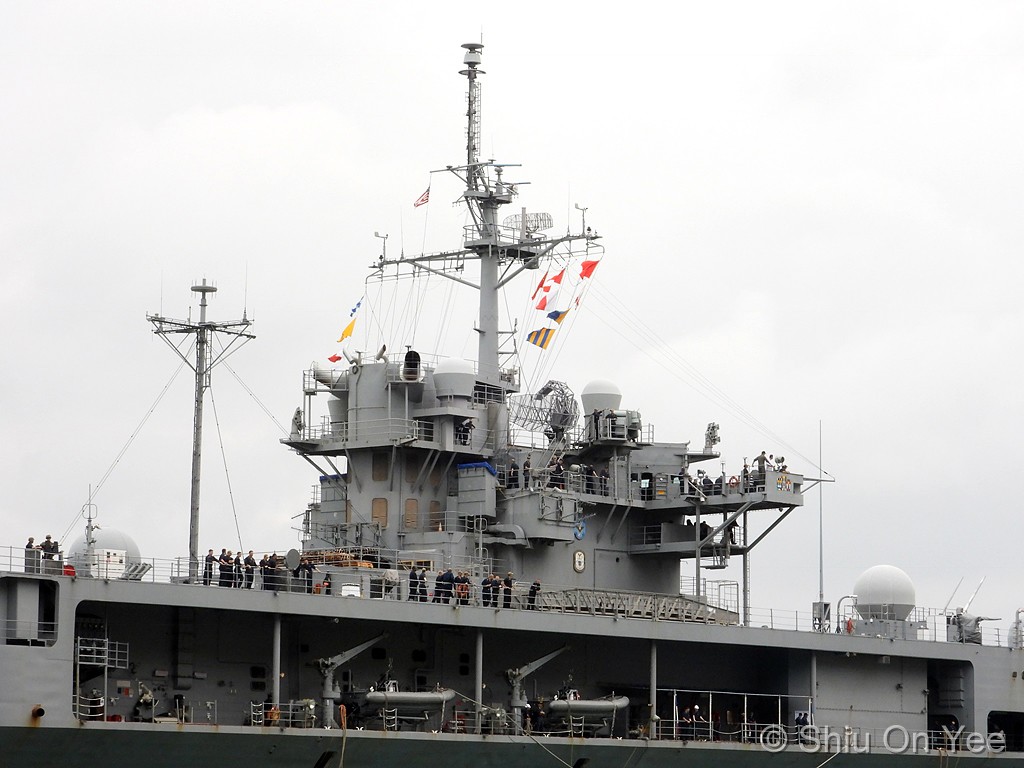
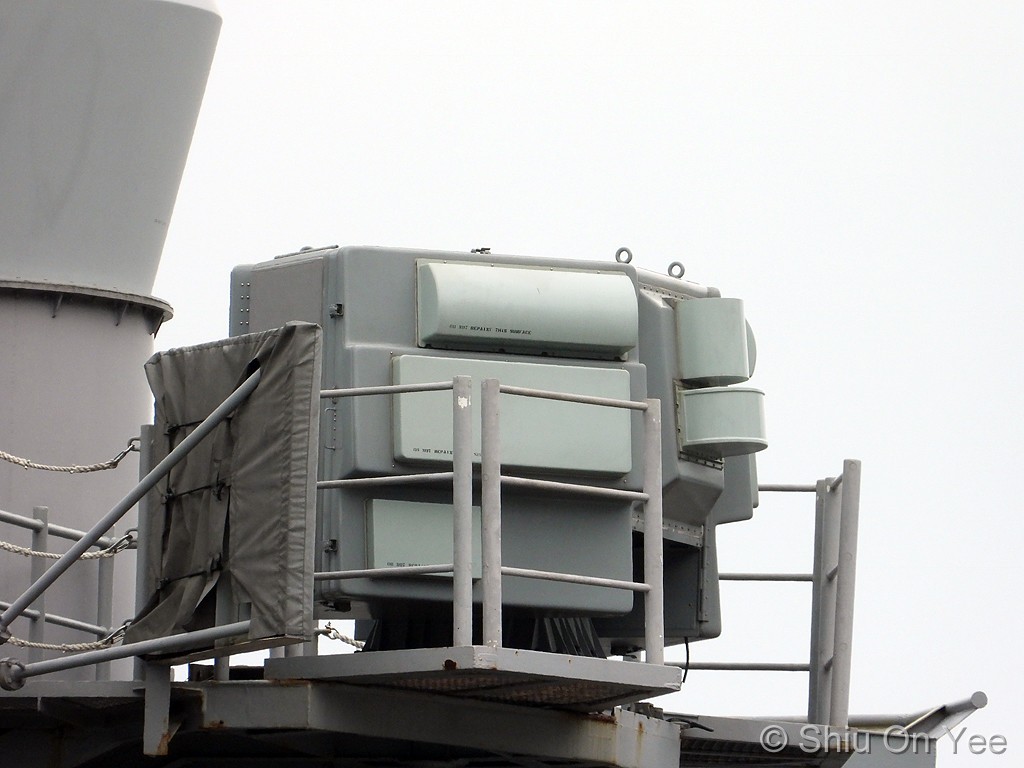
The photos below were taken by Shiu On Yee and show the USS BLUE RIDGE arriving at Hong Kong on April 20, 2019.


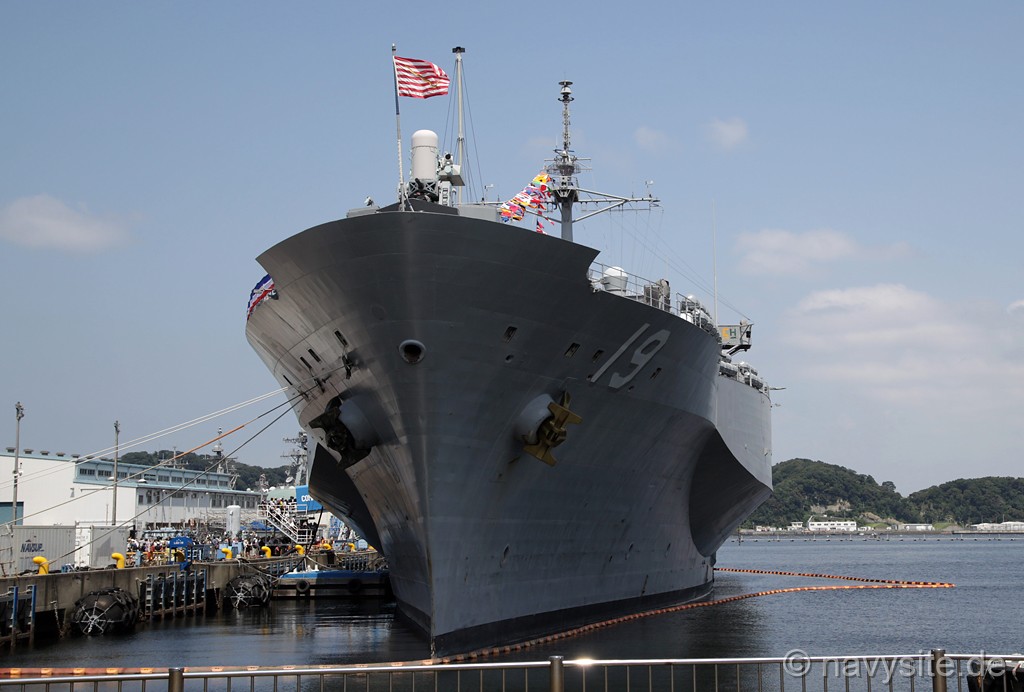
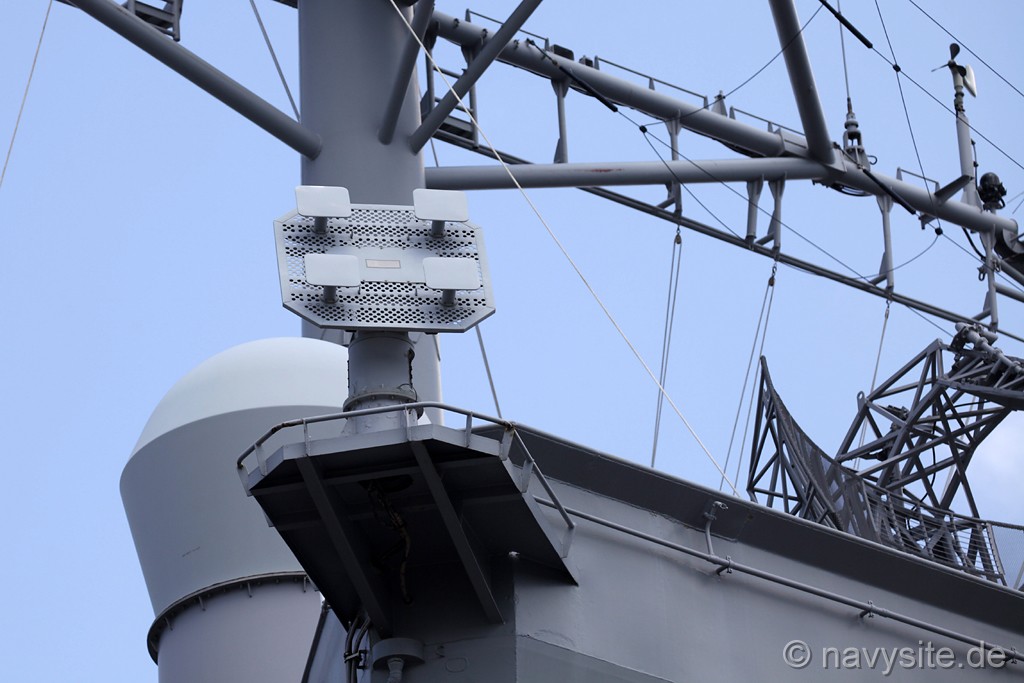
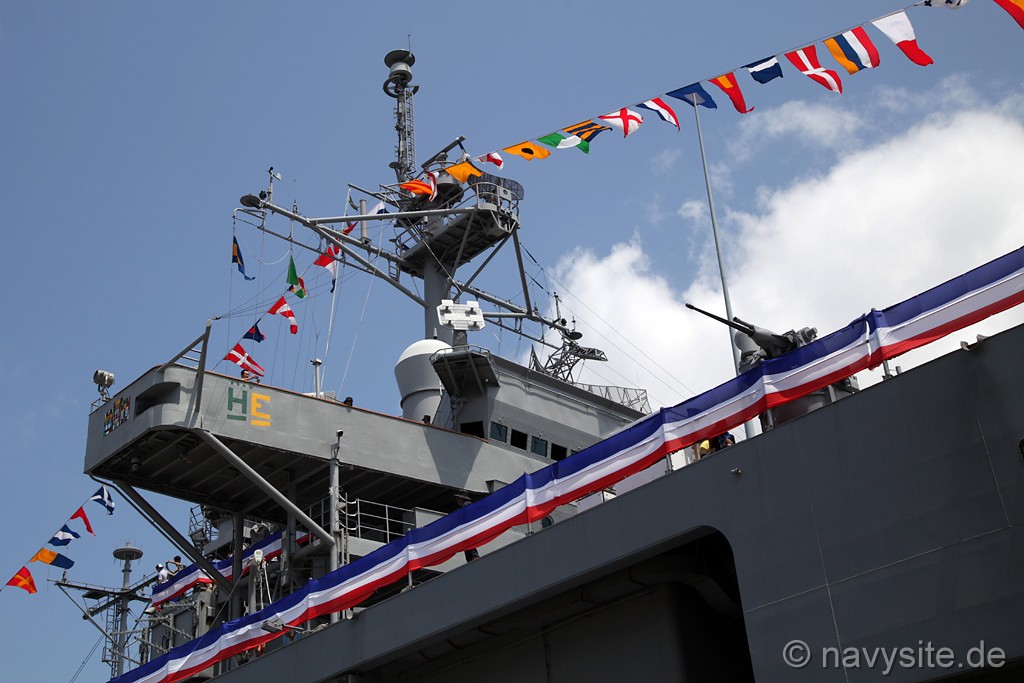
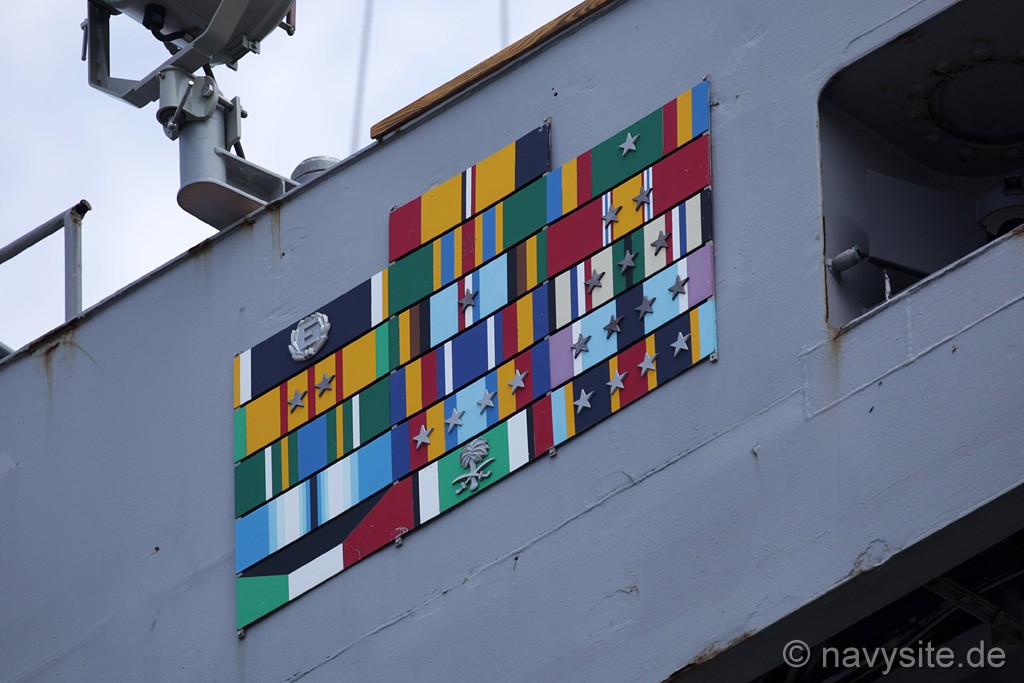
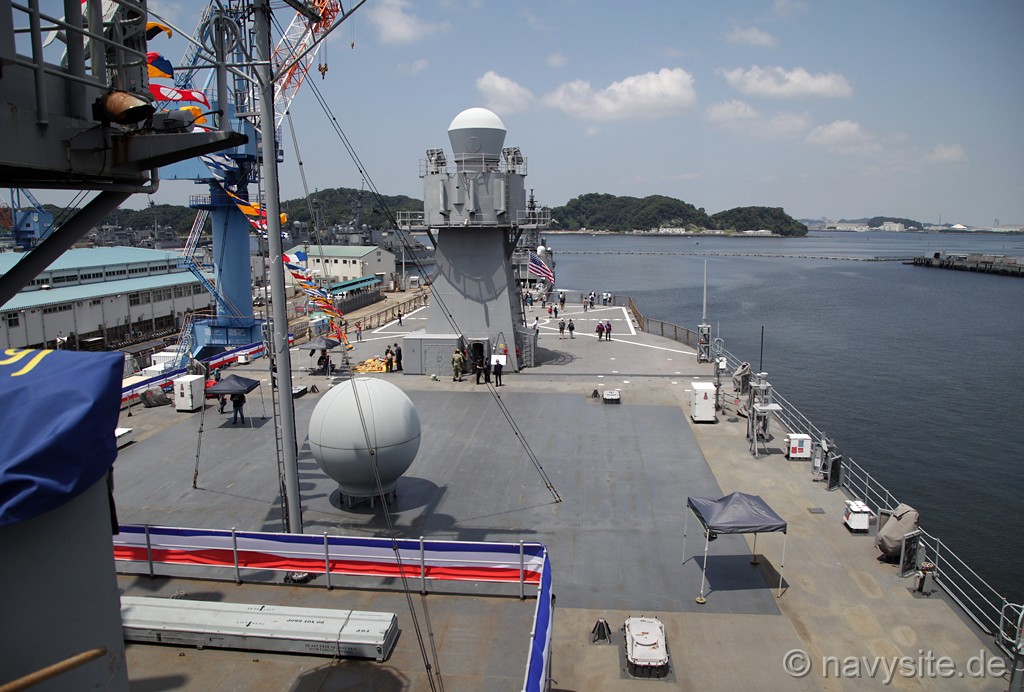
The photos below were taken by Michael Jenning during an open ship event aboard USS BLUE RIDGE as part of the 43rd annual friendship day at Yokosuka, Japan, on August 3, 2019.

Click here for more Photos.


Back to topback to top


Back to Amphibious Command Ships list. Back to ships list. Back to selection page. Back to 1st page.