
Search the Site with

|
Search the Site with
|
 General Characteristics Crew List Memorabilia Cruise Books About the Name "Wadsworth" About the Coat of Arms Image Gallery to end of page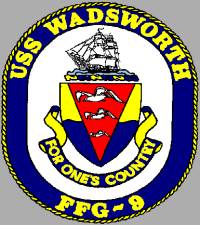
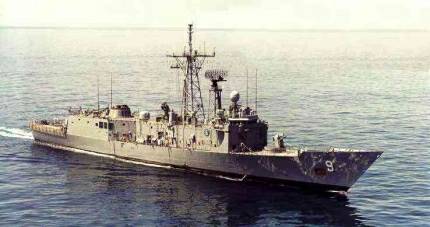
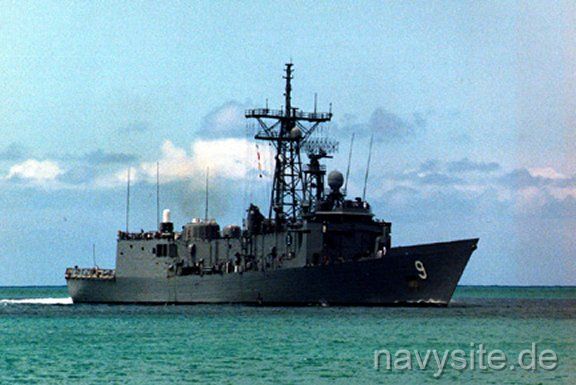
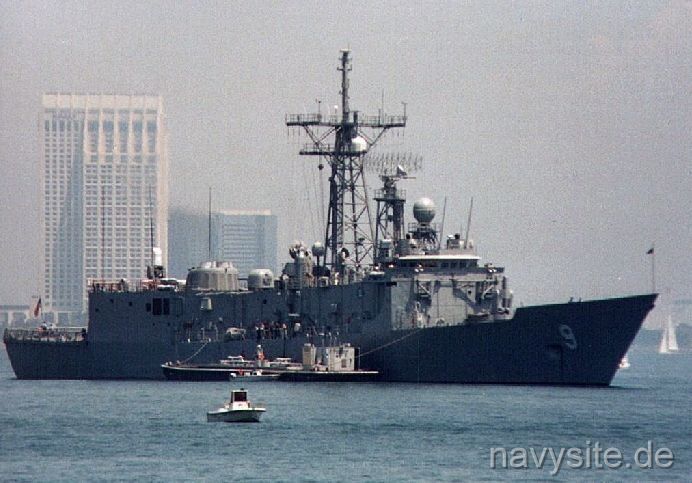
USS WADSWORTH was the third OLIVER HAZARD PERRY-class frigate and the second "short hull" version in that class. USS WADSWORTH was last homeported in San Diego, Ca. Decommissioned on June 28, 2002, WADSWORTH was transfered to the Polish Navy where she was recommissioned as GENERAL TADEUSZ KOSCIUSZKO.
| General Characteristics: | Awarded: February 27, 1976 |
| Keel laid: July 13, 1977 | |
| Launched: July 29, 1978 | |
| Commissioned: February 28, 1980 | |
| Decommissioned: June 28, 2002 | |
| Builder: Todd Pacific Shipyards Co., Los Angeles Division, San Pedro, Ca. | |
| Propulsion system: two General Electric LM 2500 gas turbines, two 350 Horsepower Electric Drive Auxiliary Propulsion Units | |
| Propellers: one | |
| Blades on each Propeller: five | |
| Length: 445 feet (133.5 meters) | |
| Beam: 45 feet (13.5 meters) | |
| Draft: 24,6 feet (7.5 meters) | |
| Displacement: 4,100 tons | |
| Speed: 28+ knots | |
| Aircraft: one | |
| Armament: one Mk 13 guided missile launcher (36 Standard (MR) and 4 | |
| Crew: 17 Officers and 198 Enlisted |
 back to top go to the end of the pageback to top go to the end of the page
Crew List:
This section contains the names of sailors who served aboard USS WADSWORTH. It is no official listing but contains the names of sailors who submitted their information.
back to top go to the end of the pageback to top go to the end of the pageUSS WADSWORTH Cruise Books:
back to top go to the end of the pageAbout the Frigate’s Name, about Commodore Alexander Scammel Wadsworth:
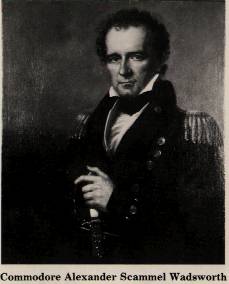 USS WADSWORTH is the third ship of the fleet to carry the name; a name which bears a long history, filled with courage, heroics and patriotism dating back to the early years of this country's Navy and continuing through two World Wars to the present. The ship is named in honor of Commodore Alexander Scammel Wadsworth, famous for his heroic actions while serving aboard the USS CONSTITUTION ("OLD IRONSIDE") during the engagement with HMS GUERRIERE in the War of 1812, for which he received a silver medal for heroism and the thanks of Congress. While continuing his brilliant service in the Navy, Commodore Wadsworth was promoted to Master Commandant for gallant services while aboard the USS ADAMS in 1814; commanded two ships in the Mediterranean Squadron (and USS CONSTELLATION); was commander of the Pacific Squadron; and then served as Navy Commissioner until 1840.
The first ship to be named WADSWORTH (DD 60) was a Tucker Class destroyer commissioned in July 1915. She served to honor the name admirably. Her squadron's record for escorting numerous convoys laden with food, munitions, and troops of the American Expeditionary Force bound for Europe during the First World War is beyond compare. Not one man out of the two million "doughboys" of General Pershing's Army was lost en route while under her convoy protection. This feat notwithstanding, however, the WADSWORTH will always be remembered as the flagship of the first division of American destroyers to arrive in Europe to break the German U-boat blockade surrounding the British Isles. This sailing of WADSWORTH and her squadron to Britain is etched forever in the pages of history as the "Return of the Mayflower".
WADSWORTH (DD 516), a Fletcher Class destroyer commissioned in March 1943, was the second ship to proudly bear the name. Her World War II log of combat actions, submarine sinkings, aircraft kills and devastatingly accurate bombardments of enemy shore installations was outstanding. She received the Presidential Unit Citation for extraordinary heroism while successfully repelling literally hundreds of enemy aircraft while off the coast of Okinawa. This fine ship also earned seven battle stars and other awards for operations which included; the Treasury-Bougainville Operation; the Consolidation of the Solomon Island; the Bismarck Archipelago Operation; the Marianas Operation; the Okinawa Gunto Operation; and the Third Fleet Operation against Japan.
back to top go to the end of the pageAbout the Frigate’s Coat of Arms:
Blue and gold are the colors traditionally associated with the Naval service, and are symbolic of the Navy's element, the sea, and ever-present goal of excellence. The color red symbolizes action and courage. The observer sees the oncoming prow of WADSWORTH in red, as it cuts the blue sea, the home of the modern frigate. The three seagulls remind the observer that three Naval Ships have borne the proud name of "WADSWORTH". It recalls the ancient sailor's belief that seagulls are the souls of departed sailors and bring good fortune by their presence. The crest represents the USS CONSTITUTION under full sail and comemmorates the fact that Commodore Alexander Scammel Wadsworth (then second Lieutenant of CONSTITUTION) received a Silver Medal for Heroism, and the thanks of Congress, for his part in CONSTITUTION's engagement with the british frigate "GUERRIERE".
This engagement, in which CONSTITUTION defeated GUERRIERE in a brief but violent action, was the first American victory over the heretofore omnipotent Royal Navy. The act captured the heart of the American people and gave a much needed boost to the morale and confidence of our young nation. In this action, CONSTITUTION won her familiar title, "Old Ironside", when GUERRIERE's shots were seen to bounce off her sides.
The motto selected for WADSWORTH is taken from the words Captain Isaac Hull, then Commanding CONSTITUTION, addressed to his men just prior to engaging Guerriere. "Men," he said, "now do your duty. Your officers cannot have entire comand over you now. Each man must do all in his power for his country." The naval service of both Commodore WADSWORTH and USS CONSTITUTION would continue for many years, but they both won their place in history on that day in August, 1812 when they began the United States Navy's winning tradition of giving everything "for one's country".
back to top go to the end of the page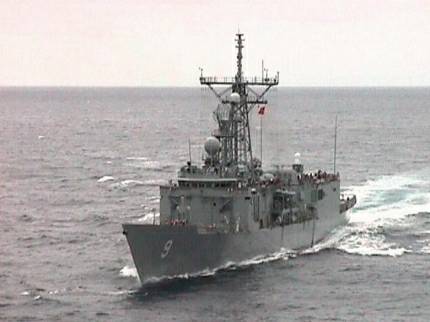 back to top go to the end of the page
USS WADSWORTH Image Gallery:
 |  |  |
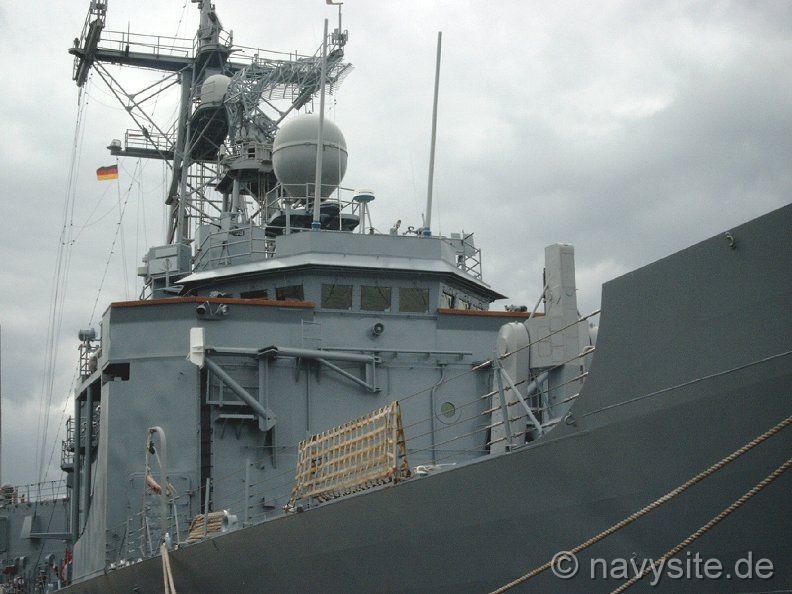
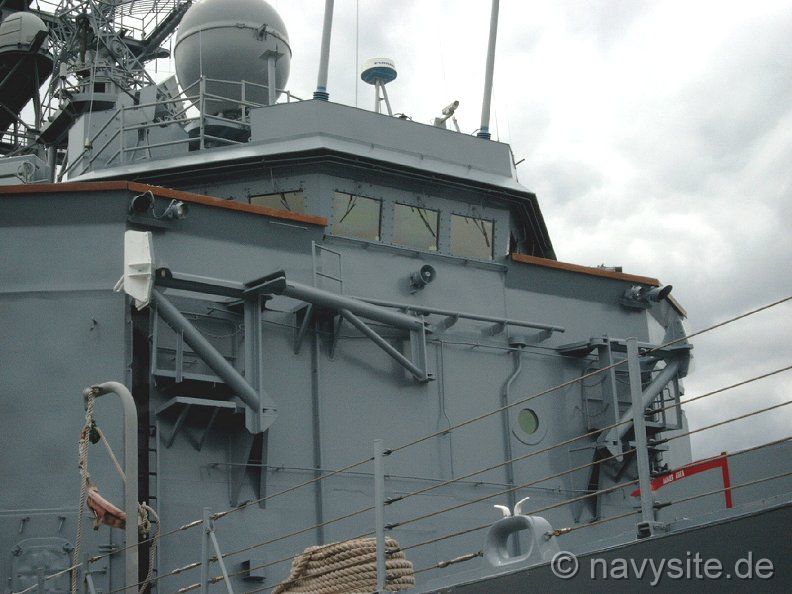
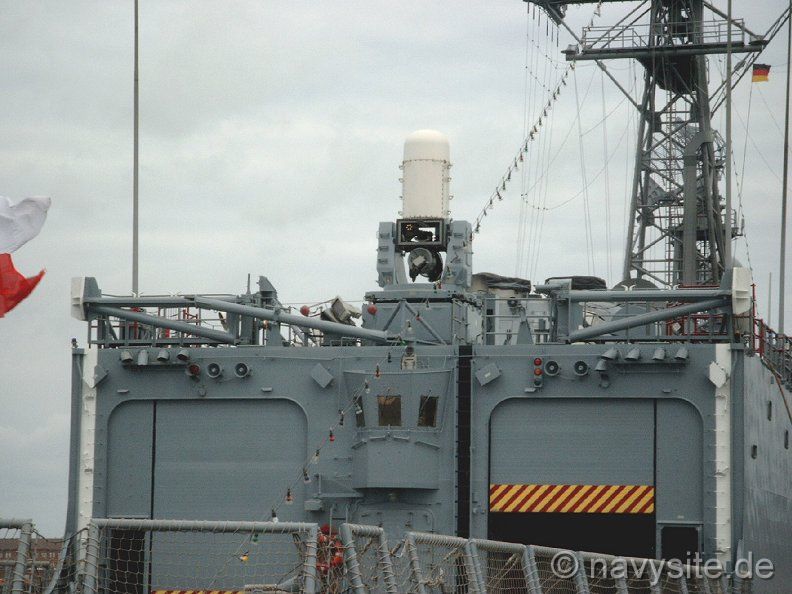
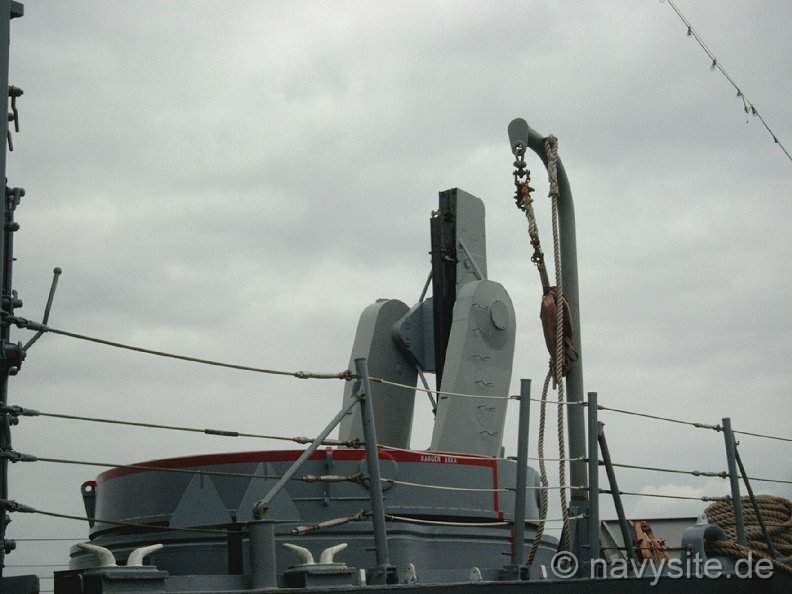
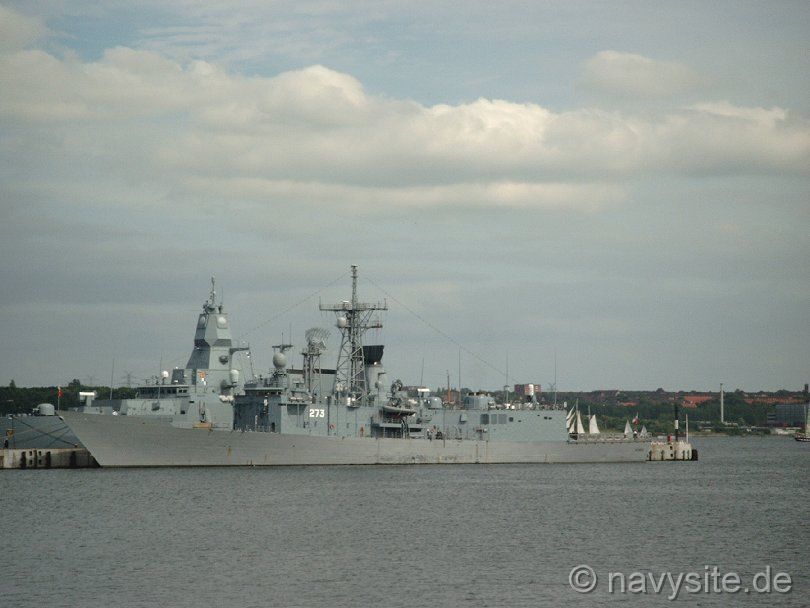
On June 28, 2002, USS WADSWORTH was decommissioned and transferred to the Polish Navy where she was renamed GENERAL TADEUSZ KOSCIUSZKO. In June 2003, ORP KOSCIUSZKO participated in BALTOPS 2003. The photos below were taken by me and show the guided missile frigate at Naval Base Kiel, Germany. The port visit marked the end of the exercise and was conducted from June 20-23, 2003.
 |  |  |  |  |
 |  |  |  |  |
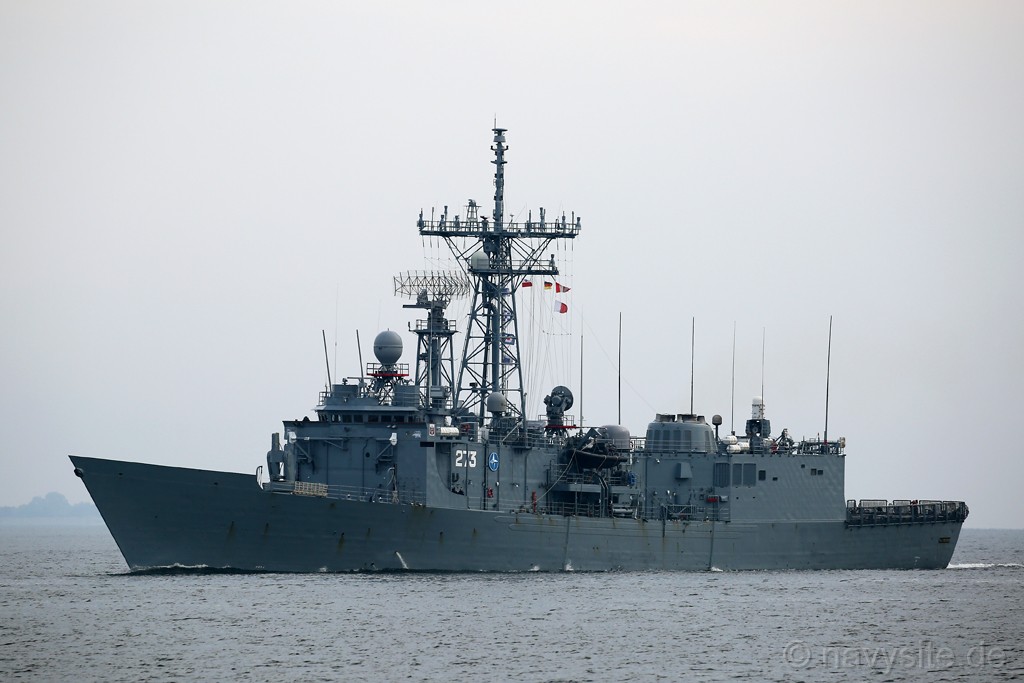
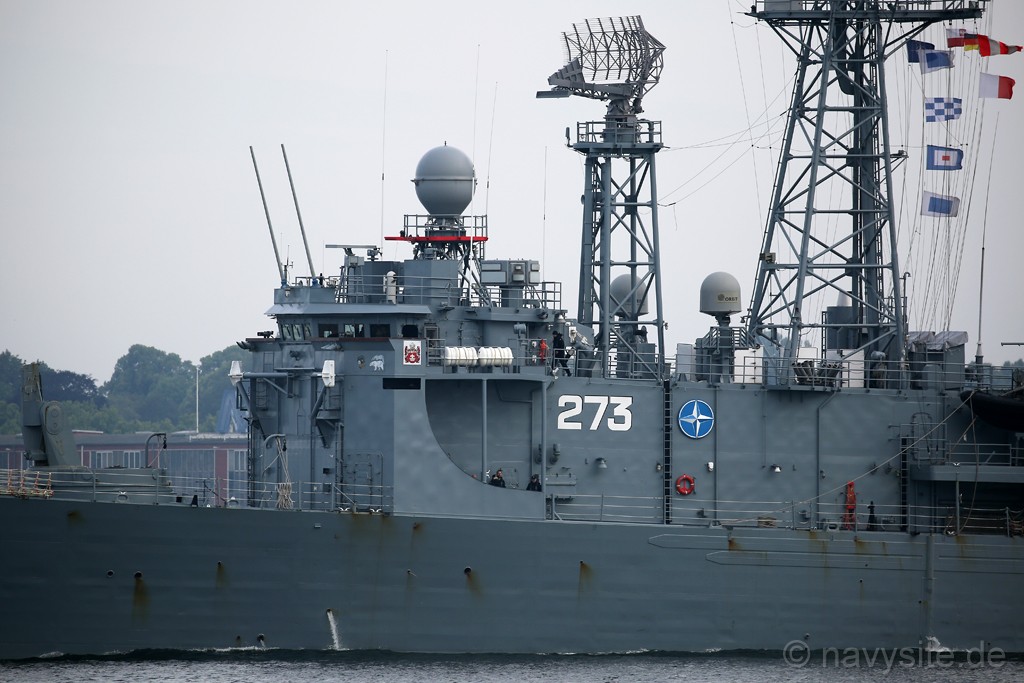
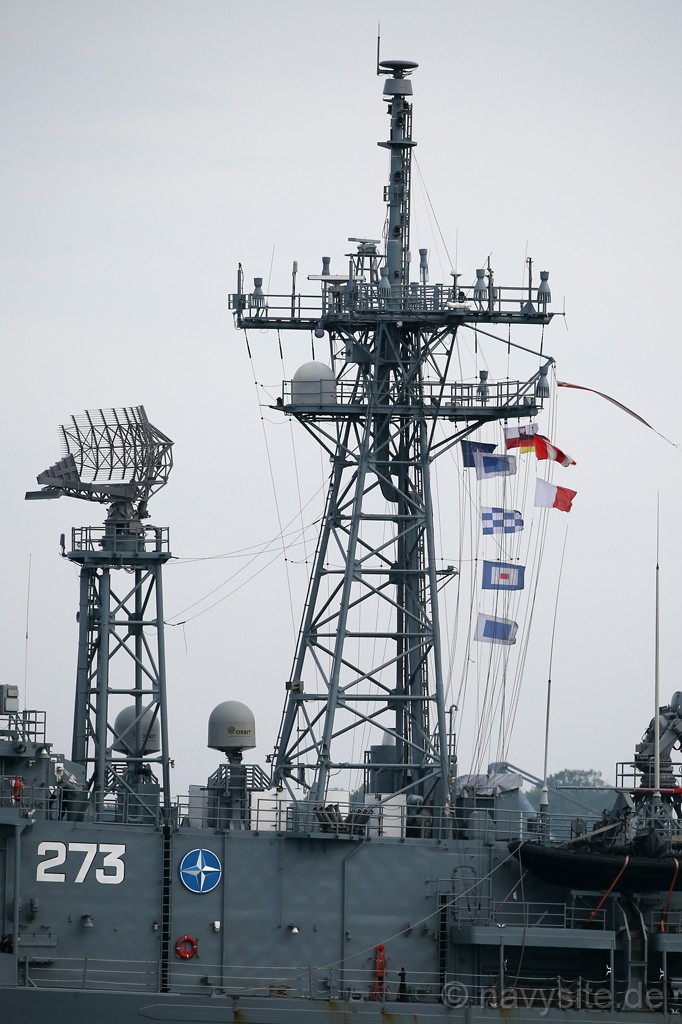
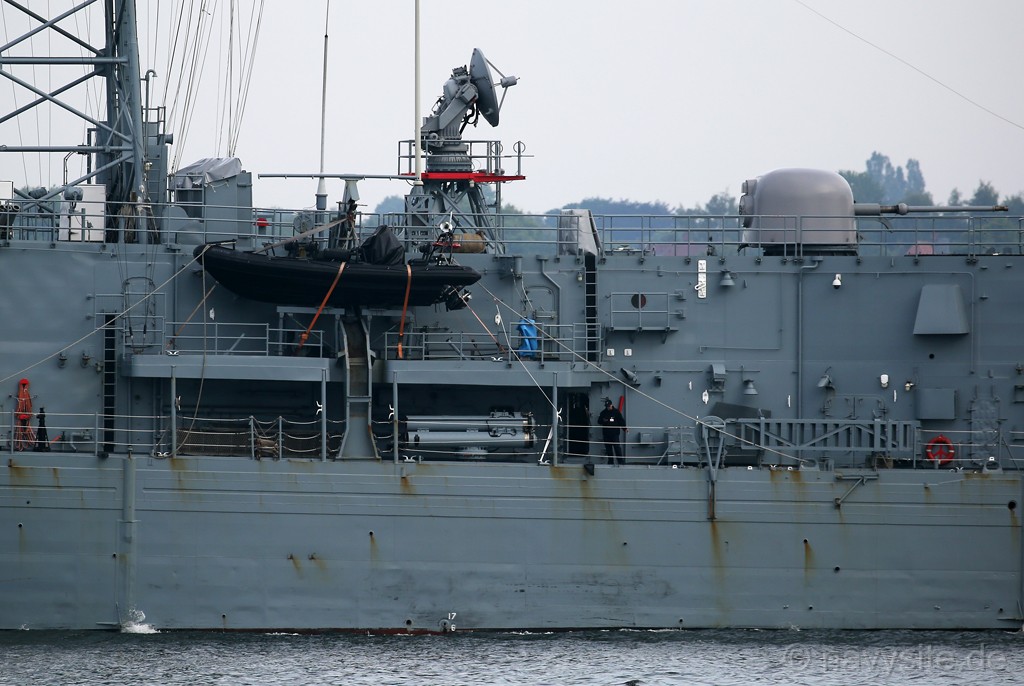
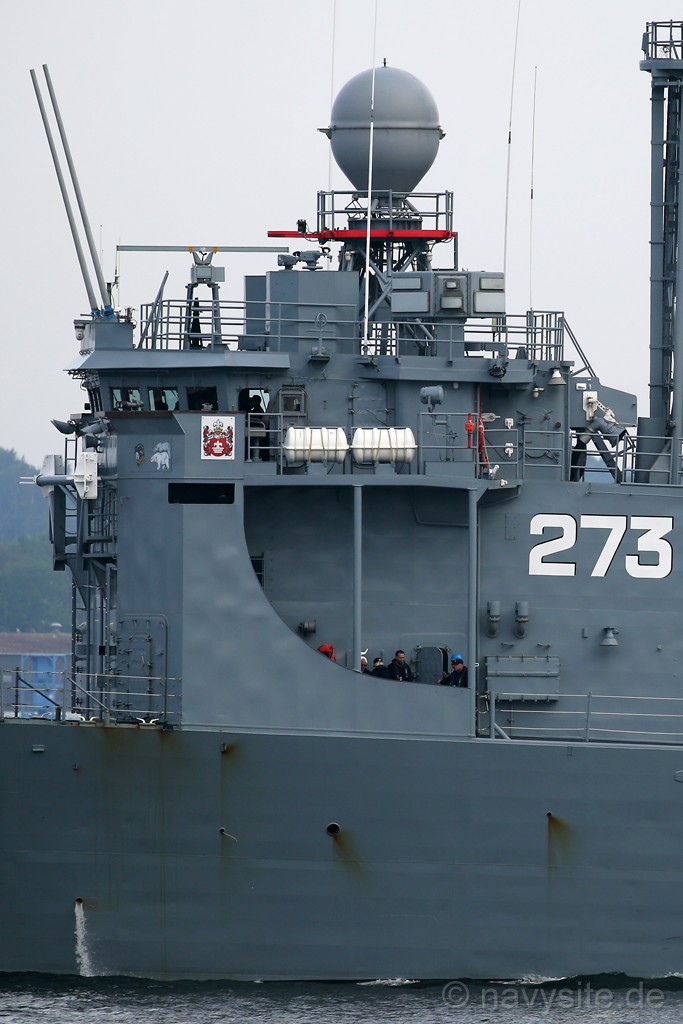
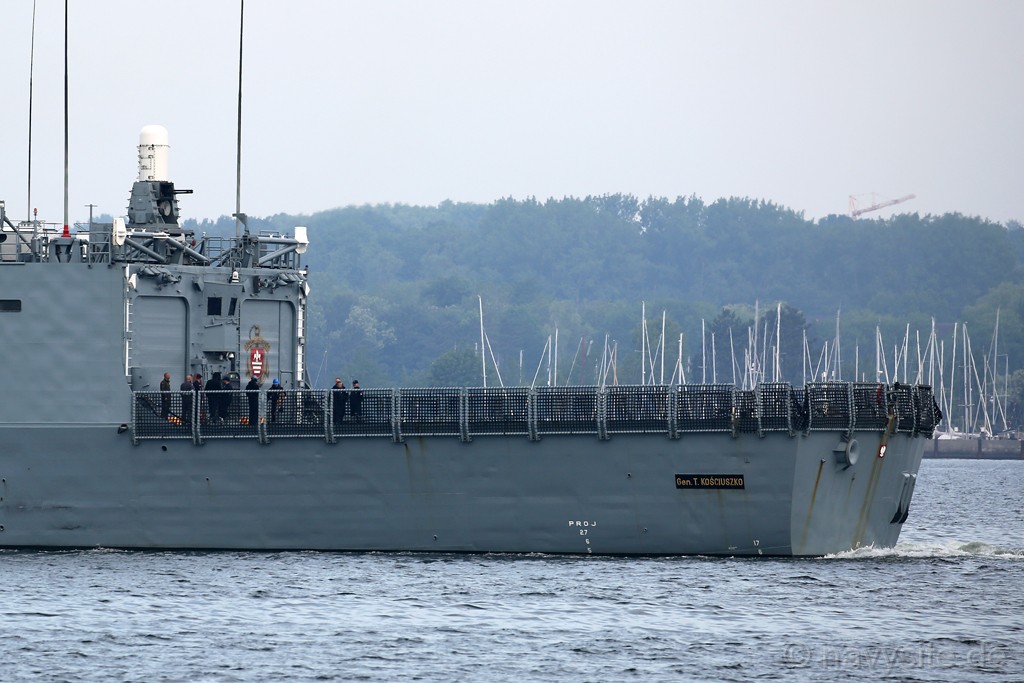
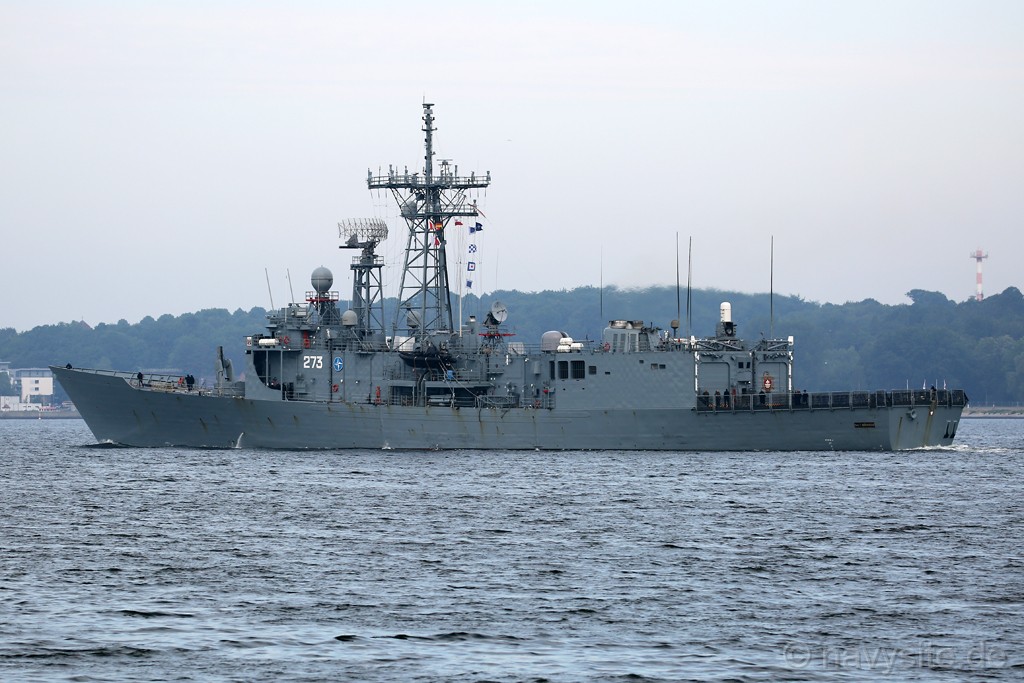
The photos below were taken by me and show ORP GENERAL TADEUSZ KOSCIUSZKO arriving at Naval Base Kiel, Germany, after participating in BALTOPS 2023 on June 16, 2023.
 |  |  |  |  |
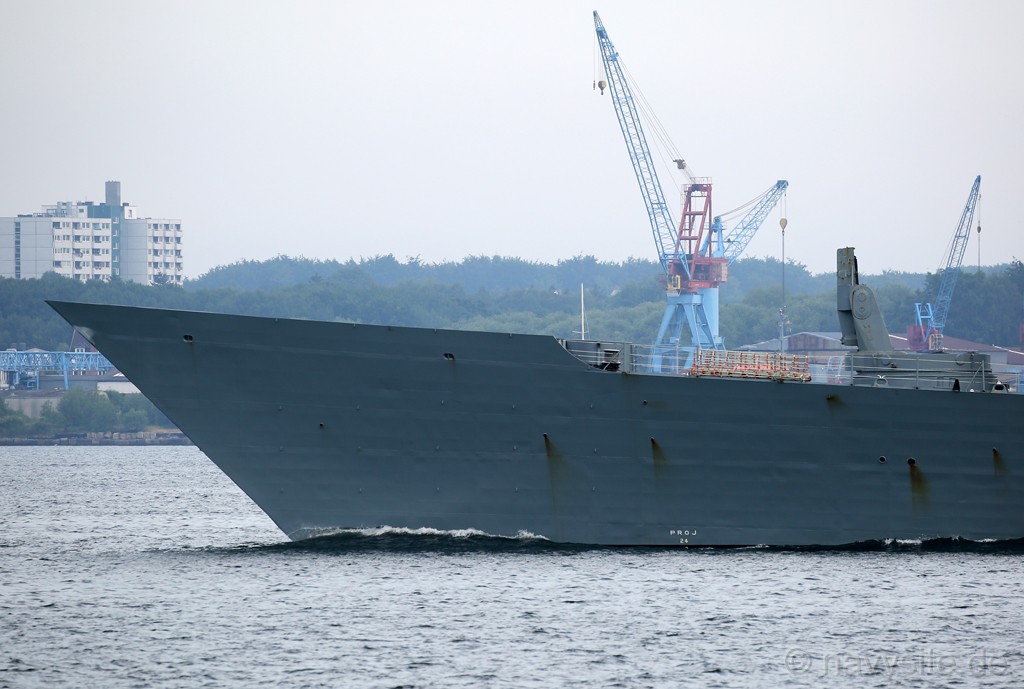 | 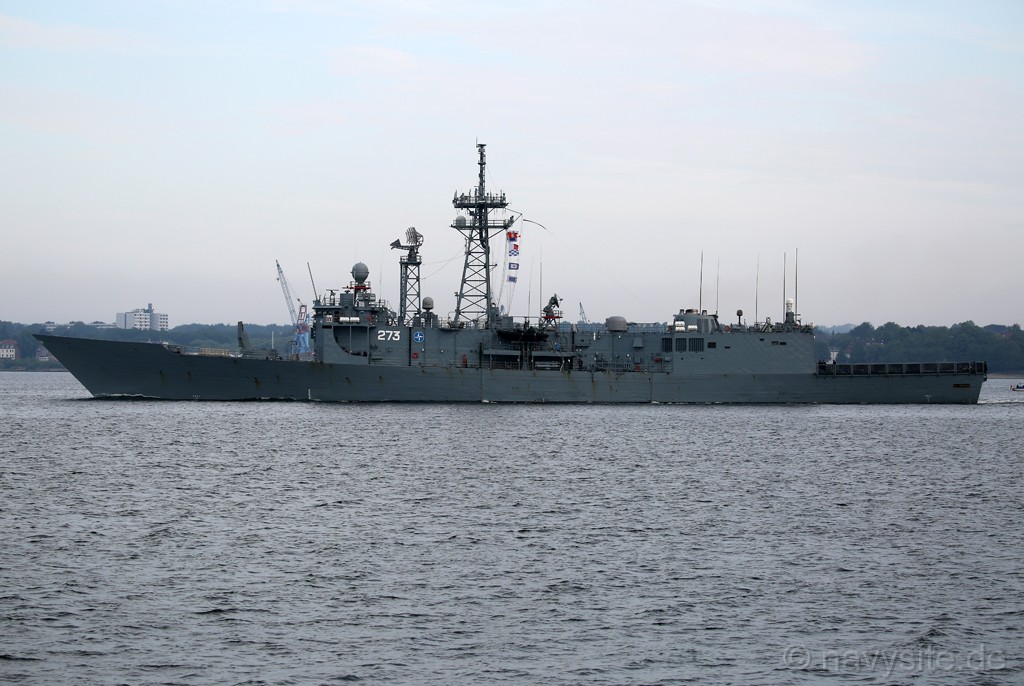 | 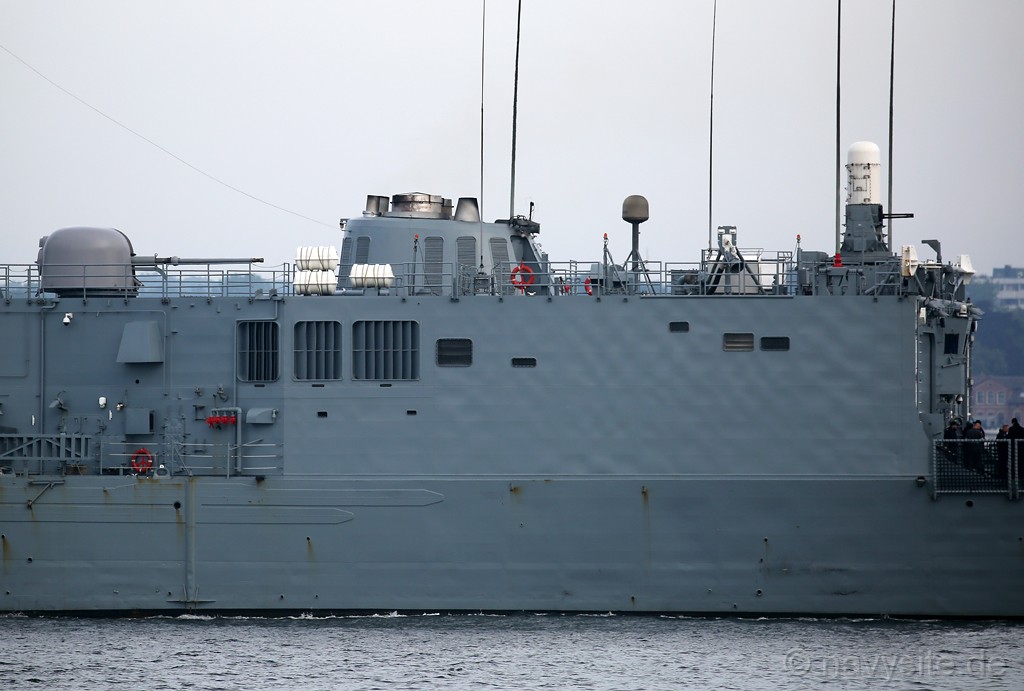 | 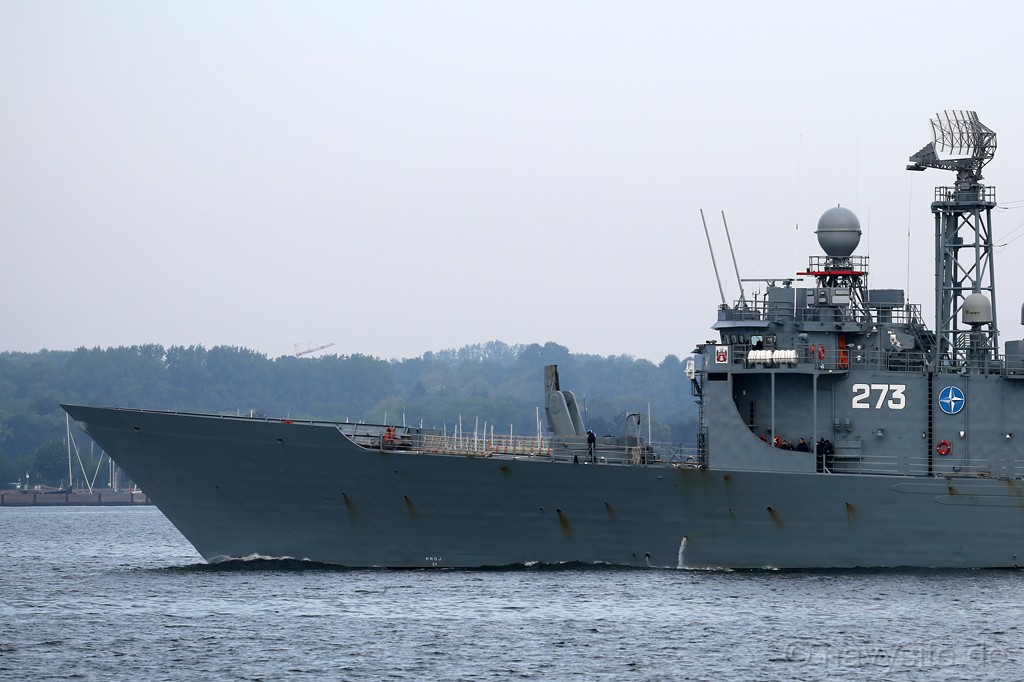 |  |
 |
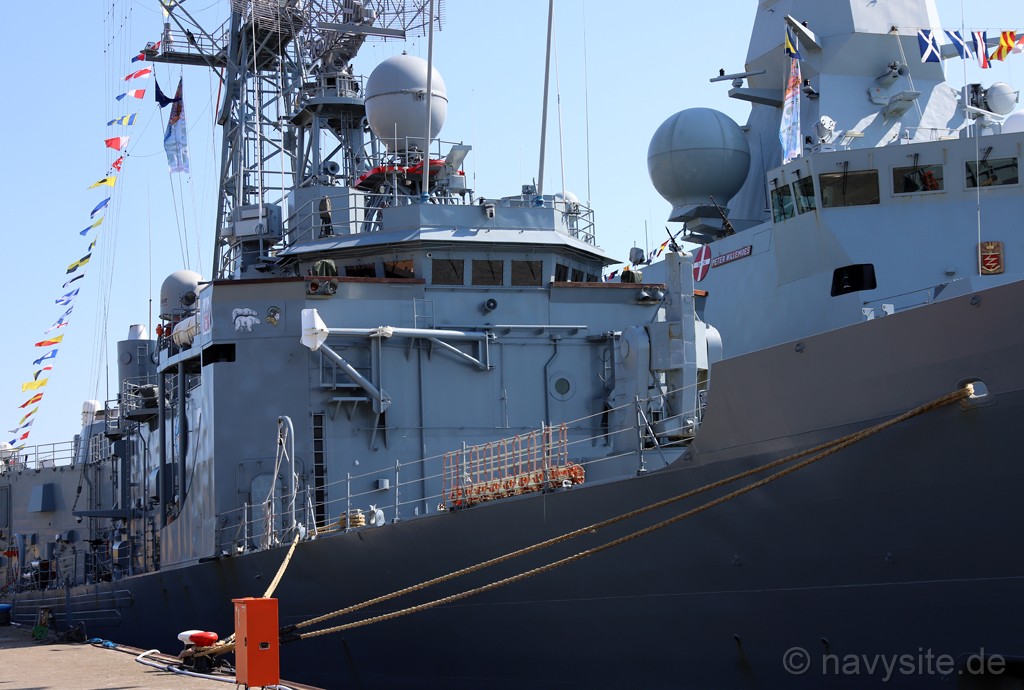
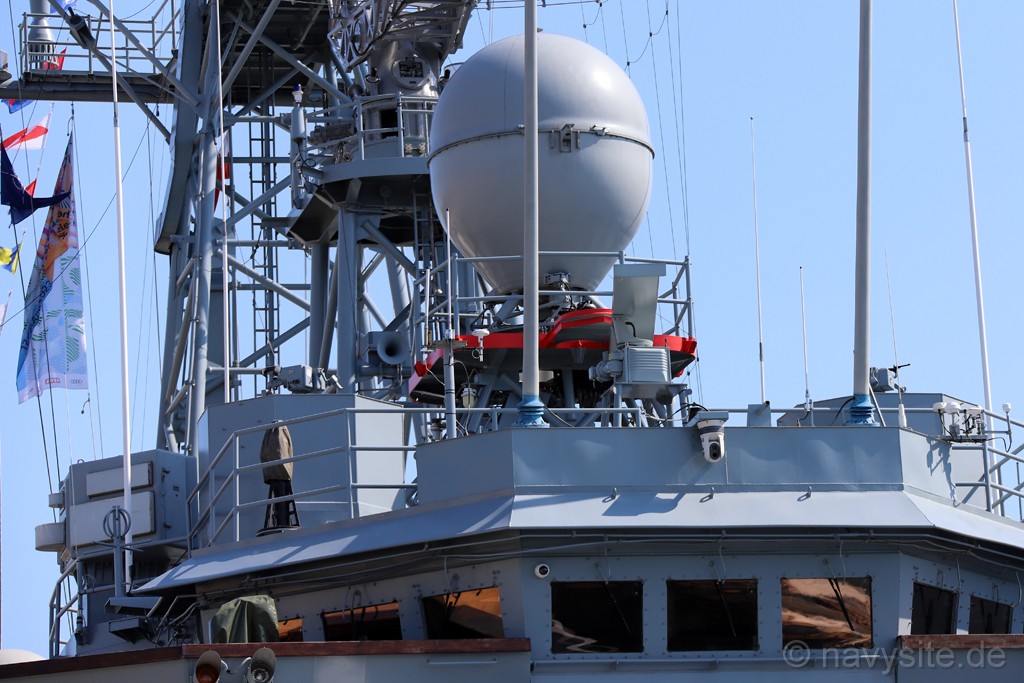
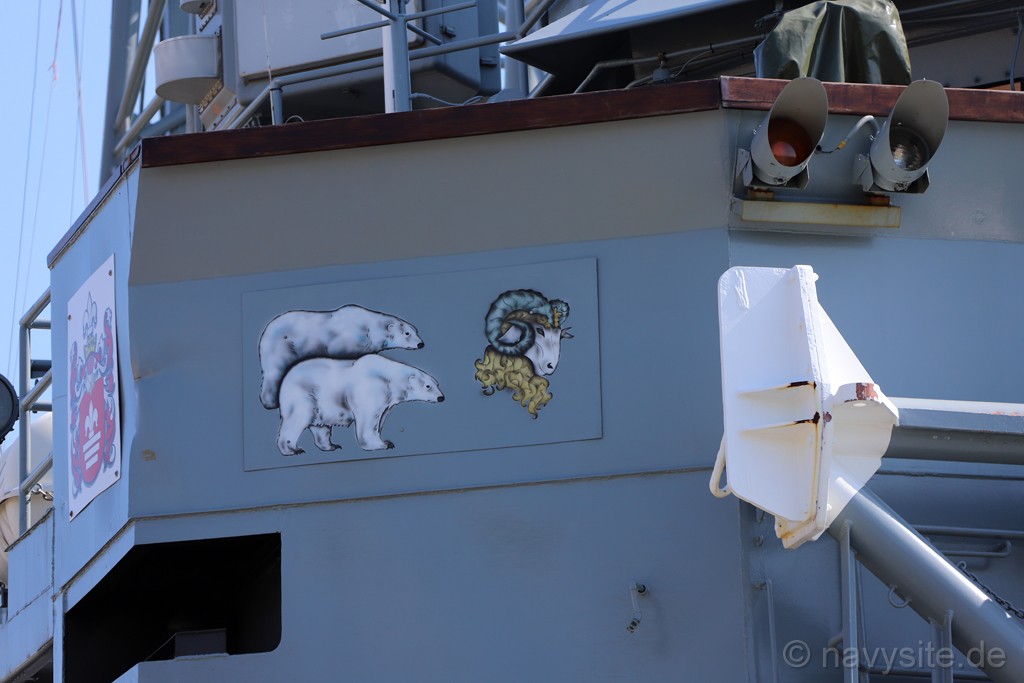
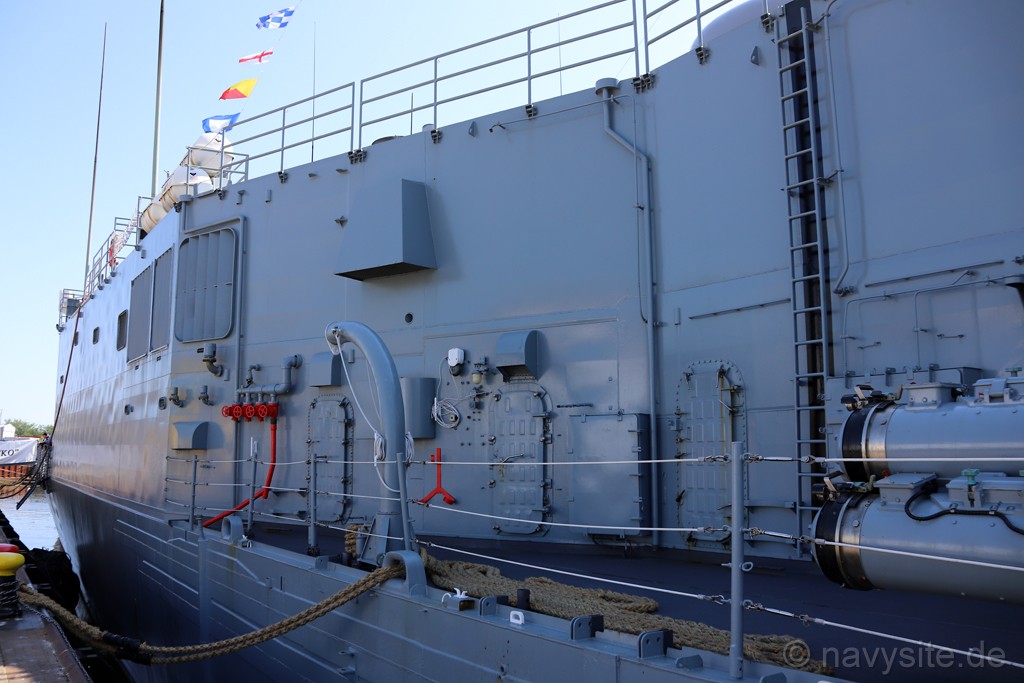
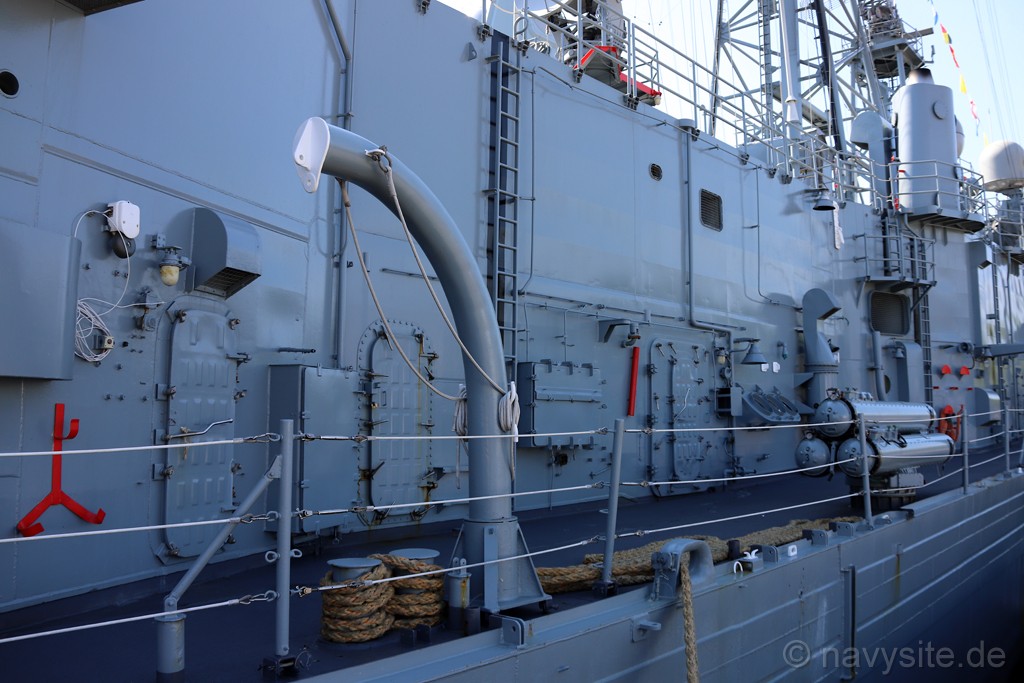
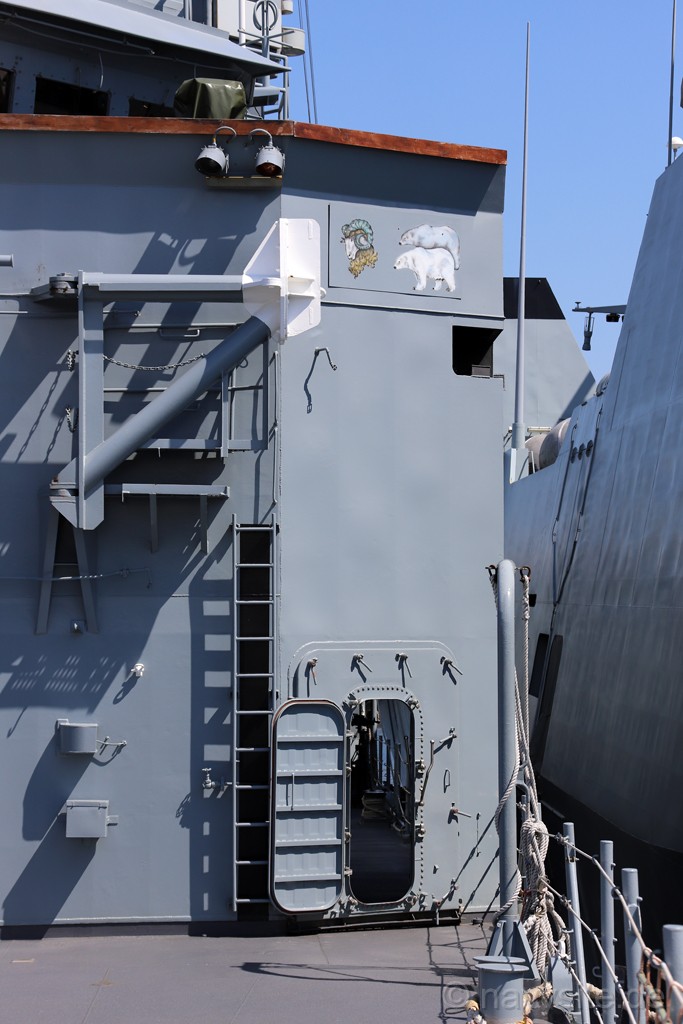
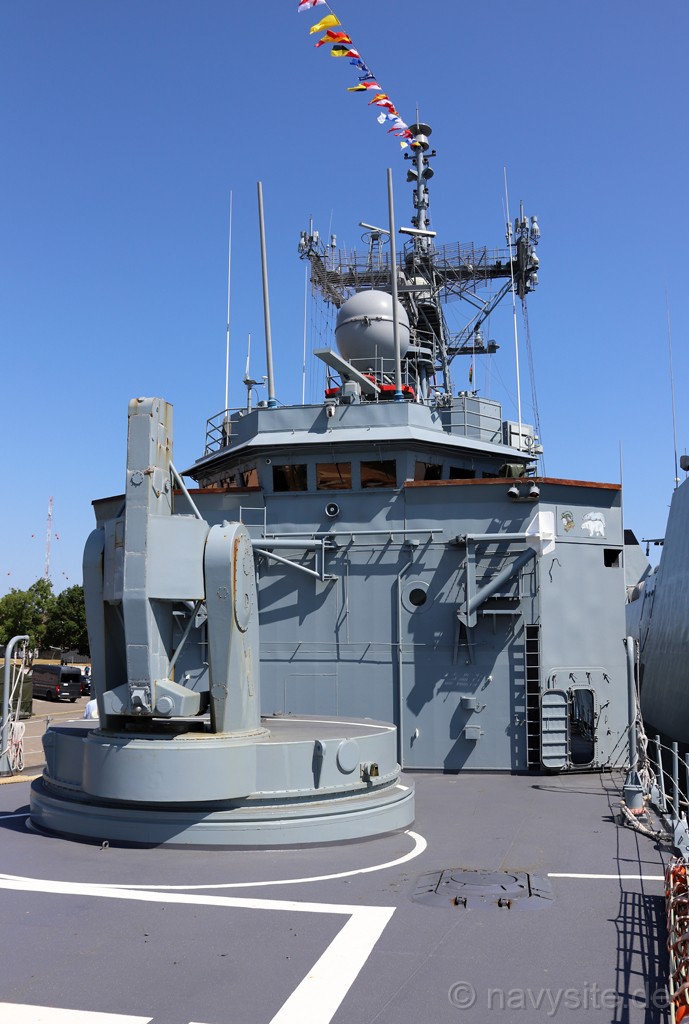
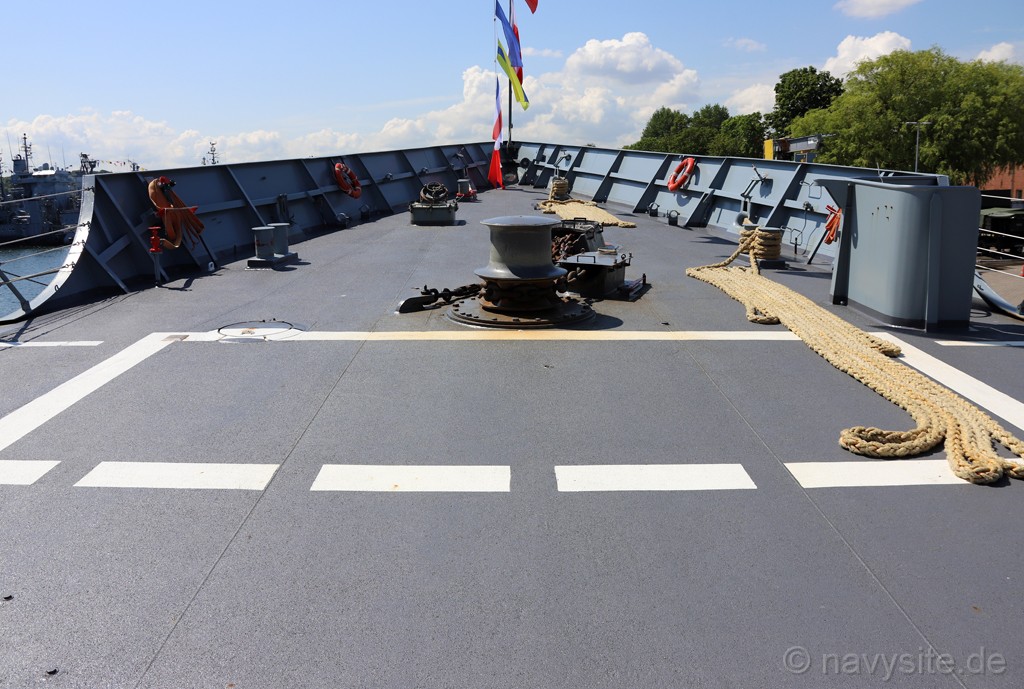
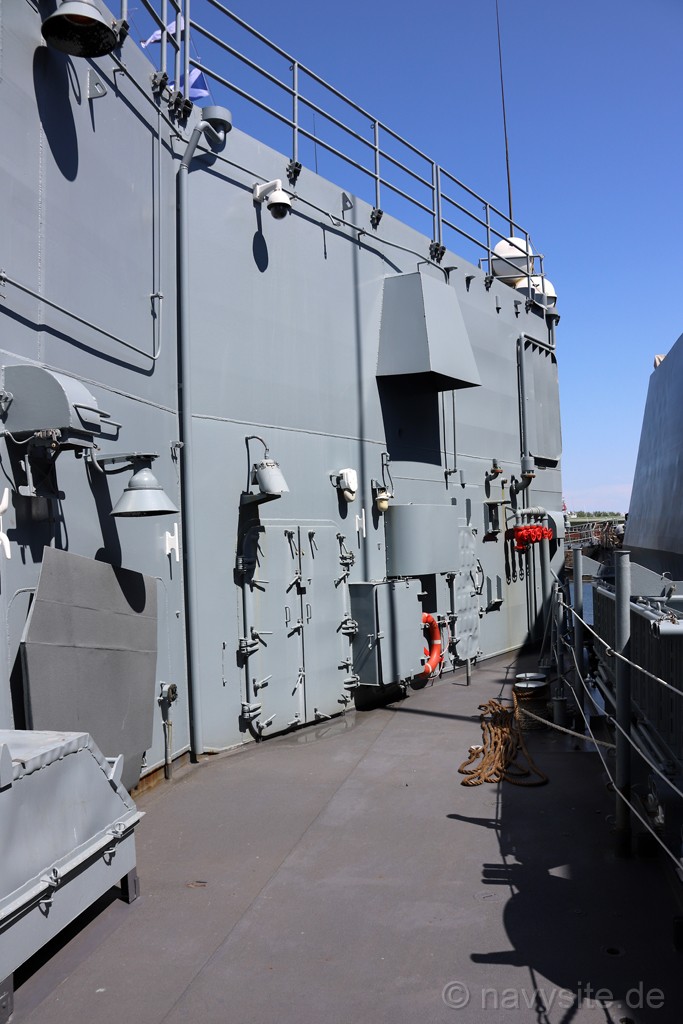
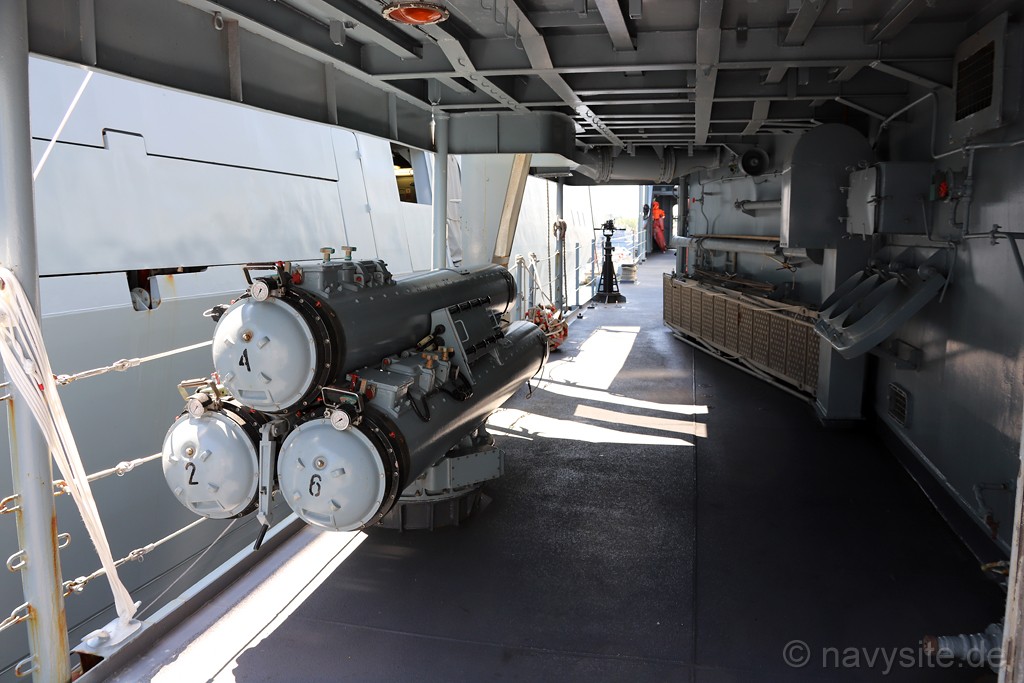
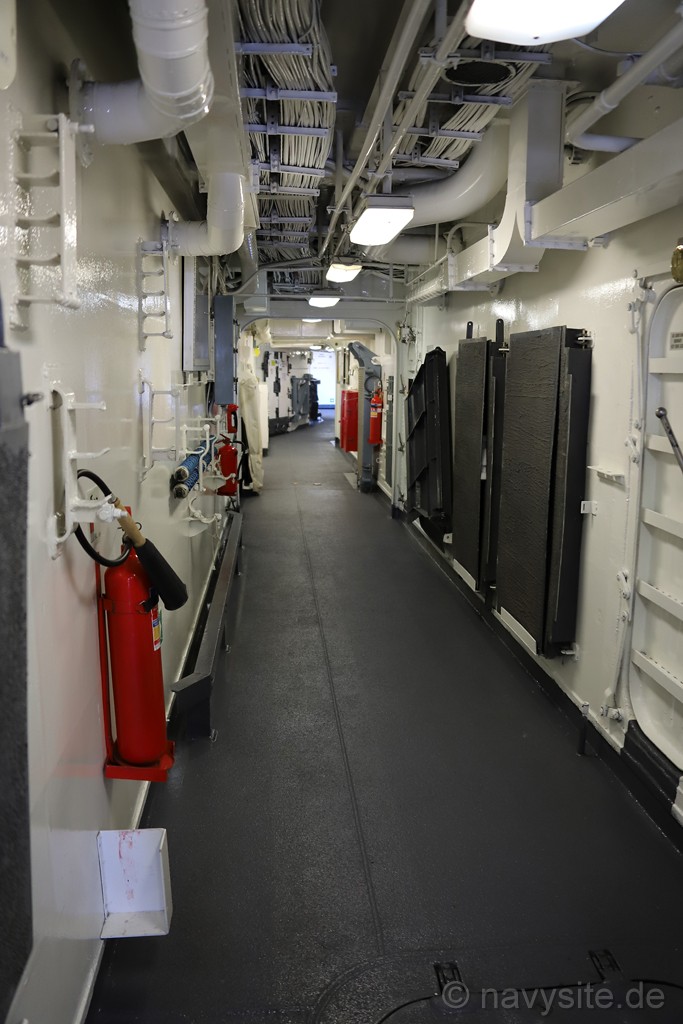
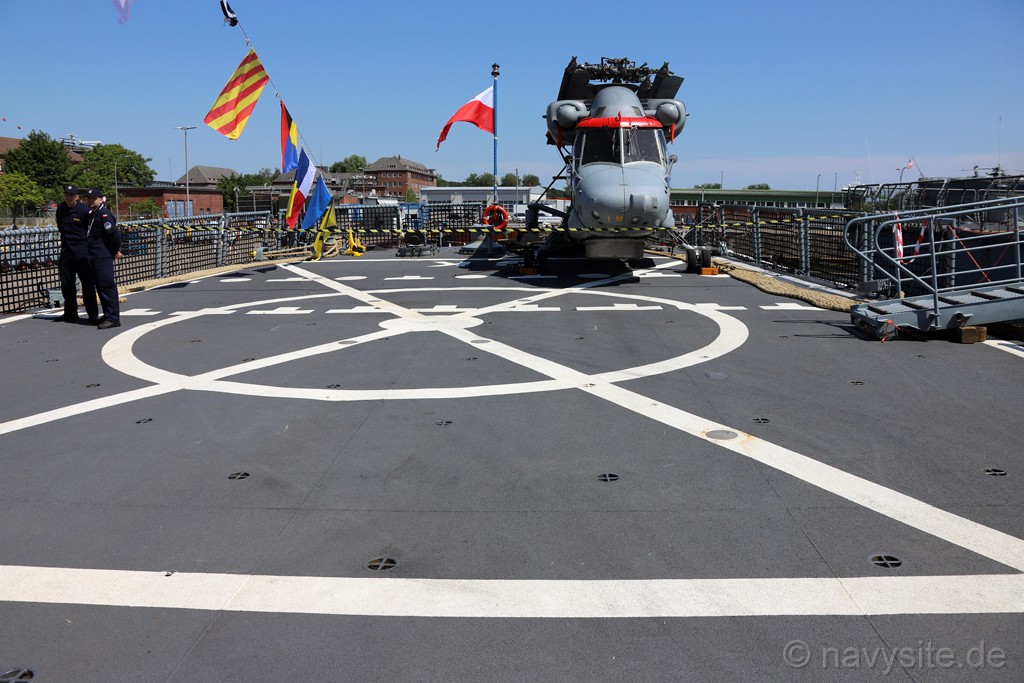
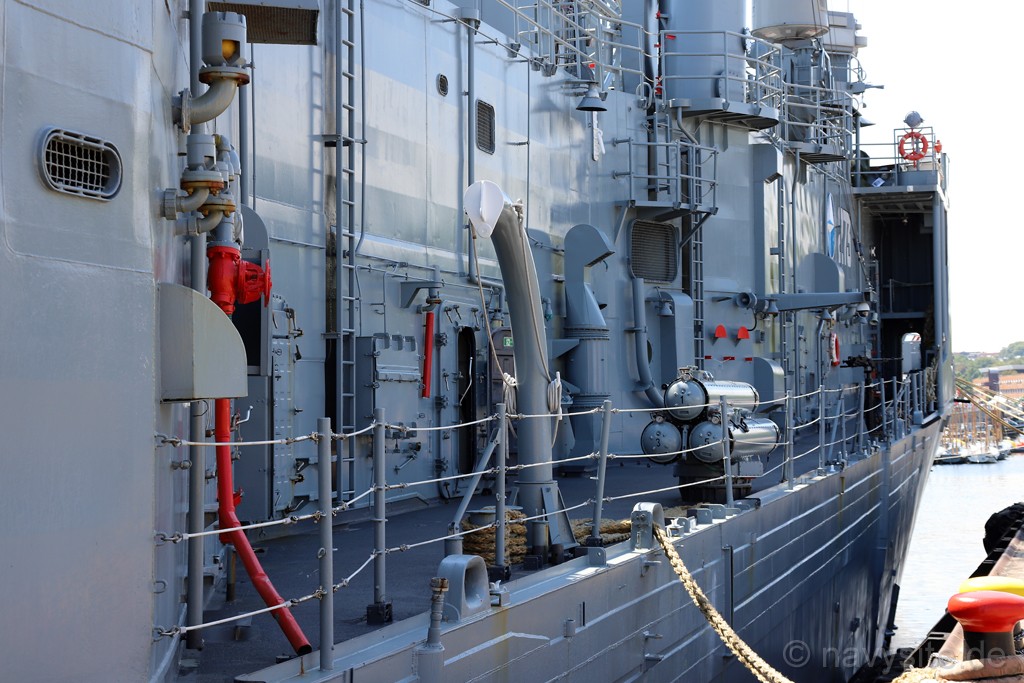
The photos below were taken by me and show the ORP GENERAL TADEUSZ KOSCIUSZKO at Naval Base Kiel, Germany, on June 17, 2023, after her participation in BALTOPS 2023. The ship is already serving in the Polish Navy for 21 years.
 |  |  |  |  |
 |  |  |  |  |
 |  |  | Click here for more Photos. | |
back to top Back to Frigates list. Back to ships list. Back to selection page. Back to 1st page.