Search the Site with 
General Characteristics Crew List History Image Gallery to end of page

USNS Patuxent (T-AO 201)

- Military Sealift Command -

Sorry,
no coat of arms
available.

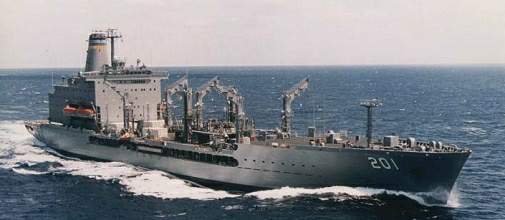
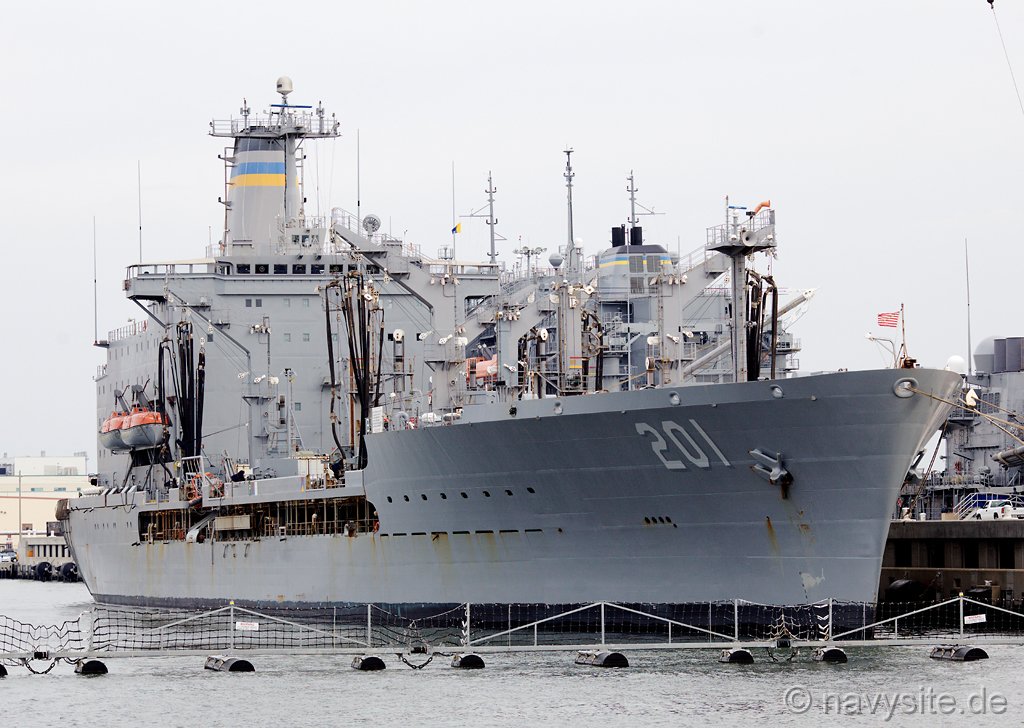
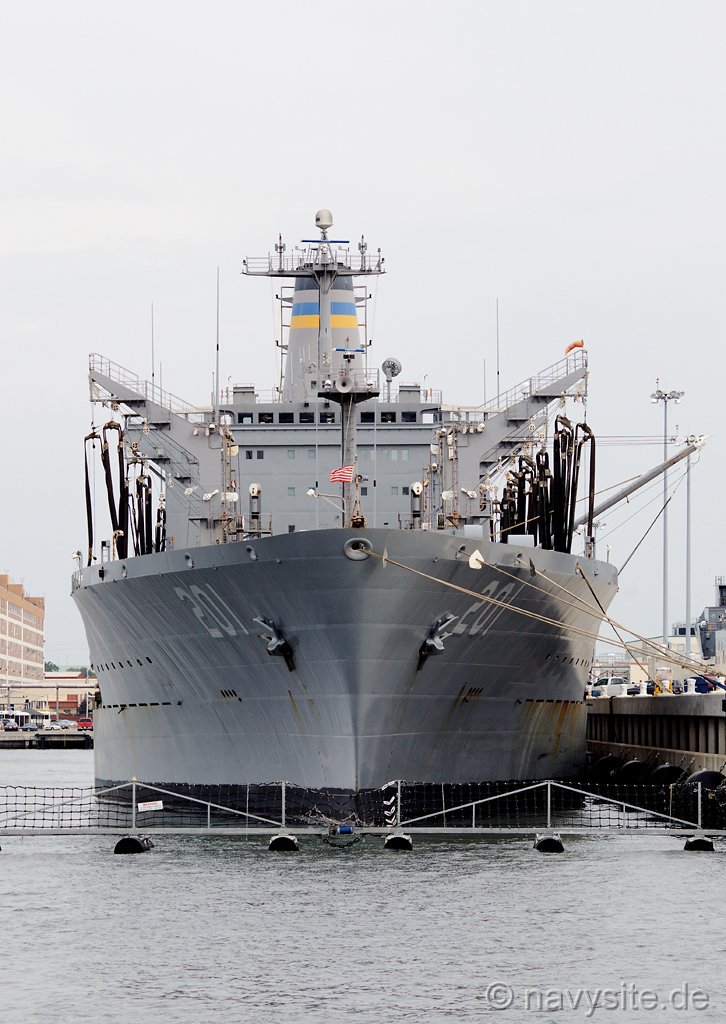
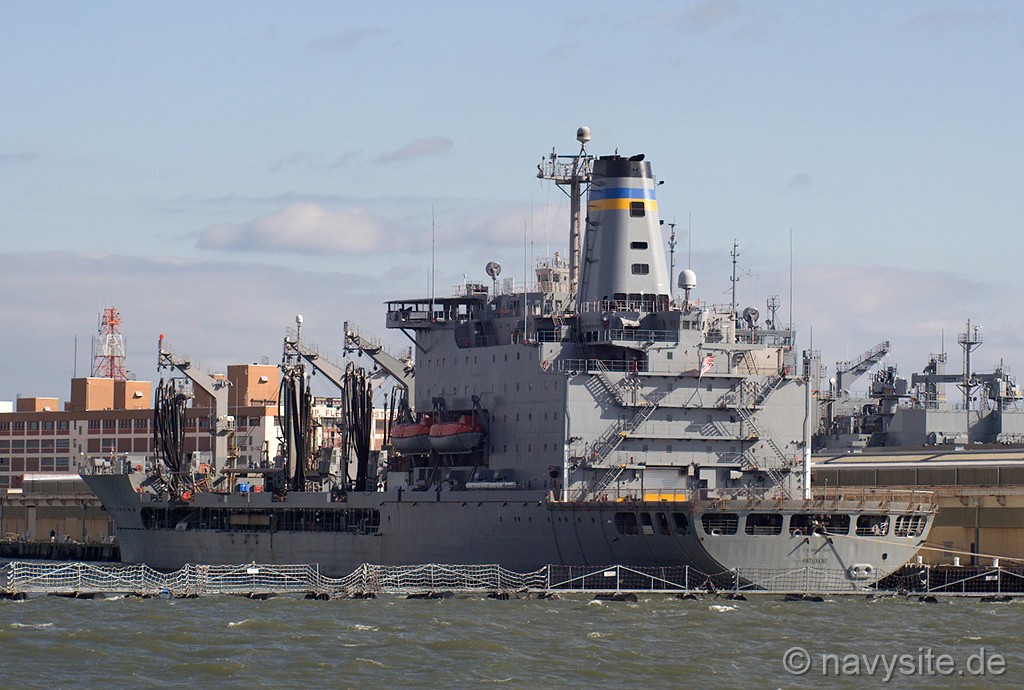
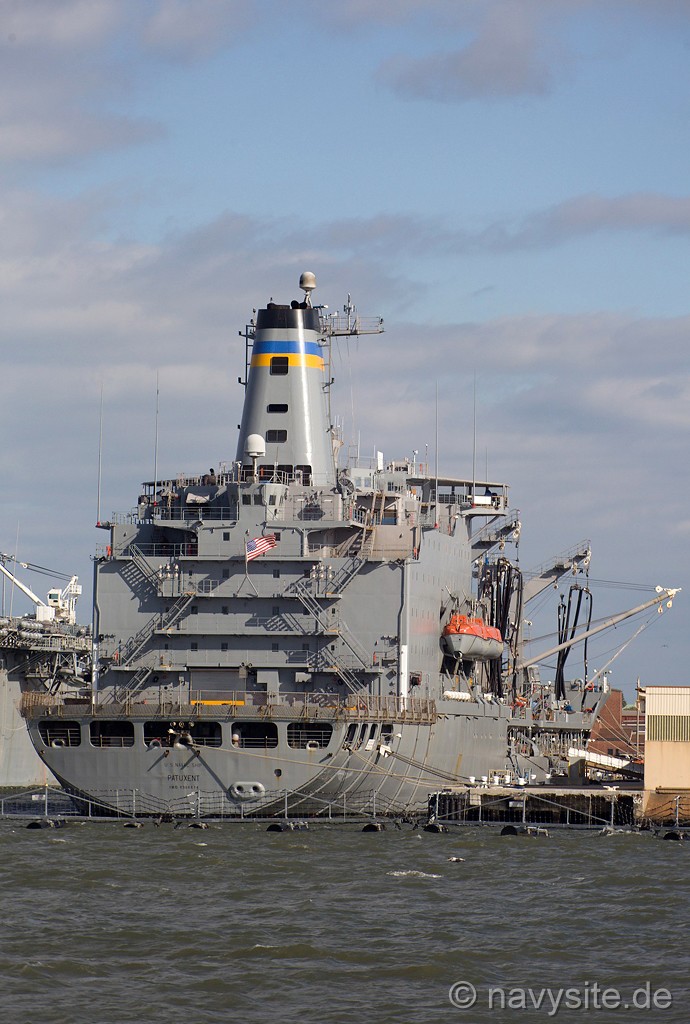
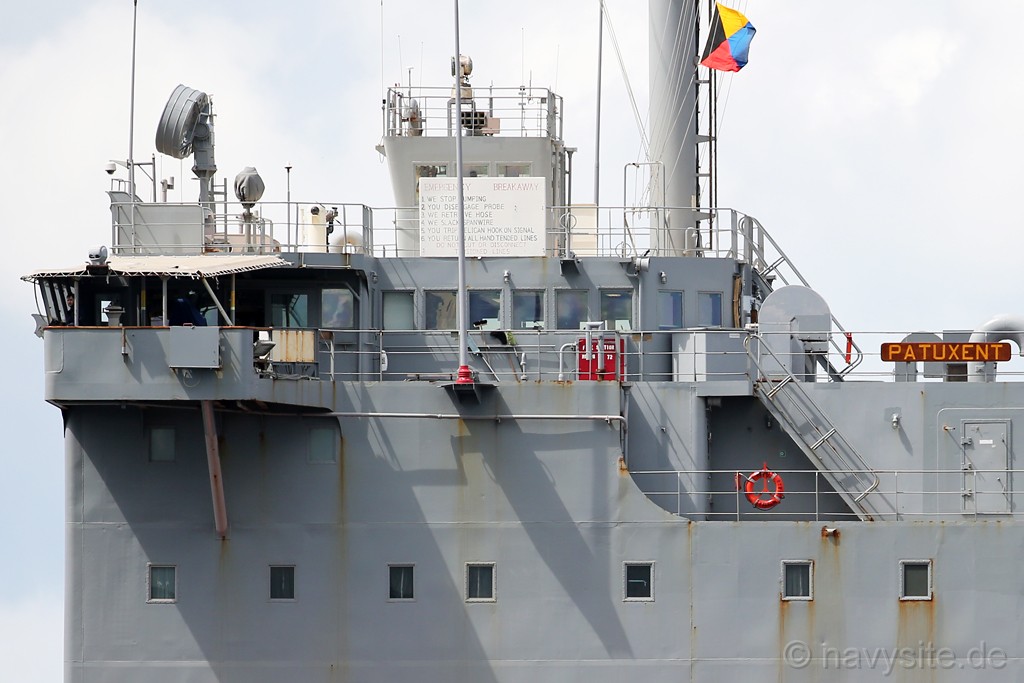
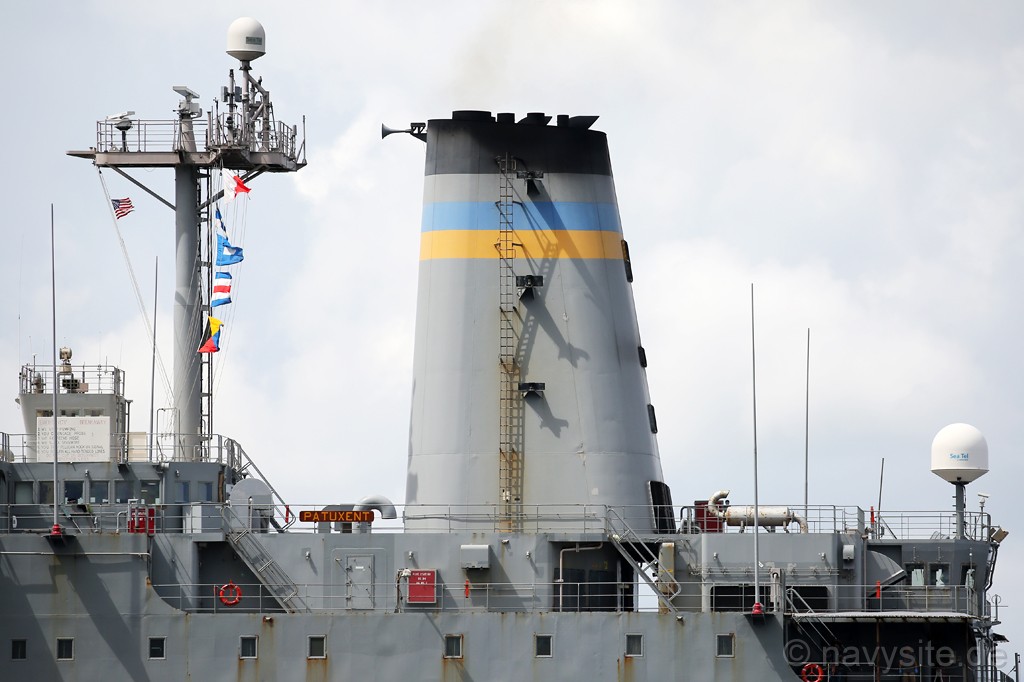
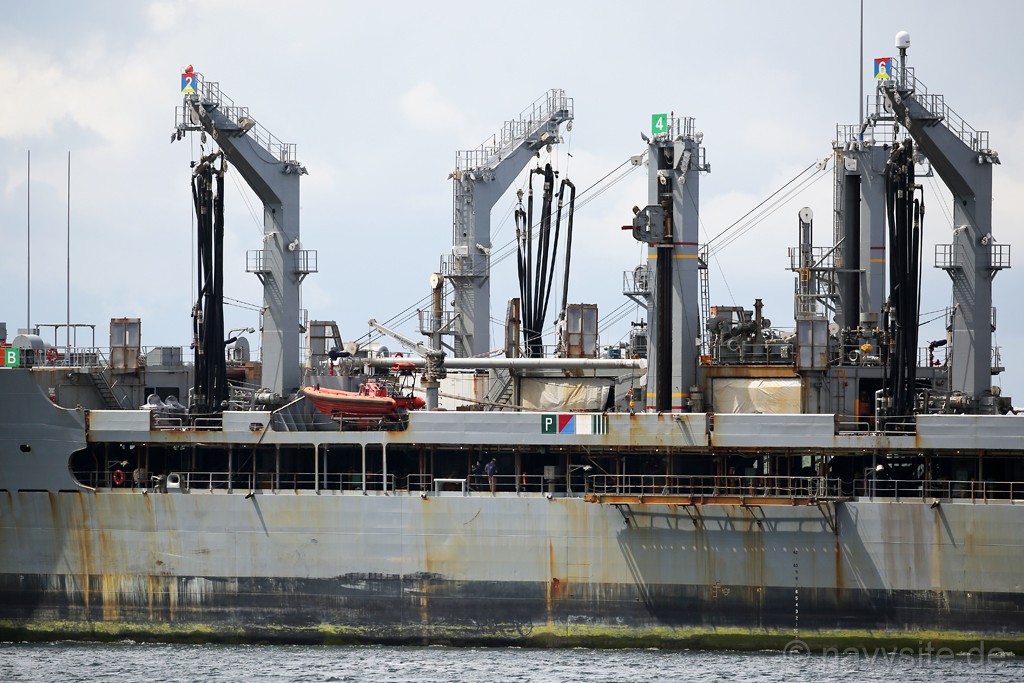
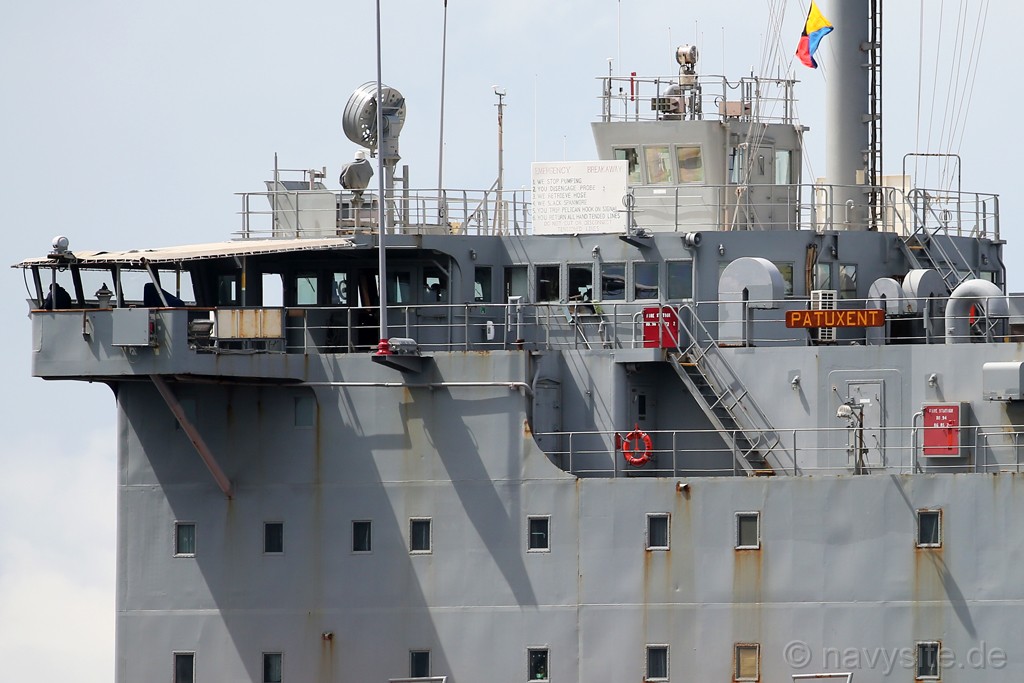
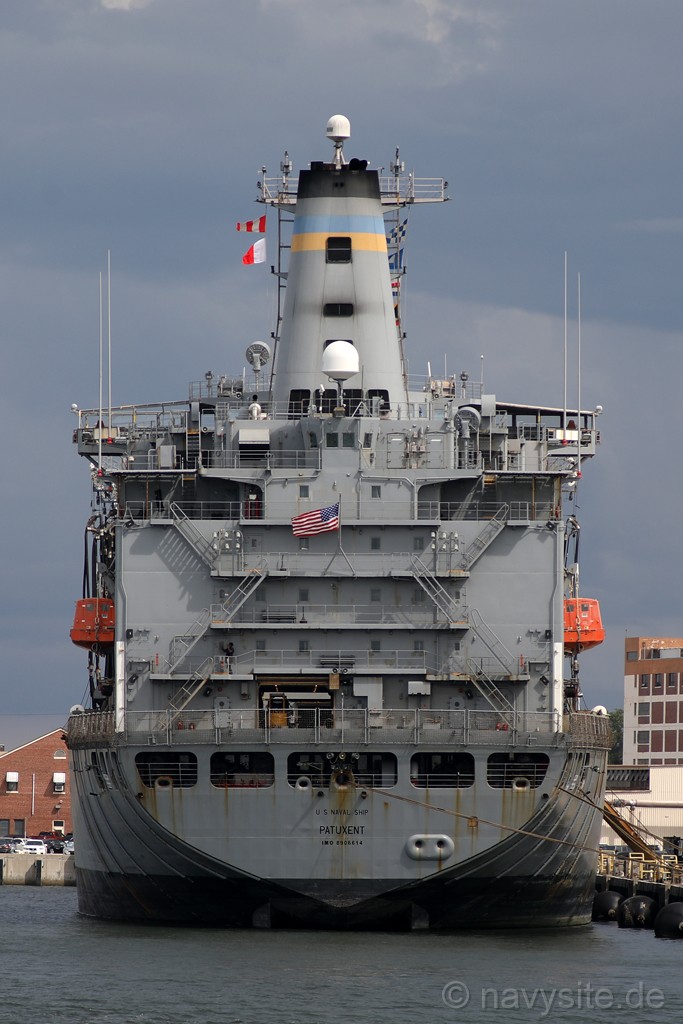
USNS PATUXENT is the 15th ship in a class of 18 underway replenishment oilers. This class was specially built for the MSC.

General Characteristics:Awarded: March 24, 1989
Keel laid: October 16, 1991
Launched: July 23, 1994
Delivered: June 21, 1995
Builder: Avondale Shipyards, Inc., New Orleans, LA
Propulsion system: two Colt-Pielstick 10 PC4.2 V 570 diesels
Propellers: two
Length: 677 feet (203 meters)
Beam: 97 feet (29.6 meters)
Draft: 35 feet (10.6 meters)
Displacement: approx. 42,000 tons
Speed: 20 knots
Capacity: 159,000 barrels of fuel oil or aviation fuel and eight 20-feet containers refrigerated
Refueling stations: five
Aircraft: none, but helicopter deck
Armament: none
Crew: 82 civilian crew (18 officers); 21 Navy (1 officer)
Fleet: Atlantic


Back to topback to top  go to endgo to the end of the page


Back to topback to top  go to endgo to the end of the page

Crew List:

This section contains the names of sailors who served aboard USNS PATUXENT. It is no official listing but contains the names of sailors who submitted their information.


Back to topback to top  go to endgo to the end of the page

USNS PATUXENT History:

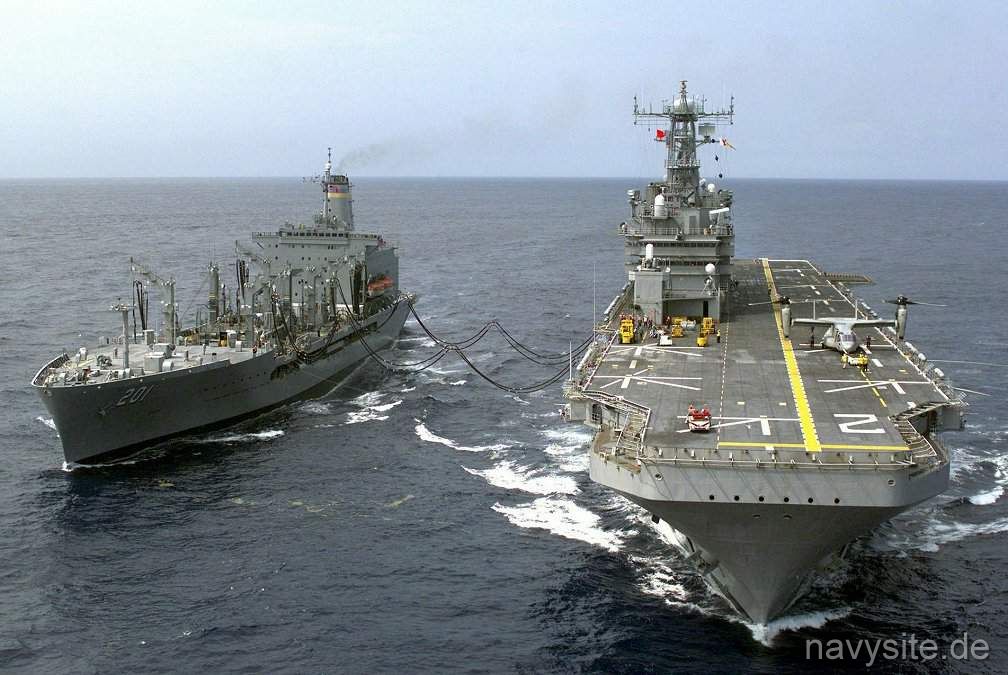
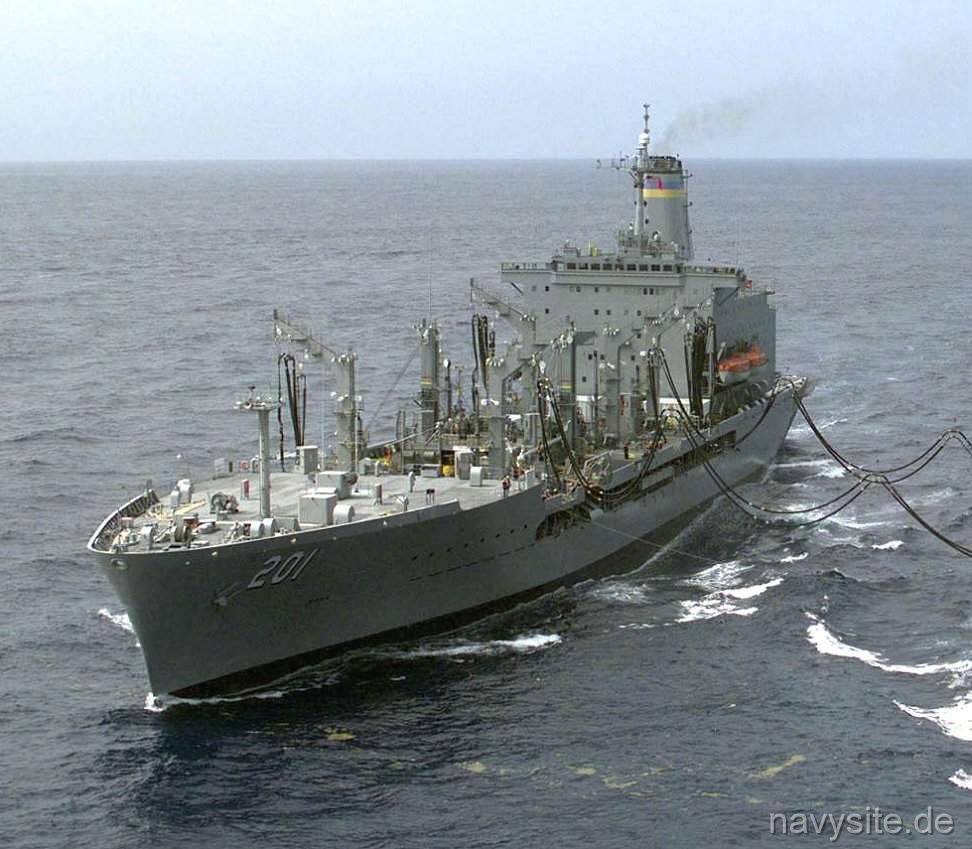
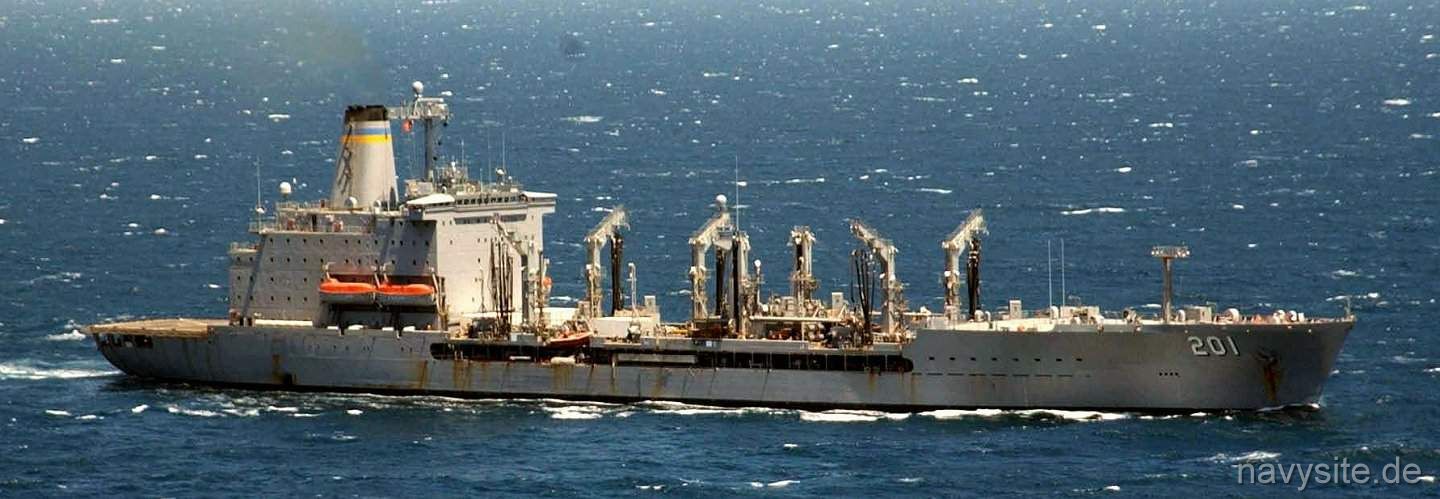
USNS PATUXENT entered service as the fifteenth HENRY J. KAISER-class fleet oiler after a construction sequence at Avondale Shipyard in New Orleans that began with keel-laying on October 16, 1991, progressed to launch on July 23, 1994, and culminated in delivery to Military Sealift Command on June 21, 1995. From the outset she embodied the double-hull standards introduced after the Oil Pollution Act of 1990, trading some tank volume for enhanced environmental protection while retaining the class's basic profile: five fueling stations for connected replenishment, a stern flight deck for vertical replenishment, and the pumping capacity to move large volumes of F-76 and JP-5 quickly alongside combatants at sea.

From her entry into Military Sealift Command service, USNS PATUXENT settled into an Atlantic-Mediterranean rhythm that mirrored the post-Cold War tempo of the U.S. Navy's 2nd and 6th Fleets.

In 1996, PATUXENT appears repeatedly in ship logs and command histories on both sides of the Mediterranean. On October 21, 1996, she refueled the amphibious dock landing ship USS GUNSTON HALL (LSD 44) in the Adriatic while that task group operated under Commander, Task Force 61 during the NATO stabilization phase that followed the Dayton Accords. The same GUNSTON HALL report records the ship in and out of flight operations along the Dalmatian coast the week of October 22-29, with PATUXENT's UNREP early in that cycle. As autumn turned to winter, she was again alongside U.S. surface combatants: USS KLAKRING (FFG 42)'s 1996 history records a "goodwill RAS" with PATUXENT on September 13, followed by multiple December refuelings (December 10, 14 and 16) and another evolution on December 20 as the guided missile frigate transited the Strait of Messina - evidence of the oiler's tight loop between central Mediterranean lanes and U.S. units cycling to and from the Adriatic.

The pattern held in 1997 as the 6th Fleet kept amphibious and surface forces forward. Amphibious transport dock USS NASHVILLE (LPD 13) recorded taking fuel from PATUXENT in April 1997 during a Mediterranean deployment that followed the March evacuation operations around Albania. The cruiser USS LEYTE GULF (CG 55)'s 1997 chronology likewise notes operations with PATUXENT while transiting the Strait of Otranto, the choke point between the heel of Italy and the Balkans that U.S. and NATO ships frequented during post-conflict stabilization. The dock landing ship USS CARTER HALL (LSD 50)'s 1997 file adds a technical footnote: on January 30 the ship conducted a "synthetic highline" evolution with PATUXENT - training the connected-replenishment rig that would define so many of the oiler's day-to-day tasks. Late in the year (December 11, 1997), amphibious transport dock USS SHREVEPORT (LPD 12) logged an UNREP with PATUXENT as Atlantic Fleet amphibs cycled back through workups and exercises.

Early 1998 finds the oiler threaded through East Coast pre-deployment exercises and returns. USS COLE (DDG 67)'s 1998 command history notes two replenishments from PATUXENT during the destroyer's transit and training en route to homecoming on January 26, 1998, while carrier USS JOHN C. STENNIS (CVN 74) documented a UNREP with PATUXENT - receiving F-44 (JP-5) during early workups - before JOHN C. STENNIS' first deployment later that year. During the same period, amphibious assault ship USS WASP (LHD 1) recorded an underway replenishment with PATUXENT early in the second week of a major at-sea phase as she completed turnover from a preceding ARG.

Through 1999 and 2000, PATUXENT's trackline continued to swing through the central and eastern Mediterranean. SHREVEPORT's 1999 chronology includes another "UNREP USNS PATUXENT", a reminder that even stateside preparations and hurricane exercises (HURREX '99) leaned on MSC oilers. In 2000, the cruiser USS CAPE ST. GEORGE (CG 71) recorded an UNREP with PATUXENT during an eastern Mediterranean period bracketed by a port visit to Limassol, Cyprus - placing the oiler on the well-worn fuel shuttle that supported strike and amphibious ships staging from Cyprus, Crete and Souda Bay during that era of regular Red Sea/Suez transits.

After the September 11 attacks, the center of gravity shifted steadily toward the Arabian Sea and Persian Gulf. By April 29, 2002, official Navy imagery shows PATUXENT operating in the U.S. Central Command area of responsibility in support of deployed strike groups, reflecting the extension of 2nd/6th Fleet logistics into 5th Fleet waters as carriers and cruisers rotated through Operation Enduring Freedom and maritime security patrols. In 2001-2002, individual surface combatants' histories note replenishments from PATUXENT during East Coast workups, the kind of procedural proficiency that kept later wartime UNREPs safe.

In the run-up to and aftermath of the 2003 invasion of Iraq, PATUXENT's mission set remained straightforward: move fuel to the ships that needed it. Navy photo releases from spring 2003 tie PATUXENT to ongoing 5th Fleet operations, capturing her underway in theater as carrier and expeditionary strike groups surged across the Mediterranean and through Suez to support initial combat and subsequent maritime security operations. Through 2003 and into 2004, she shuttled between the central/eastern Mediterranean and the Red Sea as rotations settled, with port photography confirming a pair of calls at Valletta, Malta - arriving September 20, 2004 and departing September 24, 2004 - fitting the pattern of MSC oilers staging at Grand Harbour between 6th Fleet tasking.

The Gulf Coast hurricanes of 2005 briefly pulled PATUXENT into a very different mission. As Hurricane Rita followed Katrina into the Gulf of Mexico that September, U.S. Northern Command held PATUXENT in the Gulf to support the repositioning of Navy and Coast Guard ships ahead of the storm, part of a broader sea-based relief posture that also included USS IWO JIMA (LHD 7), USS SHREVEPORT, USS TORTUGA (LSD 46), USS GRAPPLE (ARS 53) and USNS COMFORT (T-AH 20). Once the storms passed, she returned to her normal Atlantic and Mediterranean tasking.

By late 2007, her log once again intersects directly with a carrier: on December 12, 2007, PATUXENT was photographed in the Atlantic after completing an UNREP of USS THEODORE ROOSEVELT (CVN 71), a capstone to a year of workups and trans-Atlantic support as THEODORE ROOSEVELT's air wing reset. The following year underscores how flexibly MSC oilers were employed across NATO exercises: on February 29, 2008, PATUXENT was recorded transiting the Atlantic with the NASSAU (LHA 4) Expeditionary Strike Group during 6th Fleet operations. In April, PATUXENT operated with the NASSAU Expeditionary Strike Group during the 2008 "Phoenix Express" series in and around Souda Bay, Crete - an Africa Command-sponsored maritime security drill emphasizing boarding (VBSS) and interdiction tactics with North African and European partners. Exercise releases show NASSAU, NASHVILLE (LPD 13), and PATUXENT transiting together during the underway phase, while training at the NATO Maritime Interdiction Operational Training Centre (NMIOTC) primed participants for at-sea evolutions later that spring.

From June 8-18, 2008, she served with a small U.S. task group in BALTOPS 2008 - tasked under U.S. 6th Fleet and built around USS GETTYSBURG (CG 64) as flagship, with USS COLE (DDG 67) and the oiler providing fuel and logistics to U.S. and partner units across the Baltic operating boxes. BALTOPS that year emphasized replenishment-at-sea proficiency, maritime interdiction, and multi-nation interoperability. PATUXENT's presence in Task Group 369.4 is documented in official exercise summaries. Through that year's second half, her track lines alternated between Atlantic lanes and the Mediterranean's logistics nodes as NATO events stacked up.

As Somali piracy surged in 2009, PATUXENT shifted toward the western Indian Ocean. Photos place her pierside at Djibouti in late January-early February 2009 as Combined Maritime Forces ramped up CTF-151 counter-piracy patrols. Djibouti functioned as the liberty and logistics hinge for ships cycling through the Internationally Recommended Transit Corridor. Later that autumn she swung back to the Western Atlantic to certify deploying units: during COMPTUEX for the NASSAU Amphibious Ready Group (October 23-November 17, 2009) PATUXENT came alongside NASSAU for fueling, and on November 12, 2009 she steamed abeam USS DWIGHT D. EISENHOWER (CVN 69) during the carrier's own three-week COMPTUEX - clean snapshots of her role stitching together certification events before the 2010 deployment cycle.

By March 2010, the oiler was back under 5th Fleet. On March 29, 2010, off Djibouti, she conducted a replenishment at sea with USS McFAUL (DDG 74) and USS SAN JACINTO - a three-ship evolution captured in official imagery the same day, alongside photos of PATUXENT underway in the theater. The operational backdrop was a piracy spike that pushed coalition patrols farther into the Somali Basin, increasing the demand for reliable fuel shuttles to keep destroyers and cruisers on station.

In 2011, PATUXENT's log shows the familiar pattern of amphibious and surface support across Bab el-Mandeb and the Arabian Sea. On May 19, 2011, she fueled USS BOXER (LHD 4) in the Gulf of Aden while the BOXER ARG conducted maritime security operations and theater security cooperation - a textbook refuel to sustain aviation and small-boat tasking between the Red Sea and the Arabian Sea. As the year closed, her customers spanned both amphibious and Aegis units: on December 20, 2011, she fueled USS MESA VERDE (LPD 19) and USS WHIDBEY ISLAND (LSD 41) during a paired evolution and on December 31, 2011, she conducted an UNREP with USS DEWEY (DDG 105) in the Arabian Gulf.

In early 2012, PATUXENT's schedule reflected the churn of Gulf deployments and amphibious operations. On January 19, 2012, she was among the Military Sealift Command oilers supporting the fast combat support ship USNS SUPPLY (T-AOE 6) to sustain high-tempo logistics in the Arabian Gulf. On February 14, 2012, she conducted a replenishment-at-sea with USS NEW ORLEANS (LPD 18) as the MAKIN ISLAND (LHD 8) Amphibious Ready Group operated in 5th Fleet. Nine days later, on February 23, 2012, she executed a simultaneous connected replenishment with NEW ORLEANS and the destroyer USS JOHN PAUL JONES (DDG 53), transferring fuel while helicopters shuttled pallets overhead - an example of complex "simultaneous RAS" choreography that shortens alongside time and reduces operational risk for the receivers. Throughout that winter and spring she worked the Gulf of Oman and Arabian Gulf under Commander, Task Force 53, connecting amphibious ships, destroyers, and supply auxiliaries to the theater fuel pipeline.

Her 2013 slate opened with a January 10 replenishment for the destroyer USS WINSTON S. CHURCHILL (DDG 81) while that ship operated with the JOHN C. STENNIS (CVN 74) Carrier Strike Group in 5th Fleet in support of Operation Enduring Freedom and regional maritime security. After additional tasking in U.S. European Command waters, PATUXENT spent mid-2013 through 2015 alternating between Atlantic work-ups and forward refueling sorties under 6th and 5th Fleets as events required, with the oiler's presence increasingly visible in the Mediterranean as NATO reassurance activities and partnered exercises expanded.

On January 21, 2016, PATUXENT got underway from Naval Station Norfolk to begin another 5th Fleet deployment focused on sustaining destroyers, amphibs, and patrol craft spread across the Arabian Gulf, the Gulf of Oman, and the Red Sea. By July 15, 2016, she was pictured arriving at NSA Souda Bay, Crete - a common Mediterranean logistics node - between tasking loops in the Levant and Central Mediterranean. Back in Norfolk that autumn she was photographed on October 12, 2016, pierside supporting refueling requirements, a reminder that MSC oilers also handle opportunistic pier transfers when operationally efficient.

After a six-month Middle East deployment that straddled late 2016 and early 2017 - supporting ships in both 5th and 6th Fleet areas - PATUXENT returned to Naval Station Norfolk on May 4, 2017. She sailed again on July 26, 2017, for the U.S. 5th Fleet theater, and on September 30, 2017, conducted a replenishment-at-sea in the Gulf of Aden with the amphibious assault ship USS AMERICA (LHA 6) while the AMERICA Amphibious Ready Group moved through choke points along the Horn of Africa. In 2018, PATUXENT's 6th Fleet work included a January 22 replenishment with the forward-deployed destroyer USS CARNEY (DDG 64) in the Mediterranean and a June 1 evolution with USS NEW YORK (LPD 21). These events bracketed a year of steady logistics backing for forward destroyers and amphibs in European waters during heightened NATO activity.

In 2020, PATUXENT shifted to an East Coast focus supporting the post-delivery training and qualifications of USS GERALD R. FORD (CVN 78). On May 15, 2020, in the Atlantic, GERALD R. FORD came alongside PATUXENT for connected and vertical replenishment while the carrier executed flight operations and carrier qualifications - one of the oiler's many contributions to bringing GERALD R. FORD toward sustained operations. The following year, PATUXENT deployed again to 5th Fleet. That cruise included two notable mariner rescues in the Gulf of Aden: on June 8, 2021, her crew recovered 15 mariners from a foundering vessel after receiving a distress call and coordinating with regional partners. On June 16, 2021 she rescued four more mariners from a small craft adrift - episodes that underscored the constant search-and-rescue readiness maintained by MSC ships operating along busy, often hazardous sea lanes. PATUXENT and her mission-essential crew completed that deployment and returned to Norfolk on September 16, 2021, after six-and-a-half months of fueling the theater force.

As training and deployments resumed in 2022 following pandemic disruptions, PATUXENT continued Atlantic tasking, including an April 23, 2022, replenishment with the amphibious transport dock USS ARLINGTON (LPD 24) in the western Atlantic. In June, she returned to the Baltic Sea in support of BALTOPS and later that year, she entered a short shipyard availability at Detyens Shipyards in North Charleston, beginning October 3, 2022 and completing December 11, 2022 - work that refreshed hull, mechanical and electrical systems ahead of another high-tempo cycle. In early 2023, she was back at sea supporting pre-deployment training. On February 25, 2023, she fueled USS DWIGHT D. EISENHOWER during Tailored Ship's Training Availability and Final Evaluation Problem in the Atlantic.

A more substantial maintenance period followed. Boston Ship Repair won the regular overhaul/dry-docking package for PATUXENT in spring 2023, and the oiler entered the Boston dry docked ROH that ran from a planned November 1, 2023 start through February 6, 2024. Emerging from the yard, PATUXENT shifted to the Mediterranean for an extended U.S. European Command deployment during a period of elevated naval activity linked to Russia's war against Ukraine, crisis management in the Levant, and continuous NATO presence operations from the Strait of Gibraltar to the Eastern Mediterranean. She began refueling surface combatants and amphibs almost immediately: on May 31, 2024 and again on June 8, 2024 she conducted replenishments with the destroyer USS PAUL IGNATIUS (DDG 117), then on July 1, 2024, supported the amphibious assault ship USS WASP as the WASP ARG-24th MEU (SOC) operated across 6th Fleet's waters. After roughly ten months in EUCOM, PATUXENT returned to Naval Station Norfolk on December 10, 2024, closing a deployment that had kept destroyers, amphibious ships and headquarters assets on station during a dense operational year.

The first half of 2025 balanced recognition, maintenance, and engagement. On March 17, 2025, Military Sealift Command named PATUXENT the recipient of the Naval Fuel Management Recognition Program Award in the Capitalized Afloat Unit category, citing excellence in fuel stewardship and logistics execution. Days later, she began another scheduled shipyard period at Detyens (work commencing March 22, 2025 and planned through July 30, 2025), part of the predictable upkeep cadence that keeps CLF ships reliable through prolonged service lives. On August 13, 2025, as she cycled back into operations, Commander, Military Sealift Command used a ship visit aboard PATUXENT to speak with her mixed Civil Service Mariner and embarked Navy detachment about the fleet's logistics posture and the oiler's role within it.


Back to topback to top  go to endgo to the end of the page

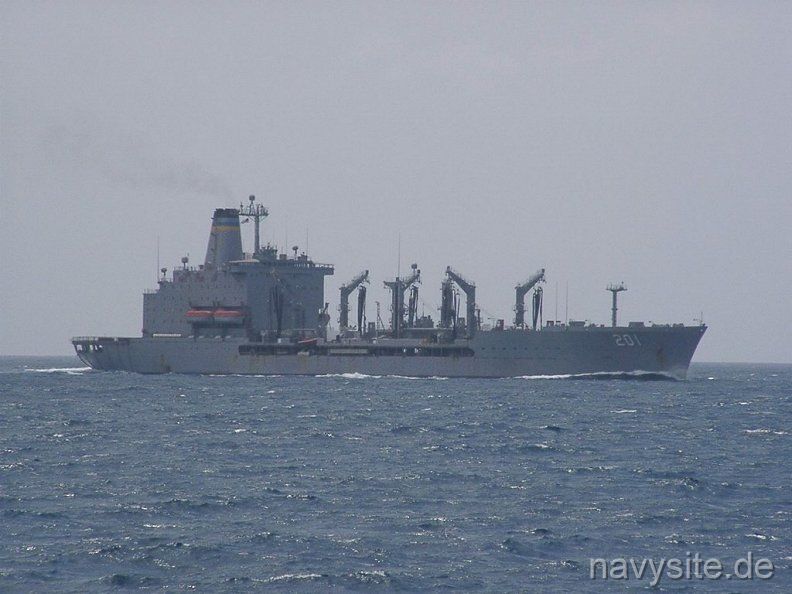
The photo below was taken by Stefan Karpinski and shows the PATUXENT underway in Middle East waters in support of Operation Enduring Freedom in 2003.


The photos below were taken by Michael Jenning and show the PATUXENT at Naval Base Norfolk, Va., on October 28, 2013.


The photos below were taken by Michael Jenning and show the PATUXENT at Naval Base Norfolk, Va., on October 23, 2014.


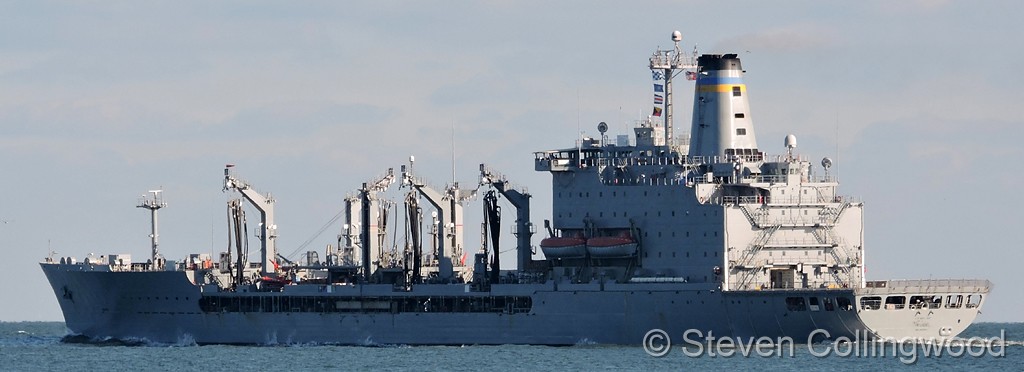
The photo below was taken by Steven Collingwood and shows the PATUXENT passing Fort Monroe after departure from Naval Base Norfolk, Va., on January 21, 2016.


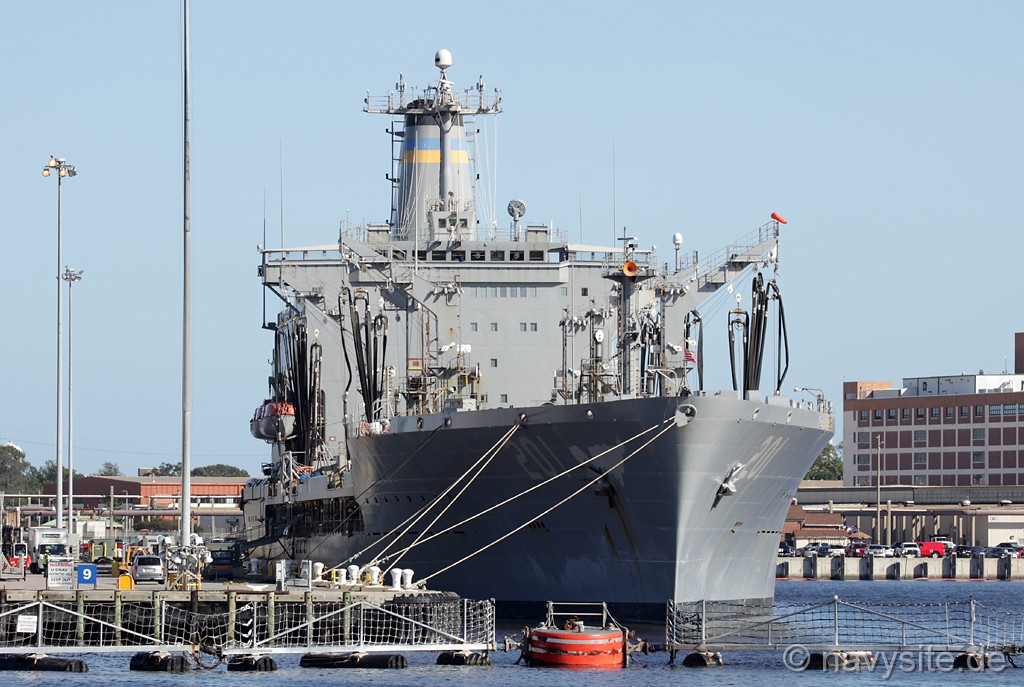
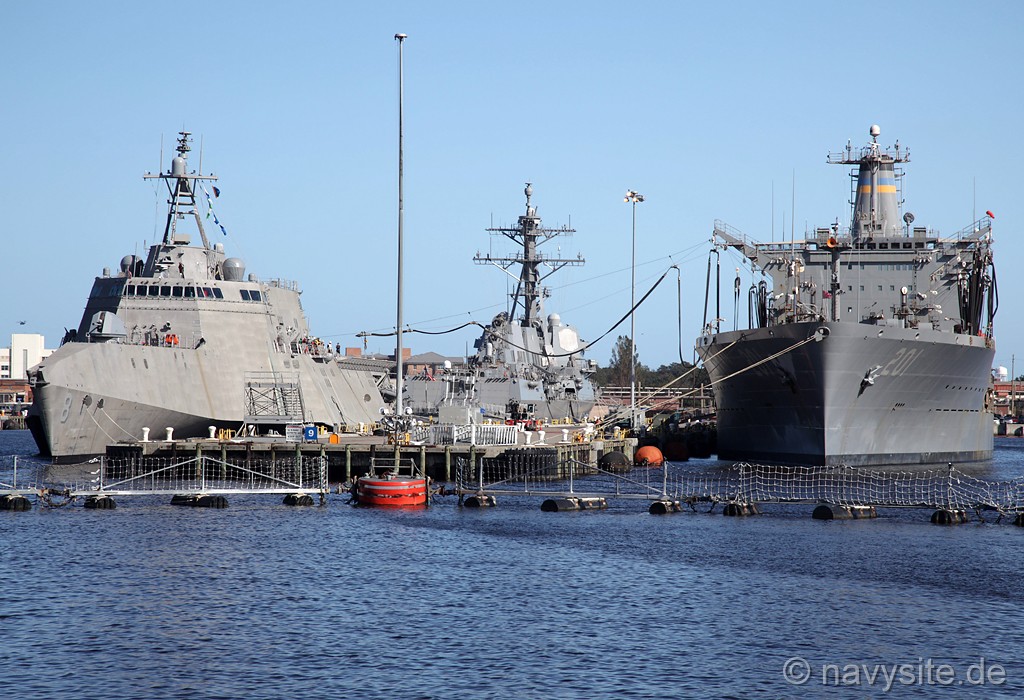
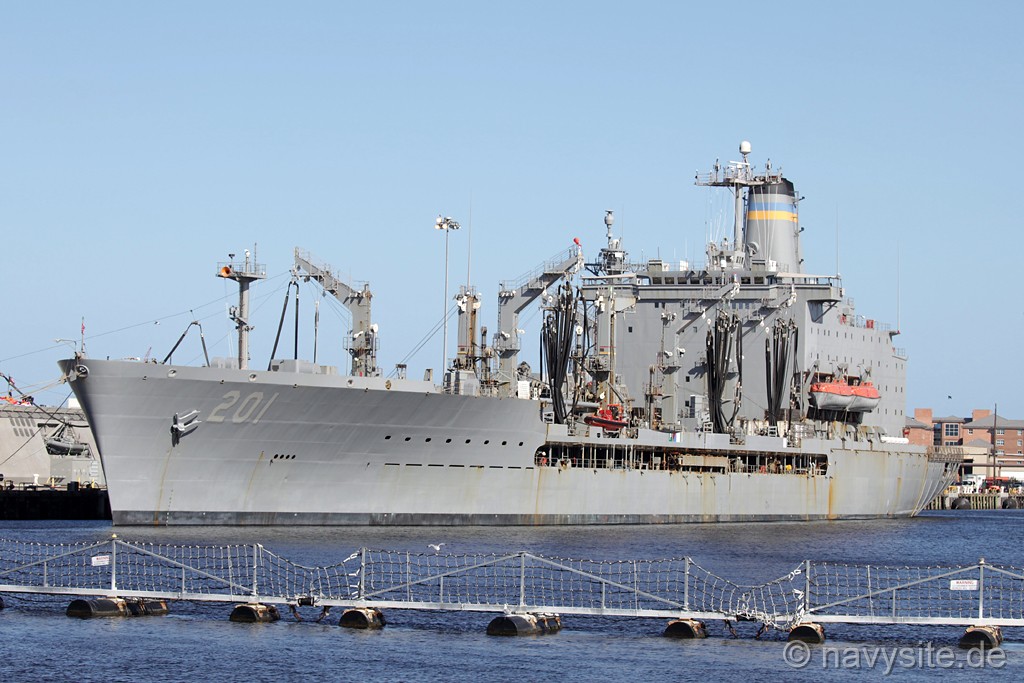
The photos below were taken by Michael Jenning and show the PATUXENT at Naval Base Norfolk, Va., on October 12, 2016. On the third photo the PATUXENT is refueling the USS MONTGOMERY (LCS 8) while both ships are pierside.


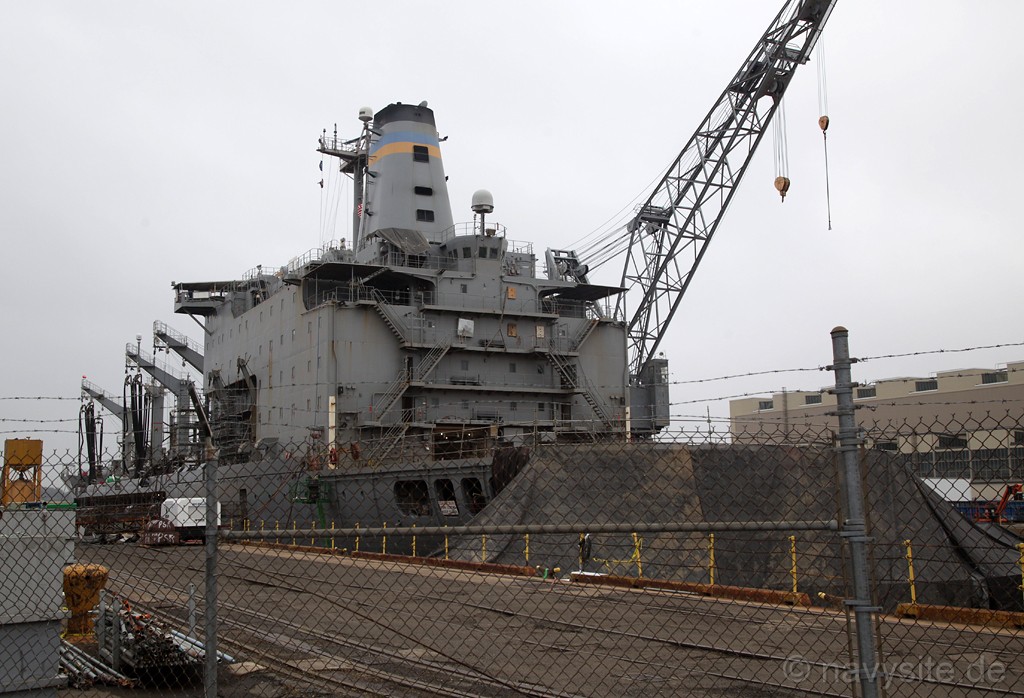
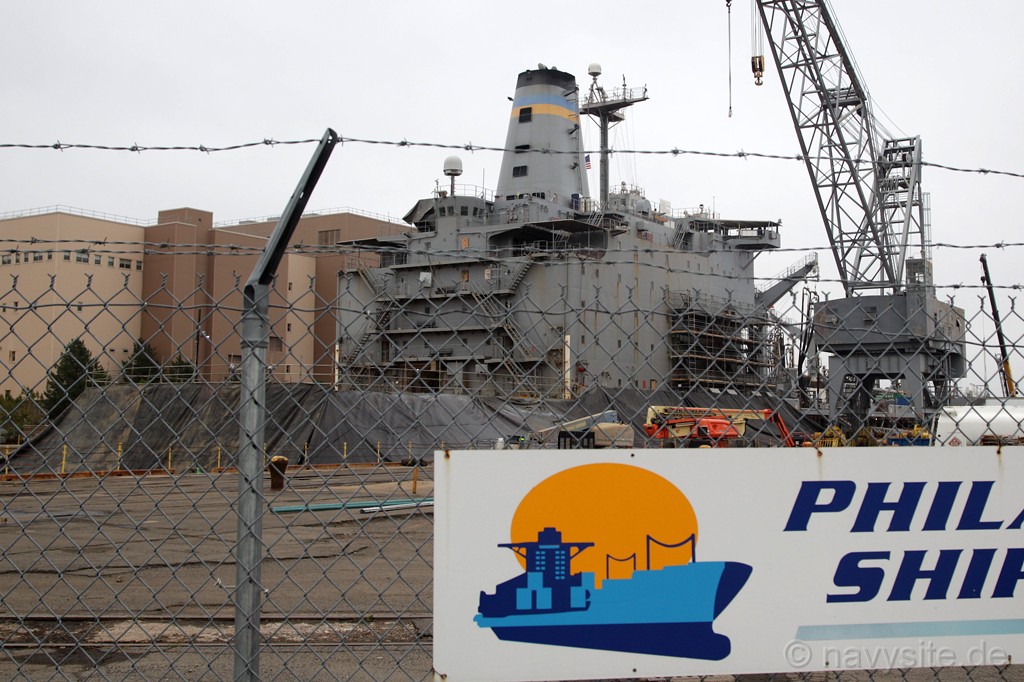
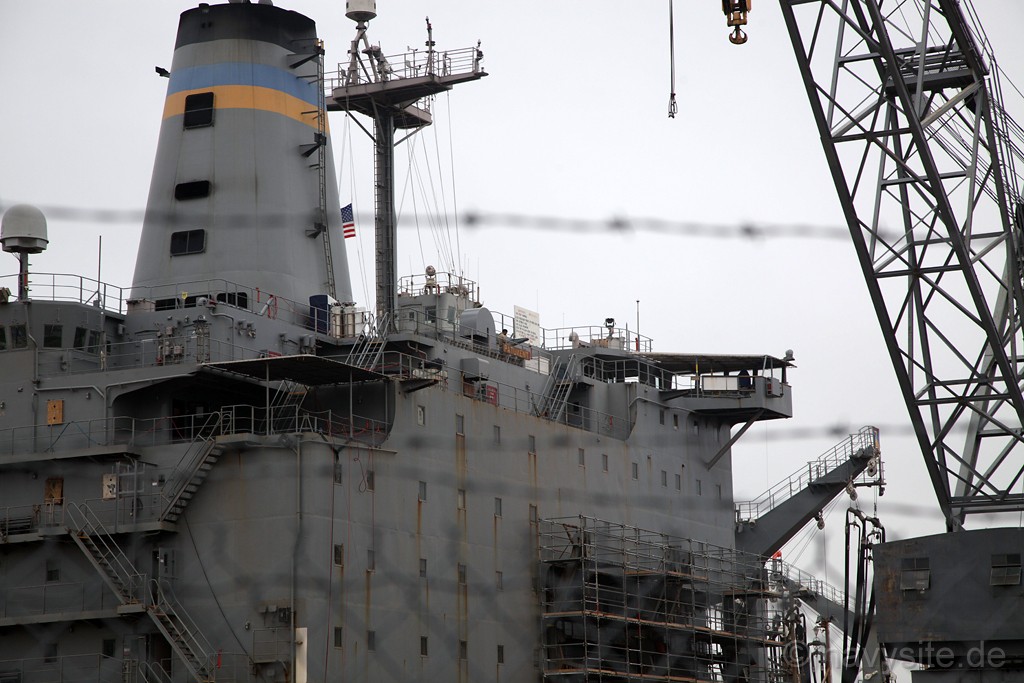
The photos below were taken by Michael Jenning and show the PATUXENT dry docked at Philadelphia Ship Repair at the former Philadelphia Naval Shipyard, Philadelphia, Penn., on October 7, 2018.


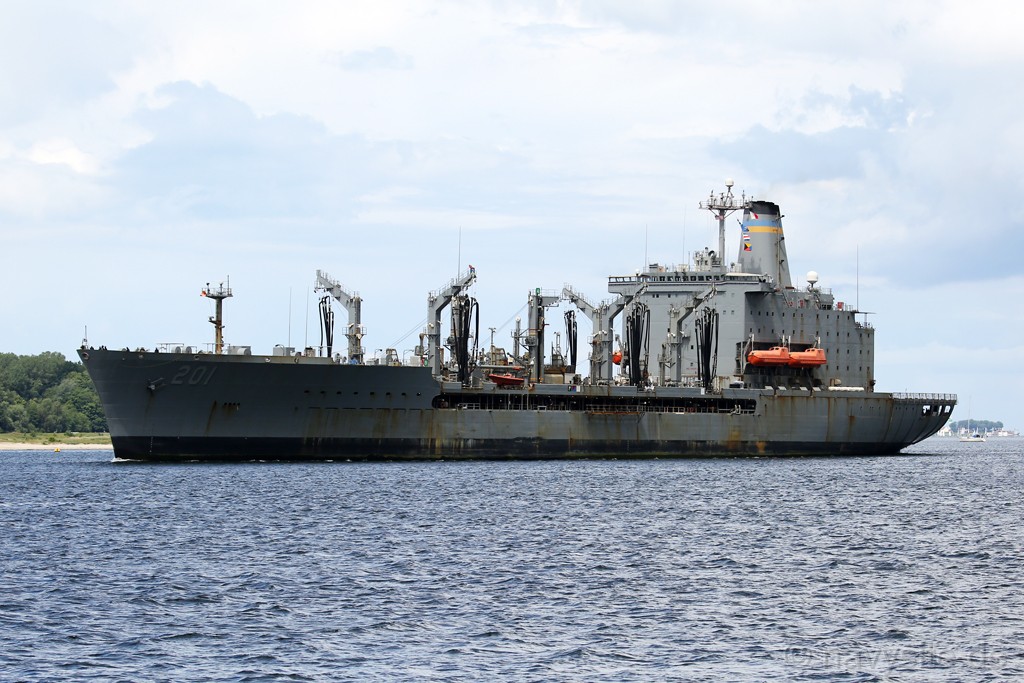
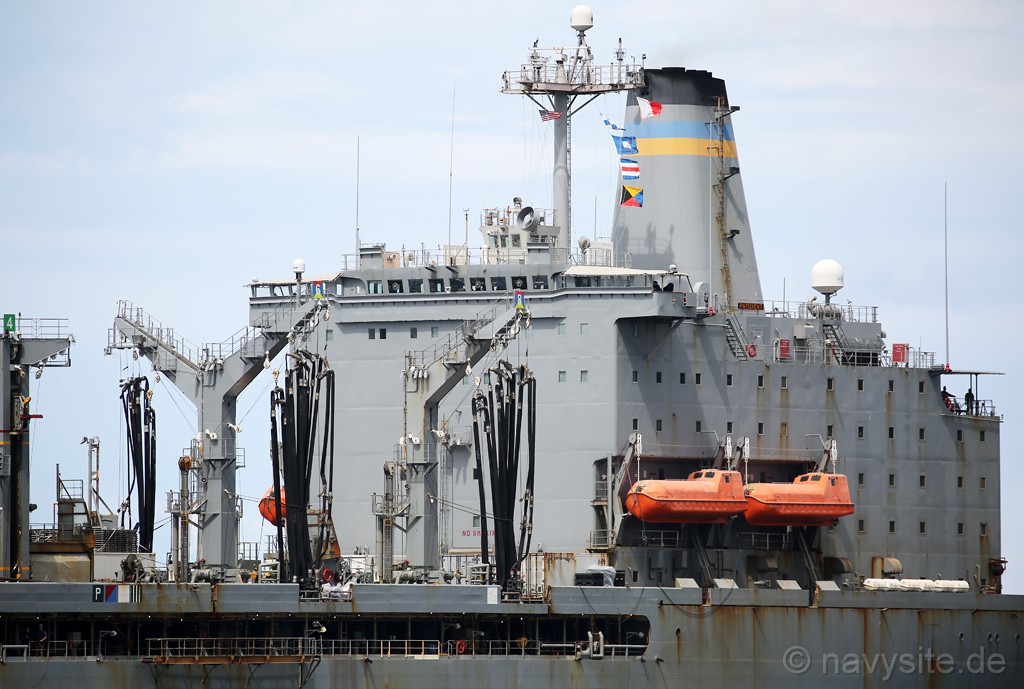
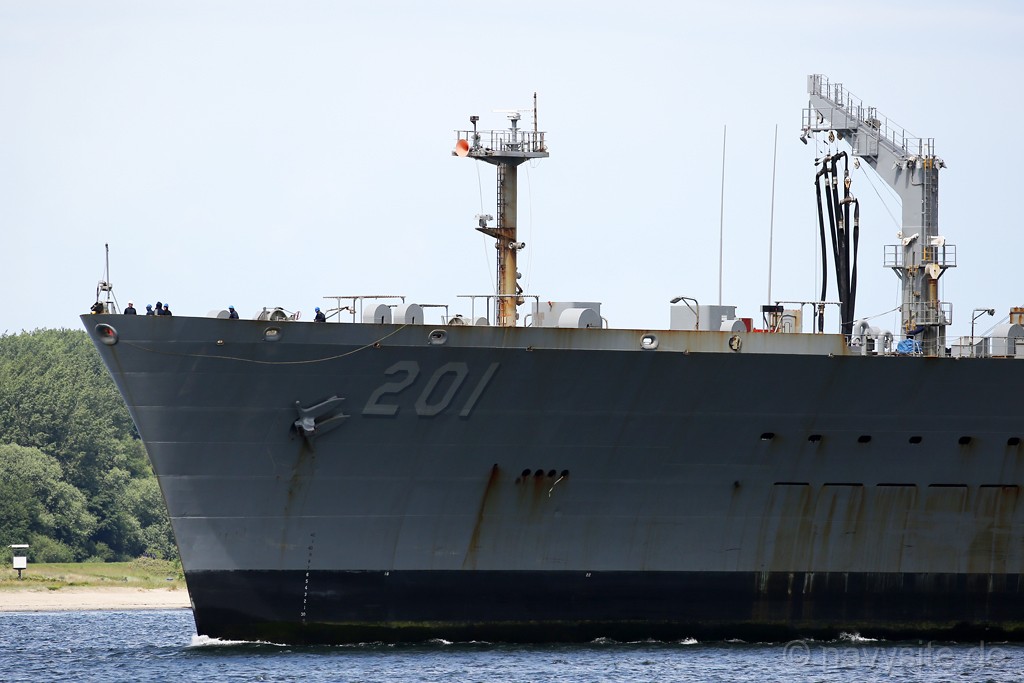
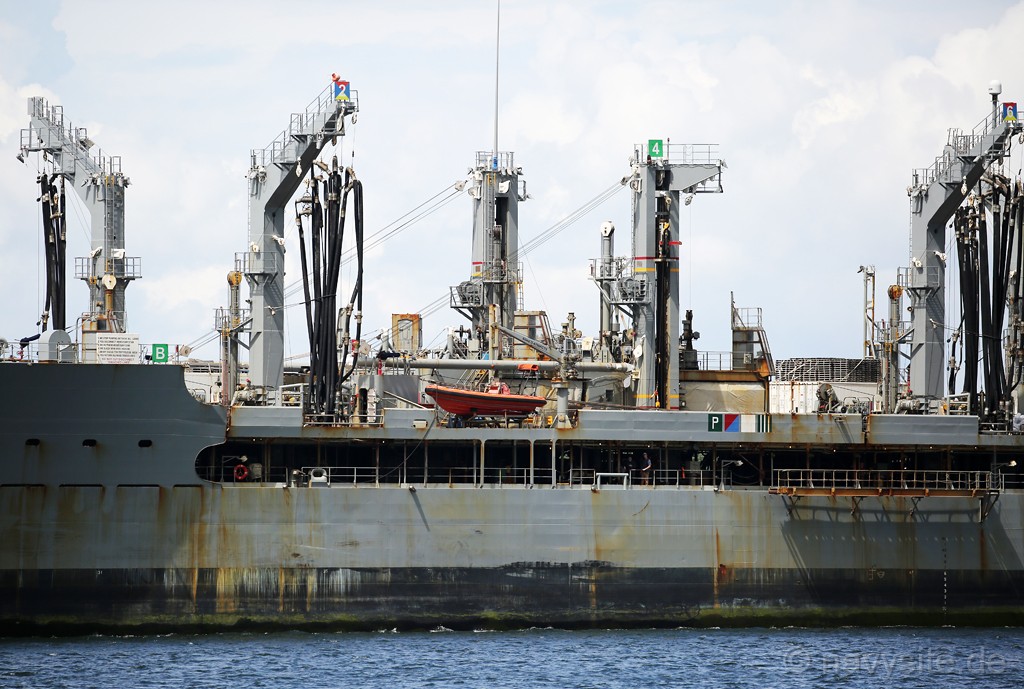
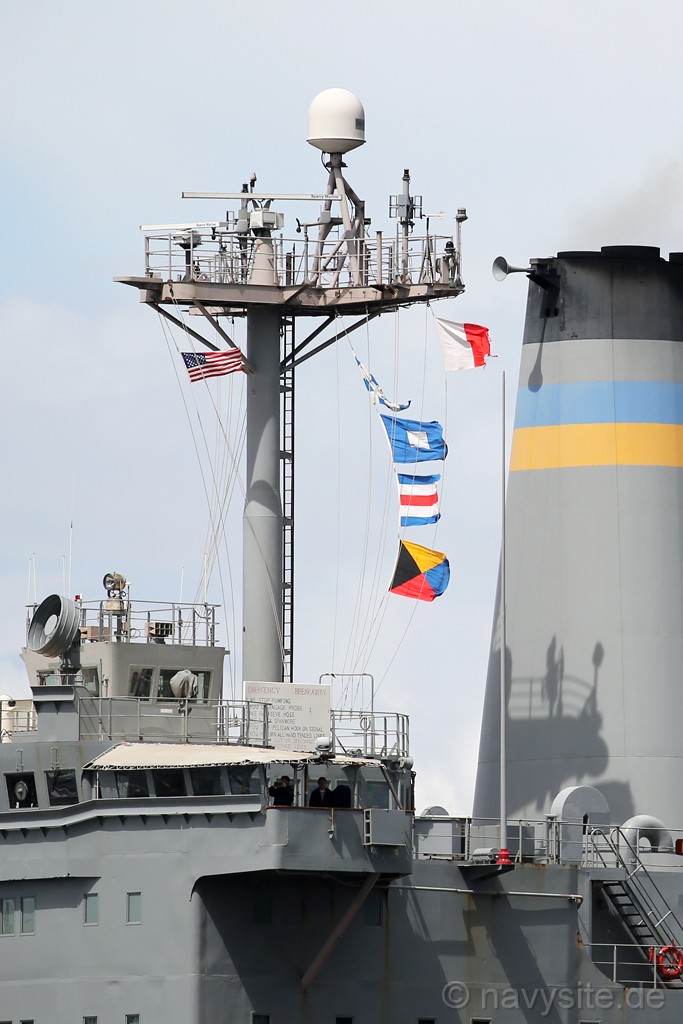
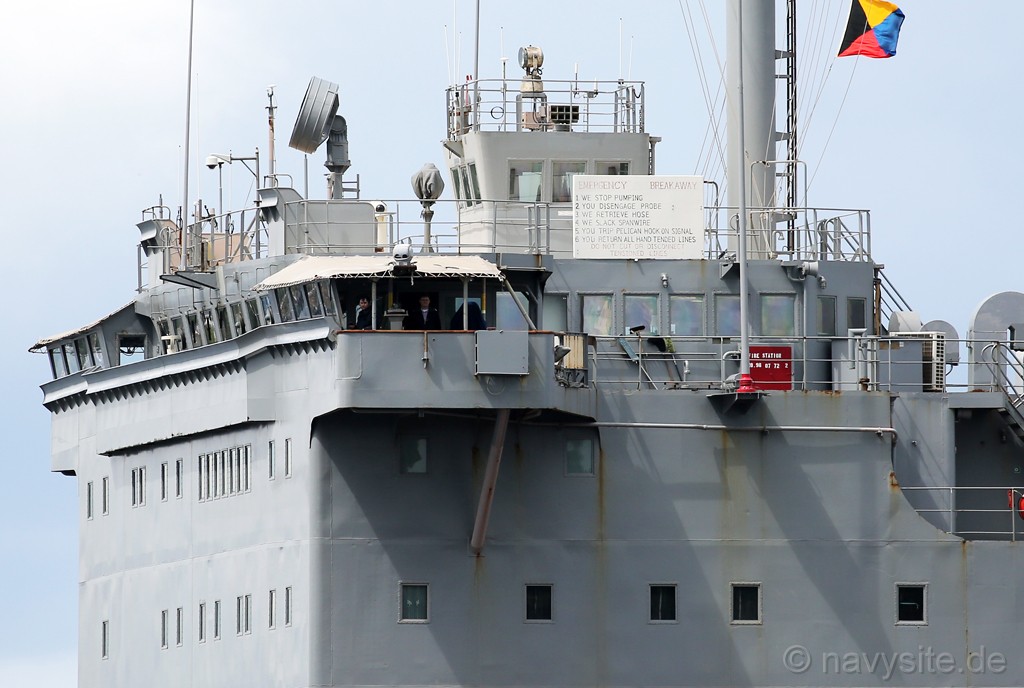
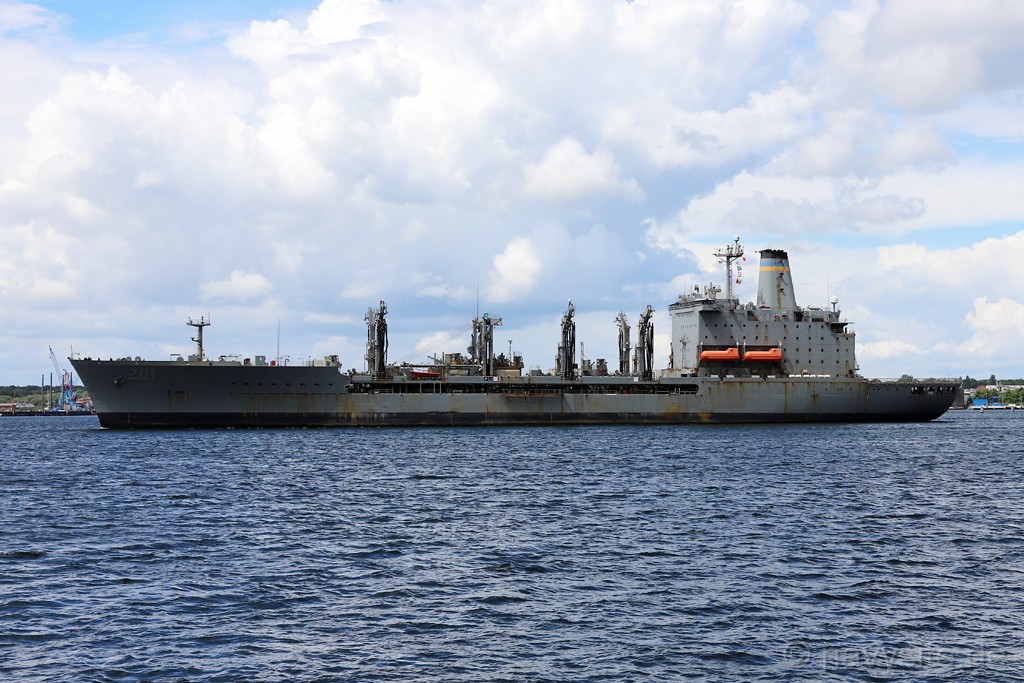
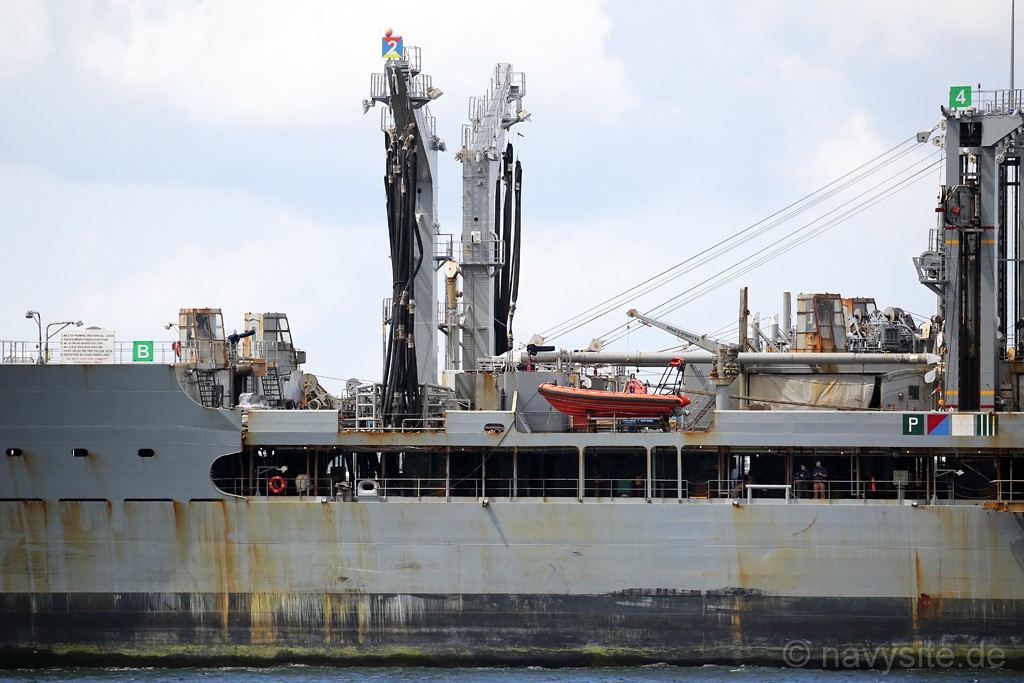
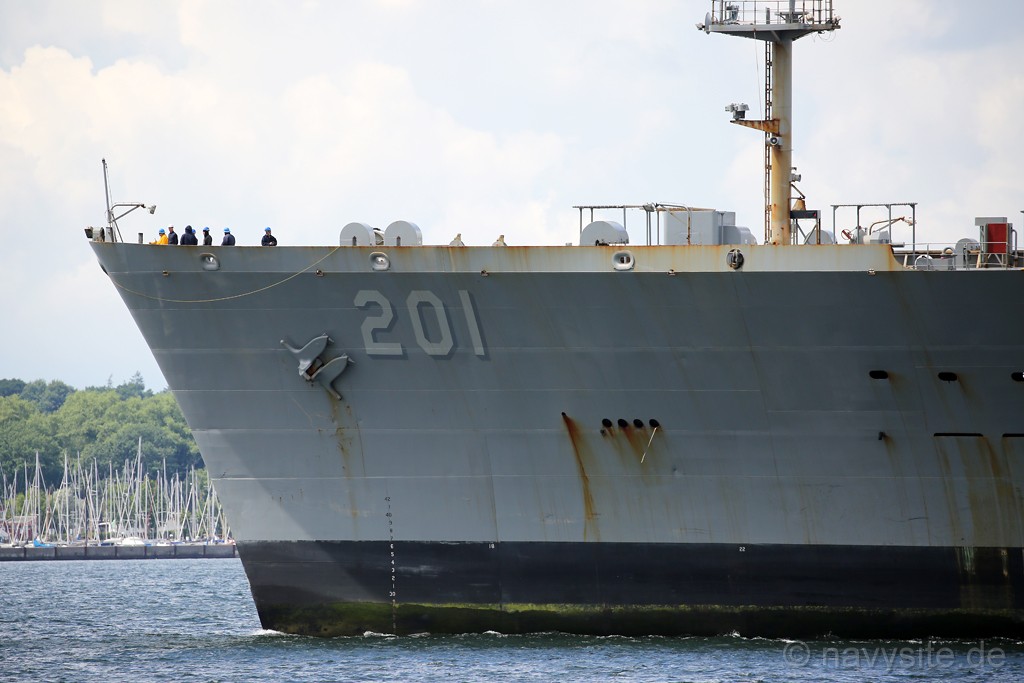
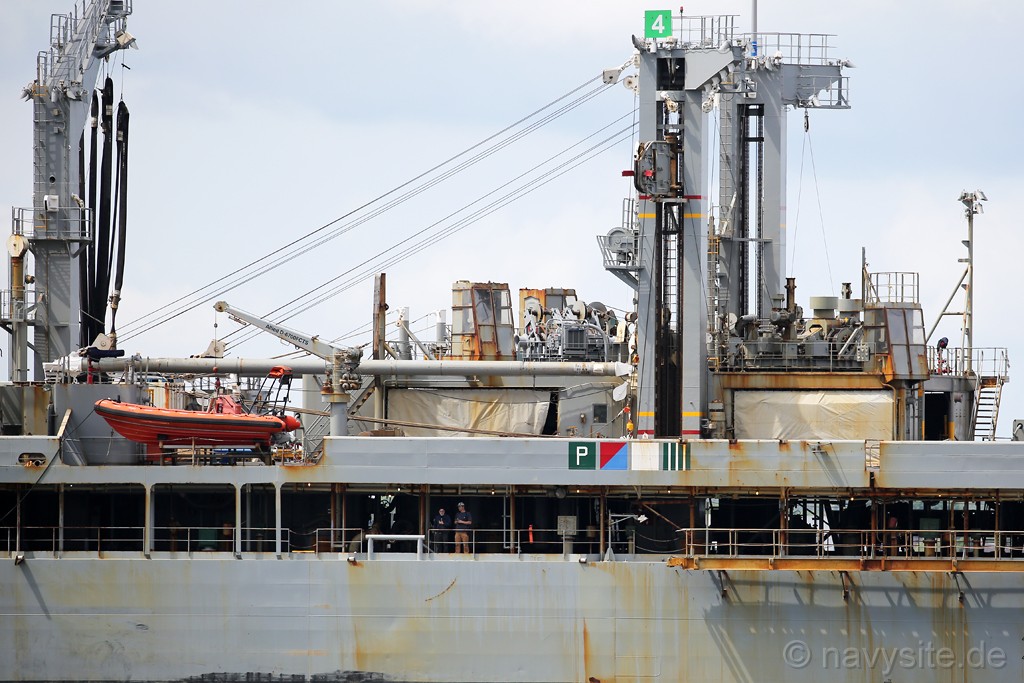
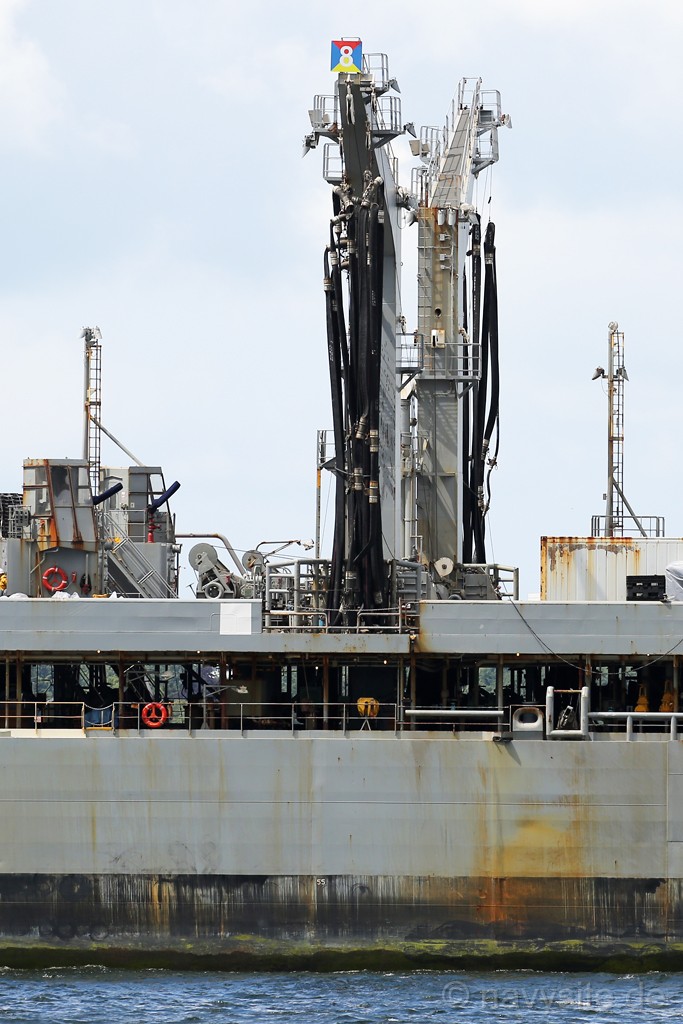
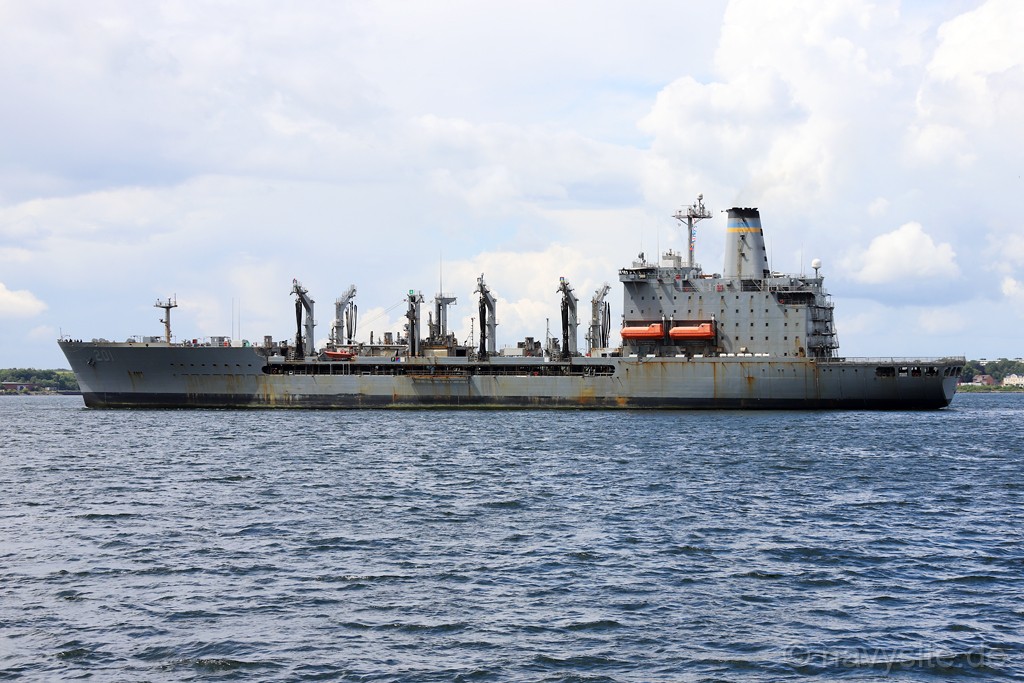
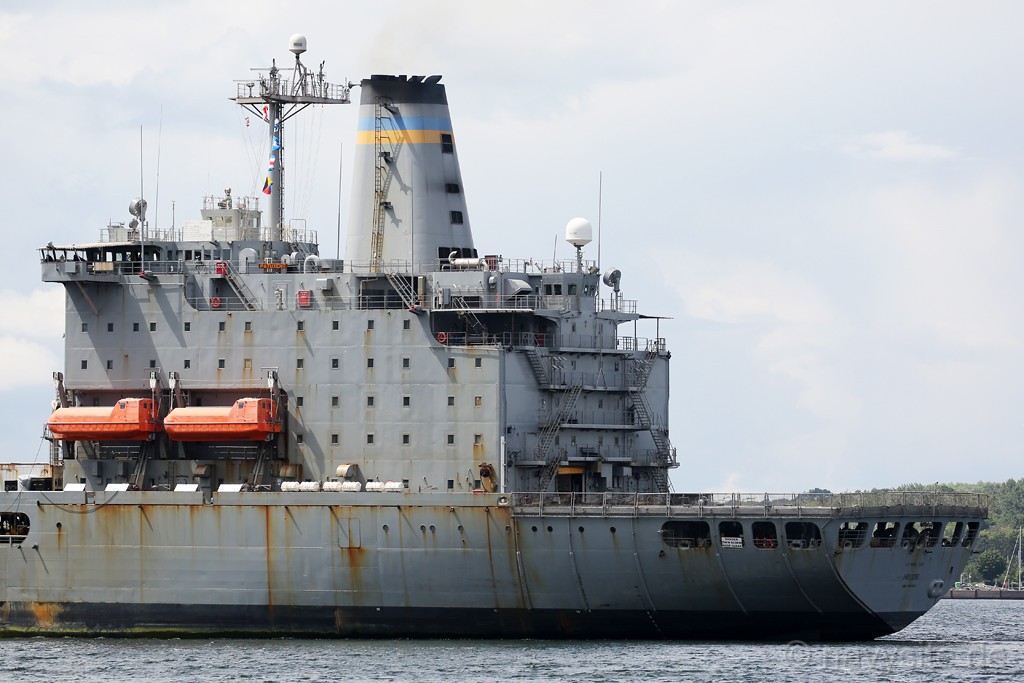
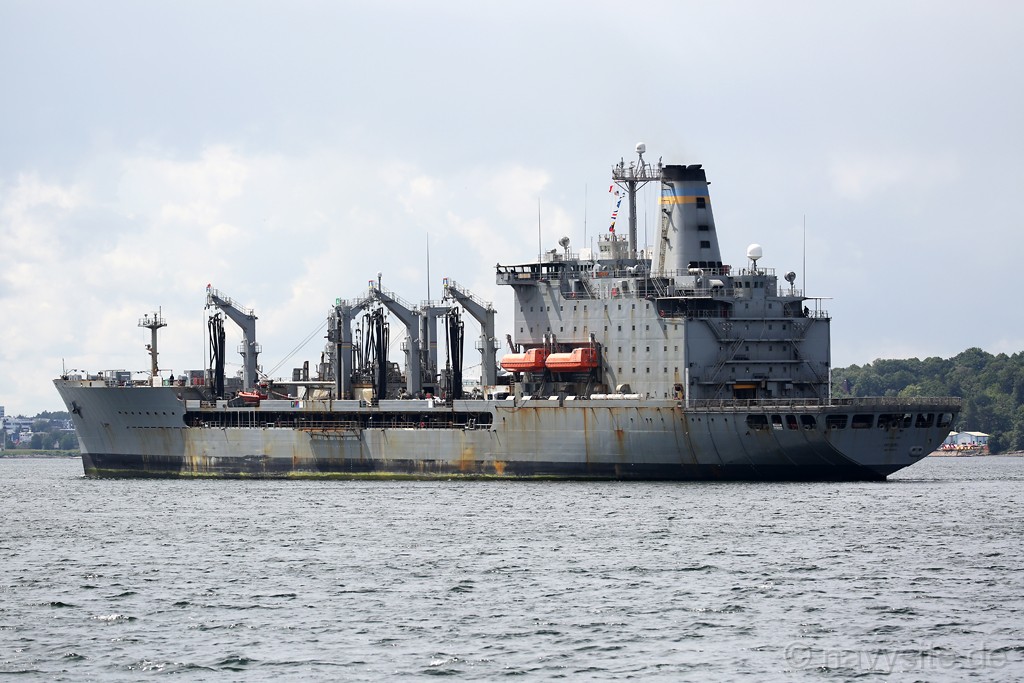
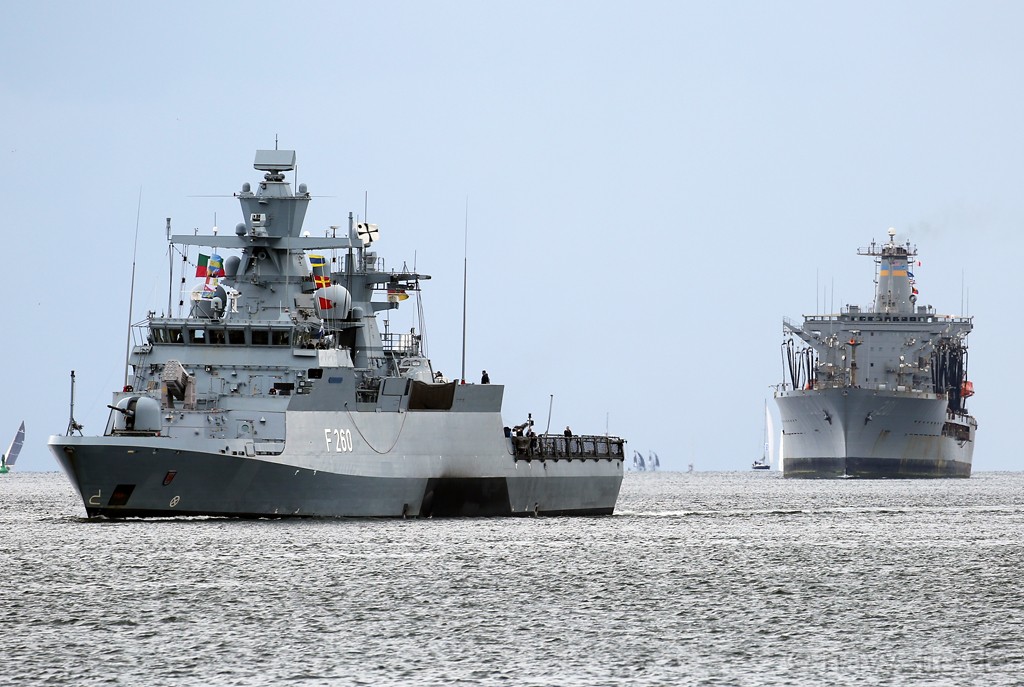
The photos below were taken by me and show the PATUXENT arriving at Kiel, Germany, after her participation in BALTOPS 22 on June 20, 2022.


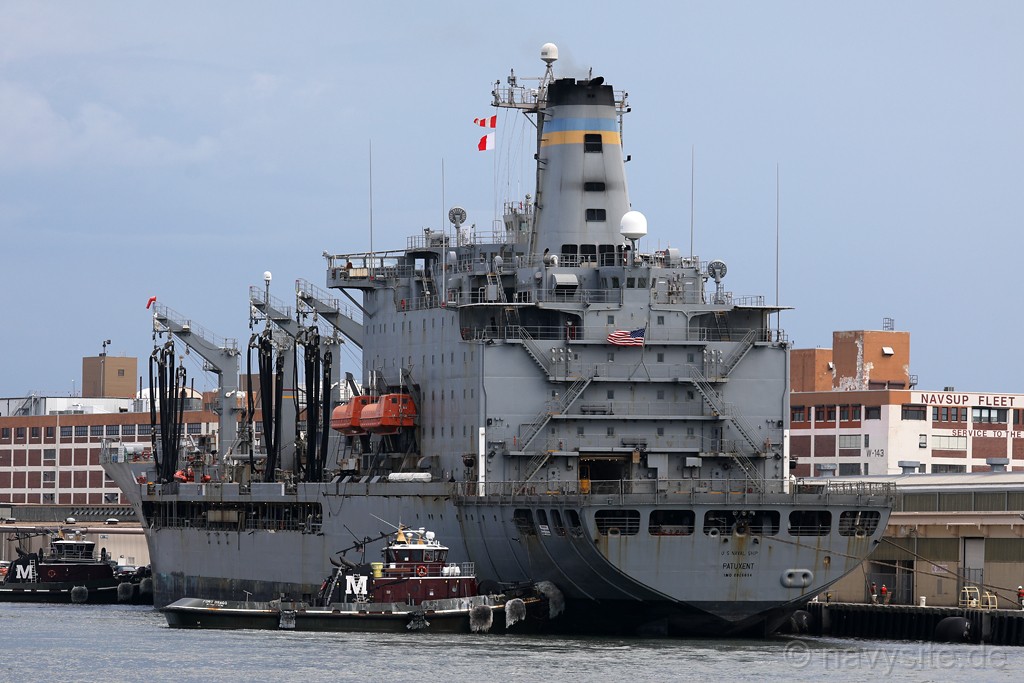
The photos below were taken by Michael Jenning and show the PATUXENT shortly before getting underway from Naval Base Norfolk, Va., on September 6, 2022.


Back to topback to top


Back to Fleet Oilers page. Back to ships list. Back to selection page. Back to 1st page.